

Free Concepción Travel Guide & Mobile App
Plan your Concepción trip with Evendo. Get free guides to top attractions, restaurants, hotels, and bars. Web access or download the mobile app.


Concepción, Chile’s cultural capital, blends university energy, earthquake-shaped architecture, Pacific-coast flavours, museums, music and southern landscapes.
A City Rebuilt by the Earth
Concepción lies in Chile’s Biobío region, between the broad Biobío River and the Pacific coast. Its identity has been shaped by repeated earthquakes, industrial growth, university life and a strong relationship with the surrounding forests, wetlands and shore. The present city occupies the site to which Concepción was moved from nearby Penco in 1764 after natural disasters made the original settlement vulnerable. Much of the central district was rebuilt in modernist forms after the 1939 and 1960 earthquakes, giving the streets a distinctive mixture of civic openness, contemporary architecture and surviving historic symbols.Read more about Concepción
Music, Murals and University Life
Rivers, Markets and the Wider Biobío
When is the best time to visit Concepción?
Best: December–February · 24–25°C| Month | High (°C) | Rainfall (mm) |
|---|---|---|
| January (best) | 25 | 0 |
| February (best) | 25 | 0 |
| March | 23 | 0 |
| April | 19 | 0 |
| May | 16 | 0 |
| June | 14 | 70 |
| July | 13 | 70 |
| August | 14 | 60 |
| September | 15 | 50 |
| October | 17 | 30 |
| November | 20 | 10 |
| December (best) | 24 | 0 |
Getting to and around Concepción
How to get there
Transportation
Best attractions in Concepción
Concepción’s principal sights reflect its university culture, natural setting and repeated rebuilding. The Universidad de Concepción campus combines lawns, sculptural details and the Campanil with the Casa del Arte José Clemente Orozco, home to the vast Presencia de América Latina mural. Nearby, the Museo de Historia Natural presents the region’s geology, wildlife and Indigenous heritage in an accessible setting. Plaza Independencia anchors the civic centre, while Parque Ecuador provides wooded paths and access towards the surrounding hills. The pedestrian streets around Barros Arana and Aníbal Pinto reveal everyday city life through bookshops, cafés and public art, and Parque Bicentenario opens towards the Biobío River. For a broader regional perspective, the coastal and port landscapes of Talcahuano and Penco are close by, while the wetlands and forested areas around the city offer quieter encounters with the geography that has long shaped the Biobío capital.
-
Park
Parque Ecuador
Explore the lush landscapes and vibrant atmosphere of Parque Ecuador, a serene urban retreat in Concepción, Chile, perfect for relaxation and cultural immersion.
8 min walk · 0.6 km from city centre
-
Plaza
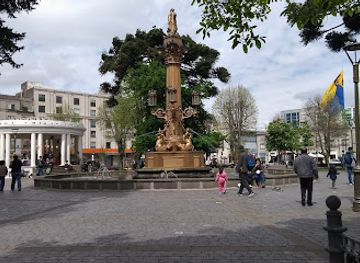
Plaza de la Independencia
Experience the vibrant culture and history of Concepción at Plaza de la Independencia, a must-visit destination for every traveler.
1 min walk · 0.1 km from city centre
-
National park
Parque Jorge Alessandri
Explore the natural beauty of Parque Jorge Alessandri, a top tourist attraction in Biobío, Chile, perfect for outdoor adventures and serene getaways.
36 min drive · 16 km from city centre
-
Museum
Huáscar
Uncover the rich maritime history of Chile at the Huáscar, a historic museum ship that offers a unique glimpse into naval warfare and engineering.
35 min drive · 15 km from city centre


Best landmarks in Concepción
The Campanil of the Universidad de Concepción is one of the city’s most recognisable landmarks, its slender tower and open campus symbolising the university’s cultural influence. The Casa del Arte is equally significant for its mural Presencia de América Latina, created by Mexican artist Jorge González Camarena and regarded as a major work of twentieth-century Latin American muralism. In the civic centre, Plaza de la Independencia recalls Concepción’s role in the independence period, while the Catedral de la Santísima Concepción represents the city’s religious and institutional life after successive earthquakes and reconstructions. Modernist public buildings, broad streets and open spaces around the centre reflect the practical architectural response to seismic risk. The Biobío River, though a natural feature rather than a monument, is also a defining geographical landmark: its scale explains Concepción’s historic importance as a regional crossing point and connects the urban centre with the port and industrial landscapes beyond it.
-
Park
Parque Ecuador
Explore the serene beauty of Parque Ecuador, a lush urban park in Concepción, perfect for relaxation, recreation, and cultural experiences.
8 min walk · 0.6 km from city centre
-
Plaza
Plaza de la Independencia
Experience the vibrant life and rich history of Concepción at Plaza de la Independencia, a must-visit cultural hub filled with beauty and charm.
1 min walk · 0.1 km from city centre
-
Park
Plaza Perú
Explore the beauty and culture of Plaza Perú, a vibrant city park and tourist attraction in the heart of Concepción, Chile.
10 min walk · 0.8 km from city centre
-
Park
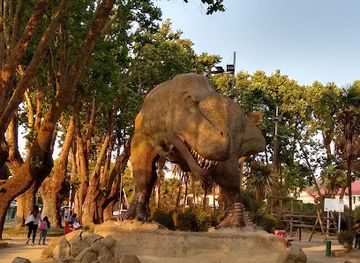
Acevedo Square
Discover life-size dinosaurs and natural history at Concepción's Acevedo Square, a unique park blending recreation and education for all ages.
6 min drive · 2.1 km from city centre
Explore Concepción on the map
Plan your Concepción trip on one map. See where the top attractions, landmarks, restaurants, bars and hotels are, find what's near where you're staying, and book hotels and experiences in a few clicks.
Best hotels in Concepción
Best restaurants in Concepción
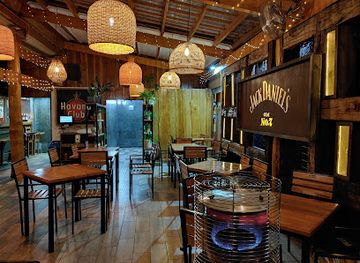
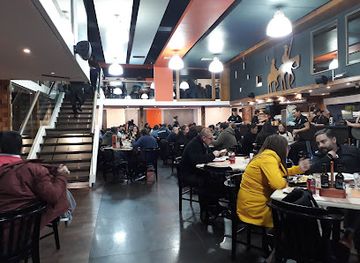
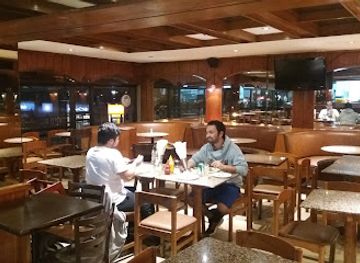
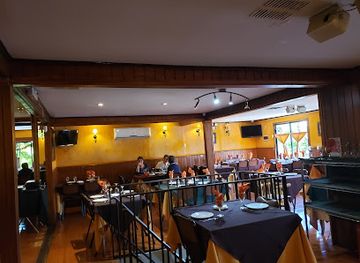
Concepción’s dining culture draws on the produce of the Biobío region, combining Pacific seafood with agricultural products from the river valleys and inland countryside. Fish, shellfish, empanadas, pastel de choclo and cazuela appear alongside Chilean staples such as completos and sopaipillas, while local bakeries and cafés provide informal places to eat between visits to the centre or university quarter. Seafood restaurants and market counters are especially relevant in the wider coastal area, including Talcahuano, where the maritime economy remains visible. Around Plaza Perú, central pedestrian streets and the university district, independent restaurants often interpret Chilean ingredients in more contemporary ways, with vegetarian and international cooking also well represented. Vega Monumental offers a more practical, produce-led experience, with stalls selling fruit, vegetables, meat and prepared food. Menus may change with the catch and season, so regional specialities are best approached as part of the city’s everyday food culture rather than a fixed list of signature dishes.
-
Restaurant
La Cocina
Discover La Cocina in Concepción - where authentic Chilean flavors meet exceptional dining experiences.
10 min walk · 0.8 km from city centre
-
Restaurant
Restaurante Quijote
Experience the vibrant flavors of Chile at Restaurante Quijote in Concepción - where tradition meets modern cuisine in an inviting atmosphere.
2 min walk · 0.1 km from city centre
-
Restaurant
Fuente Alemana
Experience authentic Chilean cuisine at Fuente Alemana in Concepción - where tradition meets flavor.
3 min walk · 0.2 km from city centre
-
Chilean
La Parrilla de Don Talo
Experience authentic Chilean flavors at La Parrilla de Don Talo in Concepción – where every dish tells a story.
7 min drive · 2.3 km from city centre
Best bars in Concepción
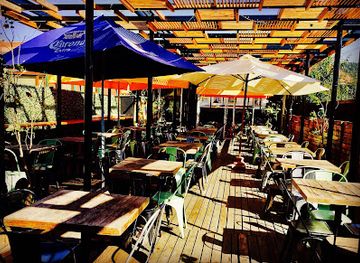
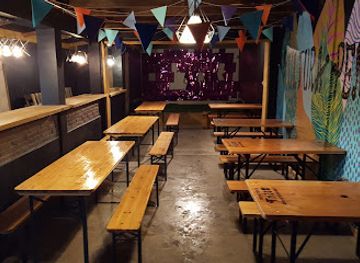
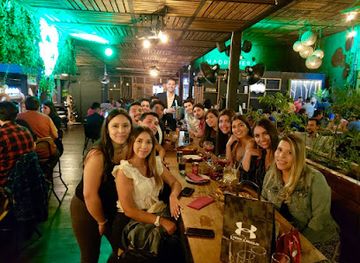
Concepción has a notably active evening culture for a regional Chilean city, supported by its large student population, live-music history and independent arts scene. The streets around Plaza Perú and the university quarter contain cafés, bars and informal venues where evenings may begin with craft beer, wine or Chilean cocktails before moving towards live music. The area around Barrio Estación also has restaurants and bars linked to the city’s transport and nightlife circuits, while central cultural institutions periodically host concerts, theatre and other performances. Rock and alternative music have a strong association with Concepción, and smaller venues can provide a more local experience than large clubs. Nightlife varies by weekday and academic calendar, and activity generally becomes more concentrated later in the evening; use recognised transport and take normal care with belongings when moving between venues.
-
Bar
Bar Callejón
Discover the lively atmosphere of Bar Callejón in Concepción, where local flavors and vibrant nightlife come together for an unforgettable experience.
9 min walk · 0.7 km from city centre
-
Pub
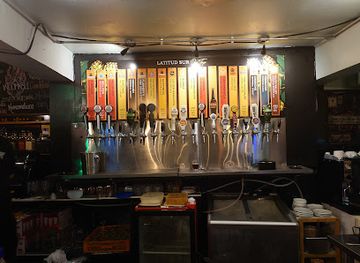
Latitud Sur
Experience the vibrant flavors of Latitud Sur in Concepción, where craft beer meets delicious pizza in a warm and inviting atmosphere.
8 min walk · 0.7 km from city centre
-
Bar
Bar Concepción
Discover the spirit of Concepción at Bar Concepción, a vibrant destination offering diverse drinks, live music, and delicious tapas in a cozy atmosphere.
9 min walk · 0.8 km from city centre
-
Bar
Madriguera Gastro Bar
Discover the vibrant culinary scene at Madriguera Gastro Bar, where local flavors meet modern dining in a lively atmosphere.
11 min walk · 0.9 km from city centre
Best nightclubs in Concepción
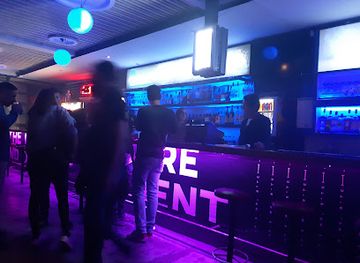
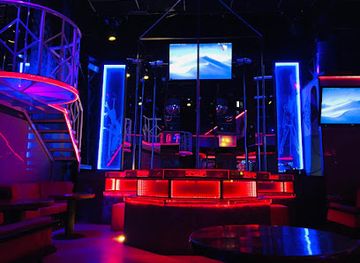
Concepción has a notably active evening culture for a regional Chilean city, supported by its large student population, live-music history and independent arts scene. The streets around Plaza Perú and the university quarter contain cafés, bars and informal venues where evenings may begin with craft beer, wine or Chilean cocktails before moving towards live music. The area around Barrio Estación also has restaurants and bars linked to the city’s transport and nightlife circuits, while central cultural institutions periodically host concerts, theatre and other performances. Rock and alternative music have a strong association with Concepción, and smaller venues can provide a more local experience than large clubs. Nightlife varies by weekday and academic calendar, and activity generally becomes more concentrated later in the evening; use recognised transport and take normal care with belongings when moving between venues.
-
Night club
Maldita Sea
Discover the heartbeat of Concepción's nightlife at Maldita Sea, a vibrant night club that promises unforgettable evenings filled with music and dance.
5 min drive · 1.6 km from city centre
-
Disco club
Club Space
Dive into the energetic nightlife of Concepción at Club Space, a dynamic disco club where music and fun unite for an unforgettable experience.
17 min walk · 1.3 km from city centre
-
Cabaret club
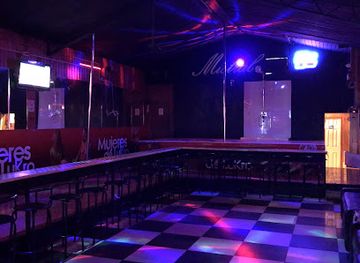
Nigth Club Concepción MUJERES DE LUKRO
Discover the electrifying nightlife at Mujeres de Lukro, Concepción's premier cabaret club, where entertainment and dance come alive.
10 min walk · 0.8 km from city centre
-
Cabaret club
Night Club Top Platinium
Discover the electrifying nightlife of Concepción at Night Club Top Platinium, where cabaret meets dance in a vibrant atmosphere.
7 min drive · 2.3 km from city centre

Best shops in Concepción
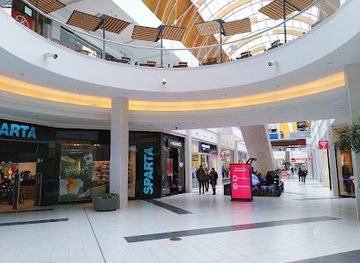
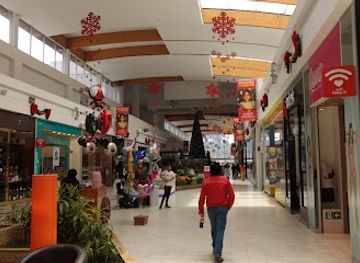
Shopping in Concepción ranges from pedestrian central streets to large modern retail complexes and substantial produce markets. The Paseo Peatonal around Barros Arana and Aníbal Pinto is the main central shopping environment, with national chains, department stores, cafés and smaller retailers, while malls provide a more concentrated selection of fashion, services and entertainment. Vega Monumental, outside the historic centre, offers a livelier food-oriented experience centred on fruit, vegetables, meat, seafood and everyday Chilean provisions. Independent bookshops, design stores and university-related cultural retail are particularly noticeable around the central and university districts. Visitors seeking regional goods may find locally produced food, woollen items, ceramics and craftwork in specialist shops or temporary fairs, although selection varies. A useful souvenir is often something connected with Biobío’s landscapes or creative scene rather than a generic Chilean emblem, and market purchases are best made with cash available.
-
Shopping mall
Mall Plaza El Trebol
Discover an unforgettable shopping experience at Mall Plaza El Trebol, where fashion, food, and fun come together in Concepción, Chile.
13 min drive · 4.2 km from city centre
-
Shopping mall
Mall Plaza Mirador Biobío
Experience the ultimate shopping adventure at Mall Plaza Mirador Biobío, where diverse retail, dining, and entertainment await in Concepción, Chile.
17 min walk · 1.3 km from city centre
-
Shopping mall
Mall del Centro Concepción
Discover vibrant shopping and dining at Mall del Centro Concepción, the ultimate retail destination in Chile's Bío Bío region.
6 min walk · 0.5 km from city centre
-
Market
Terminal Pesquero Artesanal La Poza
Explore fresh seafood and local crafts at Terminal Pesquero Artesanal La Poza, a vibrant market in Talcahuano, Bío Bío, Chile.
34 min drive · 14 km from city centre
Get your free copy of our complete guide to Concepción, delivered straight to you.
Everything on this page, from attractions and restaurants to essentials and local phrases, in one PDF you can read offline, print or share.
Already have an account? Sign in
Your Concepción guide is ready.
We'll send it to · Not you? Sign out

Getting your guide ready…
We are putting together a fresh copy of the Concepción guide. This can take up to a minute.
This can take a few moments. If your browser asks, choose Allow so the download can start. You'll find the guide in your Downloads folder.
Nothing happened? Download it again
Sorry, the guide is taking longer than usual. Please try again in a minute, or get it by email instead.
Concepción essentials
Currency and Payment
Safety
Emergency Situations
Do's and Don'ts
Local Tips
From Eve
Local phrases worth knowing
You don't need to get them perfect. A few words go a long way, and locals appreciate the effort.
Basics
| English | Local | Say it |
|---|---|---|
| Hello | Hola | [oh-lah] |
| Goodbye | Adiós | [ah-dyohs] |
| Yes | Sí | [see] |
| No | No | [noh] |
| Please/You're welcome | Por favor/De nada | [pohr fah-bohr/deh nah-dah] |
| Thank you | Gracias | [grah-syahs] |
| Excuse me/Sorry | Perdón | [pehr-dohn] |
| How are you? | ¿Cómo estás? | [koh-moh ehs-tahs] |
| Fine. And you? | Bien. ¿Y tú? | [byen. ee too] |
| Do you speak English? | ¿Hablas inglés? | [ah-blahs een-glehs] |
| I don't understand | No entiendo | [noh ehn-tyehn-doh] |
Eating & Drinking
| English | Local | Say it |
|---|---|---|
| I'd like to see the menu, please | Me gustaría ver el menú, por favor | [meh goo-stah-ree-ah behr ehl meh-noo, pohr fah-bohr] |
| I don't eat meat | No como carne | [noh koh-moh kahr-neh] |
| Cheers! | ¡Salud! | [sah-lood] |
| I would like to pay, please | Me gustaría pagar, por favor | [meh goo-stah-ree-ah pah-gahr, pohr fah-bohr] |
Emergencies
| English | Local | Say it |
|---|---|---|
| Help! | ¡Ayuda! | [ah-yoo-dah] |
| Go away! | ¡Vete! | [veh-teh] |
| Call the Police! | ¡Llama a la policía! | [yah-mah ah lah poh-lee-see-ah] |
| Call a doctor! | ¡Llama a un doctor! | [yah-mah ah oon dohk-tohr] |
| I'm lost | Estoy perdido/a | [ehs-toy pehr-dee-doh/ah] |
| I'm ill | Estoy enfermo/a | [ehs-toy ehn-fehr-moh/ah] |
Shopping
| English | Local | Say it |
|---|---|---|
| I'd like to buy... | Me gustaría comprar... | [meh goo-stah-ree-ah kohm-prahr] |
| I'm just looking | Solo estoy mirando | [soh-loh ehs-toy meer-ahn-doh] |
| How much is it? | ¿Cuánto cuesta? | [kwan-toh kwes-tah] |
| That's too expensive | Eso es muy caro | [eh-soh ehs moo-ee kah-roh] |
| Can you lower the price? | ¿Puedes rebajar el precio? | [pweh-dehs reh-bah-hahr ehl pree-syoh] |
Time & Numbers
| English | Local | Say it |
|---|---|---|
| What time is it? | ¿Qué hora es? | [keh oh-rah ehs] |
| It's one o'clock | Es la una en punto | [ehs lah oo-nah ehn poon-toh] |
| Half past (10) | Las diez y media | [lahs dyehs ee meh-dyah] |
| Morning | Mañana | [mah-nyah-nah] |
| Afternoon | Tarde | [tahr-deh] |
| Evening | Noche | [noh-cheh] |
| Yesterday | Ayer | [ah-yehr] |
| Today | Hoy | [oy] |
| Tomorrow | Mañana | [mah-nyah-nah] |
| 1 | Uno | [oo-noh] |
| 2 | Dos | [dohs] |
| 3 | Tres | [trehs] |
| 4 | Cuatro | [kwah-troh] |
| 5 | Cinco | [seen-koh] |
| 6 | Seis | [seys] |
| 7 | Siete | [syeh-teh] |
| 8 | Ocho | [oh-choh] |
| 9 | Nueve | [nweh-veh] |
| 10 | Diez | [dyehs] |
Transport & Directions
| English | Local | Say it |
|---|---|---|
| Where's a/the...? | ¿Dónde está...? | [dohn-deh ehs-tah] |
| What's the address? | ¿Cuál es la dirección? | [kwal ehs lah dee-rehk-syohn] |
| Can you show me (on the map)? | ¿Puedes mostrarme (en el mapa)? | [pweh-dehs mohs-trahr-meh (ehn ehl mah-pah)] |
| When's the next (bus)? | ¿Cuándo es el próximo (autobús)? | [kwan-doh ehs ehl proh-ksee-moh (ow-toh-boos)] |
| A ticket (to ....) | Un boleto (a ...) | [oon boh-leh-toh (ah ...)] |
History of Concepción
Before the Spanish Foundation
The Biobío basin and the coast around present-day Concepción have long been shaped by Mapuche communities, whose territories, agriculture, river routes and social structures predated Spanish settlement. The region’s forests, wetlands and waterways supported fishing, gathering and cultivation, while the Biobío became a significant cultural and political boundary during the colonial period. Any account of Concepción’s history therefore extends beyond the formal foundation of the city: it includes the continuing presence and influence of Mapuche people in Biobío, as well as the Indigenous landscapes transformed by later settlement, farming, industry and urban expansion.
Foundation at Penco
Pedro de Valdivia founded Concepción in 1550 near the coast at present-day Penco, establishing a Spanish settlement in a strategically important but contested part of southern Chile. Its position made it a military and administrative centre during the long conflict between Spanish forces and Mapuche communities, while the nearby bay supported maritime connections. The original settlement endured repeated attacks and natural disasters. Its colonial history was consequently marked by instability, but the name and institutional importance of Concepción survived even as the physical city was repeatedly damaged and rebuilt.
The City Moves Inland
After earthquakes and a destructive tsunami in the eighteenth century, the authorities decided to relocate Concepción from Penco to the more sheltered site it occupies today. The move was completed in 1764, creating a new urban centre around what became the Plaza de la Independencia. The change transformed Concepción from a coastal military settlement into a regional administrative and commercial city. Its new position by the Biobío River also strengthened connections with inland agriculture, river transport and the settlements developing across the wider Biobío territory.
Independence and Republican Growth
Concepción played an important role in Chile’s independence period because of its strategic position and military connections with southern Chile. The declaration of independence was formally proclaimed in the city on 1 January 1818, an event commemorated in the civic centre. During the nineteenth century, Concepción expanded as a market, administrative and educational centre, while nearby ports and coal districts connected the region to national and international commerce. Railways, industrial development and maritime trade gradually gave the wider metropolitan area an economic structure extending beyond the historic centre.
Earthquakes and Modern Reconstruction
Earthquakes have repeatedly altered Concepción’s appearance and urban life. The 1939 Chillán earthquake caused severe destruction across the region, while the 1960 Valdivia earthquake also profoundly affected the city and its infrastructure. Reconstruction encouraged modernist planning, open civic spaces and buildings designed with seismic risk in mind, helping explain the city’s contemporary architectural character. The devastation also accelerated changes in housing, transport and public institutions, while the growth of industry in Talcahuano and the surrounding Biobío region reinforced Concepción’s role as a major southern urban centre.
University, Industry and Cultural Identity
The foundation of the Universidad de Concepción in 1919 added a powerful intellectual and cultural dimension to the city. Its campus, arts institutions and public spaces helped establish Concepción as a centre for education, research and artistic production. In the second half of the twentieth century, industrialisation, forestry, steel, port activity and migration reshaped the metropolitan region, while local music and independent cultural organisations developed a strong public presence. Contemporary Concepción retains these overlapping identities: university city, industrial capital, earthquake-rebuilt urban centre and gateway to the diverse landscapes of Biobío.
Concepción in Photos
Browse through our photo collection highlighting the charm and character of the destination.
Cities near Concepción
The closest cities to Concepción, if you have time for more than one stop.
-

-

-

-

-


Swipe for more cities
Explore more

Explore more of Chile
Discover Chile: From the Atacama Desert to Patagonia's Glaciers, Experience Diverse Landscapes, Rich Culture, and World-Class Wine in This South American Gem.
Explore Chile