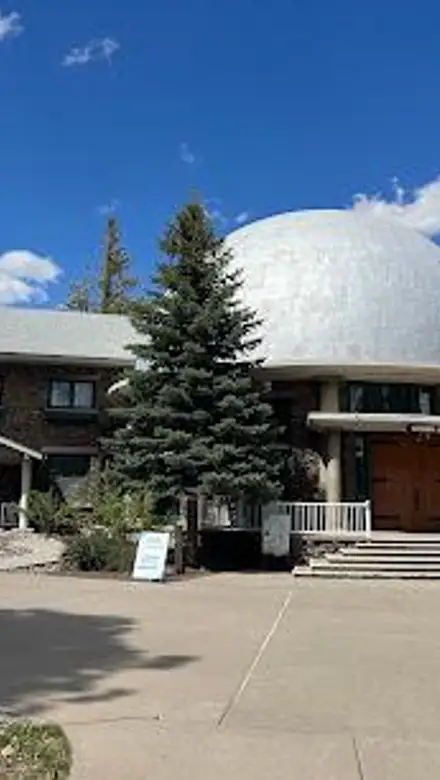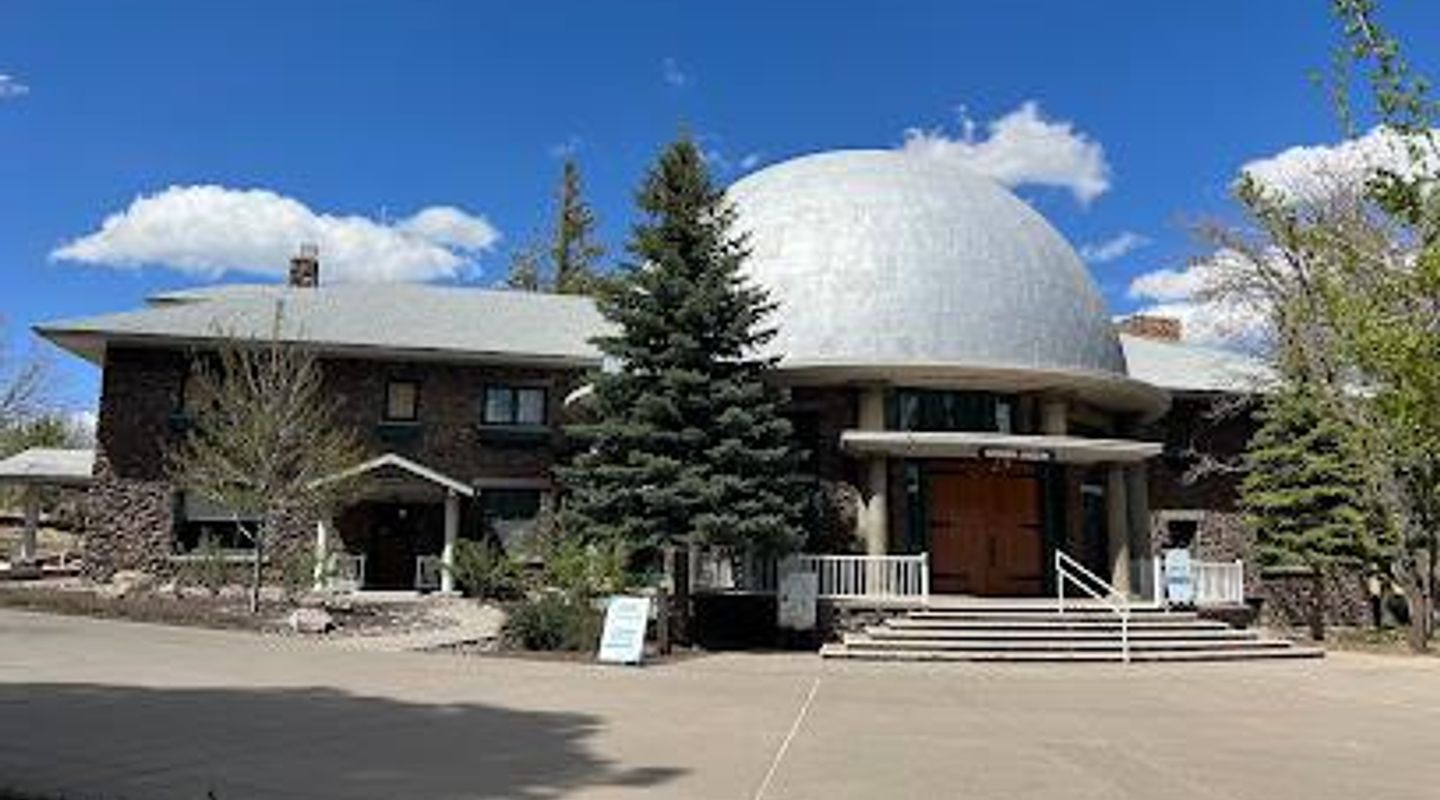
Lowell Observatory, Flagstaff Travel Guide
Explore the cosmos at Lowell Observatory in Flagstaff, where Pluto was discovered and astronomical history continues to unfold.
Perched atop Mars Hill in Flagstaff, Arizona, Lowell Observatory is a historic astronomical site. Founded in 1894 by Percival Lowell, it's renowned for Clyde Tombaugh's 1930 discovery of Pluto and for its significant contributions to lunar mapping for the Apollo missions. Today, visitors can explore exhibits, tour historic telescopes, and gaze at the cosmos, continuing a legacy of astronomical exploration.
A brief summary to Lowell Observatory
- 1400 W Mars Hill Rd, Flagstaff, Arizona, 86001, US
- Click to display
- Click to display
- Monday 12 pm-10 pm
- Wednesday 12 pm-10 pm
- Thursday 12 pm-10 pm
- Friday 12 pm-10 pm
- Saturday 12 pm-10 pm
- Sunday 12 pm-10 pm

Know before you go
Hi, I'm Eve. Here are a few practical things to know before exploring Lowell Observatory.
- Check the weather forecast before visiting, as telescope viewing is dependent on clear skies.
- Arrive early to allow ample time to explore the exhibits and participate in tours.
- Dress in layers, as the temperature can drop significantly in the evening, especially at the observatory's 7,200-foot elevation.
- Take advantage of the red flashlights available at the front desk to preserve night vision and minimize light pollution.
- Consider visiting during special events like meteor shower viewings or the annual I Heart Pluto Festival.
Do you manage this location?
Take control to get all the benefits, like improved information, better appearance, and stronger visibility across AI-powered discovery. Learn more about listing your business on Evendo
Activate your presenceOther nearby places you may find interesting
The closest places of the same kind, if this one is not quite what you had in mind.


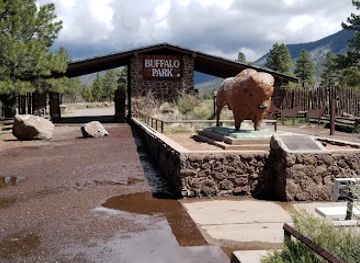
Explore Lowell Observatory on the Map
A handpicked selection of must-see spots near Lowell Observatory, mapped for you.
Unlock the Best of Lowell Observatory
Buy tickets
-
No tickets available
Book tours with entry


Getting There
-
Walking
From the intersection of S Milton Rd and W Santa Fe Ave in Flagstaff, head west on W Santa Fe Ave, which becomes W Mars Hill Rd. Continue up the hill for about 0.6 miles to Lowell Observatory. The walk is moderately steep and takes approximately 20-30 minutes. There are sidewalks along the route. No costs are associated with walking.
-
Public Transport
From Flagstaff Amtrak station, several bus lines (2, 3, 5, 66, 7) stop near Lowell Observatory. Take any of these buses to the Santa Fe/Park WB stop. From there, walk west on Santa Fe Ave, which becomes W Mars Hill Rd, for about 0.4 miles to the observatory. A single bus fare costs $2. The walk from the bus stop takes about 8 minutes.
-
Driving
From downtown Flagstaff, travel to the intersection of S Milton Rd and W Santa Fe Ave. Head west on W Santa Fe Ave, which becomes W Mars Hill Rd. Continue up the hill for approximately 0.6 miles to Lowell Observatory. Parking is available on the left upon arrival. Parking is free.
Discover more about Lowell Observatory













Your all‑in‑one travel companion app
Explore expert travel guides, compare and book tours, experiences, hotels, and more—all from the palm of your hand. Download now for seamless trip planning wherever your wanderlust takes you.


Explore More of Flagstaff
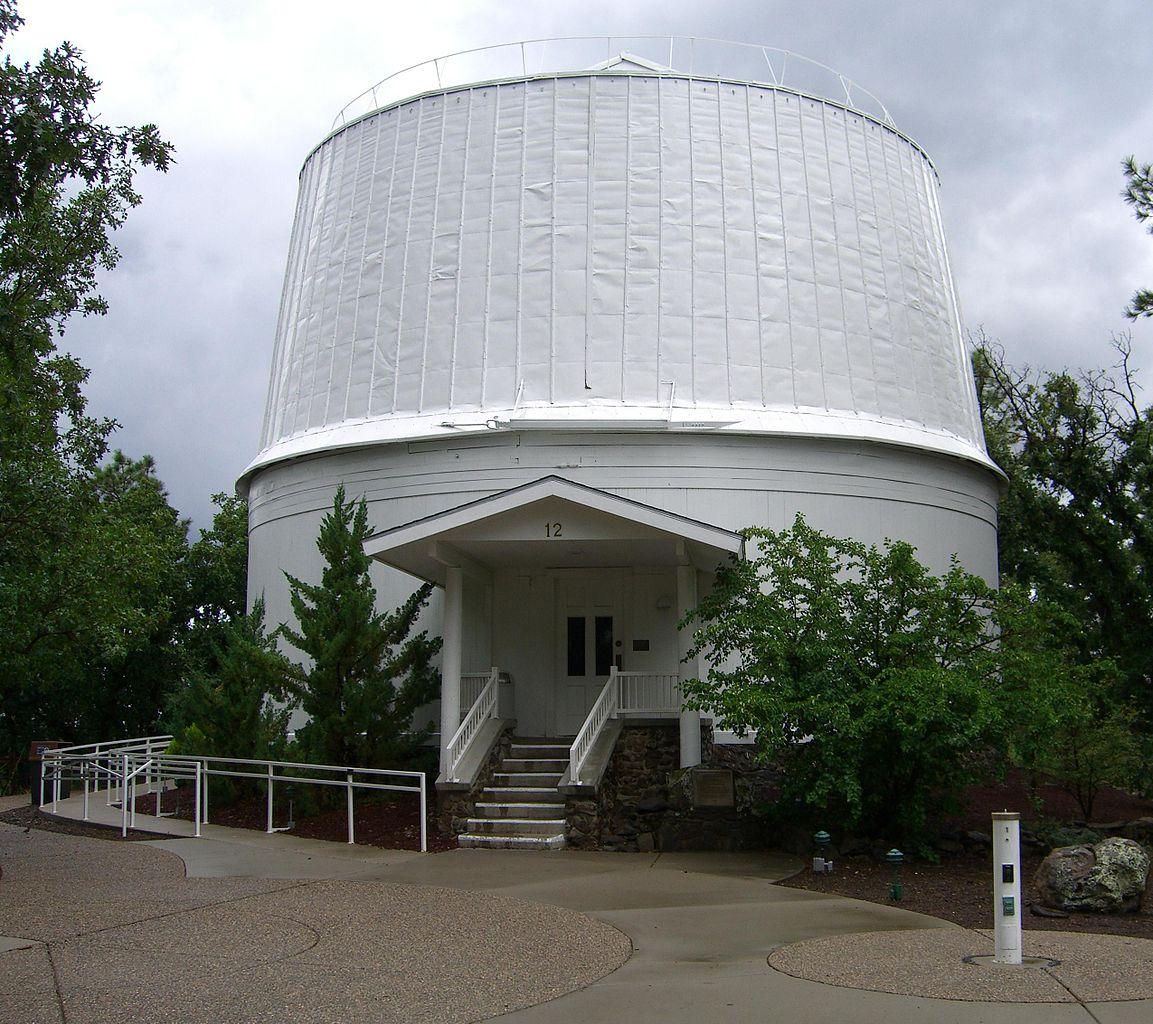
Looking beyond Lowell Observatory? Discover Flagstaff for broader travel guides, local hot-spots, and regional highlights.
Explore Flagstaff
Explore Elizabeth Liz C. Archuleta County Park, a serene haven in Flagstaff, Arizona, perfect for outdoor enthusiasts and families seeking nature's beauty.

Explore the breathtaking trails and stunning views at Mars Hill, a mountain peak in Flagstaff, Arizona, perfect for outdoor adventures and nature lovers.