

Free Flagstaff Travel Guide & Mobile App
Plan your Flagstaff trip with Evendo. Get free guides to top attractions, restaurants, hotels, and bars. Web access or download the mobile app.


Flagstaff, Arizona combines Route 66 heritage, dark-sky stargazing, mountain scenery, historic landmarks and access to Grand Canyon country and trails.
Mountain Setting and Open Skies
Flagstaff stands at approximately 2,100 metres on the Colorado Plateau, surrounded by the ponderosa pine forests of the Coconino National Forest and the volcanic San Francisco Peaks. Its high elevation gives the city a cooler climate than much of Arizona, with snowy winters, crisp summer evenings and broad views across a landscape shaped by lava flows, forests and high desert. The peaks, including Humphreys Peak, form a dramatic northern horizon, while Walnut Canyon, Sunset Crater Volcano and Wupatki National Monument lie within reach of the city but outside its urban centre.Read more about Flagstaff
Railroad, Route 66 and Local Culture
Astronomy and the Northern Arizona Outdoors
When is the best time to visit Flagstaff?
Best: May–June, September · 21–26°C| Month | High (°C) | Rainfall (mm) |
|---|---|---|
| January | 4 | 58 |
| February | 6 | 51 |
| March | 11 | 54 |
| April | 15 | 34 |
| May (best) | 21 | 23 |
| June (best) | 26 | 14 |
| July | 28 | 80 |
| August | 27 | 81 |
| September (best) | 23 | 53 |
| October | 17 | 45 |
| November | 11 | 47 |
| December | 4 | 63 |
Getting to and around Flagstaff
How to get there
Transportation
Best attractions in Flagstaff
Flagstaff's principal attractions bring together science, railway history and the landscapes of the Colorado Plateau. Lowell Observatory on Mars Hill offers astronomy programmes and views over the city, with its association with Pluto's discovery adding scientific depth to the visit. The Museum of Northern Arizona explores regional geology, paleontology, archaeology, fine art and Indigenous cultures, while Riordan Mansion State Historic Park presents an early twentieth-century Arts and Crafts-era residence linked to Flagstaff's timber economy. Downtown and the Southside district reward walking among historic commercial buildings, Route 66 traces and railway views. Outside the urban centre, Walnut Canyon's cliff dwellings, Sunset Crater Volcano's lava fields and the ancestral sites at Wupatki form separate excursions into the surrounding landscape. Arizona Snowbowl, north of the city in the San Francisco Peaks, provides seasonal mountain recreation rather than a downtown attraction.
-
Tourist attraction
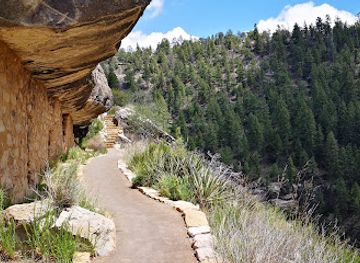
Walnut Canyon National Monument
Explore the ancient cliff dwellings and breathtaking landscapes of Walnut Canyon National Monument, a historical treasure in Arizona.
31 min drive · 11 km from city centre
-
Tourist attraction
Walnut Canyon National Monument
Discover ancient cliff dwellings and stunning canyon views at Walnut Canyon National Monument, a window into the lives of the Sinagua people near Flagstaff.
31 min drive · 11 km from city centre
-
Observatory
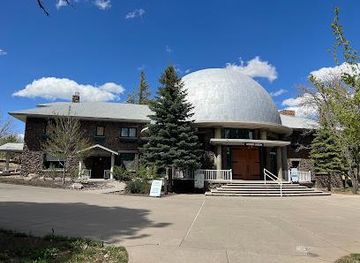
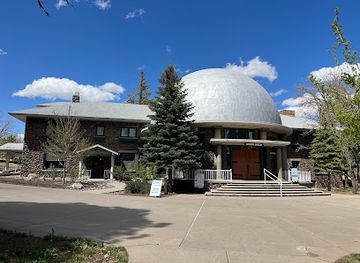
Lowell Observatory
Explore the cosmos at Lowell Observatory in Flagstaff, where Pluto was discovered and astronomical history continues to unfold.
14 min drive · 4.6 km from city centre
-
Observatory
Lowell Observatory
Discover the wonders of the universe at Lowell Observatory, a historical landmark in Flagstaff, Arizona, where astronomy meets adventure.
14 min drive · 4.6 km from city centre

Best landmarks in Flagstaff
Flagstaff's landmarks document its development as a railway town, scientific centre and gateway to northern Arizona. The red-brick Flagstaff railroad station remains a visible reminder of the city's 1880s origins and continues to anchor the historic transport corridor. The Weatherford Hotel, opened in 1900, represents the commercial confidence of the early town, while Riordan Mansion State Historic Park preserves an elaborate residence associated with the timber industry and influential local families. Lowell Observatory on Mars Hill is both a working scientific institution and the site connected with Pluto's 1930 discovery. Historic downtown buildings and Route 66 remnants add a layered civic identity, while the San Francisco Peaks provide a powerful natural landmark to the north. Northern Arizona University's historic campus buildings and public spaces extend the city's architectural and educational story.
-
Monument
Walnut Canyon National Monument
Discover ancient cliff dwellings and the resilient Sinagua culture at Walnut Canyon National Monument, a short drive from Flagstaff, Arizona.
31 min drive · 11 km from city centre
-
Observatory
Lowell Observatory
Explore the cosmos at Lowell Observatory in Flagstaff, Arizona, where Pluto was discovered and astronomical history continues to unfold.
13 min drive · 4.5 km from city centre
-
Tourist attraction
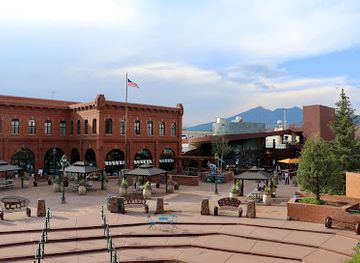
Downtown Flagstaff
Experience the vibrant blend of history, culture, and modern attractions in the heart of Flagstaff.
9 min drive · 2.9 km from city centre
-
Tour operator
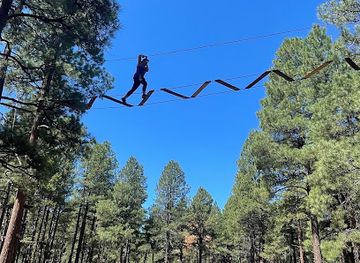
Flagstaff Extreme Adventure Course
Reach new heights on thrilling treetop obstacles & zip lines at Flagstaff Extreme Adventure Course in Fort Tuthill County Park. Fun for all ages!
24 min drive · 8.1 km from city centre
Explore Flagstaff on the map
Plan your Flagstaff trip on one map. See where the top attractions, landmarks, restaurants, bars and hotels are, find what's near where you're staying, and book hotels and experiences in a few clicks.
Best hotels in Flagstaff
Best restaurants in Flagstaff
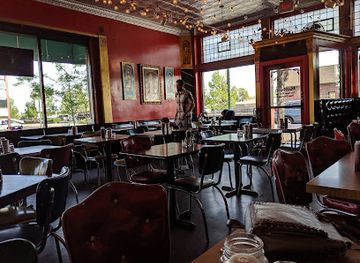
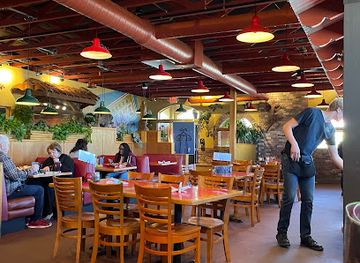
Flagstaff's dining scene reflects its position between high-desert Arizona, the railway corridor and a sizeable university community. Downtown and the Southside district contain independent restaurants, cafés, bakeries and brewpubs, with menus that commonly draw on Southwestern ingredients and broader regional influences. Mexican and Sonoran-style cooking, green-chile dishes, tacos and locally interpreted comfort food sit alongside vegetarian, international and contemporary options. The city's breweries have helped shape a relaxed evening-food culture, while coffee shops serve students, outdoor travellers and residents throughout the day. The region's Indigenous foodways and agricultural traditions are best approached through respectful interpretation at established museums, cultural institutions and community events rather than through simplified claims about a single Flagstaff cuisine. Food trucks, farmers' markets and seasonal local produce add variety, though market schedules change through the year.
-
Italian
Fat Olives
Experience authentic Italian flavors at Fat Olives in Flagstaff - where every meal tells a story of tradition and taste.
7 min drive · 2.3 km from city centre
-
Mexican
MartAnnes Burrito Palace
Experience authentic Mexican flavors at MartAnnes Burrito Palace in Flagstaff—your go-to spot for delicious burritos and more.
8 min drive · 2.8 km from city centre
-
Mexican
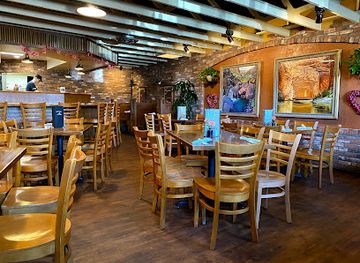
Salsa Brava
Experience authentic Mexican cuisine at Salsa Brava in Flagstaff—where every dish bursts with flavor and tradition.
6 min drive · 2.1 km from city centre
-
Brewpub
Beaver Street Brewery
Discover Beaver Street Brewery: A top-rated brewpub in Flagstaff offering craft beers and delicious American cuisine in a welcoming atmosphere.
9 min drive · 3.0 km from city centre

Best bars in Flagstaff
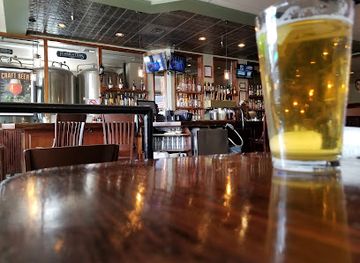
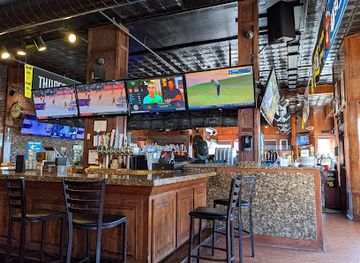
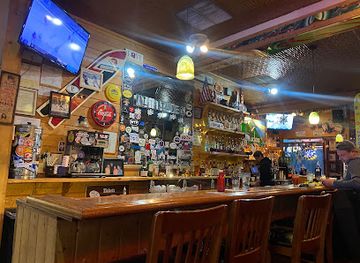
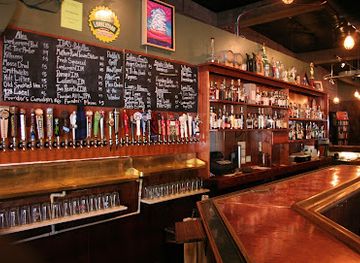
Flagstaff's evening life is concentrated around downtown, the Southside district and streets near Northern Arizona University, where independent bars, breweries, cafés and live-music venues create a sociable atmosphere without the scale of a major metropolitan nightlife scene. Local breweries are central to the city's evening culture, while established downtown venues such as the Orpheum Theater host concerts and performances when programmes are scheduled. The Weatherford Hotel and surrounding historic streets contribute a more traditional bar atmosphere, and student-oriented venues bring later activity during the academic year. Flagstaff also suits quieter nights built around astronomy programmes, theatre, gallery events or a meal followed by live music. Conditions, age requirements and opening arrangements vary, so evening plans should be checked locally rather than assumed from seasonal listings.
-
Brewpub
Beaver Street Brewery
Experience the best of Flagstaff with craft brews and delicious American cuisine at Beaver Street Brewery, a top brewpub destination.
9 min drive · 3.0 km from city centre
-
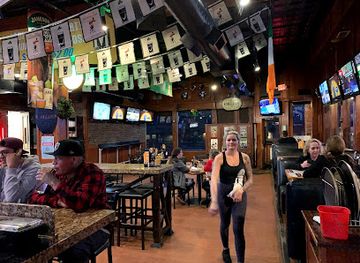
Grill
Collins Irish Pub
Discover the lively atmosphere of Collins Irish Pub, where delicious Irish and American cuisine meets vibrant nightlife in Flagstaff, Arizona.
9 min drive · 2.9 km from city centre
-
Grill
Altitudes Bar & Grill
Experience the best of Flagstaff at Altitudes Bar & Grill, where delicious American cuisine meets live music and a vibrant atmosphere.
9 min drive · 3.0 km from city centre
-
Pub
Uptown Pubhouse
Discover the lively charm of Uptown Pubhouse, a top-notch pub in Flagstaff, AZ, offering great food, drinks, and entertainment in a cozy setting.
9 min drive · 2.9 km from city centre
Best nightclubs in Flagstaff
Flagstaff's evening life is concentrated around downtown, the Southside district and streets near Northern Arizona University, where independent bars, breweries, cafés and live-music venues create a sociable atmosphere without the scale of a major metropolitan nightlife scene. Local breweries are central to the city's evening culture, while established downtown venues such as the Orpheum Theater host concerts and performances when programmes are scheduled. The Weatherford Hotel and surrounding historic streets contribute a more traditional bar atmosphere, and student-oriented venues bring later activity during the academic year. Flagstaff also suits quieter nights built around astronomy programmes, theatre, gallery events or a meal followed by live music. Conditions, age requirements and opening arrangements vary, so evening plans should be checked locally rather than assumed from seasonal listings.
-
Night club
Collins Irish Pub
Experience the vibrant atmosphere of Collins Irish Pub, where traditional Irish cuisine meets American favorites, all in a lively sports bar setting.
9 min drive · 2.9 km from city centre
-
Bar
The Museum Club
Discover the unique charm and lively atmosphere of The Museum Club, Flagstaff's favorite bar along historic Route 66.
11 min drive · 3.7 km from city centre
-
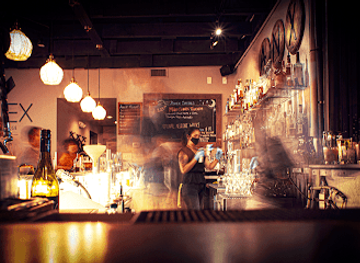
Cocktail bar
The Annex Cocktail Lounge
Discover The Annex Cocktail Lounge, Flagstaff's premier cocktail bar, offering a unique selection of drinks in a cozy and inviting atmosphere.
8 min drive · 2.8 km from city centre
-
Bar
Rendezvous
Discover Rendezvous: Flagstaff's vibrant bar and brunch destination, blending a lively atmosphere with delicious food and drinks.
8 min drive · 2.8 km from city centre

Best shops in Flagstaff
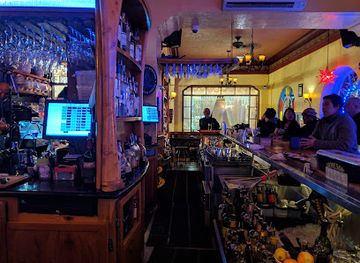
Shopping in Flagstaff is concentrated in the walkable downtown and Southside areas, where independent clothing shops, bookshops, galleries, outdoor retailers, cafés and locally produced goods occupy historic commercial streets. Heritage Square and the blocks around Route 66 provide a useful orientation to the central retail scene, while larger everyday shopping areas lie beyond the old core. Visitors will find goods suited to the surrounding landscape, including outdoor equipment, regional books, artwork, jewellery and locally made food products. Galleries and specialist shops may feature crafts influenced by northern Arizona's landscapes and Indigenous artistic traditions; buyers should ask about provenance and support ethical, properly represented work. Farmers' markets and seasonal events can add produce and artisan stalls, but their locations and dates vary. Route 66 memorabilia is common, although the most characterful purchases often come from independent local businesses rather than generic souvenirs.
-
Shopping mall
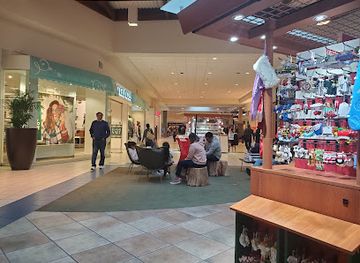
Flagstaff Mall
Discover Flagstaff Mall: a premier shopping destination in Arizona with diverse retail, dining, and entertainment options for an unforgettable experience.
17 min drive · 5.6 km from city centre
-
Shopping mall
University Plaza Shopping Center
Experience the charm of Flagstaff at University Plaza Shopping Center, where shopping meets culinary delights in a lively atmosphere.
11 min drive · 3.8 km from city centre
-
Shopping mall
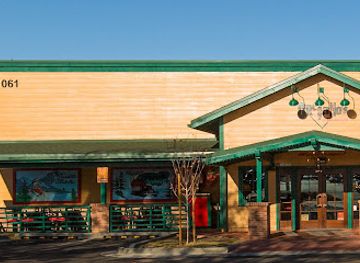
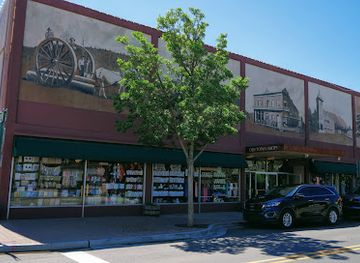
Old Town Shops
Explore the unique shops and rich history at Old Town Shops in Flagstaff, a vibrant shopping destination filled with local artisans and cultural experiences.
9 min drive · 2.9 km from city centre
-
Department store
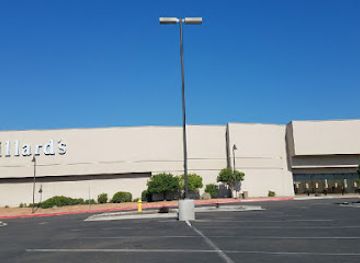
Dillard's
Explore Dillard's in Flagstaff for a diverse shopping experience featuring clothing, cosmetics, and home goods from top brands.
17 min drive · 5.5 km from city centre
Get your free copy of our complete guide to Flagstaff, delivered straight to you.
Everything on this page, from attractions and restaurants to essentials and local phrases, in one PDF you can read offline, print or share.
Already have an account? Sign in
Your Flagstaff guide is ready.
We'll send it to · Not you? Sign out

Getting your guide ready…
We are putting together a fresh copy of the Flagstaff guide. This can take up to a minute.
This can take a few moments. If your browser asks, choose Allow so the download can start. You'll find the guide in your Downloads folder.
Nothing happened? Download it again
Sorry, the guide is taking longer than usual. Please try again in a minute, or get it by email instead.
Flagstaff essentials
Currency and Payment
Safety
Emergency Situations
Do's and Don'ts
Local Tips
From Eve
Local phrases worth knowing
You don't need to get them perfect. A few words go a long way, and locals appreciate the effort.
Basics
| English | Local | Say it |
|---|---|---|
| Hello | Howdy | [haʊ-di] |
| Goodbye | See ya | [siː jə] |
| Yes | Yup | [jʌp] |
| No | Nah | [nɑː] |
| Please/You're welcome | Please/No problem | [pliːz/nəʊ ˈprɑbləm] |
| Thank you | Thanks | [θæŋks] |
| Excuse me/Sorry | Excuse me/My bad | [ɪkˈskjuːz mi/maɪ bæd] |
| How are you? | How you doin'? | [haʊ jʊ ˈduɪn] |
| Fine. And you? | Just fine. How 'bout you? | [dʒʌst faɪn haʊ ˈbaʊt jʊ] |
| Do you speak English? | Ya speak English? | [jə spiːk ˈɪŋɡlɪʃ] |
| I don't understand | I'm lost | [aɪm lɔst] |
Eating & Drinking
| English | Local | Say it |
|---|---|---|
| I'd like to see the menu, please | Menu, please | [ˈmɛnjuː pliːz] |
| I don't eat meat | No meat for me | [nəʊ miːt fɔː miː] |
| Cheers! | Cheers! | [ʧɪrz] |
| I would like to pay, please | Check, please | [ʧɛk pliːz] |
Emergencies
| English | Local | Say it |
|---|---|---|
| Help! | Help! | [hɛlp] |
| Go away! | Beat it! | [biːt ɪt] |
| Call the Police! | Get the cops! | [ɡɛt ðə kɒps] |
| Call a doctor! | Call a doc! | [kɔːl ə dɒk] |
| I'm lost | I'm lost | [aɪm lɔst] |
| I'm ill | I'm sick | [aɪm sɪk] |
Shopping
| English | Local | Say it |
|---|---|---|
| I'd like to buy... | I wanna buy... | [aɪ wɑːnə baɪ] |
| I'm just looking | Just browsing | [dʒʌst ˈbraʊzɪŋ] |
| How much is it? | How much? | [haʊ mʌʧ] |
| That's too expensive | Too pricey | [tuː ˈpraɪsi] |
| Can you lower the price? | Can you do a deal? | [kæn jʊ duː ə diːl] |
Time & Numbers
| English | Local | Say it |
|---|---|---|
| What time is it? | What's the time? | [wɒts ðə taɪm] |
| It's one o'clock | It's one | [ɪts wʌn] |
| Half past (10) | 10:30 | [tɛn ˈθɜːti] |
| Morning | Mornin' | [ˈmɔrnɪn] |
| Afternoon | Afternoon | [ˌæftərˈnuːn] |
| Evening | Evenin' | [ˈiːvnɪn] |
| Yesterday | Yest'day | [ˈjɛstˌdeɪ] |
| Today | Today | [təˈdeɪ] |
| Tomorrow | Tomorra | [təˈmɒrə] |
| 1 | One | [wʌn] |
| 2 | Two | [tuː] |
| 3 | Three | [θriː] |
| 4 | Four | [fɔːr] |
| 5 | Five | [faɪv] |
| 6 | Six | [sɪks] |
| 7 | Seven | [ˈsɛvən] |
| 8 | Eight | [eɪt] |
| 9 | Nine | [naɪn] |
| 10 | Ten | [tɛn] |
Transport & Directions
| English | Local | Say it |
|---|---|---|
| Where's a/the...? | Where's the...? | [wɛərz ðə] |
| What's the address? | What's the addy? | [wɒts ðə ˈædi] |
| Can you show me (on the map)? | Show me on the map | [ʃoʊ mi ɒn ðə mæp] |
| When's the next (bus)? | Next (bus) time? | [nɛkst (bʌs) taɪm] |
| A ticket (to ....) | Ticket (to ...) | [ˈtɪkɪt (tu ...)] |
History of Flagstaff
Indigenous Landscapes Before Flagstaff
The Flagstaff region has been used and inhabited by Indigenous peoples for thousands of years, including communities associated with the Sinagua tradition, whose archaeological remains survive in sites such as Walnut Canyon and nearby Wupatki. These communities farmed, traded and adapted to the high-desert environment long before the modern city appeared. The area also remains connected to the Hopi, Diné, Havasupai, Hualapai, Yavapai and other Indigenous peoples of northern Arizona. Archaeological sites around the San Francisco Peaks and the volcanic fields demonstrate a long relationship between people, seasonal movement, agriculture and sacred landscapes. Flagstaff's modern growth therefore occupies a much older cultural and environmental setting rather than an uninhabited frontier.
Railroad Foundations in the 1880s
The modern settlement developed in the early 1880s as the Atlantic and Pacific Railroad pushed across northern Arizona. A railway connection reached the area in 1882, bringing construction workers, merchants, freight traffic and more permanent administration to a location previously associated with timber, grazing and travel routes. The town was named Flagstaff, generally linked to a flag-raising ceremony at a prominent pine during the United States Centennial year of 1876. The railroad established the basic pattern of the city: commercial activity clustered around the tracks, while timber and other regional resources moved through the new settlement. The surviving depot and downtown grid preserve aspects of this formative period.
Timber, Commerce and Civic Growth
During the late nineteenth and early twentieth centuries, Flagstaff expanded through logging, ranching, freight and services for travellers crossing northern Arizona. The surrounding ponderosa pine forests supported sawmills and a substantial timber economy, while the arrival of improved roads strengthened the town's role as a regional supply centre. Prosperity produced civic and commercial buildings, including the Weatherford Hotel, opened in 1900, and the Riordan Mansion, completed in 1904 for a prominent local family connected with the timber industry. These buildings reflect the period when Flagstaff was becoming an established high-country town rather than simply a railway outpost.
Route 66 and Motoring Culture
The creation of U.S. Route 66 in 1926 placed Flagstaff on one of the most influential highways in American history. Motels, service stations, cafés and roadside businesses developed alongside the older railway economy, giving the town a new relationship with private automobiles and long-distance tourism. Route 66 also brought national visibility to the landscapes of northern Arizona and helped link Flagstaff with Chicago and Los Angeles. Although Interstate 40 later replaced the highway as the principal east-west through route, sections of the original alignment and the downtown railway corridor still contribute to Flagstaff's historic identity. The city's Route 66 associations are part of a broader story of twentieth-century mobility and commercial change.
Science and the Discovery of Pluto
Astronomy became a defining part of Flagstaff's identity after Lowell Observatory was established on Mars Hill in 1894 by Boston astronomer Percival Lowell. The observatory supported sustained research into the planets and the wider solar system, and in 1930 Clyde Tombaugh discovered Pluto there. Flagstaff's high elevation, dry climate and relatively clear skies also encouraged other scientific work, including projects connected with planetary geology and space exploration. The city later developed a strong dark-sky ethic to protect astronomical observation from excessive artificial light. Lowell Observatory remains both a working research institution and a public-facing cultural landmark, linking Flagstaff's civic story with modern science.
A University and Regional Centre
Northern Arizona University, founded in 1899 as the Northern Arizona Normal School, helped broaden Flagstaff's role beyond timber, rail and tourism. Its growth brought education, research, arts and a substantial student population to the city, contributing to the activity of downtown and the Southside district. In the later twentieth century, improved highways and growing interest in outdoor recreation strengthened Flagstaff's position as a base for visiting northern Arizona. The city has since balanced tourism, university life, scientific research and environmental concerns, including the management of growth in a high-elevation forest setting. Its present character reflects these overlapping legacies rather than a single historical industry.
Flagstaff in Photos
Browse through our photo collection highlighting the charm and character of the destination.
Cities near Flagstaff
The closest cities to Flagstaff, if you have time for more than one stop.
-

-
-

-

-


Swipe for more cities
Explore more

Explore more of Arizona
Discover Arizona: From the majestic Grand Canyon and red rocks of Sedona to the vibrant cities of Phoenix and Scottsdale, explore the diverse beauty and culture of the Grand Canyon State.
Explore Arizona