

Free Havasu National Wildlife Refuge Travel Guide & Mobile App
Explore Havasu National Wildlife Refuge with free travel guides. Discover regional history, expert tips, proposed trips, and audio guides on web or mobile app.


Havasu National Wildlife Refuge in Arizona combines desert scenery, Topock Marsh, Colorado River boating and rewarding birdwatching.
Read more about Havasu National Wildlife Refuge
Getting to and around Havasu National Wildlife Refuge
How to get there
Transportation
Best attractions in Havasu National Wildlife Refuge
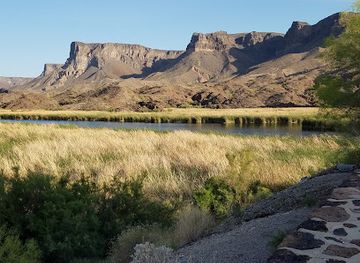
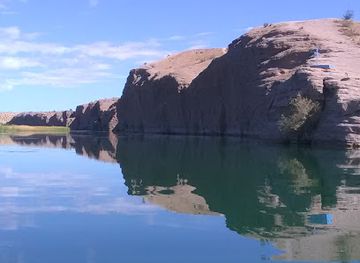
Havasu National Wildlife Refuge is an outdoor destination centred on habitat, water and observation rather than built entertainment. Topock Marsh is its defining attraction: a network of shallow water, channels and emergent vegetation where visitors can look for ducks, grebes, herons, egrets and raptors against a desert backdrop. The Colorado River adds opportunities for boating, fishing where permitted, photography and wildlife watching from the water. Riparian stands of cottonwood, willow and mesquite provide a striking contrast with dry mountains and gravelly desert terrain. Roads, dikes and established access areas offer changing views, but conditions and permissions vary by season. The refuge is also important for understanding conservation in the lower Colorado basin, where wetlands have become scarce through altered river flows and water development. Visitors seeking a broader day out can use Lake Havasu City or Topock as nearby service bases, although those communities and their commercial attractions are outside the refuge. The most rewarding activities are quiet and unhurried: scanning reed beds, watching bird movements at dawn, photographing changing light on the river and learning how managed wetlands support wildlife in an arid region.
-
Wildlife refuge
Bill Williams River National Wildlife Refuge
Explore a unique desert oasis where the Bill Williams River meets Lake Havasu, offering diverse wildlife and outdoor adventures in western Arizona.
-
Tourist attraction
Hum-Me-Chomp Petroglyphs
Discover ancient Native American artistry at the Hum-Me-Chomp Petroglyphs in Topock, Arizona, a journey into the region's cultural heritage and stunning desert scenery.
-
Tourist attraction
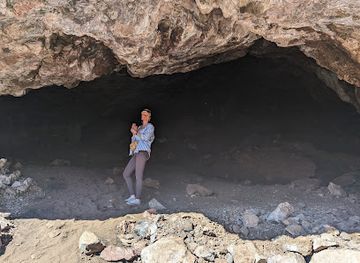
Lake Havasu Bat Cave
Discover the enchanting Lake Havasu Bat Cave, a unique natural attraction in Arizona, offering a glimpse into the fascinating world of bats and stunning landscapes.
-
Tourist attraction
Picture Rock
Experience the breathtaking beauty and unique rock formations at Picture Rock in Lake Havasu City, a scenic paradise for nature lovers and adventurers.
Best landmarks in Havasu National Wildlife Refuge
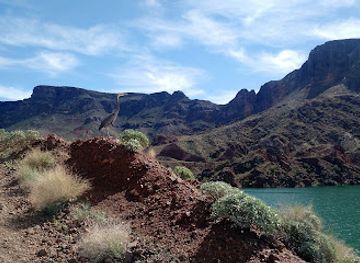
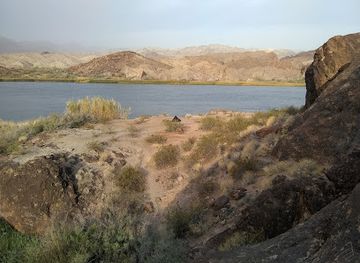
The most recognisable natural landmark within Havasu National Wildlife Refuge is Topock Marsh, whose open water and reed-lined channels form a substantial wetland set against the dry mountains of the lower Colorado River. Its visibility and ecological importance make it more than a scenic stop: it represents the remaining wetland character of a river system extensively reshaped by dams and water management. The Colorado River itself is the refuge's defining geographical feature, forming a winding boundary between Arizona and California and creating a sharp visual line between lush riparian growth and desert slopes. Cottonwood and willow stands along the water are distinctive landmarks in their own right, particularly when viewed from open river reaches or marsh edges. The refuge's exposed dikes, channels and riverbank habitats also reveal the engineered and managed nature of the modern lower Colorado landscape. The famous London Bridge in Lake Havasu City is a nearby gateway landmark, but it is outside Havasu National Wildlife Refuge and should not be confused with a refuge feature.
-
Wildlife refuge
Bill Williams River National Wildlife Refuge
Discover a vibrant desert oasis at Bill Williams River National Wildlife Refuge, a haven for birds, wildlife, and outdoor recreation near Lake Havasu City.
-
Historical landmark
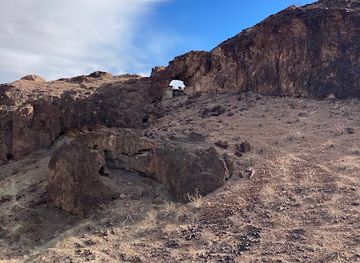
Rovey's Rock, also known as Holey Rock or Honeycomb Rock
Discover the geological marvel of Rovey's Rock in Lake Havasu City, a unique honeycomb formation perfect for exploration and photography.
-
Scenic spot
Picture Rock
Discover ancient Native American petroglyphs at Picture Rock, a scenic landmark on the Colorado River near Lake Havasu City, Arizona.
Explore Havasu National Wildlife Refuge on the map
Plan your trip on one map. See where the top cities, national parks and sights are, and book hotels and experiences in a few clicks.
Best hotels in Havasu National Wildlife Refuge
Best restaurants in Havasu National Wildlife Refuge
There are no conventional restaurants within Havasu National Wildlife Refuge, so dining is part of the practical planning required for a remote visit. Lake Havasu City, outside the refuge to the north, offers the broadest choice of cafés, casual restaurants, takeaways and waterfront dining, while Topock and nearby Needles, California, provide more limited options for travellers using southern access. Meals in the gateway communities reflect the wider southwestern and American road-trip landscape, with burgers, Mexican-influenced food, barbecue, sandwiches, breakfast cafés and familiar national dishes. Visitors spending a full day in the refuge should carry food, ice and sufficient water rather than rely on finding refreshments at an access point. Picnic-style meals are more appropriate inside the protected area, subject to local rules and the requirement to remove rubbish. Local shops around the gateways are useful for provisions, but there is no distinctive refuge food tradition or permanent in-refuge dining scene.
-
American
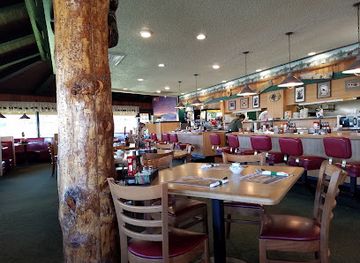
Black Bear Diner Lake Havasu
Discover the charm of Black Bear Diner in Lake Havasu City—where hearty meals meet warm hospitality in an inviting atmosphere.
Best bars in Havasu National Wildlife Refuge
Havasu National Wildlife Refuge has no nightlife infrastructure, and evenings are generally quiet once visitors leave the river and marsh. Lake Havasu City, outside the refuge, is the main Arizona centre for waterfront restaurants, casual bars, breweries and seasonal evening activity, while Topock offers a smaller, road-oriented choice near the southern approach. Nearby Needles, California, may provide additional services but lies across the state boundary and outside the refuge. The area's evening culture is oriented towards boating communities, dining, live entertainment and relaxed social venues rather than a concentrated club district. Visitors staying near the refuge should plan their return before dark, since remote access roads are poorly suited to aimless night driving and services are widely spaced. Check current business arrangements locally, particularly outside peak travel periods, and treat a quiet desert sunset or an early night before dawn wildlife watching as a normal part of the destination.
-
American
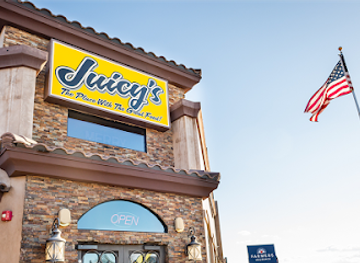
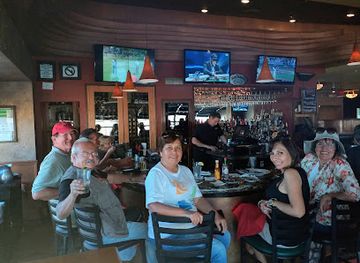
Juicy's, The Place With The Great Food
Delight in the flavors of America at Juicy's, where great food meets an inviting atmosphere in Lake Havasu City.
-
Steak
ChaBones
Experience the best of American cuisine at ChaBones in Lake Havasu City, where delicious steaks meet a vibrant atmosphere.
-
Steak
Shugrue's Restaurant and Brewery Group
Experience the best of steak and seafood at Shugrue's Restaurant and Brewery in Lake Havasu City, where exceptional cuisine meets scenic views.
-
Bar
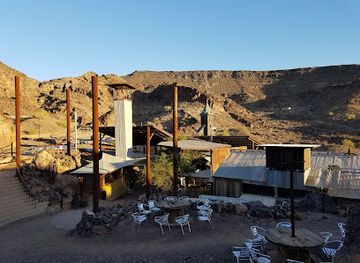
Nellie E Saloon -The Desert Bar
Discover Nellie E Saloon - The Desert Bar, a vibrant oasis in Parker, Arizona, where rustic charm meets lively atmosphere amidst stunning desert views.

Best nightclubs in Havasu National Wildlife Refuge
Havasu National Wildlife Refuge has no nightlife infrastructure, and evenings are generally quiet once visitors leave the river and marsh. Lake Havasu City, outside the refuge, is the main Arizona centre for waterfront restaurants, casual bars, breweries and seasonal evening activity, while Topock offers a smaller, road-oriented choice near the southern approach. Nearby Needles, California, may provide additional services but lies across the state boundary and outside the refuge. The area's evening culture is oriented towards boating communities, dining, live entertainment and relaxed social venues rather than a concentrated club district. Visitors staying near the refuge should plan their return before dark, since remote access roads are poorly suited to aimless night driving and services are widely spaced. Check current business arrangements locally, particularly outside peak travel periods, and treat a quiet desert sunset or an early night before dawn wildlife watching as a normal part of the destination.
-
Fraternal organization
Lake Havasu, AZ Elks Lodge #2399
Experience the heart of Lake Havasu at Elks Lodge #2399, where community spirit and delicious dining meet for an unforgettable visit.

Best shops in Havasu National Wildlife Refuge
Shopping within Havasu National Wildlife Refuge is limited to the experience of buying nothing: visitors should arrive with water, food, fuel, sun protection, maps and any boating or wildlife-watching equipment they require. Lake Havasu City, outside the refuge, is the principal Arizona shopping base, with supermarkets, outdoor-activity suppliers, general retail, cafés and businesses serving boaters. Topock and nearby Needles, California, offer more modest provisions for travellers approaching the southern part of the refuge, though facilities are dispersed and should not be assumed to be open at every hour. The most practical purchases are therefore supplies rather than specialised souvenirs. Regional food products, desert-themed gifts and locally made items may be found in gateway communities, but retail offerings change over time. Refuse reduction is especially important: use reusable containers where possible and take all rubbish back out of the protected area.
-
Shopping mall
The Shops At Lake Havasu
Experience shopping like never before at The Shops At Lake Havasu, where unique boutiques and delightful eateries await your discovery.
-
Clothing store
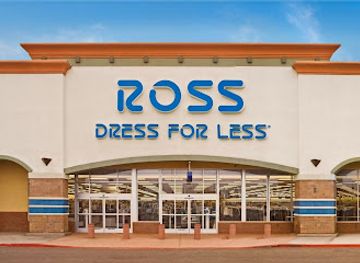
Ross Dress for Less
Explore Ross Dress for Less in Lake Havasu City for fantastic deals on stylish clothing, shoes, and accessories for the whole family.
-
Home improvement store
The Home Depot
Discover a world of home improvement at The Home Depot in Lake Havasu City, where quality products meet expert advice for all your renovation needs.
-
 Resort hotel
Havasu Dunes Resort
Discover tranquility and adventure at Havasu Dunes Resort, your perfect getaway in Lake Havasu City, Arizona, near the iconic London Bridge.

Get your free copy of our complete guide to Havasu National Wildlife Refuge, delivered straight to you.
Everything on this page, from attractions and restaurants to essentials and local phrases, in one PDF you can read offline, print or share.
Already have an account? Sign in
Your Havasu National Wildlife Refuge guide is ready.
We'll send it to · Not you? Sign out

Getting your guide ready…
We are putting together a fresh copy of the Havasu National Wildlife Refuge guide. This can take up to a minute.
This can take a few moments. If your browser asks, choose Allow so the download can start. You'll find the guide in your Downloads folder.
Nothing happened? Download it again
Sorry, the guide is taking longer than usual. Please try again in a minute, or get it by email instead.
Havasu National Wildlife Refuge essentials
Currency and Payment
Safety
Emergency Situations
Do's and Don'ts
Local Tips
From Eve
Local phrases worth knowing
You don't need to get them perfect. A few words go a long way, and locals appreciate the effort.
Basics
| English | Local | Say it |
|---|---|---|
| Hello | Hola | [Oh-lah] |
| Goodbye | Adiós | [Ah-dee-ohs] |
| Yes | Sí | [See] |
| No | No | [No] |
| Please/You're welcome | Por favor | [Por fah-vor] |
| Thank you | Gracias | [Grah-see-as] |
| Excuse me/Sorry | Perdón | [Per-dohn] |
| How are you? | ¿Cómo estás? | [Koh-moh es-tahs] |
| Fine. And you? | Bien. ¿Y tú? | [Byen. Ee too] |
| Do you speak English? | ¿Hablas inglés? | [Ah-blas een-gless] |
| I don't understand | No entiendo | [No en-tee-en-doh] |
Eating & Drinking
| English | Local | Say it |
|---|---|---|
| I'd like to see the menu, please | Me gustaría ver el menú, por favor | [Meh goo-stah-ree-ah ver el meh-nu, por fah-vor] |
| I don't eat meat | No como carne | [No koh-moh kar-neh] |
| Cheers! | ¡Salud! | [Sah-lud] |
| I would like to pay, please | Me gustaría pagar, por favor | [Meh goo-stah-ree-ah pah-gar, por fah-vor] |
Emergencies
| English | Local | Say it |
|---|---|---|
| Help! | ¡Ayuda! | [Ah-yoo-dah] |
| Go away! | ¡Vete! | [Veh-teh] |
| Call the Police! | ¡Llama a la policía! | [Yah-mah ah lah poh-lee-see-ah] |
| Call a doctor! | ¡Llama a un doctor! | [Yah-mah ah oon dok-tor] |
| I'm lost | Estoy perdido | [Es-toy per-dee-doh] |
| I'm ill | Estoy enfermo | [Es-toy en-fer-mo] |
Shopping
| English | Local | Say it |
|---|---|---|
| I'd like to buy... | Me gustaría comprar... | [Meh goo-stah-ree-ah kom-prar] |
| I'm just looking | Solo estoy mirando | [So-lo es-toy mee-ran-doh] |
| How much is it? | ¿Cuánto cuesta? | [Kwan-toh kwes-tah] |
| That's too expensive | Eso es muy caro | [Eh-so es mwee kah-roh] |
| Can you lower the price? | ¿Puedes bajar el precio? | [Pweh-des bah-har el preh-sio] |
Time & Numbers
| English | Local | Say it |
|---|---|---|
| What time is it? | ¿Qué hora es? | [Keh oh-rah es] |
| It's one o'clock | Es la una | [Es lah oo-nah] |
| Half past (10) | Y media (10) | [Ee meh-dee-ah] |
| Morning | Mañana | [Mah-nyah-nah] |
| Afternoon | Tarde | [Tar-deh] |
| Evening | Noche | [No-cheh] |
| Yesterday | Ayer | [Ah-yer] |
| Today | Hoy | [Oy] |
| Tomorrow | Mañana | [Mah-nyah-nah] |
| 1 | Uno | [Oo-no] |
| 2 | Dos | [Dohs] |
| 3 | Tres | [Trehs] |
| 4 | Cuatro | [Kwatro] |
| 5 | Cinco | [Seen-koh] |
| 6 | Seis | [Seys] |
| 7 | Siete | [Syet-eh] |
| 8 | Ocho | [Oh-cho] |
| 9 | Nueve | [Nweh-veh] |
| 10 | Diez | [Dyehs] |
Transport & Directions
| English | Local | Say it |
|---|---|---|
| Where's a/the...? | ¿Dónde está un/una...? | [Dohn-deh es-tah oon/oo-nah] |
| What's the address? | ¿Cuál es la dirección? | [Kwahl es lah dee-rek-syon] |
| Can you show me (on the map)? | ¿Puedes mostrarme (en el mapa)? | [Pweh-des mos-trar-meh en el mah-pah] |
| When's the next (bus)? | ¿Cuándo es el próximo (autobús)? | [Kwan-doh es el prohk-see-mo (ow-toh-boos)] |
| A ticket (to ....) | Un billete (a ....) | [Oon bee-yeh-teh ah] |
History of Havasu National Wildlife Refuge
Indigenous Colorado River Landscapes
Long before the refuge was established, the lower Colorado River supported Indigenous communities whose lives were closely connected to its waters, floodplain plants and fish. The river corridor was not an empty desert but a travelled, used and culturally meaningful landscape. Contemporary visitors should understand that archaeological traces and traditional associations may extend beyond visible structures, and should never disturb artefacts or other cultural materials. Havasu National Wildlife Refuge protects habitat rather than presenting a single archaeological monument, yet its existence reflects the enduring importance of the river to human and non-human communities.
River Trade and Transportation
During the nineteenth century, steamboats and other river craft helped connect settlements and military posts along the lower Colorado. Navigation was difficult because of shifting channels, sandbars and changing water levels, but the river became an important route for supplies, communication and movement through the Southwest. The landscapes now protected by Havasu National Wildlife Refuge form part of this wider river history. Modern recreational boats use the waterway in very different ways, while the marshes and channels still reveal how strongly transport, settlement and economic activity depended on the Colorado River.
Development of the Lower Colorado River
Twentieth-century dams, irrigation works and water diversions transformed the lower Colorado River. They made large-scale agriculture and growing desert communities possible, but also altered natural flooding, river channels and wetland habitats. The refuge's marshes and riparian zones are therefore part of a managed river system rather than untouched wilderness. Their conservation value lies partly in preserving remaining habitat and in maintaining places where migratory birds and river-dependent species can survive within a heavily modified landscape.
Establishment of Havasu National Wildlife Refuge
Havasu National Wildlife Refuge was established in 1941 to protect valuable habitat along the lower Colorado River, especially for migratory birds and other wildlife. Its protected lands include Topock Marsh and adjoining river environments, creating a linked landscape of open water, marsh vegetation, riparian growth and desert uplands. The refuge reflects a broader United States conservation effort to secure wetlands along major migration routes. Its purpose has developed alongside changing scientific understanding, with management now addressing habitat quality, invasive plants, water conditions and species recovery.
Topock Marsh and Water Management
Topock Marsh illustrates the relationship between wildlife conservation and water engineering in the lower Colorado basin. Its channels, shallow waters and reed beds provide habitat in an intensely arid region, but their condition depends on water management, river levels and seasonal decisions. Conservation work may include monitoring birds and fish, managing vegetation and maintaining access while limiting disturbance. For visitors, the marsh is a living example of how modern refuges protect ecological functions within landscapes shaped by dams, irrigation and competing demands for water.
Contemporary Habitat Conservation
In recent decades, Havasu National Wildlife Refuge has formed part of regional efforts to protect migratory birds, native fish and riparian wildlife along the lower Colorado River. Species such as the southwestern willow flycatcher and the razorback sucker depend on habitats that have become scarce or fragmented across the Southwest. Refuge management combines public recreation with habitat protection, monitoring and regulation. The continuing challenge is to conserve wetlands and river vegetation under intense heat, invasive species, altered flows and growing pressure on the Colorado River system.
Havasu National Wildlife Refuge in Photos
Browse through our photo collection highlighting the charm and character of the destination.
Neighbouring regions of Havasu National Wildlife Refuge
The closest regions to Havasu National Wildlife Refuge, if you have time for more than one.
-

-

-

-

-


Swipe for more regions
Explore more

Explore more of Arizona
Discover Arizona: From the majestic Grand Canyon and red rocks of Sedona to the vibrant cities of Phoenix and Scottsdale, explore the diverse beauty and culture of the Grand Canyon State.
Explore Arizona