

Free Lake Mead Travel Guide & Mobile App
Explore Lake Mead with free travel guides. Discover regional history, expert tips, proposed trips, and audio guides on web or mobile app.


Explore Lake Mead in Arizona for desert scenery, boating, canyon landscapes, wildlife and the Colorado River near Hoover Dam.
Read more about Lake Mead
When is the best time to visit Lake Mead?
Best: March–April, November · 21–28°C| Month | High (°C) | Rainfall (mm) |
|---|---|---|
| January | 15 | 13 |
| February | 18 | 10 |
| March (best) | 22 | 10 |
| April (best) | 28 | 5 |
| May | 34 | 4 |
| June | 41 | 2 |
| July | 44 | 10 |
| August | 43 | 11 |
| September | 39 | 7 |
| October | 32 | 7 |
| November (best) | 21 | 10 |
| December | 14 | 13 |
Getting to and around Lake Mead
How to get there
Transportation
Best landmarks in Lake Mead
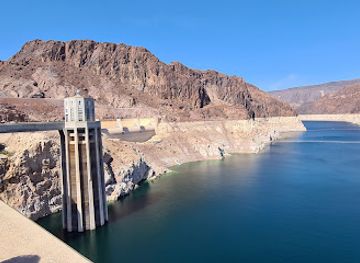
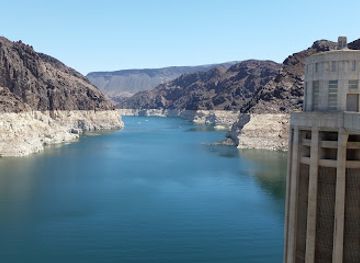
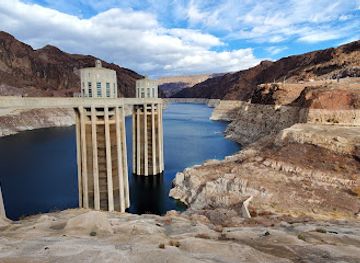
The defining landmark is Lake Mead itself, whose broad blue water, exposed mineral bands and changing shoreline contrast sharply with the surrounding Mojave Desert. Its scale makes the reservoir a geographical landmark as well as a major piece of twentieth-century water infrastructure. Hoover Dam, at the head of Black Canyon on the Arizona–Nevada boundary, is the region’s most recognisable human structure; its curved concrete face, power facilities and associated canyon setting represent the engineering transformation of the Colorado River, although it should not be described as wholly within Arizona. On the Arizona side, Temple Bar’s inlet and surrounding mountain silhouettes provide a distinctive visual focus, while the lower Colorado River below the dam forms a contrasting linear landmark at Pearce Ferry. Canyons, desert ridges and volcanic-looking rock formations complete a landscape in which natural forms and engineered water control are inseparable.
-
Historical landmark
Mike O'Callagan Pat Tillman Memorial Bridge Plaza
Experience breathtaking views of the Hoover Dam and Colorado River from the iconic Mike O'Callaghan-Pat Tillman Memorial Bridge Plaza.
-
Museum
Clark County Museum
Explore Southern Nevada's vibrant past through interactive exhibits and historic buildings at the Clark County Museum in Henderson.
-
Historical landmark
Lake Mead View Point
Experience breathtaking panoramic views of Lake Mead and the Mojave Desert from this scenic viewpoint near Boulder City, Nevada.
-
Convention center
Hoover Dam Spillway House
Enjoy panoramic views of Hoover Dam and Lake Mead from this unique event venue with a storied past.

Explore Lake Mead on the map
Plan your trip on one map. See where the top cities, national parks and sights are, and book hotels and experiences in a few clicks.
Best hotels in Lake Mead
Best restaurants in Lake Mead
Dining around the Arizona side of Lake Mead is limited and closely linked to recreation facilities rather than a distinct restaurant district. Temple Bar is the main place to look for basic food and drink services, but visitors should not depend on a wide choice or late availability and are wise to carry provisions from larger towns before travelling into the desert. Picnicking is often more realistic than seeking a long meal, provided food is stored securely and rubbish is removed. The culinary identity here is that of the wider American Southwest: practical road food, grilled dishes, sandwiches, Mexican-influenced cooking and cold drinks suited to hot weather. Nearby Kingman offers a broader range of supermarkets, cafés and restaurants, while the communities and resorts on the Nevada side provide additional choice outside Arizona. There is little basis for presenting Lake Mead as a destination for regional fine dining; its appeal lies in outdoor recreation and landscape rather than a developed local food scene.
-
Hotel
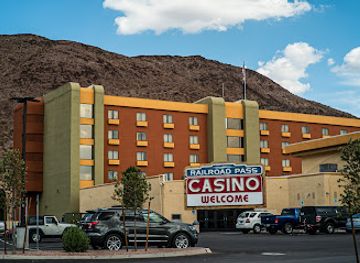
Railroad Pass Hotel and Casino Ramada by Wyndham
Discover the historic Railroad Pass Hotel and Casino – where gaming excitement meets exceptional dining and comfortable accommodations in Henderson, Nevada.
-
American
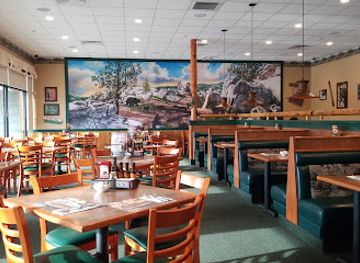
Black Bear Diner Las Vegas - S. Las Vegas Blvd
Experience delicious American comfort food in a cozy family-friendly diner atmosphere on S. Las Vegas Blvd.
-
American
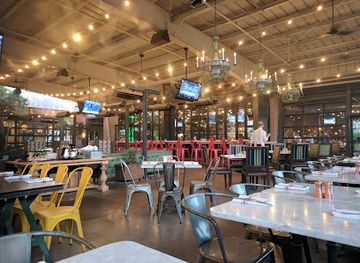
Culinary Dropout
Experience the vibrant flavors of American cuisine at Culinary Dropout in Phoenix – where great food meets live entertainment.
-
Breakfast
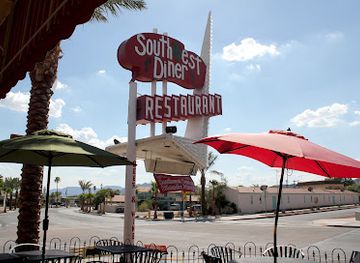
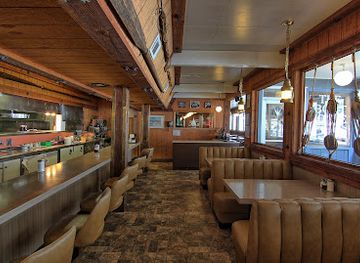
Southwest Diner
Experience classic American breakfast delights at Southwest Diner in Boulder City, where hearty meals meet warm hospitality.
Best bars in Lake Mead
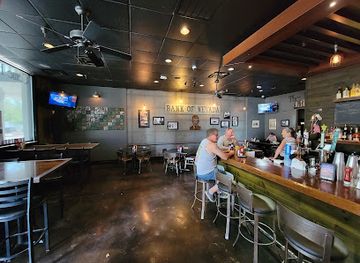
Lake Mead’s Arizona shore has no significant nightclub scene, and evening life is shaped by boating, camping, travel and the practical limits of a remote desert environment. Temple Bar may provide limited refreshments associated with its recreation facilities, but visitors should not expect the range or hours found in a city. The most common evening activities are watching the light change over the mountains, stargazing, sitting around an authorised campsite and dining at accommodation or facilities already serving the area. For a broader choice of pubs, bars and live entertainment, visitors generally travel to Kingman or across the state line towards Boulder City and Las Vegas, all outside the Arizona Lake Mead destination. Anyone returning after dark should plan fuel, navigation and a sober driver carefully, since roads are isolated and lighting is sparse.
-
Barbecue
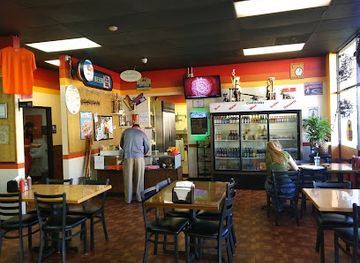
Fox Smokehouse BBQ
Discover Boulder City's top barbecue destination with Fox Smokehouse BBQ, offering delicious smoked meats and a lively atmosphere for all.
-
Restaurant
The Dillinger
Discover The Dillinger, a top restaurant in Boulder City, known for its delicious food, crafted cocktails, and vibrant live music atmosphere.
-
Marina
Lake Mead Marina
Explore the stunning beauty of Lake Mead at Lake Mead Marina - your adventure hub for water sports, relaxation, and scenic dining.
-
Restaurant
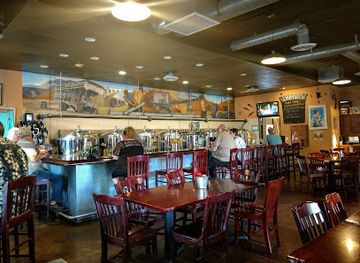
Boulder Dam Brewing Co.
Discover the rich flavors of Boulder Dam Brewing Co., a local gem in Boulder City offering craft beers and delicious cuisine in a historic setting.
Best shops in Lake Mead
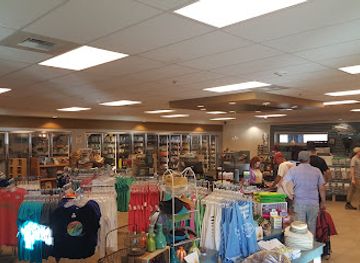
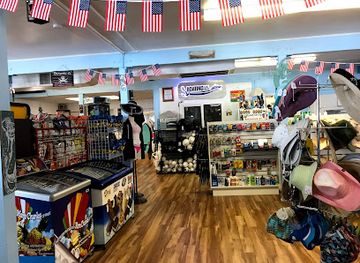
Shopping on Arizona’s Lake Mead shoreline is limited and functional, consisting mainly of supplies, boating equipment, fuel-related provisions and simple visitor necessities at or near recreation facilities. Temple Bar is the most likely place to find basic services during a lake outing, but it is not a shopping centre and should not replace preparation in Kingman or another larger town. Visitors seeking regional products can look for Southwestern food, desert-themed gifts, books, outdoor equipment and locally produced crafts in gateway communities, while formal galleries and broader retail choice are more readily available outside the immediate lake area. Souvenirs should be purchased rather than collected from the landscape: rocks, archaeological objects, plants and cultural materials must remain where they are. The most useful purchases for Lake Mead itself are often practical ones, including water, sun protection, food, maps, spare supplies and equipment suitable for remote desert travel.
-
Gift shop
Meow Wolf Las Vegas | Omega Mart
Explore the surreal world of Meow Wolf Las Vegas - Omega Mart, an extraordinary blend of art, amusement, and unique shopping experiences.
-
Gift shop
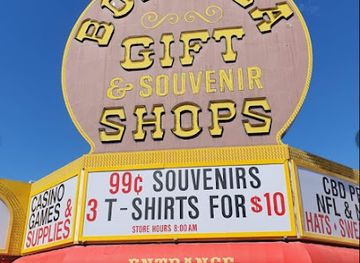
Bonanza Gift Shop
Discover a world of unique souvenirs and gifts at Bonanza Gift Shop, the largest gift shop on the Las Vegas Strip.
-
Gift shop
Willow Beach Marina
Discover the beauty and adventure at Willow Beach Marina, your perfect escape along the Colorado River in Arizona.
-
Marina
Lake Mead Marina
Explore Lake Mead Marina for boating, dining, and unforgettable views at Nevada's stunning outdoor playground.
Get your free copy of our complete guide to Lake Mead, delivered straight to you.
Everything on this page, from attractions and restaurants to essentials and local phrases, in one PDF you can read offline, print or share.
Already have an account? Sign in
Your Lake Mead guide is ready.
We'll send it to · Not you? Sign out

Getting your guide ready…
We are putting together a fresh copy of the Lake Mead guide. This can take up to a minute.
This can take a few moments. If your browser asks, choose Allow so the download can start. You'll find the guide in your Downloads folder.
Nothing happened? Download it again
Sorry, the guide is taking longer than usual. Please try again in a minute, or get it by email instead.
Lake Mead essentials
Currency and Payment
Safety
Emergency Situations
Do's and Don'ts
Local Tips
From Eve
Local phrases worth knowing
You don't need to get them perfect. A few words go a long way, and locals appreciate the effort.
Basics
| English | Local | Say it |
|---|---|---|
| Hello | Howdy | [Haudi] |
| Goodbye | See ya | [See yah] |
| Yes | Yep | [Yep] |
| No | Nah | [Nah] |
| Please/You're welcome | No problem | [No prob-lem] |
| Thank you | Thanks | [Thanks] |
| Excuse me/Sorry | Pardon me | [Pardon me] |
| How are you? | How's it going? | [How's it goin'?] |
| Fine. And you? | Good. You? | [Good. You?] |
| Do you speak English? | Do ya speak English? | [Doo ya speek English?] |
| I don't understand | I ain't got it | [I ain't got it] |
Eating & Drinking
| English | Local | Say it |
|---|---|---|
| I'd like to see the menu, please | Can I see the menu? | [Can I see the menu?] |
| I don't eat meat | I’m vegetarian | [I'm vege-tair-ian] |
| Cheers! | Cheers! | [Cheers!] |
| I would like to pay, please | Can I get the check? | [Can I get the check?] |
Emergencies
| English | Local | Say it |
|---|---|---|
| Help! | Help! | [Help!] |
| Go away! | Get lost! | [Get lost!] |
| Call the Police! | Call 911! | [Call 911!] |
| Call a doctor! | Get a doctor! | [Get a doctor!] |
| I'm lost | I’m lost | [I'm lost] |
| I'm ill | I’m sick | [I'm sick] |
Shopping
| English | Local | Say it |
|---|---|---|
| I'd like to buy... | I wanna buy... | [I wanna buy...] |
| I'm just looking | Just browsing | [Just brows-ing] |
| How much is it? | What’s the price? | [What’s the price?] |
| That's too expensive | That costs too much | [That costs too much] |
| Can you lower the price? | Can you make it cheaper? | [Can you make it cheaper?] |
Time & Numbers
| English | Local | Say it |
|---|---|---|
| What time is it? | What time ya got? | [What time ya got?] |
| It's one o'clock | It's one | [It's one] |
| Half past (10) | Half past ten | [Half past ten] |
| Morning | Morning | [Morning] |
| Afternoon | Afternoon | [Afternoon] |
| Evening | Evening | [Evening] |
| Yesterday | Yesterday | [Yesterday] |
| Today | Today | [Today] |
| Tomorrow | Tomorrow | [Tomorrow] |
| 1 | One | [One] |
| 2 | Two | [Two] |
| 3 | Three | [Three] |
| 4 | Four | [Four] |
| 5 | Five | [Five] |
| 6 | Six | [Six] |
| 7 | Seven | [Seven] |
| 8 | Eight | [Eight] |
| 9 | Nine | [Nine] |
| 10 | Ten | [Ten] |
Transport & Directions
| English | Local | Say it |
|---|---|---|
| Where's a/the...? | Where’s the ...? | [Where’s the ...?] |
| What's the address? | What’s the address? | [What’s the address?] |
| Can you show me (on the map)? | Can you point it out? | [Can you point it out?] |
| When's the next (bus)? | When’s the next bus? | [When’s the next bus?] |
| A ticket (to ....) | A ticket to ... | [A ticket to ...] |
History of Lake Mead
Indigenous Colorado River Landscapes
Long before the reservoir existed, the Colorado River and surrounding deserts supported communities whose descendants remain connected to the region. Mojave, Southern Paiute and Hualapai peoples have used the river corridor, springs, trails and uplands for food, travel, trade and cultural practice. Archaeological evidence records earlier occupation through tools, habitation traces and rock art, although individual sites are protected and should not be disturbed. The inundation caused by the formation of Lake Mead altered some river environments and obscured parts of the older landscape, but Indigenous history remains fundamental to understanding the area.
The Colorado River Before the Dam
Before the 1930s, the Colorado River cut through Black Canyon and a succession of narrower gorges, flooding periodically and shifting its channel. Explorers, surveyors, miners and river travellers entered the canyon country during the nineteenth and early twentieth centuries, but permanent settlement remained sparse because of the arid climate and difficult transport. The river was nevertheless central to the region’s development, supplying a route through otherwise formidable terrain and later becoming the focus of an ambitious national programme of water management.
Hoover Dam and the Boulder Canyon Project
Construction of Hoover Dam began in 1931 under the Boulder Canyon Project and required immense engineering works, new roads, diversion tunnels and a large labour force. The completed dam, dedicated in the 1930s, controlled floods, generated hydroelectric power and helped regulate water deliveries to growing communities and agricultural districts in the Southwest. Its reservoir, initially known as Boulder Reservoir and later Lake Mead, permanently reshaped the Colorado River landscape. The dam stands in Black Canyon on the Arizona–Nevada boundary, rather than wholly within Arizona.
The Creation of Lake Mead
As the Colorado River was impounded behind Hoover Dam, water spread through former river valleys and side canyons, creating Lake Mead and transforming access to the region. Marinas, launch areas, service roads and power infrastructure followed, while desert communities and transport routes adapted to the new reservoir. The lake became both a critical component of the Colorado River water system and a major setting for recreation. Its visible shorelines have changed substantially over time as drought, demand and variable river inflows have lowered water levels.
Lake Mead National Recreation Area, 1964
Lake Mead National Recreation Area was established in 1964 to protect and manage the reservoir, surrounding desert, mountain ranges and river corridors while allowing public recreation. It was the first national recreation area in the United States and introduced a model combining large-scale water-based recreation with federal landscape conservation. The designation brought a national framework to places such as Temple Bar, South Cove and the lower Colorado River, while also requiring visitors to respect archaeological resources, wildlife habitat and the limits of a fragile desert environment.
Drought, Water Management and a Changing Reservoir
In the twenty-first century, prolonged drought and increasing pressure on the Colorado River have become defining realities for Lake Mead. Declining reservoir levels have affected boating access, marinas, exposed shorelines and the appearance of submerged features, while agreements among states and water agencies continue to govern water use. The lake remains a major source of storage for the Southwest, but recreation now takes place against a more visible backdrop of climate stress, conservation measures and uncertainty about future water conditions.
Lake Mead in Photos
Browse through our photo collection highlighting the charm and character of the destination.
Neighbouring regions of Lake Mead
The closest regions to Lake Mead, if you have time for more than one.
-

-

-

-
-


Swipe for more regions
Explore more

Explore more of Arizona
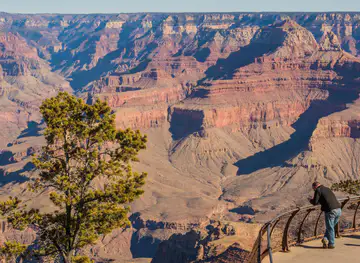
Discover Arizona: From the majestic Grand Canyon and red rocks of Sedona to the vibrant cities of Phoenix and Scottsdale, explore the diverse beauty and culture of the Grand Canyon State.
Explore Arizona