

Free Prescott National Forest Travel Guide & Mobile App
Explore Prescott National Forest with free travel guides. Discover regional history, expert tips, proposed trips, and audio guides on web or mobile app.


Prescott National Forest pairs Arizona’s pine-covered mountains, granite landscapes, lakes, historic mining country and extensive outdoor recreation.
Read more about Prescott National Forest
Getting to and around Prescott National Forest
How to get there
Transportation
Top city travel guides in Prescott National Forest
The cities of Prescott National Forest, and the easiest places to base yourself.
-

-


Swipe for more cities
Destinations in Prescott National Forest
Resorts, valleys and scenic spots worth a trip of their own.

Swipe for more destinations
Best attractions in Prescott National Forest
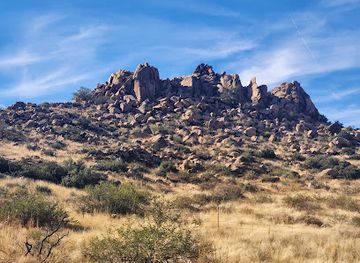
Prescott National Forest offers a broad mix of accessible recreation and remote mountain travel. Around Prescott, Granite Basin, Thumb Butte, Goldwater Lake, Lynx Lake and the Watson and Willow lake areas provide walking, boating, fishing, picnicking and cycling opportunities in landscapes of pine, granite and oak. Granite Mountain Wilderness and other designated wilderness areas offer more demanding hiking, where visitors should expect rough ground, limited facilities and no guaranteed mobile signal. The Bradshaw Mountains add historic mining roads, dispersed camping and routes towards communities such as Crown King, while higher country around Mingus Mountain provides cooler conditions, forest scenery and panoramic viewpoints. Wildlife watching may include mule deer, wild turkeys, birds of prey and smaller woodland species, although sightings are never guaranteed. Mountain biking, climbing, horseback riding and scenic driving are popular on appropriate routes, but seasonal closures, fire restrictions and storm damage can alter access. The forest is not a single gated attraction: its recreation sites, trail systems and backcountry landscapes are spread across a large area, so a map-based itinerary and realistic driving times are essential.
-
Prescott National Forest
Discover Prescott National Forest: A stunning Arizona destination with diverse landscapes, abundant wildlife, and endless outdoor adventures.
-
Out of Africa Wildlife Park
Experience the thrill of witnessing exotic wildlife up close at Out of Africa Wildlife Park, a captivating safari adventure in Arizona's beautiful landscapes.
-
Courthouse Plaza
Discover the heart of Prescott at Courthouse Plaza—where history, nature, and community come together in a scenic setting.
-
National reserve
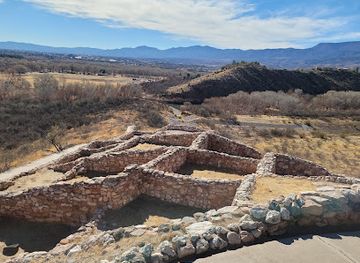
Tuzigoot National Monument
Explore the ancient ruins and breathtaking views at Tuzigoot National Monument, a fascinating glimpse into Arizona's rich historical heritage.


Best landmarks in Prescott National Forest
Granite Mountain is one of Prescott National Forest's most recognisable natural landmarks, rising west of Prescott as a broad mass of pale granite visible from many viewpoints around the city. Thumb Butte forms another familiar silhouette and is closely associated with Prescott's nearby pine-covered recreation landscape. Lynx Lake and Goldwater Lake are important water landmarks in a region better known for upland forests than for large natural lakes, while the Granite Basin area combines striking rock formations with a network of public recreation routes. The Bradshaw Mountains provide the forest's most historically resonant mountain backdrop, with roads and scattered remains connected to nineteenth-century mining. Crown King, a former mining community surrounded by forest, illustrates how settlement followed mineral prospects into difficult terrain. Higher ridges around Mingus Mountain and the protected wilderness areas add a contrasting sense of scale, with open viewpoints, steep slopes and extensive woodland. These places matter less as isolated monuments than as markers of the forest's geological, historical and recreational identity.
-
National forest
Prescott National Forest
Explore Arizona's diverse landscapes: hiking, camping, history & outdoor adventures await in Prescott National Forest's 1.25 million acres.
-
Plaza
Courthouse Plaza
Experience the vibrant atmosphere and historical charm of Courthouse Plaza in Prescott, Arizona, a must-visit destination for every traveler.
-
National reserve
Tuzigoot National Monument
Explore the ancient Sinagua pueblo ruins at Tuzigoot National Monument, offering stunning views and a glimpse into Arizona's rich history.
-
Bar
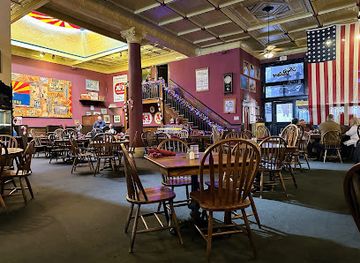
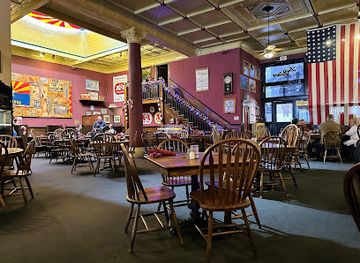
Palace Restaurant & Saloon
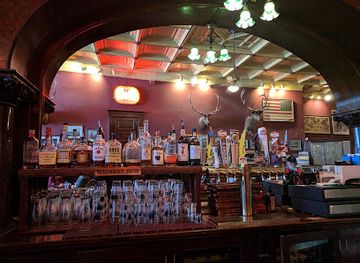
Experience the charm of the Wild West in Arizona's oldest saloon, where history, good food, and live music create a memorable visit.


Explore Prescott National Forest on the map
Plan your trip on one map. See where the top cities, national parks and sights are, and book hotels and experiences in a few clicks.
Best hotels in Prescott National Forest
Best restaurants in Prescott National Forest
Dining is concentrated in Prescott and the neighbouring communities rather than within remote forest recreation areas. Prescott offers independent restaurants, cafés, bakeries, traditional American diners, pubs and more contemporary kitchens, making it the most useful place to eat before or after a day outdoors. Around the forest, meals are more likely to come from small-town restaurants, general stores, picnic supplies or lodges than from dedicated destination dining. Regional menus reflect the wider food culture of Arizona and the American Southwest, with Mexican-influenced dishes, grilled meats, burgers, sandwiches and seasonal produce widely available. Visitors may also find locally produced beer, coffee, baked goods and provisions for camping, while farmers' markets and specialist shops in Prescott can supply fruit, vegetables, cheese and prepared foods when operating. In remote districts, assume that food choices and opening arrangements are limited; carrying lunch, water and snacks is often more practical than expecting a café or restaurant near a trailhead.
-
Bar
Palace Restaurant & Saloon
Discover the historic Palace Restaurant & Saloon in Prescott: where delicious American cuisine meets captivating history.
-
Tapas
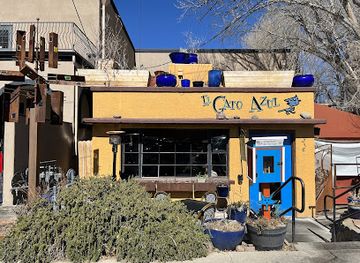
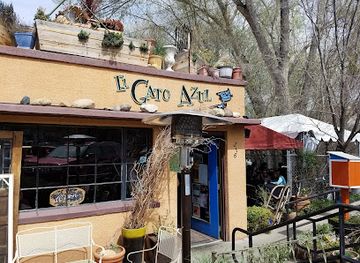
El Gato Azul
Discover the vibrant flavors of Europe and Latin America at El Gato Azul, Prescott's premier tapas restaurant offering unforgettable dining experiences.
-
American
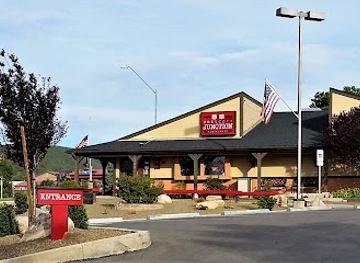
Prescott Junction
Discover Prescott Junction: Your go-to destination for delicious American breakfasts in charming Prescott, Arizona.
-
Brewpub
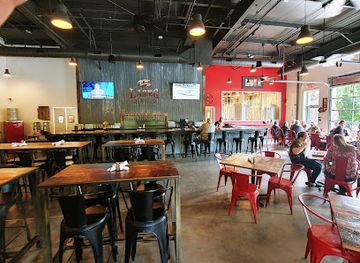
LazyG Brewhouse
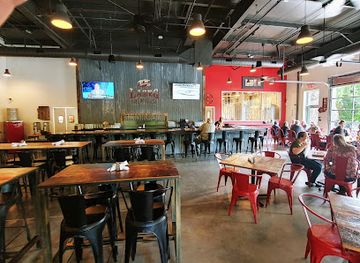
Discover Prescott's finest craft brews and delicious cuisine at LazyG Brewhouse – where flavor meets creativity.
Best bars in Prescott National Forest
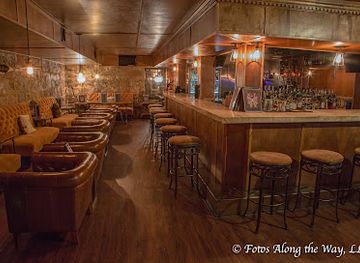
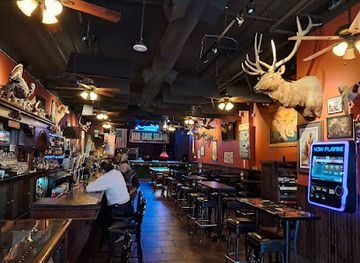
Prescott is the principal centre for evening life associated with Prescott National Forest. Its historic downtown has traditional bars, pubs, restaurants, live music and venues connected with the city's long-standing western and territorial identity, while the wider town also offers breweries, wine bars and quieter places for an evening meal. Nightclubs are not the defining feature of the forest region, and options become sparse once visitors leave Prescott for rural roads, lakes and mountain communities. Crown King and other outlying settlements may have small local establishments, but services and opening patterns are limited and should not be assumed. Evening recreation in the forest itself centres on camping, stargazing and quiet time outdoors, subject to fire rules and site regulations. Arrange transport before drinking, particularly where roads are winding, unlit or remote, and remember that wildlife, changing weather and poor mobile coverage make late-night driving more demanding.
-
Bar
Palace Restaurant & Saloon
Discover the historical charm and delicious American cuisine at Palace Restaurant & Saloon in Prescott, Arizona.
-
El Gato Azul
Discover the vibrant flavors of El Gato Azul, Prescott's premier tapas bar offering a delightful fusion of European and Latin American cuisines.
-
Brewpub
LazyG Brewhouse
Experience the local flavors of Prescott at LazyG Brewhouse, a charming brewpub offering delicious craft beers and delectable dishes in a cozy atmosphere.
-
Raven Cafe
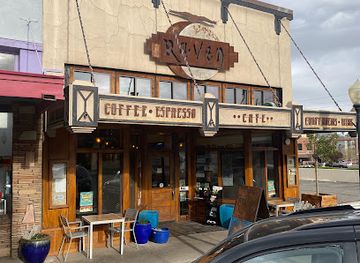
Discover the charm of Raven Cafe, Prescott's favorite spot for delicious meals, artisanal coffee, and a welcoming atmosphere.
Best nightclubs in Prescott National Forest
Prescott is the principal centre for evening life associated with Prescott National Forest. Its historic downtown has traditional bars, pubs, restaurants, live music and venues connected with the city's long-standing western and territorial identity, while the wider town also offers breweries, wine bars and quieter places for an evening meal. Nightclubs are not the defining feature of the forest region, and options become sparse once visitors leave Prescott for rural roads, lakes and mountain communities. Crown King and other outlying settlements may have small local establishments, but services and opening patterns are limited and should not be assumed. Evening recreation in the forest itself centres on camping, stargazing and quiet time outdoors, subject to fire rules and site regulations. Arrange transport before drinking, particularly where roads are winding, unlit or remote, and remember that wildlife, changing weather and poor mobile coverage make late-night driving more demanding.
-
Bar
Palace Restaurant & Saloon
Discover the historic Palace Restaurant & Saloon in Prescott, AZ, where American cuisine meets a vibrant bar in a legendary setting.
-
Historical landmark
Whiskey Row
Discover the lively spirit of Whiskey Row, Prescott's historic landmark known for its vibrant nightlife, charming bars, and rich Old West history.
-
Bar
The Point Bar and Lounge
Discover vibrant nightlife at The Point Bar and Lounge in Prescott, featuring live music, creative cocktails, and a friendly atmosphere.
-
Live music bar
Bird Cage Saloon
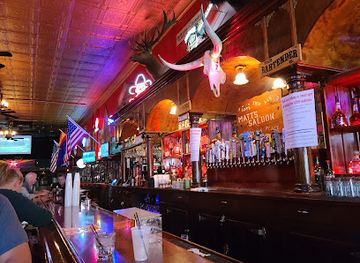
Discover Prescott's vibrant nightlife at the Bird Cage Saloon, a premier live music bar offering affordable drinks and unforgettable entertainment.
Best shops in Prescott National Forest
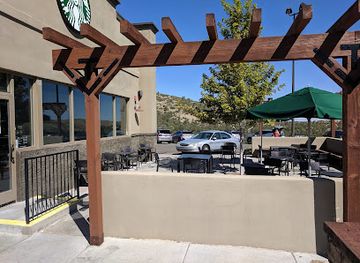
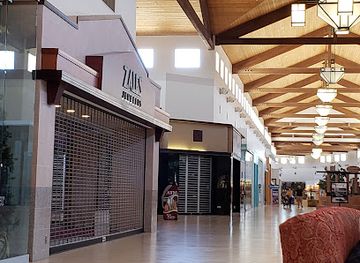
Prescott is the main shopping centre for visitors using Prescott National Forest, with a historic downtown combining independent retailers, galleries, bookshops, cafés, western-style goods, antiques and practical outdoor supplies. It is a useful place to buy maps, camping provisions, clothing and locally made gifts before travelling into remote forest districts. Food shops and markets may offer Arizona-grown produce, baked goods, preserves, speciality foods and regional drinks, although market schedules and individual traders vary by season. Outlying communities such as Crown King have a much smaller retail offer, often centred on essentials, souvenirs and local services rather than extensive shopping. The most appropriate purchases are durable, locally made or useful for the landscape: artwork inspired by central Arizona, craft goods, books on regional history, outdoor equipment and food products. Avoid removing archaeological material, rocks or historic objects from public land; the forest's cultural and natural resources are protected rather than souvenirs.
-
Shopping mall
Frontier Village Center
Discover the charm of Frontier Village Center, a premier shopping destination in Prescott, AZ, with diverse stores and delightful dining options.
-
Shopping mall
Pine Ridge Marketplace
Discover the charm of Pine Ridge Marketplace, Prescott's premier shopping destination with unique boutiques, delicious dining, and local events.
-
Shopping mall
Bashford Courts
Explore the vibrant shopping experience at Bashford Courts in Prescott, Arizona, where history meets modern retail and culinary delights.
-
Gift shop
Peregrine Book Company
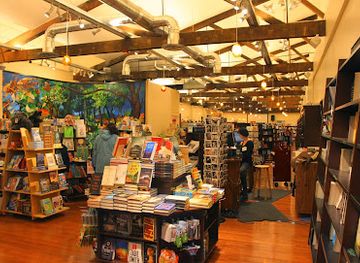
Explore the enchanting Peregrine Book Company, where books, gifts, and community come together in Prescott, Arizona.

Get your free copy of our complete guide to Prescott National Forest, delivered straight to you.
Everything on this page, from attractions and restaurants to essentials and local phrases, in one PDF you can read offline, print or share.
Already have an account? Sign in
Your Prescott National Forest guide is ready.
We'll send it to · Not you? Sign out

Getting your guide ready…
We are putting together a fresh copy of the Prescott National Forest guide. This can take up to a minute.
This can take a few moments. If your browser asks, choose Allow so the download can start. You'll find the guide in your Downloads folder.
Nothing happened? Download it again
Sorry, the guide is taking longer than usual. Please try again in a minute, or get it by email instead.
Prescott National Forest essentials
Currency and Payment
Safety
Emergency Situations
Do's and Don'ts
Local Tips
From Eve
Local phrases worth knowing
You don't need to get them perfect. A few words go a long way, and locals appreciate the effort.
Basics
| English | Local | Say it |
|---|---|---|
| Hello | Howdy | [Ha-dee] |
| Goodbye | See ya later | [See ya lay-ter] |
| Yes | Yep | [Yep] |
| No | Nah | [Nah] |
| Please/You're welcome | Sure thing | [Shur thing] |
| Thank you | Thanks a lot | [Thangs a lot] |
| Excuse me/Sorry | My bad | [My bad] |
| How are you? | How's it going? | [How's it goin'?] |
| Fine. And you? | Good. You? | [Good. You?] |
| Do you speak English? | You speakin' English? | [You speakin' English?] |
| I don't understand | I ain't followin' | [I ain't followin'] |
Eating & Drinking
| English | Local | Say it |
|---|---|---|
| I'd like to see the menu, please | Can I check the menu? | [Can I check the menu?] |
| I don't eat meat | I'm a vegetarian | [I'm a ve-ge-ta-rian] |
| Cheers! | Bottoms up! | [Bottoms up!] |
| I would like to pay, please | Can I get the check? | [Can I get the check?] |
Emergencies
| English | Local | Say it |
|---|---|---|
| Help! | Help! | [Help!] |
| Go away! | Leave me alone! | [Leave me alone!] |
| Call the Police! | Call the cops! | [Call the cops!] |
| Call a doctor! | Get a doctor! | [Get a doc-tor!] |
| I'm lost | I'm turned around | [I'm turned around] |
| I'm ill | I'm not feelin' well | [I'm not feelin' well] |
Shopping
| English | Local | Say it |
|---|---|---|
| I'd like to buy... | I wanna buy... | [I wanna buy...] |
| I'm just looking | Just browsing | [Just browsing] |
| How much is it? | What's the price? | [What's the price?] |
| That's too expensive | That's way too pricey | [That's way too pricey] |
| Can you lower the price? | Can you cut me a deal? | [Can you cut me a deal?] |
Time & Numbers
| English | Local | Say it |
|---|---|---|
| What time is it? | What's the time? | [What's the time?] |
| It's one o'clock | It's one o'clock | [It's one o'clock] |
| Half past (10) | Half past ten | [Half past ten] |
| Morning | Morning | [Morning] |
| Afternoon | Afternoon | [Afternoon] |
| Evening | Evening | [Evening] |
| Yesterday | Yesterday | [Yesterday] |
| Today | Today | [Today] |
| Tomorrow | Tomorrow | [Tomorrow] |
| 1 | One | [One] |
| 2 | Two | [Two] |
| 3 | Three | [Three] |
| 4 | Four | [Four] |
| 5 | Five | [Five] |
| 6 | Six | [Six] |
| 7 | Seven | [Seven] |
| 8 | Eight | [Eight] |
| 9 | Nine | [Nine] |
| 10 | Ten | [Ten] |
Transport & Directions
| English | Local | Say it |
|---|---|---|
| Where's a/the...? | Where's the...? | [Where's the...?] |
| What's the address? | What's the address? | [What's the address?] |
| Can you show me (on the map)? | Can you point it out? | [Can you point it out?] |
| When's the next (bus)? | When's the next bus? | [When's the next bus?] |
| A ticket (to ....) | A ticket to... | [A ticket to...] |
History of Prescott National Forest
Yavapai homelands and earlier settlement
The mountains, grasslands and waterways now managed as Prescott National Forest lie within the traditional homelands of Yavapai peoples, including communities whose descendants remain connected to central Arizona. Indigenous people used the region's varied elevations and seasonal resources long before the arrival of United States settlers. Archaeological evidence across the wider uplands records earlier occupation, but many sites are protected and should not be disturbed or publicised in ways that encourage looting. Understanding the forest as a lived cultural landscape, rather than an empty wilderness, is essential to interpreting its history.
Prescott and the territorial mining frontier, 1860s
The discovery of gold in the Bradshaw Mountains helped draw prospectors, traders and military authorities into central Arizona during the 1860s. Prescott was established in 1864 and became the first capital of the Arizona Territory, serving as an administrative and commercial centre for mining districts in the surrounding mountains. Towns and camps developed near mineral workings, while difficult trails linked them with Prescott and other settlements. Many workings have disappeared or are unsafe, but the pattern of roads, names and scattered historic structures still reflects the period when mining directed the region's growth.
Mining, ranching and mountain communities
Gold, silver and other minerals continued to influence the Bradshaw and adjacent ranges into the late nineteenth and early twentieth centuries. Crown King and other mountain communities grew from this mining economy, although production fluctuated and many camps eventually declined. Ranching also became an enduring land use, taking advantage of upland meadows and grasslands between forested ridges. These activities shaped roads, trails and patterns of settlement that remain visible around Prescott National Forest. Visitors should regard abandoned shafts, adits and unstable structures as hazards rather than ruins to explore.
From forest reserve to national forest
The federal government created Prescott Forest Reserve in 1898, reflecting a national movement towards managing watersheds, timber and grazing lands more systematically. It later became part of the United States Forest Service system and was renamed Prescott National Forest. Management has always involved competing demands, including timber production, livestock grazing, wildlife habitat, watershed protection, mining, recreation and wildfire response. The modern forest is therefore both a conservation landscape and a working public land, with rules that vary by location and can change according to fire danger or environmental conditions.
Road building and the Civilian Conservation Corps
During the 1930s, New Deal programmes, particularly the Civilian Conservation Corps, expanded public investment in forests and recreation infrastructure. Across Prescott National Forest and the surrounding region, this era contributed to trail work, erosion control, roads and facilities that helped make mountain landscapes more accessible. Some structures and routes have been altered or replaced, but the broader recreational framework owes much to this period. The programme also formed part of a national response to unemployment and environmental degradation during the Great Depression.
Fire, drought and changing forest management
Wildfire and drought have always influenced central Arizona's forests, but prolonged dry periods, warmer conditions and accumulated fuels have increased the complexity of modern fire management. Large fires have affected parts of Prescott National Forest, altering tree cover, wildlife habitat, roads and recreational access. Forest agencies now combine suppression with prescribed burning, thinning, watershed work and public safety measures, although decisions remain contested and highly site-specific. Travellers may encounter closures, smoke, damaged trails or temporary restrictions even when nearby towns appear unaffected.
Recreation and public-land stewardship
In the twentieth and twenty-first centuries, Prescott National Forest increasingly became a destination for hiking, camping, mountain biking, fishing, boating, climbing, wildlife observation and scenic driving. The growth of outdoor recreation has brought economic benefits to Prescott and surrounding communities but also increased pressure on popular lakes, trailheads and dispersed campsites. Current stewardship emphasises responsible access, protection of archaeological resources, careful fire use, waste management and respect for wildlife and other visitors. The forest's contemporary identity is consequently shaped as much by recreation and conservation as by its mining and ranching past.
Prescott National Forest in Photos
Browse through our photo collection highlighting the charm and character of the destination.
Neighbouring regions of Prescott National Forest
The closest regions to Prescott National Forest, if you have time for more than one.
-

-

-

-

-


Swipe for more regions
Explore more

Explore more of Arizona
Discover Arizona: From the majestic Grand Canyon and red rocks of Sedona to the vibrant cities of Phoenix and Scottsdale, explore the diverse beauty and culture of the Grand Canyon State.
Explore Arizona