

Free La Paz County Travel Guide & Mobile App
Explore La Paz County with free travel guides. Discover regional history, expert tips, proposed trips, and audio guides on web or mobile app.


La Paz County pairs Colorado River recreation, desert wildlife, Quartzsite markets and wide-open western Arizona landscapes for an unhurried road trip.
Read more about La Paz County
When is the best time to visit La Paz County?
Best: March–April, November · 23–28°C| Month | High (°C) | Rainfall (mm) |
|---|---|---|
| January | 19 | 15 |
| February | 21 | 13 |
| March (best) | 24 | 12 |
| April (best) | 28 | 7 |
| May | 33 | 4 |
| June | 39 | 2 |
| July | 41 | 19 |
| August | 41 | 21 |
| September | 37 | 14 |
| October | 30 | 10 |
| November (best) | 23 | 8 |
| December | 18 | 14 |
Getting to and around La Paz County
How to get there
Transportation
Top city travel guides in La Paz County
The cities of La Paz County, and the easiest places to base yourself.

Swipe for more cities
Best attractions in La Paz County
La Paz County’s attractions are defined by the meeting of the Colorado River and open Sonoran Desert rather than by a dense collection of major monuments. Parker and the Parker Strip provide the county’s main recreational focus, with boating, fishing, swimming, riverside camping and birdwatching set against dry mountains and irrigated fields. Near Parker, Ahakhav Tribal Preserve protects restored river wetlands and offers opportunities for quiet nature observation, subject to local access arrangements. The Colorado River Indian Tribes Museum adds cultural and historical context to the area’s Indigenous communities. In the south, Cibola National Wildlife Refuge preserves desert-river habitat and is valuable for seasonal birdlife. Quartzsite offers a different experience, centred on winter markets, mineral collecting, desert geology and the Hi Jolly Monument. Around Bouse, Salome and Wenden, the attractions are more dispersed: broad desert views, mountain backdrops, off-road landscapes and small-town history reward visitors who travel slowly and prepare carefully. The region is best suited to self-directed exploration, wildlife observation, river recreation and road trips rather than an intensive schedule of ticketed sights.
-
 Bridge
London Bridge
Experience a piece of London's history in the heart of Arizona. Walk, explore, and discover the iconic London Bridge in Lake Havasu City.
-
State park
Lake Havasu State Park
Explore Lake Havasu State Park: A Scenic Arizona Oasis for Outdoor Adventures, Relaxation, and Iconic Landmarks.
-
Tourist attraction
London Bridge Beach
Experience the beauty of Lake Havasu at London Bridge Beach, where adventure meets relaxation in a stunning lakeside setting.
-
Tourist attraction
Rotary Community Park & Playgrounds
Experience the beauty of Rotary Community Park & Playgrounds in Lake Havasu City, a perfect spot for relaxation, family fun, and outdoor adventures by the lake.


Best landmarks in La Paz County
The Hi Jolly Monument at Quartzsite is La Paz County’s most distinctive historic landmark, commemorating Hadji Ali and the United States Army’s nineteenth-century camel experiment in the Southwest. In Parker, the Colorado River Indian Tribes Museum is an important cultural landmark, presenting the history and continuing identity of Mojave, Chemehuevi, Hopi and Navajo communities connected with the reservation. The Colorado River itself is the county’s dominant geographical landmark, particularly along the Parker Strip, where a green, managed waterway runs between arid hills and desert plains. Ahakhav Tribal Preserve is a significant environmental landmark because it demonstrates the restoration of riverine wetlands in a region where natural water habitats have been greatly altered. The wide desert basins and rugged ranges around Quartzsite, Bouse and Salome provide a less monumental but equally characteristic sense of place. Visitors should remember that some prominent structures associated with the river, including Parker Dam, lie outside La Paz County and should not be presented as county landmarks.
-
State park
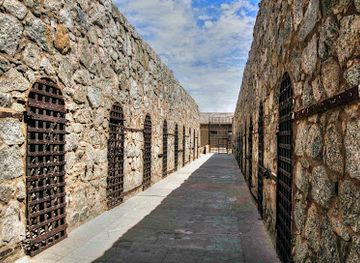
Yuma Territorial Prison State Historic Park
Explore the infamous Yuma Territorial Prison, where the Wild West comes to life through historic cell blocks and captivating stories.
-
State park
Cattail Cove State Park
Escape to Cattail Cove State Park for lakeside tranquility, water adventures, and desert exploration on the scenic shores of Lake Havasu.
-
Historical landmark
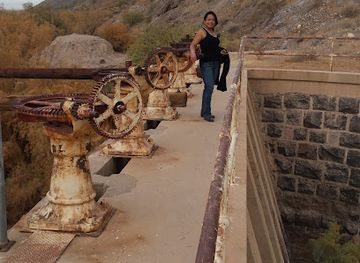
Historic Gillespie Dam Bridge
Explore Arizona's history at the Gillespie Dam Bridge, a landmark on Historic Route 80 offering scenic views and a glimpse into the past.
-
State park
Colorado River State Historic Park
Explore Yuma's past at the Colorado River State Historic Park, where the Old West comes to life on the banks of a mighty river.


Explore La Paz County on the map
Plan your trip on one map. See where the top cities, national parks and sights are, and book hotels and experiences in a few clicks.
Best hotels in La Paz County
Best restaurants in La Paz County
Dining in La Paz County is practical, informal and closely tied to the needs of river communities, highway travellers and seasonal residents. Parker has the broadest choice of restaurants, cafés, fast-food outlets and Mexican eateries, with Sonoran-influenced flavours, tacos, burritos and grilled dishes commonly appearing alongside familiar American fare. Riverside restaurants and casual venues cater to boating and fishing visitors, while Quartzsite’s seasonal population supports diners, cafés, food stands and temporary vendors during its winter gatherings. Supermarkets and small shops are important for self-catering, especially for visitors camping or staying outside the main towns. Agricultural areas along the Colorado River contribute produce to the local economy, although the county is not marketed around a single signature dish. Expect straightforward meals, generous portions and relaxed service rather than a concentrated fine-dining scene. In remote parts of the county, plan food and water supplies in advance because dining choices and opening arrangements can be limited.
-
Steak
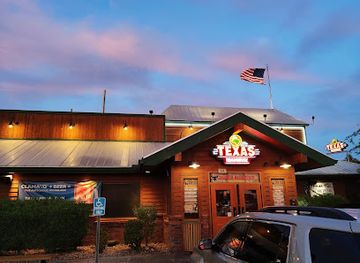
Texas Roadhouse
Experience hearty American dining at Texas Roadhouse in Yuma - savor expertly grilled steaks and a lively atmosphere.
-
American
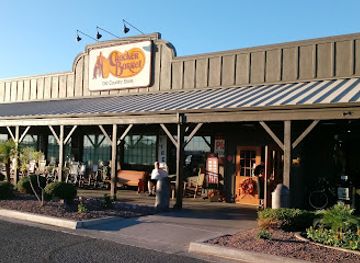
Cracker Barrel Old Country Store
Experience the charm of Cracker Barrel Old Country Store in Yuma – where Southern hospitality meets traditional American comfort food.
-
Hamburger
In-N-Out Burger
Discover In-N-Out Burger in Yuma for classic American fast food featuring fresh ingredients and iconic flavors that delight every palate.
-
Chicken
Chick-fil-A
Experience the heartwarming flavors of Chick-fil-A in Yuma - where every bite is a taste of Southern hospitality.


Best bars in La Paz County
La Paz County does not have a major nightclub scene. Evening life is concentrated in Parker and Quartzsite, where traditional bars, casual restaurants, hotel lounges and small local venues provide places to meet after time on the river or highway. Parker’s nightlife is generally relaxed and practical, with the social rhythm shaped by residents, boaters, seasonal visitors and occasional live entertainment rather than late-night clubs. Quartzsite becomes busier during its winter gatherings, when temporary events, market activity and informal social spaces expand the range of evening options, although arrangements vary from season to season. In smaller settlements and rural areas, evening culture is quiet and may centre on a local bar, diner, camp gathering or stargazing rather than organised entertainment. Visitors should not rely on late-night transport between communities and should plan a safe way back to their accommodation.
-
Steak
Shugrue's Restaurant and Brewery Group
Experience culinary excellence at Shugrue's Restaurant and Brewery Group, where steak, seafood, and craft beer meet in Lake Havasu City.
-
Bar
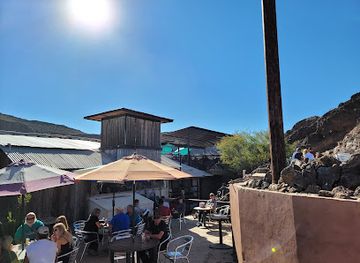
Nellie E Saloon -The Desert Bar
Discover the unique Nellie E Saloon - The Desert Bar, where rustic charm meets the stunning Arizona desert landscape for a memorable experience.
-
Restaurant
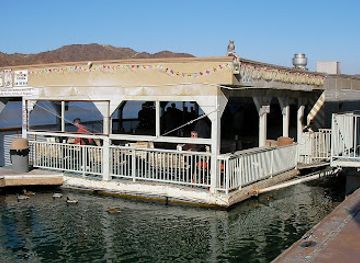
Roadrunner Resort and Floating Dock Bar
Discover the charm of Roadrunner Resort and Floating Dock Bar, a riverside gem offering delicious food, refreshing drinks, and stunning views in Parker, Arizona.
-
Grill
Tavern 95
Discover Tavern 95 in Lake Havasu City – where delicious grilled dishes meet a vibrant atmosphere for an unforgettable dining experience.


Best nightclubs in La Paz County
-
Night club
Legendz Sports Bar & Grill
Legendz Sports Bar & Grill: A Family-Friendly Sports Bar Offering Great Food and a Lively Atmosphere in Lake Havasu City.
-
Bar
BJ's Cabana Bar & Karaoke
Dive into Lake Havasu City's nightlife at BJ's Cabana Bar & Karaoke - where fun, drinks, and unforgettable karaoke moments await!
-
Bar
Flying X Saloon
Discover the lively ambiance and delicious menu at Flying X Saloon, a perfect blend of bar and restaurant in Lake Havasu City.
-
Night club
Martini Bay
Discover the perfect blend of dining and nightlife at Martini Bay, where great food, live music, and stunning lake views create unforgettable evenings.


Best shops in La Paz County
Shopping in La Paz County is centred on practical supplies, independent businesses, local food and seasonal desert markets rather than large retail districts. Parker has the county’s main concentration of supermarkets, everyday shops, outdoor equipment and services, with small businesses serving residents and river visitors. Quartzsite is the principal shopping destination for seasonal browsing, especially during its winter gatherings, when vendors offer minerals, fossils, lapidary items, antiques, collectibles, tools, clothing, jewellery and roadside curiosities. The quality and provenance of natural specimens can vary, so buyers should ask questions and avoid removing material from protected or restricted land. Small-town shops and market stalls in the river communities may offer regional produce, crafts and practical souvenirs, while galleries and specialist sellers appear most often during the busy winter period. Because the county is spread out, combine shopping with fuel and grocery planning rather than expecting continuous commercial areas between towns.
-
Truck stop
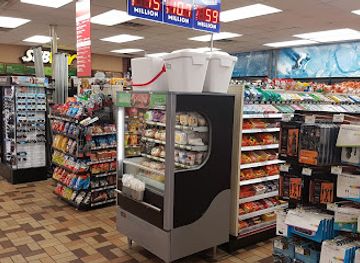
Pilot Travel Center
Discover convenience and comfort at Pilot Travel Center in Quartzsite, AZ, your go-to stop for fuel, food, and rest on your journey.
-
Shopping mall
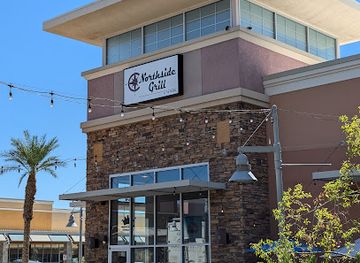
The Shops At Lake Havasu
Explore a unique shopping experience at The Shops At Lake Havasu, featuring diverse stores and delightful dining options in beautiful Arizona.
-
Clothing store
Ross Dress for Less
Discover unbeatable deals on stylish clothing and accessories at Ross Dress for Less in Lake Havasu City, a must-visit shopping destination for all.
-
Clothing store
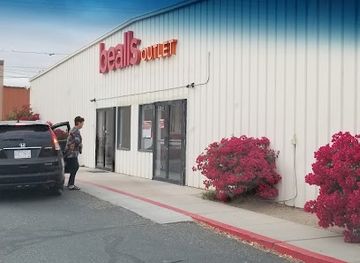
bealls
Discover stylish clothing, accessories, and home goods at Bealls in Parker, AZ, perfect for the whole family at affordable prices.

Get your free copy of our complete guide to La Paz County, delivered straight to you.
Everything on this page, from attractions and restaurants to essentials and local phrases, in one PDF you can read offline, print or share.
Already have an account? Sign in
Your La Paz County guide is ready.
We'll send it to · Not you? Sign out

Getting your guide ready…
We are putting together a fresh copy of the La Paz County guide. This can take up to a minute.
This can take a few moments. If your browser asks, choose Allow so the download can start. You'll find the guide in your Downloads folder.
Nothing happened? Download it again
Sorry, the guide is taking longer than usual. Please try again in a minute, or get it by email instead.
La Paz County essentials
Currency and Payment
Safety
Emergency Situations
Do's and Don'ts
Local Tips
From Eve
Local phrases worth knowing
You don't need to get them perfect. A few words go a long way, and locals appreciate the effort.
Basics
| English | Local | Say it |
|---|---|---|
| Hello | Hola | [OH-lah] |
| Goodbye | Adiós | [ah-DYOS] |
| Yes | Sí | [SEE] |
| No | No | [NO] |
| Please/You're welcome | Por favor | [por fah-VOR] |
| Thank you | Gracias | [GRAH-syahs] |
| Excuse me/Sorry | Disculpe | [dees-KOOL-peh] |
| How are you? | ¿Cómo estás? | [KOH-moh ehs-TAHS] |
| Fine. And you? | Bien. ¿Y tú? | [BYEN. ee TOO] |
| Do you speak English? | ¿Hablas inglés? | [AH-blahs een-GLES] |
| I don't understand | No entiendo | [NO en-TYEN-doh] |
Eating & Drinking
| English | Local | Say it |
|---|---|---|
| I'd like to see the menu, please | Me gustaría ver el menú, por favor | [meh goo-stah-REE-ah BEHR el meh-NOO, por fah-VOR] |
| I don't eat meat | No como carne | [NO KOH-mo KAR-neh] |
| Cheers! | ¡Salud! | [sah-LOOD] |
| I would like to pay, please | Me gustaría pagar, por favor | [meh goo-stah-REE-ah pah-GAR, por fah-VOR] |
Emergencies
| English | Local | Say it |
|---|---|---|
| Help! | ¡Ayuda! | [ah-YOO-dah] |
| Go away! | ¡Vete! | [VEH-teh] |
| Call the Police! | ¡Llame a la policía! | [YAH-meh ah lah poh-lee-SIA] |
| Call a doctor! | ¡Llame a un doctor! | [YAH-meh ah oon dok-TOR] |
| I'm lost | Estoy perdido | [es-TOY pehr-DEE-doh] |
| I'm ill | Estoy enfermo | [es-TOY en-FER-mo] |
Shopping
| English | Local | Say it |
|---|---|---|
| I'd like to buy... | Me gustaría comprar... | [meh goo-stah-REE-ah kom-PRAR...] |
| I'm just looking | Solo estoy mirando | [SO-lo es-TOY mee-RAN-doh] |
| How much is it? | ¿Cuánto cuesta? | [KWAN-toh KWES-tah] |
| That's too expensive | Es demasiado caro | [es deh-ma-SYAH-do CAH-ro] |
| Can you lower the price? | ¿Puede bajar el precio? | [PWEH-deh bah-HAR el PREH-syo] |
Time & Numbers
| English | Local | Say it |
|---|---|---|
| What time is it? | ¿Qué hora es? | [KEH OH-rah es] |
| It's one o'clock | Es la una | [es lah OO-nah] |
| Half past (10) | Y media (10) | [ee MEH-diah (10)] |
| Morning | Mañana | [mah-NYAH-nah] |
| Afternoon | Tarde | [TAR-deh] |
| Evening | Noche | [NO-cheh] |
| Yesterday | Ayer | [ah-YER] |
| Today | Hoy | [OY] |
| Tomorrow | Mañana | [mah-NYAH-nah] |
| 1 | Uno | [OO-no] |
| 2 | Dos | [DOS] |
| 3 | Tres | [TRES] |
| 4 | Cuatro | [KWAH-tro] |
| 5 | Cinco | [SEEN-koh] |
| 6 | Seis | [SAYS] |
| 7 | Siete | [SYEH-teh] |
| 8 | Ocho | [OH-choh] |
| 9 | Nueve | [NWEH-beh] |
| 10 | Diez | [DYEZ] |
Transport & Directions
| English | Local | Say it |
|---|---|---|
| Where's a/the...? | ¿Dónde está un/una...? | [DON-deh es-TAH oon/OO-nah...?] |
| What's the address? | ¿Cuál es la dirección? | [KWAL es lah dee-rek-SYON] |
| Can you show me (on the map)? | ¿Puedes mostrarme (en el mapa)? | [PWEH-des mos-TRAR-meh (en el MAH-pah)?] |
| When's the next (bus)? | ¿Cuándo es la próxima (autobús)? | [KWAN-doh es lah PROK-si-ma (au-toh-BOOS)?] |
| A ticket (to ....) | Un boleto (a ....) | [OON bo-LEH-toh (ah ....)] |
History of La Paz County
Mojave and Chemehuevi homeland
Long before the county existed, the lower Colorado River supported Indigenous communities whose lives were shaped by seasonal flooding, irrigated agriculture, fishing and extensive knowledge of the desert. The Mojave and Chemehuevi are especially associated with the river corridor, while the Colorado River Indian Tribes reservation later brought together Mojave, Chemehuevi, Hopi and Navajo communities. Their continuing presence is central to the history of Parker and the surrounding river country, and the reservation remains a sovereign Indigenous community rather than simply a historical landscape.
Exploration and the overland frontier
Spanish and later American expeditions travelled through the lower Colorado region, while military, missionary and trading interests gradually expanded across the desert. In the nineteenth century, river crossings and trails connected mining districts, military posts and settlements in Arizona and California. The harsh terrain limited permanent development, but the Colorado River served as both a major obstacle and a practical transport route. The legacy of this period survives in local place names, historic trails and the scattered remains of frontier settlement.
The Colorado River Indian Reservation, established in 1865
The Colorado River Indian Reservation was established by the United States in 1865 along a substantial stretch of the river. Although federal policy later brought Hopi and Navajo people to the reservation as well as its original Mojave and Chemehuevi residents, the community’s history cannot be reduced to a single episode of settlement. Reservation agriculture, cultural continuity and political sovereignty remain important to the identity of the Parker area. Visitors should distinguish tribal lands and institutions from ordinary public recreation sites and follow local access guidance.
Railways, mining and the rise of Parker
The arrival of the railroad in the early twentieth century strengthened settlement along the Colorado River and helped Parker develop as a transport and agricultural centre. Rail connections supported the movement of people, supplies and produce through a region where roads were difficult and distances considerable. Mining also influenced the wider desert economy, although many ventures were short-lived. Parker’s later importance came increasingly from its position beside the river and its role as the county’s administrative and commercial centre.
Hi Jolly and the memory of the camel experiment
Quartzsite is associated with Hadji Ali, known locally as Hi Jolly, a Syrian-born camel driver recruited for the United States Army’s mid-nineteenth-century Camel Corps experiment. The camels were tested for travel across the Southwest, where their endurance appeared promising, but the project ended as military priorities changed. Hi Jolly later lived in the region and died near Quartzsite. His grave is marked by the Hi Jolly Monument, an unusual local landmark that connects the town with a short-lived but memorable chapter of American frontier history.
Dams, irrigation and a managed river
Twentieth-century dam and irrigation projects transformed the lower Colorado from a highly variable desert river into a heavily managed waterway. Water storage, flood control and irrigation supported agriculture and helped create the recreational river environment near Parker, while also changing habitats and Indigenous relationships with the river. Much of La Paz County’s modern economy depends on the contrast between irrigated land and surrounding desert. The county’s river landscape is therefore both natural and engineered, shaped by water policy as well as geology.
La Paz County, created in 1983
La Paz County was created in 1983 from the northern part of Yuma County, making it one of Arizona’s newer counties. Parker became the county seat, and the new administrative boundary brought together the Colorado River corridor, Quartzsite and a large area of sparsely settled desert. Its modern identity reflects the combination of river agriculture, tribal lands, seasonal visitors, highway travel and outdoor recreation. The county remains lightly populated, with services and development concentrated in a small number of communities.
La Paz County in Photos
Browse through our photo collection highlighting the charm and character of the destination.
Neighbouring regions of La Paz County
The closest regions to La Paz County, if you have time for more than one.
-

-

-

-
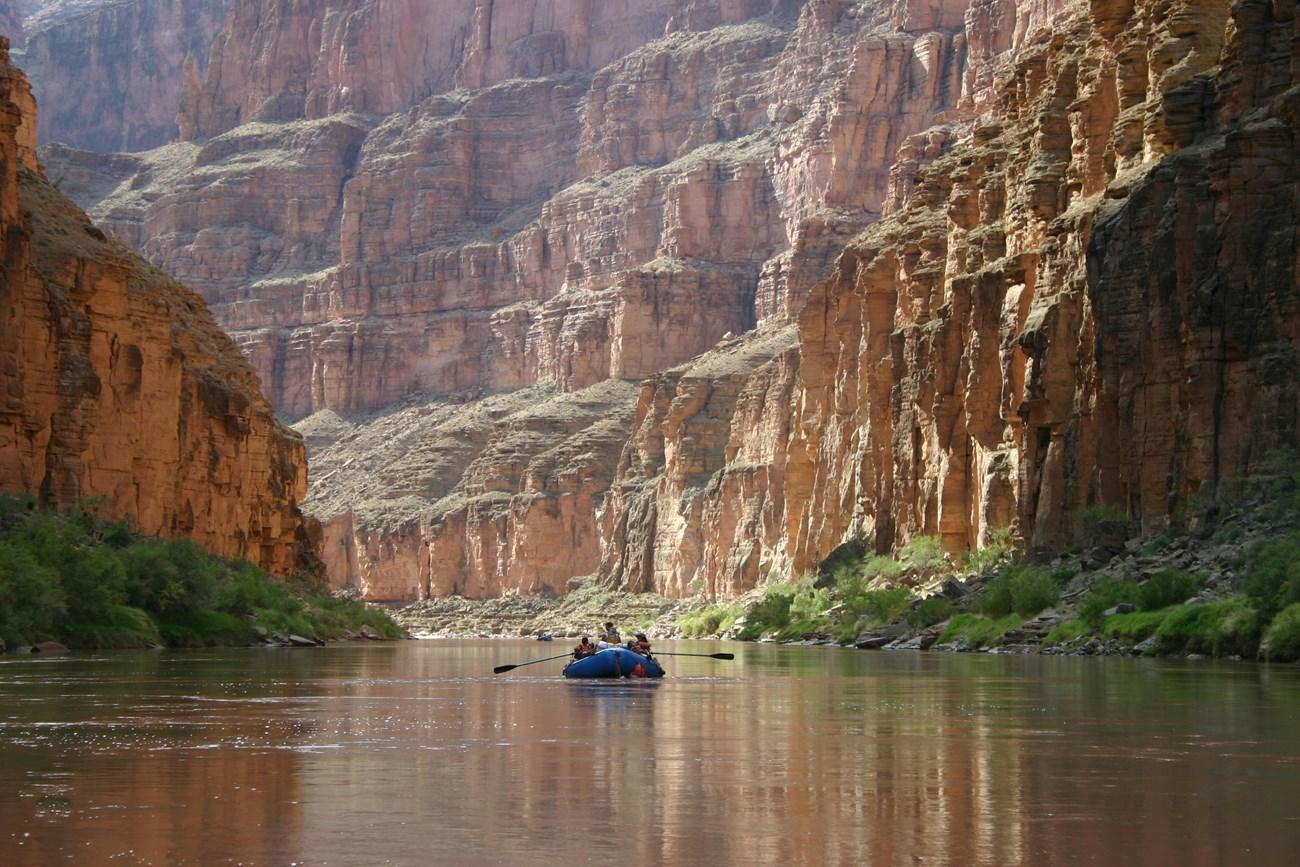 Maricopa County
Explore Maricopa County for Phoenix museums, Sonoran Desert trails, mountain preserves, Mexican-influenced food and distinct urban communities.
-
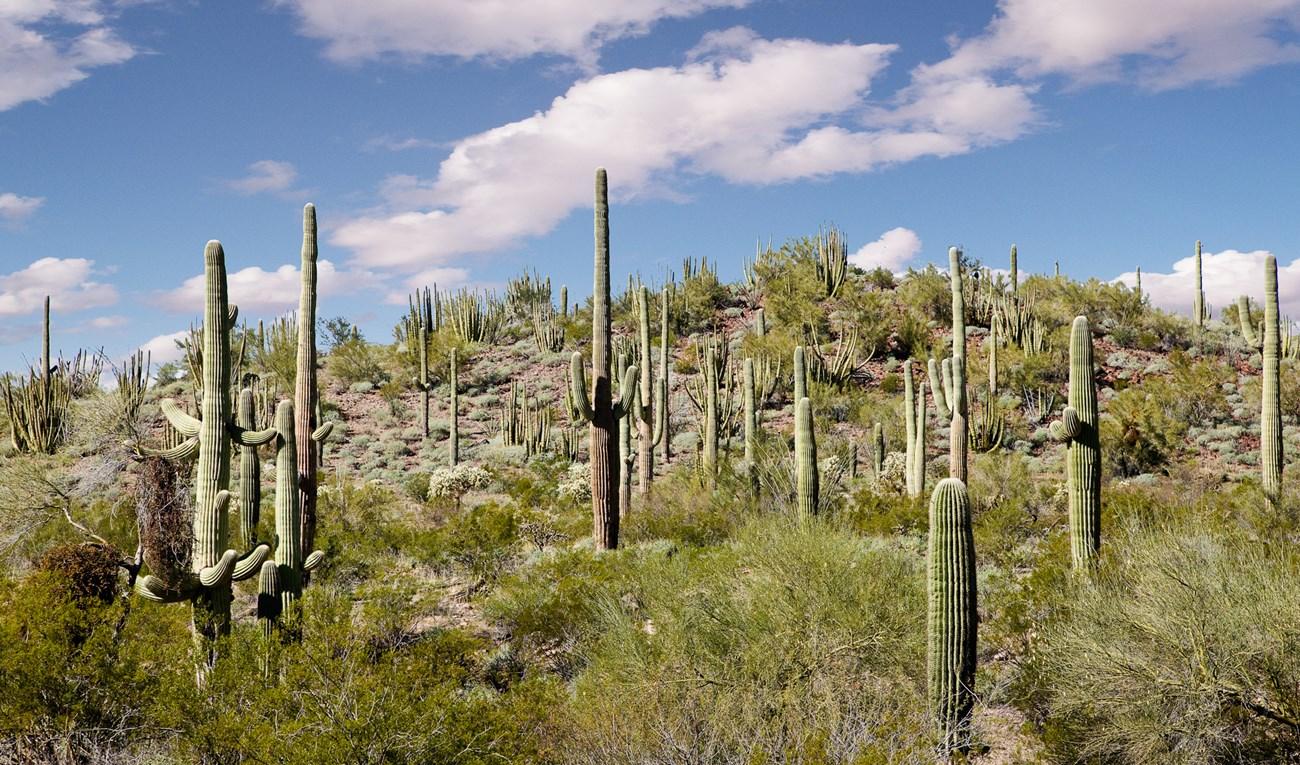 Sonoran Desert
Explore Arizona’s Sonoran Desert through saguaro forests, mountain preserves, Indigenous heritage, desert wildlife and distinctive Phoenix and Tucson landscapes.


Swipe for more regions
Explore more

Explore more of Arizona
Discover Arizona: From the majestic Grand Canyon and red rocks of Sedona to the vibrant cities of Phoenix and Scottsdale, explore the diverse beauty and culture of the Grand Canyon State.
Explore Arizona