
Sonoran Desert, Arizona Travel Guide
Discover the Sonoran Desert in Arizona, a unique wilderness teeming with iconic saguaro cacti, diverse wildlife, and rich Native American history.
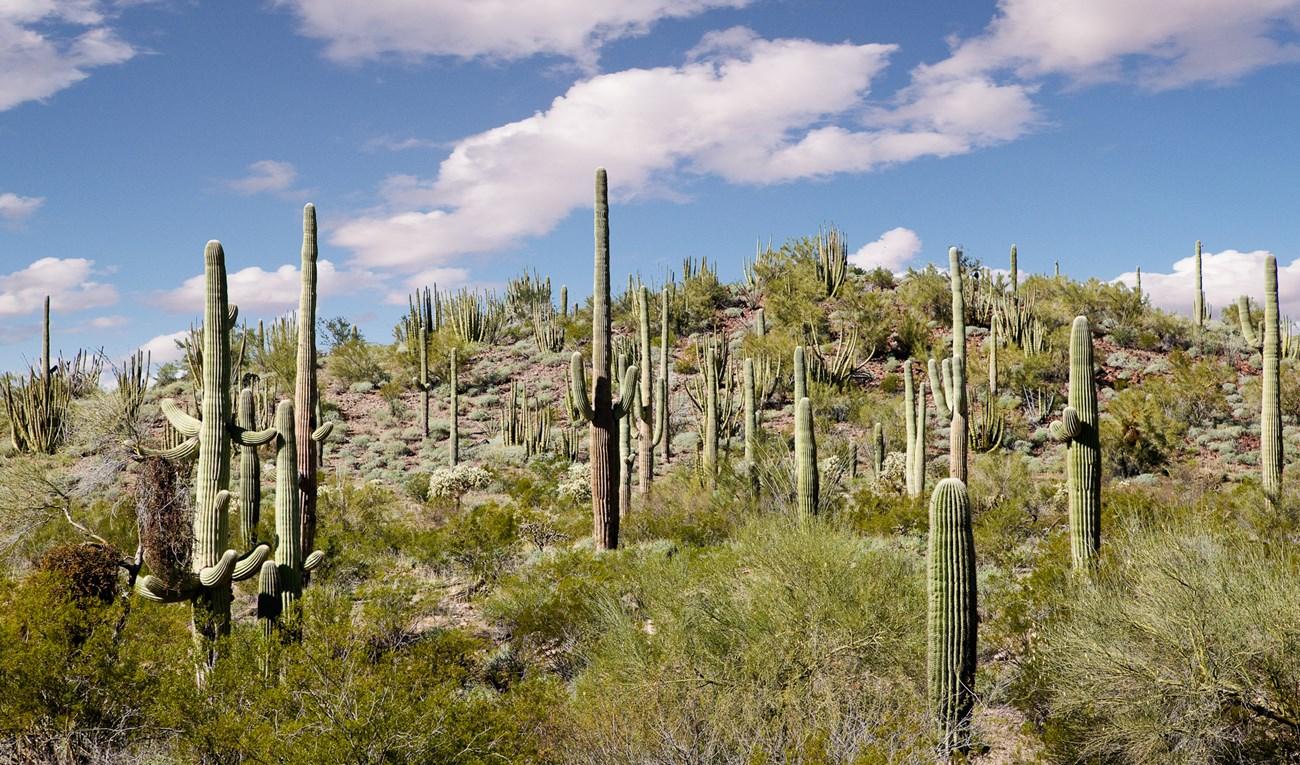
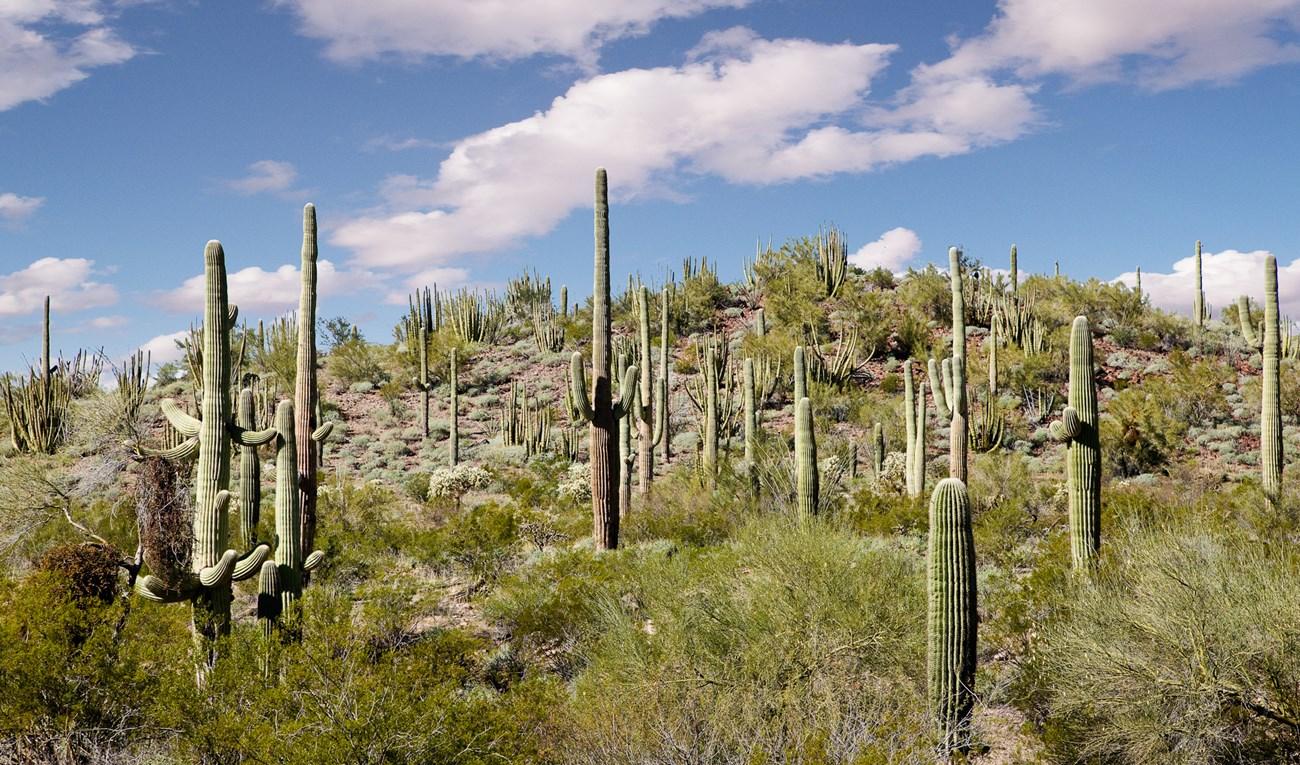
The Sonoran Desert, stretching across Arizona in the United States, is a breathtakingly diverse landscape that offers an unparalleled experience for nature enthusiasts. Known for its striking saguaro cacti, the Sonoran Desert is a haven of unique flora and fauna, making it a must-visit destination for botanists and wildlife lovers alike. The desert spans over 100,000 square miles, encompassing a mix of rocky terrains, lush river valleys, and sweeping sand dunes. Visitors can explore the desert's beauty through various activities, such as hiking, bird watching, and guided tours. The Saguaro National Park, located within the desert, provides excellent trails and opportunities to witness the iconic saguaro cacti, which can live for over 200 years and grow up to 60 feet tall. The desert is also home to a variety of wildlife, including Gila monsters, roadrunners, and the elusive desert tortoise. Beyond its natural wonders, the Sonoran Desert offers a peek into Native American history and culture. Ancient petroglyphs and archaeological sites give insight into the lives of the Hohokam people who once thrived in this harsh yet beautiful environment. Modern-day Native American communities continue to reside in the region, offering visitors a chance to learn about their traditions and way of life. Whether you're seeking adventure, tranquility, or a deep dive into history, the Sonoran Desert promises an unforgettable experience.

Know before you go
Hi, I'm Eve. Here are a few practical things to know before exploring Sonoran Desert.
- Visit during the cooler months (November to April) to avoid extreme heat.
- Carry plenty of water and sun protection, as the desert climate can be very harsh.
- Wear sturdy shoes for hiking, as trails can be rocky and uneven.
- Take a guided tour to learn about the desert's unique ecosystem and history.
- Respect the wildlife and plants; many species are protected and can be delicate.
Top City Travel Guides in Sonoran Desert
The cities of Sonoran Desert, and the easiest places to base yourself.


Destinations in Sonoran Desert
Resorts, valleys and scenic spots worth a trip of their own.



Explore Sonoran Desert: Things to Do, Places to Eat, Hotels & More
Handpicked recommendations for top attractions, local dining, accommodations, and more

Top Attractions & Sightseeing in Sonoran Desert
Top-rated picks
Best Attractions

Arizona-Sonora Desert Museum
Discover the unique ecology and culture of the Sonoran Desert at the Arizona-Sonora Desert Museum, a captivating blend of zoo, botanical garden, and art museum.

Dobbins Lookout
Discover stunning panoramic views of Phoenix and the breathtaking desert landscape at Dobbins Lookout, a must-visit scenic spot in South Mountain Park.

El Pinacate y Gran Desierto de Altar
Explore the breathtaking landscapes of El Pinacate y Gran Desierto de Altar, a UNESCO Biosphere Reserve with stunning volcanic formations and diverse ecosystems.

Sonoran Desert National Monument
Discover the breathtaking beauty and diverse wildlife of Sonoran Desert National Monument, a hidden gem in Arizona perfect for hiking and nature exploration.

Best landmarks in Sonoran Desert
Top-rated picks
Best Landmarks

Grand Canyon National Park
Experience the grandeur of one of the Seven Natural Wonders of the World, a vast and inspiring landscape carved by the Colorado River.

Desert Botanical Garden
Discover the beauty and resilience of desert plants at Phoenix's Desert Botanical Garden, a living museum in Papago Park.

Tonto National Forest
Explore nearly 3 million acres of Arizona's diverse landscapes, from desert cacti to pine-covered mountains, in the Tonto National Forest.

Papago Park
Explore the natural beauty and rich history of Papago Park, a unique desert oasis in the heart of Phoenix, Arizona.

Best restaurants in Sonoran Desert
Top-rated picks
Best Restaurants

Organ Stop Pizza
Discover the delightful fusion of delicious pizza and captivating live organ performances at Organ Stop Pizza in Mesa, Arizona.

San Tan Flat
Experience the ultimate steakhouse delight at San Tan Flat in Queen Creek, where delicious meals meet an inviting atmosphere under the stars.

Taco Guild
Experience vibrant flavors at Taco Guild - where authentic Mexican cuisine meets modern flair in the heart of Phoenix.

Culinary Dropout
Experience the best of American cuisine at Culinary Dropout in Tucson – where great food meets live music in a vibrant setting.

Best bars in Sonoran Desert
Top-rated picks
Best Bars

Yard House
Discover the vibrant flavors of Yard House in Glendale, where New American cuisine meets an extensive drink selection in a lively sports bar setting.

Bitter & Twisted Cocktail Parlour
Experience the vibrant nightlife at Bitter & Twisted Cocktail Parlour in Downtown Phoenix, where innovative cocktails meet a lively atmosphere.

Good Time Charli's
Experience the vibrant atmosphere of Good Time Charli's in Chandler, where American cuisine meets karaoke and sports for an unforgettable night out.

Yucca Tap Room
Discover the Yucca Tap Room, a vibrant bar in Tempe, AZ, featuring live music, delicious food, and a fun arcade for an unforgettable night out.

Best nightclubs in Sonoran Desert
Top-rated picks
Best Nightclubs

Maya Day & Nightclub
Unleash your energy at Maya Day & Nightclub, Scottsdale's premier dance club and lounge, where unforgettable nights come alive.

Bar Smith
Discover Bar Smith in Downtown Phoenix: a hotspot for nightlife, cocktails, and dancing, where music and energy come alive after dark.

Charlie's Phoenix
Discover Charlie's Phoenix, a vibrant gay nightclub and bar in Arizona, offering thrilling drag shows and a welcoming atmosphere for all.

Riot House
Discover the lively nightlife at Riot House in Scottsdale, where Cuban cuisine meets an electrifying dance club atmosphere.

Best shops in Sonoran Desert
Top-rated picks
Best Shops

Arizona Mills
Explore Arizona Mills, a premier shopping destination in Tempe, Arizona, featuring diverse retail, dining, and entertainment options for all ages.

Scottsdale Fashion Square
Discover an upscale shopping experience at Scottsdale Fashion Square, featuring luxury brands, unique boutiques, and delightful dining options.

Desert Sky Mall
Discover the vibrant atmosphere of Desert Sky Mall, a shopping and dining paradise in Phoenix, Arizona, offering a variety of stores and culinary delights.

Tanger Outlets Phoenix
Explore unbeatable deals at Tanger Outlets Phoenix, your ultimate shopping destination in Glendale, Arizona, featuring top brands and delightful dining options.

Explore Sonoran Desert on the Map
A handpicked selection of must-see spots in Sonoran Desert, mapped for you.
Sonoran Desert Essentials
-
The Sonoran Desert in Arizona is accessible via several major airports, including Phoenix Sky Harbor International Airport (PHX) and Tucson International Airport (TUS). From these airports, you can rent a car or take a shuttle service to various entry points of the desert. Interstate highways I-10 and I-8 provide convenient routes for those driving into the desert from neighboring states. Additionally, Greyhound buses and Amtrak trains offer services to major cities near the Sonoran Desert.
-
While exploring the Sonoran Desert, having a car is highly recommended due to the vastness and remote nature of the area. Rental cars are available at major airports and cities. For those who prefer guided tours, there are numerous companies offering jeep tours, hiking excursions, and even hot air balloon rides. Public transportation options are limited within the desert itself, so plan accordingly. Bicycling is also a popular way to explore certain areas, with many trails available for cyclists.
-
The official currency is the US Dollar (USD). Credit and debit cards are widely accepted in cities and tourist areas, but it's advisable to carry some cash when visiting remote locations or small towns. ATMs are available in cities and larger towns, but may be scarce in rural areas. Ensure you have sufficient cash for entrance fees, local markets, and tips.
-
The Sonoran Desert is generally safe for tourists, but it's important to take standard precautions. Avoid isolated areas, especially at night. Some parts of the desert border Mexico, where smuggling activities can occur; stay within marked trails and designated tourist areas. Always inform someone of your travel plans and expected return time. Crime rates are low, but petty theft can happen, so keep an eye on your belongings. Watch out for wildlife and follow local guidelines for interacting with animals.
-
In case of emergency, dial 911 for immediate assistance. It's crucial to have travel insurance that covers medical emergencies. Be aware of your location and the nearest medical facilities before embarking on remote excursions. Carry a first-aid kit, plenty of water, and a fully charged mobile phone. For non-emergency situations, local ranger stations and visitor centers can provide assistance.
-
Fashion: Do wear lightweight, breathable clothing and a wide-brimmed hat to protect against the sun. Don't wear flip-flops or open-toed shoes; opt for sturdy hiking boots instead. Religion: Do respect Native American cultural sites and artifacts. Public Transport: Do be respectful and follow local rules when using limited public transport options. Greetings: Do greet locals with a friendly 'hello' or 'hi.' Eating & Drinking: Do stay hydrated and carry plenty of water. Don't leave trash behind; pack out what you pack in.
-
To experience the Sonoran Desert like a local, visit during the cooler months (November to April) for more comfortable weather. Explore local farmers' markets and artisan shops to get a taste of regional produce and crafts. Engage with park rangers and local guides who can share insights on the desert's flora, fauna, and history. Don't miss the opportunity to try traditional Southwestern cuisine at local eateries. For a unique experience, consider attending a desert stargazing event to witness the stunning night skies.
When is the best time to visit Sonoran Desert?
Useful Local Phrases for Sonoran Desert
You don't need to speak the language perfectly. Even learning a few simple words can make conversations warmer—and locals usually appreciate the effort.
— Eve

Here are the phrases I use most often in Sonoran Desert. Try a few—you'll be surprised how far they go! 😊
❤️
-
- HelloHola
[O-la] - GoodbyeAdiós
[Ah-dee-os] - YesSí
[See] - NoNo
[No] - Please/You're welcomePor favor/De nada
[Por fah-vor/Deh nah-da] - Thank youGracias
[Gra-thi-as] - Excuse me/SorryPerdón
[Per-don] - How are you?¿Cómo estás?
[Koh-mo es-tas] - Fine. And you?Bien. ¿Y tú?
[Bee-en. Ee too] - Do you speak English?¿Hablas inglés?
[Ah-blas in-glez] - I don't understandNo entiendo
[No en-tien-do]
- HelloHola
-
- I'd like to see the menu, pleaseMe gustaría ver el menú, por favor
[Meh goos-ta-ree-a vehr el meh-noo, por fah-vor] - I don't eat meatNo como carne
[No koh-mo kar-ne] - Cheers!¡Salud!
[Sah-lood] - I would like to pay, pleaseMe gustaría pagar, por favor
[Meh goos-ta-ree-a pah-gar, por fah-vor]
- I'd like to see the menu, pleaseMe gustaría ver el menú, por favor
-
- Help!¡Ayuda!
[A-yu-da] - Go away!¡Vete!
[Veh-teh] - Call the Police!¡Llama a la policía!
[Ya-ma ah la po-lee-see-a] - Call a doctor!¡Llama a un doctor!
[Ya-ma ah un dok-tor] - I'm lostEstoy perdido
[Es-toy per-dee-do] - I'm illEstoy enfermo
[Es-toy en-fer-mo]
- Help!¡Ayuda!
-
- I'd like to buy...Quisiera comprar...
[Kee-sye-ra kom-prar] - I'm just lookingSolo estoy mirando
[So-lo es-toy mee-ran-do] - How much is it?¿Cuánto cuesta?
[Kwan-to kwes-ta] - That's too expensiveEso es muy caro
[Eh-so es moo-ee ka-ro] - Can you lower the price?¿Puedes bajar el precio?
[Pwe-des ba-har el pre-thio]
- I'd like to buy...Quisiera comprar...
-
- What time is it?¿Qué hora es?
[Ke oh-ra es] - It's one o'clockEs la una
[Es la oo-na] - Half past (10)Y media (10)
[Ee me-di-a (10)] - MorningMañana
[Man-ya-na] - AfternoonTarde
[Tar-deh] - EveningNoche
[No-che] - YesterdayAyer
[A-yer] - TodayHoy
[Oy] - TomorrowMañana
[Man-ya-na] - 1Uno
[Oo-no] - 2Dos
[Dos] - 3Tres
[Tres] - 4Cuatro
[Kwah-tro] - 5Cinco
[Seen-ko] - 6Seis
[Says] - 7Siete
[See-eh-teh] - 8Ocho
[O-cho] - 9Nueve
[Nwe-ve] - 10Diez
[Dyes]
- What time is it?¿Qué hora es?
-
- Where's a/the...?¿Dónde está un/los...?
[Don-de es-ta un/los...?] - What's the address?¿Cuál es la dirección?
[Kwal es la dee-rek-syon] - Can you show me (on the map)?¿Puedes mostrarme (en el mapa)?
[Pwe-des mos-trar-me (en el ma-pa)?] - When's the next (bus)?¿Cuándo es el próximo (autobús)?
[Kwan-do es el prok-si-mo (au-to-boos)?] - A ticket (to ....)Un boleto (a ....)
[Un bo-le-to (a ....)]
- Where's a/the...?¿Dónde está un/los...?
History of Sonoran Desert
-
Long before European settlers arrived, the Sonoran Desert was home to various indigenous cultures, notably the Hohokam, who thrived from approximately 300 to 1500 AD. The Hohokam are renowned for their sophisticated irrigation canal systems, which supported extensive agriculture. These canals, some of which are still visible today, demonstrate their advanced engineering skills and deep understanding of the desert environment.
-
In the late 17th and early 18th centuries, Spanish explorers and missionaries, including Father Eusebio Kino, began to venture into the Sonoran Desert. Kino established numerous missions, such as San Xavier del Bac near Tucson, which became central hubs for converting indigenous populations to Christianity. These missions also played a crucial role in the cultural and agricultural development of the region.
-
Following Mexico's independence from Spain in 1821, the Sonoran Desert became part of the newly established Mexican territory. This period saw increased settlement and the establishment of presidios (military forts) to protect against Apache raids. The 1848 Treaty of Guadalupe Hidalgo, which ended the Mexican-American War, and the subsequent Gadsden Purchase in 1854, resulted in the Sonoran Desert becoming part of the United States.
-
Throughout the late 19th century, the Sonoran Desert was a battleground during the Apache Wars. Indigenous groups, including the Chiricahua Apache led by Cochise and later Geronimo, resisted American military campaigns and encroachment on their lands. These conflicts, marked by skirmishes and guerrilla tactics, continued until Geronimo's surrender in 1886, which effectively ended the Apache resistance.
-
The discovery of precious minerals, particularly copper, in the late 19th and early 20th centuries led to a mining boom in the Sonoran Desert. Towns like Bisbee and Ajo flourished as mining centers, attracting workers and investments. This influx of people and resources significantly contributed to the economic development of the region and the establishment of infrastructure such as railroads.
-
In the 20th century, awareness of the unique ecological and cultural value of the Sonoran Desert led to significant conservation efforts. The establishment of Saguaro National Park in 1933 and the Sonoran Desert National Monument in 2001 helped protect vast areas of the desert's unique flora and fauna. These protected areas also preserve the historical and cultural heritage of the region, providing opportunities for education and tourism.
Neighbouring Regions of Sonoran Desert
The closest regions to Sonoran Desert, if you have time for more than one.



Your all‑in‑one travel companion app
Explore expert travel guides, compare and book tours, experiences, hotels, and more—all from the palm of your hand. Download now for seamless trip planning wherever your wanderlust takes you.


Explore More of Arizona

Looking beyond Sonoran Desert? Discover Arizona for broader travel guides, local hot-spots, and regional highlights.
Explore ArizonaSonoran Desert in Photos
Browse through our photo collection highlighting the charm and character of the destination.




The Majestic Sonoran Desert: A Unique Wilderness Experience
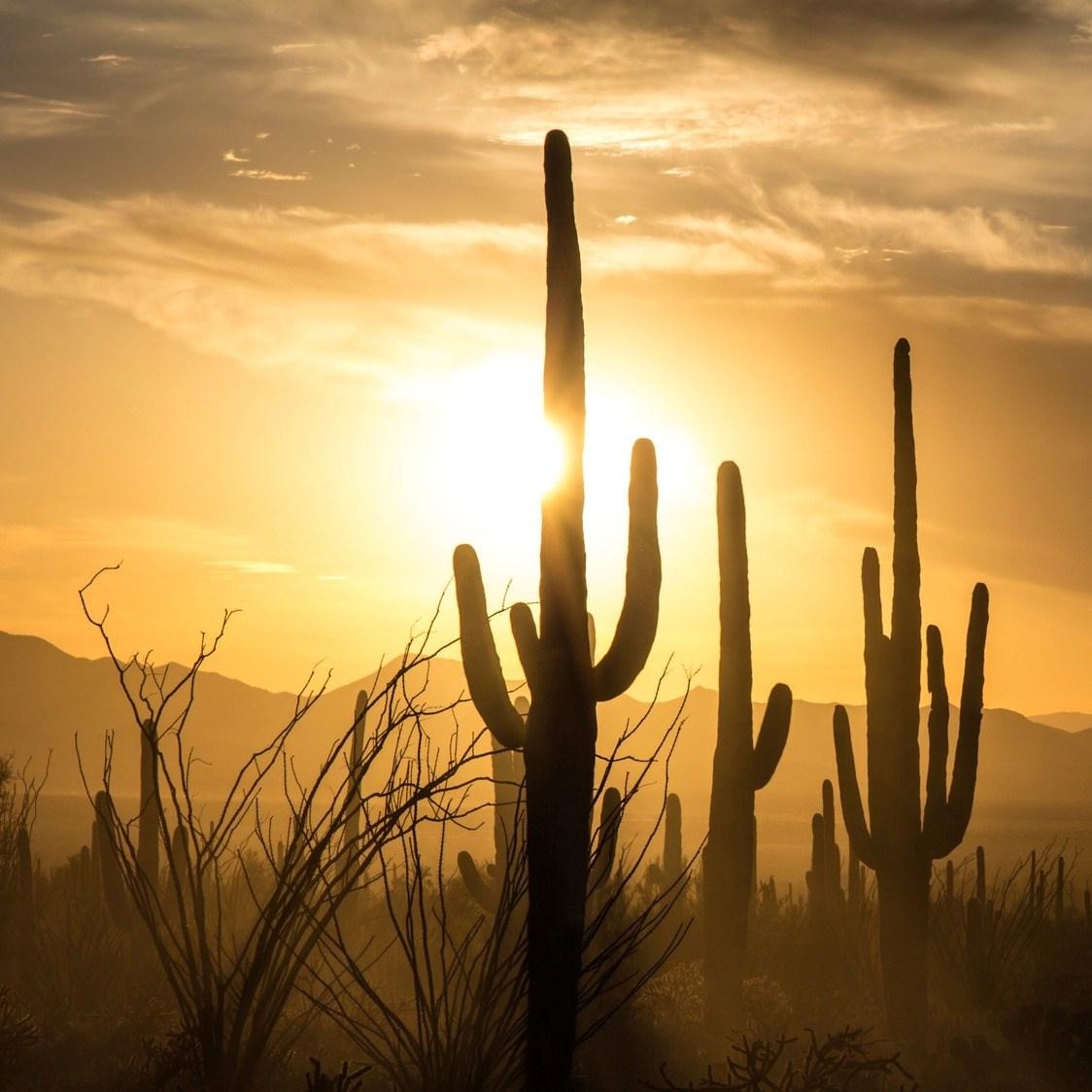
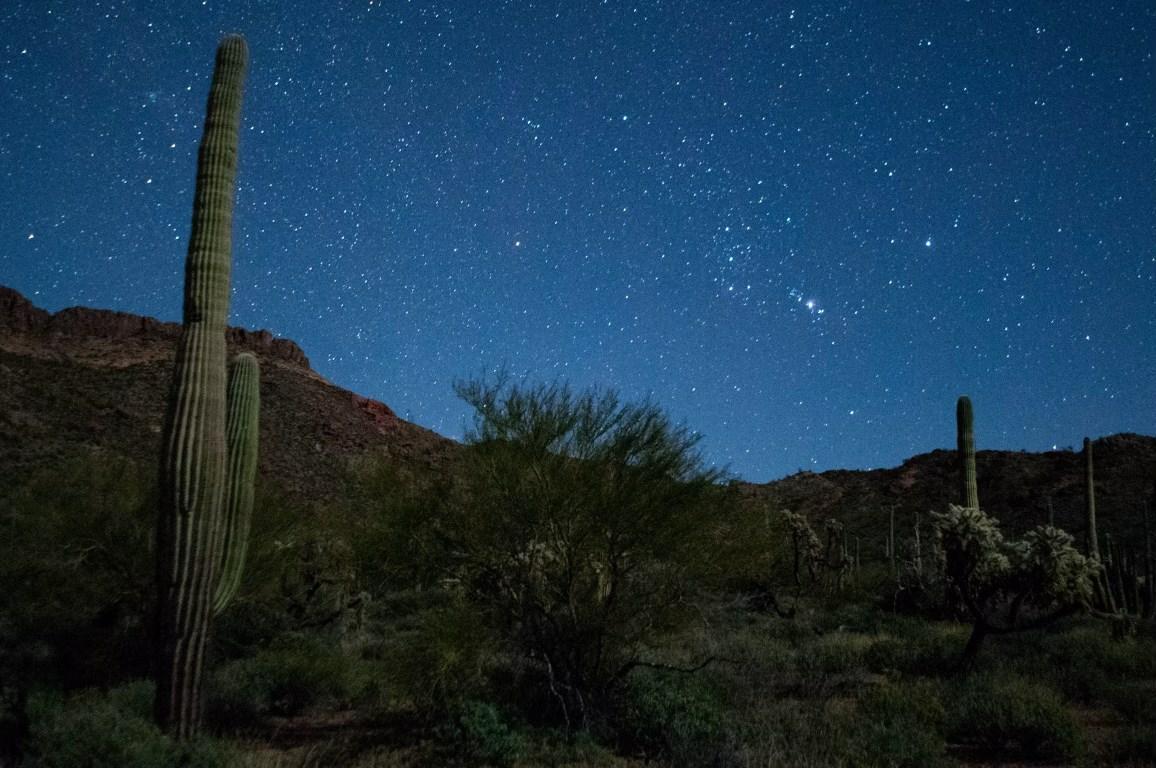
The Sonoran Desert, stretching across Arizona in the United States, is a breathtakingly diverse landscape that offers an unparalleled experience for nature enthusiasts. Known for its striking saguaro cacti, the Sonoran Desert is a haven of unique flora and fauna, making it a must-visit destination for botanists and wildlife lovers alike. The desert spans over 100,000 square miles, encompassing a mix of rocky terrains, lush river valleys, and sweeping sand dunes. Visitors can explore the desert's beauty through various activities, such as hiking, bird watching, and guided tours. The Saguaro National Park, located within the desert, provides excellent trails and opportunities to witness the iconic saguaro cacti, which can live for over 200 years and grow up to 60 feet tall. The desert is also home to a variety of wildlife, including Gila monsters, roadrunners, and the elusive desert tortoise. Beyond its natural wonders, the Sonoran Desert offers a peek into Native American history and culture. Ancient petroglyphs and archaeological sites give insight into the lives of the Hohokam people who once thrived in this harsh yet beautiful environment. Modern-day Native American communities continue to reside in the region, offering visitors a chance to learn about their traditions and way of life. Whether you're seeking adventure, tranquility, or a deep dive into history, the Sonoran Desert promises an unforgettable experience.