

Free Maricopa County Travel Guide & Mobile App
Explore Maricopa County with free travel guides. Discover regional history, expert tips, proposed trips, and audio guides on web or mobile app.


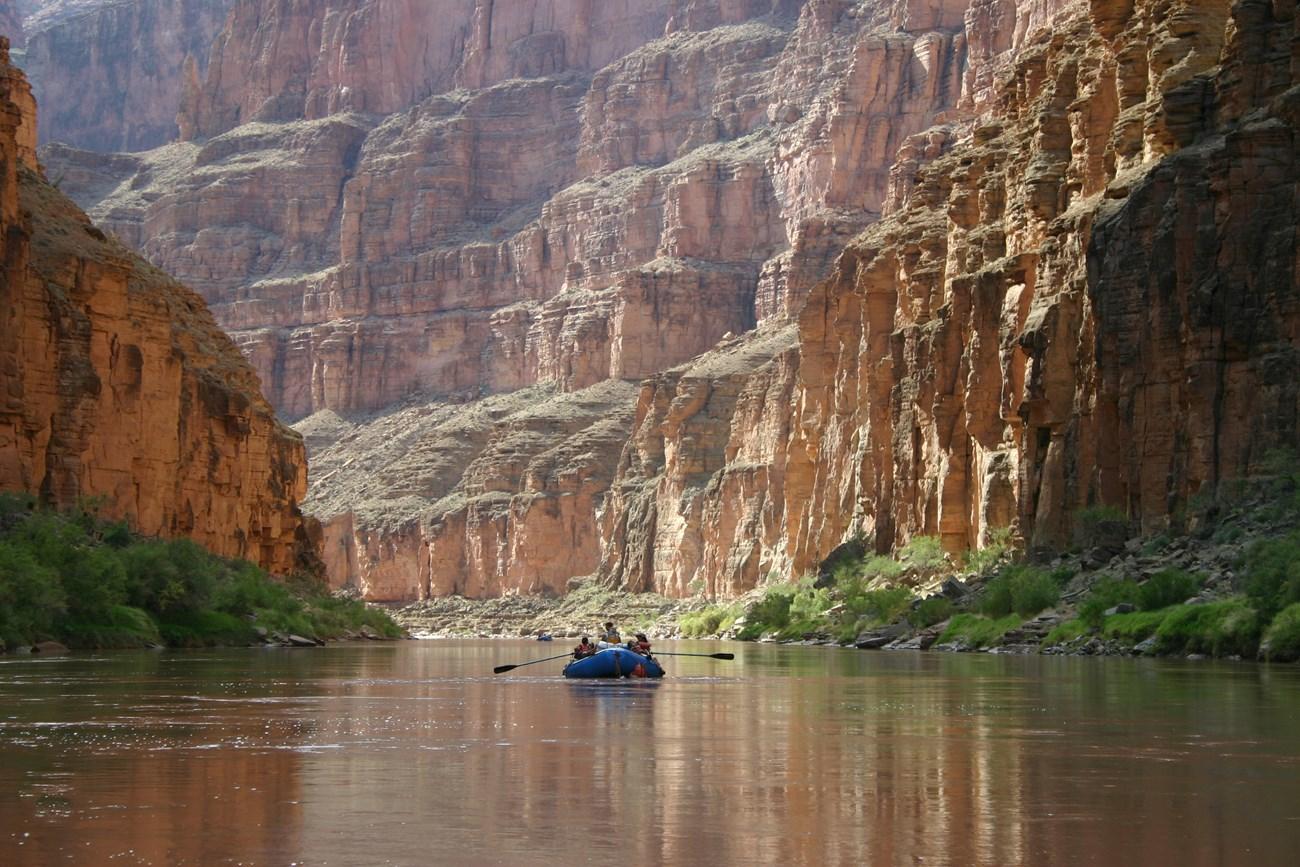


Explore Maricopa County for Phoenix museums, Sonoran Desert trails, mountain preserves, Mexican-influenced food and distinct urban communities.
Read more about Maricopa County
Getting to and around Maricopa County
How to get there
Transportation
Top city travel guides in Maricopa County
The cities of Maricopa County, and the easiest places to base yourself.
-

-

-

-

-

-


Swipe for more cities
Destinations in Maricopa County
Resorts, valleys and scenic spots worth a trip of their own.
-
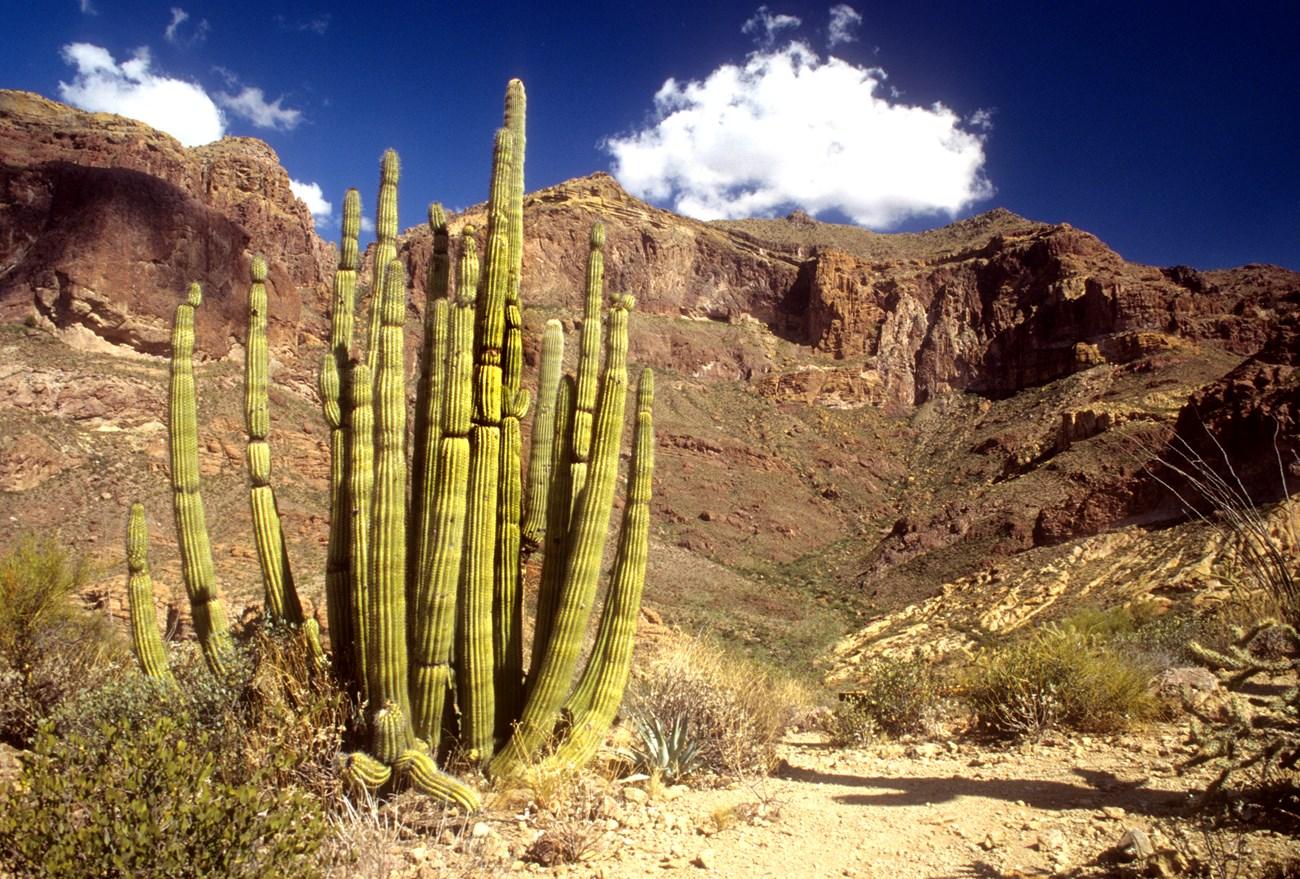 Organ Pipe Cactus National Monument
 in Arizona pairs rare desert plants, scenic drives, hiking, dark skies and Tohono O’odham heritage near Mexico.
-

-

-


Swipe for more destinations
Best attractions in Maricopa County
Maricopa County's attractions combine major-city culture with accessible Sonoran Desert landscapes. Phoenix provides the Phoenix Art Museum, Heard Museum, Musical Instrument Museum, Arizona Science Center, S'edav Va'aki Museum and Desert Botanical Garden, while nearby Papago Park places distinctive red sandstone formations beside urban trails. Scottsdale adds the Scottsdale Museum of Contemporary Art, Western art galleries and access to the McDowell Sonoran Preserve. In the eastern valley, Mesa offers museums, theatres and the Mesa Arts Center, and Tempe centres on Arizona State University, Tempe Town Lake and lively cultural venues. Outdoor options range from South Mountain Park and Preserve and the Phoenix Mountains Preserve to Usery Mountain Regional Park, Lake Pleasant Regional Park, Estrella Mountain Regional Park and the White Tank Mountains. These areas support hiking, mountain biking, birdwatching and landscape observation, but their character varies from urban open space to remote desert foothills. Sports, concerts and seasonal events add a major entertainment dimension, especially in Phoenix, Glendale and the East Valley.
-
Botanical garden
Desert Botanical Garden
Explore the Desert Botanical Garden in Phoenix, a stunning venue featuring over 50,000 desert plants, art installations, and vibrant cultural events throughout the year.
-
Zoo
Phoenix Zoo
Discover the enchanting Phoenix Zoo, a vibrant haven for wildlife enthusiasts, featuring over 1,400 animals and a commitment to conservation.
-
Stadium
Chase Field
Experience baseball in comfort at Chase Field, downtown Phoenix: home of the Diamondbacks, featuring a retractable roof and unique amenities.
-
Stadium
State Farm Stadium
Discover the thrill of sports and entertainment at State Farm Stadium, Glendale's premier venue for unforgettable events and experiences.


Best landmarks in Maricopa County
Camelback Mountain is Maricopa County's most recognisable natural landmark, its twin-peaked profile visible across much of the central valley, although its steep trails require careful preparation. The red sandstone buttes of Papago Park form another distinctive geological setting, with Hole-in-the-Rock providing a long-established viewpoint near central Phoenix. South Mountain, one of the country's largest municipal park reserves, creates a broad desert backdrop south of the city and includes summit roads and trails. Taliesin West in Scottsdale, Frank Lloyd Wright's former winter home and architectural school, is significant for its desert-adapted design and relationship to the surrounding foothills. S'edav Va'aki Museum preserves and interprets the archaeological landscape of an ancient Hohokam platform mound and canal community. In central Phoenix, the Arizona State Capitol complex and the restored Rosson House represent different phases of civic and domestic history. The Salt River and Gila River corridors, though heavily transformed by dams, canals and urban growth, remain fundamental geographical landmarks in understanding why settlement developed here.
-
Ghost town
Goldfield Ghost Town and Mine Tours Inc.
Step back in time at Goldfield Ghost Town: Explore historic buildings, pan for gold, and experience the thrill of the Wild West in Arizona.
-
Hiking area
Hole in the Rock
Explore a unique red sandstone formation in Phoenix's Papago Park, offering scenic views, a glimpse into Hohokam history, and stunning photo opportunities.
-
Monument
Sonoran Desert National Monument
Discover Arizona's captivating Sonoran Desert National Monument: hike among saguaros, explore historic trails, and witness stunning desert landscapes.
-
History museum
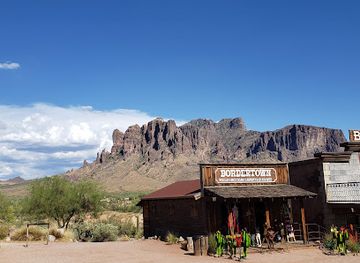
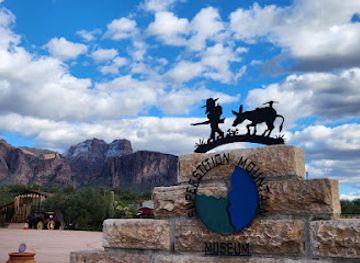
Superstition Mountain - Lost Dutchman Museum
Explore Arizona's Superstition Mountain history, legends, and Old West folklore at this captivating Apache Junction museum. Open daily!
Explore Maricopa County on the map
Plan your trip on one map. See where the top cities, national parks and sights are, and book hotels and experiences in a few clicks.
Best hotels in Maricopa County
Best restaurants in Maricopa County
Dining in Maricopa County reflects its position in the Sonoran Desert and its proximity to Mexico, while drawing on the wider culinary traditions of the American Southwest. Sonoran-style Mexican food is especially important, with flour tortillas, carne asada, tacos, burritos, chiles and grilled meats appearing in both casual neighbourhood restaurants and more polished settings. Phoenix, Mesa, Glendale, Chandler and the West Valley have extensive independent Mexican and Latin American dining scenes, while Scottsdale is known for a broad concentration of contemporary restaurants and resort dining. Local produce, citrus, dates and seasonal vegetables connect the metropolitan area with the agricultural history of the Salt River Valley. Farmers' markets, bakeries, cafés, brewpubs and food halls provide alternatives to formal restaurants, and modern chefs frequently combine Southwestern ingredients with national and international techniques. Reservations may be useful for popular restaurants and major event evenings, but smaller taquerias, family-run cafés and local bakeries often provide the clearest sense of everyday regional eating.
-
American
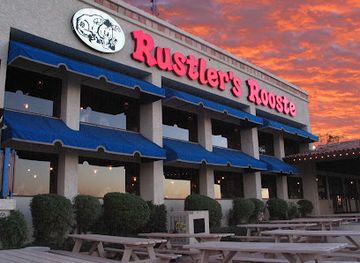
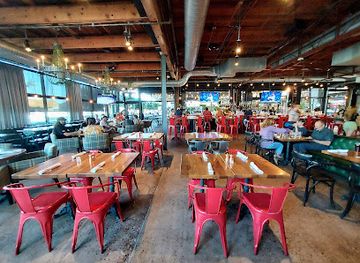
Rustler’s Rooste
Experience authentic American cuisine with stunning views at Rustler’s Rooste in Phoenix – perfect for steak lovers and fans of Western charm.
-
American
Culinary Dropout
Experience vibrant American cuisine at Culinary Dropout in Phoenix – where delicious food meets live music in a lively atmosphere.
-
Restaurant
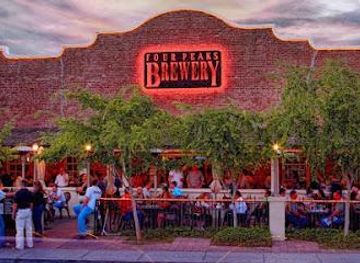
Four Peaks Brewing Company
Experience local flavors at Four Peaks Brewing Company - Tempe's premier brewery and restaurant offering delicious food and craft beer.
-
Restaurant
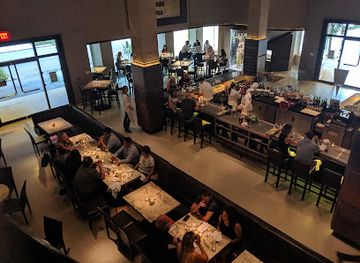
Hanny's
Discover Hanny's in Downtown Phoenix: A blend of modern American cuisine and historic charm awaits you!
Best bars in Maricopa County
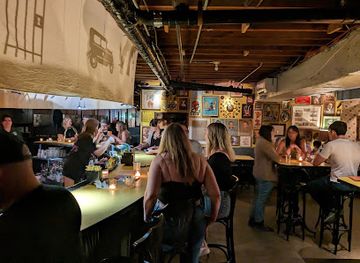
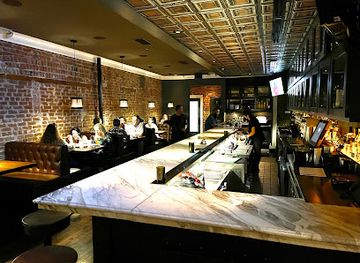
Evening life varies considerably across Maricopa County. Downtown Phoenix has cocktail bars, music venues, restaurants and theatre activity, while Roosevelt Row is associated with galleries, public art and a concentrated evening scene. Scottsdale's Old Town contains the county's most recognisable cluster of bars and clubs, alongside lounges, restaurants and resort venues, whereas Tempe's Mill Avenue and surrounding districts reflect a strong university and live-music influence. Downtown Mesa, Chandler and parts of Glendale and the West Valley offer breweries, pubs, performance spaces and restaurant-led evenings rather than one continuous nightlife district. Craft breweries and taprooms are found across the metropolitan area, and many neighbourhoods have relaxed patios suited to the cooler months. Summer heat can make air-conditioned venues especially appealing, while outdoor evening activity is more comfortable in winter and spring. Visitors should arrange transport in advance when travelling between nightlife centres, as urban distances are considerable and drink-driving laws are strictly enforced.
-
Bar
Valley Bar
Experience the lively ambiance of Valley Bar in Downtown Phoenix, featuring live music, delicious Mexican cuisine, and craft cocktails.
-
Bar
Cobra Arcade Bar
Experience the ultimate fusion of arcade gaming and cocktail culture at Cobra Arcade Bar, Downtown Phoenix's premier entertainment destination.
-
Bar
The Vig
Experience the vibrant atmosphere and delicious cuisine at The Vig, a top bar and restaurant in Downtown Phoenix, perfect for social gatherings.
-
Grill
Jolie's Place
Discover Jolie's Place: A vibrant grill in Chandler, AZ, offering delectable American cuisine, refreshing cocktails, and live music to enhance your dining experience.


Best nightclubs in Maricopa County
Evening life varies considerably across Maricopa County. Downtown Phoenix has cocktail bars, music venues, restaurants and theatre activity, while Roosevelt Row is associated with galleries, public art and a concentrated evening scene. Scottsdale's Old Town contains the county's most recognisable cluster of bars and clubs, alongside lounges, restaurants and resort venues, whereas Tempe's Mill Avenue and surrounding districts reflect a strong university and live-music influence. Downtown Mesa, Chandler and parts of Glendale and the West Valley offer breweries, pubs, performance spaces and restaurant-led evenings rather than one continuous nightlife district. Craft breweries and taprooms are found across the metropolitan area, and many neighbourhoods have relaxed patios suited to the cooler months. Summer heat can make air-conditioned venues especially appealing, while outdoor evening activity is more comfortable in winter and spring. Visitors should arrange transport in advance when travelling between nightlife centres, as urban distances are considerable and drink-driving laws are strictly enforced.
-
American
Good Time Charli's
Discover the lively atmosphere at Good Time Charli's, where American cuisine and karaoke unite for an unforgettable night out in Chandler, Arizona.
-
Night club
Dwntwn
Discover the electrifying nightlife at Dwntwn, Phoenix's premier night club, where unforgettable memories and vibrant music await.
-
Gay night club
Karamba Nightclub
Experience the vibrant nightlife of Phoenix at Karamba Nightclub, a premier gay club offering unforgettable dance parties and an inclusive atmosphere.
-
Night club
Xantolo Night Club
Dive into the vibrant nightlife at Xantolo Night Club in Phoenix, where electrifying music and great drinks create unforgettable nights.



Best shops in Maricopa County
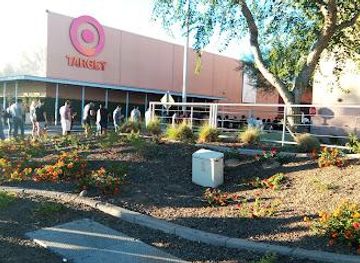
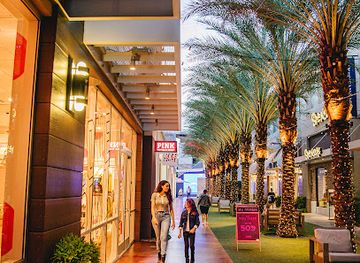
Shopping in Maricopa County ranges from large urban retail districts to independent galleries, farmers' markets and specialist food shops. Scottsdale offers the broadest concentration of contemporary galleries, design stores, boutiques and luxury-oriented retail, particularly around Old Town and Fashion Square. Phoenix combines established shopping areas with independent businesses in districts such as Roosevelt Row, Melrose and Arcadia, while downtown Mesa and the East Valley provide local boutiques, antiques, arts venues and community markets. A farmers' market or produce stand is a useful place to look for Arizona-grown citrus, dates, salsas, spice blends and other regional foods, although availability changes with the season. Museum shops and reputable galleries can provide books, jewellery, ceramics and art connected to the Southwest; buyers should ask about provenance and avoid commercially produced items falsely presented as Indigenous-made. Large shopping centres serve practical needs across the valley, but distances and heavy traffic make it sensible to choose retail areas near other planned activities.
-
Shopping mall
Tempe Marketplace
Discover Tempe Marketplace: a vibrant shopping mall in Arizona with diverse stores, delicious dining, and exciting entertainment options for every visitor.
-
Shopping mall
Arizona Mills
Arizona Mills: Discover a shopping haven with diverse stores, dining, and entertainment in Tempe, Arizona.
-
Shopping mall
Scottsdale Fashion Square
Experience luxury shopping and dining at Scottsdale Fashion Square, the premier destination in Arizona for fashion enthusiasts and food lovers.
-
Shopping mall
Desert Ridge Marketplace
Explore the Desert Ridge Marketplace in Phoenix, Arizona – a vibrant shopping and dining destination with unique stores and lively entertainment.


Get your free copy of our complete guide to Maricopa County, delivered straight to you.
Everything on this page, from attractions and restaurants to essentials and local phrases, in one PDF you can read offline, print or share.
Already have an account? Sign in
Your Maricopa County guide is ready.
We'll send it to · Not you? Sign out

Getting your guide ready…
We are putting together a fresh copy of the Maricopa County guide. This can take up to a minute.
This can take a few moments. If your browser asks, choose Allow so the download can start. You'll find the guide in your Downloads folder.
Nothing happened? Download it again
Sorry, the guide is taking longer than usual. Please try again in a minute, or get it by email instead.
Maricopa County essentials
Currency and Payment
Safety
Emergency Situations
Do's and Don'ts
Local Tips
From Eve
Local phrases worth knowing
You don't need to get them perfect. A few words go a long way, and locals appreciate the effort.
Basics
| English | Local | Say it |
|---|---|---|
| Hello | Hey | [hey] |
| Goodbye | See ya | [see ya] |
| Yes | Yep | [yep] |
| No | Nah | [nah] |
| Please/You're welcome | No problem | [no prob-lum] |
| Thank you | Thanks | [thanks] |
| Excuse me/Sorry | Sorry | [sorry] |
| How are you? | How's it going? | [how's it goin'] |
| Fine. And you? | Good. You? | [good. you?] |
| Do you speak English? | Do ya speak English? | [do ya speak English?] |
| I don't understand | I don't get it | [I don't get it] |
Eating & Drinking
| English | Local | Say it |
|---|---|---|
| I'd like to see the menu, please | Can I see the menu? | [can I see the menu?] |
| I don't eat meat | I'm vegetarian | [I'm vege-tarian] |
| Cheers! | Cheers! | [cheers] |
| I would like to pay, please | Can I get the check? | [can I get the check?] |
Emergencies
| English | Local | Say it |
|---|---|---|
| Help! | Help! | [help] |
| Go away! | Leave me alone! | [leave me alone] |
| Call the Police! | Call 911! | [call nine-one-one] |
| Call a doctor! | Get a doctor! | [get a doctor] |
| I'm lost | I'm lost | [I'm lost] |
| I'm ill | I'm not feeling well | [I'm not feeling well] |
Shopping
| English | Local | Say it |
|---|---|---|
| I'd like to buy... | I wanna buy... | [I wanna buy...] |
| I'm just looking | Just browsing | [just browsing] |
| How much is it? | What’s the price? | [what's the price?] |
| That's too expensive | That's pricey | [that's pricey] |
| Can you lower the price? | Can you give me a deal? | [can you give me a deal?] |
Time & Numbers
| English | Local | Say it |
|---|---|---|
| What time is it? | What time? | [what time?] |
| It's one o'clock | It's 1 o'clock | [it's one o'clock] |
| Half past (10) | 10:30 | [ten thirty] |
| Morning | Morning | [morning] |
| Afternoon | Afternoon | [afternoon] |
| Evening | Evening | [evening] |
| Yesterday | Yesterday | [yesterday] |
| Today | Today | [today] |
| Tomorrow | Tomorrow | [tomorrow] |
| 1 | One | [one] |
| 2 | Two | [two] |
| 3 | Three | [three] |
| 4 | Four | [four] |
| 5 | Five | [five] |
| 6 | Six | [six] |
| 7 | Seven | [seven] |
| 8 | Eight | [eight] |
| 9 | Nine | [nine] |
| 10 | Ten | [ten] |
Transport & Directions
| English | Local | Say it |
|---|---|---|
| Where's a/the...? | Where's the...? | [where's the?] |
| What's the address? | What's the address? | [what's the address?] |
| Can you show me (on the map)? | Can you show me on the map? | [can you show me on the map?] |
| When's the next (bus)? | When's the next bus? | [when's the next bus?] |
| A ticket (to ....) | A ticket to... | [a ticket to...] |
History of Maricopa County
Hohokam Irrigation and Salt River Settlement
From roughly the first centuries of the common era until the fifteenth century, Hohokam communities developed extensive settlements and canal systems in the Salt and Gila river valleys. Their irrigation agriculture supported villages, craft production and long-distance exchange in an otherwise arid environment. The canal network influenced the later development of the Phoenix basin, and archaeological remains are interpreted at S'edav Va'aki Museum in Phoenix. The term Hohokam is an archaeological designation, not the name of a single surviving ethnic group.
Akimel O'odham and Piipaash Continuity
After the decline of the large Hohokam canal centres, O'odham-speaking peoples continued to live and farm along the rivers. The Akimel O'odham and Piipaash communities have maintained cultural, social and political connections to the Salt and Gila river valleys through major changes in land ownership and water management. The Gila River Indian Community and Salt River Pima-Maricopa Indian Community remain important contemporary communities within the county and its immediate metropolitan landscape.
Spanish and Mexican Borderlands
The Salt River Valley lay within the changing borderlands claimed and administered by Spain and later Mexico, although the modern Phoenix area was not a major Spanish colonial town. Missionary, military and trading networks connected the wider region with settlements to the south and west. Mexican independence in 1821 altered the political framework, while Indigenous communities retained their own identities and relationships to the land despite external claims and pressures.
United States Expansion and Fort McDowell
Following the Gadsden Purchase of 1854 and the expansion of the United States into what became Arizona Territory, military and commercial activity increased in the Salt River Valley. Fort McDowell, established in 1865 near the Verde River, became a significant military presence in the region. Anglo-American settlers subsequently promoted irrigated agriculture, while the federal reservation system and territorial administration profoundly affected Indigenous lands, sovereignty and access to water.
Phoenix, Canals and the Coming of the Railway
Phoenix was founded in the 1860s near the remains of earlier canal networks and became the county seat in 1871. Irrigation made cotton, grain, citrus and other farming possible, while rail connections arriving in the 1880s linked the valley to wider markets. Towns such as Mesa, Tempe and Glendale developed through agriculture, land promotion and transport connections. The county's later urban form grew from these canal, railway and farming foundations.
Agriculture, Water Engineering and Metropolitan Growth
During the twentieth century, canals, reservoirs and major water projects supported rapid agricultural and urban expansion. Citrus groves, cotton fields and ranching once occupied large parts of the valley, but suburban development increasingly replaced farmland after the Second World War. Air conditioning, improved roads and aviation made year-round population growth possible. Phoenix and its neighbouring municipalities expanded into a continuous metropolitan area whose water supply and desert ecology remain central public concerns.
A Modern Metropolitan and Cultural Centre
Maricopa County developed into Arizona's dominant economic and cultural centre during the late twentieth and early twenty-first centuries. Semiconductor manufacturing, healthcare, education, tourism, construction and professional services joined older agricultural industries. Phoenix's museums and performing arts institutions grew alongside major sports and convention facilities, while Scottsdale, Tempe, Mesa and other cities established distinct cultural identities. Contemporary debates over heat, water, growth, housing and Indigenous rights continue to shape the county's future.
Maricopa County in Photos
Browse through our photo collection highlighting the charm and character of the destination.
Neighbouring regions of Maricopa County
The closest regions to Maricopa County, if you have time for more than one.
-
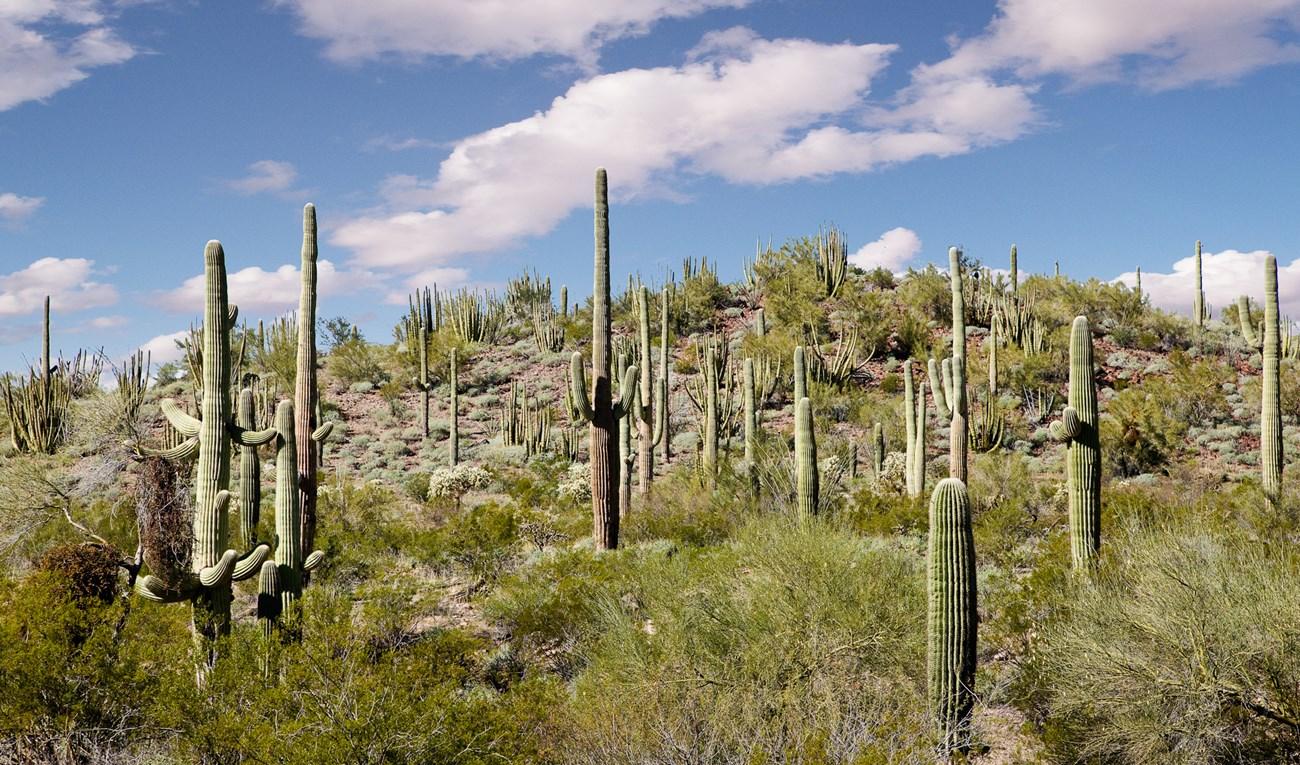 Sonoran Desert
Explore Arizona’s Sonoran Desert through saguaro forests, mountain preserves, Indigenous heritage, desert wildlife and distinctive Phoenix and Tucson landscapes.
-

-

-

-


Swipe for more regions
Explore more

Explore more of Arizona
Discover Arizona: From the majestic Grand Canyon and red rocks of Sedona to the vibrant cities of Phoenix and Scottsdale, explore the diverse beauty and culture of the Grand Canyon State.
Explore Arizona