

Free Sierra Ancha Travel Guide & Mobile App
Explore Sierra Ancha with free travel guides. Discover regional history, expert tips, proposed trips, and audio guides on web or mobile app.


Sierra Ancha offers Arizona wilderness, ancestral cliff dwellings, rugged canyons and high-desert trails for prepared visitors seeking remote landscapes.
Read more about Sierra Ancha
Getting to and around Sierra Ancha
How to get there
Transportation
Destinations in Sierra Ancha
Resorts, valleys and scenic spots worth a trip of their own.

Swipe for more destinations
Best attractions in Sierra Ancha
Sierra Ancha’s attractions are concentrated in wilderness scenery and archaeological heritage rather than conventional visitor facilities. The Sierra Ancha Wilderness provides the central experience, with demanding trails leading through steep canyons, juniper and pinyon woodland, oak thickets, pine-covered uplands and exposed sandstone country. Hikers should expect primitive conditions, uncertain water and substantial elevation changes rather than maintained resort-style paths. The Sierra Ancha Cliff Dwellings and related ancestral sites are the region’s defining cultural attractions, but their fragility and remoteness require respectful, carefully planned visits; not every site is suitable for casual access. Wildlife watching can include mule deer, javelina, raptors and other woodland or desert species, with larger mammals possible but never guaranteed. Scenic forest-road travel on the approaches offers changing views of ravines and plateaux, although roads may be rough or seasonally closed. Roosevelt Lake, outside the Sierra Ancha range, is a nearby complement for boating, fishing and lakeside recreation, while Globe and Young provide contrasting gateways to the broader landscape. The appeal lies in combining geological scale, ancestral history and self-reliant outdoor travel.
-
National forest
Tonto National Forest
Discover the breathtaking beauty and outdoor adventures at Tonto National Forest, Arizona's vast natural paradise, perfect for exploration and relaxation.
-
 Hiking area
Hole in the Rock
Discover the stunning Hole in the Rock, a unique hiking area and historical landmark in Phoenix, perfect for breathtaking views and outdoor adventures.
-
State park
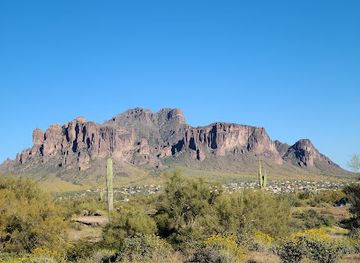
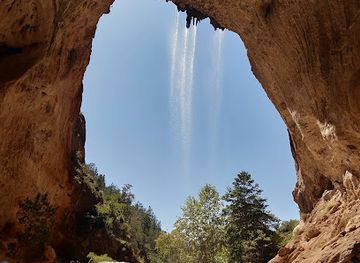
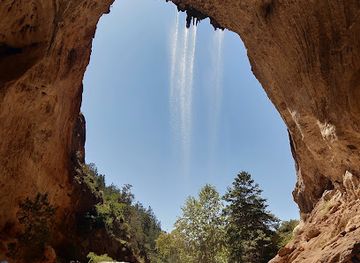
Tonto Natural Bridge State Park
Discover the beauty of Tonto Natural Bridge State Park, home to breathtaking landscapes, hiking trails, and one of the largest natural bridges in the world.
-
Park
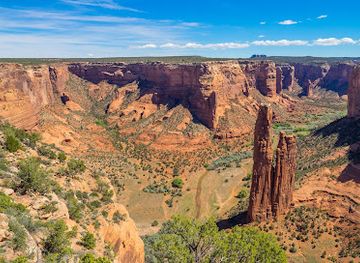
Canyon de Chelly National Monument
Discover the stunning landscapes and rich cultural heritage at Canyon de Chelly National Monument, a breathtaking national park in Arizona's scenic heart.
Best landmarks in Sierra Ancha
The Sierra Ancha Cliff Dwellings are the range’s most important human landmarks, occupying protected ledges and recesses that demonstrate the architectural ingenuity of ancestral communities in a difficult canyon environment. Their significance lies not only in surviving masonry but also in the relationship between the structures, water sources, terraces and surrounding cliffs; they should be viewed as archaeological places, not recreational ruins. The Sierra Ancha Wilderness itself is the defining natural landmark, marked by a long, rugged mountain mass cut by deep drainages and isolated plateaux. Sandstone walls, narrow canyon sections and elevated woodland ridges create a changing sequence of rock and vegetation rather than a single viewpoint. The range’s escarpments and high country are especially legible from approach roads and selected trails, although the best perspectives can require strenuous travel. Roosevelt Lake, visible from parts of the wider approach landscape, is a nearby landmark outside Sierra Ancha rather than part of the mountain range proper. Together, these places express the area’s central identity: protected wilderness shaped by geological forces and a long human history.
-
Ghost town
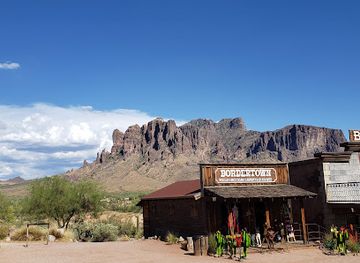
Goldfield Ghost Town and Mine Tours Inc.
Relive the Wild West at this Arizona ghost town, featuring mine tours, gunfights, a railroad, and historic charm near the Superstition Mountains.
-
National reserve
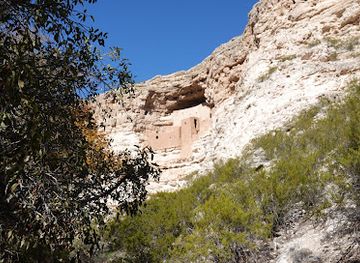
Montezuma Castle National Monument
Discover the ancient cliff dwellings of the Sinagua people at Montezuma Castle National Monument, a window into Arizona's prehistoric past.
-
State park
Tonto Natural Bridge State Park
Explore Tonto Natural Bridge State Park: a stunning Arizona gem featuring the largest natural travertine bridge in North America, perfect for hiking and nature lovers.
-
National reserve
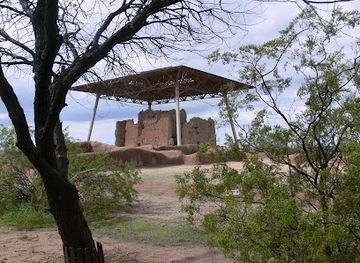
Casa Grande Ruins National Monument
Explore the mysteries of the Ancestral Sonoran Desert People at Casa Grande Ruins National Monument, where history and ingenuity meet in the Arizona desert.
Explore Sierra Ancha on the map
Plan your trip on one map. See where the top cities, national parks and sights are, and book hotels and experiences in a few clicks.
Best hotels in Sierra Ancha
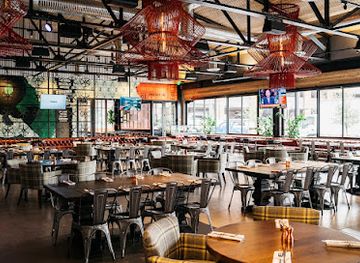
Best restaurants in Sierra Ancha
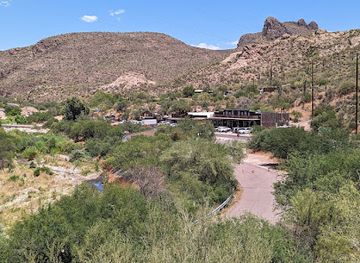
There is no restaurant district within Sierra Ancha itself, and visitors exploring the wilderness must bring food and water. Dining options are found in nearby communities and along the wider routes towards Globe, Roosevelt Lake and Young, where casual cafés, family-run eateries, general stores and traditional American fare are more relevant than destination fine dining. Regional food reflects central Arizona’s meeting of desert, ranching and Mexican-American influences, with dishes such as tacos, enchiladas, burritos and other Southwestern staples commonly available across the state, though they are not exclusive to Sierra Ancha. Travellers should stock up before remote excursions, particularly when planning overnight hikes or dispersed camping. In the broader area, locally sourced meat, baked goods and practical provisions are more useful to visitors than a specialised mountain cuisine. Treat small rural businesses as limited-service operations, check availability before relying on them and avoid assuming that food, ice, fuel or potable water will be available close to a trailhead.
-
Restaurant
Tortilla Flat Saloon
Discover Tortilla Flat Saloon: Where American Cuisine Meets Rustic Charm in Arizona's Scenic Wilderness.
-
American
Rustler’s Rooste
Experience authentic American cuisine in a rustic Wild West setting at Rustler's Rooste – a unique dining gem in Phoenix.
-
American
Culinary Dropout
Discover Culinary Dropout in Gilbert for an unforgettable dining experience featuring American classics, craft cocktails, and live music in a lively setting.
-
New American
The Hidden House
Discover The Hidden House: A premier New American dining destination in Chandler offering exquisite cuisine and craft cocktails.

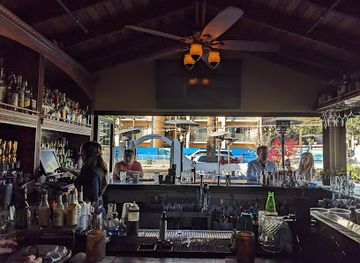
Best bars in Sierra Ancha
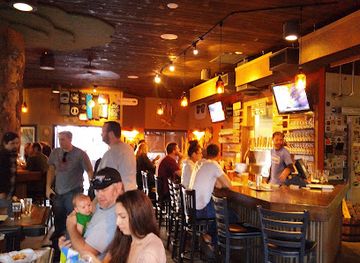
Sierra Ancha has no nightclub scene and very little organised evening entertainment within the mountains. After dark, the prevailing experience is quiet dispersed camping, stargazing and the sounds of the forest, subject to fire rules and responsible outdoor practice. Social nightlife is concentrated outside the range in small communities and larger nearby towns, where visitors may find traditional bars, casual restaurants and local gathering places rather than late-night entertainment districts. Globe offers the broadest nearby choice of urban services, while Young and settlements around Roosevelt Lake are smaller and seasonal in character. Alcohol should never be mixed with strenuous hiking, remote driving or water activities, and visitors camping in national-forest country must follow current restrictions on fires and resource use. Because roads are dark, winding and isolated, arrange transport and accommodation in advance rather than assuming that a late return from the wilderness will be straightforward.
-
Brewpub
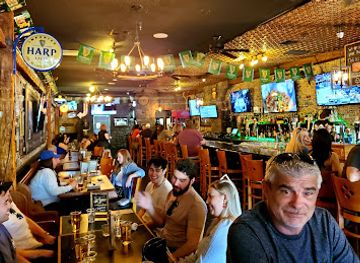
Arizona Wilderness Gilbert Brewpub
Discover Arizona Wilderness Gilbert Brewpub, where craft beer meets local flavors in a lively and welcoming atmosphere.
-
Grill
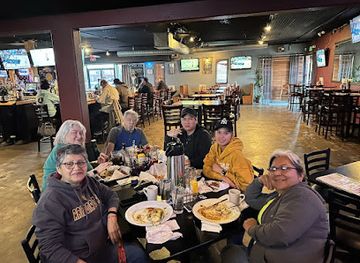
Buffalo Bar & Grill
Experience the flavors of Payson, Arizona at Buffalo Bar & Grill, where delicious grilled dishes and local craft beverages await.
-
Irish pub
Murphy's Law Irish Pub
Discover a slice of Ireland in Chandler with live music, authentic cuisine, and a welcoming atmosphere at Murphy's Law Irish Pub.
-
Grill
Jolie's Place
Experience the vibrant flavors of American cuisine and live music at Jolie's Place in Chandler, Arizona.
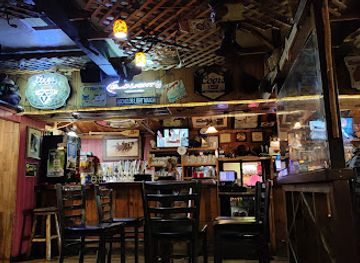
Best nightclubs in Sierra Ancha
Sierra Ancha has no nightclub scene and very little organised evening entertainment within the mountains. After dark, the prevailing experience is quiet dispersed camping, stargazing and the sounds of the forest, subject to fire rules and responsible outdoor practice. Social nightlife is concentrated outside the range in small communities and larger nearby towns, where visitors may find traditional bars, casual restaurants and local gathering places rather than late-night entertainment districts. Globe offers the broadest nearby choice of urban services, while Young and settlements around Roosevelt Lake are smaller and seasonal in character. Alcohol should never be mixed with strenuous hiking, remote driving or water activities, and visitors camping in national-forest country must follow current restrictions on fires and resource use. Because roads are dark, winding and isolated, arrange transport and accommodation in advance rather than assuming that a late return from the wilderness will be straightforward.
-
Cocktail bar
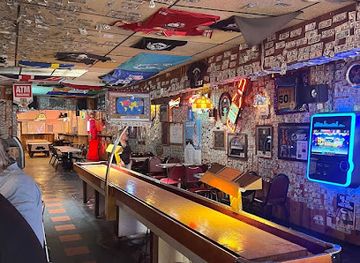
Canyon Club
Discover Canyon Club, an energetic cocktail and karaoke bar in Williams, Arizona, perfect for a fun night out after exploring the Grand Canyon.
-
Night club
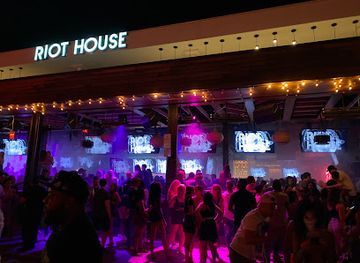
Riot House
Immerse yourself in the lively atmosphere of Riot House, Scottsdale's premier night club, serving up Cuban cuisine and unforgettable nightlife experiences.
-
Gay night club
Karamba Nightclub
Experience the vibrant nightlife at Karamba Nightclub, a premier gay bar in Phoenix offering music, dancing, and a welcoming atmosphere for all.
-
Night club
Xantolo Night Club
Discover the electrifying nightlife at Xantolo Night Club, the ultimate destination for music, dancing, and unforgettable memories in Phoenix.


Best shops in Sierra Ancha
Shopping within Sierra Ancha is limited to practical supplies rather than retail tourism. Visitors should purchase fuel, food, water, maps, batteries and outdoor equipment before entering remote forest country, with larger selections available in Globe and the Phoenix metropolitan area and more limited provisions near Young or Roosevelt Lake. Small rural stores can be useful but should not be treated as guaranteed sources for specialist hiking equipment or last-minute supplies. Regional shopping beyond the range may include Southwestern food products, Native American arts and crafts, handmade jewellery, books about Arizona archaeology and locally produced ranch or desert goods, but buyers should seek clear provenance and avoid purchasing artefacts or anything that appears to have been removed from archaeological sites. The most appropriate souvenirs are therefore lawful, contemporary products from reputable sellers, such as locally made crafts, regional foods or maps and books that deepen understanding of the landscape. There are no major shopping centres or established craft markets within the Sierra Ancha wilderness itself.
-
Shopping mall
Desert Ridge Marketplace
Discover Desert Ridge Marketplace, a vibrant shopping hub in Phoenix, where retail, dining, and entertainment come together in a unique outdoor environment.
-
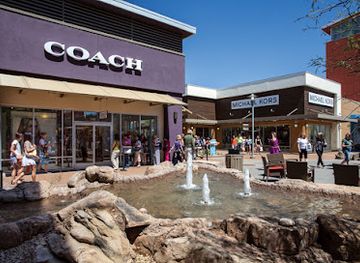
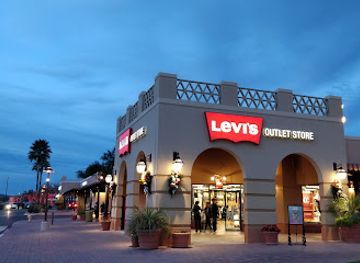
Outlet mall
Phoenix Premium Outlets
Experience unbeatable savings and a wide range of brands at Phoenix Premium Outlets, the ultimate shopping destination in Chandler, Arizona.
-
Shopping mall
Outlets North Phoenix
Discover unbeatable deals at Outlets North Phoenix, your ultimate shopping destination in the heart of Arizona's vibrant landscape.
-
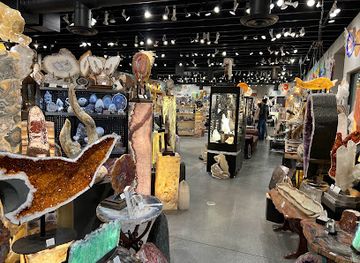
Rock shop
Rare Earth Gallery
Explore Rare Earth Gallery in Cave Creek, Arizona, a unique blend of art, jewelry, and nature's beauty, perfect for every tourist's treasure hunt.

Get your free copy of our complete guide to Sierra Ancha, delivered straight to you.
Everything on this page, from attractions and restaurants to essentials and local phrases, in one PDF you can read offline, print or share.
Already have an account? Sign in
Your Sierra Ancha guide is ready.
We'll send it to · Not you? Sign out

Getting your guide ready…
We are putting together a fresh copy of the Sierra Ancha guide. This can take up to a minute.
This can take a few moments. If your browser asks, choose Allow so the download can start. You'll find the guide in your Downloads folder.
Nothing happened? Download it again
Sorry, the guide is taking longer than usual. Please try again in a minute, or get it by email instead.
Sierra Ancha essentials
Currency and Payment
Safety
Emergency Situations
Do's and Don'ts
Local Tips
From Eve
Local phrases worth knowing
You don't need to get them perfect. A few words go a long way, and locals appreciate the effort.
Basics
| English | Local | Say it |
|---|---|---|
| Hello | Howdy | [ˈhaʊdi] |
| Goodbye | See ya later | [si jə ˈleɪtə] |
| Yes | Yup | [jʌp] |
| No | Nope | [noʊp] |
| Please/You're welcome | Please | [pliz] |
| Thank you | Thanks | [θæŋks] |
| Excuse me/Sorry | Pardon me | [ˈpɑrdən mi] |
| How are you? | How ya doin'? | [haʊ jə ˈduɪn] |
| Fine. And you? | I'm good. You? | [aɪm ɡʊd. ju] |
| Do you speak English? | You speak English? | [ju spik ˈɪŋɡlɪʃ] |
| I don't understand | I don't get it | [aɪ doʊnt ɡɛt ɪt] |
Eating & Drinking
| English | Local | Say it |
|---|---|---|
| I'd like to see the menu, please | Can I see the menu? | [kæn aɪ si ðə ˈmɛnju] |
| I don't eat meat | I don't eat meat | [aɪ doʊnt it miːt] |
| Cheers! | Cheers! | [tʃɪrz] |
| I would like to pay, please | Can I get the check? | [kæn aɪ ɡɛt ðə tʃɛk] |
Emergencies
| English | Local | Say it |
|---|---|---|
| Help! | Help! | [hɛlp] |
| Go away! | Get lost! | [ɡɛt lɔst] |
| Call the Police! | Call the cops! | [kɔl ðə kɑps] |
| Call a doctor! | Need a doc! | [nid ə dɑk] |
| I'm lost | I'm lost | [aɪm lɔst] |
| I'm ill | I'm sick | [aɪm sɪk] |
Shopping
| English | Local | Say it |
|---|---|---|
| I'd like to buy... | I want to buy... | [aɪ wɑnt tə baɪ] |
| I'm just looking | Just browsing | [dʒʌst ˈbraʊzɪŋ] |
| How much is it? | What's the price? | [wʌts ðə praɪs] |
| That's too expensive | That's way too much | [ðæts weɪ tu mʌtʃ] |
| Can you lower the price? | Can you drop the price? | [kæn ju drɑp ðə praɪs] |
Time & Numbers
| English | Local | Say it |
|---|---|---|
| What time is it? | What time? | [wʌt taɪm] |
| It's one o'clock | It's one | [ɪts wʌn] |
| Half past (10) | Half past ten | [hæf pæst tɛn] |
| Morning | Morning | [ˈmɔrnɪŋ] |
| Afternoon | Afternoon | [ˌæftərˈnun] |
| Evening | Evening | [ˈivnɪŋ] |
| Yesterday | Yesterday | [ˈjɛstərˌdeɪ] |
| Today | Today | [təˈdeɪ] |
| Tomorrow | Tomorrow | [təˈmɔroʊ] |
| 1 | One | [wʌn] |
| 2 | Two | [tu] |
| 3 | Three | [θri] |
| 4 | Four | [fɔr] |
| 5 | Five | [faɪv] |
| 6 | Six | [sɪks] |
| 7 | Seven | [ˈsɛvən] |
| 8 | Eight | [eɪt] |
| 9 | Nine | [naɪn] |
| 10 | Ten | [tɛn] |
Transport & Directions
| English | Local | Say it |
|---|---|---|
| Where's a/the...? | Where's the ...? | [wɛrz ðə ...?] |
| What's the address? | What's the address? | [wʌts ði ˈædrɛs] |
| Can you show me (on the map)? | Can you point it out? | [kæn ju pɔɪnt ɪt aʊt] |
| When's the next (bus)? | When's the next bus? | [wɛnʔs ðə nɛkst bʌs] |
| A ticket (to ....) | A ticket to ... | [ə ˈtɪkɪt tə ...] |
History of Sierra Ancha
Ancestral settlements and Salado cliff dwellings
The Sierra Ancha contains archaeological remains of ancestral communities that occupied the canyons and uplands of central Arizona centuries ago. The cliff dwellings associated with the Salado tradition are among the region’s most important surviving structures, built in naturally protected recesses and difficult-to-reach ledges. Their masonry, storage spaces and settlement locations reveal careful adaptation to a rugged environment. These places remain culturally significant and archaeologically vulnerable, so visitors are expected to protect them rather than treat them as recreational climbing sites.
Spanish exploration and changing colonial maps
Spanish expeditions and missions affected the wider central Arizona region from the seventeenth century onwards, although the steep Sierra Ancha was never transformed into a dense colonial settlement zone. Names applied to rivers, ranges and valleys were gradually incorporated into European maps, while Indigenous communities continued to live across the broader territory. The range’s remoteness limited large-scale early development, helping preserve an unusually strong relationship between its archaeological record and its undeveloped terrain.
Mining and the search for western mineral wealth
During the nineteenth and early twentieth centuries, prospectors explored central Arizona for copper, gold and other minerals. Mining had a much stronger presence in nearby districts, including the Globe area, than in the most inaccessible parts of the Sierra Ancha itself. Trails, wagon routes and scattered workings nevertheless formed part of the wider history of resource extraction and frontier transport. The contrast between developed mining centres and the range’s rough interior helps explain why the mountains remained comparatively isolated.
Federal forest administration
The creation and expansion of national-forest administration brought the Sierra Ancha within a federal system intended to manage timber, grazing, watersheds, wildlife and public access. Tonto National Forest now surrounds and administers much of the relevant landscape. Forest roads and trails improved access to selected areas, but the interior remained difficult to reach. Management also increasingly recognised the need to protect archaeological resources and preserve remote country from the pressures associated with intensive development.
The Sierra Ancha Wilderness designation
Federal wilderness protection established a stronger legal framework for keeping the range’s central country roadless and limiting mechanised intrusion. The Sierra Ancha Wilderness is part of the National Wilderness Preservation System and is managed for its undeveloped character, natural processes and opportunities for primitive recreation. This designation shapes the visitor experience: there are no paved sightseeing routes through the wilderness, and access depends on foot travel, preparation and acceptance of changing natural conditions.
Modern conservation and responsible visitation
Contemporary Sierra Ancha history is increasingly concerned with balancing archaeological protection, wildlife habitat, wildfire, water scarcity and carefully managed recreation. Public agencies, researchers and local communities face the challenge of making significant cultural sites understandable without exposing fragile structures to avoidable damage. Visitors are therefore part of the region’s current story. Low-impact travel, accurate navigation, responsible camping and respect for Indigenous and archaeological heritage are essential to keeping the mountains accessible and intact.
Sierra Ancha in Photos
Browse through our photo collection highlighting the charm and character of the destination.
Neighbouring regions of Sierra Ancha
The closest regions to Sierra Ancha, if you have time for more than one.
-

-

-

-

-


Swipe for more regions
Explore more

Explore more of Arizona
Discover Arizona: From the majestic Grand Canyon and red rocks of Sedona to the vibrant cities of Phoenix and Scottsdale, explore the diverse beauty and culture of the Grand Canyon State.
Explore Arizona