

Free Verde Valley Travel Guide & Mobile App
Explore Verde Valley with free travel guides. Discover regional history, expert tips, proposed trips, and audio guides on web or mobile app.


Explore Verde Valley’s red-rock scenery, ancient pueblos, copper-mining towns, river landscapes and growing wine country in central Arizona.
Read more about Verde Valley
When is the best time to visit Verde Valley?
Best: April–May, October · 23–28°C| Month | High (°C) | Rainfall (mm) |
|---|---|---|
| January | 12 | 30 |
| February | 14 | 25 |
| March | 18 | 20 |
| April (best) | 23 | 15 |
| May (best) | 28 | 10 |
| June | 34 | 5 |
| July | 38 | 40 |
| August | 38 | 40 |
| September | 34 | 30 |
| October (best) | 27 | 15 |
| November | 18 | 20 |
| December | 12 | 30 |
Getting to and around Verde Valley
How to get there
Transportation
Top city travel guides in Verde Valley
The cities of Verde Valley, and the easiest places to base yourself.

Swipe for more cities
Destinations in Verde Valley
Resorts, valleys and scenic spots worth a trip of their own.

Swipe for more destinations
Best attractions in Verde Valley
Verde Valley’s attractions combine archaeological heritage, river scenery, historic industry and accessible outdoor recreation. Montezuma Castle National Monument, north of Camp Verde, protects a five-storey cliff dwelling associated with the Sinagua, while Montezuma Well illustrates the importance of permanent water in the valley. Tuzigoot National Monument, near Clarkdale, crowns a limestone ridge with the remains of a substantial pueblo and broad views across the Verde River corridor. Dead Horse Ranch State Park offers lagoons, cottonwood habitat, fishing and trails close to Cottonwood, while the Verde River provides opportunities for paddling and wildlife observation subject to conditions and access rules. The Verde Canyon Railroad travels from Clarkdale through a remote canyon landscape on a historic railway route. Jerome’s mining history is expressed through museums, galleries and surviving commercial buildings, and the surrounding uplands offer hiking and scenic drives. Around Cottonwood, Clarkdale and Cornville, vineyards and tasting rooms create a slower-paced agricultural attraction, while parks, local museums, birdwatching sites and family-oriented activities in Camp Verde broaden the valley’s appeal.
-
National reserve
Montezuma Castle National Monument
Experience the ancient cliff dwellings of the Sinagua people at Montezuma Castle National Monument, a must-visit historical site in Arizona.
-
Wildlife park
Out of Africa Wildlife Park
Experience the beauty of wildlife at Out of Africa Wildlife Park, a captivating sanctuary for exotic animals in Arizona's stunning landscapes.
-
State park
Red Rock State Park
Explore the breathtaking beauty of Red Rock State Park in Sedona, Arizona, where stunning landscapes and outdoor adventures await.
-
Historical landmark
Montezuma Well
Explore the historical and natural beauty of Montezuma Well, a captivating landmark in Rimrock, Arizona, filled with rich history and scenic trails.


Best landmarks in Verde Valley
Tuzigoot National Monument is one of Verde Valley’s defining landmarks: the compact stone pueblo stands on a high limestone ridge above the Verde River and makes the valley’s Sinagua past immediately visible. Montezuma Castle National Monument, built into a cliff north of Camp Verde, is among the best-preserved ancient cliff dwellings in North America and a powerful symbol of the region’s archaeological heritage. Montezuma Well, a broad limestone sink filled by a perennial spring, is a distinctive natural and cultural landmark linked to historic irrigation channels. In the western valley, Jerome’s steep streets, mine structures and surviving commercial buildings cling to the Black Hills above the river, creating a striking industrial townscape. Clarkdale’s historic planned settlement represents the company-town era of copper processing, while the Verde Canyon Railroad traces a historic transport corridor through rugged canyon country. The Verde River itself is the valley’s living geographic landmark, marked by cottonwood-lined stretches that contrast sharply with the surrounding dry hills and red-rock formations.
-
National park
Grand Canyon National Park
Experience the grandeur of nature at Grand Canyon National Park, a timeless landscape of geological wonders and breathtaking vistas in Arizona.
-
National forest
Tonto National Forest
Explore nearly 3 million acres of Arizona's diverse landscape, from desert canyons to pine-covered mountains, offering year-round recreation.
-
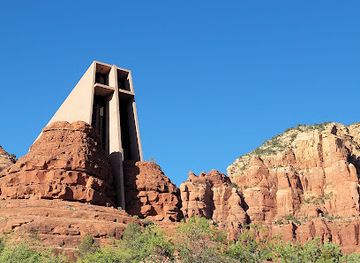
Catholic church
Chapel of the Holy Cross
An architectural marvel nestled in Sedona's red rocks, offering spiritual solace and breathtaking panoramic views.
-
Natural history museum
Arizona-Sonora Desert Museum
Explore the wonders of the Sonoran Desert! A fusion of zoo, botanical garden, and museum in Tucson, Arizona.

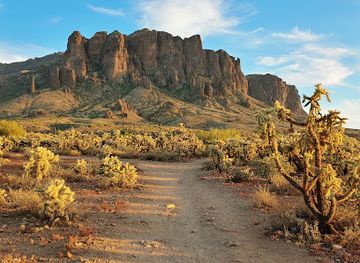
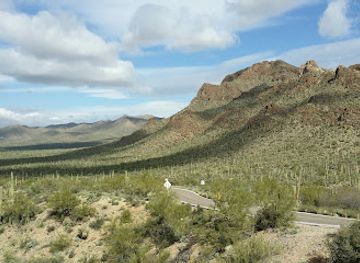
Explore Verde Valley on the map
Plan your trip on one map. See where the top cities, national parks and sights are, and book hotels and experiences in a few clicks.
Best hotels in Verde Valley
Best restaurants in Verde Valley
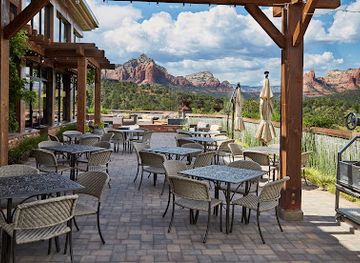
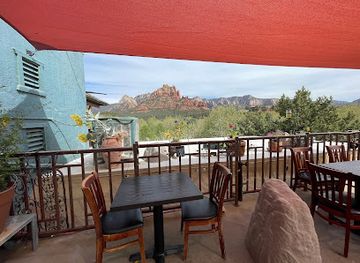
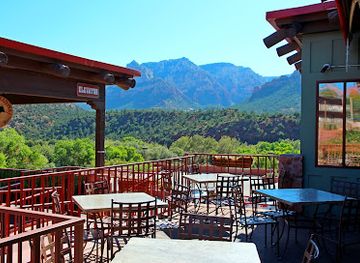
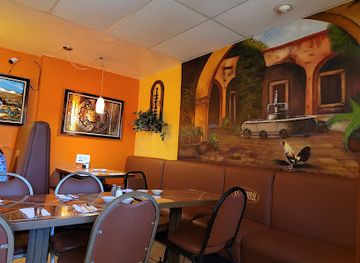
Dining in Verde Valley reflects Arizona’s broader Southwestern traditions while making use of local produce, ranch products, wine and the valley’s agricultural setting. Cottonwood’s Old Town has the greatest concentration of restaurants, cafés, wine bars and casual dining, with menus ranging from contemporary Southwestern cooking to familiar American fare. Clarkdale, Jerome, Camp Verde and Cornville offer smaller selections in historic buildings, rural settings and community-oriented venues. Local tasting rooms commonly pair Verde Valley wines with light meals, cheese, seasonal produce or other regional products, while farm stands and markets provide fruit, vegetables and preserves when in season. Mexican and Mexican-American food is an important part of the wider Arizona dining landscape, and barbecue, burgers, bakery goods and family-run cafés are easy to find. Rural inns and winery restaurants may have limited seating, so reservations can be sensible at busy times. Arizona sales tax and customary restaurant tipping are generally added to the advertised menu price.
-
Latin American
Mariposa Latin Inspired Grill
Experience the vibrant tastes of Latin America at Mariposa Latin Inspired Grill in Sedona's breathtaking landscapes.
-
American
The Hudson
Experience exceptional American cuisine and craft cocktails at The Hudson in Sedona—where culinary artistry meets stunning views.
-
Italian
Hideaway House
Experience authentic Italian flavors at Hideaway House in Sedona—where every meal is a celebration of taste amidst stunning landscapes.
-
New American
Creekside American Bistro
Experience exquisite New American cuisine amidst the breathtaking landscapes of Sedona at Creekside American Bistro.
Best bars in Verde Valley
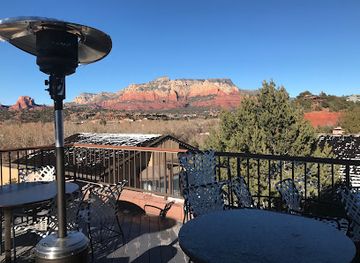
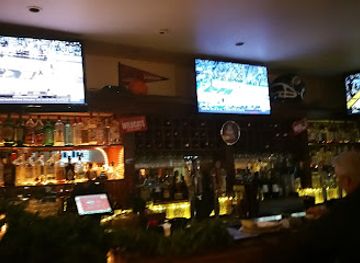
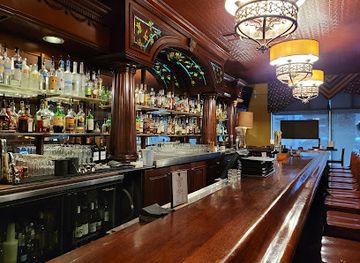
Verde Valley’s evening culture is centred on restaurants, wine tasting rooms, breweries, historic bars and traditional pubs rather than a large nightclub scene. Cottonwood is the principal evening hub, particularly around Old Town, where visitors can move between dining venues, wine bars and occasional live-music settings. Jerome has atmospheric historic bars and small venues, but its steep streets and limited late-night infrastructure make it more suited to an early evening than to a long club night. Clarkdale and Camp Verde offer quieter options, including local drinking establishments and restaurants, while Cornville is predominantly rural. Live music, tasting events and seasonal gatherings may appear across the valley, but schedules change, so check locally rather than relying on a fixed programme. Designated drivers and pre-arranged transfers are important when visiting wineries, since venues are dispersed and public transport is limited. Visitors can enjoy the region’s evening character without treating alcohol as the central activity.
-
American
The Hudson
Experience the best of American cuisine at The Hudson in Sedona, where stunning views meet delicious flavors in a cozy atmosphere.
-
American
Arizona Family Restaurant
Experience the best of American comfort food at Arizona Family Restaurant, where delicious meals and family-friendly vibes come together.
-
Steak
Nic's Italian Steak & Crab House
Experience the perfect blend of Italian cuisine and steakhouse delights at Nic's Italian Steak & Crab House in Cottonwood, Arizona.
-
Mexican
El Rodeo Mexican Food
Discover the authentic taste of Mexico at El Rodeo Mexican Food, where flavorful dishes and vibrant decor create a delightful dining experience.
Best nightclubs in Verde Valley
Verde Valley’s evening culture is centred on restaurants, wine tasting rooms, breweries, historic bars and traditional pubs rather than a large nightclub scene. Cottonwood is the principal evening hub, particularly around Old Town, where visitors can move between dining venues, wine bars and occasional live-music settings. Jerome has atmospheric historic bars and small venues, but its steep streets and limited late-night infrastructure make it more suited to an early evening than to a long club night. Clarkdale and Camp Verde offer quieter options, including local drinking establishments and restaurants, while Cornville is predominantly rural. Live music, tasting events and seasonal gatherings may appear across the valley, but schedules change, so check locally rather than relying on a fixed programme. Designated drivers and pre-arranged transfers are important when visiting wineries, since venues are dispersed and public transport is limited. Visitors can enjoy the region’s evening character without treating alcohol as the central activity.
-
Restaurant
Dave & Buster's Tucson
Experience the ultimate blend of dining and entertainment at Dave & Buster's Tucson, where fun comes to life with every game and meal.
-
Restaurant
Topgolf Tucson
Discover the excitement of Topgolf Tucson, where delicious American cuisine meets innovative golfing fun for all ages.
-
Bar
Full Moon Saloon
Discover the lively ambiance, creative cocktails, and unforgettable nightlife at Full Moon Saloon in Sedona.
-
 Performing arts group
Entertainment by Tom & Shondra
Discover the vibrant world of performing arts at Tom & Shondra, where creativity and talent come to life in unforgettable performances.


Best shops in Verde Valley
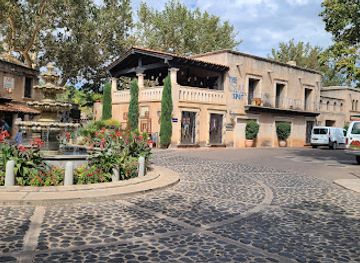
Shopping in Verde Valley is concentrated in Cottonwood, Jerome, Clarkdale and the larger service areas of Camp Verde. Cottonwood’s Old Town combines independent galleries, clothing and gift shops, wine retailers, cafés and businesses selling regional food products, while the wider town provides practical supermarkets and everyday services. Jerome is known for small galleries, antiques, jewellery, craftwork, books and mining-related souvenirs housed in historic buildings on its hillside streets. Around Cottonwood, Clarkdale and Cornville, winery shops offer bottles and locally made food products, subject to transport and alcohol regulations when taking purchases across borders. Farmers’ markets and seasonal farm stands can provide fruit, vegetables, preserves and other produce, although locations and operating days vary. Traditional Arizona and Southwestern crafts may be sold in regional galleries, but buyers should ask about provenance and avoid purchasing archaeological objects or artefacts of uncertain legality. Expect a dispersed, independent retail scene rather than a major shopping centre or luxury-district experience.
-
Shopping mall
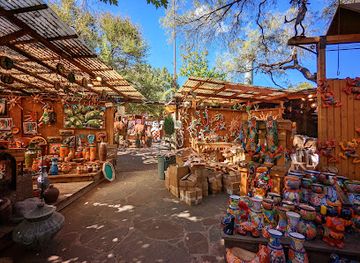
Tlaquepaque Arts & Shopping Village
Explore Tlaquepaque Arts & Shopping Village: A unique blend of art, culture, and dining in the heart of Sedona, Arizona.
-
Art gallery
Son-Silver-West Galleries Inc
Explore the vibrant art scene at Son-Silver-West Galleries Inc, a premier gallery showcasing unique artworks in stunning Sedona, Arizona.
-
Shopping mall
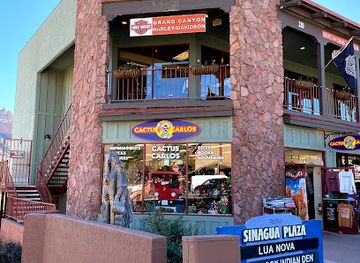
Sinagua Plaza
Explore Sinagua Plaza in Sedona for unique shopping, local dining, and stunning views of the iconic red rock landscape.
-
Shopping mall
Continental Shopping Plaza
Explore the Continental Shopping Plaza in Green Valley, Arizona, where shopping meets convenience in a vibrant, community-focused atmosphere.
Get your free copy of our complete guide to Verde Valley, delivered straight to you.
Everything on this page, from attractions and restaurants to essentials and local phrases, in one PDF you can read offline, print or share.
Already have an account? Sign in
Your Verde Valley guide is ready.
We'll send it to · Not you? Sign out

Getting your guide ready…
We are putting together a fresh copy of the Verde Valley guide. This can take up to a minute.
This can take a few moments. If your browser asks, choose Allow so the download can start. You'll find the guide in your Downloads folder.
Nothing happened? Download it again
Sorry, the guide is taking longer than usual. Please try again in a minute, or get it by email instead.
Verde Valley essentials
Currency and Payment
Safety
Emergency Situations
Do's and Don'ts
Local Tips
From Eve
Local phrases worth knowing
You don't need to get them perfect. A few words go a long way, and locals appreciate the effort.
Basics
| English | Local | Say it |
|---|---|---|
| Hello | Howdy | [How-dee] |
| Goodbye | See ya | [See yah] |
| Yes | Yep | [Yep] |
| No | Nah | [Nah] |
| Please/You're welcome | Sure thing | [Shoor thing] |
| Thank you | Thanks a lot | [Thangs a lot] |
| Excuse me/Sorry | Pardon me | [Pardon mee] |
| How are you? | How ya doin'? | [How ya doin'?] |
| Fine. And you? | Good. And you? | [Good. And you?] |
| Do you speak English? | Do ya speak English? | [Do yah speak English?] |
| I don't understand | I don't get it | [I don't get it] |
Eating & Drinking
| English | Local | Say it |
|---|---|---|
| I'd like to see the menu, please | Can I see the menu? | [Can I see the menu?] |
| I don't eat meat | I'm vegetarian | [I'm vege-tarian] |
| Cheers! | Cheers! | [Cheers!] |
| I would like to pay, please | Can I get the check? | [Can I get the check?] |
Emergencies
| English | Local | Say it |
|---|---|---|
| Help! | Help! | [Help!] |
| Go away! | Leave me alone! | [Leave me alone!] |
| Call the Police! | Call the cops! | [Call the cops!] |
| Call a doctor! | Get a doctor! | [Get a doctor!] |
| I'm lost | I'm turned around | [I'm turned around] |
| I'm ill | I'm not feeling well | [I'm not feeling well] |
Shopping
| English | Local | Say it |
|---|---|---|
| I'd like to buy... | I want to buy... | [I want to buy...] |
| I'm just looking | Just browsing | [Just browsing] |
| How much is it? | What's the price? | [What's the price?] |
| That's too expensive | That's pricey | [That's pricey] |
| Can you lower the price? | Can ya give me a deal? | [Can yah give me a deal?] |
Time & Numbers
| English | Local | Say it |
|---|---|---|
| What time is it? | What time ya got? | [What time ya got?] |
| It's one o'clock | It's one | [It's one] |
| Half past (10) | Half past ten | [Half past ten] |
| Morning | Morning | [Morning] |
| Afternoon | Afternoon | [Afternoon] |
| Evening | Evening | [Evening] |
| Yesterday | Yesterday | [Yesterday] |
| Today | Today | [Today] |
| Tomorrow | Tomorrow | [Tomorrow] |
| 1 | One | [One] |
| 2 | Two | [Two] |
| 3 | Three | [Three] |
| 4 | Four | [Four] |
| 5 | Five | [Five] |
| 6 | Six | [Six] |
| 7 | Seven | [Seven] |
| 8 | Eight | [Eight] |
| 9 | Nine | [Nine] |
| 10 | Ten | [Ten] |
Transport & Directions
| English | Local | Say it |
|---|---|---|
| Where's a/the...? | Where's the nearest...? | [Where's the nearest...?] |
| What's the address? | What's the address? | [What's the address?] |
| Can you show me (on the map)? | Can ya show me on the map? | [Can yah show me on the map?] |
| When's the next (bus)? | When's the next bus? | [When's the next bus?] |
| A ticket (to ....) | One ticket to... | [One ticket to...] |
History of Verde Valley
Sinagua Settlement and the Verde Valley Pueblos
From roughly the twelfth to the fifteenth centuries, Sinagua communities farmed the Verde Valley and built substantial settlements using local stone and mud mortar. Tuzigoot, on a ridge near Clarkdale, is the clearest large pueblo visible in the valley, while Montezuma Castle and Montezuma Well show how people used cliffs, springs and river corridors. Sinagua society was connected to wider networks of exchange across central Arizona. Although the communities later changed or moved, their architectural and agricultural legacy remains central to the valley’s identity.
Indigenous Continuity and the Verde River
The valley’s earlier archaeological labels do not represent a vanished culture without descendants. Indigenous peoples connected with the region, including Yavapai and Apache communities, maintained relationships with the Verde Valley and surrounding uplands. The river supplied water, food and travel routes, while nearby mountains and grasslands supported seasonal movement and gathering. Visitors should understand archaeological sites as places within continuing Indigenous histories rather than isolated ruins. Contemporary interpretation increasingly acknowledges the cultural significance of these landscapes to Native communities.
Spanish, Mexican and Early American Exploration
Spanish expeditions entered central Arizona in the eighteenth century, but the Verde Valley remained far from the principal centres of colonial settlement. After Mexican independence, the area formed part of Mexico until the mid-nineteenth-century territorial changes that incorporated it into the United States. American military, mining and ranching activity expanded later in the nineteenth century, bringing new roads, commercial settlements and conflicts that profoundly affected Indigenous communities and altered patterns of land use.
Mining and the Rise of Jerome
Copper mining transformed the western side of the valley from the late nineteenth century. Jerome grew on the steep slopes of the Black Hills above the Verde Valley, close to the United Verde and United Verde Extension mines. At its height it was a crowded industrial settlement with workers, businesses and substantial infrastructure, but falling ore production led to a sharp decline during the twentieth century. Its surviving buildings, mining museums and hillside setting now preserve one of Arizona’s most distinctive industrial landscapes.
Clarkdale and Company-Town Industry
Clarkdale was developed in the early twentieth century by the United Verde Copper Company as a planned community to support mining and processing operations. Its layout, housing and civic buildings reflected the company-town model, while the nearby smelter handled ore from Jerome. Mining shaped employment, transport and settlement throughout the valley, even though much of the industry later disappeared. Clarkdale’s historic district and local heritage interpretation help explain how industrial investment created a modern town beside older agricultural and Indigenous landscapes.
Railways, Roads and Regional Connection
Transport development linked the Verde Valley to Arizona’s wider economy. Rail infrastructure supported the movement of copper, supplies and passengers, while roads gradually connected mining towns, farms and river communities. The Verde Canyon Railroad now uses a historic route from Clarkdale into the canyon towards Perkinsville, offering a journey through a landscape once shaped by freight and industry. Improved highways and automobile travel later made Cottonwood and Camp Verde more accessible from Phoenix, Prescott, Flagstaff and northern Arizona.
Agriculture, Tourism and the Contemporary Valley
After the decline of large-scale mining, the valley’s economy became more dependent on agriculture, services, heritage tourism and outdoor recreation. Cottonwood developed as a commercial centre, Jerome reinvented parts of its historic core through arts and tourism, and archaeological monuments attracted visitors interested in the region’s deep past. Since the late twentieth century, vineyards and tasting rooms around Cottonwood, Clarkdale and Cornville have added a wine-country dimension. These newer industries coexist with ranching, farming, Native history and the enduring importance of the Verde River.
Verde Valley in Photos
Browse through our photo collection highlighting the charm and character of the destination.
Neighbouring regions of Verde Valley
The closest regions to Verde Valley, if you have time for more than one.
-

-

-

-

-


Swipe for more regions
Explore more

Explore more of Arizona
Discover Arizona: From the majestic Grand Canyon and red rocks of Sedona to the vibrant cities of Phoenix and Scottsdale, explore the diverse beauty and culture of the Grand Canyon State.
Explore Arizona