

Free Gila County Travel Guide & Mobile App
Explore Gila County with free travel guides. Discover regional history, expert tips, proposed trips, and audio guides on web or mobile app.


Explore Gila County, Arizona, for pine forests, the Mogollon Rim, desert waterways, Indigenous heritage, mining towns and outdoor adventure.
Read more about Gila County
When is the best time to visit Gila County?
Best: April–May, October · 24–29°C| Month | High (°C) | Rainfall (mm) |
|---|---|---|
| January | 14 | 31 |
| February | 16 | 29 |
| March | 19 | 30 |
| April (best) | 24 | 18 |
| May (best) | 29 | 14 |
| June | 34 | 18 |
| July | 37 | 59 |
| August | 37 | 58 |
| September | 33 | 41 |
| October (best) | 28 | 33 |
| November | 21 | 32 |
| December | 14 | 34 |
Getting to and around Gila County
How to get there
Transportation
Top city travel guides in Gila County
The cities of Gila County, and the easiest places to base yourself.
-

-

-

-

-
-


Swipe for more cities
Destinations in Gila County
Resorts, valleys and scenic spots worth a trip of their own.
-

-

-


Swipe for more destinations
Best attractions in Gila County
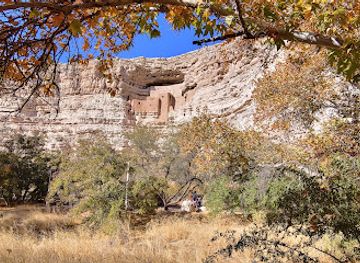
Gila County's attractions range from archaeological and mining heritage to forest recreation and desert waterways. Near Globe, Besh-Ba-Gowah Archaeological Park offers a close look at a substantial Salado settlement, while the Gila County Historical Museum and the historic streets of Globe and Miami help explain the copper-mining economy. North of Payson, Tonto Natural Bridge State Park centres on a vast natural-rock span and walking trails through a wooded canyon. The Mogollon Rim provides viewpoints, hiking, camping and seasonal wildlife watching, although access varies by road and weather. Around Roosevelt Lake, visitors can fish, boat, camp and explore the reservoir landscape, while Tonto National Monument protects cliff dwellings above the Salt River basin. The Salt River Canyon adds a dramatic driving and viewpoint experience farther east in the county. Outdoor plans should account for heat, limited services, wildfire closures and the rules governing archaeological and tribal lands.
-
Ghost town
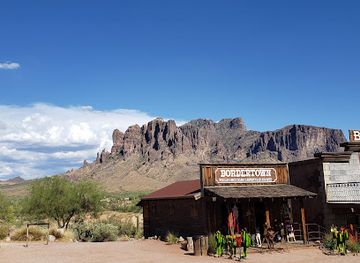
Goldfield Ghost Town and Mine Tours Inc.
Explore the historic Goldfield Ghost Town in Apache Junction, Arizona - a thrilling journey through the Wild West with mine tours, live entertainment, and unique souvenirs.
-
Tourist attraction
James Greer Water Wheel
Explore the historic James Greer Water Wheel in Arizona, a stunning blend of nature and engineering that offers scenic views and rich history.

Best landmarks in Gila County
Theodore Roosevelt Dam is the county's defining engineering landmark, spanning the Salt River and creating Roosevelt Lake as part of Arizona's early twentieth-century water infrastructure. Tonto National Monument's cliff dwellings are equally significant, set high above the basin and representing the architectural legacy of ancestral communities associated with the Salado tradition. Near Globe, Besh-Ba-Gowah's masonry rooms and archaeological remains provide a tangible connection with the pre-contact past. Globe and Miami contain surviving commercial and civic buildings that reflect the prosperity and social complexity of the copper era, although the surrounding industrial landscape also reveals the costs of extraction. In the north, Tonto Natural Bridge is a major geological landmark, while the Mogollon Rim forms an immense natural escarpment marking the transition between high forest and lower desert. The Salt River Canyon contributes another powerful geographical landmark in eastern Gila County.
-
National forest
Tonto National Forest
Explore nearly 3 million acres of Arizona's diverse landscapes, from desert cacti to pine-covered mountains, offering year-round outdoor adventures.
-
Ghost town
Goldfield Ghost Town and Mine Tours Inc.
Relive the Wild West at this historic Arizona ghost town with mine tours, gunfights, a narrow-gauge railroad, and family-friendly fun.
-
National reserve
Montezuma Castle National Monument
Discover the ancient cliff dwellings of the Sinagua people at Montezuma Castle National Monument, a remarkable testament to Arizona's rich history.
-
Nature preserve
Riparian Preserve at Water Ranch
Explore Gilbert's Riparian Preserve: a unique blend of water conservation, wildlife, and recreation in a beautiful desert oasis.


Explore Gila County on the map
Plan your trip on one map. See where the top cities, national parks and sights are, and book hotels and experiences in a few clicks.
Best hotels in Gila County
Best restaurants in Gila County
Dining in Gila County is concentrated in Payson, Globe, Miami and the smaller communities along the main roads, with independent cafés, diners, Mexican-American restaurants, family-run establishments and traditional American comfort food forming the everyday scene. Globe and Miami reflect the multicultural history of mining communities, while Payson serves residents, forest visitors and travellers heading towards the Rim. Breakfast cafés and casual lunch places are particularly practical before outdoor excursions, and small-town restaurants may keep more limited hours than urban visitors expect. Local shops and markets can be useful for picnic supplies, especially when travelling towards reservoirs or forest trailheads. Regional Arizona influences appear in dishes featuring beans, chilli, tortillas and grilled meats, alongside burgers, sandwiches and baked goods familiar across the United States. Around Roosevelt Lake and other recreation areas, food options are more scattered, so carrying provisions is sensible.
-
Restaurant
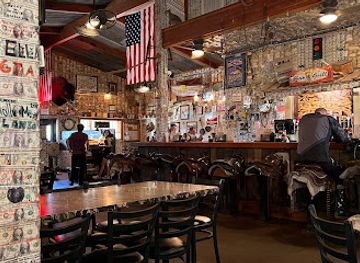
Tortilla Flat Saloon
Experience authentic southwestern cuisine at Tortilla Flat Saloon—where rustic charm meets delicious flavors in Arizona's Wild West.
-
American
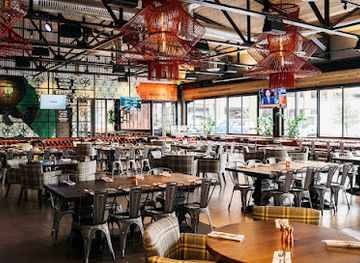
Culinary Dropout
Discover Culinary Dropout in Gilbert, AZ – where American comfort food meets live music in a vibrant setting perfect for any occasion.
-
Casino
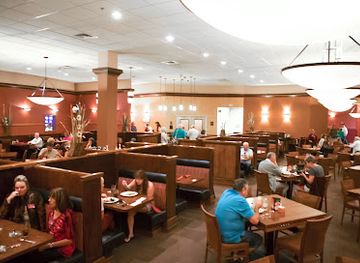
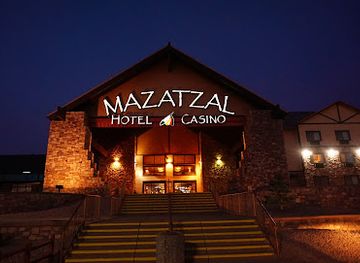
Mazatzal Hotel & Casino
Discover excitement at Mazatzal Hotel & Casino in Payson: A perfect blend of gaming, dining, and hospitality amidst stunning Arizona landscapes.
-
Grill
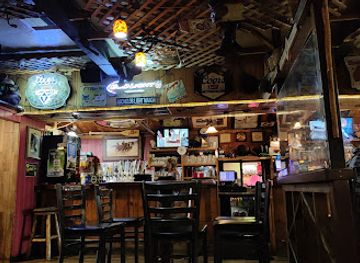
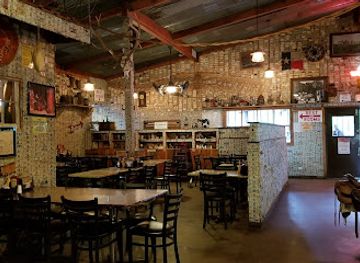
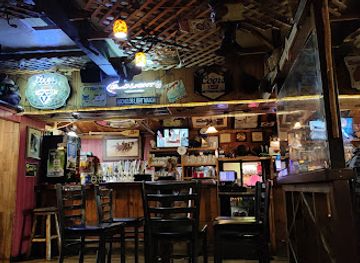
Buffalo Bar & Grill
Discover unique flavors at Buffalo Bar & Grill - your destination for delicious burgers and sandwiches in Payson, Arizona.
Best bars in Gila County
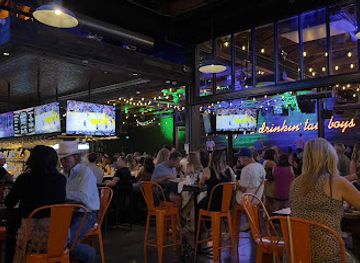
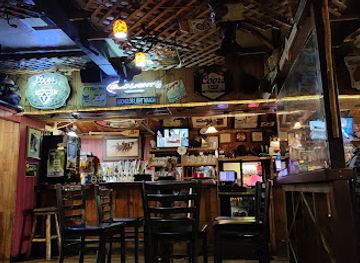
Nightlife in Gila County is modest and community-oriented rather than built around large clubs. Payson, Globe and Miami have the widest choice of casual bars, restaurants serving drinks, sports-oriented venues and occasional live-music settings, while smaller communities tend to rely on local pubs, taverns and early-evening dining. Globe's historic character is particularly apparent in its traditional downtown atmosphere, whereas Payson's evening scene is shaped by its role as a high-country service town. Outdoor recreation and long driving distances mean that evenings often finish earlier than in Phoenix, and venues may have changing schedules. Visitors should arrange a safe ride, avoid drinking before mountain or forest driving and remember that alcohol is not available at every remote recreation area. Breweries and contemporary cocktail culture exist on a smaller scale than in Arizona's major cities.
-
Restaurant
Tortilla Flat Saloon
Experience the rich history and flavors of the Wild West at Tortilla Flat Saloon, nestled in the breathtaking landscapes of Arizona's Superstition Mountains.
-
Bar
Mazatzal Hotel & Casino
Discover entertainment, dining, and relaxation at Mazatzal Hotel & Casino, Payson, AZ's premier destination for fun and comfort.
-
Grill
Buffalo Bar & Grill
Discover the vibrant flavors and cozy atmosphere of Buffalo Bar & Grill in Payson, Arizona, a perfect stop for hungry travelers.
-
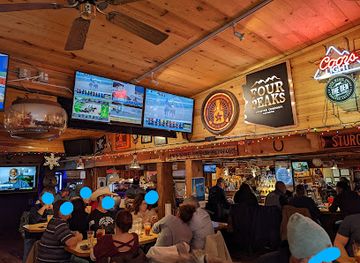
Sports bar
The Lion's Den Bar & Grill
Discover The Lion's Den Bar & Grill in Pinetop, AZ - a lively sports bar offering delicious food, drinks, and live music for an unforgettable experience.
Best nightclubs in Gila County
-
Night club
Dierks Bentley's Whiskey Row Gilbert
Discover the lively ambiance of Dierks Bentley's Whiskey Row Gilbert, where American cuisine meets vibrant nightlife with live music and dancing.
-
Grill
Buffalo Bar & Grill
Discover the vibrant flavors of Buffalo Bar & Grill in Payson, AZ, where hearty American dishes meet a welcoming atmosphere.
-
Grill
Jolie's Place
Discover the heart of Chandler at Jolie's Place, where American cuisine meets live music in a vibrant, welcoming atmosphere.
-
Grill
The Monastery
Discover The Monastery in Mesa, Arizona: a grill, pub, and beach volleyball haven offering delicious food and lively entertainment.


Best shops in Gila County
Shopping in Gila County is centred on practical independent businesses, historic downtowns, local services and small-town food outlets rather than large retail districts. Globe and Miami offer the strongest connection with mining-town heritage, with antique, vintage and locally oriented shops appearing among older commercial buildings, while Payson has a broader selection of everyday retailers, galleries, craft businesses and outdoor-oriented shops. Visitors may find regional foods, handmade items, books, artwork and Arizona-themed gifts, although stock and opening arrangements vary. Farmers' markets and community markets are seasonal and should be checked locally rather than assumed to operate year-round. Useful purchases for the county's outdoor landscapes include water, sun protection, maps, provisions and locally made supplies. Collecting archaeological objects or natural material from public land is not an acceptable souvenir practice; choose authorised retailers and respect restrictions on tribal and protected lands.
-
Gift shop
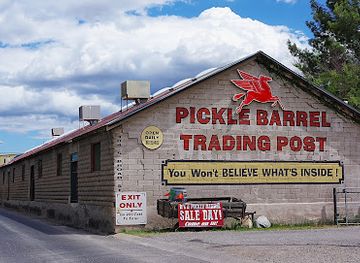
Pickle Barrel Trading Post
Explore the charm of Pickle Barrel Trading Post, a unique gift shop in Globe, AZ, offering Native American goods, artisan jewelry, and home treasures.
-
Gift shop
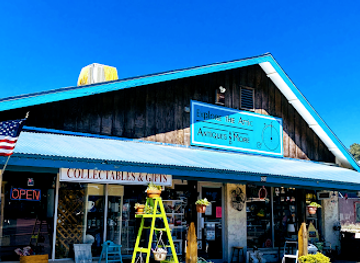
Explore the Attic
Explore the Attic in Payson, Arizona, is a treasure trove of unique gifts, local art, and antique finds that captivates every visitor.
-
Clothing store
bealls
Explore Bealls in Miami, AZ for stylish clothing, accessories, and home goods at unbeatable prices for the whole family.
-
Collectibles store
Western Village Of Payson Arizona
Explore the Western Village in Payson, Arizona - a must-visit collectibles store offering unique treasures and a taste of local charm.

Get your free copy of our complete guide to Gila County, delivered straight to you.
Everything on this page, from attractions and restaurants to essentials and local phrases, in one PDF you can read offline, print or share.
Already have an account? Sign in
Your Gila County guide is ready.
We'll send it to · Not you? Sign out

Getting your guide ready…
We are putting together a fresh copy of the Gila County guide. This can take up to a minute.
This can take a few moments. If your browser asks, choose Allow so the download can start. You'll find the guide in your Downloads folder.
Nothing happened? Download it again
Sorry, the guide is taking longer than usual. Please try again in a minute, or get it by email instead.
Gila County essentials
Currency and Payment
Safety
Emergency Situations
Do's and Don'ts
Local Tips
From Eve
Local phrases worth knowing
You don't need to get them perfect. A few words go a long way, and locals appreciate the effort.
Basics
| English | Local | Say it |
|---|---|---|
| Hello | Howdy | [haʊdi] |
| Goodbye | See ya | [si jə] |
| Yes | Yup | [jʌp] |
| No | Nope | [noʊp] |
| Please/You're welcome | Sure thing | [ʃʊr θɪŋ] |
| Thank you | Thanks | [θæŋks] |
| Excuse me/Sorry | Pardon me | [ˈpɑrdən mi] |
| How are you? | How's it going? | [haʊz ɪt ˈgoʊɪŋ] |
| Fine. And you? | Good. And you? | [ɡʊd. ənd ju] |
| Do you speak English? | You speak English? | [ju spiːk ˈɪŋɡlɪʃ] |
| I don't understand | I ain't got it | [aɪ eɪnt ɡɑt ɪt] |
Eating & Drinking
| English | Local | Say it |
|---|---|---|
| I'd like to see the menu, please | Can I see the menu? | [kæn aɪ si ðə ˈmɛnju] |
| I don't eat meat | I'm not into meat | [aɪm nɑt ˈɪntu mit] |
| Cheers! | Cheers! | [ʧɪrz] |
| I would like to pay, please | Can I get the check? | [kæn aɪ ɡɛt ðə ʧɛk] |
Emergencies
| English | Local | Say it |
|---|---|---|
| Help! | Help! | [hɛlp] |
| Go away! | Leave me alone! | [liv mi əˈloʊn] |
| Call the Police! | Call the cops! | [kɔl ðə kɑps] |
| Call a doctor! | Get a doctor! | [ɡɛt ə ˈdɑktər] |
| I'm lost | I can't find my way | [aɪ kænt faɪnd maɪ weɪ] |
| I'm ill | I'm not feeling well | [aɪm nɑt ˈfiːlɪŋ wɛl] |
Shopping
| English | Local | Say it |
|---|---|---|
| I'd like to buy... | I'm looking to buy... | [aɪm ˈlʊkɪŋ tu baɪ] |
| I'm just looking | Just browsing | [dʒʌst ˈbraʊzɪŋ] |
| How much is it? | What’s the price? | [wɑts ðə praɪs] |
| That's too expensive | That's pricey | [ðæts ˈpraɪsi] |
| Can you lower the price? | Can you give me a better deal? | [kæn ju ɡɪv mi ə ˈbɛtər dil] |
Time & Numbers
| English | Local | Say it |
|---|---|---|
| What time is it? | What’s the time? | [wɑts ðə taɪm] |
| It's one o'clock | It's one | [ɪts wʌn] |
| Half past (10) | Half past ten | [hæf pæst tɛn] |
| Morning | Morning | [ˈmɔrnɪŋ] |
| Afternoon | Afternoon | [ˌæftərˈnun] |
| Evening | Evening | [ˈiːvnɪŋ] |
| Yesterday | Yesterday | [ˈjɛstərdeɪ] |
| Today | Today | [təˈdeɪ] |
| Tomorrow | Tomorrow | [təˈmɔroʊ] |
| 1 | One | [wʌn] |
| 2 | Two | [tu] |
| 3 | Three | [θri] |
| 4 | Four | [fɔr] |
| 5 | Five | [faɪv] |
| 6 | Six | [sɪks] |
| 7 | Seven | [sɛvən] |
| 8 | Eight | [eɪt] |
| 9 | Nine | [naɪn] |
| 10 | Ten | [tɛn] |
Transport & Directions
| English | Local | Say it |
|---|---|---|
| Where's a/the...? | Where's the...? | [wɛrz ðə] |
| What's the address? | What's the address? | [wɑts ði əˈdrɛs] |
| Can you show me (on the map)? | Can you point it out? | [kæn ju pɔɪnt ɪt aʊt] |
| When's the next (bus)? | When's the next bus? | [wɛnz ðə nɛkst bʌs] |
| A ticket (to ....) | A ticket to... | [ə ˈtɪkɪt tu] |
History of Gila County
Salado Communities and Ancient Irrigation
Long before Arizona became part of the United States, communities associated with the Salado cultural tradition occupied parts of the Tonto Basin and the Globe area. They farmed with the help of irrigation, traded across the Southwest and built substantial masonry settlements. Besh-Ba-Gowah, near Globe, preserves the remains of one such community, while Tonto National Monument protects cliff dwellings overlooking the Salt River basin. Archaeology reveals a connected world of agriculture, craft production and exchange rather than an isolated society. The descendants and related Indigenous communities of the region remain part of its living cultural context.
Apache Homelands and Colonial Encounters
The mountains, river valleys and uplands of present-day Gila County formed part of the wider homelands and travel routes of Apache peoples, including communities connected with the San Carlos Apache. Spanish and later Mexican influence reached the broader region through missions, trade and territorial claims, but permanent non-Indigenous settlement remained limited in the rugged interior. After the United States acquired the region, conflict, military campaigns and forced removals profoundly affected Apache communities. The San Carlos Apache Indian Reservation, established in the nineteenth century, is a continuing sovereign community rather than simply a historical subject.
Mining and the Founding of Globe
Mining became the decisive force in the development of Globe during the late nineteenth century. Prospectors and companies pursued copper, silver and other ores, while roads, stores, smelters and government institutions followed. The town's position near mineralised mountains helped it become a regional commercial centre, and Miami later grew as a major copper-mining community. Mining brought employment and investment but also conflict over land, labour, water and environmental effects. Historic buildings and industrial landscapes around Globe and Miami preserve visible traces of the era, although active and former mine sites require caution and respect for restricted areas.
The Apache Wars and Fortification of the Region
The late nineteenth-century Apache wars affected the roads, military posts and settlement patterns of central and eastern Arizona. Troops moved through the river corridors and mountain passes linking the Salt River basin, Globe and the wider territory, while campaigns disrupted Apache communities and opened areas to intensified non-Indigenous settlement. The history is best understood through both military records and Apache perspectives, including the consequences of resistance, surrender and reservation policy. In Gila County, this period helped shape the political boundaries and infrastructure that later connected mining towns with the surrounding frontier.
Roosevelt Dam and the Transformation of the Salt River
Construction of Roosevelt Dam on the Salt River began in the early twentieth century and created one of the largest reservoirs in the southwestern United States at the time. The project helped regulate water for the growing communities and farms of the Phoenix area, while generating electricity and improving regional transport. It also transformed the landscape of the Tonto Basin, affecting archaeological sites, river ecology and travel routes. Today, Roosevelt Lake and the dam are central to the county's recreational identity, but they also illustrate how water engineering has shaped modern Arizona.
Roads, Tourism and the High Country
Improved roads in the twentieth century made the Mogollon Rim, Payson and the Tonto Basin increasingly accessible to visitors from central Arizona. Forest recreation, hunting, fishing, camping and summer homes expanded alongside older ranching, timber and mining economies. The highway connection through Payson strengthened the town's role as the northern gateway to much of Gila County, while Globe and Miami remained tied to mining and east-west transport. Tourism did not replace the county's older industries, but it added a new economy based on scenery, outdoor recreation and heritage.
Conservation and Heritage Interpretation
The creation and development of protected areas such as Tonto National Forest, Tonto Natural Bridge State Park and Tonto National Monument reflected growing concern for forests, archaeological sites, wildlife and watersheds. Museums and archaeological parks around Globe also helped present the county's past to visitors, although interpretations have evolved as archaeology and Indigenous consultation have developed. Modern Gila County therefore contains layers of preservation: ancient settlements, mining landscapes, working forests, reservoirs and living tribal communities. Managing recreation, wildfire, water and cultural resources remains an ongoing part of the region's story.
Gila County in Photos
Browse through our photo collection highlighting the charm and character of the destination.
Neighbouring regions of Gila County
The closest regions to Gila County, if you have time for more than one.
-

-

-

-

-


Swipe for more regions
Explore more

Explore more of Arizona
Discover Arizona: From the majestic Grand Canyon and red rocks of Sedona to the vibrant cities of Phoenix and Scottsdale, explore the diverse beauty and culture of the Grand Canyon State.
Explore Arizona