

Free Red Rock Country Travel Guide & Mobile App
Explore Red Rock Country with free travel guides. Discover regional history, expert tips, proposed trips, and audio guides on web or mobile app.


Red Rock Country pairs Sedona’s sandstone formations with forested canyons, archaeological sites, art galleries and extensive hiking in northern Arizona.
Read more about Red Rock Country
When is the best time to visit Red Rock Country?
Best: April–May, October · 24–29°C| Month | High (°C) | Rainfall (mm) |
|---|---|---|
| January | 12 | 38 |
| February | 16 | 36 |
| March | 19 | 41 |
| April (best) | 24 | 20 |
| May (best) | 29 | 15 |
| June | 33 | 10 |
| July | 36 | 46 |
| August | 36 | 51 |
| September | 32 | 41 |
| October (best) | 24 | 31 |
| November | 17 | 36 |
| December | 12 | 41 |
Getting to and around Red Rock Country
How to get there
Transportation
Top city travel guides in Red Rock Country
The cities of Red Rock Country, and the easiest places to base yourself.

Swipe for more cities
Best attractions in Red Rock Country
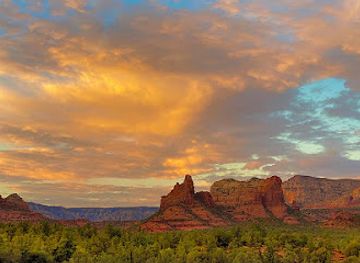
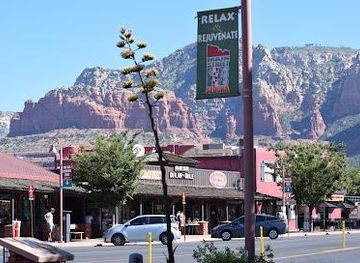
Red Rock Country’s attractions are shaped by the contrast between exposed sandstone and wooded high country. Sedona’s network of trails leads towards formations including Cathedral Rock, Bell Rock and Airport Mesa, while the Red Rock-Secret Mountain Wilderness offers longer routes through canyons, mesas and juniper country. Oak Creek Canyon adds shaded recreation, creekside scenery and a marked change in climate and vegetation as the road climbs north. The Coconino National Forest provides opportunities for walking, mountain biking, scenic driving, wildlife observation and photography, subject to local restrictions and seasonal conditions. Archaeological attractions such as Palatki Heritage Site and Honanki preserve masonry dwellings and rock art associated with the Sinagua cultural tradition; visitors should follow protective rules and avoid treating these places as climbing sites. In Sedona, galleries, studios, cultural exhibitions and wellness businesses broaden the visitor experience beyond outdoor recreation. The Village of Oak Creek is a convenient base for trails around Bell Rock and Courthouse Butte, while the surrounding Verde Valley offers a more open, lower-elevation landscape. Because distances, parking and trail access vary, a thoughtfully chosen selection of sites is more rewarding than attempting to see every famous formation.
-
National park
Grand Canyon National Park
Discover the breathtaking beauty and geological wonders of Grand Canyon National Park in Arizona, a must-visit destination for every nature lover.
-
Visitor center
Grand Canyon Visitor Center
Explore the Grand Canyon Visitor Center for stunning views, educational exhibits, and access to breathtaking hiking trails in Arizona's iconic landscape.
-
Zoo
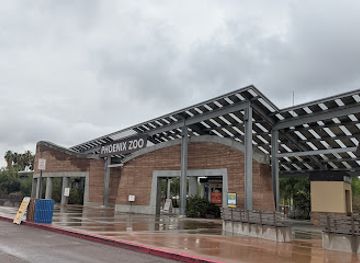
Phoenix Zoo
Discover incredible wildlife and interactive exhibits at Phoenix Zoo, a premier family-friendly tourist attraction in the heart of Arizona.
-
Catholic church
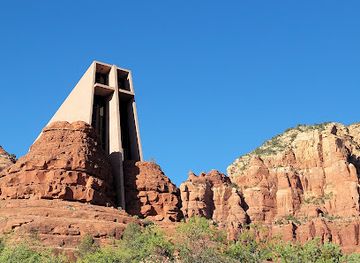
Chapel of the Holy Cross
Discover spiritual tranquility and breathtaking views at the iconic Chapel of the Holy Cross in Sedona, Arizona, a must-visit destination for all travelers.


Best landmarks in Red Rock Country
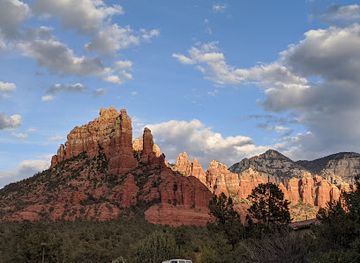
Sedona’s most recognisable landmarks are the formations that define its skyline. Cathedral Rock rises in a series of red sandstone towers above Oak Creek and is one of the region’s emblematic views, while Bell Rock and Courthouse Butte form a distinctive pair near the Village of Oak Creek. Airport Mesa provides a broad elevated outlook over the central red-rock basin, and Snoopy Rock is a naturally sculpted formation visible from parts of Sedona. Oak Creek Canyon is a landmark on a larger geographical scale: its steep walls, riparian vegetation and winding road mark the transition from Sedona’s dry valley towards the higher forests north of the region. The Chapel of the Holy Cross, built into the red-rock landscape in the 1950s, is an important example of modern religious architecture. Palatki and Honanki are significant archaeological landmarks because their masonry remains and rock art record long Indigenous histories rather than merely providing scenic viewpoints. Together these places express the region’s geological, cultural and architectural identity.
-
National park
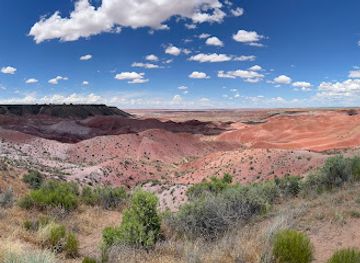
Petrified Forest National Park
Discover ancient petrified forests, vibrant painted deserts, and fascinating cultural history in Arizona's mesmerizing national park.
-
Ghost town
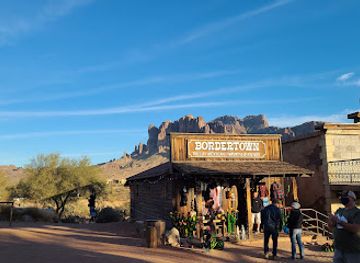
Goldfield Ghost Town and Mine Tours Inc.
Step back in time at Goldfield Ghost Town: Experience Arizona's Wild West history with mine tours, gunfights, and scenic train rides.
-
National reserve
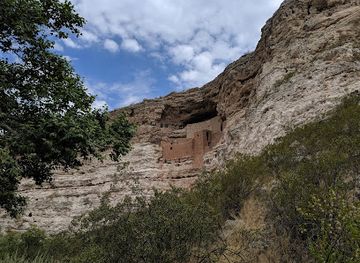
Montezuma Castle National Monument
Explore the ancient cliff dwellings of the Sinagua people at Montezuma Castle National Monument, a window into Arizona's rich Native American history.
-
Tourist attraction
Four Corners Monument
Stand in four states at once at this unique monument marking the intersection of Arizona, Colorado, New Mexico, and Utah. A must-see Southwest destination.

Explore Red Rock Country on the map
Plan your trip on one map. See where the top cities, national parks and sights are, and book hotels and experiences in a few clicks.
Best hotels in Red Rock Country
Best restaurants in Red Rock Country
Dining in Red Rock Country ranges from casual cafés and pizzerias to Southwestern restaurants, contemporary dining rooms, traditional American grills and rural-style inns. Menus commonly draw on regional influences through ingredients such as green or red chilli, beans, corn, mesquite, prickly pear and locally sourced produce, although the area’s food culture is diverse rather than defined by one single dish. Sedona has the broadest choice, including vegetarian, vegan and international cooking, while the Village of Oak Creek offers restaurants convenient to visitors staying near the southern trailheads. Small producers, farm stands and seasonal orchard products connect the dining scene with the agricultural history of Oak Creek and the Verde Valley. Breakfast cafés are useful before early hikes, and many establishments cater to visitors with packed meals or lighter options, but availability can be limited outside the main settlements. Reservations are sensible for popular evening dining, especially during holiday periods, and standard US tipping customs apply.
-
American
Culinary Dropout
Experience the best of American cuisine at Culinary Dropout in Tempe—delicious food, vibrant atmosphere, and live music await you.
-
Restaurant
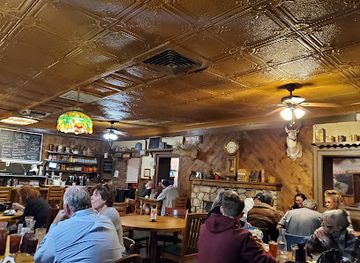
Rock Springs Café
Discover Rock Springs Café: where homemade pies meet rustic charm in Black Canyon City, Arizona.
-
American
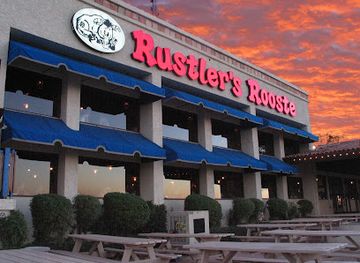
Rustler’s Rooste
Discover Rustler’s Rooste in Phoenix: where Western charm meets delicious American cuisine amid stunning desert vistas.
-
Steak
San Tan Flat
Experience exceptional steaks and lively atmosphere at San Tan Flat in Queen Creek, Arizona – perfect for families and food lovers alike.


Best bars in Red Rock Country
Evenings in Red Rock Country generally centre on restaurants, hotel lounges, breweries, wine bars and traditional pubs rather than a large nightclub scene. Sedona has the widest choice, with venues offering cocktails, Arizona beer, live music and views of the surrounding formations, while the Village of Oak Creek has a smaller, more localised selection. Some establishments close earlier than visitors might expect from a major city, and options become more limited in Oak Creek Canyon and rural areas. The region’s nightlife is also shaped by its outdoor culture: many visitors dine after sunset, attend gallery events or seek dark skies rather than stay out late. Alcohol is not central to every evening, and wellness businesses, performances, stargazing and quiet accommodation provide alternatives. Visitors driving between communities should plan transport in advance and never drive after drinking.
-
Latin American
Mariposa Latin Inspired Grill
Experience the vibrant flavors of Latin American cuisine at Mariposa Latin Inspired Grill, where every dish is a celebration of taste and ambiance in Sedona.
-
American
The Hudson
Discover The Hudson in Sedona: An exquisite American restaurant offering stunning views, delectable cuisine, and a vibrant bar atmosphere.
-
Italian
Hideaway House
Experience authentic Italian cuisine in the heart of Sedona at Hideaway House, where every meal is an unforgettable culinary journey.
-
Mexican
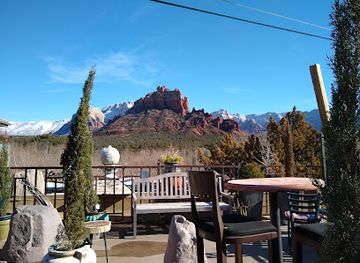
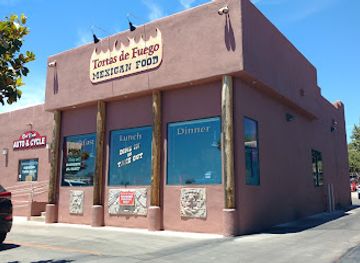
Tortas de Fuego West Sedona
Experience the vibrant flavors of authentic Mexican cuisine at Tortas de Fuego West Sedona, a culinary haven in the heart of Arizona.
Best nightclubs in Red Rock Country
Evenings in Red Rock Country generally centre on restaurants, hotel lounges, breweries, wine bars and traditional pubs rather than a large nightclub scene. Sedona has the widest choice, with venues offering cocktails, Arizona beer, live music and views of the surrounding formations, while the Village of Oak Creek has a smaller, more localised selection. Some establishments close earlier than visitors might expect from a major city, and options become more limited in Oak Creek Canyon and rural areas. The region’s nightlife is also shaped by its outdoor culture: many visitors dine after sunset, attend gallery events or seek dark skies rather than stay out late. Alcohol is not central to every evening, and wellness businesses, performances, stargazing and quiet accommodation provide alternatives. Visitors driving between communities should plan transport in advance and never drive after drinking.
-
Night club
Club Encounters
Discover the energetic nightlife at Club Encounters, a premier night club in Phoenix, Arizona, offering unforgettable dance and social experiences.
-
Gay night club
Karamba Nightclub
Dive into the colorful nightlife at Karamba Nightclub, a top gay club in Phoenix where great music and a welcoming vibe create unforgettable nights!
-
Night club
Xantolo Night Club
Discover the electrifying nightlife of Xantolo Night Club in Phoenix, AZ, where great music and unforgettable experiences await.
-
Gay night club
The Cash Nightclub & Lounge
Discover the heart of Phoenix's nightlife at The Cash Nightclub & Lounge, an inclusive gay nightclub filled with energy, music, and unforgettable experiences.



Best shops in Red Rock Country
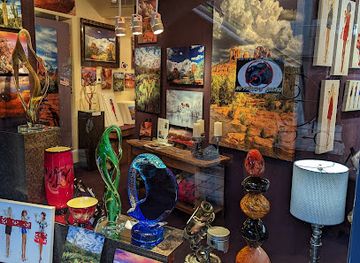
Shopping in Red Rock Country is concentrated in Sedona, where galleries, jewellery shops, independent boutiques, bookshops, wellness retailers and stores selling Southwestern-inspired art occupy areas such as Uptown, Hillside and Tlaquepaque. The best purchases are often connected with the region’s creative community: paintings, photography, ceramics, textiles, sculpture, locally made jewellery and carefully selected Native American art from reputable sellers. Visitors should ask about provenance and avoid products that imitate or misrepresent Indigenous designs. The Village of Oak Creek has a smaller selection of practical shops, galleries and food outlets, while farm stands and seasonal sellers around Oak Creek may offer apples, preserves and other regional produce. Prices and styles vary widely, from inexpensive souvenirs to substantial original works. Markets and individual businesses can change seasonally, so current opening arrangements are worth checking, particularly outside central Sedona.
-
Shopping mall
Tlaquepaque Arts & Shopping Village
Discover the artistic heart of Sedona at Tlaquepaque Arts & Shopping Village, where unique shops and exquisite dining await.
-
Art gallery
Son-Silver-West Galleries Inc
Discover the vibrant art scene at Son-Silver-West Galleries Inc, a must-visit gallery in Sedona showcasing stunning local masterpieces.
-
Shopping mall
Hillside Sedona Shopping Center
Explore Hillside Sedona Shopping Center: a vibrant destination for shopping, art, and dining amidst Sedona's stunning red rock landscapes.
-
Shopping mall
Sinagua Plaza
Experience the vibrant shopping and dining at Sinagua Plaza, surrounded by Sedona's stunning red rock scenery for a memorable visit.


Get your free copy of our complete guide to Red Rock Country, delivered straight to you.
Everything on this page, from attractions and restaurants to essentials and local phrases, in one PDF you can read offline, print or share.
Already have an account? Sign in
Your Red Rock Country guide is ready.
We'll send it to · Not you? Sign out

Getting your guide ready…
We are putting together a fresh copy of the Red Rock Country guide. This can take up to a minute.
This can take a few moments. If your browser asks, choose Allow so the download can start. You'll find the guide in your Downloads folder.
Nothing happened? Download it again
Sorry, the guide is taking longer than usual. Please try again in a minute, or get it by email instead.
Red Rock Country essentials
Currency and Payment
Safety
Emergency Situations
Do's and Don'ts
Local Tips
From Eve
Local phrases worth knowing
You don't need to get them perfect. A few words go a long way, and locals appreciate the effort.
Basics
| English | Local | Say it |
|---|---|---|
| Hello | Yá'át'ééh | [yah-tay] |
| Goodbye | Hágoónee' | [hah-goh-nee] |
| Yes | Aoo' | [ah-oh] |
| No | Doo' | [doo] |
| Please/You're welcome | T'áá shoodí | [tah shoh-dee] |
| Thank you | Ahéhee' | [ah-heh-eh] |
| Excuse me/Sorry | Navajo: Ahehee' | [ah-heh-eh] |
| How are you? | K'éí yá'át'ééh? | [keh-ee yah-tay] |
| Fine. And you? | Yá'át'ééh. Nahasdzaan? | [yah-tay nah-has-zahn] |
| Do you speak English? | T'áá shikaadééł nihíji'ígíí? | [tah shee-kah-deh nee-hee-ji-ih] |
| I don't understand | T'áá shí éí nizhóní | [tah shee ay nee-zhoh-nee] |
Eating & Drinking
| English | Local | Say it |
|---|---|---|
| I'd like to see the menu, please | T'áá shoodí menu áyóó íiyisí? | [tah shoh-dee men-oo ah-yoh ee-yee-see] |
| I don't eat meat | T'áá shí éí naashá? | [tah shee ay nah-shah] |
| Cheers! | Ahéhee'! | [ah-heh-eh] |
| I would like to pay, please | T'áá shoodí k'eezda' áyóó íiyisí. | [tah shoh-dee keh-eh-zda ah-yoh ee-yee-see] |
Emergencies
| English | Local | Say it |
|---|---|---|
| Help! | T'áá'ííshní! | [tah ee-eesh-nee] |
| Go away! | Náshdóóh! | [nah-sh-doh] |
| Call the Police! | Polis yéego t'áá'ííshní. | [poh-lis yay-go tah ee-eesh-nee] |
| Call a doctor! | Dókt'į́ yéego t'áá'ííshní. | [dohk-tih yay-go tah ee-eesh-nee] |
| I'm lost | T'áá shí éí nitsíí' | [tah shee ay nee-tsi] |
| I'm ill | T'áá shí éí nits'íís. | [tah shee ay nee-ts'ees] |
Shopping
| English | Local | Say it |
|---|---|---|
| I'd like to buy... | T'áá shoodí bilagáana ... | [tah shoh-dee bee-lah-gah-nah] |
| I'm just looking | T'áá shí éí naashá. | [tah shee ay nah-shah] |
| How much is it? | Hólǫ́ holne'? | [ho-loh hohl-neh] |
| That's too expensive | T'áá'íiyisí hólǫ́. | [tah ee-yee-see hoh-loh] |
| Can you lower the price? | T'áá shikaadééł hólǫ́ nishłį́? | [tah shee-kah-deh hoh-loh nish-lin] |
Time & Numbers
| English | Local | Say it |
|---|---|---|
| What time is it? | Dííjool'ííh? | [dee-joh-lee] |
| It's one o'clock | Dííjool'ííh t'áá'íí. | [dee-joh-lee tah-ee] |
| Half past (10) | T'áá'ííh naakiih. | [tah-ee nah-kee] |
| Morning | Yá'át'ééh t'áá'íí. | [yah-tay tah-ee] |
| Afternoon | T'áá'ííh yéego. | [tah-ee yay-go] |
| Evening | T'áá'ííh nahasdzáá. | [tah-ee nah-has-zah] |
| Yesterday | T'áá'ííh naashá. | [tah-ee nah-shah] |
| Today | T'áá'ííh doo. | [tah-ee doo] |
| Tomorrow | T'áá'ííh to'ó. | [tah-ee toh-oh] |
| 1 | T'áá' | [tah] |
| 2 | Naaki | [nah-kee] |
| 3 | T'áá'íiyisí | [tah-ee-yee-see] |
| 4 | Naak'id | [nah-keed] |
| 5 | Naak'ííh | [nah-kee] |
| 6 | Naak'ááh | [nah-kah] |
| 7 | Naak'óóh | [nah-koh] |
| 8 | Naak'óóh naaki | [nah-koh nah-kee] |
| 9 | Naak'óní | [nah-koh-nee] |
| 10 | Naak'áh naaki | [nah-kah nah-kee] |
Transport & Directions
| English | Local | Say it |
|---|---|---|
| Where's a/the...? | Dííjool'ííh ...? | [dee-joh-lee] |
| What's the address? | Dííjool'ííh t'áá'ííh? | [dee-joh-lee tah-ee] |
| Can you show me (on the map)? | T'áá shikaadééł yéego ...? | [tah shee-kah-deh yay-go] |
| When's the next (bus)? | Dííjool'ííh t'áá'ííh (bus)? | [dee-joh-lee tah-ee bus] |
| A ticket (to ....) | T'áá shoodí bilagáana (....) | [tah shoh-dee bee-lah-gah-nah] |
History of Red Rock Country
Sinagua Communities and Ancient Farming
For many centuries, communities now identified by archaeologists as Sinagua lived across the Verde Valley and the uplands around present-day Red Rock Country. They farmed maize, beans and squash, gathered wild plants and used the region’s springs, creeks and sheltered rock formations. Sites such as Palatki and Honanki preserve cliff dwellings, masonry rooms and rock art associated with this wider cultural landscape. The term Sinagua is an archaeological label rather than a name used by a single surviving nation, and the region also forms part of the ancestral landscape recognised by contemporary Indigenous peoples, including the Hopi and Yavapai-Apache.
Indigenous Continuity and Contact
The Verde Valley remained an Indigenous homeland after the communities archaeologists call Sinagua had changed or moved. Yavapai people maintained deep connections with the central Arizona uplands, while Apache peoples also travelled and lived across the broader region. Spanish expeditions entered Arizona from the seventeenth century onwards, followed later by Mexican and United States territorial administration. Contact brought disease, displacement and conflict, and nineteenth-century military campaigns severely disrupted Indigenous life. Those histories remain important when interpreting archaeological sites, public lands and the modern tourism economy.
Territorial Settlement and Sedona’s Founding
After the United States acquired and administered the area during the nineteenth century, ranching, farming and small-scale settlement expanded in the Verde Valley. Sedona was named for Sedona Schnebly, whose husband, Theodore, helped establish a settlement there; the town was formally named in 1902. Oak Creek’s water supported orchards and agricultural activity, while the surrounding forests supplied timber and grazing opportunities. The early settlement was small and dispersed, but its spectacular setting gradually attracted artists, photographers and visitors.
Orchards, Roads and Early Tourism
Apple orchards became an important part of Oak Creek’s agricultural economy during the early twentieth century, particularly in the cooler canyon and upland areas. Improved roads connected Sedona more closely with the Verde Valley and northern Arizona, encouraging scenic travel and seasonal visitation. The construction and improvement of routes through Oak Creek Canyon helped turn an isolated settlement into a recognised travel destination. Agriculture later declined in economic importance, but orchard landscapes, farm stands and local food traditions remain part of the region’s cultural memory.
Film, Art and the Growth of Sedona
During the twentieth century, Red Rock Country became a popular setting for western films, landscape photography and painting. Sedona’s scenery provided a recognisable visual shorthand for the American Southwest, while artists and craftspeople helped establish the town’s gallery culture. Roads, accommodation and public-land access expanded as automobile tourism grew. The region’s popularity brought prosperity but also pressure on water, roads, housing and fragile landscapes, issues that continue to shape local discussions about development and visitor management.
Spiritual Tourism and Contemporary Red Rock Country
From the late twentieth century, Sedona gained an international reputation for alternative spirituality, wellness practices and beliefs connected with supposed energy sites or vortexes. These ideas are not scientific descriptions of the geology, but they have become part of the area’s commercial and cultural identity. Today, Red Rock Country combines outdoor recreation, Indigenous heritage, arts, hospitality and spiritual tourism. Its modern story is therefore one of both cultural diversification and increasing pressure on a small community surrounded by heavily visited public land.
Red Rock Country in Photos
Browse through our photo collection highlighting the charm and character of the destination.
Neighbouring regions of Red Rock Country
The closest regions to Red Rock Country, if you have time for more than one.
-

-

-

-

-


Swipe for more regions
Explore more

Explore more of Arizona
Discover Arizona: From the majestic Grand Canyon and red rocks of Sedona to the vibrant cities of Phoenix and Scottsdale, explore the diverse beauty and culture of the Grand Canyon State.
Explore Arizona