

Aparan Reservoir Travel Guide - Free Web & App
Your ultimate guide to Aparan Reservoir. Discover top landmarks, proposed trips, and local tips. Free on the web or via the Evendo companion app.


Aparan Reservoir in Armenia offers mountain scenery, quiet lakeside walks, rural landscapes and access to Aparan, Aragats and northern Armenian heritage.
A Mountain Reservoir in Aragatsotn
Aparan Reservoir lies in Armenia’s Aragatsotn Province, close to the town of Aparan and beside the Kasagh River. Created in the Soviet period for irrigation and water management, the reservoir occupies a broad upland basin framed by the volcanic landscapes of Mount Aragats and the northern slopes of the Armenian highlands. Its character changes markedly with the seasons: spring brings greener pasture and clearer mountain light, while summer produces a wide, open landscape of dry grasses, deep blue water and long views across the plateau.Read more about Aparan Reservoir
Landscape and Local Life
Heritage near the Reservoir
When is the best time to visit Aparan Reservoir?
Best: June–August · 23–25°C| Month | High (°C) | Rainfall (mm) |
|---|---|---|
| January | 1 | 25 |
| February | 1 | 22 |
| March | 6 | 20 |
| April | 12 | 16 |
| May | 17 | 13 |
| June (best) | 23 | 10 |
| July (best) | 25 | 9 |
| August (best) | 25 | 10 |
| September | 20 | 14 |
| October | 13 | 17 |
| November | 6 | 20 |
| December | 2 | 23 |
Getting to and around Aparan Reservoir
How to get there
Transportation
Explore Aparan Reservoir on the map
Plan your trip on one map. See where the top attractions, landmarks, restaurants and hotels are, and book hotels and experiences in a few clicks.
Best hotels in Aparan Reservoir
Best restaurants in Aparan Reservoir
Dining around Aparan Reservoir is modest and concentrated in Aparan and along the main road rather than on the water’s edge. Travellers are most likely to find Armenian home-style cooking, grilled meats, soups, salads, bread, dairy products and seasonal fruit in small restaurants, cafés or roadside establishments serving local communities and passing traffic. The surrounding uplands support livestock keeping and agriculture, so regional produce and simple rural dishes are more characteristic than a specialised lakeside cuisine. Visitors planning a longer drive should carry water and snacks, since food options become less predictable away from the town and M3. For a broader choice of Armenian and international dining, Yerevan remains the country’s principal culinary centre, but it is outside the immediate reservoir area. Local hospitality may include tea, coffee and preserved or baked foods, although menus and payment methods vary between establishments.
-
Restaurant
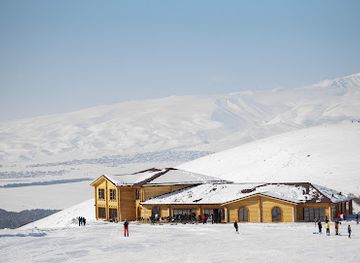
Taq Tegh Restaurant
Experience authentic Armenian cuisine at Taq Tegh Restaurant in Yeghipatrush, where every dish tells a story of tradition and flavor.
Best nightclubs in Aparan Reservoir
Aparan Reservoir has no established nightlife district and should not be approached as an evening entertainment resort. After dark, the atmosphere is rural and quiet, with the most realistic options found in Aparan’s cafés, restaurants and ordinary local gathering places rather than dedicated clubs or late-night venues. Some roadside establishments may remain useful for a meal or drink while travelling, but opening patterns and services can vary, especially outside the main town. Visitors staying in the area generally spend evenings at guesthouses or other accommodation, watching the changing light over the highlands or travelling onward. Larger towns and Yerevan offer a wider range of bars, live music and cultural entertainment, but these are separate destinations rather than facilities at Aparan Reservoir.
-
Night club
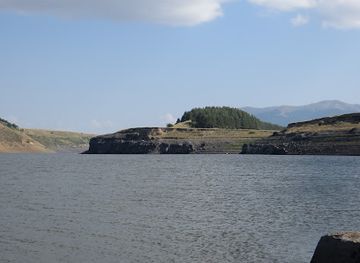
Рыбалка Апаран
Discover the buzzing nightlife at Рыбалка Апаран, a vibrant night club in Armenia, where music, dancing, and fun come together for an unforgettable experience.
Get your free copy of our complete guide to Aparan Reservoir, delivered straight to you.
Everything on this page, from attractions and restaurants to essentials and local phrases, in one PDF you can read offline, print or share.
Already have an account? Sign in
Your Aparan Reservoir guide is ready.
We'll send it to · Not you? Sign out

Getting your guide ready…
We are putting together a fresh copy of the Aparan Reservoir guide. This can take up to a minute.
This can take a few moments. If your browser asks, choose Allow so the download can start. You'll find the guide in your Downloads folder.
Nothing happened? Download it again
Sorry, the guide is taking longer than usual. Please try again in a minute, or get it by email instead.
Aparan Reservoir essentials
Currency and Payment
Safety
Emergency Situations
Do's and Don'ts
Local Tips
From Eve
Local phrases worth knowing
You don't need to get them perfect. A few words go a long way, and locals appreciate the effort.
Basics
| English | Local | Say it |
|---|---|---|
| Hello | բարև | [barev] |
| Goodbye | հրաժեշտ | [hradzhest] |
| Yes | այո | [a yo] |
| No | ոչ | [voch] |
| Please/You're welcome | խնդրում եմ | [khndrum em] |
| Thank you | Շնորհակալ եմ | [shnorhakal em] |
| Excuse me/Sorry | Ներքո՜ւմ եմ/Ներքո՜ւմ | [nerkum em/nerkum] |
| How are you? | Ինչ ես գութիւնը | [inch es gutiuny] |
| Fine. And you? | Բարի եմ. Ինչ մէկ ես | [bari em. inch mek es] |
| Do you speak English? | Անգլերեն խօսիք | [angleren khosik] |
| I don't understand | Ես չեմ հասկանում | [es chem haskanum] |
Eating & Drinking
| English | Local | Say it |
|---|---|---|
| I'd like to see the menu, please | Խորհուրդ ուզում եմ, խնդրում եմ | [khorurd uzum em, khndrum em] |
| I don't eat meat | Ես մես չուտում | [es mes chutum] |
| Cheers! | Ձեր առողջանությունը | [dzer aroghjanutyuny] |
| I would like to pay, please | Վճարել ուզում եմ, խնդրում եմ | [vcharrel uzum em, khndrum em] |
Emergencies
| English | Local | Say it |
|---|---|---|
| Help! | Օրհներգ | [orhnerk] |
| Go away! | Փախչեք | [pakhchek] |
| Call the Police! | Զինվոր կանչեք | [zinvor kanchek] |
| Call a doctor! | Բժշկ կանչեք | [bzhs kanchek] |
| I'm lost | Կորտնել եմ | [kortnel em] |
| I'm ill | Գինի եմ | [gini em] |
Shopping
| English | Local | Say it |
|---|---|---|
| I'd like to buy... | Խնդրում եմ գնել... | [khndrum em gnel...] |
| I'm just looking | Միայն տեսնում եմ | [miayn tesnum em] |
| How much is it? | Քանի է այն | [kani e ayn] |
| That's too expensive | Դա շատ թանկ է | [da shat tank e] |
| Can you lower the price? | Առաքել կափարերը կարեսե՞լ եք | [arakel kaparery karesel ek] |
Time & Numbers
| English | Local | Say it |
|---|---|---|
| What time is it? | Որ ժամ է | [vor jam e] |
| It's one o'clock | Երեսում է | [eressum e] |
| Half past (10) | Քսան ջոկան է | [qsan jokan e] |
| Morning | Առավոտ | [aravot] |
| Afternoon | Կեսգիր | [keskir] |
| Evening | Երեկո | [erekho] |
| Yesterday | Երեկ | [erek] |
| Today | Այսօր | [aysor] |
| Tomorrow | Վաղը | [vage] |
| 1 | մեկ | [mek] |
| 2 | երկու | [erku] |
| 3 | երեք | [ereq] |
| 4 | չորս | [chors] |
| 5 | հինգ | [hing] |
| 6 | վեց | [vets] |
| 7 | յոթ | [yot] |
| 8 | ութ | [ut] |
| 9 | ինը | [iny] |
| 10 | տաս | [tas] |
Transport & Directions
| English | Local | Say it |
|---|---|---|
| Where's a/the...? | Որքա՜ն է... | [vorkan e] |
| What's the address? | Հասցեն ի՞նչ է | [hastsen inch e] |
| Can you show me (on the map)? | Կարեսե՞լ եք (քարտեզի վրա) | [karesel ek] |
| When's the next (bus)? | Երկար է հաջուկը | [erkar e hajuk e] |
| A ticket (to ....) | Կիտելու (մինչեւ ...) | [kitelu] |
History of Aparan Reservoir
An Upland Volcanic Basin
Aparan Reservoir belongs to the high volcanic landscape of central Armenia, a region formed by successive volcanic activity and later shaped by erosion, rivers and changing climate. The surrounding plateau lies beneath Mount Aragats, Armenia’s highest mountain, whose slopes influence the area’s broad views, pastures and seasonal watercourses. The Kasagh River drains the uplands and became central to the reservoir’s later purpose. This geological setting explains the open, elevated character of the landscape, although the reservoir itself is a modern human alteration rather than an ancient natural lake.
Early Christian and Medieval Heritage
The Aparan area formed part of a long-settled region at the centre of Armenian cultural and religious history. The Kasagh Basilica, near Aparan, is an early Christian monument associated with the development of Armenian church architecture and remains one of the most important historic structures in the local area. Settlements along the Kasagh valley also developed in relation to agriculture, pastoralism and routes crossing the highlands. Much of the earlier settlement pattern has been transformed over time, but churches, village landscapes and archaeological traces preserve the region’s connection with Armenia’s early Christian and medieval past.
The Battle of Aparan, 1918
Aparan is closely associated with the Battle of Aparan, fought in May 1918 during the wider conflict that followed the collapse of the Russian Empire and the advance of Ottoman forces into the South Caucasus. Armenian forces resisted the advance near Aparan, helping to prevent the capture of the approaches towards Yerevan. The battle is remembered in Armenian national history alongside the fighting at Sardarapat and Karakilisa. Memorials and commemorative references in the wider area connect the modern town and its surrounding landscape with the formation of the First Republic of Armenia.
The Reservoir in the Soviet Era
Aparan Reservoir was constructed during the Soviet period as part of the planned development of Armenia’s water resources. Its principal role has been connected with irrigation and regulation of the Kasagh River rather than leisure tourism. The project altered the valley’s hydrology and created the broad body of water visible today amid agricultural and grazing landscapes. This history remains important when interpreting the site: the reservoir is both a scenic highland feature and working infrastructure. Shoreline conditions, water levels and access can therefore vary, and not every part of the water’s edge is intended for recreation.
Modern Rural and Heritage Tourism
In recent decades, Aparan and the wider Aragatsotn region have become part of journeys linking Yerevan with Mount Aragats, northern Armenia and the country’s historic upland settlements. The reservoir benefits from this passing traffic but has not developed into a large resort destination. Visitors generally encounter a rural landscape of fields, pasture, roadside services and historic sites rather than a concentrated tourism complex. Contemporary interest centres on landscape photography, heritage excursions and access to the mountain environment, while responsible use of water, farmland and archaeological places remains essential.
Aparan Reservoir in Photos
Browse through our photo collection highlighting the charm and character of the destination.
Neighbouring destination travel guides
The closest destinations to Aparan Reservoir, if you have time for more than one.
-

-

-

-
-


Swipe for more destinations
Explore more

Explore more of Aragatsotn
Explore Aragatsotn’s medieval monasteries, volcanic highlands, orchards and Mount Aragats landscapes from historic Ashtarak and Aparan.
Explore Aragatsotn
Explore more of Armenia
Explore Armenia's ancient wonders, vibrant cities, and breathtaking landscapes. From historic monasteries to delicious cuisine, there's something for every traveler.
Explore Armenia