

Dilijan National Park Travel Guide - Free Web & App
Your ultimate guide to Dilijan National Park. Discover top landmarks, proposed trips, and local tips. Free on the web or via the Evendo companion app.


Dilijan National Park, Armenia, combines forested mountains, Lake Parz, medieval monasteries, wildlife habitats and rewarding walks near Dilijan.
Forested Landscapes and Mountain Air
Dilijan National Park occupies a broad, wooded section of northern Armenia, where the forested ranges of the Lesser Caucasus surround the town of Dilijan, the Aghstev valley and a series of rural settlements. The protected landscape is known for beech, oak and other mountain woodland, open meadows, clear streams and cool upland air, creating a marked contrast with Armenia’s drier central plains. Roads and footpaths lead towards viewpoints, picnic areas and natural features such as Lake Parz, a small mountain lake set among the trees.Read more about Dilijan National Park
Monasteries Among the Trees
Exploring the Park
When is the best time to visit Dilijan National Park?
Best: May–June, September · 22–28°C| Month | High (°C) | Rainfall (mm) |
|---|---|---|
| January | 3 | 22 |
| February | 5 | 19 |
| March | 10 | 24 |
| April | 17 | 27 |
| May (best) | 22 | 31 |
| June (best) | 28 | 35 |
| July | 30 | 40 |
| August | 29 | 41 |
| September (best) | 23 | 37 |
| October | 16 | 32 |
| November | 9 | 28 |
| December | 3 | 25 |
Getting to and around Dilijan National Park
How to get there
Transportation
Best attractions in Dilijan National Park
Dilijan is the park’s principal starting point, with woodland walks, the Aghstev valley and the restored historic buildings of Sharambeyan Street providing an introduction to the region’s mountain culture. Lake Parz is a popular forest-framed destination for a quiet lakeside visit and seasonal outdoor recreation, while the road towards Haghartsin leads to one of Armenia’s most significant medieval monastic complexes. In the village of Gosh, Goshavank combines religious architecture with the rural atmosphere of a mountain settlement, and nearby paths open views across wooded slopes and meadows. The landscape around Dilijan also includes smaller chapels, streams, picnic clearings and viewpoints reached by local roads or footpaths. Visitors should regard the park as a spacious, inhabited protected area rather than a single compact attraction: distances between sites are meaningful, and the character changes from town and valley to deep forest and upland countryside.
-
Hiking area
Դիմաց լեռ/Dimats Mountain
Hike to the summit of Dimats Mountain in Dilijan National Park for panoramic views and an unforgettable Armenian adventure.
-
Garden
Hidden blue swamp
Discover the tranquil beauty of Armenia's Hidden Blue Swamp in Teghut, a serene escape into nature's vibrant colors and peaceful landscapes.
-
 Hiking area
Champordi.Tnak
Discover breathtaking landscapes and serene trails at Champordi.Tnak, Dilijan's premier hiking destination in the heart of Armenia.
-
Hiking area
ZIP LINE
Soar through the 'Armenian Switzerland' on an exhilarating zip line, surrounded by breathtaking forests and mountain views in Dilijan National Park.


Best landmarks in Dilijan National Park
The most recognisable landmarks of Dilijan National Park are a combination of medieval stone architecture and forested mountain scenery. Haghartsin Monastery occupies a secluded wooded valley and contains several churches and supporting structures built or developed during the medieval period, making its setting as important to its character as its carved stonework. Goshavank, in Gosh village, is associated with Mkhitar Gosh and represents the area’s historic role as a centre of Armenian religious learning. Lake Parz is the park’s best-known natural landmark, a small upland lake enclosed by trees, while the Aghstev valley provides the geographical corridor around which Dilijan developed. Jukhtakvank, near Dilijan, adds a quieter ecclesiastical site to the region’s heritage, although access conditions should be checked locally. Forest ridges, streams and mountain clearings complete a landmark landscape defined by the relationship between nature and monastic culture.
-
Tourist attraction
Lake Parz
Discover the tranquil beauty of Lake Parz, a breathtaking natural attraction in Dilijan, Armenia, perfect for outdoor adventures and relaxation.
-
Hiking area
Թաքնված ջրվեժ
Escape to Dilijan's Hidden Waterfall: A serene hike through lush forests to a picturesque natural gem in Armenia's Tavush Province.
-
Historical landmark
King of the Forest
Discover the King of the Forest in Dilijan, Armenia: a unique sculpture blending art and nature in the heart of the 'Armenian Switzerland'.


Explore Dilijan National Park on the map
Plan your trip on one map. See where the top attractions, landmarks, restaurants and hotels are, and book hotels and experiences in a few clicks.
Best hotels in Dilijan National Park
Best restaurants in Dilijan National Park
Dining is concentrated in Dilijan and the villages along the principal routes rather than distributed throughout the national park. Restaurants, cafés and guesthouse kitchens in Dilijan commonly draw on Armenian staples such as grilled meats, dolma, khorovats, lavash, soups, salads, cheese, fresh herbs and seasonal fruit, while trout and other freshwater dishes may appear in the wider region without being available everywhere. Village establishments and family-run accommodation can offer a more informal setting, but opening arrangements and menus vary, particularly outside the main season. Visitors heading to Lake Parz, Haghartsin or Gosh should not rely on finding a full meal at the attraction itself; buying provisions in Dilijan is sensible. Local honey, preserves, dried fruit and dairy products may be available from small producers or shops around the gateway settlements.
-
Family-friendly
Ker u Sus
Discover the flavors of Armenia at Ker u Sus in Dilijan—a family-friendly restaurant renowned for its delectable khinkali and warm hospitality.
-
Restaurant
Kchuch Restaurant
Experience authentic Armenian cuisine at Kchuch Restaurant in Dilijan – where tradition meets taste in an enchanting setting.
-
Cafe
Cafe #2
Discover delicious Armenian cuisine at Cafe #2 in Dilijan – a perfect blend of flavors and ambiance for every traveler.
-
Hotel
Best Western Plus Paradise Hotel Dilijan
Experience unparalleled comfort and stunning nature at Best Western Plus Paradise Hotel in Dilijan - your gateway to Armenia's natural beauty.


Best nightclubs in Dilijan National Park
Evenings in Dilijan National Park are quiet and locally oriented rather than shaped by a dedicated nightlife district. Dilijan has the widest choice of places to spend the evening, including hotel lounges, cafés, restaurants and traditional-style pubs where visitors can meet residents or enjoy Armenian drinks and conversation. Guesthouses in Dilijan and nearby villages may provide a relaxed communal atmosphere, while rural evenings are more likely to centre on dinner, views, walks near the settlement and seasonal cultural activity than late-night entertainment. The park itself has no established concentration of nightclubs, and facilities become much scarcer at Lake Parz, Haghartsin and Gosh. Visitors staying outside Dilijan should arrange evening transport carefully rather than assuming that taxis or venues will be readily available.
-
Bar
Sovats Vozni
Experience the vibrant atmosphere and diverse drink selection at Sovats Vozni, the must-visit bar in Dilijan for an unforgettable night out.
-
Wine bar
Hovaz Wine Rooms
Discover the essence of Armenian viticulture at Hovaz Wine Rooms in Dilijan, where every sip tells a story of tradition and flavor.
-
Bar
The Kliver bar #1
Discover the vibrant nightlife of Dilijan at The Kliver Bar, where expertly crafted cocktails and a lively atmosphere await you.
-
Wine bar
The Kliver wine place
Discover the essence of Armenian wines at The Kliver Wine Place in Dilijan, a charming wine bar with stunning views and delightful selections.


Best shops in Dilijan National Park
Shopping opportunities are modest and focused on Dilijan rather than the protected landscape itself. The historic Sharambeyan Street area is associated with craft workshops, galleries and small businesses presenting Armenian handicrafts, artwork and locally styled souvenirs, while shops and markets in town are useful for food, walking supplies and everyday necessities. Visitors may also find honey, preserves, dried fruit, herbs, cheese and other regional produce through small retailers, guesthouses or farm-based sellers around Dilijan and neighbouring villages. Gosh and Haghartsin are primarily heritage and rural sites, not shopping centres, so purchases there may be limited to occasional local offerings or religious souvenirs. Product availability changes with season and business opening, and travellers going deeper into the park should buy essentials in Dilijan rather than expecting regular retail facilities beside trails or lakes.
-
Souvenir store
Nrani
Discover the essence of Armenia at Nrani, where handcrafted treasures showcase the country's rich cultural heritage.

Get your free copy of our complete guide to Dilijan National Park, delivered straight to you.
Everything on this page, from attractions and restaurants to essentials and local phrases, in one PDF you can read offline, print or share.
Already have an account? Sign in
Your Dilijan National Park guide is ready.
We'll send it to · Not you? Sign out

Getting your guide ready…
We are putting together a fresh copy of the Dilijan National Park guide. This can take up to a minute.
This can take a few moments. If your browser asks, choose Allow so the download can start. You'll find the guide in your Downloads folder.
Nothing happened? Download it again
Sorry, the guide is taking longer than usual. Please try again in a minute, or get it by email instead.
Dilijan National Park essentials
Currency and Payment
Safety
Emergency Situations
Do's and Don'ts
Local Tips
From Eve
Local phrases worth knowing
You don't need to get them perfect. A few words go a long way, and locals appreciate the effort.
Basics
| English | Local | Say it |
|---|---|---|
| Hello | Բարև | [Barev] |
| Goodbye | Ցտեսնություն | [Tsetsnutyun] |
| Yes | Այո | [Ayo] |
| No | Ոչ | [Voç] |
| Please/You're welcome | Խնդրում եմ/Բարի գալուստ | [Khndrum em/Bari galust] |
| Thank you | Շնորհակալ եմ | [Shnorhakal em] |
| Excuse me/Sorry | Ներքո | [Nerko] |
| How are you? | Ինչպես եք? | [Inchpes ek?] |
| Fine. And you? | Լավ եմ. Անդ դու? | [Lav em. And du?] |
| Do you speak English? | Կարող եք խոսել անգլերեն? | [Karogh ek khosel angleren?] |
| I don't understand | Ես չեմ հասկանում | [Yes chem haskanum] |
Eating & Drinking
| English | Local | Say it |
|---|---|---|
| I'd like to see the menu, please | Խնդրում եմ մենյունը տեսնել | [Khndrum em menyunə təsnel] |
| I don't eat meat | Ես միս չուտեմ | [Yes mis chutem] |
| Cheers! | Կէսանիր! | [Kesanir!] |
| I would like to pay, please | Խնդրում եմ վճարել | [Khndrum em vcharəl] |
Emergencies
| English | Local | Say it |
|---|---|---|
| Help! | Օրհնեք! | [Orhnekʿ!] |
| Go away! | Առաջ եթեր! | [Araǰ etʿer!] |
| Call the Police! | Ժամանել համակարգիչը! | [Zhamanel hamakargičʿə!] |
| Call a doctor! | Ժամանել բժշկին! | [Zhamanel bžškin!] |
| I'm lost | Ես մոռացել եմ | [Yes moracʿel em] |
| I'm ill | Ես հիվանդ եմ | [Yes hivand em] |
Shopping
| English | Local | Say it |
|---|---|---|
| I'd like to buy... | Խնդրում եմ գնել... | [Khndrum em gnel...] |
| I'm just looking | Ես միասին անմիջապես եմ | [Yes miassin anmijapes em] |
| How much is it? | Քանի է դառնալու? | [Qani ē daṙnaləw?] |
| That's too expensive | Այն շատ մեծ է | [Ayn šat mets ē] |
| Can you lower the price? | Դուք կարող եք առնել գինը? | [Dukʿ karogh ek arnel ginə?] |
Time & Numbers
| English | Local | Say it |
|---|---|---|
| What time is it? | Տեսակետ որպէս է? | [Tesaket orpes ē?] |
| It's one o'clock | Մեկը է | [Mekə ē] |
| Half past (10) | Քսան | [Qsan] |
| Morning | Առավոտ | [Aravot] |
| Afternoon | Կեսգիր | [Kesgir] |
| Evening | Երեկ | [Erek] |
| Yesterday | Երեկ | [Erek] |
| Today | այսօր | [aysor] |
| Tomorrow | վաղը | [vaġə] |
| 1 | մեկ | [mek] |
| 2 | երկու | [erku] |
| 3 | երեք | [erekʿ] |
| 4 | չորս | [čʿors] |
| 5 | հինգ | [hing] |
| 6 | վեց | [vecʿ] |
| 7 | յոթ | [yotʿ] |
| 8 | ութ | [utʿ] |
| 9 | ինը | [inə] |
| 10 | տաս | [tas] |
Transport & Directions
| English | Local | Say it |
|---|---|---|
| Where's a/the...? | Որտեղ է ...? | [Vortegh ē ...?] |
| What's the address? | Ինչ է հասցեն? | [Inch ē hascʿen?] |
| Can you show me (on the map)? | Դուք կարող եք ցուցադրել (քարտումում)? | [Dukʿ karogh ek tsʿutsʿadrel (kʿartumum)] |
| When's the next (bus)? | Երբ է հաջորդը (ավտոբուսը)? | [Yerb ē hajordə (awtobusə)?] |
| A ticket (to ....) | Բիլետ (մինչակի ...)? | [Bilet (minchaki ...)?] |
History of Dilijan National Park
A Mountain Landscape Shaped by Nature
Dilijan National Park lies within the Lesser Caucasus, a mountain system whose uplift, erosion and changing climate created the valleys, slopes and forest habitats seen today. The Aghstev valley provides the principal east–west axis through the region, while side valleys rise towards wooded ridges and upland lakes. Human history developed within this varied terrain rather than replacing it entirely: settlements occupied valley floors and cultivated clearings, while steeper slopes retained extensive woodland. The resulting landscape is a combination of natural forest, agricultural land, historic villages and routes linking northern Armenia with the Lake Sevan basin.
Medieval Monasteries and Learning
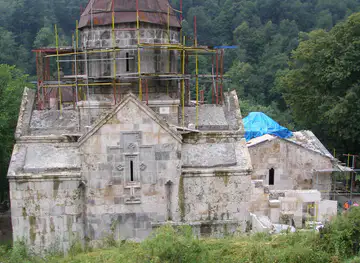
The area became an important setting for medieval Armenian religious and intellectual life. Haghartsin Monastery, hidden in a forested valley, developed between the tenth and thirteenth centuries and includes churches and supporting buildings from different phases of construction. In the village of Gosh, the monastery now known as Goshavank grew from the late twelfth century under the influence of Mkhitar Gosh, a prominent scholar, cleric and author of a celebrated Armenian legal code. These foundations served as places of worship, learning and manuscript culture, and their surviving stone architecture remains central to the identity of the park.
Villages, Roads and Rural Livelihoods
For centuries, communities in and around present-day Dilijan National Park relied on a mixture of farming, livestock keeping, forestry and crafts suited to a mountainous environment. Villages such as Gosh and Haghartsin developed in relation to water, cultivable valley land and routes between settlements. Dilijan expanded as a local centre on the Aghstev valley route, while the surrounding forests supplied resources and shaped the appearance of the region. The monasteries, chapels, bridges and village landscapes that remain visible today reflect this long relationship between religious institutions, rural communities and the wooded terrain.
Dilijan as a Resort Town
During the nineteenth and twentieth centuries, Dilijan acquired a reputation as a health and holiday resort, helped by its forested setting, relatively cool climate and mineral springs. The town’s role grew during the Soviet period, when Armenia’s mountain resorts received substantial investment and Dilijan became associated with sanatoriums, leisure and recuperation. This development brought more buildings and roads into the valley but did not eliminate the surrounding woodland. The historic Sharambeyan Street area, with its traditional-style buildings and craft-oriented character, reflects the town’s later cultural and tourism identity rather than the medieval history of the monasteries.
Protected Landscapes and Modern Tourism
Dilijan National Park was established in the early twenty-first century as part of Armenia’s protected-area network, bringing formal conservation attention to the forests, watersheds, meadows and wildlife habitats around Dilijan and neighbouring villages. Protection coexists with roads, settlements, agriculture, religious sites and recreation, so visitors encounter a lived-in cultural landscape rather than a completely closed wilderness. Contemporary tourism combines monastery visits, walking, nature observation and rural exploration. Conservation remains important because forestry, development, recreation and the protection of habitats must be balanced across a large and environmentally varied area.
Dilijan National Park in Photos
Browse through our photo collection highlighting the charm and character of the destination.
Cities in Dilijan National Park
The towns and cities of Dilijan National Park, and the easiest places to base yourself.
-

-


Swipe for more cities
Neighbouring destination travel guides
The closest destinations to Dilijan National Park, if you have time for more than one.
-
-

-

-

-


Swipe for more destinations
Explore more

Explore more of Tavush
Explore Tavush in Armenia for forested mountain valleys, medieval monasteries, Dilijan, Lake Parz and outdoor adventures near the Georgian border.
Explore Tavush
Explore more of Armenia
Explore Armenia's ancient wonders, vibrant cities, and breathtaking landscapes. From historic monasteries to delicious cuisine, there's something for every traveler.
Explore Armenia