

Geghard Monastery, Armenia Travel Guide
Discover the ancient rock-carved wonders of Geghard Monastery, a UNESCO World Heritage Site nestled in Armenia's picturesque mountains.
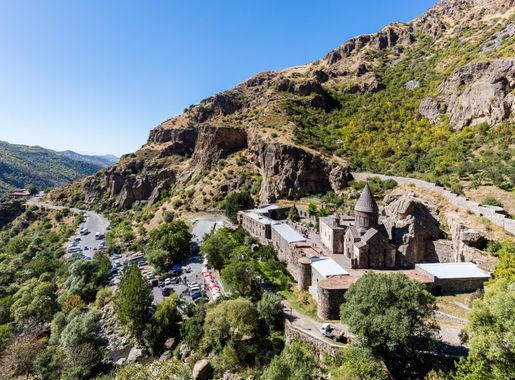
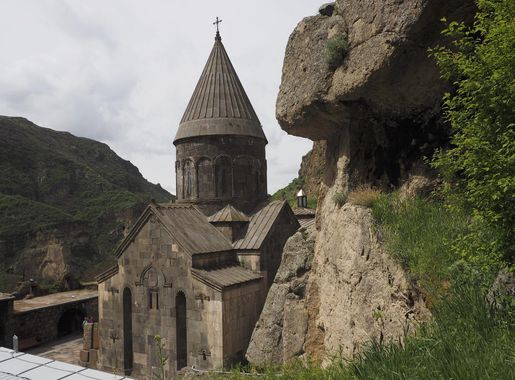
Nestled in the mountains of the Kotayk province, the Geghard Monastery is an enchanting site that dates back to the 4th century. This UNESCO World Heritage Site is renowned for its rock-carved churches and chapels that blend seamlessly with the natural landscape. The monastery was partly built into the cliffs, creating a serene and mystical atmosphere that captivates every visitor. One of the most striking features of Geghard is its intricate carvings and detailed stonework. The site includes various chapels, tombs, and halls, each with unique designs that reflect the rich history and culture of Armenia. The main chapel, built in the 13th century, showcases the architectural brilliance of the medieval period with its domed roofs and elaborate decorations. The surrounding area of Geghard is equally breathtaking. The monastery is located near the Azat River Gorge, offering stunning views of the cliffs and lush greenery. Visitors can also explore the nearby Garni Temple, another historic site that adds to the cultural richness of the region.

Know before you go
Hi, I'm Eve. Here are a few practical things to know before exploring Geghard Monastery.
- Visit early in the morning to avoid crowds and enjoy the serene atmosphere.
- Wear comfortable shoes, as the terrain around the monastery can be uneven.
- Bring a camera to capture the stunning views and intricate carvings.
- Combine your trip with a visit to the nearby Garni Temple for a full day of historical exploration.
- Check local weather forecasts, as the area can be chilly, especially in the early morning and late afternoon.
Explore Geghard Monastery: Things to Do, Places to Eat, Hotels & More
Handpicked recommendations for top attractions, local dining, accommodations, and more

Best attractions in Geghard Monastery
Top-rated picks
Best Attractions

Azat lake viewpoint
Discover breathtaking views of Azat Lake from this serene viewpoint, perfect for nature lovers and photographers seeking an escape in the Armenian Highlands.

Gegham Ridge
Explore Gegham Ridge: Armenia's volcanic highlands offer stunning views, hiking trails, and a glimpse into the country's rich natural and cultural history.

Դրախտ Գառնիում
Discover the wonders of Garni, Armenia: Explore ancient temples, breathtaking gorges, and a landscape rich in history and natural beauty.
Bird paradise
Discover Armenia's natural beauty at Bird Paradise in Garni, a haven for hikers and birdwatchers near the historic Garni Temple and stunning Garni Gorge.

Best landmarks in Geghard Monastery
Top-rated picks
Best Landmarks

Garni Historical and Cultural Museum
Discover Armenia's rich heritage at the Garni Historical and Cultural Museum, a cultural gem showcasing the nation's history and artistry.

Symphony of Stones
Discover the captivating Symphony of Stones in Garni, Armenia, a natural wonder showcasing stunning basalt columns and rich geological history.

Garni Temple
Explore Armenia's only Greco-Roman temple, a majestic monument to the sun god Mihr and a symbol of pre-Christian heritage.

Cross & View Point
Discover breathtaking panoramic views and tranquility at Cross & View Point in Mets Gilanlar, Armenia, a perfect escape for nature lovers and photographers.

Best restaurants in Geghard Monastery
Top-rated picks
Best Restaurants

Գեղարդ
Experience authentic Armenian cuisine at Geghard in Kotayk – where tradition meets flavor in every bite.

Merojakh family restaurant
Experience authentic Armenian flavors at Merojakh Family Restaurant in Garni – a culinary journey steeped in tradition.

Abelyan's House
Experience authentic Armenian cuisine at Abelyan's House in Garni – a culinary haven surrounded by stunning landscapes.

Aghbyuri Achq
Discover authentic Armenian cuisine at Aghbyuri Achq in Garni – a culinary journey through rich flavors and warm hospitality.

Best bars in Geghard Monastery
Top-rated picks
Best Bars
Beatles Pub Yerevan
Immerse yourself in the lively atmosphere of Beatles Pub Yerevan, where great food, drinks, and music come together in a unique setting.

Calumet Ethnic Lounge Bar
Experience the vibrant culture of Yerevan at Calumet Ethnic Lounge Bar, where drinks and live music come together in a cozy atmosphere.

DABOO Cocktail Bar
Discover DABOO Cocktail Bar in Yerevan for an unforgettable mixology experience with expertly crafted cocktails in a vibrant atmosphere.

El Sky Bar
Discover El Sky Bar, Yerevan's premier rooftop destination for stunning views, exquisite drinks, and a vibrant atmosphere perfect for any occasion.

Best nightclubs in Geghard Monastery
Top-rated picks
Best Nightclubs

Club 12
Experience the rhythmic pulse of Yerevan at Club 12, where live jazz meets exquisite Armenian and European cuisine in an unforgettable atmosphere.

Omega
Discover the electrifying nightlife at Omega Night Club in Yerevan, where unforgettable parties and vibrant energy come alive each night.

Stop Club
Experience the electrifying atmosphere of Stop Club, Yerevan's premier rock music venue, and enjoy unforgettable live performances.

Diva
Dive into Yerevan's nightlife at Diva, a premier night club with electrifying music and vibrant energy that keeps the party going till dawn.

Best shops in Geghard Monastery
Top-rated picks
Best Shops

Vernissage
Explore Vernissage in Yerevan: a dynamic market filled with unique Armenian crafts, delicious local delicacies, and cultural treasures.

Geghard Monastery
Explore the ancient Geghard Monastery, a UNESCO World Heritage site, nestled in Armenia's scenic cliffs, offering a blend of history, spirituality, and natural beauty.

4U.AM
Explore 4U.AM in Yerevan for unique gifts and delightful flower deliveries, capturing the essence of Armenian culture.

Noyan Tapan
Discover unique Armenian gifts and literature at Noyan Tapan, a charming gift shop and bookstore in the heart of Yerevan.

Explore Geghard Monastery on the Map
A handpicked selection of must-see spots in Geghard Monastery, mapped for you.
Geghard Monastery Essentials
-
Geghard Monastery is located in the Kotayk Province of Armenia, about 35 kilometers east of Yerevan. The nearest international airport is Zvartnots International Airport in Yerevan. From Yerevan, you can take a taxi, join a guided tour, or use public transportation. Buses and minibuses (marshrutkas) depart from the Gai Bus Station in Yerevan and head towards Garni; from there, you can take a taxi to the monastery. The entire journey typically takes around 1 to 1.5 hours.
-
While in Yerevan, you can easily reach Geghard Monastery by taking a taxi or joining an organized tour. For those relying on public transport, buses and marshrutkas are available but might require a transfer at Garni. Renting a car is another convenient option, giving you flexibility to explore the surrounding areas at your own pace. Parking is available near the monastery. For those who prefer a more active approach, consider hiking from Garni to Geghard, enjoying the scenic views along the way.
-
The official currency in Armenia is the Armenian Dram (AMD). While credit cards are increasingly accepted in Yerevan, it is advisable to carry cash when visiting more remote areas like Geghard Monastery. ATMs are available in larger towns, but it's wise to withdraw enough cash in Yerevan before your trip. Entrance to the monastery is free, but donations are appreciated.
-
Geghard Monastery is generally a safe destination for tourists. Standard precautions should be taken, such as not leaving valuables unattended and being cautious in crowded places. There are no specific high-crime areas targeting tourists around Geghard, but it is always best to stay aware of your surroundings. Avoid walking alone in remote areas after dark.
-
In case of an emergency, dial 911 for immediate assistance. The closest medical facilities are in Garni and Yerevan. It is advisable to have travel insurance that covers medical emergencies. For minor health issues, there are pharmacies in Garni and Yerevan where you can purchase over-the-counter medications.
-
Fashion: Do dress modestly, as Geghard Monastery is a religious site. Avoid wearing revealing clothing. Religion: Do respect local customs and traditions. Women should cover their heads when entering churches and monasteries. Public Transport: Do be respectful and offer your seat to elderly passengers. Don't eat or drink on public transport. Greetings: Do greet people politely, a handshake is customary. Eating & Drinking: Do try local delicacies and accept food offerings graciously. Don't refuse hospitality, as it is considered impolite.
-
To experience Geghard Monastery like a local, visit during early morning or late afternoon to avoid the tourist crowds. Engage with the local guides; they often have fascinating stories about the monastery's history and legends. Don't miss the chance to explore the nearby Garni Temple and the Azat River Gorge. Bring a reusable water bottle and fill it with the fresh spring water available at the monastery.
When is the best time to visit Geghard Monastery?
Useful Local Phrases for Geghard Monastery
You don't need to speak the language perfectly. Even learning a few simple words can make conversations warmer—and locals usually appreciate the effort.
— Eve

Here are the phrases I use most often in Geghard Monastery. Try a few—you'll be surprised how far they go! 😊
❤️
-
- Helloբարև
[barev] - Goodbyeբայց
[bayts] - Yesայո
[ayo] - Noոչ
[voch] - Please/You're welcomeխնդրում եմ/չկայ
[khndrum em/chkay] - Thank youշնորհակալ եմ
[shnorhakal em] - Excuse me/Sorryփախչեցիր
[pakhchetsir] - How are you?ինչպե՞ս եք
[inchpes ek] - Fine. And you?լավ, ի՞նչ վերջում
[lav, inch verchum] - Do you speak English?Անգլերեն խքեք
[Angleren khkhek] - I don't understandչեմ հասկանալ
[chem haskanal]
- Helloբարև
-
- I'd like to see the menu, pleaseԽնդրում եմ ճաշացրած ցանկը տեսնել
[Khndrum em chashatsrats tsankə təsnel] - I don't eat meatԵս միս չեմ ուտում
[Yes mis chem utum] - Cheers!Շնորհակալել!
[Shnorhakalel] - I would like to pay, pleaseԽնդրում եմ վճարել
[Khndrum em vcharəl]
- I'd like to see the menu, pleaseԽնդրում եմ ճաշացրած ցանկը տեսնել
-
- Help!Օգնեք
[Ognək] - Go away!Հետ գնաք
[Het gnak] - Call the Police!Զիջեք ով
[Ziže ōv] - Call a doctor!Զիջեք բժիշկ
[Ziže bžišk] - I'm lostԲուշ եմ
[Buš em] - I'm illԱխորժական եմ
[Axoržakan em]
- Help!Օգնեք
-
- I'd like to buy...Խնդրում եմ գնել...
[Khndrum em gnel...] - I'm just lookingմիայն դիտում եմ
[miayn ditum em] - How much is it?Ուրիշը էս առնելու
[Urishə es arnəlu] - That's too expensiveԱյդ շահ է
[Ayt shah e] - Can you lower the price?Արթուր կարելվե՞լ
[Artur karelvel]
- I'd like to buy...Խնդրում եմ գնել...
-
- What time is it?Որ ժամը է
[Vor žamy e] - It's one o'clockՄեկ ժամ է
[Mek žam e] - Half past (10)Կյանքը տասը
[Kyankə tasə] - Morningառավոտ
[aravot] - Afternoonառավոտյան
[aravotyan] - EveningԵրեկո
[Erekə] - Yesterdayերեկ
[erek] - Todayայսօր
[aysor] - Tomorrowվաղը
[vaġə] - 1մեկ
[mek] - 2երկու
[erku] - 3երեք
[ereq] - 4չորս
[č̣ors] - 5հինգ
[hing] - 6վեց
[vets] - 7յոթ
[yot] - 8ութ
[ut] - 9ինը
[inə] - 10տաս
[tas]
- What time is it?Որ ժամը է
-
- Where's a/the...?Այստեղ է...
[Aystegh e...] - What's the address?Շանաչիքը ի՞նչ է
[Šanatšikə inch e] - Can you show me (on the map)?Դուք կարող եք ցուցադրել (քարտեզի վրա)
[Duk karoġ ek tsutsadrel (kartezə vra)] - When's the next (bus)?Ի՞նչ ժամանակ է հաջորդը (ավտոբուսը)
[Inč žamanaək e haǰordə (avtobusə)] - A ticket (to ....)Բիլետ (մինչեւ ...)
[Bilet (minčew ...)]
- Where's a/the...?Այստեղ է...
History of Geghard Monastery
-
Geghard Monastery, also known as 'Monastery of the Spear,' is believed to have been founded in the 4th century by Gregory the Illuminator, who is credited with converting Armenia to Christianity. The site originally housed a sacred spring inside a cave, which became a place of pilgrimage.
-
The monastery saw significant expansion during the 12th and 13th centuries under the patronage of the Zakarian princes. The main chapel, Katoghike, was constructed in 1215. This period also saw the addition of numerous churches and tombs carved directly into the surrounding cliffs, showcasing unique medieval Armenian architecture.
-
Geghard Monastery is named after the Holy Lance (Geghard), which is said to have pierced the side of Jesus Christ during his crucifixion. The lance was purportedly brought to Armenia and kept at Geghard Monastery for many years, adding to its spiritual significance.
-
In the 13th century, the monastery faced threats from Mongol invasions. Despite these challenges, Geghard remained a significant religious and cultural center, protected by its remote and fortified location in the Azat River gorge.
-
Geghard Monastery is renowned for its intricate khachkars (cross-stones) and carvings, which adorn its walls and courtyards. The site also contains numerous manuscripts and relics, reflecting its role as a center of learning and artistic production during medieval times.
-
In 2000, Geghard Monastery and the Upper Azat Valley were inscribed as a UNESCO World Heritage Site, recognizing their outstanding universal value. The complex is celebrated for its unique rock-cut architecture and the natural beauty of its surroundings.
Neighbouring destination travel guides
Browse our curated selection of top destinations, scenic points, and must-visit spots in the area.



Your all‑in‑one travel companion app
Explore expert travel guides, compare and book tours, experiences, hotels, and more—all from the palm of your hand. Download now for seamless trip planning wherever your wanderlust takes you.


Explore More of Ararat

Looking beyond Geghard Monastery? Discover Ararat for broader travel guides, local hot-spots, and regional highlights.
Explore AraratExplore More of Armenia

Looking beyond Geghard Monastery? Discover Armenia for broader travel guides, local hot-spots, and regional highlights.
Explore ArmeniaGeghard Monastery in Photos
Browse through our photo collection highlighting the charm and character of the destination.




Geghard Monastery: Armenia's Spiritual Jewel
Nestled in the mountains of the Kotayk province, the Geghard Monastery is an enchanting site that dates back to the 4th century. This UNESCO World Heritage Site is renowned for its rock-carved churches and chapels that blend seamlessly with the natural landscape. The monastery was partly built into the cliffs, creating a serene and mystical atmosphere that captivates every visitor. One of the most striking features of Geghard is its intricate carvings and detailed stonework. The site includes various chapels, tombs, and halls, each with unique designs that reflect the rich history and culture of Armenia. The main chapel, built in the 13th century, showcases the architectural brilliance of the medieval period with its domed roofs and elaborate decorations. The surrounding area of Geghard is equally breathtaking. The monastery is located near the Azat River Gorge, offering stunning views of the cliffs and lush greenery. Visitors can also explore the nearby Garni Temple, another historic site that adds to the cultural richness of the region.