Museum of National Architecture and Urban Life: A Glimpse into Gyumri's Soul
Step back in time at Gyumri's Museum of National Architecture, exploring the city's vibrant history and unique architectural heritage.
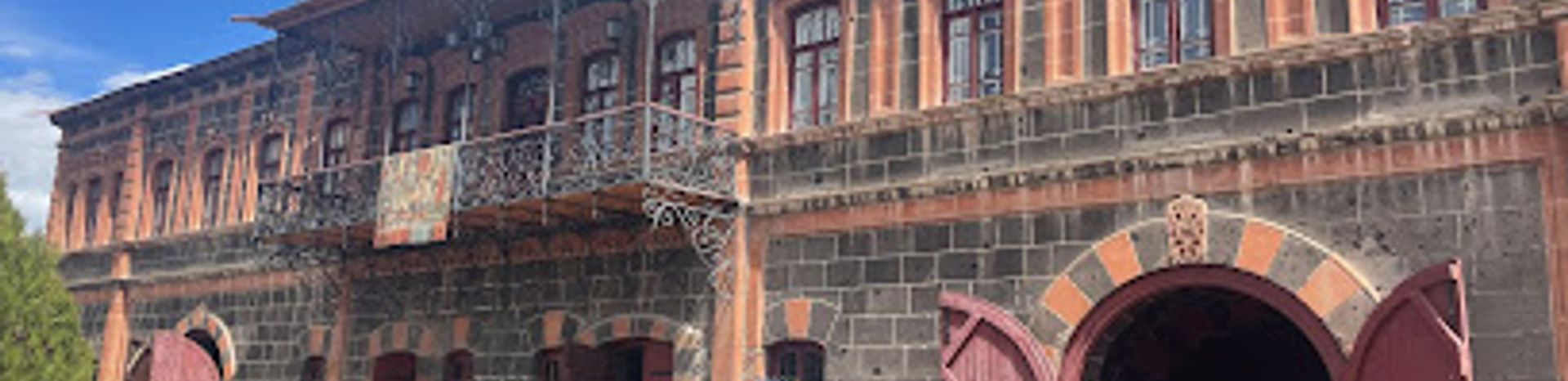
Housed in a stunning 19th-century mansion, the Museum of National Architecture and Urban Life in Gyumri offers a captivating journey through the city's rich history and architectural evolution. Explore meticulously recreated interiors, traditional crafts, and historical exhibits that showcase Gyumri's unique cultural identity from the 1850s to the 1920s.
A brief summary to Museum of National Architecture and Urban Life
- 47 Haghtanaki Avenue, Gyumri, 3116, AM
- +37431253600
- Tuesday 11 am-5 pm
- Wednesday 11 am-5 pm
- Thursday 11 am-5 pm
- Friday 11 am-5 pm
- Saturday 11 am-5 pm
- Sunday 11 am-5:30 pm
Local tips
- Check the museum's opening hours in advance, as they may vary.
- Allow at least 1.5-2 hours to fully explore the museum's exhibits.
- The museum is located in the Kumayri historic district, so take some time to wander through the charming streets and admire the traditional architecture.
- Consider hiring a local guide to enhance your understanding of the museum's collection and Gyumri's history.

Getting There
-
Walking
The Museum of National Architecture and Urban Life is located at 47 Haghtanaki Avenue in Gyumri. From the central Vardanants Square, walk east along Vardanants Street, then turn right onto Haghtanaki Avenue. The museum will be on your left, approximately a 10-15 minute walk. There are no costs associated with walking.
-
Public Transport
From the Gyumri Railway Station or the Avtokayaran (bus station), take a minibus (marshrutka) heading towards the city center. Ask the driver to let you off near Haghtanaki Avenue. From there, it's a short walk to the museum. A single ride on public transport costs 100 AMD.
-
Taxi
Taxis are readily available throughout Gyumri. A short taxi ride from the Gyumri Railway Station or Vardanants Square to the museum will typically cost around 500-600 AMD. Be sure to confirm the fare with the driver before starting your journey. Taxi fares generally start at 500 AMD, with an additional 100 AMD per kilometer.
Discover more about Museum of National Architecture and Urban Life
Iconic landmarks you can’t miss

Zoravar Andranik
0.1 km
Explore the Zoravar Andranik Statue in Gyumri, a magnificent tribute to Armenian history and spirit, surrounded by vibrant culture and stunning architecture.

Blue Iron Fountain
0.1 km
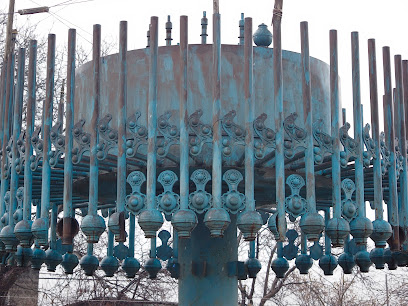
Explore the historical charm of the Blue Iron Fountain in Gyumri, Armenia, a serene landmark that blends culture and beauty.
Berlin ART Hotel
0.2 km
Experience art and comfort in the heart of Gyumri. Explore culture, enjoy modern amenities, and discover Armenian hospitality.
Stepan Shahumyan
0.4 km
Discover the Stepan Shahumyan statue in Gyumri, a majestic tribute to Armenia's revolutionary spirit and a symbol of the city's resilience.
1988 Earthquake Memorial
0.5 km
Explore the poignant 1988 Earthquake Memorial in Gyumri, a symbol of resilience and hope honoring a city's recovery from tragedy.
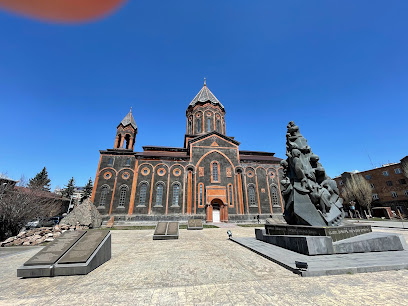
Ponchik Monchik
0.5 km
Discover the cozy charm of Ponchik Monchik, Gyumri's beloved coffee shop offering delightful pastries and exceptional local coffee.
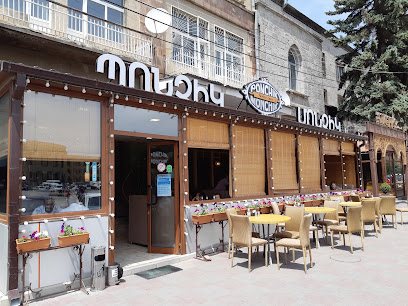
Vardanants
0.5 km
Discover Vardanants Square in Gyumri: a vibrant center of Armenian history, culture, and stunning architecture.
Herbs & Honey teashop & restaurant
0.6 km
Experience local flavors and community spirit at Herbs & Honey teashop & restaurant in Gyumri, Armenia. Fresh, local, and delightful!
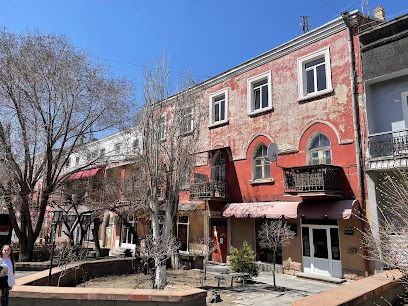
HAYAT restaurant &music hall
0.6 km
Experience authentic Armenian cuisine and vibrant live music at HAYAT Restaurant & Music Hall in Gyumri, a true cultural gem.
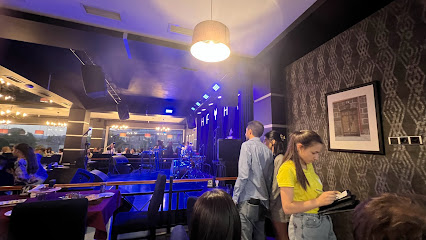
Hotel Plaza Viktoria
0.6 km
Discover the charm of Gyumri at Hotel Plaza Viktoria, where comfort meets Armenian hospitality in a cultural hub.
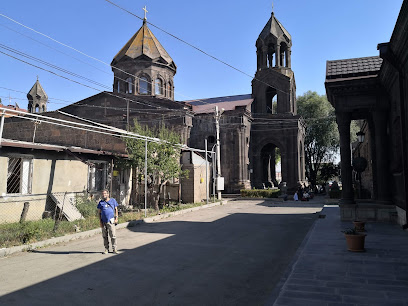
Statue of Kirk Kerkorian
0.6 km
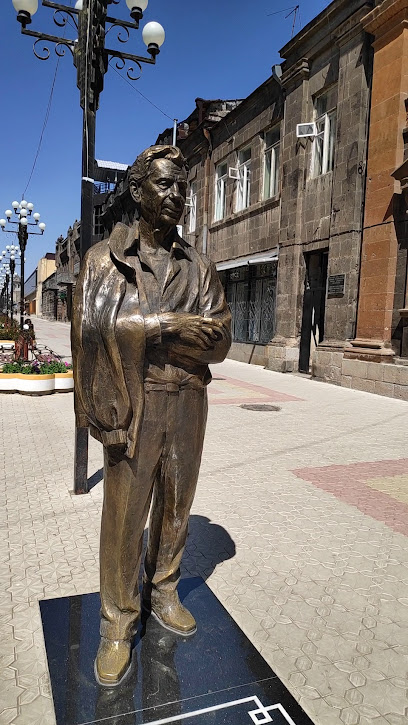
Discover the Statue of Kirk Kerkorian in Gyumri, a powerful symbol of philanthropy and resilience honoring an Armenian-American icon.
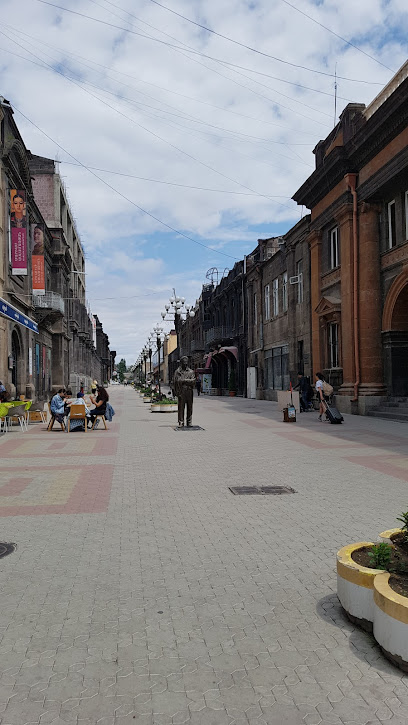
Aregak Bakery and Café
0.7 km
Discover the authentic flavors of Armenia at Aregak Bakery and Café, where every pastry tells a story and every sip of coffee warms the heart.
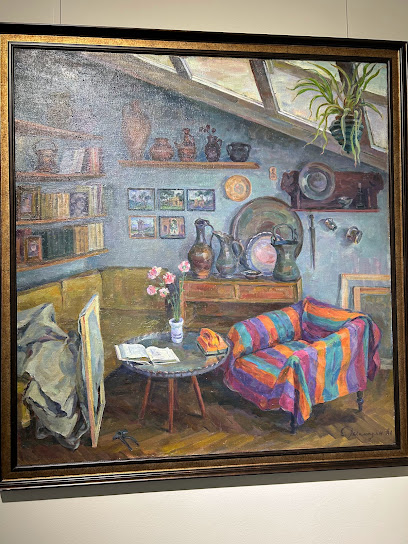
Дом-музей сестер Асламазян
0.7 km
Discover the vibrant art and legacy of Mariam and Eranuhi Aslamazyan in their Gyumri house-museum, showcasing Armenian culture and artistic expression.
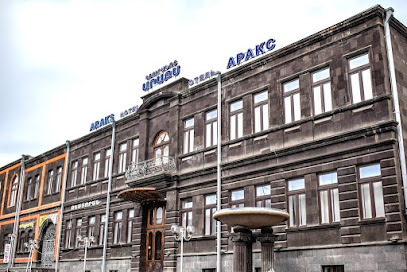
Araks Hotel
0.8 km
Experience comfort and convenience at Araks Hotel, perfectly located for exploring Gyumri's rich history and culture.
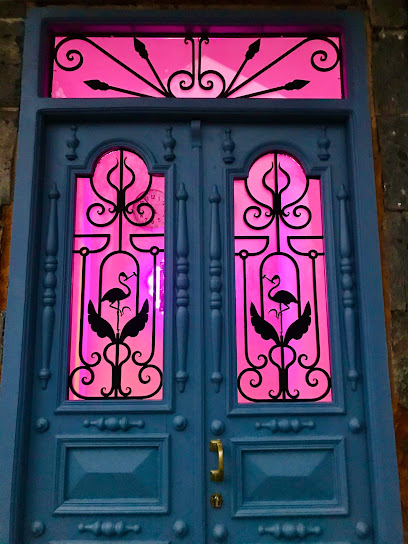
Konjelazia / Tourism & Design
0.9 km
Experience Gyumri's charm at Konjelazia: Where modern design meets traditional hospitality for an unforgettable Armenian getaway.
Unmissable attractions to see

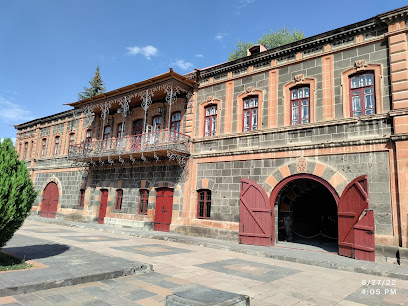
S. D. Merkurov's House Museum
0.0 km
Explore the artistic legacy of Armenia at S. D. Merkurov's House Museum, where heritage and creativity come alive in Gyumri.
Bagratunyats Monument
0.2 km
Explore the Bagratunyats Monument in Gyumri, a tribute to Armenia's royal Bagratuni dynasty and its enduring architectural legacy.
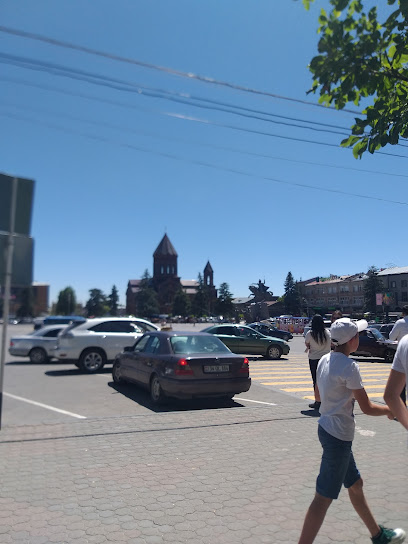
Victory Park Gyumri
0.2 km
Discover a blend of nature and history at Victory Park in Gyumri, a peaceful retreat reflecting the city's enduring spirit.
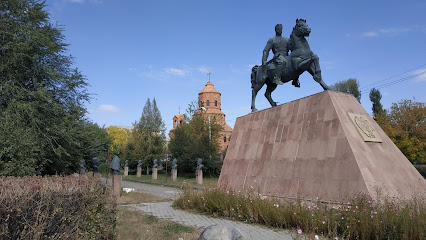
Armenian Genocide Memorial
0.4 km
A place of remembrance and reflection honoring the victims of the Armenian Genocide in the heart of Gyumri, Armenia.
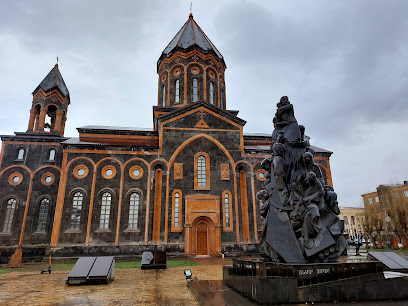
St. All Saviors
0.5 km
Discover the spiritual and architectural beauty of St. All Saviors Church in Gyumri, a serene landmark reflecting Armenia's rich heritage.
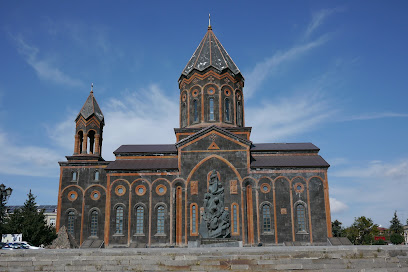
Gyumri History Museum
0.5 km
Explore the rich cultural heritage of Gyumri at the Gyumri History Museum, featuring artifacts and exhibitions that tell the city's vibrant story.
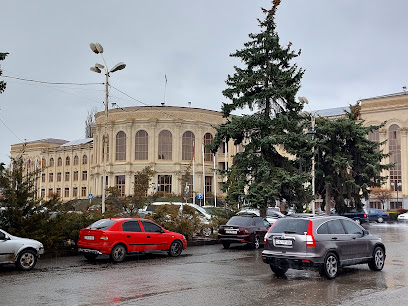
Vardanants Square
0.5 km
Discover the charm of Vardanants Square in Gyumri, a vibrant cultural hub rich in history, architecture, and local flavors.
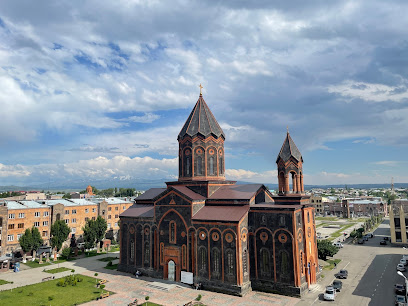
Vardanants statue
0.5 km
Discover the Vardanants Statue in Gyumri, a symbol of Armenian heritage and a must-visit historical landmark for travelers exploring Armenia's rich culture.
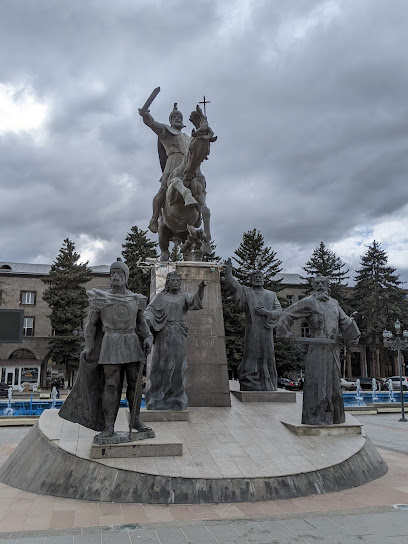
Freedom Square
0.5 km
Explore Freedom Square in Gyumri, Armenia: A vibrant plaza rich in history, culture, and local life, perfect for experiencing Armenian heritage.
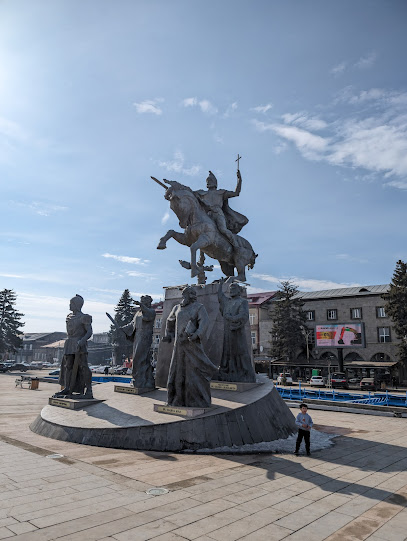
Дом-музей сестер Асламазян
0.7 km
Discover the vibrant art of Mariam and Yeranuhi Aslamazyan in their historic Gyumri house-museum.
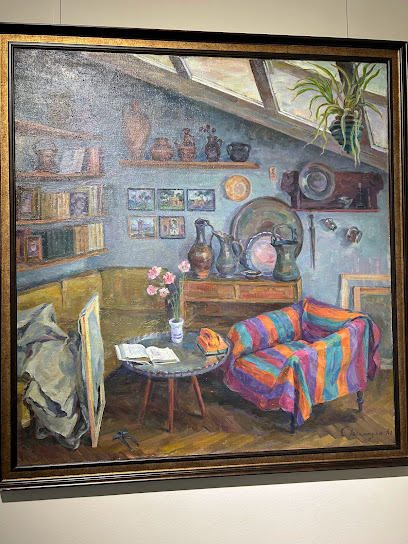
The Gallery of Mariam and Eranuhi Aslamazyan Sisters
0.7 km
Discover the vibrant works of Mariam and Eranuhi Aslamazyan, celebrated Armenian artists, in their dedicated gallery in historic Gyumri.
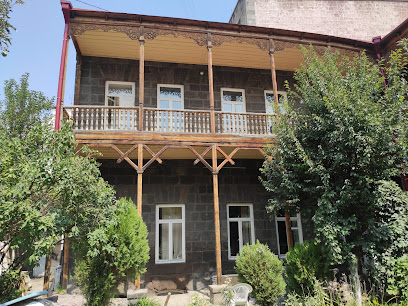
Заброшенная тюрьма
0.7 km
Explore the haunting beauty and untold stories of Gyumri's abandoned prison, a chilling reminder of Armenia's past.
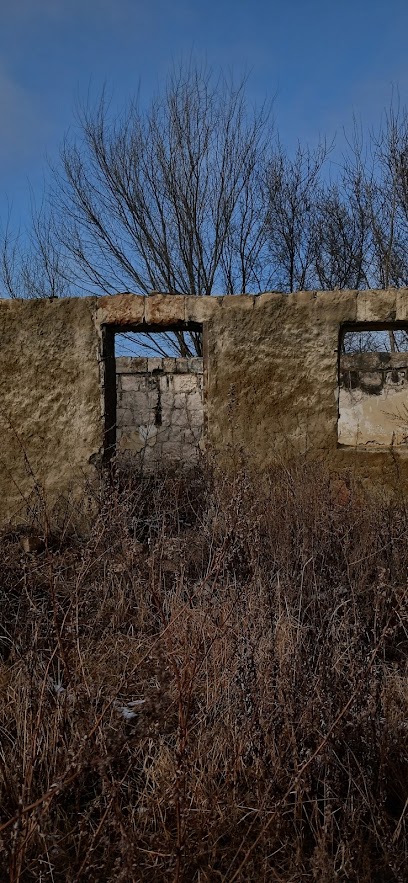
Hovhannes Shiraz House-Museum
0.7 km
Explore the Hovhannes Shiraz House-Museum in Gyumri, a treasure trove of Armenian poetry and culture that captivates every visitor.
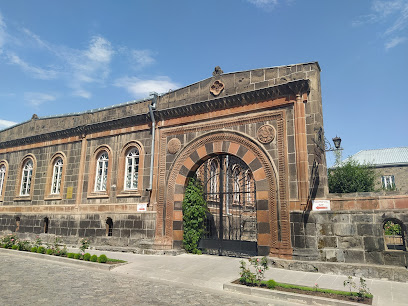
Zanan Cultural House
0.7 km
Step back in time at Zanan Cultural House in Gyumri: explore traditional Armenian costumes, fabric art, and the city's rich cultural heritage.
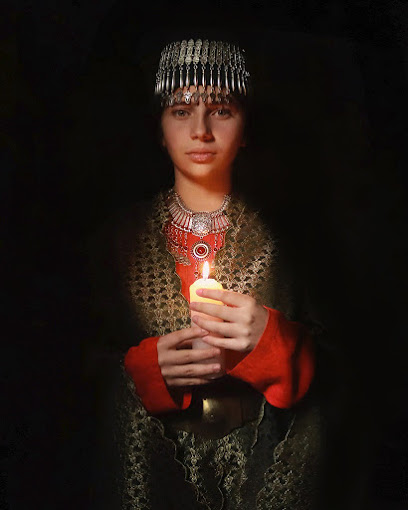
Avetik Isahakyan House-Museum
0.8 km
Explore the Avetik Isahakyan House-Museum in Gyumri, a gem of Armenian literature showcasing the life and works of renowned poet Avetik Isahakyan.
Essential places to dine

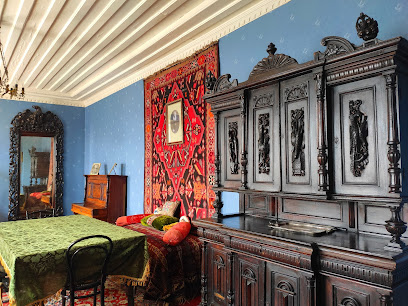
Faeton
0.5 km
Experience authentic Armenian cuisine at Faeton in Gyumri – where tradition meets modernity in every dish.
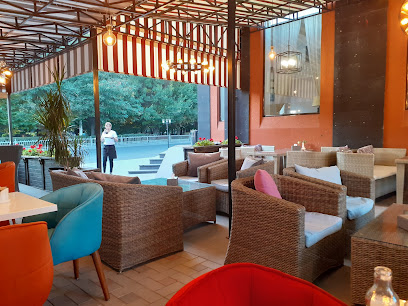
Old Armenia
0.6 km
Experience authentic Armenian cuisine at Old Armenia in Gyumri – where every dish tells a story.
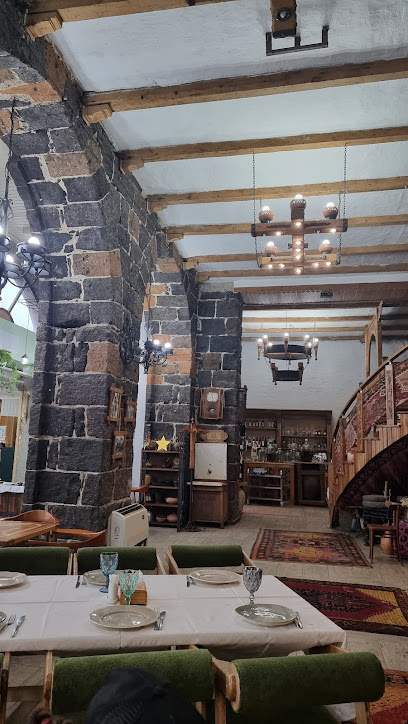
"Gyumri" Hatsatun
0.6 km
Discover authentic Armenian flavors at Gyumri Hatsatun Bistro – where tradition meets modern culinary artistry in Gyumri.
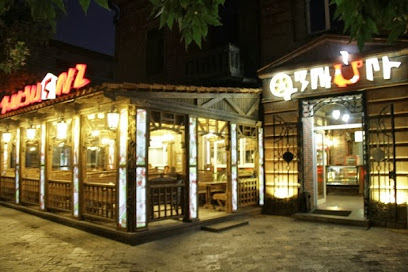
KTOR M
0.6 km
Experience authentic Armenian cuisine at KTOR M in Gyumri – where tradition meets flavor.
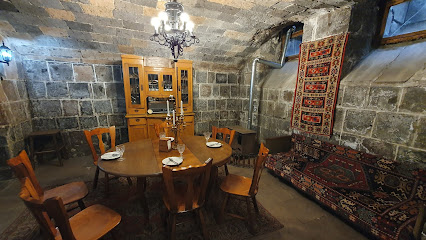
Zero cafe-restaurant
0.7 km
Discover the flavors of Armenia at Zero Cafe-Restaurant in Gyumri—where tradition meets modern cuisine in a cozy setting.
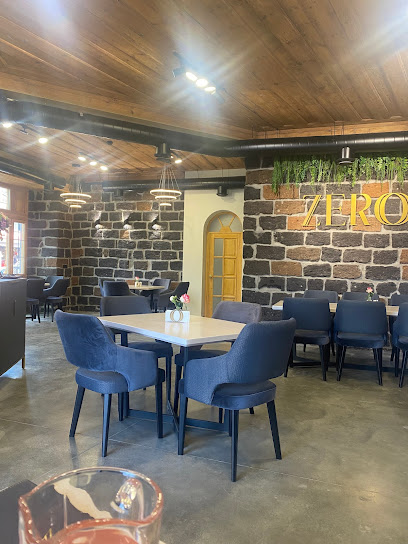
Alexandrovski
0.7 km
Discover the rich flavors of Armenian cuisine at Alexandrovski in Gyumri - where every meal is a celebration of taste.
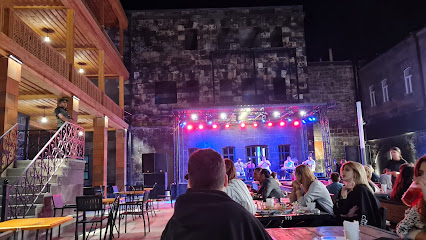
Vanatur
0.7 km
Experience authentic Armenian cuisine at Vanatur in Gyumri – where every dish tells a story of rich heritage and local flavor.
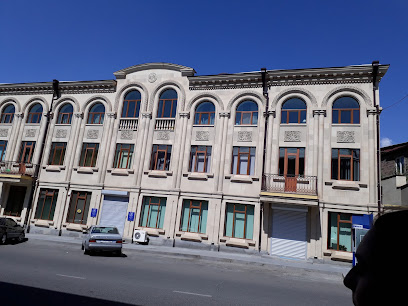
Tigran Mets
0.7 km
Discover the heart of Armenian cuisine at Tigran Mets in Gyumri – where tradition meets flavor in every dish.
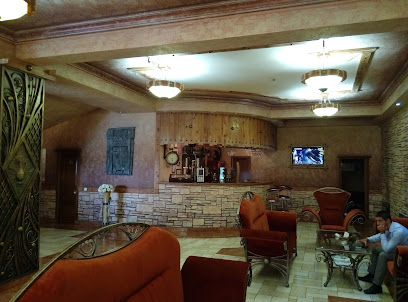
Ani Restaurant
0.7 km
Experience authentic Armenian cuisine in Gyumri at Ani Restaurant – where tradition meets flavor in every dish.
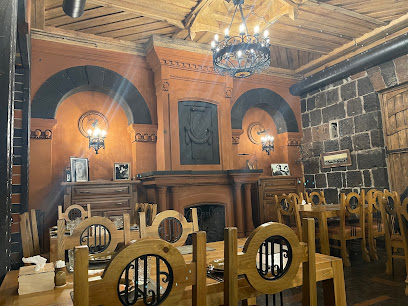
Sheeraz
0.8 km
Discover authentic Armenian cuisine at Sheeraz in Gyumri - where tradition meets flavor in every bite.
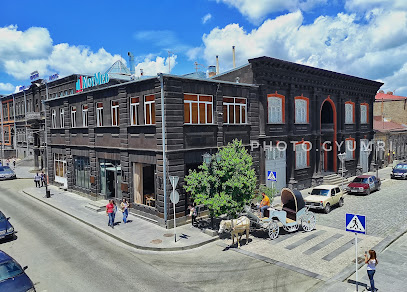
Sea buckthorn
0.8 km
Experience family-friendly dining at Sea Buckthorn in Gyumri - savor local Armenian flavors in a welcoming atmosphere perfect for all ages.
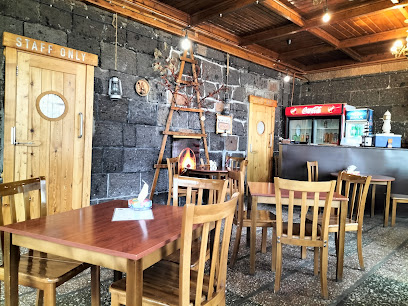
Ծիտրո Ալեք
0.9 km
Experience authentic Armenian cuisine in a family-friendly atmosphere at Րիտրո Ալեք in Gyumri.
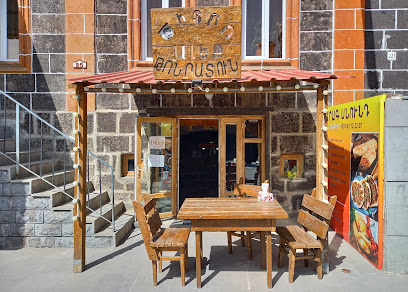
Mer Mankutyan Pishkin
0.9 km
Discover the joy of family dining at Mer Mankutyan Pishkin in Gyumri – where delicious fast food meets a whimsical children's cafe experience.
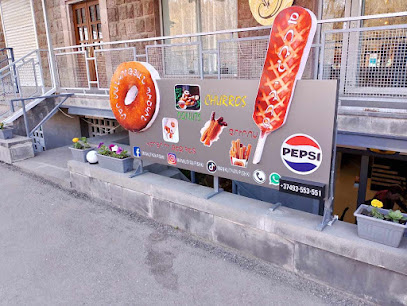
Casa Verde
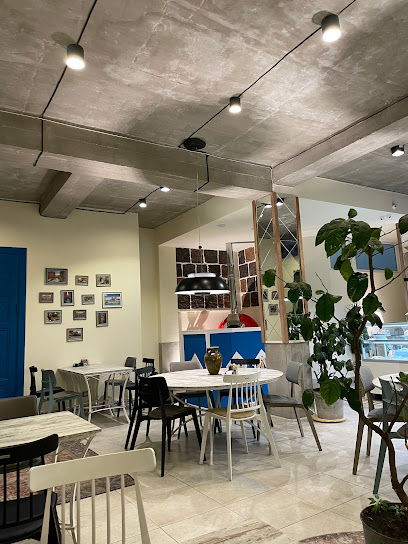
0.9 km
Discover authentic Italian cuisine at Casa Verde in Gyumri - where every meal feels like a journey to Italy.
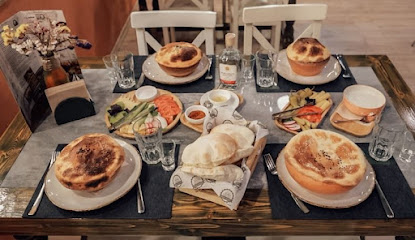
Mer Hatsy
0.9 km
Discover authentic Lebanese cuisine at Mer Hatsy in Gyumri - where every dish tells a story and every meal is an experience.
Markets, malls and hidden boutiques

MagMil Shop
0.3 km
Explore the charm of Gyumri at MagMil Shop, where local craftsmanship meets contemporary fashion in an inviting atmosphere.

Lucy Boutique
0.6 km
Experience the fusion of modern fashion and traditional Armenian craftsmanship at Lucy Boutique in Gyumri, a must-visit for style enthusiasts.
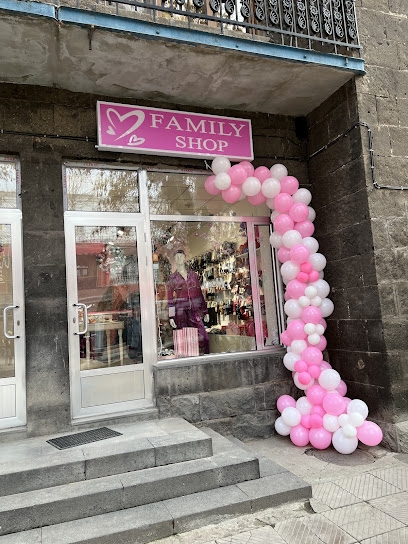
Family Shop Gyumri
0.6 km
Explore Family Shop Gyumri for stylish and comfortable underwear that blends local culture with global fashion trends.
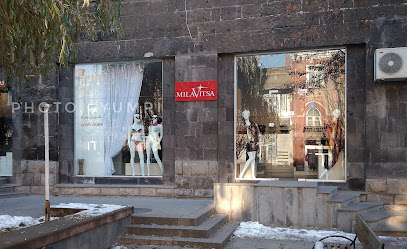
MilaVitsa
0.6 km
Explore MilaVitsa, Gyumri's premier lingerie store, showcasing luxurious and comfortable lingerie for every occasion.
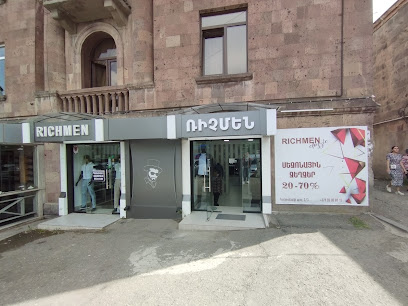
Richmen
0.6 km
Explore the latest fashion trends at Richmen, Gyumri's premier clothing store, where style meets quality in a welcoming environment.
Gyumri Arts
0.7 km
Explore handcrafted jewelry at Gyumri Arts, a treasure trove of Armenian culture and craftsmanship located in the heart of Gyumri.
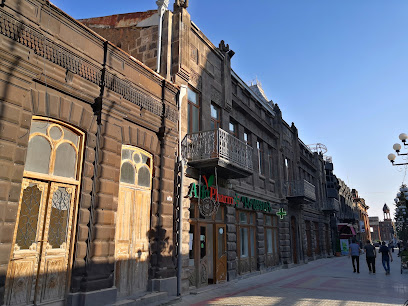
Mets Hayq
0.7 km
Explore the vibrant fashion of Armenia at Mets Hayq, where tradition meets contemporary style in the heart of Gyumri.
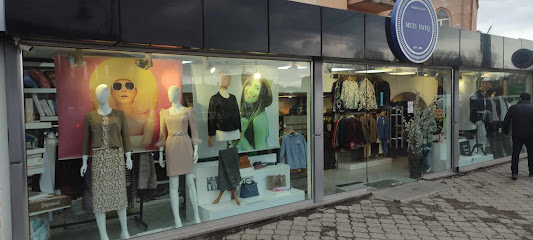
Little Ani
0.7 km
Explore Little Ani in Gyumri for authentic Armenian gifts and unique artisan treasures that capture the essence of local culture.
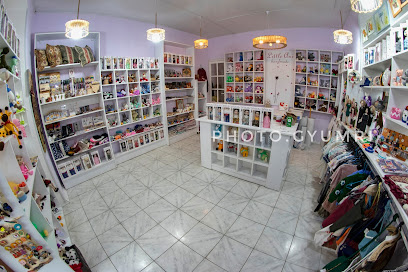
Déjà vu Art House Antiques
0.7 km
Explore the charm of Gyumri at Déjà vu Art House Antiques, where history and artistry intertwine in a treasure trove of unique finds.
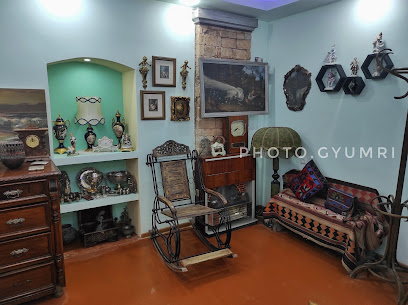
Venus Gift's House
0.7 km
Explore Venus Gift's House in Gyumri for unique Armenian souvenirs and handcrafted treasures that capture the essence of local culture.
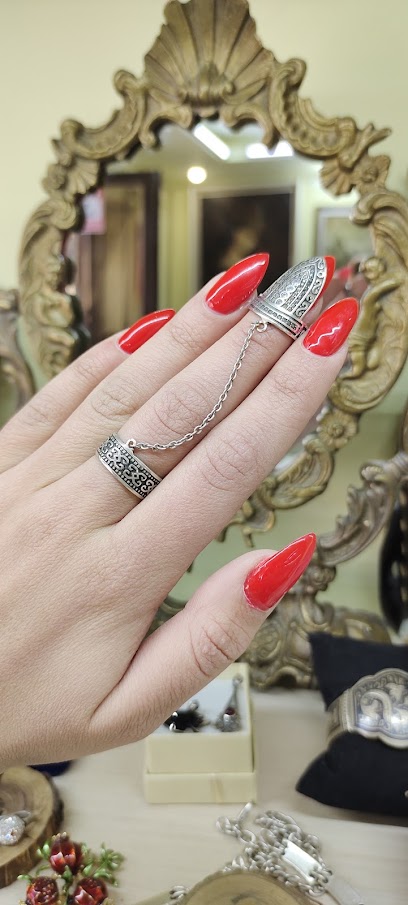
Hovman Gyumri
0.7 km
Discover unique Armenian fashion at Hovman Gyumri, a clothing store blending local culture with contemporary style in the heart of Gyumri.
Flesh
0.8 km
Discover unique Armenian crafts and souvenirs at Flesh in Gyumri, where tradition meets artistry in a charming shopping experience.
Style Boutique
0.8 km
Explore the charm of Gyumri at Style Boutique, where fashion meets local craftsmanship in a delightful shopping experience.
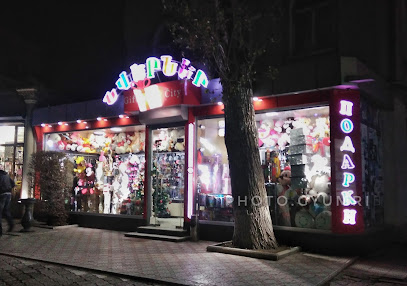
Gift City
0.8 km
Explore Gift City in Gyumri for unique Armenian souvenirs and handmade crafts that beautifully encapsulate local culture and artistry.
Hermitage
0.8 km
Explore the exquisite world of fragrances at Hermitage in Gyumri, where each scent tells a story of Armenian culture and artistry.
Essential bars & hidden hideouts

Trezzo lounge-cafe
0.6 km
Discover the cozy charm of Trezzo Lounge-Cafe in Gyumri, where delightful flavors and a warm atmosphere await every traveler.
Bunker Cocktail Bar
0.7 km
Experience innovative cocktails and a cozy atmosphere at the Bunker Cocktail Bar in Gyumri, the ultimate nightlife destination for tourists.
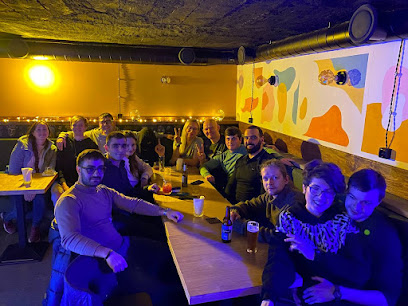
Rasputin Bar
0.7 km
Discover the vibrant nightlife at Rasputin Bar in Gyumri, where local culture meets an inviting atmosphere and delicious drinks await.
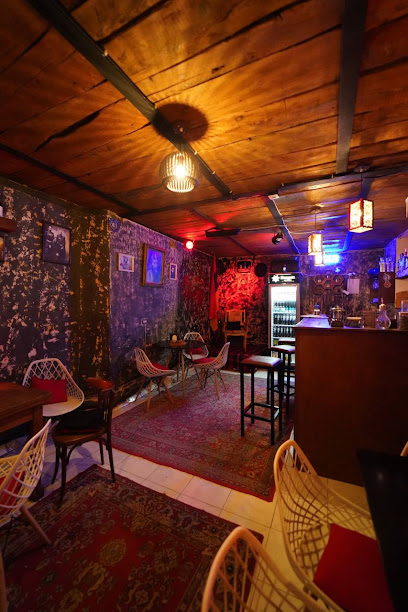
BarBar Art Room
0.7 km
Experience the local culture and vibrant atmosphere at BarBar Art Room in Gyumri, where art and socializing come together.
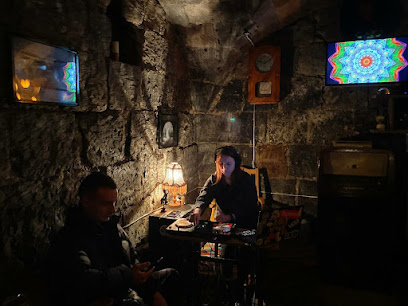
Tol Bar
0.8 km
Discover Tol Bar in Gyumri: A vibrant blend of coffee shop charm and bar energy, perfect for relaxation and socializing.
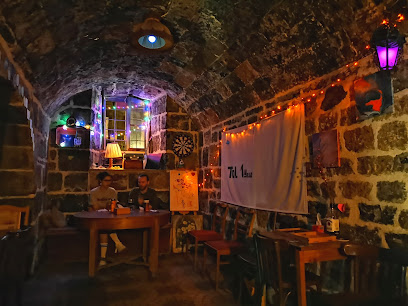
Shelby pub
0.9 km
Discover Shelby Pub in Gyumri - a lively bar serving traditional Armenian cuisine and drinks in a cozy atmosphere.
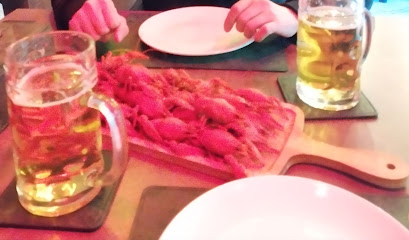
Incheve Wine Bar
0.9 km
Discover the charm of Incheve Wine Bar in Gyumri, where local wines and a cozy atmosphere create unforgettable experiences.
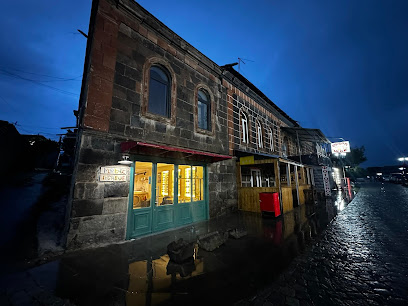
ANKYUN BAR
0.9 km
Experience the vibrant nightlife of Gyumri at Ankyun Bar, where unforgettable cocktails and lively entertainment await you until dawn.
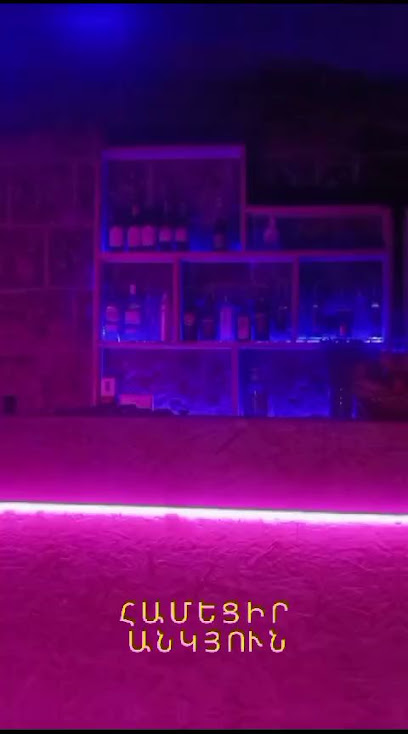
Tetra bar
0.9 km
Experience the vibrant nightlife of Gyumri at Tetra Bar, where cocktails flow and good times are guaranteed.
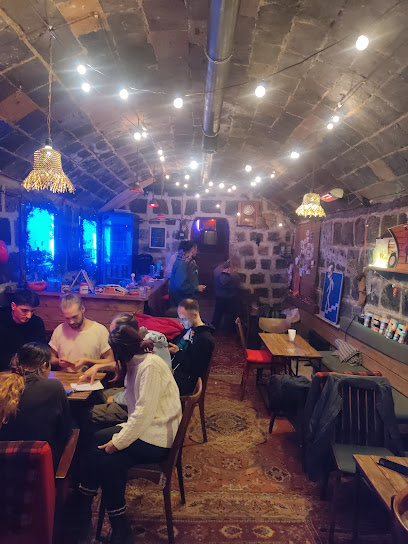
Вартанян винодельня
0.9 km
Experience the essence of Armenian winemaking at Vartanyan Winery in Gyumri, a delightful escape for wine enthusiasts and travelers alike.
AL AHWAZ Café pub & Eatery Restaurant Armenia
0.9 km
Discover the warm ambiance and delightful flavors at Al Ahwaz Café Pub & Eatery in Gyumri, Armenia, where local and international cuisine meet.
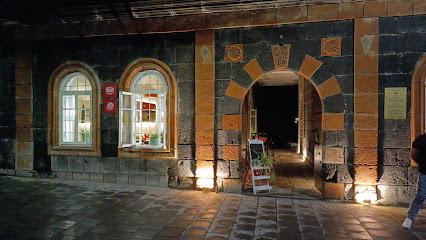
Hin Tun Pub Caffe Bar
1.0 km
Experience the vibrant atmosphere and local flavors of Hin Tun Pub Caffe Bar in Gyumri, where every visit feels like a celebration of culture.
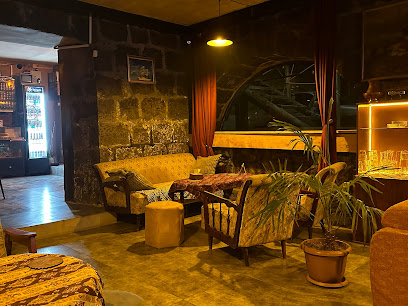
Yerkinq
1.5 km
Experience the authentic flavors of Armenia at Yerkinq, a charming restaurant in Gyumri known for its delicious traditional cuisine.
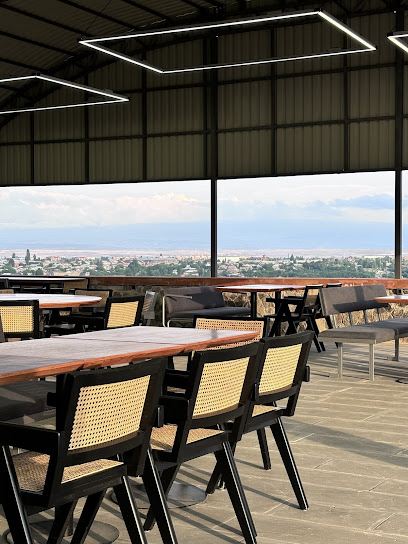
Գեյմինգ Քլաբ
1.7 km
Experience the thrill of gaming and socializing at the Gaming Club in Gyumri, where fun meets friendship in a vibrant atmosphere.
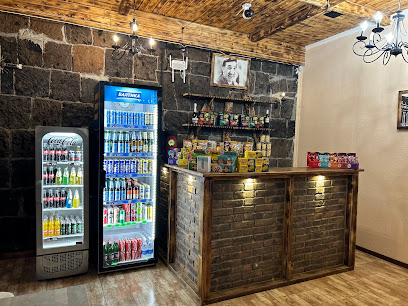
Գեյմինգ Քլաբ
1.7 km
Immerse yourself in the lively ambiance of Գեյմինգ Քլաբ in Gyumri, where local culture meets an exciting bar experience.