

Arpi Lake, Armenia Travel Guide
Discover the untouched beauty and rich biodiversity of Arpi Lake in Armenia, a sanctuary for nature lovers, birdwatchers, and adventure seekers alike.
Nestled in the captivating landscapes of northwestern Armenia, Arpi Lake is a hidden gem for nature lovers and adventure seekers. This picturesque lake, situated at an altitude of 2,025 meters, offers an escape into tranquility and natural beauty. The lake is part of the Arpi Lake National Park, which spans over 210 square kilometers and is home to diverse flora and fauna. Arpi Lake is a birdwatcher’s paradise, hosting over 190 bird species, including rare and endangered ones. The lake is particularly known for the Dalmatian Pelican and the Armenian Gull. The surrounding wetlands and meadows provide a perfect habitat for these birds, making it an ideal spot for birdwatching enthusiasts. Apart from birdwatching, visitors can enjoy a range of outdoor activities such as hiking, fishing, and picnicking. The park has several well-marked trails that offer stunning views of the lake and the surrounding mountains. The calm waters of the lake also make it a perfect spot for a leisurely boat ride. The nearby villages, with their rich cultural heritage, offer a glimpse into the traditional Armenian way of life. Visitors can explore local crafts, taste authentic Armenian cuisine, and experience the warm hospitality of the locals. Arpi Lake is a destination that promises a perfect blend of natural beauty, wildlife, and cultural experiences.

Know before you go
Hi, I'm Eve. Here are a few practical things to know before exploring Arpi Lake.
- Visit in spring or early summer for the best birdwatching opportunities.
- Bring binoculars and a camera with a good zoom lens for bird photography.
- Wear comfortable hiking shoes as the trails can be uneven.
- Pack a picnic and enjoy a meal by the lake; there are several scenic spots.
- Make sure to respect the local wildlife and natural habitats by keeping a safe distance.
Explore Arpi Lake: Things to Do, Places to Eat, Hotels & More
Handpicked recommendations for top attractions, local dining, accommodations, and more

Best attractions in Arpi Lake
Top-rated picks
Best Attractions

Cobweb Art Gallery and Museum
Discover unique art made from natural cobwebs at Gyumri's Cobweb Art Gallery and Museum, a cultural gem showcasing Armenian creativity and resilience.

Marmashen
Discover Marmashen Monastery: A 10th-century Armenian architectural gem in Shirak, showcasing the region's rich medieval heritage and enduring spiritual legacy.

Vardanants Square
Discover Vardanants Square in Gyumri: a vibrant hub of history, culture, and stunning architecture, honoring Armenia's resilient spirit.

Museum of National Architecture and Urban Life
Step back in time at Gyumri's Museum of National Architecture, exploring the city's vibrant history and unique architectural heritage.

Best landmarks in Arpi Lake
Top-rated picks
Best Landmarks

Cobweb Art Gallery and Museum
Discover delicate art woven from spiderwebs at Gyumri's unique Cobweb Art Gallery and Museum, showcasing intricate and thought-provoking creations.

Mimino Statue
A charming monument in Dilijan, Armenia, celebrating the iconic Soviet film 'Mimino' and the enduring themes of friendship and cultural heritage.

Vardanants Square
Discover the historic heart of Gyumri at Vardanants Square, a vibrant center of Armenian culture, resilience, and architectural beauty.

Lori Castle
Discover the medieval charm of Lori Castle in Armenia, a historic fortress offering breathtaking views and a rich tapestry of history.

Best restaurants in Arpi Lake
Top-rated picks
Best Restaurants

Panorama Restaurant Vanadzor
Experience authentic Armenian cuisine with breathtaking views at Panorama Restaurant in Vanadzor.
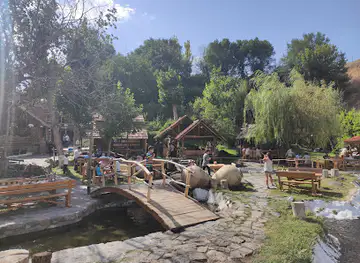
Gyumri's Fish Restaurant (Cherkezi Dzor)
Discover the best seafood experience in Gyumri at Cherkezi Dzor - where fresh flavors meet Armenian hospitality.

Ker u Sus
Experience delightful family-friendly dining at Ker u Sus in Dilijan, where traditional Armenian flavors meet warm hospitality.
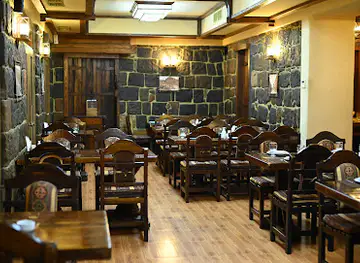
Tavern Yerevan
Experience authentic Armenian cuisine at Tavern Yerevan, where tradition meets modernity in a warm and inviting setting.

Best bars in Arpi Lake
Top-rated picks
Best Bars

DABOO Cocktail Bar
Experience the vibrant nightlife at DABOO Cocktail Bar in Yerevan, featuring exquisite cocktails and a lively atmosphere perfect for unwinding.

AL AHWAZ Café pub & Eatery Restaurant Armenia
Experience the warmth of Armenian hospitality at AL AHWAZ Café Pub & Eatery in Gyumri, offering authentic cuisine and a cozy atmosphere.

Bunker Cocktail Bar
Experience Gyumri's vibrant nightlife at Bunker Cocktail Bar, where expertly crafted cocktails and a lively atmosphere await you.

BarBar Art Room
Experience the artistic charm and vibrant nightlife at BarBar Art Room in Gyumri, where every drink is a work of art.

Best nightclubs in Arpi Lake
Top-rated picks
Best Nightclubs

Kami Club
Immerse yourself in the vibrant nightlife of Yerevan at Kami Club, where music, culture, and unforgettable experiences come together.

Stop Club
Experience the electrifying atmosphere of Stop Club, Yerevan's ultimate rock music venue, where live performances and vibrant nightlife collide.

Կալիֆորնիա գիշերային ակումբ
Discover the electrifying nightlife of Yerevan at Կալիֆորնիա գիշերային ակումբ, where the music never stops and the fun never ends.

Omega
Discover the heartbeat of Yerevan's nightlife at Omega, where vibrant music meets an electric atmosphere for an unforgettable experience.

Best shops in Arpi Lake
Top-rated picks
Best Shops

Bavra Supermarket
Explore Bavra Supermarket for a taste of local culture and a variety of products to enhance your travel experience in Bavra.

Almaz Silver
Explore Almaz Silver in Gyumri for exquisite handcrafted jewelry reflecting Armenian culture and artistry.

LOVARDI shop - ԼՈՎԱՐԴԻ հագուստի սրահ
Explore unique Armenian fashion at LOVARDI shop in Gyumri, where local culture meets contemporary style in a delightful shopping experience.

Venus Gift's House
Explore Venus Gift's House in Gyumri for unique Armenian souvenirs and handcrafted treasures that capture the essence of local culture.

Explore Arpi Lake on the Map
A handpicked selection of must-see spots in Arpi Lake, mapped for you.
Arpi Lake Essentials
-
Arpi Lake is located in the Shirak Province of Armenia. The nearest international airport is Zvartnots International Airport in Yerevan, approximately 180 kilometers away. From Yerevan, you can take a taxi or a minibus (marshrutka) to Gyumri, which is the nearest major city to Arpi Lake. The journey from Yerevan to Gyumri typically takes around 2 to 3 hours by road. From Gyumri, you can hire a taxi or take a local bus to Arpi Lake, which is about 50 kilometers away.
-
While in the Arpi Lake area, local taxis are available and relatively inexpensive. There are also minibuses (marshrutkas) that operate within the region and connect to nearby villages. Renting a car can be a convenient option for exploring the lake and its surroundings at your own pace. Be mindful that some roads may be unpaved, so a vehicle with good ground clearance is advisable.
-
The official currency in Armenia is the Armenian Dram (AMD). Credit cards are accepted in some hotels, restaurants, and shops in larger cities like Gyumri, but it is advisable to carry cash, especially in smaller establishments and rural areas around Arpi Lake. ATMs are available in Gyumri, so it is wise to withdraw sufficient cash before traveling to the lake.
-
Arpi Lake is generally a safe destination for tourists. However, standard travel precautions should be taken. Avoid walking alone at night in unfamiliar areas and keep an eye on your belongings in crowded places. While there are no specific high-crime areas targeting tourists, it is always best to stay vigilant and aware of your surroundings.
-
In case of emergency, dial 911 for immediate assistance. The nearest medical facilities are located in Gyumri, so it is recommended to have travel insurance that covers medical emergencies. For minor health issues, there are pharmacies in Gyumri where you can purchase over-the-counter medications. Always keep emergency contact numbers handy and inform someone of your travel plans.
-
Fashion: Do dress modestly, especially when visiting religious sites or rural areas. Avoid wearing revealing clothing. Religion: Do respect local customs and traditions. Always cover your head when entering churches and monasteries. Public Transport: Do be respectful and give up your seat to elderly passengers. Don’t eat or drink on public transport. Greetings: Do greet people with a handshake. A slight bow of the head is also a sign of respect. Eating & Drinking: Do try local delicacies and accept food offerings graciously. Don’t refuse hospitality, as it is considered impolite.
-
To experience Arpi Lake like a local, visit the local markets in nearby villages where you can buy fresh produce and traditional Armenian goods. Engage with locals, as they are often friendly and willing to share stories about the area's history and culture. Don’t miss exploring the lake’s natural beauty, including bird watching and hiking. For a unique experience, visit the Arpi Lake National Park, which offers a variety of outdoor activities and stunning landscapes.
When is the best time to visit Arpi Lake?
Useful Local Phrases for Arpi Lake
You don't need to speak the language perfectly. Even learning a few simple words can make conversations warmer—and locals usually appreciate the effort.
— Eve

Here are the phrases I use most often in Arpi Lake. Try a few—you'll be surprised how far they go! 😊
❤️
-
- HelloԲարև
[Barev] - GoodbyeՑտեսություն
[Ts'tesut'un] - YesԱյո
[Ayo] - NoՈչ
[Voč] - Please/You're welcomeԽնդրում եմ/Խնդրում ես
[Khndrum em/Khndrum es] - Thank youՇնորհակալ եմ
[Shnorhakal em] - Excuse me/SorryՆերքինի համար
[Nerk'ini hamar] - How are you?Ինչպե՞ս եք
[Inč'pes ek] - Fine. And you?Շատ լավ. Անդ դու
[Šat lav. And du] - Do you speak English?Դու խոսում ես անգլերեն
[Du xosum es angleren] - I don't understandԵս չեմ հասկանում
[Es čem haskanum]
- HelloԲարև
-
- I'd like to see the menu, pleaseԽնդրում եմ մենյունը տեսնել
[Khndrum em menyunə t'esnel] - I don't eat meatԵս մեսո չուշատեմ
[Es meso č'ušat'em] - Cheers!Կենաց
[Kenats] - I would like to pay, pleaseԽնդրում եմ վճարել
[Khndrum em vč'arel]
- I'd like to see the menu, pleaseԽնդրում եմ մենյունը տեսնել
-
- Help!Օրհնեիք
[Orhneik'] - Go away!Մերկա
[Merk'a] - Call the Police!Զանգահարեք ոստիկանային
[Zangahrek' vostikanayin] - Call a doctor!Զանգահարեք բժշկ
[Zangahrek' bžšk] - I'm lostԵս կողքից եմ
[Es kołkič em] - I'm illԵս հիվանդ եմ
[Es hivanǰ em]
- Help!Օրհնեիք
-
- I'd like to buy...Խնդրում եմ գնել...
[Khndrum em gnel...] - I'm just lookingԵս միայն դիտում եմ
[Es miayn dit'um em] - How much is it?Քանի է դա
[Qani ē da] - That's too expensiveԱյսը շատ թաքս է
[Aysə šat' taqs ē] - Can you lower the price?Արդեն կարելի է գնել արձակել
[Ardən karel'i ē gnel ardzaḱel]
- I'd like to buy...Խնդրում եմ գնել...
-
- What time is it?Ժամը ինչ է
[Žamə inč' ē] - It's one o'clockՄեկը է
[Mekə ē] - Half past (10)Կեսը (տասը) է
[Kesə (tasə) ē] - MorningԱռավոտ
[Aravot] - AfternoonԿեսագույն
[Kesaguyn] - EveningԵրեկո
[Ereko] - YesterdayԵրեկ
[Ereko] - TodayԱյսօր
[Aysor] - TomorrowՎաղը
[Vaġə] - 1Մեկ
[Mek] - 2Երկու
[Eryu] - 3Երեք
[Erek'] - 4Չորս
[Č'ors] - 5Հինգ
[Hing] - 6Վեց
[Vegh] - 7Յոթ
[Yot'] - 8Ութ
[Ut] - 9Ինը
[Inə] - 10Տաս
[Tas]
- What time is it?Ժամը ինչ է
-
- Where's a/the...?Ուր է...
[Ur ē...] - What's the address?Որէ հասցեն
[Orē hascen] - Can you show me (on the map)?Արդեն կարելի է ցուցադրել (Քարտում)
[Ardən karel'i ē ts'uc'adrel (Qartum)] - When's the next (bus)?Երկար ինչպե՞ս դա
[Ergar inč'pes da] - A ticket (to ....)Բիլիթ (մինչեւ ....)
[Bilit' (minč'ew ...)]
- Where's a/the...?Ուր է...
History of Arpi Lake
-
Arpi Lake, located in the Shirak Province of Armenia, has been a significant body of water since ancient times. Archaeological findings suggest that the area around the lake was inhabited as early as the Bronze Age. The lake has served as a crucial water source for the surrounding settlements, contributing to the development of agriculture and sustaining local communities.
-
During the medieval period, Arpi Lake played a vital role in the economy of the region. It was surrounded by numerous monasteries and fortresses, which were integral to the defense and spiritual life of medieval Armenia. The lake's proximity to the ancient Silk Road enhanced its strategic importance, serving as a resting and resupply point for merchants and travelers.
-
In the 20th century, during the Soviet era, Arpi Lake underwent significant changes. The construction of a dam in the 1950s transformed the lake into a reservoir, increasing its water capacity and providing irrigation for agricultural lands. This development also led to the establishment of the Arpi Lake Nature Reserve, aimed at preserving the unique biodiversity of the area.
-
Established in 2009, the Arpi Lake Nature Reserve aims to protect the rich biodiversity and unique ecosystems surrounding the lake. The reserve is home to a variety of flora and fauna, including endangered species such as the Armenian gull and the white-headed duck. The reserve’s establishment has also promoted eco-tourism, attracting visitors interested in birdwatching and nature exploration.
-
Arpi Lake holds a special place in local folklore and traditions. It is often featured in Armenian literature, songs, and legends. The lake is considered a symbol of natural beauty and tranquility, inspiring artists and poets throughout history. Local festivals and cultural events frequently take place around the lake, celebrating its importance to the community.
-
Today, Arpi Lake continues to be a vital resource for the region. It supports irrigation, provides a habitat for wildlife, and serves as a popular destination for tourists. Efforts to balance human activity with environmental conservation are ongoing, ensuring that the lake remains a sustainable and cherished natural landmark for future generations.
Cities in Arpi Lake
Browse our curated selection of top destinations, scenic points, and must-visit spots in the area.


Neighbouring destination travel guides
Browse our curated selection of top destinations, scenic points, and must-visit spots in the area.



Your all‑in‑one travel companion app
Explore expert travel guides, compare and book tours, experiences, hotels, and more—all from the palm of your hand. Download now for seamless trip planning wherever your wanderlust takes you.


Explore More of Shirak

Looking beyond Arpi Lake? Discover Shirak for broader travel guides, local hot-spots, and regional highlights.
Explore ShirakExplore More of Armenia

Looking beyond Arpi Lake? Discover Armenia for broader travel guides, local hot-spots, and regional highlights.
Explore ArmeniaArpi Lake in Photos
Browse through our photo collection highlighting the charm and character of the destination.


The Serene Beauty of Arpi Lake
Nestled in the captivating landscapes of northwestern Armenia, Arpi Lake is a hidden gem for nature lovers and adventure seekers. This picturesque lake, situated at an altitude of 2,025 meters, offers an escape into tranquility and natural beauty. The lake is part of the Arpi Lake National Park, which spans over 210 square kilometers and is home to diverse flora and fauna. Arpi Lake is a birdwatcher’s paradise, hosting over 190 bird species, including rare and endangered ones. The lake is particularly known for the Dalmatian Pelican and the Armenian Gull. The surrounding wetlands and meadows provide a perfect habitat for these birds, making it an ideal spot for birdwatching enthusiasts. Apart from birdwatching, visitors can enjoy a range of outdoor activities such as hiking, fishing, and picnicking. The park has several well-marked trails that offer stunning views of the lake and the surrounding mountains. The calm waters of the lake also make it a perfect spot for a leisurely boat ride. The nearby villages, with their rich cultural heritage, offer a glimpse into the traditional Armenian way of life. Visitors can explore local crafts, taste authentic Armenian cuisine, and experience the warm hospitality of the locals. Arpi Lake is a destination that promises a perfect blend of natural beauty, wildlife, and cultural experiences.