

Free Goris Travel Guide & Mobile App
Plan your Goris trip with Evendo. Get free guides to top attractions, restaurants, hotels, and bars. Web access or download the mobile app.


Goris, Armenia, pairs red-rock landscapes and cave dwellings with Syunik heritage, Tatev excursions, local cuisine and quiet mountain-town hospitality.
A Mountain Town in Syunik
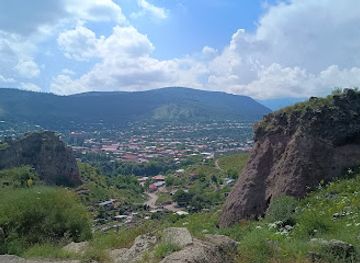
Goris lies in southeastern Armenia’s Syunik Province, surrounded by the dramatic sandstone formations and high mountain landscapes of the Zangezur range. Its broad streets, stone houses and tree-lined avenues give the town a measured rhythm, while the cliffs and pinnacles around its older settlement create one of southern Armenia’s most distinctive urban settings. Goris is also an important base for exploring the region, including the Tatev Monastery complex and the deep gorge of the Vorotan River beyond the town.Read more about Goris
Old Goris and the Surrounding Rocks
Gateway to Southern Armenia
When is the best time to visit Goris?
Best: June–August · 22–24°C| Month | High (°C) | Rainfall (mm) |
|---|---|---|
| January | 1 | 22 |
| February | 3 | 20 |
| March | 8 | 20 |
| April | 13 | 17 |
| May | 18 | 12 |
| June (best) | 22 | 8 |
| July (best) | 24 | 7 |
| August (best) | 24 | 7 |
| September | 19 | 11 |
| October | 14 | 15 |
| November | 8 | 20 |
| December | 4 | 22 |
Getting to and around Goris
How to get there
Transportation
Best attractions in Goris
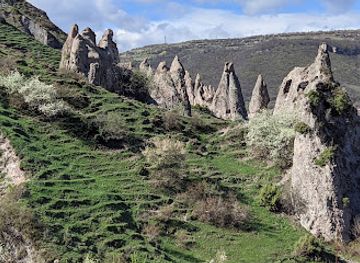
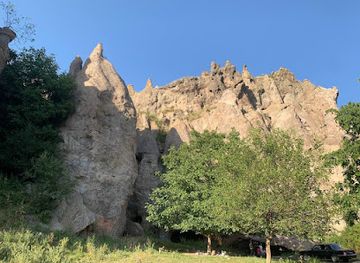
Goris’s principal attractions combine geology, local history and the wider heritage of Syunik. Old Goris, or Hin Kores, spreads among steep gullies and unusual rock towers, with cave dwellings recalling the settlement that preceded the modern town. In the centre, the Goris Geological Museum introduces the area’s striking natural formations and regional history, while the Axel Bakunts House Museum explores the life and work of one of Armenia’s notable twentieth-century writers. Strolling through the town’s tree-lined streets reveals traditional stone houses, small churches and views towards the surrounding escarpments. The nearby village of Khndzoresk, with its cave settlement and suspension bridge, is a popular regional excursion rather than a city attraction. Goris also serves as a practical base for organised visits to Tatev Monastery and the Vorotan gorge, whose dramatic landscapes extend the sightseeing experience beyond the town itself.
-
Historical landmark
Old Goris Amphitheater
Explore the ancient Old Goris Amphitheater in Armenia, a historical landmark offering stunning views and a glimpse into the region's rich cultural past.
15 min walk · 1.2 km from city centre
-
Historical place
Medieval Goris Cave Dwellings
Discover ancient history and stunning landscapes at the Medieval Goris Cave Dwellings, a unique cultural treasure in Armenia's Syunik region.
5 min drive · 1.5 km from city centre
-
History museum
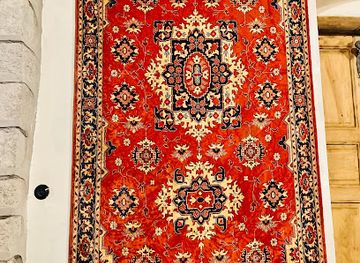
Museum-tea house Goris
Discover Goris's cultural heritage at the Museum-Tea House, where history comes alive with traditional Armenian tea and hospitality.
3 min walk · 0.3 km from city centre
Best landmarks in Goris
Goris’s landmarks express the relationship between an organised nineteenth-century town and the older settlement carved into the surrounding rocks. The Church of Saint Hripsime, a prominent stone church in the town, reflects the enduring place of Armenian Apostolic tradition in local life. Old Goris, or Hin Kores, is itself a cultural landscape landmark, with cave homes, rock towers and ravines showing how residents adapted buildings to the terrain. The Axel Bakunts House Museum preserves the connection between the town and Armenian literary culture, while the Goris Geological Museum gives institutional form to the region’s distinctive geology. Beyond the town, Tatev Monastery and the medieval complex at nearby Khndzoresk belong to the wider Syunik landscape rather than central Goris, but their presence helps explain the town’s importance as a regional gateway.
-
 Hotel
HotelMirhav Hotel
Experience comfort and culture at Mirhav Hotel, your gateway to exploring the historical and natural wonders of Goris, Armenia.
9 min walk · 0.7 km from city centre
-
Hotel
Khoreayi Dzor
Experience exceptional hospitality and authentic Armenian cuisine at Khoreayi Dzor, your perfect retreat in the heart of Goris.
14 min walk · 1.1 km from city centre
-
Sculpture
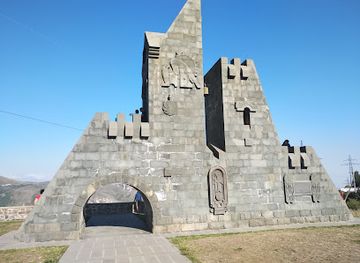
Goris Entry Monument
Discover the Goris Entry Monument: A cultural landmark embodying Armenia's heritage and welcoming visitors to a picturesque town.
14 min walk · 1.1 km from city centre
-
Hotel
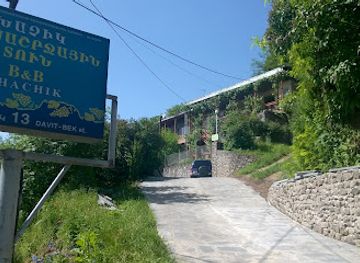
Khachik's B&B
Experience Armenian hospitality at Khachik's B&B in Goris. Comfortable rooms, friendly hosts, and a perfect base for exploring Syunik.
5 min walk · 0.4 km from city centre
Explore Goris on the map
Plan your Goris trip on one map. See where the top attractions, landmarks, restaurants, bars and hotels are, find what's near where you're staying, and book hotels and experiences in a few clicks.
Best hotels in Goris
Best restaurants in Goris
Dining in Goris reflects the food traditions of Syunik and the broader Armenian highlands, with meals shaped by seasonal vegetables, herbs, dairy, grains and carefully prepared meat. Visitors may encounter dolma, tolma, grilled meats, soups, salads, lavash and regional cheeses, alongside Armenian coffee, preserves and sweet pastries. Local cooking is often found in family-run restaurants, modest cafés and guesthouses, where menus can change according to available produce rather than following a fixed international format. Fruit and agricultural products from southern Armenia appear in market stalls and small food shops, while homemade vodka and local wines may be offered in rural surroundings. The centre has the greatest concentration of places to eat, whereas excursions towards villages and monasteries require more planning. Dining is generally unhurried, and a shared table can reveal the region’s hospitality as clearly as its formal culinary traditions.
-
Restaurant
Mirhav Hotel
Experience the essence of Armenian hospitality at Mirhav Hotel in Goris - where comfort meets culture.
9 min walk · 0.7 km from city centre
-
Inn
Hotel Vivas
Experience the warmth of Armenian hospitality at Hotel Vivas in Goris, featuring cozy accommodations and exquisite Asturian cuisine.
2 min walk · 0.2 km from city centre
-
Restaurant
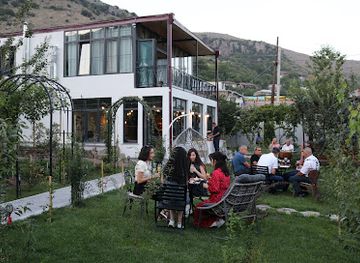
Wine Garden
Experience authentic Armenian flavors at Wine Garden in Goris – where culinary traditions meet breathtaking views.
2 min walk · 0.2 km from city centre
-
Restaurant
REDROOF Lounge Bar
Discover REDROOF Lounge Bar: A perfect blend of culinary delights and vibrant atmosphere in the heart of Goris.
16 min walk · 1.3 km from city centre

Best bars in Goris
Goris has a restrained evening scene rather than a large club culture. After dark, residents and visitors tend to gather in cafés, hotel lounges and restaurants for conversation, Armenian coffee, local drinks or a relaxed meal. The central streets and park area provide the greatest chance of finding evening activity, while guesthouses may offer a more personal introduction to regional food and drink. Live entertainment and late-night venues are limited compared with Yerevan, and many evenings are shaped more by the quiet mountain setting than by loud music. Cultural evenings, family gatherings and informal hospitality are often more characteristic than dedicated nightlife. Visitors travelling outside the town should arrange transport in advance, as remote restaurants and villages may not have dependable late connections or readily available taxis.
-
Restaurant
Mirhav Hotel
Discover the charm of Goris at Mirhav Hotel, where delicious Armenian cuisine meets cozy accommodations and unique local souvenirs.
9 min walk · 0.7 km from city centre
-
Inn
Hotel Vivas
Discover the charm of Goris at Hotel Vivas, where comfort meets exquisite Asturian cuisine in a picturesque setting.
2 min walk · 0.2 km from city centre
-
Hotel
Hotel Mira
Discover the serene charm of Hotel Mira in Goris, where comfort meets nature in a tranquil setting.
3 min walk · 0.3 km from city centre
-
Restaurant
Wine Garden
Experience the essence of Armenian cuisine at Wine Garden, a beautiful restaurant in Goris offering stunning views and a warm atmosphere.
2 min walk · 0.2 km from city centre


Best nightclubs in Goris
Goris has a restrained evening scene rather than a large club culture. After dark, residents and visitors tend to gather in cafés, hotel lounges and restaurants for conversation, Armenian coffee, local drinks or a relaxed meal. The central streets and park area provide the greatest chance of finding evening activity, while guesthouses may offer a more personal introduction to regional food and drink. Live entertainment and late-night venues are limited compared with Yerevan, and many evenings are shaped more by the quiet mountain setting than by loud music. Cultural evenings, family gatherings and informal hospitality are often more characteristic than dedicated nightlife. Visitors travelling outside the town should arrange transport in advance, as remote restaurants and villages may not have dependable late connections or readily available taxis.
-
Restaurant
REDROOF Lounge Bar
Discover the vibrant REDROOF Lounge Bar in Goris, where local flavors meet a lively atmosphere, perfect for an unforgettable dining experience.
16 min walk · 1.3 km from city centre
-
Outdoor activity organiser
Ttenut
Discover Ttenut in Goris: Your ultimate destination for thrilling outdoor activities and breathtaking nature explorations.
9 min drive · 3.1 km from city centre
-
Community center
Goris Press Club
Discover the vibrant community spirit at Goris Press Club, a cultural hub in Goris, Armenia, offering engaging events and local insights.
2 min walk · 0.2 km from city centre
Best shops in Goris
Shopping in Goris is modest and closely connected with everyday local life rather than large-scale retail. Small food shops, bakeries and market stalls are useful for fruit, preserves, cheese, bread and other provisions from Syunik, while craft sellers and guesthouses may offer handmade textiles, woodwork, ceramics or locally produced foods. The town centre provides the greatest concentration of practical shops, but opening patterns and stock can be informal, particularly outside the main visitor season. Armenian spirits, dried fruit and regional specialities can make distinctive gifts, although travellers should check transport and customs rules before buying agricultural products. Goris does not have the extensive designer retail or major shopping centres found in Yerevan; its appeal lies in locally made goods and the chance to see how shopping supports a mountain community.
-
Grocery store
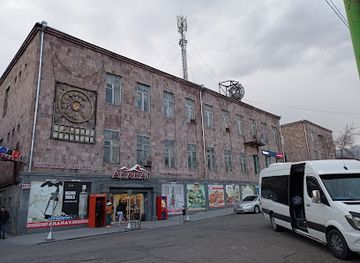
Ararat Supermarket
Explore the flavors of Armenia at Ararat Supermarket, a local treasure in Goris with fresh produce and traditional delicacies.
4 min walk · 0.3 km from city centre
-
Florist
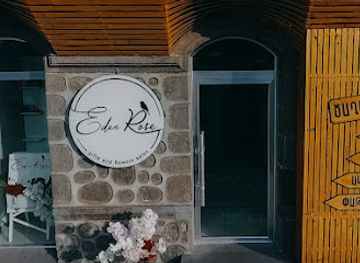
Eden Rose
Discover the enchanting beauty of Eden Rose in Goris, where exquisite floral arrangements meet the charm of local artistry.
8 min walk · 0.6 km from city centre
-
Historical landmark
Old Goris Amphitheater
Step into history at the Old Goris Amphitheater, a stunning testament to ancient architecture and culture in the heart of Armenia.
15 min walk · 1.2 km from city centre
-
Electronics store
Disc Խանութ Սրահ
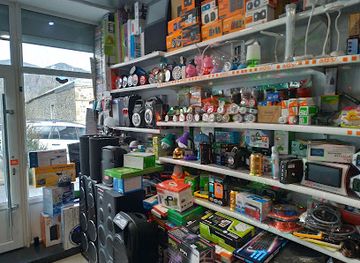
Explore cutting-edge technology and gadgets at Disc Խանութ Սրահ, Goris' top electronics store for travelers and locals alike.
4 min walk · 0.3 km from city centre
Get your free copy of our complete guide to Goris, delivered straight to you.
Everything on this page, from attractions and restaurants to essentials and local phrases, in one PDF you can read offline, print or share.
Already have an account? Sign in
Your Goris guide is ready.
We'll send it to · Not you? Sign out

Getting your guide ready…
We are putting together a fresh copy of the Goris guide. This can take up to a minute.
This can take a few moments. If your browser asks, choose Allow so the download can start. You'll find the guide in your Downloads folder.
Nothing happened? Download it again
Sorry, the guide is taking longer than usual. Please try again in a minute, or get it by email instead.
Goris essentials
Currency and Payment
Safety
Emergency Situations
Do's and Don'ts
Local Tips
From Eve
Local phrases worth knowing
You don't need to get them perfect. A few words go a long way, and locals appreciate the effort.
Basics
| English | Local | Say it |
|---|---|---|
| Hello | Բարև | [Barev] |
| Goodbye | Ցտրտ | [Tsirt] |
| Yes | Այո | [Ayo] |
| No | Ոչ | [Voč] |
| Please/You're welcome | Խնդրում եմ | [Khndrum em] |
| Thank you | Շնորհակալ եմ | [Shnorhakal em] |
| Excuse me/Sorry | Ներքո խնդրում եմ | [Nerk'o khndrum em] |
| How are you? | Ինչ ես գործող/ա? | [Inch es gorčogh/a?] |
| Fine. And you? | Լավ եմ։ Ի՞նչ ես? | [Lav em. Inč es?] |
| Do you speak English? | Անգլերեն խոսեք? | [Angleren xosək?] |
| I don't understand | Ես չեմ հասկանում | [Yes čem haskanum] |
Eating & Drinking
| English | Local | Say it |
|---|---|---|
| I'd like to see the menu, please | Խմբագրական ուտելու ցանկը տեսնելու եմ | [Xmbagrakan ut'elը ts'ankəy t'esnelը em] |
| I don't eat meat | Ես միս չուտում | [Yes mis č'utum] |
| Cheers! | Կանաչ! | [Kanač!] |
| I would like to pay, please | Խնդրում եմ վճարել | [Khndrum em včarel] |
Emergencies
| English | Local | Say it |
|---|---|---|
| Help! | Օգնեք! | [Ognek'!] |
| Go away! | Հասնեք հեռու | [Hasnek' heru] |
| Call the Police! | Զանգահարեք ոստիկանություն | [Zangaharek' ostikanut'yun] |
| Call a doctor! | Զանգահարեք բժշկ | [Zangaharek' bžšk] |
| I'm lost | Ես լուսամ | [Yes lusam] |
| I'm ill | Ես հիվանդ եմ | [Yes hivand em] |
Shopping
| English | Local | Say it |
|---|---|---|
| I'd like to buy... | Ես ցանկանում եմ գնել | [Yes ts'anək'anum em gnel] |
| I'm just looking | Միայն տեսնում եմ | [Miayn t'esnum em] |
| How much is it? | Ինչքան է դա? | [Inč'kan ē da?] |
| That's too expensive | Դա շատ է թանկ | [Da šat ē t'ank] |
| Can you lower the price? | Արդարադ կարող ես գնել | [Aradarad karoġ es gnel] |
Time & Numbers
| English | Local | Say it |
|---|---|---|
| What time is it? | Տեղեկացրեք ժամը | [Teghekat͡srkeq ʒamə] |
| It's one o'clock | Երկու ժամ է | [Yeṙku ʒam ē] |
| Half past (10) | Տասն կես | [Tasn kes] |
| Morning | Առավոտ | [Aravot] |
| Afternoon | Կեսույթ | [Kesuyt] |
| Evening | Երեկո | [Ereyko] |
| Yesterday | Երեկ | [Erey] |
| Today | Այսօր | [Aysor] |
| Tomorrow | Վաղը | [Vaġə] |
| 1 | Մեկ | [Mek] |
| 2 | Երկու | [Yerku] |
| 3 | Երեք | [Yerek] |
| 4 | Չորս | [Čhorս] |
| 5 | Հինգ | [Hing] |
| 6 | Վեց | [Veṙc] |
| 7 | Յոթ | [Yot'] |
| 8 | Ութ | [Ut'] |
| 9 | Ինը | [Inə] |
| 10 | Տաս | [Tas] |
Transport & Directions
| English | Local | Say it |
|---|---|---|
| Where's a/the...? | Որտե՞ղ է ... | [Vort'egh ē ...] |
| What's the address? | Որտե՞ղ է հասցեն | [Vort'egh ē hasc'en] |
| Can you show me (on the map)? | Դուք կարող եք ցուցարել ինձ (քարտեզում) | [Duk' karoġ ek' ts'uc'arel indz (k'artezoom)] |
| When's the next (bus)? | Երբ է հաջողապեսը (ավտոբուսը) | [Erb ē hajogapeley (avtobusey)] |
| A ticket (to ....) | Բիլետ (.... համար) | [Bilet (.... hamar)] |
History of Goris
Early Settlements in the Goris Basin
The Goris area has been inhabited since antiquity, when settlements developed around the fertile basin, springs and defensible rock formations of southern Syunik. Archaeological evidence from the wider region records a long sequence of prehistoric and early historic communities, while the natural caves around Old Goris provided shelter and storage. The landscape formed an important part of local life: cliffs offered protection, and the surrounding valleys supported cultivation and pastoral activity. The modern town sits within a much older cultural environment shaped by movement through the Syunik highlands and by the interaction of Armenian communities with neighbouring regional powers.
Medieval Syunik and the Cave Settlement
During the medieval period, Syunik was associated with Armenian princely and royal authorities and later with local noble houses, including the Orbelians. The region’s monasteries, fortresses and carved religious monuments reflect its importance as a cultural and political landscape. Old Goris developed among natural pinnacles and caves, where dwellings were adapted to the terrain rather than imposed upon it. The settlement’s exact beginnings are difficult to assign to a single date, but its surviving rock-cut spaces and traditional layout reveal a long history of habitation. Religious foundations and routes through the Vorotan basin connected local communities with wider Armenian networks.
Persian and Russian Imperial Rule
From the early modern period, Syunik was contested by the Safavid Persian, Ottoman and later Russian empires, with political control and population patterns changing over time. Russian authority reached the region in the nineteenth century, and the present town of Goris was laid out in the 1870s on a more regular plan below the older cave settlement. Its streets, stone houses and civic buildings reflect the urban practices of the Russian imperial period, while Armenian traditions remained central to community life. The contrast between planned Goris and the irregular rock dwellings of Hin Kores is one of the town’s clearest historical features.
The Town in the Twentieth Century
Goris became an administrative and commercial centre for southern Armenia during the twentieth century. Under Soviet rule, education, public administration and industry altered the town’s economy and appearance, while roads strengthened its links with the rest of the republic. New neighbourhoods grew around the older street plan, and collective institutions replaced many earlier patterns of local production. Despite these changes, the surrounding villages, churches and agricultural landscapes continued to shape the town’s identity. The literary heritage of Syunik also gained prominence through figures such as Axel Bakunts, whose work is commemorated in Goris.
Independence and Regional Importance
After Armenia regained independence in 1991, Goris remained the principal urban centre of Syunik and an important stop on the route through the south. Tourism gradually expanded around the region’s monasteries, landscapes and cultural sites, while local businesses adapted to visitors travelling towards Tatev and the Iranian border. The town has also retained strategic importance because of Syunik’s sensitive position near Armenia’s international boundaries. Contemporary Goris therefore combines municipal life, regional administration and a growing visitor economy with the practical realities of a mountainous border province.
Goris in Photos
Browse through our photo collection highlighting the charm and character of the destination.
Cities near Goris
The closest cities to Goris, if you have time for more than one stop.
-

-

-

-

-


Swipe for more cities
Explore more

Explore more of Armenia
Explore Armenia's ancient wonders, vibrant cities, and breathtaking landscapes. From historic monasteries to delicious cuisine, there's something for every traveler.
Explore Armenia