

Free Vayk Travel Guide & Mobile App
Plan your Vayk trip with Evendo. Get free guides to top attractions, restaurants, hotels, and bars. Web access or download the mobile app.


Vayk, Armenia offers quiet Vayots Dzor scenery, local culture, nearby wine country, medieval monasteries and a scenic route towards Jermuk.
A Small Town in the Arpa Valley
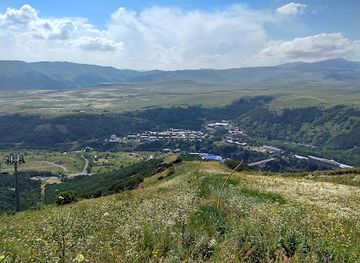
Vayk is a compact town in southern Armenia’s Vayots Dzor province, set along the Arpa River and the important highway linking Yerevan with the mountain resort of Jermuk and the Iranian border. Its broad valley setting, dry hills and distant ridges give the town a distinctly rural character, while its position makes it a useful base for exploring one of Armenia’s most historically layered regions. Vayk is not a city of grand boulevards or extensive museums; its appeal lies in the unhurried rhythm of provincial life and the scenery surrounding it.Read more about Vayk
Between Wine Country and the High Mountains
The Character of Vayots Dzor
When is the best time to visit Vayk?
Best: May–June, September · 23–28°C| Month | High (°C) | Rainfall (mm) |
|---|---|---|
| January | 3 | 29 |
| February | 4 | 30 |
| March | 10 | 27 |
| April | 17 | 23 |
| May (best) | 23 | 19 |
| June (best) | 28 | 8 |
| July | 31 | 4 |
| August | 30 | 5 |
| September (best) | 24 | 10 |
| October | 17 | 20 |
| November | 9 | 26 |
| December | 6 | 27 |
Getting to and around Vayk
How to get there
Transportation
Best attractions in Vayk
Vayk’s principal attraction is its setting in the broad Arpa valley, where dry hills, cultivated slopes and distant mountain ridges frame a small, walkable town. The central park and public spaces provide a gentle introduction to local life, while St Trdat Church offers a contemporary place of worship and a recognisable point of interest. For most visitors, however, Vayk’s sightseeing value lies in its position within Vayots Dzor. The Areni area, reached along the M2, combines vineyards with the archaeological discoveries of Areni-1 cave; Noravank occupies a dramatic red-rock gorge farther west; and Jermuk, north-east of Vayk, is known for its mineral-water tradition, forested ravines and mountain air. The medieval churches and village landscapes of the Yeghegis valley add further depth. These excursions are outside Vayk itself, making the town best suited to travellers interested in a quieter base and a broader regional itinerary.
-
Monastery
Noravank
Explore the architectural marvels and breathtaking landscapes of Noravank Monastery, a must-visit destination in Armenia.
39 min drive · 19 km from city centre
-
Armenian church
Zorats Church
Discover the spiritual beauty and rich history of Zorats Church in Yeghegis, a hidden gem of Armenian architecture and culture.
41 min drive · 21 km from city centre
-
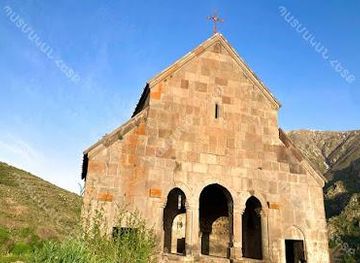
Monastery
Tanahat Monastery
Discover Tanahat Monastery in Yeghegnadzor: An 8th-century Armenian spiritual center with stunning architecture and a rich history.
31 min drive · 11 km from city centre
-
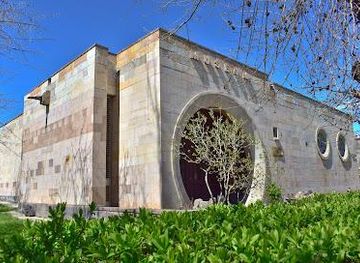
Museum
Yeghegnadzor Regional Museum
Explore 9,000 years of history and culture in Armenia's Vayots Dzor region, from ancient artifacts to medieval treasures at the Yeghegnadzor Regional Museum.
33 min drive · 13 km from city centre


Best landmarks in Vayk
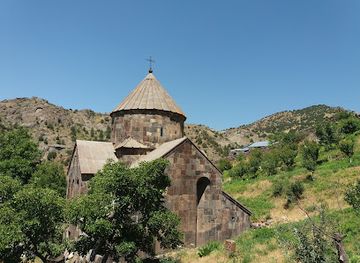
St Trdat Church is Vayk’s principal religious landmark, representing the town’s contemporary Armenian identity rather than the medieval architecture found elsewhere in the province. The central park and civic core provide the clearest expression of Vayk’s Soviet-era urban planning, with open public space and administrative buildings arranged for a small regional centre. The Arpa valley itself is an important geographical landmark: the river corridor explains the town’s location and its longstanding role on the southern road. Beyond the town, the red-stone monastery of Noravank, the medieval churches of the Yeghegis valley and the cave complex at Areni-1 are significant regional landmarks, but they should not be described as being in Vayk. Together, these nearby places show the contrast between Vayk’s modern, functional character and the deeply historic landscape that surrounds it.
-
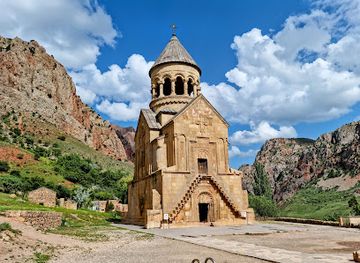
Monastery
Noravank
Discover Noravank Monastery: A 13th-century Armenian architectural gem nestled amidst stunning red cliffs in the Vayots Dzor region. A must-see!
39 min drive · 19 km from city centre
-
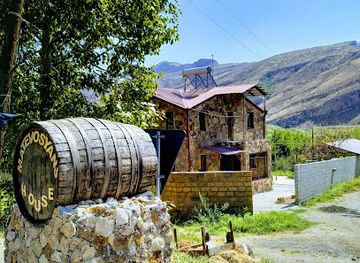
Restaurant
Matevosyans' HOUSE
Experience the authentic taste of Armenia at Matevosyans' House, where traditional flavors meet warm hospitality in the heart of Vayots' Dzor.
36 min drive · 16 km from city centre
-
Tourist attraction
Jermuk Hot Springs
Experience the rejuvenating power of Jermuk Hot Springs, a serene escape in the heart of Armenia, surrounded by nature's beauty.
40 min drive · 20 km from city centre
-
Monastery
Gndevank
Discover the serene beauty and rich history of Gndevank Monastery, a tranquil retreat in Armenia's stunning landscapes.
35 min drive · 15 km from city centre
Explore Vayk on the map
Plan your Vayk trip on one map. See where the top attractions, landmarks, restaurants, bars and hotels are, find what's near where you're staying, and book hotels and experiences in a few clicks.
Best hotels in Vayk
Best restaurants in Vayk
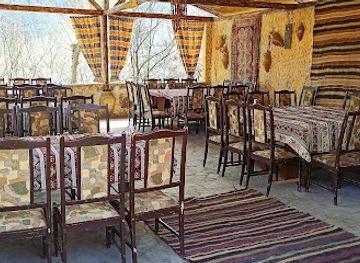
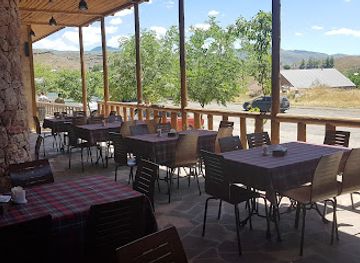
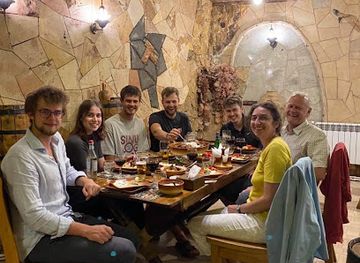
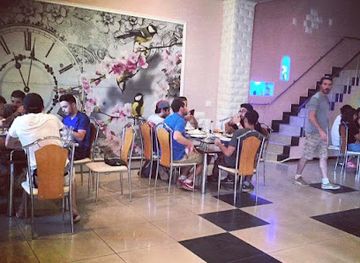
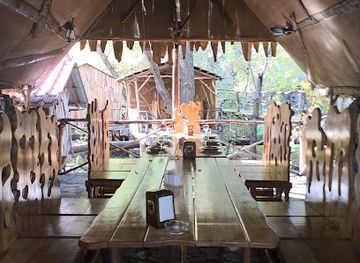
Vayk’s dining scene is modest and closely connected to the foodways of southern Armenia. Simple restaurants, bakeries and small food shops serve familiar Armenian staples such as khorovats grilled meat, dolma, soups, salads, lavash and seasonal fruit, while local households make use of apricots, grapes, dairy products and garden produce. Roadside eateries and family-run establishments may offer the most characteristic meals, though opening patterns and menus can be informal. Vayots Dzor is one of Armenia’s best-known wine regions, particularly around Areni, where indigenous grape varieties and small wineries have helped renew the province’s vinicultural identity; tastings are generally a regional excursion rather than a town-centre activity. In Vayk, expect practical, filling food rather than an extensive restaurant quarter, and confirm payment options before ordering at smaller establishments.
-
Restaurant
Matevosyans' HOUSE
Experience authentic Armenian flavors at Matevosyans' HOUSE in Arpi's stunning Vayots' Dzor region.
36 min drive · 16 km from city centre
-
Food court
Food Court Yeghegnadzor
Explore diverse flavors at Food Court Yeghegnadzor - a culinary paradise offering both local Armenian delicacies and international cuisine.
32 min drive · 12 km from city centre
-
Armenian
Luna
Discover the essence of Armenian cuisine at Luna in Vayk – where tradition meets taste in every delightful dish.
1 min walk · 0.1 km from city centre
-
Winery
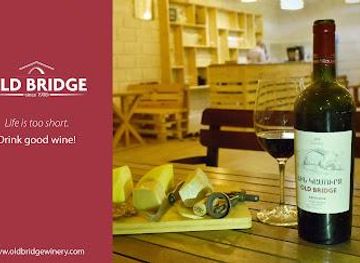
Old Bridge Winery
Family-crafted Areni reserves, award-winning tastings, local feasts, and cozy stays in Armenia's wine valley heart – pure tradition meets modern delight.
33 min drive · 13 km from city centre
Best bars in Vayk
Vayk has a quiet evening atmosphere rather than a developed nightlife district. Social life centres on cafés, restaurants, family gatherings and informal public spaces, with little reason to expect a concentration of cocktail bars or nightclubs. Evenings are better suited to a relaxed meal, conversation and a walk through the central area than to late-night entertainment. Wine is an important part of Vayots Dzor’s wider identity, especially around Areni, but organised tastings and winery visits generally take place outside Vayk and require advance transport planning. Cultural evenings may arise through local events or seasonal community programmes, although these are not a permanent fixture. Visitors should avoid assuming that rural venues operate late, and should arrange a dependable way back to their accommodation when travelling beyond the town.
-
Food court
Vayk Food Court
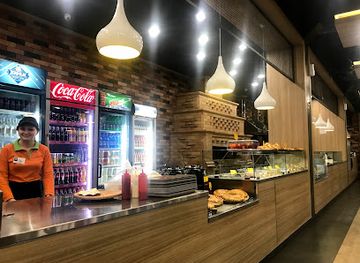
Discover the vibrant flavors of Vayk Food Court, where diverse cuisines meet a lively atmosphere for an unforgettable dining experience.
18 min walk · 1.4 km from city centre
-
Restaurant
Matevosyans' HOUSE
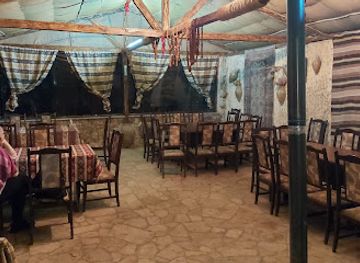
Experience the authentic taste of Armenia at Matevosyans' House, a charming restaurant in Vayots' Dzor offering traditional dishes and local wines.
36 min drive · 16 km from city centre
-
Armenian
Luna
Discover the authentic flavors of Armenia at Luna, where every dish tells a story of tradition and culinary excellence.
1 min walk · 0.1 km from city centre
-
Restaurant
Որսկան/ VORSKAN/
Savor the authentic Armenian culinary experience at VORSKAN Restaurant in Vayk, where tradition meets exquisite flavors.
16 min drive · 5.3 km from city centre
Best shops in Vayk
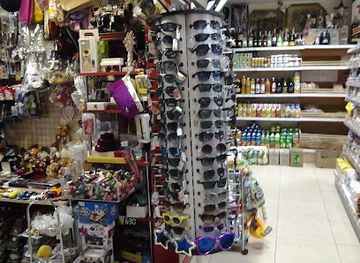
Shopping in Vayk is practical and local rather than centred on a formal retail district. Small groceries, bakeries, produce sellers and neighbourhood shops supply everyday needs, while seasonal fruit, vegetables, preserves and other home-produced foods may appear in informal roadside or community settings. Travellers interested in regional products can look beyond the town towards Vayots Dzor’s vineyards and villages, where wine, dried fruit, honey and handmade foodstuffs are more closely connected with local production, although availability varies and purchases should be made from reputable sellers. Traditional Armenian crafts and substantial souvenir selections are easier to find in major tourist centres and at established visitor sites than in Vayk itself. The town’s understated shopping experience offers a closer view of provincial routines than of commercial tourism, so cash and basic Armenian phrases are useful when dealing with small independent businesses.
-
Clothing store
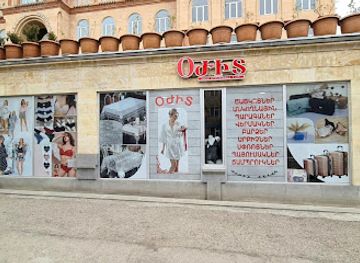
Օժիտ խանութ սրահ Եղեգնաձորում
Explore Ozhit Clothing Store in Yeghegnadzor for stylish apparel that reflects local culture and contemporary trends.
33 min drive · 13 km from city centre
-
Supermarket
MenDav
Explore local flavors and essentials at MenDav supermarket in Vayk, where quality meets convenience for tourists and locals alike.
15 min walk · 1.2 km from city centre
-
Shopping mall
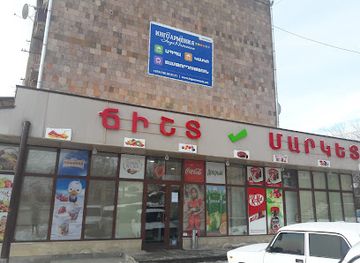
Ճիշտ Մարկետ
Explore the vibrant shopping scene at Ճիշտ Մարկետ in Yeghegnadzor, where local culture meets modern retail in an unforgettable experience.
33 min drive · 13 km from city centre
-
Shopping mall
VaNoNa Market
Explore the vibrant VaNoNa Market in Yeghegnadzor for local crafts, delicious food, and a true taste of Armenian culture.
32 min drive · 12 km from city centre
Get your free copy of our complete guide to Vayk, delivered straight to you.
Everything on this page, from attractions and restaurants to essentials and local phrases, in one PDF you can read offline, print or share.
Already have an account? Sign in
Your Vayk guide is ready.
We'll send it to · Not you? Sign out

Getting your guide ready…
We are putting together a fresh copy of the Vayk guide. This can take up to a minute.
This can take a few moments. If your browser asks, choose Allow so the download can start. You'll find the guide in your Downloads folder.
Nothing happened? Download it again
Sorry, the guide is taking longer than usual. Please try again in a minute, or get it by email instead.
Vayk essentials
Currency and Payment
Safety
Emergency Situations
Do's and Don'ts
Local Tips
From Eve
Local phrases worth knowing
You don't need to get them perfect. A few words go a long way, and locals appreciate the effort.
Basics
| English | Local | Say it |
|---|---|---|
| Hello | Բարև | [Barév] |
| Goodbye | Ցտեսակ | [Tsdesak] |
| Yes | Այո | [Ayo] |
| No | Ոչ | [Voč] |
| Please/You're welcome | Խնդրում եմ | [Khndrum em] |
| Thank you | Շնորհակալ եմ | [Shnorhakal em] |
| Excuse me/Sorry | Ներում եմ | [Nerum em] |
| How are you? | Ինչպես ես? | [Inchpes es?] |
| Fine. And you? | Լավ եմ. Անդա? | [Lav em. Anda?] |
| Do you speak English? | Անգլերեն խրախուսում ես? | [Angleren khrakhosum es?] |
| I don't understand | Ես չեմ հասկանում | [Yes chem haskanum] |
Eating & Drinking
| English | Local | Say it |
|---|---|---|
| I'd like to see the menu, please | Խնդրում եմ մենյունը տեսնել | [Khndrum em menyunə təsnel] |
| I don't eat meat | Ես մկնե չեմ ուշանում | [Yes mknə chem ushanum] |
| Cheers! | Ողջույթ! | [Voǰuyt!] |
| I would like to pay, please | Խնդրում եմ վճարել | [Khndrum em včarel] |
Emergencies
| English | Local | Say it |
|---|---|---|
| Help! | Օգնեք! | [Ognekʿ!] |
| Go away! | Սառեցք! | [Sarecʿkʿ!] |
| Call the Police! | Զինվեք ոստիկան | [Zinvɛkʿ vostikan] |
| Call a doctor! | Զինվեք բժշկ | [Zinvɛkʿ bž̌ʃkʿ] |
| I'm lost | Ես տեղափոխվել եմ | [Yes tʿeghaphoxel em] |
| I'm ill | Ես հիվանալի եմ | [Yes hivanali em] |
Shopping
| English | Local | Say it |
|---|---|---|
| I'd like to buy... | Խնդրում եմ գնել | [Khndrum em gnel] |
| I'm just looking | Սիրում եմ նայել | [Sirum em nayel] |
| How much is it? | Որքա՞ն է դա | [Vorqan ē da] |
| That's too expensive | Այն շատ թանկ է | [Ayn šat tʿank ē] |
| Can you lower the price? | Դուք կարծիք կանեք գինը? | [Dukʿ kartsik kanekʿ giny?] |
Time & Numbers
| English | Local | Say it |
|---|---|---|
| What time is it? | Ինչ ժամ է այսպես? | [Inčʿ žam ē ayspɛs?] |
| It's one o'clock | Ես էլ է մեկը | [Esɛl ē mɛkɛ] |
| Half past (10) | Կես տասը | [Kɛs tasɛ] |
| Morning | Առավոտ | [Aravot] |
| Afternoon | Կեսուն | [Kesun] |
| Evening | Երեկ | [Erek] |
| Yesterday | Երեկո | [Ereko] |
| Today | Այսօր | [Aysor] |
| Tomorrow | Վաղը | [Vaġə] |
| 1 | Մեկ | [Mek] |
| 2 | Երկու | [Erku] |
| 3 | Երեք | [Erekk] |
| 4 | Չորս | [Čʿors] |
| 5 | Հինգ | [Hing] |
| 6 | Ծածկ | [Tsatsk] |
| 7 | Յոթ | [Yotʿ] |
| 8 | Ութ | [Utʿ] |
| 9 | Ինը | [Inə] |
| 10 | Տաս | [Tas] |
Transport & Directions
| English | Local | Say it |
|---|---|---|
| Where's a/the...? | Որտեղ է ...? | [Vortʿegh ē ...?] |
| What's the address? | Որքա՞ն է հասցեն | [Vorqan ē hascʿɛn] |
| Can you show me (on the map)? | Դուք կարիք կանեք (քարտեզում) | [Dukʿ kariq kanekʿ (kʿartezum)] |
| When's the next (bus)? | Երբ է հաջողում (ավտոբուսը) | [Yerb ē hajhoghum (avtobusə)] |
| A ticket (to ....) | Բիլետ (մինչեւ ...) | [Bilet (minčʿew ...)] |
History of Vayk
Vayots Dzor Before the Modern Town
The wider Vayots Dzor region has been inhabited since prehistoric times, with archaeological evidence showing that people farmed, made wine and used the area’s caves and valleys many thousands of years ago. The Areni-1 cave complex, west of Vayk, has produced especially important evidence of early human activity, including an ancient winery and burial remains. These discoveries belong to the surrounding province rather than to the modern town itself, but they place Vayk within a landscape with an exceptionally long human history. The Arpa valley also formed a natural route between the Armenian highlands and southern trade corridors, encouraging settlement and movement through the area.
Medieval Vayots Dzor
During the medieval period, Vayots Dzor was associated with Armenian princely and ecclesiastical communities, fortified routes and monastic estates. Nearby monuments such as Noravank and the churches of Yeghegis reflect the artistic and political importance of the province between the thirteenth and fourteenth centuries. The region experienced the pressures common to southern Armenia, including changing dynasties, military campaigns and shifts in trade routes. Although Vayk did not yet exist as a modern urban settlement, the valley around it belonged to the same cultural landscape that produced the province’s stone churches, khachkars and fortified villages.
From Persian Rule to Russian Administration
Vayots Dzor remained part of a contested frontier zone between Persian and Ottoman powers for much of the early modern period. In the nineteenth century, the area came under Russian imperial administration following the Russo-Persian conflicts and the Treaty of Turkmenchay in 1828. Administrative changes, population movements and new political structures gradually linked the valley more closely with the eastern Armenian territories governed from the Russian Caucasus. Agriculture and pastoralism continued to shape everyday life, while roads and settlements developed in response to regional trade and government administration.
The Soviet Settlement of Soylan
The modern town emerged during the Soviet period as Soylan, developing in the twentieth century amid planned agricultural, administrative and public-building programmes. Its position on the route through Vayots Dzor gave it practical importance, while local livelihoods remained connected to orchards, vineyards, livestock and services for surrounding villages. Soviet urban planning left the town with a compact central area, apartment blocks, public institutions and broad roads rather than the medieval fabric found at nearby monastic sites. The settlement’s modern identity was therefore shaped more by regional administration and transport than by ancient urban continuity.
Renaming and Contemporary Vayk
After Armenia regained independence in 1991, Soylan was renamed Vayk in 1994, adopting the name associated with the historic province of Vayots Dzor. The town became an administrative centre within the province and continued to serve communities along the main southern highway. Contemporary Vayk is modest in scale, with a population and visitor infrastructure suited to a small regional town rather than a major tourist centre. Its present-day significance comes from its location: it connects the wine-growing settlements near Areni, the resort town of Jermuk, mountain communities and the wider heritage of southern Armenia.
Vayk in Photos
Browse through our photo collection highlighting the charm and character of the destination.
Cities near Vayk
The closest cities to Vayk, if you have time for more than one stop.
-

-

-

-

-


Swipe for more cities
Explore more

Explore more of Armenia
Explore Armenia's ancient wonders, vibrant cities, and breathtaking landscapes. From historic monasteries to delicious cuisine, there's something for every traveler.
Explore Armenia