

Free Jermuk Travel Guide & Mobile App
Plan your Jermuk trip with Evendo. Get free guides to top attractions, restaurants, hotels, and bars. Web access or download the mobile app.


Jermuk, Armenia: mineral springs, forested mountain walks, waterfalls, spa traditions and Vayots Dzor culture in a highland resort town near Gndevank.
A Mountain Spa Town
Jermuk rises among the wooded slopes of Vayots Dzor in southern Armenia, at an elevation of roughly 2,000 metres. Its name is associated with the Armenian word jerm, meaning warm, a reference to the mineral springs that have shaped the town’s identity for generations. The air is cool and fragrant with pine, while the surrounding mountains give Jermuk a distinctly alpine character uncommon elsewhere in the country.Read more about Jermuk
Waterfalls, Springs and Forests
Vayots Dzor Heritage
When is the best time to visit Jermuk?
Best: June–August · 23–26°C| Month | High (°C) | Rainfall (mm) |
|---|---|---|
| January | 0 | 25 |
| February | 2 | 22 |
| March | 7 | 20 |
| April | 14 | 16 |
| May | 19 | 11 |
| June (best) | 23 | 9 |
| July (best) | 26 | 7 |
| August (best) | 26 | 8 |
| September | 20 | 11 |
| October | 14 | 16 |
| November | 6 | 20 |
| December | 3 | 24 |
Getting to and around Jermuk
How to get there
Transportation
Best attractions in Jermuk
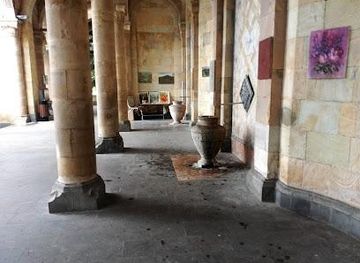
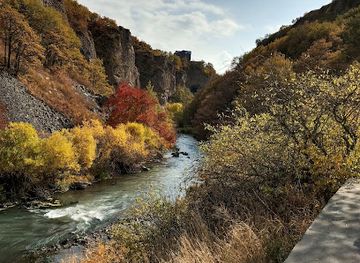
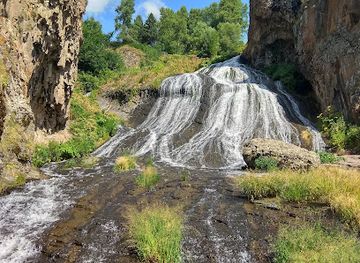
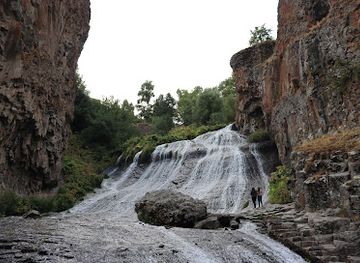
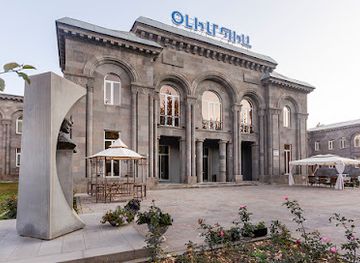
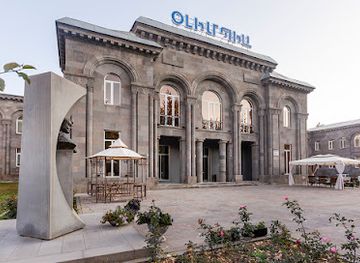
Jermuk’s attractions are concentrated in the meeting point of resort architecture and mountain scenery. The Gallery of Water, a colonnaded drinking pavilion in the centre, introduces visitors to the town’s mineral-water tradition through its warm fountains. Above the resort, Jermuk Waterfall descends into a rocky gorge reached by paths and viewpoints through wooded slopes. The surrounding forests provide space for walking and seasonal nature watching, while the ropeway offers access to higher terrain when operating and may lead to snow activities in winter. Spa and sanatorium facilities are part of the town’s distinctive atmosphere, even for visitors who are not seeking treatment. The town also works well as a base for exploring Vayots Dzor: Gndevank monastery lies in the wider Arpa valley, while vineyards and historic sites around Areni and Yeghegnadzor broaden the regional itinerary without being part of Jermuk itself.
-
Water
Jermuk Waterfall
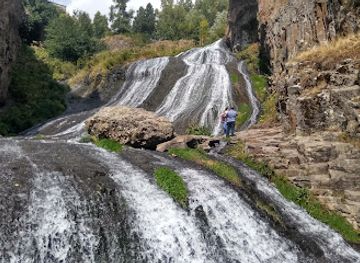
Discover the enchanting Jermuk Waterfall in Armenia, a natural wonder cascading down 70 meters amidst serene landscapes.
6 min drive · 2.0 km from city centre
-
Museum
Jermuk Art Gallery
Discover Armenian artistry at Jermuk Art Gallery, showcasing a diverse collection of paintings and sculptures in a serene spa town setting.
5 min drive · 1.8 km from city centre
-
Tourist attraction
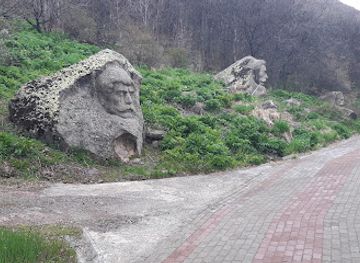
Heroes Alley
Discover Armenian valor and history amidst the scenic beauty of Jermuk's Heroes Alley.
5 min drive · 1.5 km from city centre
-
Lake
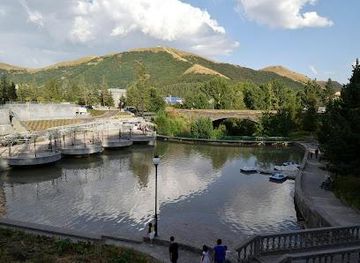
Dolphin Lake
Escape to the serene beauty of Dolphin Lake in Jermuk, Armenia, surrounded by lush forests and majestic mountains. A perfect natural retreat.
6 min drive · 2.0 km from city centre

Best landmarks in Jermuk
The Gallery of Water is Jermuk’s defining civic landmark, an elegant public drinking pavilion that expresses the town’s long association with mineral springs and therapeutic bathing. The Jermuk Waterfall is a natural landmark rather than a built monument, but its gorge and descending cascade have become inseparable from the resort’s identity. Around the central area, broad avenues and large sanatorium buildings preserve the visual language of Soviet spa planning, when Jermuk was developed as a major health resort within the Soviet Union. The town’s surrounding forested slopes provide a dramatic architectural setting, with the built resort arranged against high mountain terrain. Beyond Jermuk, Gndevank monastery is the principal historic landmark associated with an excursion from the town; its medieval church and remote position in the Arpa valley reveal the older religious history of Vayots Dzor rather than the modern resort’s development.
-
Tourist attraction
Jermuk Waterfalls
Explore Jermuk Waterfalls: A Natural Gem in Armenia, Perfect for Nature Lovers and Adventure Seekers.
6 min drive · 2.0 km from city centre
-
Water
Jermuk Waterfall
Experience the breathtaking beauty of Jermuk Waterfall, a nature lover's paradise in the heart of Armenia, surrounded by lush landscapes and tranquility.
6 min drive · 2.0 km from city centre
-
Tourist attraction
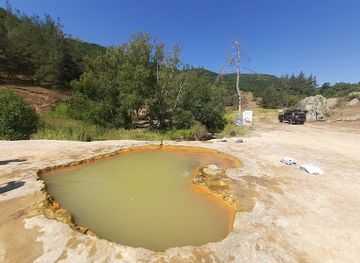
Jermuk Hot Springs
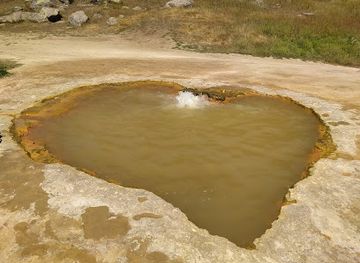
Discover Jermuk's natural hot springs: a historic spa destination offering relaxation, healing waters, and stunning Armenian scenery.
16 min drive · 5.4 km from city centre
-
Hotel
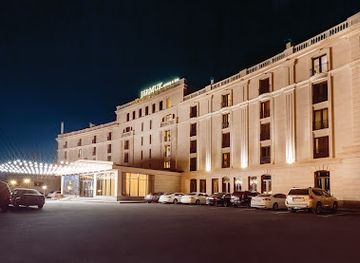
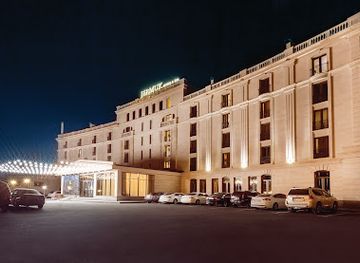
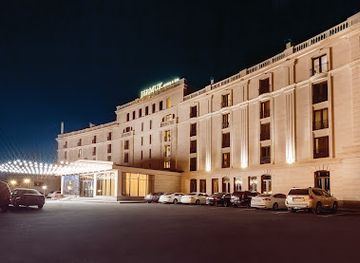
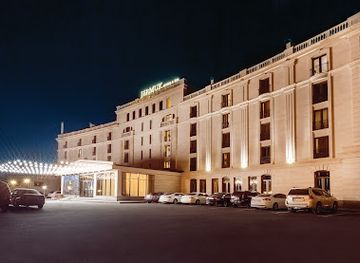
Jermuk Hotel
Discover tranquility and wellness at Jermuk Hotel, an exquisite resort hotel in Armenia's picturesque spa town, perfect for relaxation and rejuvenation.
7 min drive · 2.4 km from city centre
Explore Jermuk on the map
Plan your Jermuk trip on one map. See where the top attractions, landmarks, restaurants, bars and hotels are, find what's near where you're staying, and book hotels and experiences in a few clicks.
Best hotels in Jermuk
Best restaurants in Jermuk
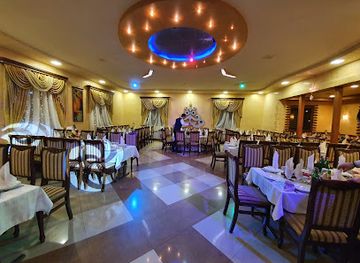
Dining in Jermuk is closely tied to its identity as a spa resort, with hotel restaurants, cafés and modest eateries serving Armenian home-style food to visitors staying for wellness treatments or mountain breaks. Menus commonly draw on the country’s familiar repertoire of grilled meats, dolma, soups, salads, lavash, cheese, herbs and seasonal vegetables, while Vayots Dzor’s wines provide a regional connection. Breakfasts and light meals are readily associated with the sanatorium and hotel setting, whereas smaller cafés offer a more informal stop between walks. The town is not a large gastronomic centre, so choice can be quieter and more limited than in Yerevan. Regional products, including fruit preserves and local dairy, may appear in markets or guesthouse meals, and a wider culinary exploration can extend into the vineyards and villages of Vayots Dzor.
-
Water
Jermuk Waterfall
Discover the enchanting beauty of Jermuk Waterfall in Armenia – a natural paradise perfect for relaxation and adventure amidst stunning landscapes.
6 min drive · 2.0 km from city centre
-
Hotel
Jermuk Hotel
Discover unparalleled comfort and wellness at Jermuk Hotel, your serene escape nestled in Armenia's picturesque landscape.
7 min drive · 2.4 km from city centre
-
Restaurant
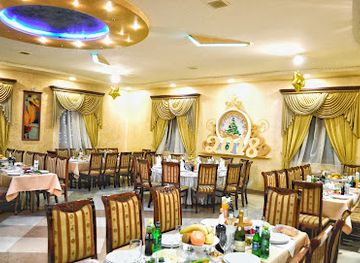
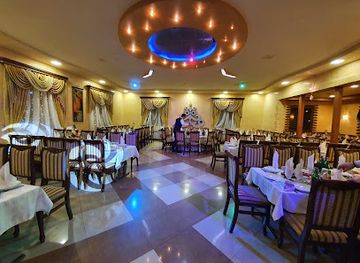
Forte restaurant
Experience the essence of Armenian cuisine at Forte Restaurant in Jermuk—where tradition meets contemporary dining in an inviting atmosphere.
6 min walk · 0.5 km from city centre
-
Restaurant
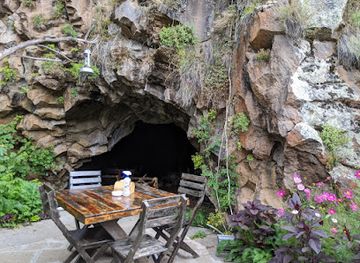
Քարանձավ
Experience authentic Armenian cuisine at Քարանձավ Restaurant in Darakert - where tradition meets flavor in every dish.
5 min drive · 1.6 km from city centre
Best bars in Jermuk
Jermuk has a restrained evening scene shaped by its role as a health resort rather than a nightlife destination. Evenings typically centre on hotel and sanatorium restaurants, cafés, lounges and quiet social spaces, where visitors may find Armenian wine, coffee or tea rather than a dense concentration of independent bars. During busier holiday periods, resort properties may provide music or cultural entertainment, but schedules and availability vary. The town’s strongest after-dark appeal is atmospheric: illuminated public areas, cool mountain air and a slower pace after the day’s walks or spa treatments. There is no well-known nightclub district comparable with Yerevan’s, and travellers should expect early-closing or low-key options, particularly outside peak seasons. Those seeking a broader choice of performances and late-night venues will find it in Armenia’s capital rather than in Jermuk.
-
Water
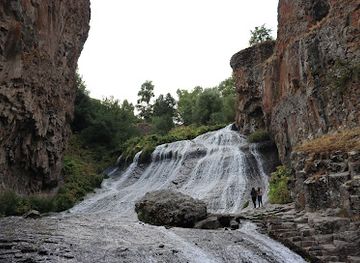
Jermuk Waterfall
Explore the enchanting Jermuk Waterfall in Armenia, a serene natural wonder surrounded by lush landscapes and perfect for relaxation and adventure.
6 min drive · 2.0 km from city centre
-
Hotel
Jermuk Hotel
Experience the serene luxury of Jermuk Hotel, a wellness retreat surrounded by Armenia’s stunning natural beauty, perfect for relaxation and adventure.
7 min drive · 2.4 km from city centre
-
Bar
Olympia Sanatorium
Experience ultimate relaxation and wellness at Olympia Sanatorium, a serene health resort in Jermuk, Armenia, surrounded by nature's beauty.
5 min drive · 1.8 km from city centre
-
Restaurant
Forte restaurant
Discover the flavors of Armenia at Forte Restaurant in Jermuk, where culinary tradition meets a cozy dining atmosphere.
6 min walk · 0.5 km from city centre
Best nightclubs in Jermuk
Jermuk has a restrained evening scene shaped by its role as a health resort rather than a nightlife destination. Evenings typically centre on hotel and sanatorium restaurants, cafés, lounges and quiet social spaces, where visitors may find Armenian wine, coffee or tea rather than a dense concentration of independent bars. During busier holiday periods, resort properties may provide music or cultural entertainment, but schedules and availability vary. The town’s strongest after-dark appeal is atmospheric: illuminated public areas, cool mountain air and a slower pace after the day’s walks or spa treatments. There is no well-known nightclub district comparable with Yerevan’s, and travellers should expect early-closing or low-key options, particularly outside peak seasons. Those seeking a broader choice of performances and late-night venues will find it in Armenia’s capital rather than in Jermuk.
-
Tourist attraction
Jermuk Hot Springs
Experience the rejuvenating power of Jermuk Hot Springs, where healing waters meet stunning mountain vistas in Armenia.
16 min drive · 5.4 km from city centre
-
Restaurant
Forte restaurant
Discover the flavors of Armenia at Forte Restaurant, where culinary excellence meets the charm of Jermuk.
6 min walk · 0.5 km from city centre
-
Restaurant
Jermuk restaurant
Discover the flavors of Armenia at Jermuk Restaurant, a culinary haven nestled in the scenic town of Jermuk, offering traditional dishes and a cozy atmosphere.
15 min walk · 1.2 km from city centre

Best shops in Jermuk
Shopping in Jermuk is modest and practical, with small shops, hotel outlets and local points of sale reflecting the town’s spa identity rather than a large retail district. The best-known purchase associated with the resort is Jermuk mineral water, sold in bottles and recognised throughout Armenia. Visitors may also find Armenian sweets, preserves, dried fruit, wine from Vayots Dzor and small regional food products, while craft souvenirs and traditional items appear more often in hotel or seasonal settings than in dedicated artisan quarters. There is no extensive bazaar comparable with Yerevan’s major markets, and opening patterns can be seasonal. For a wider selection of wine, handmade goods and local produce, the villages and vineyards of Vayots Dzor offer a more regional shopping experience. Bargaining is not central to ordinary shop purchases, although informal market transactions may be more flexible.
-
Hotel
Jermuk Hotel
Experience luxury and wellness at Jermuk Hotel, a premier resort nestled in the stunning landscapes of Armenia, perfect for relaxation and rejuvenation.
7 min drive · 2.4 km from city centre
-
Tourist attraction
Jermuk Hot Springs
Experience the rejuvenating power of Jermuk Hot Springs, a tranquil escape surrounded by Armenia's stunning landscapes and rich heritage.
16 min drive · 5.4 km from city centre
-
Health resort
Olympia Sanatorium
Experience ultimate relaxation and healing at Olympia Sanatorium in Jermuk, where wellness meets natural beauty in Armenia.
5 min drive · 1.8 km from city centre
-
 Hotel
HotelVerona Resort
Experience luxury and tranquility at Verona Resort in Jermuk, where stunning nature meets top-notch hospitality for an unforgettable stay.
5 min drive · 1.6 km from city centre
Get your free copy of our complete guide to Jermuk, delivered straight to you.
Everything on this page, from attractions and restaurants to essentials and local phrases, in one PDF you can read offline, print or share.
Already have an account? Sign in
Your Jermuk guide is ready.
We'll send it to · Not you? Sign out

Getting your guide ready…
We are putting together a fresh copy of the Jermuk guide. This can take up to a minute.
This can take a few moments. If your browser asks, choose Allow so the download can start. You'll find the guide in your Downloads folder.
Nothing happened? Download it again
Sorry, the guide is taking longer than usual. Please try again in a minute, or get it by email instead.
Jermuk essentials
Currency and Payment
Safety
Emergency Situations
Do's and Don'ts
Local Tips
From Eve
Local phrases worth knowing
You don't need to get them perfect. A few words go a long way, and locals appreciate the effort.
Basics
| English | Local | Say it |
|---|---|---|
| Hello | բարև | [barev] |
| Goodbye | Ցտեսություն | [Tsdesut‘yun] |
| Yes | Այո | [Ayo] |
| No | Ոչ | [Voč‘] |
| Please/You're welcome | Խնդրում եմ | [Khndrum em] |
| Thank you | Շնորհակալ եմ | [Shnorhakal em] |
| Excuse me/Sorry | Ներողություն | [Neroghut‘yun] |
| How are you? | Ինչպես եք? | [Inč‘pes ek?] |
| Fine. And you? | Լավ եմ, իսկ Դու? | [Lav em, isk Du?] |
| Do you speak English? | Ասացք եք անգլերեն? | [Asac‘k‘ ek angleren?] |
| I don't understand | Ես չեմ հասկանում | [Yes chem haskanum] |
Eating & Drinking
| English | Local | Say it |
|---|---|---|
| I'd like to see the menu, please | Խնդրում եմ մենյունը տեսնել | [Khndrum em menyunə t'esnel] |
| I don't eat meat | Ես միս չուտեմ | [Yes mis chut'em] |
| Cheers! | Կէս! | [Ke's!] |
| I would like to pay, please | Խնդրում եմ վճարել | [Khndrum em včarel] |
Emergencies
| English | Local | Say it |
|---|---|---|
| Help! | Օգնեք | [Ognēk‘] |
| Go away! | Հեռացէք | [Herac‘ēk‘] |
| Call the Police! | Զանգահարեք ոստիկանությունը | [Zangaharek‘ vostikanut‘yunə] |
| Call a doctor! | Զանգահարեք բժշկին | [Zangaharek‘ bžškin] |
| I'm lost | Ես կորցվամ | [Yes korts‘vam] |
| I'm ill | Ես հիվանդ եմ | [Yes hivand em] |
Shopping
| English | Local | Say it |
|---|---|---|
| I'd like to buy... | Ես ուզում եմ գնել ... | [Es uzum em gnel ...] |
| I'm just looking | Ես միայն նայում եմ | [Yes miayn nayum em] |
| How much is it? | Քանի է դադարը? | [K'anī ē dadarə?] |
| That's too expensive | Դա շատ թանկ է | [Da šat‘ t‘ank ē] |
| Can you lower the price? | Կարե՞ս ձեր գինը նվագել | [Kare? jer gine nvaġel] |
Time & Numbers
| English | Local | Say it |
|---|---|---|
| What time is it? | Տեսական ժամ է այստեղ? | [Tesakan žam ē aystegh?] |
| It's one o'clock | Ամենաժամ է | [Amenažam ē] |
| Half past (10) | Կիսական (10) | [Kisakan (10)] |
| Morning | Առեղ | [Aṙegh] |
| Afternoon | Կերակուր | [Kerakur] |
| Evening | Երեկո | [Ereko] |
| Yesterday | Երեկ | [Ereke] |
| Today | Այսօր | [Aysor] |
| Tomorrow | Ապաակ | [Ap‘aak] |
| 1 | 1 | [1] |
| 2 | 2 | [2] |
| 3 | 3 | [3] |
| 4 | 4 | [4] |
| 5 | 5 | [5] |
| 6 | 6 | [6] |
| 7 | 7 | [7] |
| 8 | 8 | [8] |
| 9 | 9 | [9] |
| 10 | 10 | [10] |
Transport & Directions
| English | Local | Say it |
|---|---|---|
| Where's a/the...? | Որտեղ է ...? | [Vortegh ē ...?] |
| What's the address? | Որտեղ է հասցեն? | [Vortegh ē hascen?] |
| Can you show me (on the map)? | Կարե՞ս ցուցադրել (քարտեզի վրա) | [Kare? c‘uc‘adrel (k‘artezi vra)] |
| When's the next (bus)? | Երկար միակը երբեք է? | [Erkar miaky erbek‘ ē?] |
| A ticket (to ....) | Բիլետ (մինչև ...) | [Bilet (minč‘ev ...)] |
History of Jermuk
Springs in Vayots Dzor
Jermuk’s history begins with its mineral springs and the wider landscape of Vayots Dzor, a highland region shaped by the Arpa River and routes across southern Armenia. The warm waters made the area significant long before the modern resort appeared, although the surviving historical record does not define a single foundation date for the present town. The name Jermuk is generally connected with jerm, the Armenian word for warm, reflecting the most enduring feature of the settlement. Pastoral activity, travel through mountain valleys and the cultivation of vineyards in lower parts of Vayots Dzor formed the broader cultural setting in which the springs were valued.
Medieval Vayots Dzor
During the medieval period, Vayots Dzor was an important Armenian cultural landscape, and monasteries, churches and fortified sites developed along its valleys. The most important surviving monument near Jermuk is Gndevank, founded in the tenth century in the Arpa gorge. Though outside the town itself, it illustrates the religious and architectural networks that connected the region. Medieval communities depended on agriculture, pastoralism and movement through the mountain passes, while monasteries served as places of worship, learning and manuscript culture. Jermuk’s springs remained part of this regional landscape rather than a large urban centre in their own right.
From Regional Village to Resort
Jermuk began to assume its modern identity as a spa settlement in the nineteenth century, when interest in mineral waters encouraged the development of bathing and health facilities. The town’s remote mountain setting, clean air and naturally warm springs suited the European and Russian imperial-era fashion for therapeutic resorts. Development was gradual, and Jermuk remained much smaller than the major urban centres of the South Caucasus. Its importance lay less in trade or political power than in the health-giving reputation of its waters and the scenery surrounding the upper Arpa valley.
Soviet Spa Development
The Soviet period transformed Jermuk into a planned health resort. Sanatoriums, hotels, landscaped public spaces and treatment facilities expanded around the springs, giving the town much of the architectural character visible today. Mineral water was bottled and distributed more widely, while Jermuk became associated with organised holidays and medical tourism within the Soviet Union. The resort’s broad avenues and large accommodation buildings reflect this era of state-directed development. At the same time, the surrounding forests, waterfall and mountain slopes remained central to the town’s appeal, balancing institutional spa architecture with a powerful natural setting.
A Contemporary Armenian Resort
After Armenia regained independence in 1991, Jermuk adapted to a changing tourism economy while retaining its role as a spa and wellness destination. Accommodation and treatment facilities continued to attract Armenian and international visitors, and the town increasingly became associated with hiking, winter recreation and excursions through Vayots Dzor. Jermuk’s mineral water remains a nationally recognised product, while nearby heritage sites connect the resort to Armenia’s medieval past. Its contemporary identity therefore combines Soviet-era sanatorium planning, older traditions of valuing mountain springs and a renewed interest in nature-based travel.
Jermuk in Photos
Browse through our photo collection highlighting the charm and character of the destination.
Cities near Jermuk
The closest cities to Jermuk, if you have time for more than one stop.
-

-

-

-

-


Swipe for more cities
Explore more

Explore more of Armenia
Explore Armenia's ancient wonders, vibrant cities, and breathtaking landscapes. From historic monasteries to delicious cuisine, there's something for every traveler.
Explore Armenia