

Khosrov Forest State Reserve, Armenia Travel Guide
Discover Khosrov Forest State Reserve in Armenia - a historic sanctuary with diverse wildlife, stunning landscapes, and ancient ruins. Perfect for nature and history enthusiasts.
Nestled in the heart of Armenia, Khosrov Forest State Reserve is a haven for nature lovers and history buffs alike. This ancient forest, established by King Khosrov III over 1,700 years ago, covers a vast area of rugged mountains, deep gorges, and lush valleys. The reserve is home to a diverse range of flora and fauna, making it a unique spot for wildlife enthusiasts. Visitors to Khosrov Forest can explore its scenic hiking trails, which offer breathtaking views of the landscape. The reserve's rich biodiversity includes many rare and endangered species, such as the Armenian mouflon and the bezoar goat. Bird watchers will be delighted by the variety of birds, including eagles and vultures, that soar above the forest. In addition to its natural beauty, Khosrov Forest is steeped in history. Ancient ruins, including medieval monasteries and fortresses, dot the landscape, providing a glimpse into Armenia's storied past. A visit to Khosrov Forest State Reserve offers a perfect blend of adventure, nature, and history, making it an unforgettable destination.

Know before you go
Hi, I'm Eve. Here are a few practical things to know before exploring Khosrov Forest State Reserve.
- Visit in spring or autumn when the weather is mild and the flora is in full bloom.
- Wear sturdy hiking boots as the terrain can be rugged and uneven.
- Bring binoculars for bird watching and spotting wildlife.
- Hire a local guide to learn about the history and ecology of the reserve.
- Carry sufficient water and snacks, as there are limited facilities within the reserve.
Explore Khosrov Forest State Reserve: Things to Do, Places to Eat, Hotels & More
Handpicked recommendations for top attractions, local dining, accommodations, and more

Best attractions in Khosrov Forest State Reserve
Top-rated picks
Best Attractions

Paruyr Sevak House-Museum
Explore the life and legacy of Armenia's celebrated poet, Paruyr Sevak, at his house-museum in Zangakatun.

Khosrov Forest Reserve Vedi Office & Museum
Discover Armenia's ancient Khosrov Forest Reserve: a biodiversity hotspot with rich history & stunning landscapes. Visit the Vedi Office & Museum!

Ուռանոց Uranots
Experience authentic Armenian culture in Uranots, Surenavan. Discover local traditions, scenic landscapes, and warm hospitality in this hidden gem.


Best shops in Khosrov Forest State Reserve
Top-rated picks
Best Shops

Khosrov Forest Reserve Vedi Office & Museum
Discover Armenia's natural diversity at Khosrov Forest Reserve Museum, an educational hub showcasing the ecological treasures of the region.

MIRAGE SILVER
Discover unique treasures and handcrafted gifts at Mirage Silver in Vedi, a must-visit shop for tourists seeking authentic local artistry.

ՎԻ ԷՄ
Explore the vibrant V.I.E.M Store in Vedi for authentic Armenian souvenirs and local delicacies in a charming retail setting.

Explore Khosrov Forest State Reserve on the Map
A handpicked selection of must-see spots in Khosrov Forest State Reserve, mapped for you.
Khosrov Forest State Reserve Essentials
-
Khosrov Forest State Reserve is located approximately 60 kilometers southeast of Yerevan, the capital of Armenia. The most common way to reach the reserve is by car. You can rent a car from Yerevan or hire a taxi for a day trip. Additionally, some tour companies offer guided tours to the reserve, including transportation. There is no direct public transportation to the reserve, so private transport is the most reliable option.
-
Once inside the Khosrov Forest State Reserve, transportation options are limited to hiking and guided tours. The reserve has an extensive network of trails that can be explored on foot. For areas that are harder to reach, you may want to hire a local guide who is familiar with the terrain. Always ensure your vehicle is suitable for off-road conditions if you plan to drive within the reserve.
-
The official currency in Armenia is the Armenian Dram (AMD). It's advisable to carry cash, as there are no ATMs or card payment facilities within the reserve. While credit cards are accepted in Yerevan and other urban areas, you should withdraw sufficient cash before your trip to cover expenses like entrance fees, guided tours, and meals.
-
Khosrov Forest State Reserve is generally safe for tourists. However, it is essential to take standard precautions. Stay on marked trails, carry a map, and inform someone about your planned route and expected return time. Be cautious of wildlife and follow guidelines provided by park authorities. There are no specific areas within the reserve known for high crime rates targeting tourists, but it's always best to remain vigilant with your belongings.
-
In case of an emergency, dial 911 for immediate assistance. The nearest medical facilities are located in Garni or Yerevan, so it is crucial to have a first aid kit with you. Always carry a fully charged mobile phone, but be aware that coverage may be limited in remote areas. It is highly recommended to have travel insurance that covers medical emergencies.
-
Fashion: Do wear comfortable and sturdy hiking shoes. Dress in layers, as the weather can change rapidly. Avoid flashy or overly casual attire. Religion: Do respect the local religious customs, especially when visiting nearby monasteries or churches. Public Transport: Since public transport does not reach the reserve, always use private transport or guided tours. Greetings: Do greet locals and park staff with a friendly hello or handshake. Eating & Drinking: Do bring your own food and water, as there are limited facilities within the reserve. Don't litter; always take your trash back with you to help preserve the natural environment.
-
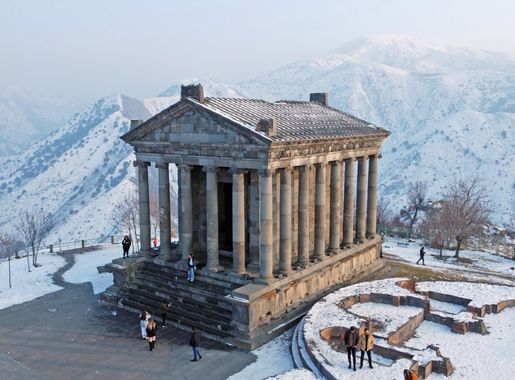
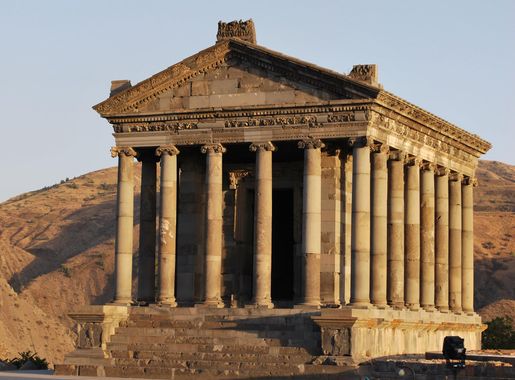
To experience Khosrov Forest State Reserve like a local, consider hiring a local guide who can provide insights into the area's rich history and biodiversity. Visit in the early morning or late afternoon to enjoy the reserve when it's less crowded and the wildlife is most active. Bring a good pair of binoculars for birdwatching and a camera to capture the stunning landscapes. Don't miss the chance to see historical sites such as the Garni Temple and Geghard Monastery, which are located nearby.
When is the best time to visit Khosrov Forest State Reserve?
Useful Local Phrases for Khosrov Forest State Reserve
You don't need to speak the language perfectly. Even learning a few simple words can make conversations warmer—and locals usually appreciate the effort.
— Eve

Here are the phrases I use most often in Khosrov Forest State Reserve. Try a few—you'll be surprised how far they go! 😊
❤️
-
- HelloԲարև
[Barev] - GoodbyeՑտեսություն
[Ts'tesut'un] - YesԱյո
[Ayo] - NoՈչ
[Voç] - Please/You're welcomeԽնդրում եմ
[Khntrum em] - Thank youՇնորհակալ եմ
[Shnorhakal em] - Excuse me/SorryՆերողություն
[Neroghut'un] - How are you?Ինչպես եք?
[Inchpes ek?] - Fine. And you?Լավ եմ։ Այսօր ինչ եք?
[Lav em. Aysor inch ek?] - Do you speak English?Դու խոսում ես անգլերեն։
[Du khosum es angleren.] - I don't understandՉեմ հասկանում
[Chem haskanum]
- HelloԲարև
-
- I'd like to see the menu, pleaseԽնդրում եմ մենյունը տեսնել
[Khntrum em menuyn tsenel] - I don't eat meatԵս մես չափոսեմ
[Yes mes chaposem] - Cheers!Ալեք!
[Alek!] - I would like to pay, pleaseԽնդրում եմ վճարել
[Khntrum em vchar'el]
- I'd like to see the menu, pleaseԽնդրում եմ մենյունը տեսնել
-
- Help!Օրհնեա!
[Orhnea!] - Go away!Առաքիր!
[Arak'ir!] - Call the Police!Զանգահարեք ոստիկանը!
[Zangahrek' ostikaney!] - Call a doctor!Զանգահարեք բժշկին!
[Zangahrek' bzhskin!] - I'm lostԿումն եմ
[Kumn em] - I'm illԱխտած եմ
[Akhtas em]
- Help!Օրհնեա!
-
- I'd like to buy...Խնդրում եմ գնել
[Khntrum em gnel] - I'm just lookingՇատ չեմ ուզում
[Shat chem uzum] - How much is it?Քանի է դամաստիկը?
[Qani e damastiky?] - That's too expensiveԴա շատ է թափ
[Da shat e tap] - Can you lower the price?Կարեմ շատ թափես?
[Karem shat tap'es?]
- I'd like to buy...Խնդրում եմ գնել
-
- What time is it?Տեսակավորեք ժամը
[Tesakavor'ek' zhamy] - It's one o'clockԵս մեկը
[Yes mekey] - Half past (10)Քսանել է (10)
[Qsaneyel e (10)] - MorningԱռավոտ
[Aravot] - AfternoonԿեսօր
[Kes'or] - EveningԵրեկ
[Erek] - YesterdayԵրեկ
[Erek] - TodayԱյսօր
[Aysor] - TomorrowՎաղ
[Vagh] - 11
[1] - 22
[2] - 33
[3] - 44
[4] - 55
[5] - 66
[6] - 77
[7] - 88
[8] - 99
[9] - 1010
[10]
- What time is it?Տեսակավորեք ժամը
-
- Where's a/the...?Որտե՞ղ է ...-ը
[Vortex e ...-u ] - What's the address?Որտե՞ղ է հասցեն
[Vortex e hascen] - Can you show me (on the map)?Կարող ես ցուցադրել (քարտում)
[Karogh es ts'uts'adrel (kartum)] - When's the next (bus)?Երբ է հաջողությանը (ավտոբուսը)
[Yerbe e hajoghut'yaney (avtobusey)] - A ticket (to ....)Բիլետ (մինչև ...)
[Bilet (minchev ...)]
- Where's a/the...?Որտե՞ղ է ...-ը
History of Khosrov Forest State Reserve
-
The Khosrov Forest State Reserve was founded in the 4th century by King Khosrov III of Armenia. It was established primarily as a royal hunting ground and a sanctuary for breeding wild animals. The forest was also created to protect the country’s natural resources and preserve its unique flora and fauna.
-
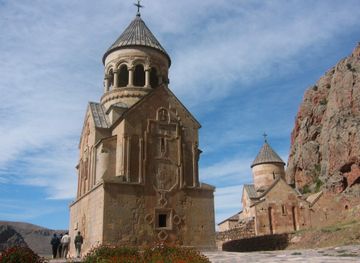
The Khosrov Forest State Reserve is home to several medieval monasteries and churches, including the Havuts Tar Monastery and the Aghjots Vank Monastery. These religious sites date back to the 10th and 13th centuries and are significant examples of Armenian architecture and monastic life.
-
During the Middle Ages, the Khosrov Forest region was an essential part of the Silk Road network. The forest provided shelter and resources for caravans traveling along this ancient trade route, facilitating the exchange of goods, culture, and ideas between East and West.
-
In the 20th century, during the Soviet era, the Khosrov Forest State Reserve was officially designated as a protected area in 1958. This marked a significant step in conservation efforts to preserve the unique biodiversity and historical heritage of the region.
-
In 1996, the Khosrov Forest State Reserve was included in the UNESCO World Heritage Tentative List. This recognition highlights the reserve’s outstanding universal value, emphasizing its rich biodiversity, historical significance, and cultural heritage.
-
Today, the Khosrov Forest State Reserve is a vital conservation area and a popular destination for eco-tourism. It offers visitors a chance to explore its diverse ecosystems, historical landmarks, and breathtaking landscapes while promoting sustainable tourism practices and the protection of its natural and cultural resources.
Neighbouring destination travel guides
Browse our curated selection of top destinations, scenic points, and must-visit spots in the area.



Your all‑in‑one travel companion app
Explore expert travel guides, compare and book tours, experiences, hotels, and more—all from the palm of your hand. Download now for seamless trip planning wherever your wanderlust takes you.


Explore More of Ararat

Looking beyond Khosrov Forest State Reserve? Discover Ararat for broader travel guides, local hot-spots, and regional highlights.
Explore AraratExplore More of Armenia

Looking beyond Khosrov Forest State Reserve? Discover Armenia for broader travel guides, local hot-spots, and regional highlights.
Explore ArmeniaKhosrov Forest State Reserve in Photos
Browse through our photo collection highlighting the charm and character of the destination.




Khosrov Forest State Reserve: Armenia's Ancient Wilderness
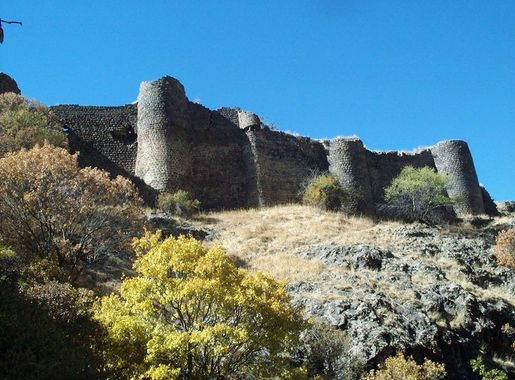
Nestled in the heart of Armenia, Khosrov Forest State Reserve is a haven for nature lovers and history buffs alike. This ancient forest, established by King Khosrov III over 1,700 years ago, covers a vast area of rugged mountains, deep gorges, and lush valleys. The reserve is home to a diverse range of flora and fauna, making it a unique spot for wildlife enthusiasts. Visitors to Khosrov Forest can explore its scenic hiking trails, which offer breathtaking views of the landscape. The reserve's rich biodiversity includes many rare and endangered species, such as the Armenian mouflon and the bezoar goat. Bird watchers will be delighted by the variety of birds, including eagles and vultures, that soar above the forest. In addition to its natural beauty, Khosrov Forest is steeped in history. Ancient ruins, including medieval monasteries and fortresses, dot the landscape, providing a glimpse into Armenia's storied past. A visit to Khosrov Forest State Reserve offers a perfect blend of adventure, nature, and history, making it an unforgettable destination.