

Yeghegis Village Travel Guide - Free Web & App
Your ultimate guide to Yeghegis Village. Discover top landmarks, proposed trips, and local tips. Free on the web or via the Evendo companion app.


Discover Yeghegis Village: A serene escape in Armenia's Vayots Dzor Province, rich in history and natural beauty.
Read more about Yeghegis Village
When is the best time to visit Yeghegis Village?
Best: May–June, September · 23–27°C| Month | High (°C) | Rainfall (mm) |
|---|---|---|
| January | 3 | 17 |
| February | 5 | 16 |
| March | 11 | 14 |
| April | 16 | 11 |
| May (best) | 23 | 10 |
| June (best) | 27 | 8 |
| July | 30 | 6 |
| August | 29 | 7 |
| September (best) | 24 | 10 |
| October | 16 | 12 |
| November | 9 | 15 |
| December | 4 | 16 |
Getting to and around Yeghegis Village
How to get there
Transportation
Best attractions in Yeghegis Village
Yeghegis Village in Armenia offers a rich historical experience with its well-preserved medieval architecture, including the impressive Surb Astvatsatsin Church and the ruins of the Yeghegis Castle. Visitors can wander through the cobblestone streets lined with traditional stone houses and explore the surrounding nature with hiking trails leading to stunning viewpoints. The village also hosts cultural events and festivals, providing a taste of local traditions and cuisine. History buffs and nature lovers alike will be captivated by the charm and beauty of Yeghegis Village.
-
Wildlife refuge
Եղեգնաձորի արգելավայր
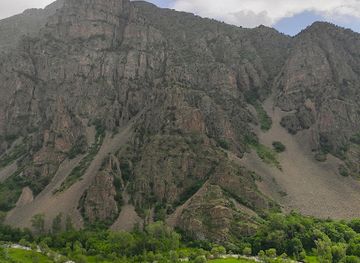
Explore Armenia's Yeghegnadzor Sanctuary: A protected haven of forests, rare wildlife, and stunning natural beauty in the Vayots Dzor region.
Best landmarks in Yeghegis Village
Yeghegis Village in Armenia offers visitors a captivating journey through its rich history and stunning landscapes. From the ancient Tsakhats Kar Monastery perched on a hill overlooking the village to the medieval Yeghegis Fortress, visitors can explore centuries-old architecture and learn about the village's past. The picturesque Yeghegis River winds through the village, providing a peaceful backdrop for leisurely walks. Additionally, the surrounding mountains offer hiking opportunities with breathtaking views of the Armenian countryside. Visitors can also immerse themselves in local culture by visiting traditional Armenian homes and sampling authentic cuisine. Yeghegis Village is a hidden gem waiting to be discovered by travelers seeking a unique and enriching experience.
-
Fortress
Smbataberd
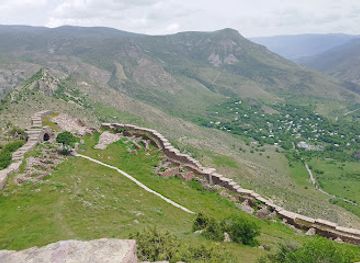
Explore the medieval majesty of Smbataberd Fortress in Armenia's Vayots Dzor – a historic stronghold with breathtaking views and captivating legends.
-
Armenian church
Spitakavor
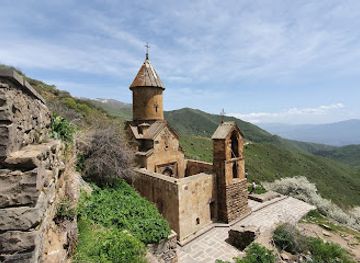
Discover Spitakavor Monastery in Armenia: a 14th-century architectural gem with stunning views and a rich history, nestled in the Vayots Dzor mountains.
-
 Hotel
HotelHotel Arevi
Discover the serene charm of Hotel Arevi in Yeghegis, Armenia, where comfort meets stunning natural beauty and rich cultural heritage.
-
Armenian church
Tsakhats Kar
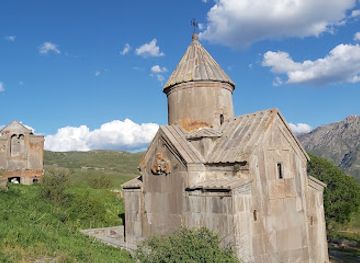
Discover Tsakhats Kar: A 10th-century Armenian monastery with stunning architecture, serene landscapes, and a glimpse into the nation's rich history.
Explore Yeghegis Village on the map
Plan your trip on one map. See where the top attractions, landmarks, restaurants and hotels are, and book hotels and experiences in a few clicks.
Best hotels in Yeghegis Village
Best nightclubs in Yeghegis Village
Yeghegis Village may be a small and quaint location, but its nightlife scene offers a unique and charming experience for visitors. The village comes alive in the evening with traditional Armenian music and dancing at local taverns, where guests can enjoy authentic cuisine and drinks while immersing themselves in the rich cultural heritage of the region. Whether you're looking to unwind with a glass of local wine or join in on a lively folk dance, Yeghegis Village has something for everyone to enjoy after the sun sets.
-
River
Yeghegis
Explore Yeghegis River in Armenia – a serene destination with stunning landscapes and rich cultural heritage, perfect for nature lovers and adventure seekers.
Best shops in Yeghegis Village
Yeghegis Village offers a unique shopping experience for visitors, with a charming array of local handicrafts, traditional Armenian textiles, and exquisite handmade jewelry. Visitors can explore the village's small markets and boutique shops to find one-of-a-kind souvenirs to take home. The friendly local vendors are eager to share the stories behind their crafts and help visitors find the perfect memento of their time in Yeghegis. The shopping scene in Yeghegis Village is a delightful blend of history, culture, and craftsmanship, making it a must-visit destination for any traveler looking for authentic Armenian treasures.
-
Church
Zorats Church
Explore the serene beauty and architectural wonder of Zorats Church in Yeghegis, a must-visit destination for history and spirituality lovers.
-
Camping cabin
Elegis Village Resort
Discover the perfect blend of nature and comfort at Elegis Village Resort, where every stay is a serene adventure in Yeghegis.
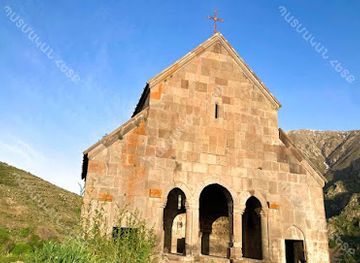
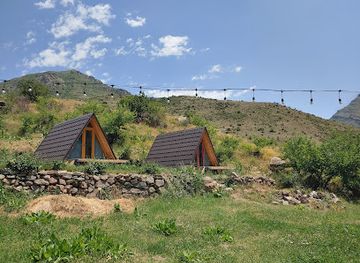
Get your free copy of our complete guide to Yeghegis Village, delivered straight to you.
Everything on this page, from attractions and restaurants to essentials and local phrases, in one PDF you can read offline, print or share.
Already have an account? Sign in
Your Yeghegis Village guide is ready.
We'll send it to · Not you? Sign out

Getting your guide ready…
We are putting together a fresh copy of the Yeghegis Village guide. This can take up to a minute.
This can take a few moments. If your browser asks, choose Allow so the download can start. You'll find the guide in your Downloads folder.
Nothing happened? Download it again
Sorry, the guide is taking longer than usual. Please try again in a minute, or get it by email instead.
Yeghegis Village essentials
Currency and Payment
Safety
Emergency Situations
Do's and Don'ts
Local Tips
From Eve
Local phrases worth knowing
You don't need to get them perfect. A few words go a long way, and locals appreciate the effort.
Basics
| English | Local | Say it |
|---|---|---|
| Hello | Բարև | [Barev] |
| Goodbye | Ցտես | [Tsdes] |
| Yes | Այո | [Ayo] |
| No | Ոչ | [Voč] |
| Please/You're welcome | Խնդրում եմ | [Khndrum em] |
| Thank you | Շնորհակալ եմ | [Shnorhakal em] |
| Excuse me/Sorry | Ներում եմ | [Nerum em] |
| How are you? | Ինչպե՞ս եք | [Inchpes ek] |
| Fine. And you? | Լավ եմ։ Անդու՞ դու | [Lav em. Andu du] |
| Do you speak English? | Անգլերեն խոսեք | [Angleren xoshek] |
| I don't understand | Ես չեմ հասկանալ | [Yes chem haskanal] |
Eating & Drinking
| English | Local | Say it |
|---|---|---|
| I'd like to see the menu, please | Խմբագրությունը կիրառելու եմ, խնդրում եմ | [Khmbagrut‘yunə kirarelեm, khndrum em] |
| I don't eat meat | Ես միս չուտում | [Yes mis chʼutʼum] |
| Cheers! | Կէլուեց! | [Keluetsʻ] |
| I would like to pay, please | Վճարելու եմ, խնդրում եմ | [Včarelu em, khndrum em] |
Emergencies
| English | Local | Say it |
|---|---|---|
| Help! | Օրհնեք! | [Orhnəkʿ] |
| Go away! | Ելացրեք! | [Elacʿrekʿ] |
| Call the Police! | Զինվորականը զանգահարեք! | [Zinvorakanə zangaharekʿ] |
| Call a doctor! | Բժշկականը զանգահարեք! | [Bžškakanə zangaharekʿ] |
| I'm lost | Ես կորացված եմ | [Yes kʼoracʿvac em] |
| I'm ill | Ես հիվանալի եմ | [Yes hivanali em] |
Shopping
| English | Local | Say it |
|---|---|---|
| I'd like to buy... | Առանցամ... | [Aṙancʿam...] |
| I'm just looking | Միայն վերանորոգում եմ | [Miayn veranorogum em] |
| How much is it? | Ինչքա՞ն է | [Inčʿkan ē] |
| That's too expensive | Դա շատ թանկ է | [Da šatʿ tank ē] |
| Can you lower the price? | Դուք կարծիք արեք գինը | [Dukʿ karcikʿ arekʿ gine] |
Time & Numbers
| English | Local | Say it |
|---|---|---|
| What time is it? | Տեսական ժամ է | [Tesakan žam ē] |
| It's one o'clock | Երկուսն է | [Yerkusn ē] |
| Half past (10) | Քսասեր, տասնը | [Qsaser, tasnə] |
| Morning | Առավոտ | [Aravot] |
| Afternoon | Կեսգիր | [Kesgir] |
| Evening | Երեկո | [Ereko] |
| Yesterday | Երեքշաբթի | [Erekšabti] |
| Today | Այսօր | [Aysor] |
| Tomorrow | Վաղը | [Vałə] |
| 1 | Մեկ | [Mek] |
| 2 | Երկու | [Yerku] |
| 3 | Երեք | [Yerekʿ] |
| 4 | Չորս | [Čʿors] |
| 5 | Հինգ | [Hing] |
| 6 | Վեց | [Vecʿ] |
| 7 | Յոթ | [Yotʿ] |
| 8 | Ութ | [Uṭʿ] |
| 9 | Ինը | [Inə] |
| 10 | Տաս | [Tas] |
Transport & Directions
| English | Local | Say it |
|---|---|---|
| Where's a/the...? | Որտե՞ղ է... | [Vortəgh ē...] |
| What's the address? | Որտե՞ղ է հասցեն | [Vortəgh ē hascen] |
| Can you show me (on the map)? | Արարե՞ք (քարտում) | [Ararekʿ (kartum)] |
| When's the next (bus)? | Ե՞րբ է հաջորդը | [Yerb ē hajordə] |
| A ticket (to ....) | Կայան մինչեւ ... | [Kayan minčʿew ...] |
History of Yeghegis Village
Ancient Origins
Yeghegis Village, nestled in the picturesque valley along the Yeghegis River, has a rich history dating back to ancient times. Archaeological findings suggest that the area was inhabited as early as the Bronze Age, showcasing the village’s long-standing significance in the region.
Medieval Flourishing
During the medieval period, Yeghegis Village became a prominent center for Armenian culture and religion. The village is home to several medieval churches and monasteries, including the 13th-century Zorats Church, known for its unique architecture and historical importance. This era marked a time of cultural and religious prosperity for the village.
Jewish Cemetery
One of the most intriguing historical sites in Yeghegis is the Jewish Cemetery, which dates back to the 13th century. The cemetery contains numerous gravestones with Hebrew inscriptions, revealing the presence of a once-thriving Jewish community in the region. This site offers a unique glimpse into the diverse cultural tapestry of medieval Armenia.
Mongol Invasion
In the 13th century, the Mongol invasions had a significant impact on Yeghegis Village. The Mongol presence brought about both challenges and changes to the local way of life. Despite these hardships, the village managed to preserve its cultural and religious identity, as evidenced by its enduring historical landmarks.
Modern Era
In the 20th and 21st centuries, Yeghegis Village has embraced its historical heritage while adapting to modernity. Efforts have been made to preserve and restore its ancient sites, attracting historians, archaeologists, and tourists from around the world. The village continues to celebrate its rich history through various cultural festivals and events, making it a vibrant destination for those interested in exploring Armenia’s past.
Yeghegis Village in Photos
Browse through our photo collection highlighting the charm and character of the destination.
Neighbouring destination travel guides
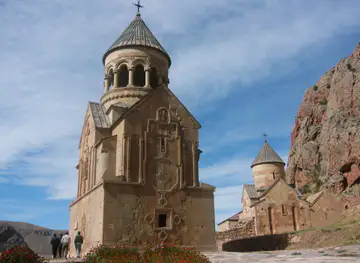
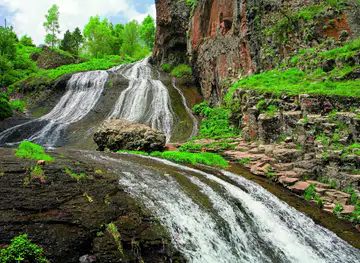
The closest destinations to Yeghegis Village, if you have time for more than one.
-
-

-

-
-


Swipe for more destinations
Explore more

Explore more of Vayots Dzor
Explore Vayots Dzor’s ancient wine traditions, red-rock monasteries, mountain scenery, spa town of Jermuk and historic Silk Road routes.
Explore Vayots Dzor
Explore more of Armenia
Explore Armenia's ancient wonders, vibrant cities, and breathtaking landscapes. From historic monasteries to delicious cuisine, there's something for every traveler.
Explore Armenia