

Areni Wine Region Travel Guide - Free Web & App
Your ultimate guide to Areni Wine Region. Discover top landmarks, proposed trips, and local tips. Free on the web or via the Evendo companion app.


Explore Armenia’s Areni Wine Region for ancient winemaking, Areni grape tastings, Noravank monastery, vineyards and Vayots Dzor landscapes.
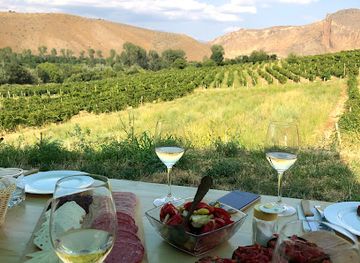
Vineyards in the Vayots Dzor Valley
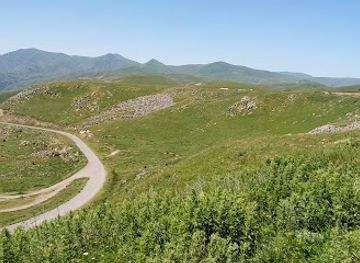
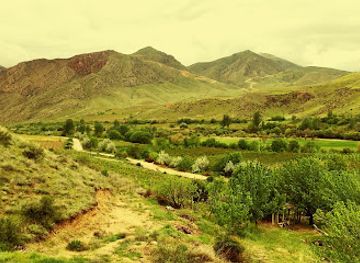
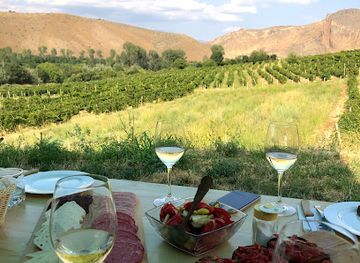
Areni Wine Region occupies the dramatic middle reaches of Vayots Dzor in southern Armenia, where the Arpa River cuts through a high, dry landscape of volcanic hills, rocky gorges and cultivated valley floors. The village of Areni is the best-known centre, but the wine country extends through nearby settlements including Rind, Aghavnadzor and Getap. Vineyards are shaped by strong sunlight, cool nights and limited rainfall, conditions that have helped the indigenous Areni grape develop a distinctive place in Armenian wine culture.Read more about Areni Wine Region
Ancient Cellars and Monastic Heritage
Tasting the Landscape
When is the best time to visit Areni Wine Region?
Best: May–June, September · 23–28°C| Month | High (°C) | Rainfall (mm) |
|---|---|---|
| January | 3 | 22 |
| February | 4 | 19 |
| March | 9 | 18 |
| April | 16 | 14 |
| May (best) | 23 | 11 |
| June (best) | 28 | 8 |
| July | 31 | 6 |
| August | 31 | 7 |
| September (best) | 25 | 9 |
| October | 18 | 13 |
| November | 11 | 16 |
| December | 6 | 20 |
Getting to and around Areni Wine Region
How to get there
Transportation
Best attractions in Areni Wine Region
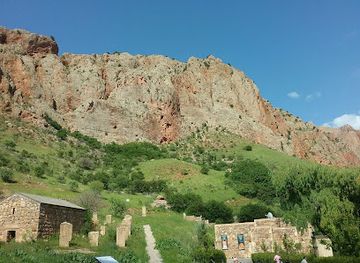
Areni Wine Region’s attractions are concentrated along the Arpa valley and its surrounding gorges. Areni-1 Cave is the defining archaeological site, where visitors can learn about the prehistoric wine-making complex discovered deep within the limestone cave. In the Amaghu Gorge, the road to Noravank passes through stark red-rock scenery before reaching the medieval monastery and its finely carved churches. The village of Areni itself contains the 1321 Surp Astvatsatsin Church, while nearby vineyards and cellar doors provide the region’s main contemporary experience. Wine estates and smaller family producers around Areni, Rind and Aghavnadzor offer differing perspectives on Areni grape cultivation and Armenian wine-making. The dry hills, cultivated valley floors and changing light are attractions in their own right, particularly when viewed from the rural roads between settlements. Further excursions into Vayots Dzor can include the spa town of Jermuk or the Selim Pass, but these lie beyond the core Areni wine area.
-
Museum
Paruyr Sevak House-Museum
Explore the life and legacy of Armenia's celebrated poet, Paruyr Sevak, at his house-museum in Zangakatun. A journey into Armenian literary heritage.
-
Tourist attraction
Tanahat Monastery
Explore Tanahat Monastery: An 8th-century Armenian treasure with stunning architecture, rich history, and possible site of the medieval Gladzor University.
-
Hiking area
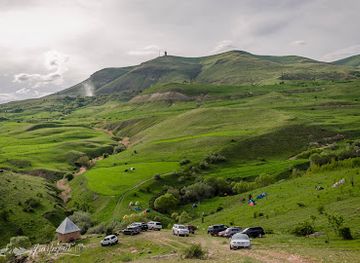
Hells Canyon
Discover Armenia's dramatic Hells Canyon: Hike through towering red cliffs, explore caves, and witness breathtaking views of the Ararat region.
-
Hiking area
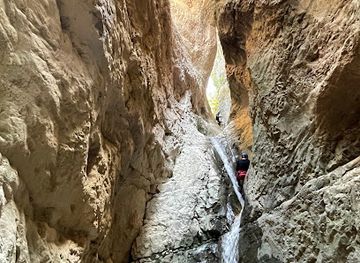
Dragon’s Canyon
Discover the breathtaking beauty of Dragon's Canyon in Armenia, a natural wonder offering stunning views and unforgettable hiking experiences.

Best landmarks in Areni Wine Region
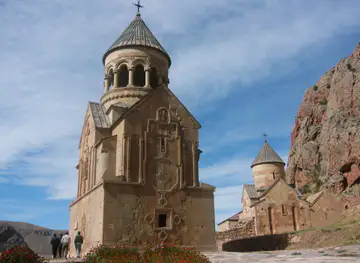
The region’s foremost natural landmark is the Arpa valley, where cultivated ground contrasts with dry, volcanic hills and the narrow red-rock gorge leading towards Noravank. Areni-1 Cave is both a geological feature and an archaeological landmark, significant for the prehistoric wine-making evidence found within it. Noravank’s thirteenth- and fourteenth-century monastic buildings are the area’s most important architectural group, known for their sculpted stonework and dramatic setting in the Amaghu Gorge. In Areni village, Surp Astvatsatsin Church, completed in 1321, preserves a direct link with medieval Vayots Dzor. The vineyards themselves have become cultural landmarks of the modern region, representing the continuing importance of the indigenous Areni grape and the revival of Armenian wine production around an ancient agricultural landscape.
-
Monastery
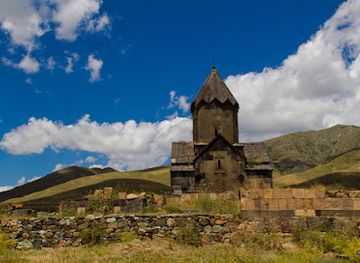
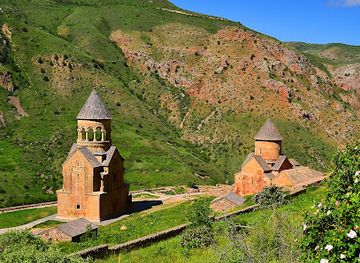
Noravank
Explore Noravank Monastery, a breathtaking historical site in Armenia with stunning architecture and captivating natural beauty.
-
Archaeological site
Areni-1 Cave
Explore the Areni-1 Cave, where ancient winemaking traditions and archaeological wonders come together in Armenia's breathtaking landscape.
-
Historical landmark
Orbelian Caravanserai
Explore the historical richness and breathtaking landscapes of the Orbelian Caravanserai, a magnificent Silk Road landmark in Armenia.
-
Winery
Momik WineCube
Explore the exquisite wines of Momik WineCube in Areni, Armenia, where tradition meets modern winemaking in a stunning setting.
Explore Areni Wine Region on the map
Plan your trip on one map. See where the top attractions, landmarks, restaurants and hotels are, and book hotels and experiences in a few clicks.
Best hotels in Areni Wine Region
Best restaurants in Areni Wine Region
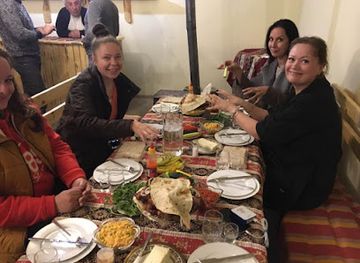
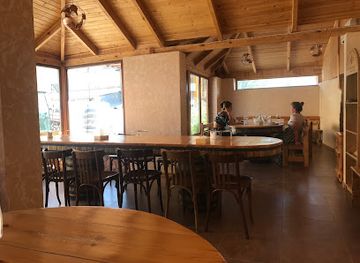
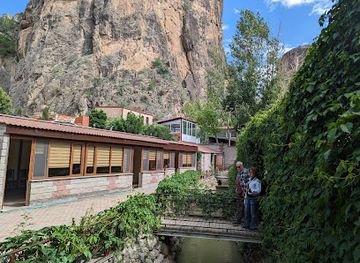
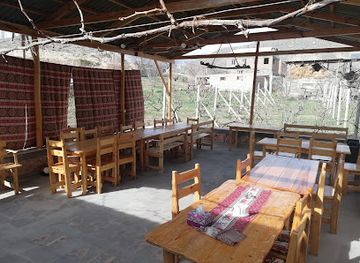
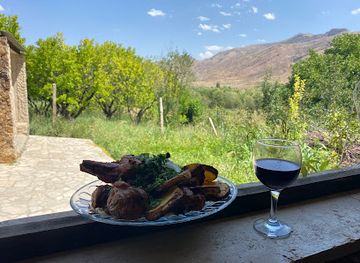
Dining in the Areni area is rural and relatively limited, with food most often found at wineries, guesthouses, family-run establishments and restaurants in nearby settlements rather than in a concentrated restaurant district. Armenian staples such as lavash, grilled meats, dolma, salads, local cheeses, pickles, fruit preserves and seasonal vegetables pair naturally with the region’s wines. Vayots Dzor is also known for fruit-growing and preserves, while the dry climate and village agriculture shape a cuisine built around fresh produce, dairy and stored foods. Areni, Yeghegnadzor and the settlements along the M2 provide the most practical choice of places to eat, although opening arrangements can vary. Winery meals and tastings may need advance booking, and visitors should not assume that every cellar offers a full restaurant service or food throughout the day.
-
Restaurant
Wine House Mher
Discover authentic Armenian cuisine and exceptional local wines at Wine House Mher in picturesque Areni.
-
Restaurant
Full Tray Areni
Experience authentic Armenian cuisine at Full Tray Areni – a family-friendly restaurant nestled in the heart of scenic Areni.
-
Restaurant
Edem Restaurant
Experience authentic Armenian cuisine at Edem Restaurant in Areni village—where tradition meets flavor amidst stunning surroundings.
-
Traditional restaurant
Ar Areni Restaurant
Experience authentic Armenian flavors at Ar Areni Restaurant in the scenic village of Areni—where tradition meets taste.
Best bars in Areni Wine Region
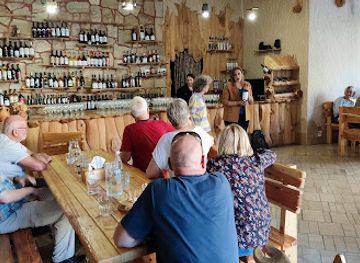
Areni Wine Region does not have a developed nightlife scene or a cluster of nightclubs. Evenings are generally quiet, centred on wine tastings, dinner and conversation at a winery, guesthouse or rural restaurant, with the surrounding villages becoming especially peaceful after dark. Some established hospitality venues may offer local wine and spirits, but the range of bars and late-opening entertainment is modest and should not be compared with Yerevan. Visitors staying in Yeghegnadzor or other larger settlements may find a few more places for an informal drink, while seasonal wine events can bring a livelier atmosphere at particular times. Arranging transport before an evening tasting is important because rural taxis and public transport cannot be assumed to be readily available late at night.
-
Tourist attraction
Areni-1 Cave
Uncover the secrets of Areni-1 Cave, an ancient archaeological site in Armenia with a rich history of winemaking and prehistoric culture.
-
Winery
Momik WineCube
Experience the essence of Armenian wine at Momik WineCube, where tradition meets flavor in stunning Areni.
-
Winery
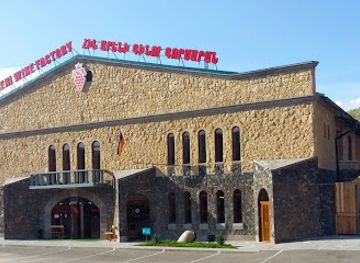
Areni Wine Factory
Explore the heart of Armenian winemaking at Areni Wine Factory, where tradition, taste, and breathtaking landscapes await every traveler.
-
Restaurant
Matevosyans' HOUSE
Savor the essence of Armenian culinary tradition at Matevosyans' House, where every dish tells a story.
Best shops in Areni Wine Region
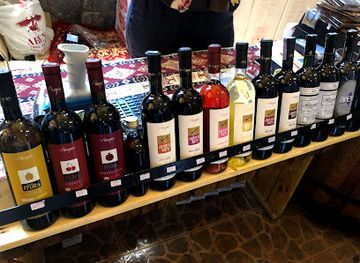
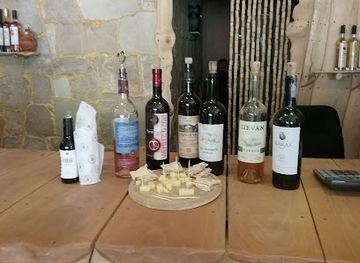
Shopping in the Areni Wine Region is centred on regional produce rather than extensive retail. Wineries and cellar shops sell bottles made from Areni and other Armenian grapes, often alongside fruit preserves, dried fruit, honey or locally produced foods, although each producer’s range differs. Village shops and roadside stalls may offer seasonal agricultural products, while Yeghegnadzor is a more practical place for everyday supplies and basic services. Visitors may also encounter Armenian ceramics, carved items, textiles or small handmade souvenirs through guesthouses and local businesses, but the region is not a major craft-shopping centre and permanent markets should not be assumed. Purchases of wine should be packed securely, and travellers flying onward should check luggage and customs rules before buying bottles in quantity.
-
Archaeological site
Areni-1 Cave
Discover the ancient wonders of Areni-1 Cave, home to the world's oldest winery and rich archaeological treasures in Armenia.
-
Winery
Momik WineCube
Explore Momik WineCube in Areni, a premier winery in Armenia's renowned wine region offering an immersive tasting experience and stunning vineyard views.
-
Winery
Areni Wine Factory
Discover the essence of Armenian winemaking at Areni Wine Factory, where ancient traditions meet modern flavors amidst breathtaking landscapes.
-
Winery
Hin Areni Winery
Experience the rich flavors and cultural heritage of Armenia at Hin Areni Winery, where tradition meets exquisite winemaking.

Get your free copy of our complete guide to Areni Wine Region, delivered straight to you.
Everything on this page, from attractions and restaurants to essentials and local phrases, in one PDF you can read offline, print or share.
Already have an account? Sign in
Your Areni Wine Region guide is ready.
We'll send it to · Not you? Sign out

Getting your guide ready…
We are putting together a fresh copy of the Areni Wine Region guide. This can take up to a minute.
This can take a few moments. If your browser asks, choose Allow so the download can start. You'll find the guide in your Downloads folder.
Nothing happened? Download it again
Sorry, the guide is taking longer than usual. Please try again in a minute, or get it by email instead.
Areni Wine Region essentials
Currency and Payment
Safety
Emergency Situations
Do's and Don'ts
Local Tips
From Eve
Local phrases worth knowing
You don't need to get them perfect. A few words go a long way, and locals appreciate the effort.
Basics
| English | Local | Say it |
|---|---|---|
| Hello | Բարև | [Barev] |
| Goodbye | Ցտեսություն | [Ts'tesut'un] |
| Yes | Այո | [Ayo] |
| No | Ոչ | [Voč] |
| Please/You're welcome | Խնդրում եմ/Խնդրում էլ | [Khndrum em/Khndrum el] |
| Thank you | Շնորհակալ եմ | [Shnorhakal em] |
| Excuse me/Sorry | Ներում եմ | [Nerum em] |
| How are you? | Ինչպե՞ս ես | [Inčpes es] |
| Fine. And you? | Լավ եմ. Անդ դու | [Lav em. And du] |
| Do you speak English? | Դու խոսում ես անգլերեն | [Du xosum es angleren] |
| I don't understand | Ես չեմ հասկանում | [Es čem haskanum] |
Eating & Drinking
| English | Local | Say it |
|---|---|---|
| I'd like to see the menu, please | Խնդրում եմ տեսնել ճաշացումը | [Khndrum em tesnel chashats'umy] |
| I don't eat meat | Ես մեկն չեմ ուտում | [Es mekn čem ut'um] |
| Cheers! | Կէնաձդ! | [Kenadz!] |
| I would like to pay, please | Խնդրում եմ վճարել | [Khndrum em vcharel] |
Emergencies
| English | Local | Say it |
|---|---|---|
| Help! | Օրգենծ | [Orgents] |
| Go away! | Միրջապես | [Mirjapes] |
| Call the Police! | Զանգեք ովքերին | [Zangek ovkerin] |
| Call a doctor! | Զանգեք բժիշկ | [Zangek bžišk] |
| I'm lost | Շտապել եմ | [Shtapel em] |
| I'm ill | Ես հիվանդ եմ | [Es hivanad em] |
Shopping
| English | Local | Say it |
|---|---|---|
| I'd like to buy... | Խնդրում եմ գնել... | [Khndrum em gnel...] |
| I'm just looking | Ես միայն նայում եմ | [Es miayn nayum em] |
| How much is it? | Ինչքա՞ն է | [Inčk'an e] |
| That's too expensive | Դա շատ մեծ է | [Da šat mec e] |
| Can you lower the price? | Արդարադար է չափել | [Ardaradar e chap'el] |
Time & Numbers
| English | Local | Say it |
|---|---|---|
| What time is it? | Տեղեկե՞ք ժամը | [Teghek'ek' zamy] |
| It's one o'clock | Մեկը է | [Mek'e] |
| Half past (10) | Անասուն | [Anasun] |
| Morning | Առավոտ | [Arawot] |
| Afternoon | Կերակուր | [Kerakur] |
| Evening | Երեկ | [Erek] |
| Yesterday | Երեկ | [Erek] |
| Today | Այսօր | [Aysor] |
| Tomorrow | Վաղը | [Vage] |
| 1 | Մեկ | [Mek] |
| 2 | Երկու | [Yerku] |
| 3 | Երեք | [Yerek'] |
| 4 | Չորրոպ | [Č'orrop] |
| 5 | Հինգ | [Hing] |
| 6 | Վեց | [Vets'] |
| 7 | Յոթ | [Yot'] |
| 8 | Ութ | [Ut'] |
| 9 | Ինը | [Inə] |
| 10 | Տաս | [Tas] |
Transport & Directions
| English | Local | Say it |
|---|---|---|
| Where's a/the...? | Որտեղ է ...? | [Vortegh e ...?] |
| What's the address? | Ինչ է հասցեն? | [Inč' e hascen?] |
| Can you show me (on the map)? | Դու կարծեք ինձ (քարտումով)? | [Du karts'ek' indz (kartumov)?] |
| When's the next (bus)? | Երբ է հաջողվում (ավտոբուսը)? | [Yerbe e hajoghvum (avtobusə)?] |
| A ticket (to ....) | Բիլետ (մինչեւ ...) | [Bilet (minč'ew ...)] |
History of Areni Wine Region
A Volcanic Valley Takes Shape
The landscape of Areni belongs to Vayots Dzor, a mountainous region formed by long geological processes involving volcanic rocks, uplift and river erosion. The Arpa River and its tributaries have cut valleys and gorges through the surrounding uplands, creating sheltered, cultivable pockets among otherwise dry slopes. These contrasts between arid hillsides and irrigated valley floors have influenced settlement and agriculture for centuries. The geology is also part of the region’s visual identity: dark and reddish rock, cliff-lined ravines and high plateaux create the setting in which vineyards, orchards and villages developed.
The Earliest Known Winery at Areni-1
Areni-1 Cave provides the region’s most remarkable prehistoric connection with wine. Archaeological excavations identified a wine press, fermentation vessels, storage jars and grape remains in a Chalcolithic context dating to about 6100 BCE. The discovery demonstrates that organised winemaking was practised in the South Caucasus thousands of years ago, although it should not be treated as evidence that modern wine production has continued unchanged since that period. The cave also reveals a wider pattern of early community life, food preparation and ritual activity in the valley, linking Areni’s present wine identity with a much older agricultural landscape.
Medieval Vayots Dzor
During the medieval period, Vayots Dzor lay within a landscape of agricultural settlements, churches and important routes through southern Armenia. Areni’s surviving church, Surp Astvatsatsin, was completed in 1321 and is associated with the architectural tradition of medieval Armenian ecclesiastical buildings. Nearby Noravank developed as a major religious and cultural centre in the Amaghu Gorge during the thirteenth and fourteenth centuries. Its churches, sculpted façades and links with the architect Momik reflect the intellectual and artistic importance that the region acquired under the Orbelian princes, who controlled parts of historic eastern Armenia.
Agriculture, Trade and Village Life
For much of its history, the Areni area depended on village agriculture supported by the Arpa valley and local water management. Grapevines, fruit trees and other crops were cultivated alongside pastoral activity, while mountain routes connected Vayots Dzor with neighbouring parts of Armenia. Wine was made in household and communal settings, but the scale and organisation of production changed through the modern period as political administration, agricultural policy and transport networks developed. The villages that visitors see today retain this mixed rural character, with vineyards occupying fertile ground between dry hills and historic religious sites.
Modern Wine Revival and Heritage Protection
Modern interest in Armenian wine has placed Areni and its indigenous Areni grape at the centre of a renewed national wine movement. Contemporary producers combine local varieties and regional knowledge with modern cellar practices, while wine festivals and tasting-based tourism have increased the area’s visibility. Archaeological research at Areni-1 and conservation work at monuments such as Noravank have reinforced the region’s appeal as a place where deep history and active agriculture meet. Even so, Areni remains a dispersed rural wine landscape rather than a single commercial resort, and its heritage depends on responsible stewardship of caves, monuments, vineyards and village environments.
Areni Wine Region in Photos
Browse through our photo collection highlighting the charm and character of the destination.
Cities in Areni Wine Region
The towns and cities of Areni Wine Region, and the easiest places to base yourself.

Swipe for more cities
Neighbouring destination travel guides
The closest destinations to Areni Wine Region, if you have time for more than one.
-

-

-
-

-


Swipe for more destinations
Explore more

Explore more of Vayots Dzor
Explore Vayots Dzor’s ancient wine traditions, red-rock monasteries, mountain scenery, spa town of Jermuk and historic Silk Road routes.
Explore Vayots Dzor
Explore more of Armenia
Explore Armenia's ancient wonders, vibrant cities, and breathtaking landscapes. From historic monasteries to delicious cuisine, there's something for every traveler.
Explore Armenia