
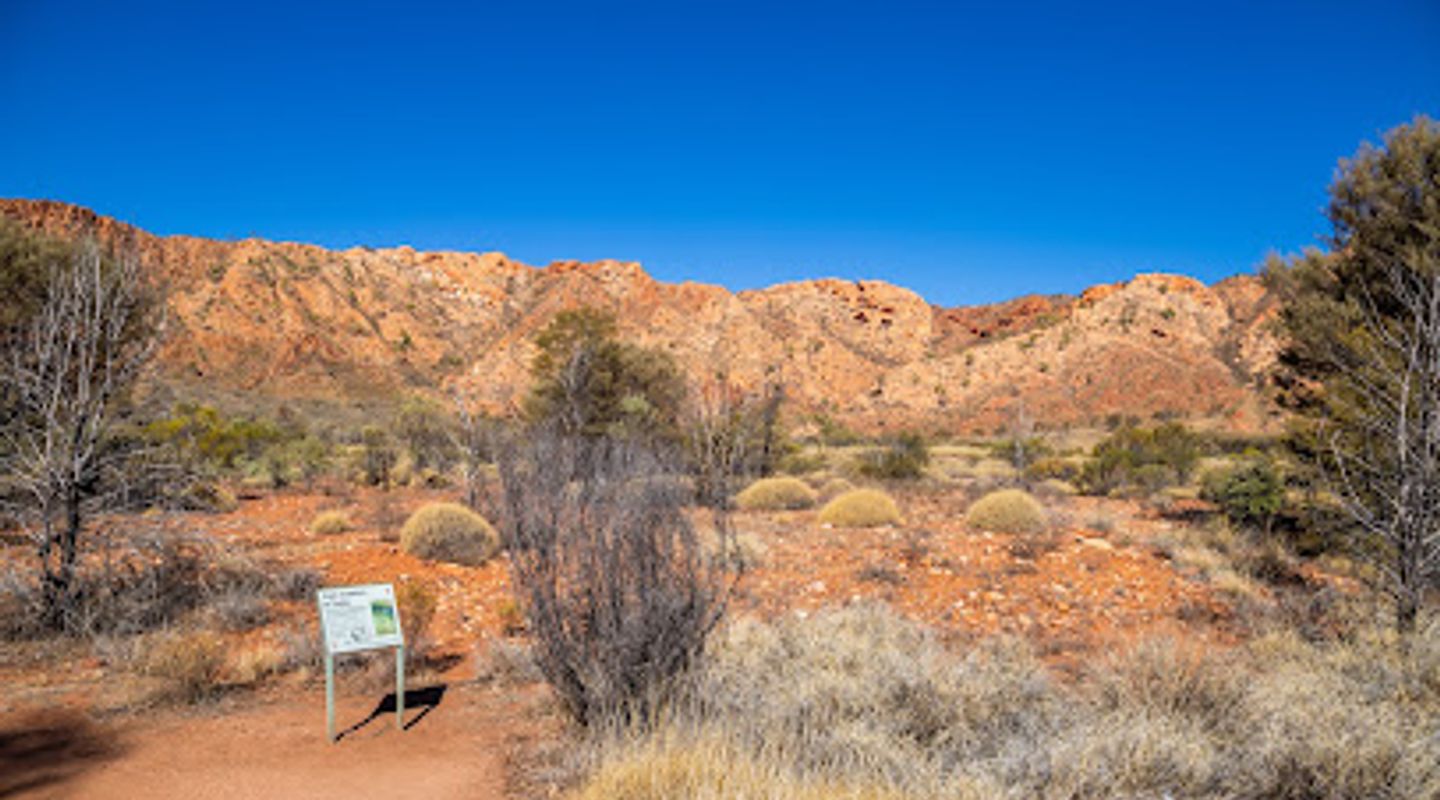
Gosses Bluff Crater, Central West Travel Guide
Explore an ancient meteor crater and sacred Aboriginal site in the heart of Australia's West MacDonnell Ranges.
Tnorala (Gosse Bluff) is a meteor crater of great significance to both the Western Aranda Aboriginal people and the scientific community. Formed by a large comet impact 142.5 million years ago, the site offers walking tracks, a picnic area, and a chance to contemplate the cosmos in the heart of Australia's outback.
A brief summary to Gosses Bluff Crater
- Hermannsburg, Northern Territory, 0872, AU
- Click to display

Know before you go
Hi, I'm Eve. Here are a few practical things to know before exploring Gosses Bluff Crater.
- A 4WD is recommended for the last 5 km to the reserve.
- Visit during the cooler months (April to September) for the most pleasant experience.
- Bring plenty of water, wear a hat and sunscreen, and use insect repellent.
- Respect the cultural significance of the site and obey all signs.
Do you manage this location?
Take control to get all the benefits, like improved information, better appearance, and stronger visibility across AI-powered discovery. Learn more about listing your business on Evendo
Activate your presenceOther nearby places you may find interesting
The closest places of the same kind, if this one is not quite what you had in mind.
Explore Gosses Bluff Crater on the Map
A handpicked selection of must-see spots near Gosses Bluff Crater, mapped for you.
Getting There
-
Driving
From Alice Springs, take Larapinta Drive or Namatjira Drive heading west. The drive is approximately 175 km to the Tnorala (Gosse Bluff) Conservation Reserve. A 4WD is recommended for the last 5 km on the unsealed access road. Note that roads may be impassable after heavy rain. Park entry fees apply.
Discover more about Gosses Bluff Crater













Your all‑in‑one travel companion app
Explore expert travel guides, compare and book tours, experiences, hotels, and more—all from the palm of your hand. Download now for seamless trip planning wherever your wanderlust takes you.


Explore More of Central West
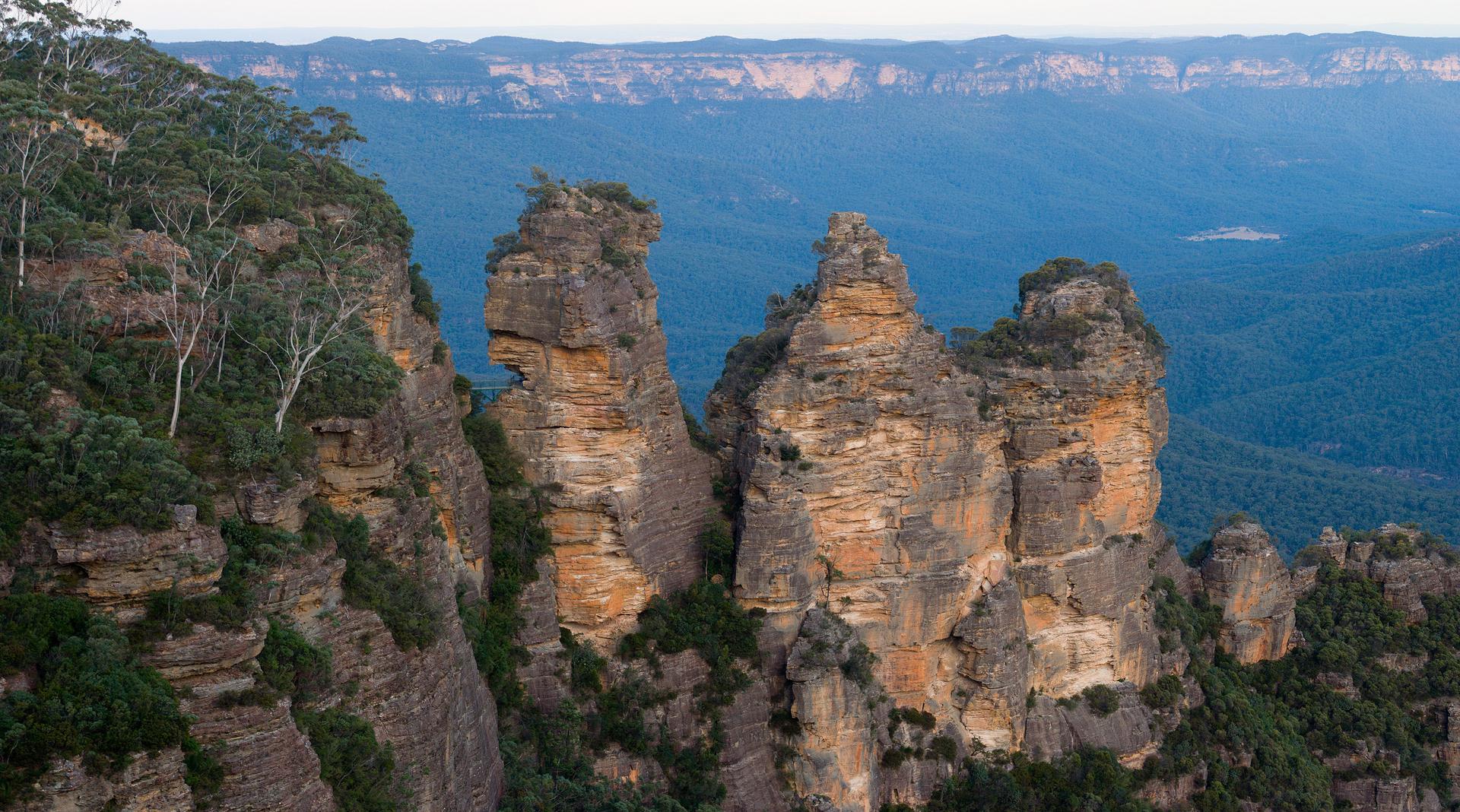
Looking beyond Gosses Bluff Crater? Discover Central West for broader travel guides, local hot-spots, and regional highlights.
Explore Central West
Explore the Hermannsburg Historic Precinct for a unique insight into Aboriginal culture and the pioneering history of Australia's Northern Territory.
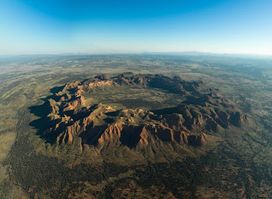
Explore Gosses Bluff Crater, a stunning meteorite impact site in Northern Territory, rich in geological history and Aboriginal culture.
