

Free Central West Travel Guide & Mobile App
Explore Central West with free travel guides. Discover regional history, expert tips, proposed trips, and audio guides on web or mobile app.


Explore Central West New South Wales for historic towns, vineyards, regional produce, Aboriginal heritage, wildlife and wide inland landscapes.
Read more about Central West
When is the best time to visit Central West?
Best: April, October–November · 25–28°C| Month | High (°C) | Rainfall (mm) |
|---|---|---|
| January | 32 | 21 |
| February | 32 | 23 |
| March | 30 | 26 |
| April (best) | 26 | 28 |
| May | 22 | 34 |
| June | 19 | 37 |
| July | 18 | 39 |
| August | 19 | 36 |
| September | 22 | 33 |
| October (best) | 25 | 29 |
| November (best) | 28 | 25 |
| December | 30 | 23 |
Getting to and around Central West
How to get there
Transportation
Top city travel guides in Central West
The cities of Central West, and the easiest places to base yourself.

Swipe for more cities
Destinations in Central West
Resorts, valleys and scenic spots worth a trip of their own.

Swipe for more destinations
Best attractions in Central West
Central West New South Wales offers a broad mix of heritage, science, wildlife and outdoor attractions. Bathurst combines the National Motor Racing Museum and Mount Panorama with historic streets and nearby goldfields, while Orange provides galleries, gardens, food producers and access to cool-climate vineyards. Dubbo is the region's major family destination, with Taronga Western Plains Zoo, the historic Old Dubbo Gaol and the Australian Inland Botanic Gardens at nearby institutions and reserves. Around Wellington, limestone caves and fossil sites reveal a much older natural history. Parkes is associated with the CSIRO Parkes radio telescope, known locally as The Dish, and the Henry Parkes Centre. Cowra's Japanese Garden and Cultural Centre presents a significant story of wartime history and reconciliation. Across the wider region, walking, fishing, cycling, birdwatching, stargazing and cellar-door visits provide a slower counterpoint to the larger attractions. Distances and seasonal conditions mean that several bases are preferable to trying to cover the entire region from one town.
-
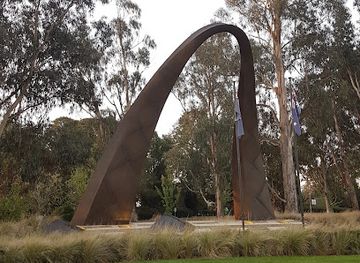
War memorial
Australian War Memorial
Visit the Australian War Memorial in Canberra, a touching tribute to Australian military history, where stories of valor and sacrifice come alive.
-
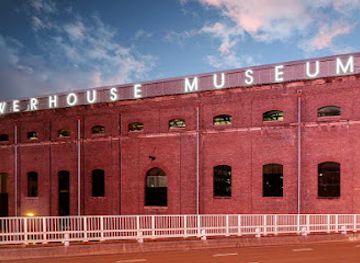
Museum
Powerhouse Ultimo
Explore the dynamic world of science and culture at Powerhouse Ultimo, a premier museum experience in New South Wales, Australia.
-
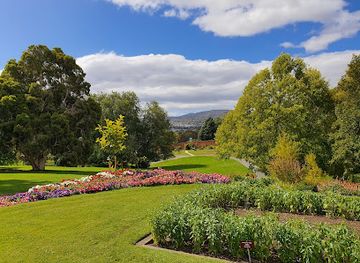
Botanical garden
Royal Tasmanian Botanical Gardens
Discover a historic cool-climate garden in Hobart: diverse plant collections, serene landscapes, and unique Subantarctic flora await.
-
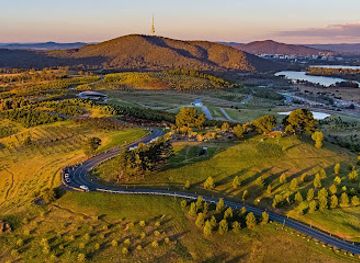
Arboretum
National Arboretum Canberra
Explore the lush landscapes and diverse flora of the National Arboretum Canberra, a serene nature preserve and tourist attraction in Australia's capital.
Best landmarks in Central West
Mount Panorama in Bathurst is one of the Central West's most recognisable landscapes: a public road transformed into an internationally known motor-racing circuit, with sweeping views across the city and surrounding country. Bathurst's historic centre contains substantial nineteenth-century civic and commercial architecture, reflecting its role as an early inland administrative capital. In Orange, the elevated slopes of Mount Canobolas form a prominent natural landmark above vineyards, orchards and farmland. The Parkes radio telescope, set among rolling inland country, is both a working scientific instrument and a defining regional symbol. Cowra Japanese Garden and Cultural Centre is an important designed landscape linked to the town's wartime history and later relationship with Japan. Wellington Caves, west of the Great Dividing Range, provide a landmark connection to ancient limestone formations and fossil discoveries. Farther west, the broad agricultural plains around Forbes and Parkes express the open scale that distinguishes the region from the more enclosed tablelands and valleys to the east.
-
Nature preserve
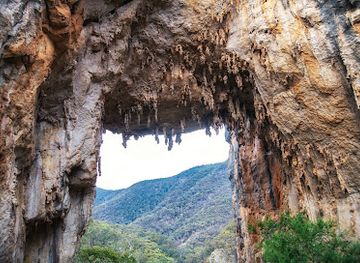
Jenolan Caves
Explore the enchanting Jenolan Caves in New South Wales, a natural wonder featuring stunning limestone formations and rich ecosystems for every adventurer.
-
Tourist attraction
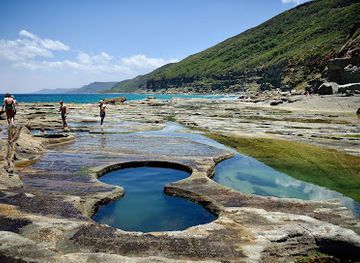
Figure Eight Pools
Experience the enchanting Figure Eight Pools in Royal National Park, a breathtaking natural wonder perfect for adventure seekers and nature lovers alike.
-
Park
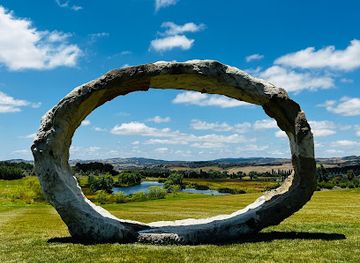
Mayfield Garden
Experience the breathtaking landscapes and peaceful ambiance of Mayfield Garden, a stunning park in Oberon, New South Wales.
-
Natural history museum
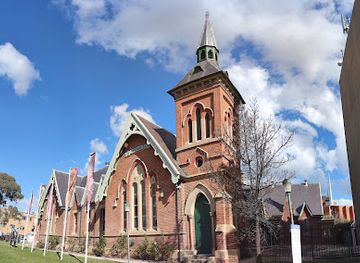
Australian Fossil and Mineral Museum
Discover ancient treasures and geological wonders at the Australian Fossil and Mineral Museum in Bathurst, a must-visit for curious minds and families alike.
Explore Central West on the map
Plan your trip on one map. See where the top cities, national parks and sights are, and book hotels and experiences in a few clicks.
Best hotels in Central West
Best restaurants in Central West
Dining in Central West New South Wales reflects its farms, orchards, vineyards and country-town traditions. Orange is particularly noted for cool-climate produce, apples, stone fruit, vegetables, local wines and restaurants that build menus around seasonal ingredients. Mudgee's food culture is closely connected with vineyards, olive groves, honey, regional meats and cellar-door dining, while Dubbo, Bathurst, Cowra and Parkes offer a wider range of cafés, bakeries, pubs and contemporary Australian restaurants. Country pubs remain important social and dining spaces, often serving generous meals alongside familiar Australian classics. Farmers' markets and farm shops are useful for finding fruit, preserves, bread, cheese and other locally produced goods, although their schedules vary. Regional wine, craft beer and orchard products are widely encountered, but the Central West should be understood as a collection of distinct food-producing districts rather than a single uniform cuisine.
-
French
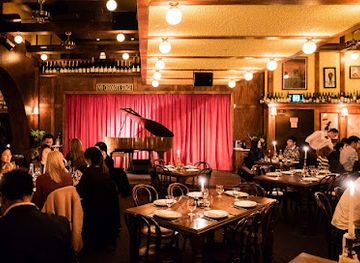
Restaurant Hubert
Experience the essence of modern French cuisine at Restaurant Hubert in Sydney - where elegance meets flavor.
-
Australian
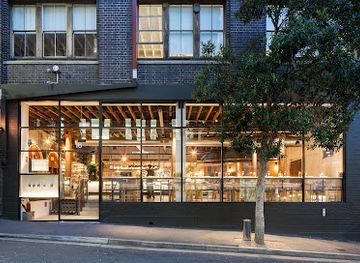
NOMAD Sydney
Experience innovative Australian cuisine paired with exquisite wines at NOMAD Sydney - a must-visit destination for food lovers.
-
South East Asian
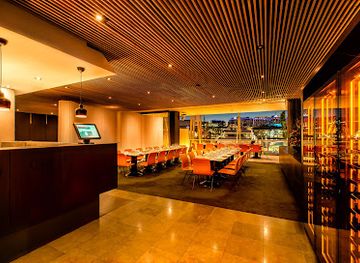
The Malaya
Discover the authentic tastes of South East Asia at The Malaya - Sydney's premier destination for exquisite dining experiences.
-
Middle Eastern
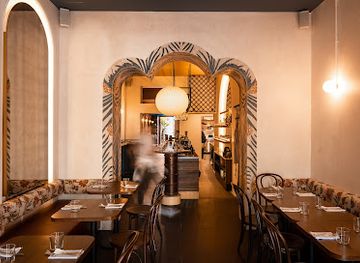
Ezra
Discover the vibrant flavors of Middle Eastern cuisine at Ezra - where every dish tells a story.
Best bars in Central West
Evening life in Central West New South Wales is centred on pubs, wine bars, restaurants, breweries and live music rather than a large nightclub circuit. Bathurst has the broadest late-evening mix associated with a university town and major events, while Orange and Mudgee support cellar-door tastings, contemporary bars and restaurant-based nights out. Dubbo, Cowra and Parkes have established pubs, clubs and cafés where local communities gather, with entertainment varying by day and season. In smaller settlements, evenings are quieter and often revolve around a country pub, an occasional performance or a long meal. Visitors should check current arrangements locally, particularly outside the main centres, and should not assume that venues remain open late. Wine tasting and brewery visits require responsible planning, especially when travelling between rural properties.
-
Pub
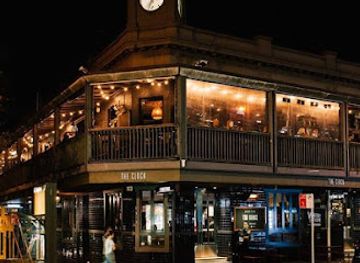
The Clock
Discover The Clock in Surry Hills: Where Pub Culture Meets Modern Bistro Dining for an Unforgettable Experience.
-
Cocktail bar
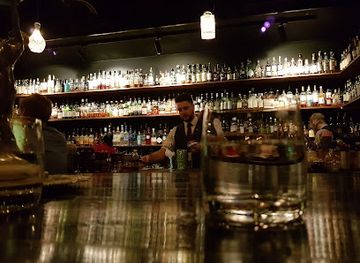
Eau De Vie Melbourne
Discover Eau De Vie Melbourne, the cocktail bar where creativity meets elegance in the heart of the city, perfect for a luxurious night out!
-
Cocktail bar
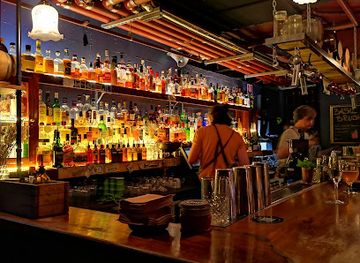
Stitch Bar
Experience the vibrant atmosphere of Stitch Bar in Sydney, where American diner charm meets innovative cocktails and delicious food.
-
Bar
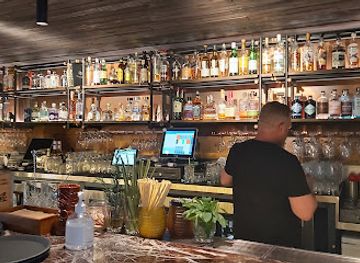
The Rook
Discover The Rook, Sydney's premier rooftop bar and restaurant, where stunning views and delicious cuisine come together for an unforgettable experience.
Best nightclubs in Central West
Evening life in Central West New South Wales is centred on pubs, wine bars, restaurants, breweries and live music rather than a large nightclub circuit. Bathurst has the broadest late-evening mix associated with a university town and major events, while Orange and Mudgee support cellar-door tastings, contemporary bars and restaurant-based nights out. Dubbo, Cowra and Parkes have established pubs, clubs and cafés where local communities gather, with entertainment varying by day and season. In smaller settlements, evenings are quieter and often revolve around a country pub, an occasional performance or a long meal. Visitors should check current arrangements locally, particularly outside the main centres, and should not assume that venues remain open late. Wine tasting and brewery visits require responsible planning, especially when travelling between rural properties.
-
Night club
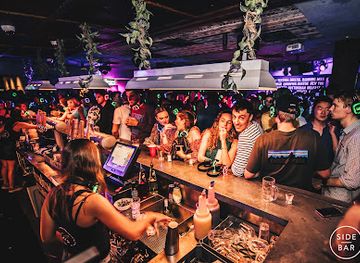
Side Bar
Discover Sydney's nightlife at Side Bar, a lively nightclub and bar in Haymarket, perfect for dancing and socializing until dawn.
-
Night club
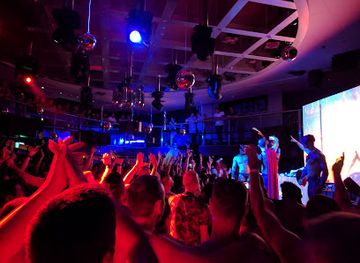
Club 77
Experience the pulse of Sydney's nightlife at Club 77, a vibrant night club and bar in Darlinghurst, where music and fun come alive.
-
Gay night club
ARQ Sydney
Dive into the electric nightlife at ARQ Sydney, a vibrant gay nightclub in Darlinghurst known for its themed events and welcoming atmosphere.
-
Disco club
Candelaria - Sydney
Experience Sydney's nightlife at Candelaria, a premier disco club with electrifying music, exquisite drinks, and a lively atmosphere.


Best shops in Central West
Shopping in Central West New South Wales is concentrated in the main streets and retail centres of Bathurst, Orange, Dubbo, Mudgee, Cowra and Parkes, with each town serving its surrounding rural district. Orange and Mudgee are strong places to look for regional wine, preserves, orchard produce, ceramics, artwork and locally made food, while Bathurst combines independent shops with antiques, books, galleries and practical country retail. Dubbo offers the broadest general shopping range in the western part of the region, including larger supermarkets and specialist stores. Farmers' markets and seasonal produce stalls vary by town and date, so check local arrangements before planning a visit. Good regional purchases include bottled wine, honey, jams, olive products, baked goods, artworks and small-scale crafts. In rural communities, support locally owned shops where possible and remember that many smaller businesses keep shorter or changing trading hours.
-
Shopping mall
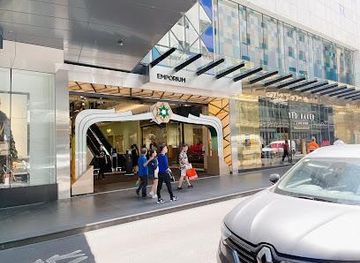
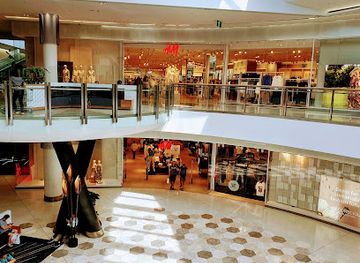
Emporium Melbourne
Discover Emporium Melbourne, where shopping meets dining in a stunning modern setting, offering a unique experience for every visitor.
-
Shopping mall
Westfield Mt Gravatt
Discover shopping bliss at Westfield Mt Gravatt, Queensland's hub for retail therapy, dining delights, and entertainment experiences.
-
Shopping mall
Rouse Hill Town Centre
Experience the vibrant shopping and dining culture at Rouse Hill Town Centre, New South Wales' premier shopping mall.
-
Shopping mall
Canberra Centre
Discover the Canberra Centre, a vibrant shopping mall in the heart of Canberra, offering a wide range of stores, dining, and entertainment options.
Get your free copy of our complete guide to Central West, delivered straight to you.
Everything on this page, from attractions and restaurants to essentials and local phrases, in one PDF you can read offline, print or share.
Already have an account? Sign in
Your Central West guide is ready.
We'll send it to · Not you? Sign out

Getting your guide ready…
We are putting together a fresh copy of the Central West guide. This can take up to a minute.
This can take a few moments. If your browser asks, choose Allow so the download can start. You'll find the guide in your Downloads folder.
Nothing happened? Download it again
Sorry, the guide is taking longer than usual. Please try again in a minute, or get it by email instead.
Central West essentials
Currency and Payment
Safety
Emergency Situations
Do's and Don'ts
Local Tips
From Eve
Local phrases worth knowing
You don't need to get them perfect. A few words go a long way, and locals appreciate the effort.
Basics
| English | Local | Say it |
|---|---|---|
| Hello | G'day | [guh-day] |
| Goodbye | See ya | [see yah] |
| Yes | Yep | [yehp] |
| No | Nah | [nah] |
| Please/You're welcome | No worries | [noh wuh-riz] |
| Thank you | Thanks heaps | [thanks heaps] |
| Excuse me/Sorry | Sorry mate | [sore-ee mate] |
| How are you? | How's it going? | [how's it goin'] |
| Fine. And you? | Good, you? | [good, you?] |
| Do you speak English? | Do ya speak English? | [doo yah speek English?] |
| I don't understand | I don’t get it | [I don't get it] |
Eating & Drinking
| English | Local | Say it |
|---|---|---|
| I'd like to see the menu, please | Can I have a look at the menu? | [can I have a look at the menu?] |
| I don't eat meat | I'm a vegetarian | [I'm a vegetarian] |
| Cheers! | Cheers! | [cheers] |
| I would like to pay, please | Can I get the bill, please? | [can I get the bill, please?] |
Emergencies
| English | Local | Say it |
|---|---|---|
| Help! | Help! | [help] |
| Go away! | Piss off! | [piss off] |
| Call the Police! | Call the cops! | [call the cops] |
| Call a doctor! | Get a doctor! | [get a doctor] |
| I'm lost | I'm lost | [I'm lost] |
| I'm ill | I’m not well | [I'm not well] |
Shopping
| English | Local | Say it |
|---|---|---|
| I'd like to buy... | I wanna buy... | [I wanna buy...] |
| I'm just looking | Just browsing, thanks | [just browsing, thanks] |
| How much is it? | What’s the price? | [what's the price?] |
| That's too expensive | That's a bit rich | [that's a bit rich] |
| Can you lower the price? | Can ya knock the price down? | [can ya knock the price down?] |
Time & Numbers
| English | Local | Say it |
|---|---|---|
| What time is it? | What’s the time? | [what's the time?] |
| It's one o'clock | It's one o'clock | [it's one o'clock] |
| Half past (10) | Half past ten | [half past ten] |
| Morning | Morning | [morning] |
| Afternoon | Arvo | [arvo] |
| Evening | Evening | [evening] |
| Yesterday | Yesterday | [yesterday] |
| Today | Today | [today] |
| Tomorrow | Tomorrow | [tomorrow] |
| 1 | One | [one] |
| 2 | Two | [two] |
| 3 | Three | [three] |
| 4 | Four | [four] |
| 5 | Five | [five] |
| 6 | Six | [six] |
| 7 | Seven | [seven] |
| 8 | Eight | [eight] |
| 9 | Nine | [nine] |
| 10 | Ten | [ten] |
Transport & Directions
| English | Local | Say it |
|---|---|---|
| Where's a/the...? | Where’s a...? | [where's a...?] |
| What's the address? | What’s the address? | [what's the address?] |
| Can you show me (on the map)? | Can ya show me on the map? | [can ya show me on the map?] |
| When's the next (bus)? | When’s the next bus? | [when's the next bus?] |
| A ticket (to ....) | A ticket to ... | [a ticket to ...] |
History of Central West
Wiradjuri Country and Ancient Aboriginal Heritage
Much of Central West New South Wales lies within Wiradjuri Country, one of the largest cultural regions in the state. Wiradjuri communities maintained sophisticated relationships with rivers, grasslands, woodland and seasonal food resources long before European settlement. Cultural knowledge, place names, artworks and continuing community connections remain important across the region. Visitors should understand that Aboriginal heritage is living rather than confined to archaeological remains or museum displays, and should follow local guidance at sites of cultural significance.
Exploration and Pastoral Expansion in the Early Nineteenth Century
European expansion across the Blue Mountains and the inland plains accelerated during the early nineteenth century as explorers, surveyors and pastoralists moved beyond the settled districts. Bathurst was established in 1815 after exploratory journeys across the mountains, becoming a centre for administration and grazing. Pastoral runs subsequently spread across the tablelands and western plains, bringing wool production, stock routes and new towns, while also causing profound dispossession and disruption for Wiradjuri and other Aboriginal communities.
Bathurst Gold Rush, 1851
The discovery of payable gold near Bathurst in 1851 helped trigger Australia's first major gold rush. Ophir, east of Bathurst, attracted prospectors and accelerated the growth of transport, commerce and government services in the district. Although the initial rush was relatively short-lived compared with later goldfields elsewhere in New South Wales, it strengthened Bathurst's importance and left a legacy of mining sites, historic buildings and stories of migration. Gold mining also helped connect inland communities to wider national and international markets.
Railways and the Growth of Inland Towns
Railway construction transformed Central West New South Wales during the second half of the nineteenth century. Lines connecting Sydney with Bathurst, Orange, Dubbo, Parkes and other inland centres made it easier to move wool, wheat, livestock and passengers across the region. Railway towns gained banks, hotels, warehouses and civic buildings, many of which still shape their main streets. Rail access also encouraged closer settlement and diversified local economies beyond large pastoral stations.
Agriculture, Orchards and Regional Town Development
Agriculture became the enduring economic foundation of the Central West. Wheat and other grains dominate many western districts, while the cooler country around Orange supports apples, stone fruit, vegetables and vineyards. Mudgee developed a distinct agricultural and viticultural economy in its valley setting, and towns such as Cowra became important service centres for surrounding farms. Irrigation, improved roads and changing agricultural technology altered the landscape during the twentieth century, but seasonal work, farming and food production remain central to regional life.
The Second World War and the Cowra Breakout
Cowra was the site of a major Second World War prisoner-of-war camp operated by Australia. In August 1944, Japanese prisoners launched a mass breakout, resulting in deaths among prisoners and Australian personnel. The event is remembered through the Cowra Japanese Garden and Cultural Centre, the Japanese war cemetery and other memorial places. Cowra's later cultural relationship with Japan developed partly from reconciliation efforts following the war, giving the town an important story of remembrance and international connection.
Modern Science, Tourism and Cultural Renewal
During the twentieth century, Central West New South Wales developed institutions with national significance beyond agriculture. The Parkes radio telescope became prominent in scientific research and public culture, while museums, galleries, heritage programs and wildlife attractions broadened the region's visitor economy. Bathurst's motor-racing heritage, Orange and Mudgee's wine industries, and Dubbo's major cultural and zoological attractions each created distinctive tourism identities. Contemporary regional development increasingly combines these newer industries with Aboriginal cultural recognition, food production and historic preservation.
Central West in Photos
Browse through our photo collection highlighting the charm and character of the destination.
Neighbouring regions of Central West
The closest regions to Central West, if you have time for more than one.
-

-

-

-

-


Swipe for more regions
Explore more

Explore more of Australia
Discover the diverse landscapes, vibrant cities, and unique wildlife of Australia, a captivating destination offering endless adventures and unforgettable experiences.
Explore Australia