St Helena Island National Park: Queensland's Prison Past
Explore the ruins of Queensland's first penal settlement on a picturesque island in Moreton Bay. A unique historical experience awaits.
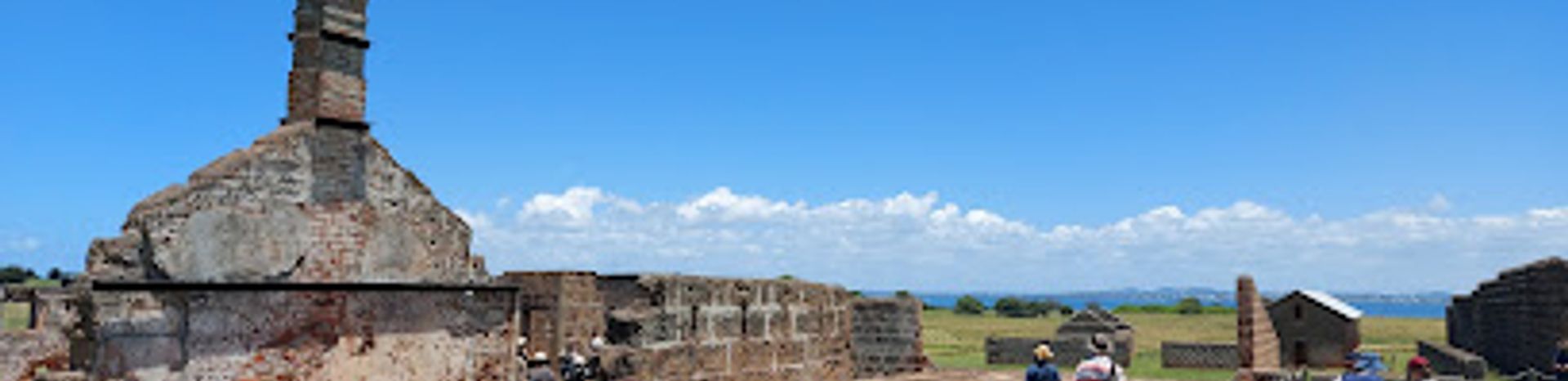
Explore the haunting ruins of Queensland's first penal settlement on St Helena Island, a picturesque island in Moreton Bay. Accessible by boat, the island offers a glimpse into the lives of prisoners and warders in the 19th and early 20th centuries.
A brief summary to St Helena Island National Park
- St Helena Island, Queensland, 4179, AU
- +61137468
- Visit website
Local tips
- Book a guided tour in advance to access the main prison ruins and learn about the island's history.
- Wear comfortable shoes, as you'll be doing a lot of walking on grassy paths and crushed coral roads.
- Bring a hat, sunscreen, and insect repellent, as the island can get hot and exposed.
- Pack drinking water, as there are no supplies available on the island.

Getting There
-
Ferry
The primary access to St Helena Island National Park is via ferry from the mainland. Commercial operators such as Cat o' Nine Tails Cruises and Brisbane Cruises offer services departing from Manly and New Farm. The ferry journey from Manly takes approximately 45 minutes. A round-trip ferry ticket typically costs around $35. Check the operator's schedule for departure times and booking information. Private boats may moor off the island, with consideration for tides in shallow waters.
Discover more about St Helena Island National Park
Iconic landmarks you can’t miss

Sir Leo Hielscher Bridges
14.3 km
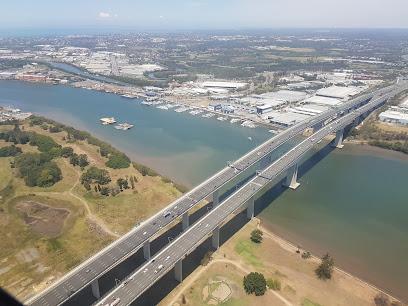
Discover the stunning Sir Leo Hielscher Bridges in Queensland, a breathtaking engineering marvel with picturesque views perfect for photography and leisurely strolls.
South West Rocks
17.6 km
Experience the breathtaking landscapes and vibrant marine life at South West Rocks, a hidden coastal gem in Australia perfect for nature lovers and beach enthusiasts.

Gasometer
19.8 km
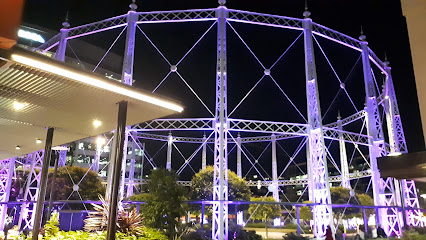
Explore Brisbane's industrial past at the Newstead Gasometer, a revitalized heritage landmark offering a unique blend of history and modern urban life.
Cloudland Memorial Arch
19.9 km
Explore the Cloudland Memorial Arch in Bowen Hills, a stunning tribute to community spirit and history in Queensland, Australia.
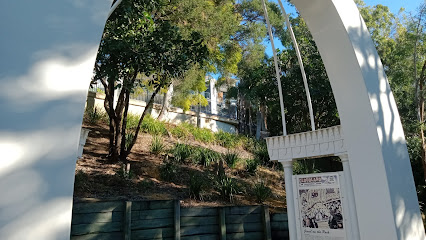
Sandakan Memorial
19.9 km
Explore the Sandakan Memorial in New Farm, a historical landmark dedicated to the memory of Australia's wartime sacrifices during World War II.
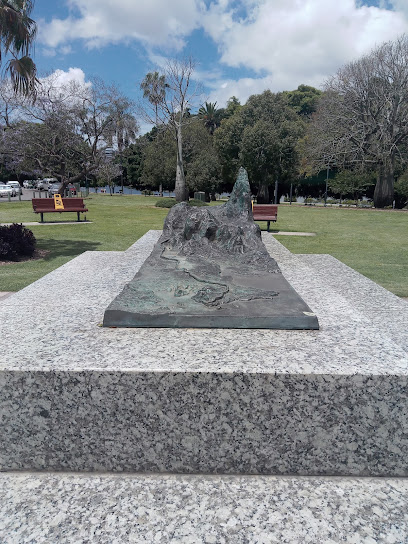
Repton
20.1 km
Discover the historic beauty of Repton in New Farm, Queensland—a heritage building that perfectly blends architectural elegance and cultural significance.
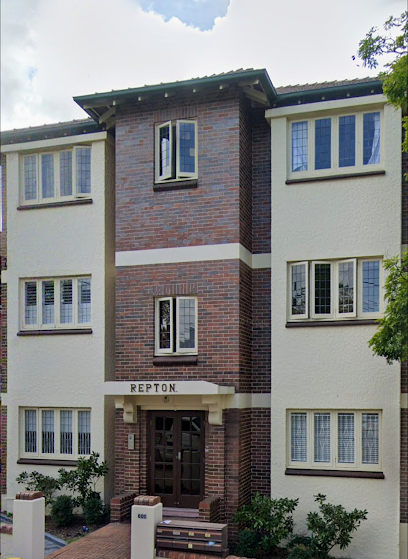
Kinellan Point
20.8 km
Discover the historical charm and breathtaking views of Kinellan Point in New Farm, Queensland - a must-visit landmark for history and nature lovers.
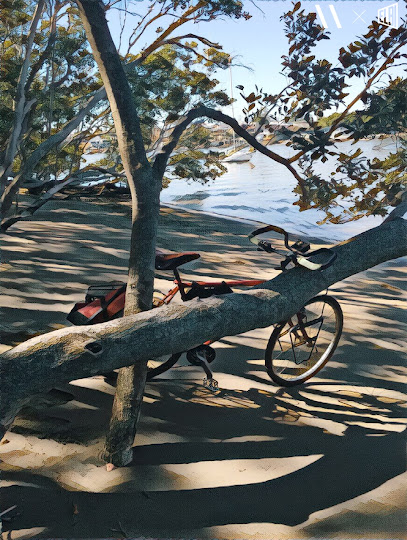
Tranberg House
21.0 km
Discover the historical elegance of Tranberg House in Fortitude Valley, a must-see heritage building that showcases Brisbane's architectural charm.
SATR Ivory Lane Mural
21.1 km
Discover Brisbane's vibrant street art scene at the SATR Ivory Lane Mural, a dynamic and fluid animal depiction by Chinese artist SATR.
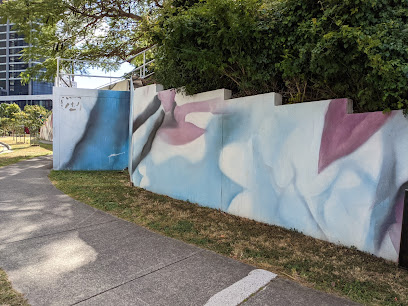
Smoked Garage
21.2 km
Discover Smoked Garage in Fortitude Valley, a versatile venue perfect for weddings and corporate events, blending rustic charm with modern elegance.
Scotland's Immortal Bard - Robert Burns
21.3 km
Explore the legacy of Robert Burns, Scotland's Immortal Bard, at this iconic statue in the heart of Fortitude Valley, Brisbane.
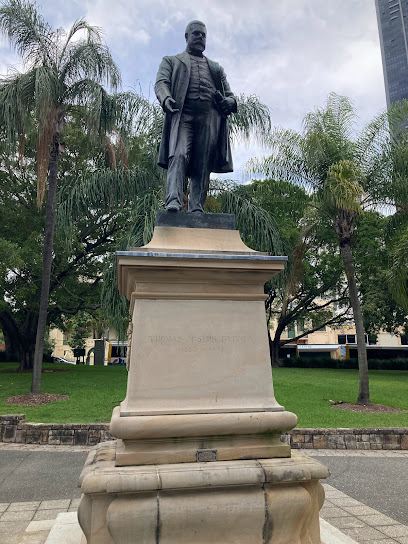
James Warner Kangaroo Point Natural History Trail
21.3 km
Discover Brisbane's natural history on this scenic trail honoring pioneering scientists and offering stunning river views in Kangaroo Point.
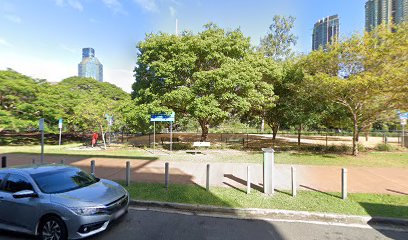
Harry Oakman Kangaroo Point Natural History Trail
21.3 km
Explore the Harry Oakman Kangaroo Point Natural History Trail, a captivating journey through nature and history in the heart of Brisbane, Queensland.
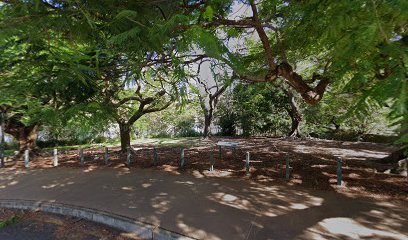
Oscar Tiegs Kangaroo Point Natural History Trail
21.4 km
Explore the enchanting Oscar Tiegs Kangaroo Point Natural History Trail, a captivating blend of nature and history in the heart of Brisbane, Australia.
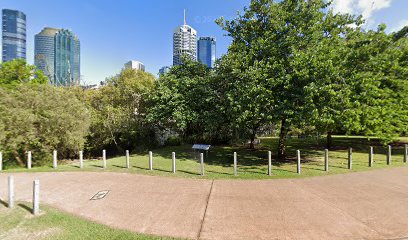
Kangaroo Point Natural History Trail
21.4 km
Discover Brisbane's pioneering past along the scenic Kangaroo Point Natural History Trail, offering a blend of history, nature, and stunning city views.
Unmissable attractions to see

Fort Lytton National Park
8.4 km
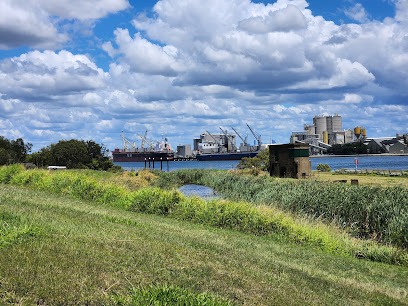
Experience the historical significance and natural beauty of Fort Lytton National Park in Queensland, a unique destination for all travelers.
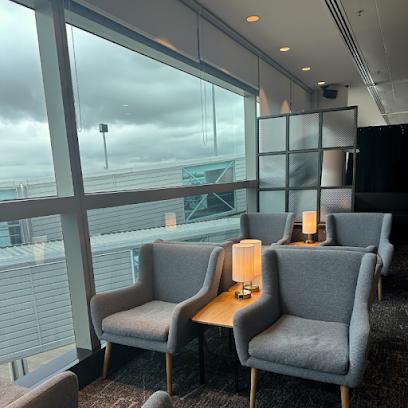
Plaza Premium Lounge (International Departures) Brisbane Airport (BNE)
12.0 km
Experience luxury and comfort at the Plaza Premium Lounge in Brisbane Airport, offering premium amenities and a serene atmosphere for travelers.
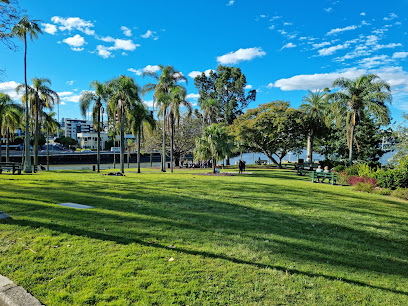
Newstead House
19.3 km
Explore Newstead House, a historic gem in Queensland, where rich heritage meets stunning architecture and beautiful park landscapes.
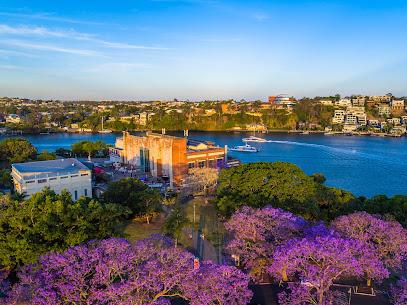
Brisbane Powerhouse
19.6 km
Experience the vibrant arts scene and culinary delights at Brisbane Powerhouse, a cultural landmark on the banks of the Brisbane River.
Green Beacon Brewing Co.
19.6 km
Experience Brisbane's craft beer scene at Green Beacon Brewing Co. in Teneriffe, offering fresh ales, delicious food, and a vibrant atmosphere.
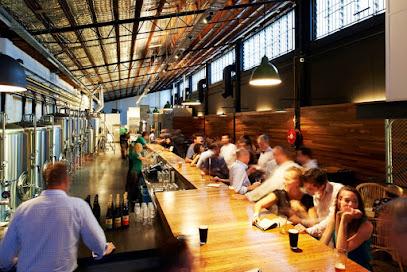
New Farm Park Rotunda
19.8 km
Explore New Farm Park Rotunda, a serene escape in Queensland featuring lush gardens, a beautiful rotunda, and vibrant community events.
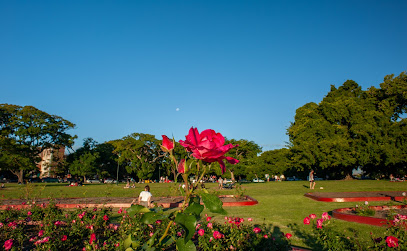
New Farm Park
19.8 km
Discover the beauty of New Farm Park, a lush green haven in Brisbane, perfect for relaxation, picnics, and family fun amidst stunning river views.
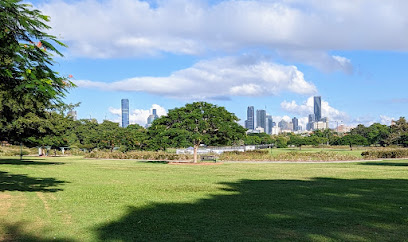
New Farm Park Rose Gardens
19.9 km
Explore the glorious New Farm Park Rose Gardens, a tranquil oasis in Brisbane bursting with vibrant blooms and lush greenery for every nature lover.
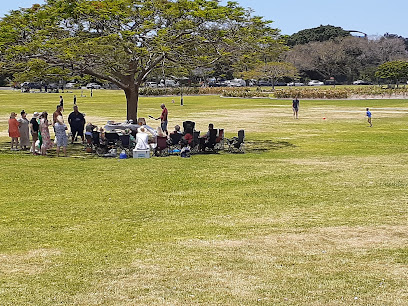
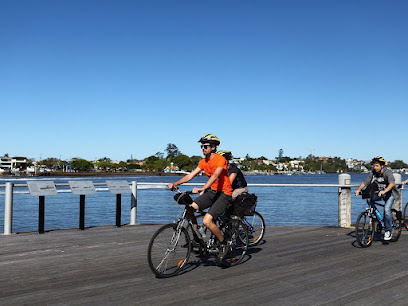
Brisbane by Bicycle
20.0 km
Experience Brisbane's beauty and history on two wheels, starting from the iconic New Farm Park Ferry Terminal. A scenic and active adventure awaits!
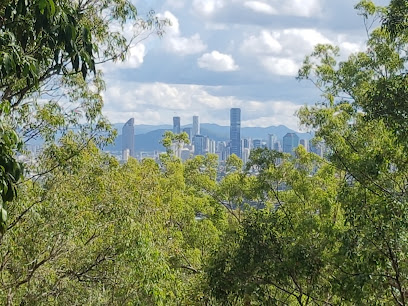
Whites Hill Reserve
20.1 km
Experience the tranquility and natural beauty of Whites Hill Reserve in Camp Hill, a perfect escape for nature lovers and outdoor enthusiasts.
The School of Everything - Brisbane's Masterclass Mecca
20.2 km
Explore your passions at The School of Everything, Brisbane's top destination for unique masterclasses in a vibrant and creative atmosphere.

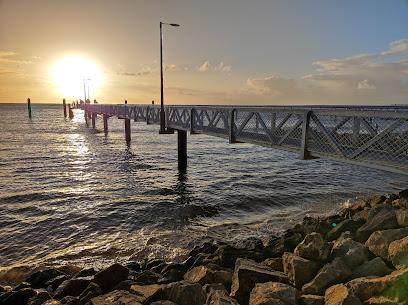
Amity Point Jetty
20.3 km
Experience the serene beauty of Amity Point Jetty, a premier fishing pier in Queensland perfect for families and nature lovers alike.
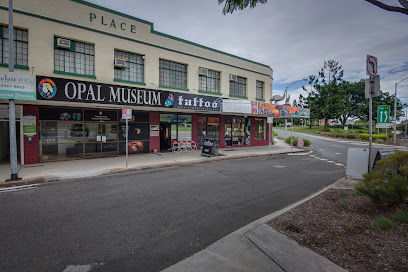
Brisbane Opal Museum
20.5 km
Explore the fascinating world of opals at the Brisbane Opal Museum, a unique blend of art, education, and natural beauty in Queensland.
Merthyr Park
20.7 km
Riverside park in New Farm offering green spaces, scenic views, and a peaceful escape in a historically rich setting.
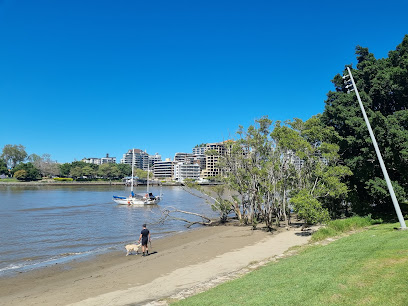
Delvene Cockatoo-Collins Art
20.7 km
Immerse yourself in the captivating world of indigenous art at Delvene Cockatoo-Collins Art gallery in Dunwich, Queensland.
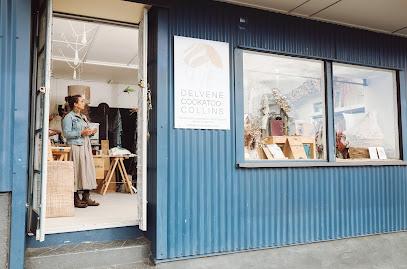
Essential places to dine

The Arsonist
8.3 km
Discover The Arsonist: A vibrant restaurant and bar offering fresh local cuisine and stunning ocean views in Manly, Queensland.
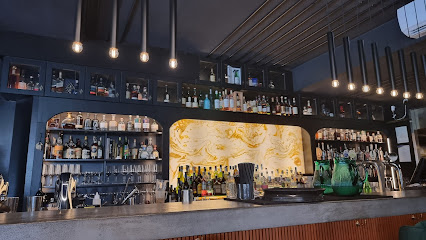
The French Table Restaurant
15.5 km
Discover authentic French cuisine at The French Table Restaurant in Cleveland, where delightful flavors meet charming ambiance.
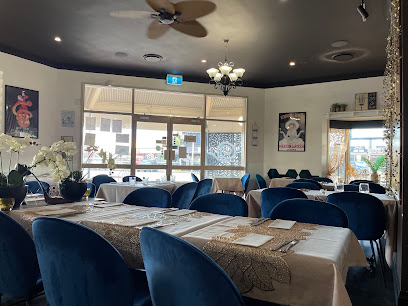
Wooden Horse Restaurant
18.3 km
Discover exceptional dining at Wooden Horse Restaurant in Clayfield - where every dish tells a story of flavor and creativity.
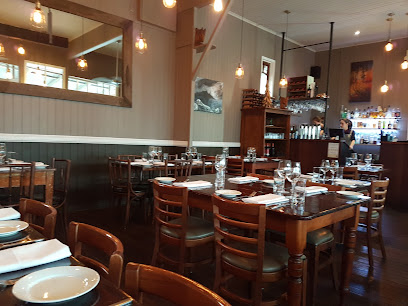
Melrose Restaurant & Rooftop Bar
18.8 km
Experience exquisite Southeast Asian cuisine and stunning views at Melrose Restaurant & Rooftop Bar in Bulimba.
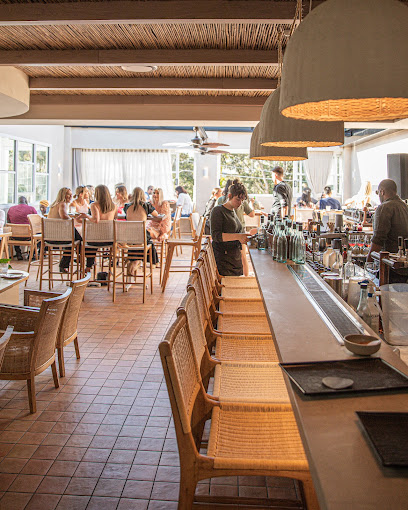
Rogue Bistro
19.6 km
Discover culinary excellence at Rogue Bistro in Newstead - where innovative flavors meet a warm atmosphere.
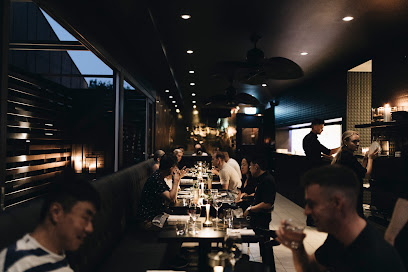
Bar Alto
19.6 km
Discover Bar Alto in New Farm: A culinary haven offering exquisite Italian dishes and stunning riverside views for an unforgettable dining experience.
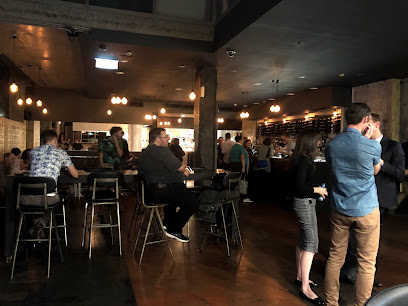
Mary Mae's Bar & Kitchen
19.6 km
Discover modern Australian cuisine at Mary Mae's Bar & Kitchen, where every dish tells a story in the heart of New Farm.
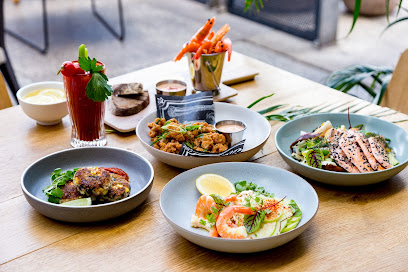
Vertigo
19.6 km
Experience fine dining at Vertigo in New Farm, where exquisite cuisine meets breathtaking views for an unforgettable culinary journey.
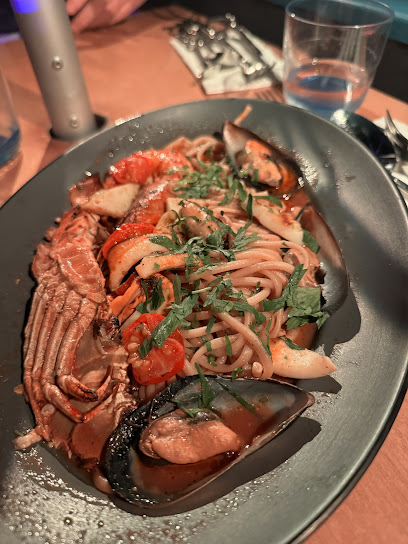
New Farm Bistro
19.7 km
Experience exquisite dining at New Farm Bistro in Queensland - where fresh ingredients meet innovative flavors for an unforgettable meal.
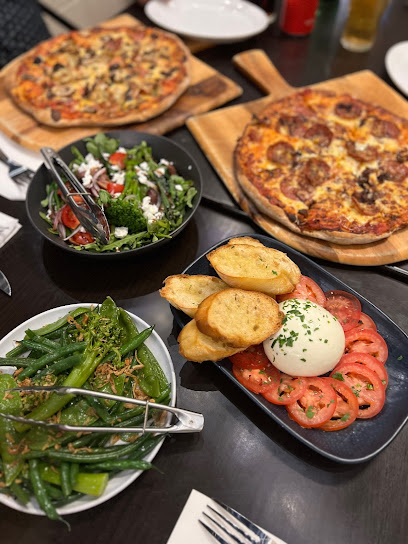
e'cco bistro
19.7 km
Discover the exquisite flavors of Queensland at e'cco bistro, Newstead's premier destination for fresh and innovative cuisine.
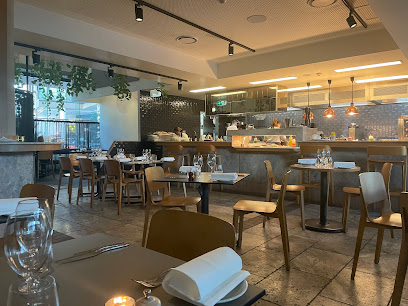
Common Vice
19.8 km
Discover vibrant dining at Common Vice in New Farm—where innovative flavors meet local charm for an unforgettable culinary journey.
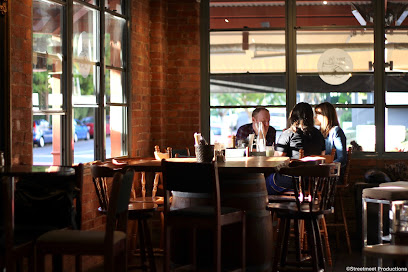
Restaurant Dan Arnold
20.2 km
Discover innovative Australian cuisine at Restaurant Dan Arnold in Fortitude Valley—where every dish tells a story.
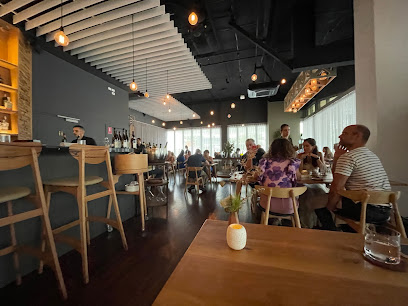
Ristorante Tartufo
20.2 km
Experience exquisite Italian cuisine at Ristorante Tartufo in Fortitude Valley - where tradition meets modern elegance.
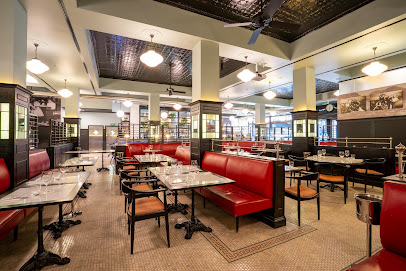
ZA ZA TA Bar and Kitchen
20.3 km
Discover exquisite Mediterranean and Middle Eastern flavors at ZA ZA TA Bar and Kitchen in Fortitude Valley – a culinary gem for every food lover.
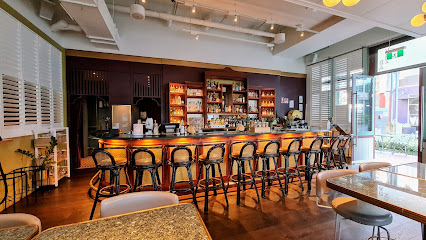
KOYA TEPPANYAKI & A LA CARTE
20.4 km
Experience authentic Japanese teppanyaki dining at Koya Teppanyaki & A La Carte in New Farm, where every meal is a delicious performance.
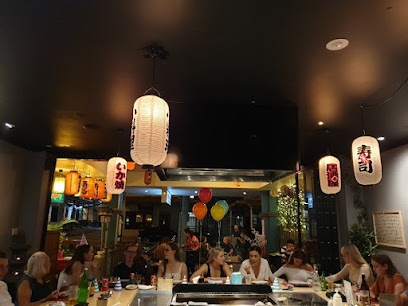
Markets, malls and hidden boutiques

Love Brisbane - Australian Souvenir & Gift Store
7.9 km
Explore Love Brisbane Gift Store for unique Australian souvenirs, artisan crafts, and exceptional gifts that capture the essence of Australia.
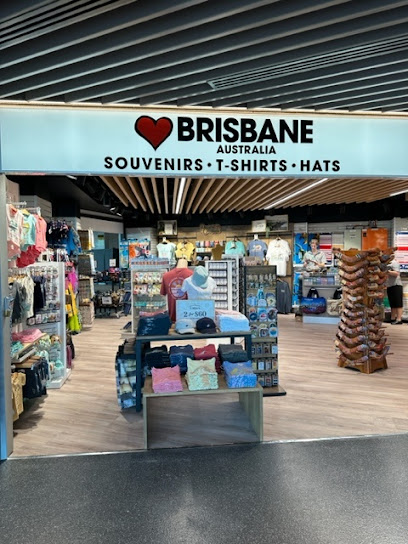
The Collective Store
8.2 km
Discover unique Australian gifts and handcrafted treasures at The Collective Store in Wynnum, a must-visit boutique for every traveler.
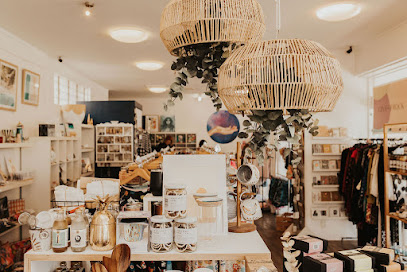
Manly Harbour Village
8.4 km
Experience the vibrant atmosphere of Manly Harbour Village with its eclectic shops, delightful dining options, and stunning waterfront views.
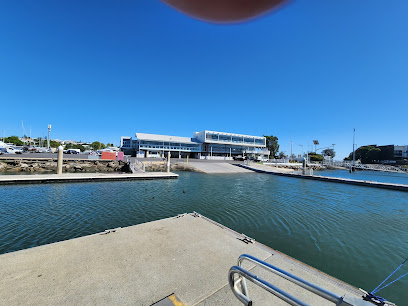
Capalaba Central Shopping Centre
15.2 km
Explore Capalaba Central Shopping Centre for a diverse shopping experience with dining and entertainment options in a relaxed setting.
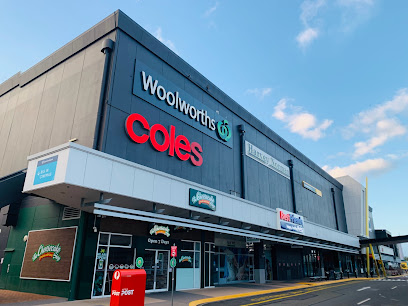
Modcon RV
15.7 km
Discover Modcon RV: Your ultimate destination for campervans and trailers in Capalaba, Queensland, for unforgettable Australian adventures.

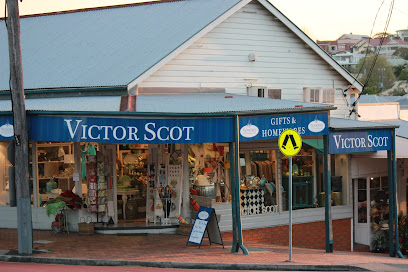
Victor Scot Gifts & Homewares - Ascot
17.7 km
Discover unique gifts and homewares at Victor Scot Gifts & Homewares in Ascot, where local craftsmanship meets delightful shopping.
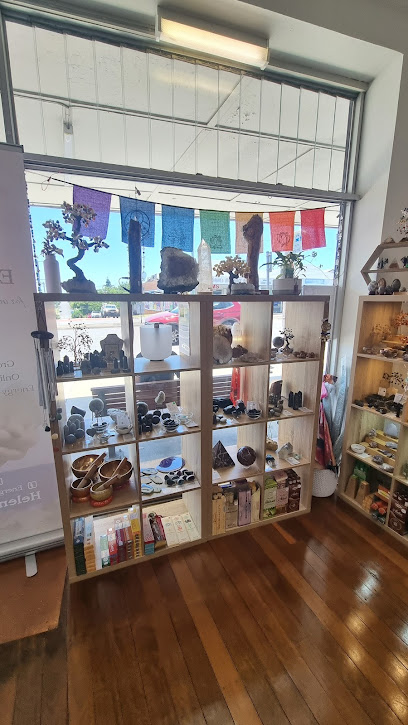
Uneeek Gifts Camp Hill
19.2 km
Explore Uneeek Gifts in Camp Hill for a unique selection of handcrafted treasures and local art that embodies the spirit of Queensland.
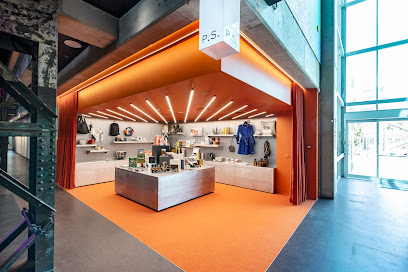
Powerhouse Store
19.6 km
Explore the Powerhouse Store in New Farm for unique gifts and locally crafted treasures that embody the spirit of Queensland.
Westfield Chermside
19.7 km
Discover shopping paradise at Westfield Chermside, where fashion, food, and fun come together for an unforgettable experience.

My Heart Beats Green
20.1 km
Shop sustainably and stylishly at My Heart Beats Green, New Farm's premier clothing store for unique and eco-friendly fashion.

Homemaker The Valley
20.1 km
Discover a diverse shopping experience at Homemaker The Valley, where style meets convenience in Fortitude Valley.
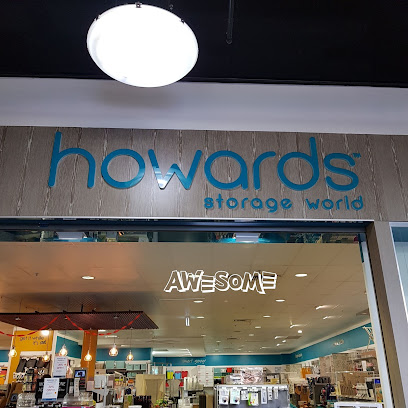
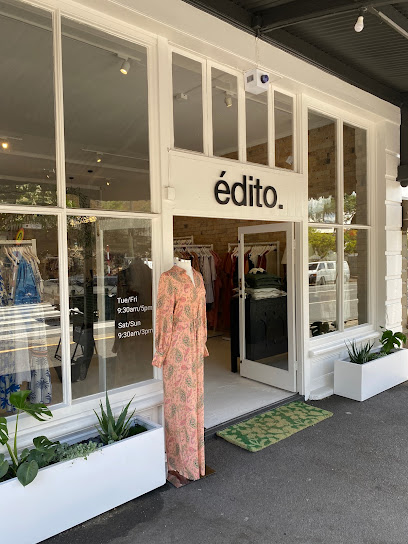
édito boutique
20.1 km
Discover the unique fashion offerings of Édito Boutique in New Farm, where style meets personalized service in a delightful shopping experience.
Merthyr Village Shopping Centre
20.1 km
Experience the vibrant shopping and dining at Merthyr Village Shopping Centre in New Farm, Queensland, where community meets convenience.
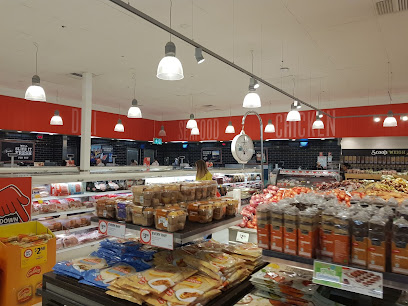
New Farm Editions
20.2 km
Explore New Farm Editions, a unique gift shop in New Farm offering books, homewares, and local treasures in a warm, inviting atmosphere.
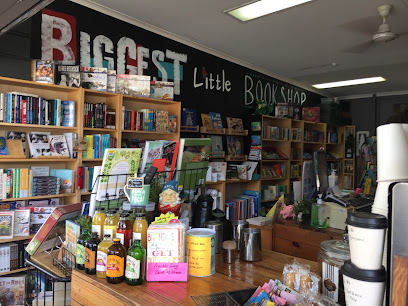
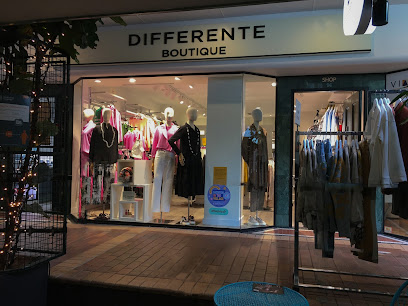
Differente Boutique
20.2 km
Explore Differente Boutique for unique fashion finds in New Farm's vibrant Merthyr Village Shopping Centre, blending local charm with stylish attire.
Essential bars & hidden hideouts

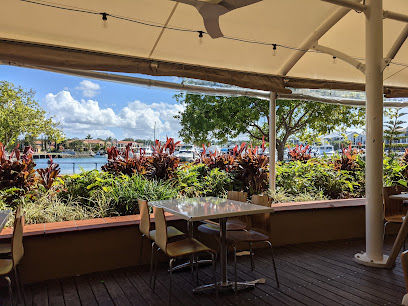
Fiction Bar & Restaurant
15.1 km
Experience the best of Cleveland's culinary scene at Fiction Bar & Restaurant, where exquisite flavors meet breathtaking waterfront views.
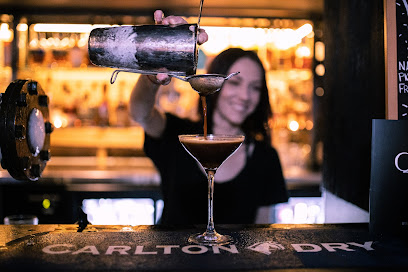
Farrier Bar & Supper Club
20.3 km
Experience the vibrant nightlife at Farrier Bar & Supper Club, where innovative cocktails and delectable tapas await in Fortitude Valley.
QA Hotel
20.3 km
Experience the lively atmosphere, delicious cuisine, and vibrant nightlife at QA Hotel in New Farm, Queensland, the perfect spot for tourists.
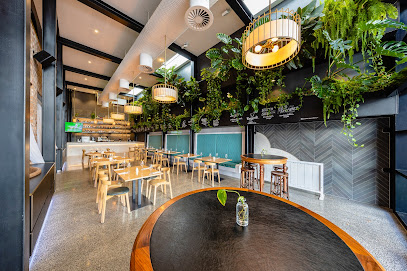
At Sixes And Sevens
20.3 km
Experience the lively beer garden culture at At Sixes And Sevens in Fortitude Valley, where great drinks and delicious food meet vibrant ambiance.
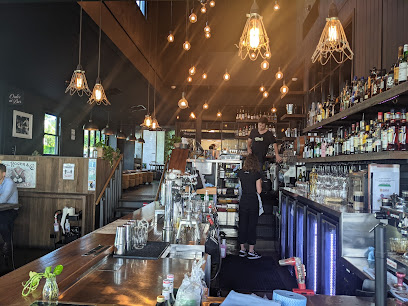
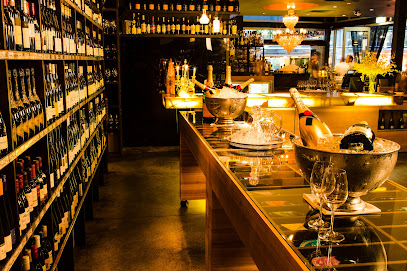
CRU Bar & Cellar
20.4 km
Discover the exquisite wines and gourmet cuisine at CRU Bar & Cellar, the ultimate destination for wine enthusiasts in Fortitude Valley.
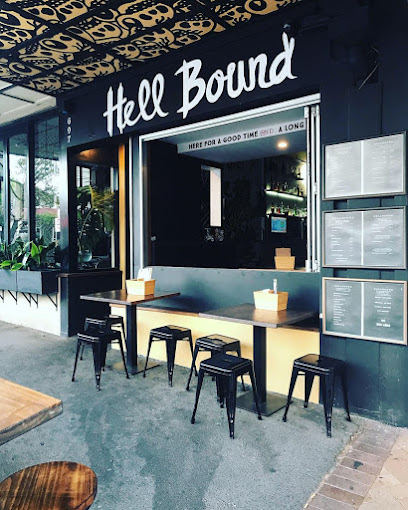
HellBound Brisbane
20.5 km
Dive into the vibrant nightlife of Brisbane at HellBound, a trendy bar in New Farm known for its unique cocktails and lively atmosphere.
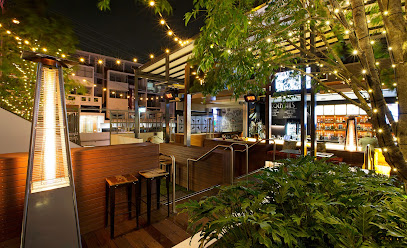
Brunswick Hotel
20.6 km
Discover the Brunswick Hotel in New Farm: A lively pub with a beer garden, live music, and a welcoming atmosphere perfect for tourists.
MAYA Mexican
20.7 km
Experience the vibrant flavors of Mexico at MAYA Mexican - a premier destination for authentic cuisine and creative cocktails in Fortitude Valley.
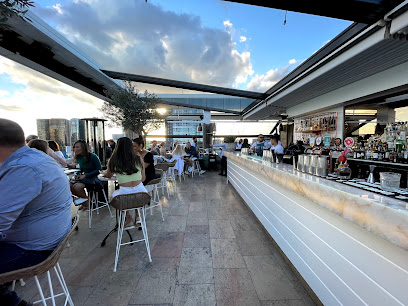
Dirty Sultan
20.7 km
Discover Dirty Sultan, the cocktail bar in Fortitude Valley that redefines nightlife with its innovative drinks and vibrant atmosphere.
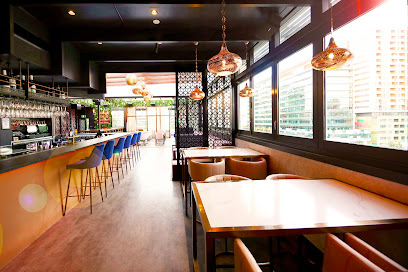
Oche Brisbane
20.7 km
Discover Oche Brisbane, a premier cocktail bar and dart venue in Fortitude Valley, where vibrant nightlife meets competitive fun.
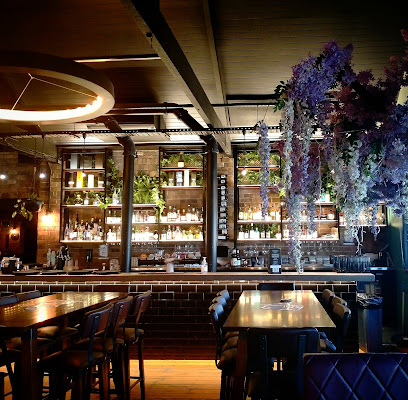
Double Shot New Farm
20.7 km
Discover the charm of Double Shot New Farm, where exceptional coffee and delightful breakfast options await in a cozy atmosphere.
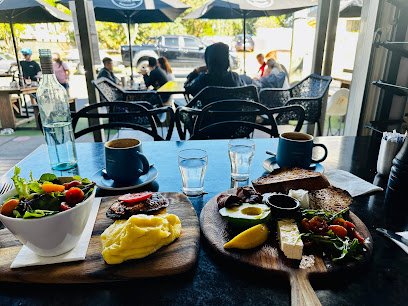
Finney Isles
20.8 km
Discover the allure of Finney Isles, a vibrant bar in Fortitude Valley known for its creative cocktails and lively atmosphere perfect for tourists and locals.
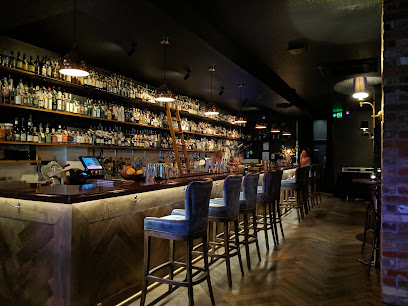
Dutch Courage
20.8 km
Experience the heart of Fortitude Valley at Dutch Courage, where exceptional cocktails meet a vibrant atmosphere for an unforgettable night out.
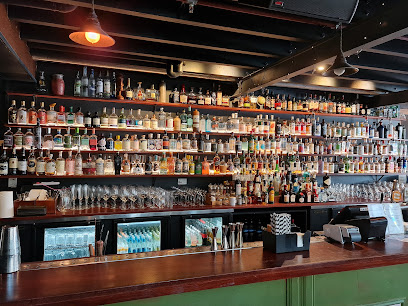
Savile Row
20.8 km
Discover the vibrant nightlife of Fortitude Valley at Savile Row, a chic bar offering exquisite cocktails and a stylish atmosphere.
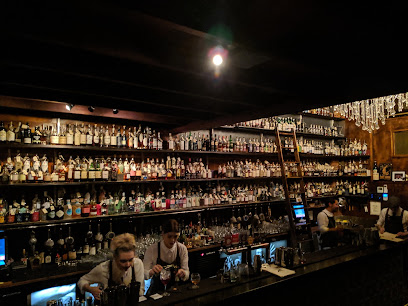
1st Edition Bar (Interactive Cocktail lounge and dining)
20.9 km
Experience the best of Fortitude Valley with innovative cocktails and diverse culinary delights at 1st Edition Bar, a must-visit interactive lounge.