

Free Far West Travel Guide & Mobile App
Explore Far West with free travel guides. Discover regional history, expert tips, proposed trips, and audio guides on web or mobile app.


Explore Far West New South Wales for outback landscapes, Aboriginal heritage, mining towns, desert art and the waterways of the Darling River.
Read more about Far West
When is the best time to visit Far West?
Best: April, September–October · 23–27°C| Month | High (°C) | Rainfall (mm) |
|---|---|---|
| January | 32 | 15 |
| February | 32 | 15 |
| March | 29 | 16 |
| April (best) | 25 | 18 |
| May | 21 | 21 |
| June | 17 | 22 |
| July | 17 | 23 |
| August | 19 | 23 |
| September (best) | 23 | 20 |
| October (best) | 27 | 18 |
| November | 30 | 16 |
| December | 32 | 16 |
Getting to and around Far West
How to get there
Transportation
Best attractions in Far West
Far West New South Wales offers attractions shaped by geology, Aboriginal culture, mining and open landscapes rather than by dense urban tourism. Broken Hill is the region’s main cultural centre, with museums, galleries and collections that explain its mining history and artistic life. The Living Desert State Park combines desert scenery with an outdoor sculpture setting, while Silverton preserves the streetscape and buildings of an early mining settlement. Menindee Lakes and Kinchega National Park provide river, wetland and pastoral-history experiences whose character changes with water levels. Mutawintji National Park is known for rugged ranges, gorges, wildlife and significant Aboriginal cultural sites; access, walking conditions and some cultural areas require attention to local notices. White Cliffs offers a distinctive glimpse of opal mining and underground living, though visitors should use established tours and avoid unsafe workings. Across the region, birdwatching, landscape photography, stargazing, four-wheel-drive touring and short bushwalks are popular, but remote attractions demand preparation. The appeal lies in the scale and variety of the setting: industrial heritage around Broken Hill, river country near Menindee and Wentworth, and rocky desert ranges farther north.
-
Zoo
Australia Zoo
Discover the enchanting wildlife and conservation efforts at Australia Zoo, home to diverse species and thrilling animal encounters in Queensland.
-
Theme park
Warner Bros. Movie World
Dive into a world of adventure and excitement at Warner Bros. Movie World, where movies come to life with thrilling rides and enchanting experiences.
-
Tourist attraction
Cape Byron Lighthouse
Discover breathtaking views and maritime history at Cape Byron Lighthouse, Australia's easternmost point. A must-see Byron Bay landmark.
-
Tourist attraction
Kiama Lighthouse
Explore the historic Kiama Lighthouse on Blowhole Point for stunning coastal views and a glimpse into the region's maritime past.
Best landmarks in Far West
The most recognisable landmark in Far West New South Wales is the Broken Hill mining landscape, where mullock heaps, industrial structures and the city’s broad historic streets reflect the scale of the mineral deposit that created the settlement. The Broken Hill Trades Hall and civic buildings also embody the city’s strong labour and community history. Silverton’s surviving stone buildings and isolated streetscape mark an earlier phase of the mining frontier, while White Cliffs is distinguished by its opal fields and underground dwellings carved into the surrounding ground. The Living Desert’s hilltop sculptures form a contemporary landmark against the plains. Along the Darling, the river red gums and changing expanses of Menindee Lakes create a natural landmark whose appearance depends on river conditions. Kinchega National Park adds the ruins of Kinchega Homestead and historic pastoral remains, while Mutawintji’s red ranges and gorges provide the region’s most dramatic geological scenery. At Wentworth, the meeting of the Darling and Murray rivers gives the town a geographical importance that has shaped its history as a transport and settlement centre.
-
Performing arts theater
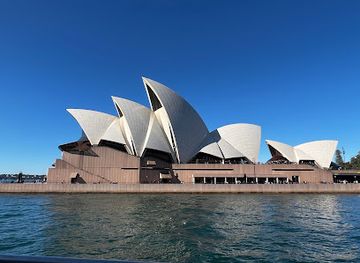
Sydney Opera House
Experience the iconic Sydney Opera House, a cultural landmark featuring stunning architecture, captivating performances, and breathtaking harbor views.
-
Tourist attraction
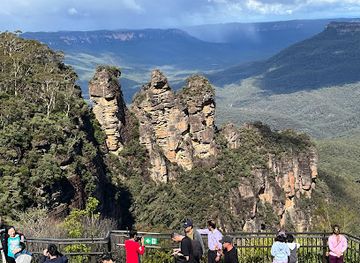
Three Sisters walk
Discover the breathtaking beauty of the Three Sisters Walk in Katoomba, a must-visit hiking area in Australia's stunning Blue Mountains.
-
Bridge
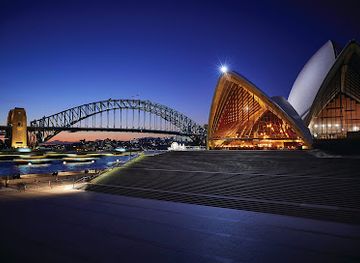
Sydney Harbour Bridge
Discover the breathtaking views and rich history of the Sydney Harbour Bridge, an iconic structure that defines the Sydney skyline and offers unforgettable experiences.
-
Scenic spot
Mount Coot-Tha Summit Lookout
Discover the stunning views and natural beauty at Mount Coot-Tha Summit Lookout, Brisbane's highest point offering picturesque panoramas and serene surroundings.
Explore Far West on the map
Plan your trip on one map. See where the top cities, national parks and sights are, and book hotels and experiences in a few clicks.
Best hotels in Far West
Best restaurants in Far West
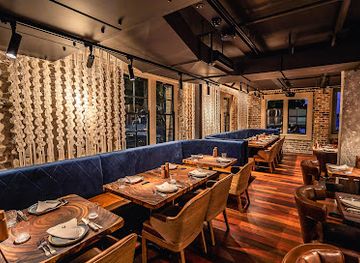
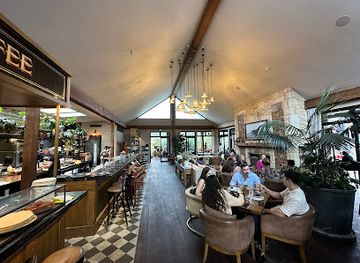
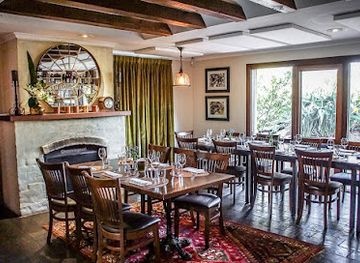
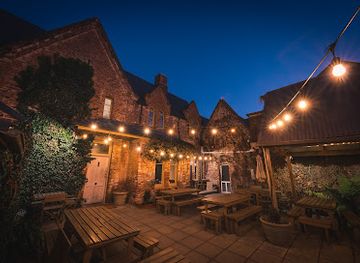
Dining in Far West New South Wales is concentrated in Broken Hill and the larger river settlements, with smaller communities offering a limited but useful selection of cafés, bakeries, pubs and takeaway outlets. Broken Hill has the broadest choice, ranging from simple breakfasts and Australian café food to regional restaurants and historic hotel dining. Menus commonly draw on familiar Australian produce, including beef, lamb, seasonal vegetables and baked goods, while river communities add a stronger connection to freshwater landscapes and pastoral history. Pubs remain important social and dining venues, particularly outside the main city. Local galleries, markets and specialty food shops can provide regional produce and packaged goods for self-catering, which is valuable when travelling to remote parks or mining settlements. Dining hours and supplies are more restricted beyond Broken Hill, so it is sensible to plan meals and carry essentials on longer excursions. The region’s food culture is practical and resilient, reflecting distance, climate and the needs of dispersed communities rather than a single signature cuisine.
-
Fine Dining
6HEAD Sydney
Experience exquisite Australian fine dining at 6HEAD Sydney with stunning views of the Harbour and a delectable menu featuring seafood and premium steaks.
-
Restaurant
Saddles Mount White
Discover Saddles Mount White: where exquisite cuisine meets breathtaking garden views in the heart of New South Wales.
-
Italian
Entrata Restaurant
Discover authentic Italian cuisine at Entrata Restaurant in Glenhaven - where every meal feels like a celebration of flavors.
-
Pizza
Church Bar
Discover the delightful fusion of pizza and bar culture at Church Bar in Bathurst - a vibrant spot for food lovers.
Best bars in Far West
Evening life in Far West New South Wales is centred on traditional pubs, hotel bars, clubs, cafés and occasional live music rather than a large nightclub circuit. Broken Hill has the widest choice, with historic hotels, licensed clubs and venues where residents and visitors gather for meals, conversation and local entertainment. Silverton and other small settlements offer a more limited, early-evening experience, while river towns such as Menindee and Wentworth depend on local hotel and community venues. Some galleries, festivals and cultural organisations contribute evening programming, but schedules vary and should be checked locally. In remote areas, the night is more often defined by quiet accommodation, campfires where permitted and exceptionally dark skies than by organised nightlife. Drink-driving distances are considerable, and visitors should arrange transport responsibly rather than assuming taxis or late services will be available outside Broken Hill.
-
Pub
The Glenmore Hotel
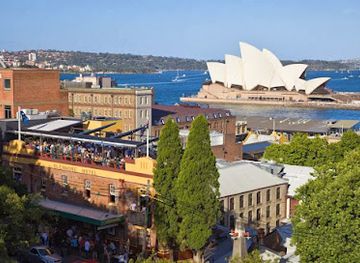
Discover The Glenmore Hotel in The Rocks, Sydney, where history meets modern hospitality and breathtaking views of the iconic skyline.
-
Bar
The Squire's Landing
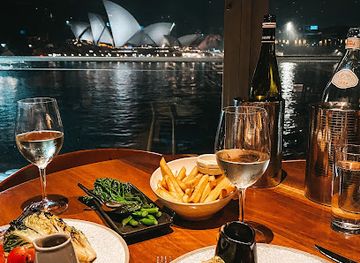
Discover The Squire's Landing: the ultimate brewpub experience with stunning harbour views, delicious craft beers, and delightful dining in The Rocks, Sydney.
-
Bar
House of Brews
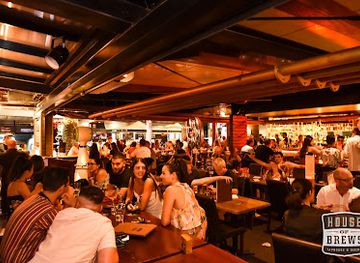
Discover a vibrant bar and grill in Surfers Paradise, offering a diverse craft beer selection, delicious American fare, and live music for an unforgettable experience.
-
Pub
Fortune of War - Sydney's Oldest Pub
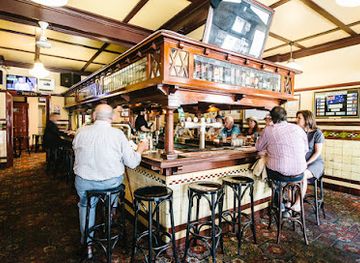
Experience Sydney's oldest pub, Fortune of War, where history meets vibrant nightlife and delicious bistro cuisine.
Best nightclubs in Far West
Evening life in Far West New South Wales is centred on traditional pubs, hotel bars, clubs, cafés and occasional live music rather than a large nightclub circuit. Broken Hill has the widest choice, with historic hotels, licensed clubs and venues where residents and visitors gather for meals, conversation and local entertainment. Silverton and other small settlements offer a more limited, early-evening experience, while river towns such as Menindee and Wentworth depend on local hotel and community venues. Some galleries, festivals and cultural organisations contribute evening programming, but schedules vary and should be checked locally. In remote areas, the night is more often defined by quiet accommodation, campfires where permitted and exceptionally dark skies than by organised nightlife. Drink-driving distances are considerable, and visitors should arrange transport responsibly rather than assuming taxis or late services will be available outside Broken Hill.
-
Night club
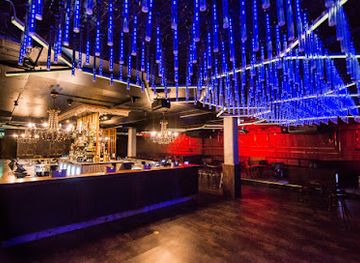
Club 77
Discover the electrifying atmosphere of Club 77, a vibrant night club and bar in Darlinghurst, perfect for dancing and socializing.
-
Night club
Mi Casa Nightclub Brisbane
Discover Brisbane's nightlife at Mi Casa Nightclub, where electrifying beats and unforgettable moments await in the heart of Fortitude Valley.
-
Club
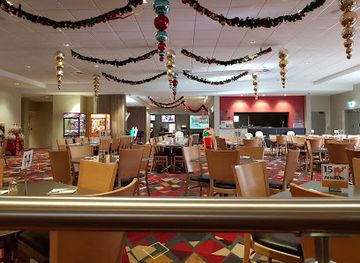
The Demo Club
Experience the vibrant nightlife and local culture at The Demo Club in Broken Hill, where entertainment and community come together.
-
Night club
Prohibition
Explore the vibrant nightlife of Brisbane at Prohibition, a stylish night club and bar in Fortitude Valley offering live DJ music and crafted cocktails.


Best shops in Far West
Shopping in Far West New South Wales is practical, locally rooted and concentrated in the high streets of Broken Hill, Wentworth and the smaller regional towns. Broken Hill has the broadest selection of supermarkets, independent retailers, galleries, bookshops, clothing outlets and stores selling supplies for outback travel. Its arts scene supports galleries and studios where visitors may find paintings, prints, ceramics, jewellery and other works inspired by the desert and mining environment. Silverton also has small galleries and craft-oriented outlets, though opening arrangements can vary. Local markets, when operating, may offer preserves, baked goods, artworks and handmade items, while farm and food shops provide useful supplies for self-catering. Regional souvenirs often include opal-related products, Aboriginal art purchased through appropriate and reputable channels, Australian-made crafts and books about mining or outback history. Outside the main settlements, retail options are limited, so stock up on fuel, water, food and outdoor essentials before travelling to remote parks or historic sites.
-
Shopping mall
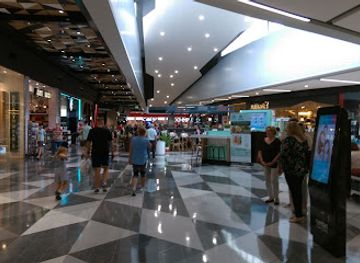
Narellan Town Centre
Explore the vibrant Narellan Town Centre, your ultimate shopping and dining destination in New South Wales, featuring unique shops and delightful eateries.
-
Gift shop
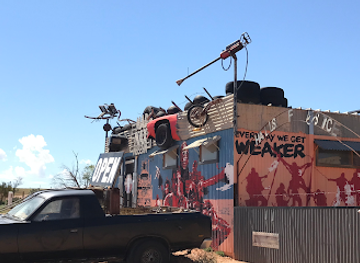
Mad Max 2 Museum
Explore the Mad Max 2 Museum in Silverton, a unique destination celebrating the iconic film with authentic memorabilia and immersive exhibits.
-
Shopping mall
Corrimal Village
Experience the charm of shopping at Corrimal Village, New South Wales, where local culture meets diverse retail options for every traveler.
-
Shopping mall
The Stables Shopping Centre
Explore The Stables Shopping Centre in Greenwith for a diverse shopping experience, delightful dining, and a family-friendly atmosphere.
Get your free copy of our complete guide to Far West, delivered straight to you.
Everything on this page, from attractions and restaurants to essentials and local phrases, in one PDF you can read offline, print or share.
Already have an account? Sign in
Your Far West guide is ready.
We'll send it to · Not you? Sign out

Getting your guide ready…
We are putting together a fresh copy of the Far West guide. This can take up to a minute.
This can take a few moments. If your browser asks, choose Allow so the download can start. You'll find the guide in your Downloads folder.
Nothing happened? Download it again
Sorry, the guide is taking longer than usual. Please try again in a minute, or get it by email instead.
Far West essentials
Currency and Payment
Safety
Emergency Situations
Do's and Don'ts
Local Tips
From Eve
Local phrases worth knowing
You don't need to get them perfect. A few words go a long way, and locals appreciate the effort.
Basics
| English | Local | Say it |
|---|---|---|
| Hello | G'day | [guh-day] |
| Goodbye | See ya | [see yah] |
| Yes | Yep | [yehp] |
| No | Nah | [nah] |
| Please/You're welcome | No worries | [noh wurr-ees] |
| Thank you | Cheers | [cheers] |
| Excuse me/Sorry | Sorry mate | [sor-ree mate] |
| How are you? | How ya going? | [how yah going] |
| Fine. And you? | Good, and you? | [good, and you] |
| Do you speak English? | Do ya speak English? | [do yah speak English] |
| I don't understand | I don't get it | [I don't get it] |
Eating & Drinking
| English | Local | Say it |
|---|---|---|
| I'd like to see the menu, please | Can I see the menu? | [can I see the menu] |
| I don't eat meat | I'm a vegetarian | [I'm a vege-tair-ee-an] |
| Cheers! | Cheers! | [cheers] |
| I would like to pay, please | Can I get the bill? | [can I get the bill] |
Emergencies
| English | Local | Say it |
|---|---|---|
| Help! | Help! | [help] |
| Go away! | Leave me alone! | [leave me alone] |
| Call the Police! | Call the cops! | [call the cops] |
| Call a doctor! | Get a doctor! | [get a doctor] |
| I'm lost | I'm kinda lost | [I'm kinda lost] |
| I'm ill | I'm unwell | [I'm un-well] |
Shopping
| English | Local | Say it |
|---|---|---|
| I'd like to buy... | I wanna buy... | [I wanna buy] |
| I'm just looking | Just browsing | [just browsing] |
| How much is it? | How much? | [how much] |
| That's too expensive | That's way too pricey | [that's way too pricey] |
| Can you lower the price? | Can ya make it cheaper? | [can yah make it cheaper] |
Time & Numbers
| English | Local | Say it |
|---|---|---|
| What time is it? | What’s the time? | [what's the time] |
| It's one o'clock | It's one o'clock | [it's one o'clock] |
| Half past (10) | Half past ten | [half past ten] |
| Morning | Morning | [morning] |
| Afternoon | Arvo | [ar-vo] |
| Evening | Evening | [evening] |
| Yesterday | Yesterday | [yesterday] |
| Today | Today | [today] |
| Tomorrow | Tomorrow | [tomorrow] |
| 1 | One | [one] |
| 2 | Two | [two] |
| 3 | Three | [three] |
| 4 | Four | [four] |
| 5 | Five | [five] |
| 6 | Six | [six] |
| 7 | Seven | [seven] |
| 8 | Eight | [eight] |
| 9 | Nine | [nine] |
| 10 | Ten | [ten] |
Transport & Directions
| English | Local | Say it |
|---|---|---|
| Where's a/the...? | Where's the...? | [where's the] |
| What's the address? | What's the address? | [what's the address] |
| Can you show me (on the map)? | Can ya show me on the map? | [can yah show me on the map] |
| When's the next (bus)? | When's the next bus? | [when's the next bus] |
| A ticket (to ....) | A ticket to... | [a ticket to] |
History of Far West
Aboriginal Country and Ancient River Landscapes
Far West New South Wales has been Aboriginal Country for thousands of years, with Paakantyi, Wilyakali and neighbouring peoples maintaining cultural, spiritual and practical connections with rivers, ranges, lakes and desert plains. The Darling River and Menindee Lakes provided important resources in an otherwise arid environment. Archaeological evidence across the wider region records long occupation, while rock art and cultural places at Mutawintji demonstrate the depth and continuity of Aboriginal heritage. Visitors should understand these places as living cultural landscapes rather than simply archaeological curiosities.
Inland Exploration and the Darling River
European mapping and pastoral expansion intensified during the nineteenth century as explorers and pastoralists followed inland watercourses. Charles Sturt’s 1844 expedition reached the Darling River near what is now Menindee, helping draw government and commercial attention to the interior. River transport later connected pastoral stations and settlements with markets, although flows were unpredictable and navigation difficult. The history of exploration sits alongside the severe disruption caused to Aboriginal communities by occupation, stock movement and frontier violence.
The Rise of Broken Hill Mining
Broken Hill developed after the discovery of the enormous silver, lead and zinc lode in 1883. Mining companies, workers and investors transformed an isolated outpost into a major industrial town, while rail connections strengthened its links with the wider Australian economy. The deposit supported generations of employment and helped shape national mining expertise. Its legacy remains visible in the city’s mine infrastructure, workers’ neighbourhoods, union history, civic buildings and museums, even as modern extraction and mineral processing have changed over time.
Silverton and the Mining Frontier
Silverton grew in the 1880s as prospectors and businesses gathered around nearby silver workings. It became a lively but harsh mining settlement before the centre of activity shifted towards Broken Hill and the town’s population declined. The remaining stone buildings, hotel, gaol and streetscape convey the environmental and economic pressures of frontier mining. Silverton later acquired a second identity through art, photography and film production, but its importance first lay in the regional mining network that preceded the modern heritage economy.
Railways, Pastoralism and Regional Connections
Railways altered the geography of Far West New South Wales by linking Broken Hill and other inland settlements to ports, markets and larger cities. Pastoral stations, wool production and river transport also shaped settlement patterns, particularly around the Darling and Murray systems. Wentworth, at the junction of the Darling and Murray rivers, became an important transport and commercial centre. These connections reduced some of the region’s isolation while reinforcing its role as a supplier of minerals, wool and livestock to the national economy.
Art, Industry and a Changing Outback Economy
During the twentieth century, Broken Hill’s industrial identity increasingly coexisted with a distinctive arts culture. Artists responded to the region’s colour, light, geology and mining society, while galleries and cultural organisations established the city as an important centre for Australian outback art. At the same time, mechanisation, changing commodity markets and population shifts reduced employment in some traditional industries. Tourism now complements mining, pastoralism and public services, drawing visitors to heritage, art, Aboriginal culture and the region’s expansive natural landscapes.
Far West in Photos
Browse through our photo collection highlighting the charm and character of the destination.
Neighbouring regions of Far West
The closest regions to Far West, if you have time for more than one.
-

-

-

-

-


Swipe for more regions
Explore more

Explore more of Australia
Discover the diverse landscapes, vibrant cities, and unique wildlife of Australia, a captivating destination offering endless adventures and unforgettable experiences.
Explore Australia