

Free Gascoyne Travel Guide & Mobile App
Explore Gascoyne with free travel guides. Discover regional history, expert tips, proposed trips, and audio guides on web or mobile app.


Explore the Gascoyne for Ningaloo Reef, Shark Bay, red-rock ranges, wildlife, Aboriginal heritage and long Australian outback journeys.
Read more about Gascoyne
When is the best time to visit Gascoyne?
Best: June–August · 23–24°C| Month | High (°C) | Rainfall (mm) |
|---|---|---|
| January | 39 | 7 |
| February | 39 | 8 |
| March | 37 | 10 |
| April | 34 | 12 |
| May | 29 | 14 |
| June (best) | 24 | 15 |
| July (best) | 23 | 13 |
| August (best) | 24 | 11 |
| September | 28 | 9 |
| October | 33 | 8 |
| November | 36 | 9 |
| December | 38 | 10 |
Getting to and around Gascoyne
How to get there
Transportation
Destinations in Gascoyne
Resorts, valleys and scenic spots worth a trip of their own.
-

-


Swipe for more destinations
Best attractions in Gascoyne
The Gascoyne's attractions range from shallow coral gardens to remote red-rock country. Ningaloo Coast offers snorkelling, diving, glass-bottom-boat trips, fishing and guided wildlife encounters from Exmouth and Coral Bay, with Cape Range National Park adding limestone gorges, beaches and walks on land. Shark Bay's World Heritage Area encompasses beaches, saltbush plains, marine habitats, Francois Peron National Park and Monkey Mia, while Hamelin Pool is known for its stromatolites. Carnarvon provides a different experience through horticultural produce, the Carnarvon Space and Technology Museum, the One Mile Jetty precinct and coastal history. Inland, the Kennedy Range has cliffs, gorges and seasonal wildflowers, while Mount Augustus is a remote focus for walking, geology and expansive outback views. National parks and reserves can involve unsealed roads, limited shade and no nearby services, so their natural appeal is inseparable from careful preparation. Museums, Aboriginal cultural interpretation, fishing and local-history displays add human context to a landscape often experienced outdoors.
-
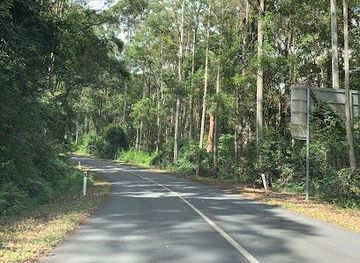
Mountain peak
Mount Glorious
Discover the breathtaking vistas and lush rainforests of Mount Glorious, a tranquil mountain peak in Queensland perfect for hiking and nature exploration.
-
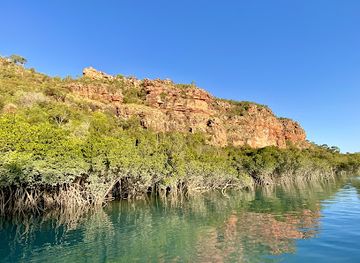
Elevated
Wunaamin Miliwundi Ranges
Explore the rugged beauty and ancient Aboriginal heritage of the Wunaamin Miliwundi Ranges in Western Australia's Kimberley region.
Explore Gascoyne on the map
Plan your trip on one map. See where the top cities, national parks and sights are, and book hotels and experiences in a few clicks.
Best hotels in Gascoyne
Best bars in Gascoyne
Evening life in the Gascoyne is generally relaxed and settlement-based rather than centred on a large nightclub scene. Exmouth, Denham, Carnarvon and Coral Bay have pubs, hotel bars, casual restaurants and venues where visitors can meet local residents and other travellers, while live music and seasonal entertainment may appear without forming a permanent programme. In smaller communities, the pub or club is often a social and practical place rather than a late-night destination. After-dark activity also means stargazing, evening walks in developed areas and enjoying an outdoor meal, although wildlife and park rules should be respected. Remote accommodation can be quiet, and many visitors plan early starts for marine tours or long drives. Check local arrangements directly rather than assuming national-city opening patterns, particularly outside peak travel periods.
-
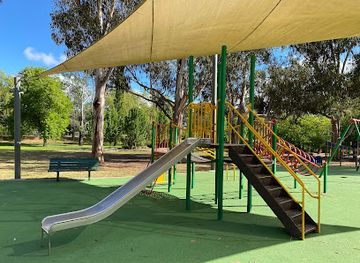
Park
Telopea Park
Discover Telopea Park, a serene urban oasis in Barton, perfect for nature lovers, families, and anyone seeking relaxation in the heart of the Australian Capital Territory.
-
Campervan and Caravan Dealer
SundownerRV Caravans
Discover the freedom of adventure with SundownerRV Caravans, your go-to dealer for quality campervans and caravans in Dingley Village, Victoria.
-
Camping store
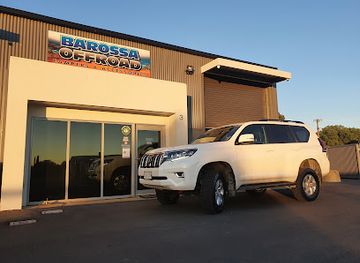
Barossa Offroad
Discover top-notch camping gear and RV repairs at Barossa Offroad, your one-stop shop for outdoor adventures in South Australia.
-
School
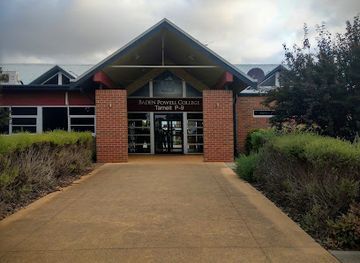
Baden Powell College - Tarneit Campus P-9
Explore the vibrant community at Baden Powell College - Tarneit Campus, nurturing young minds with creativity and excellence.
Best shops in Gascoyne
Shopping in the Gascoyne is practical, local and closely linked to food production, marine life and regional craft. Carnarvon is the best place to look for seasonal fruit and vegetables, farm-gate produce and supplies for a self-drive journey, while small shops and cafés often stock regional food products. Exmouth and Coral Bay focus on marine recreation, with diving, fishing, swimming and reef-related equipment alongside clothing, gifts and locally themed souvenirs. Denham provides everyday shopping and visitor-oriented outlets for the Shark Bay area, although choice is limited compared with a Western Australian city. Look for Aboriginal art and cultural products only through reputable galleries or authorised sellers, and ask about provenance where appropriate. Regional markets and craft events can be seasonal rather than permanent, so local noticeboards and visitor centres are useful for current information. The most suitable souvenirs are often durable food products, books, artwork or locally made crafts rather than items removed from the natural environment.
-
Real estate agency
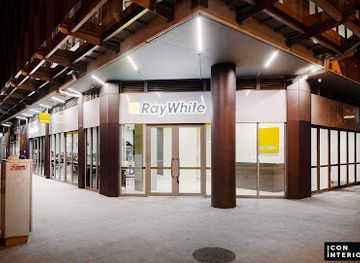
Ray White Werribee
Discover exceptional real estate opportunities with Ray White Werribee, where expert advice meets local market insights for property investment and rentals.
-
Real estate agency
Ray White Truganina
Explore property investment opportunities at Ray White Truganina, your trusted real estate agency in the vibrant suburb of Truganina, Victoria.
-
Park
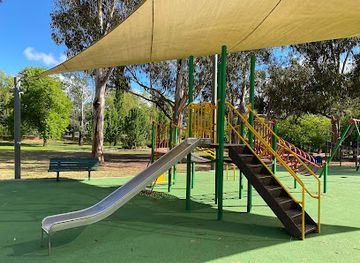
Telopea Park
Experience the natural beauty and tranquility of Telopea Park, an urban oasis perfect for relaxation, picnics, and family fun in the heart of Barton, ACT.
-
Real estate agency
Reliance Real Estate Tarneit
Explore Tarneit's real estate landscape at Reliance Real Estate, your gateway to local insights and property expertise.

Get your free copy of our complete guide to Gascoyne, delivered straight to you.
Everything on this page, from attractions and restaurants to essentials and local phrases, in one PDF you can read offline, print or share.
Already have an account? Sign in
Your Gascoyne guide is ready.
We'll send it to · Not you? Sign out

Getting your guide ready…
We are putting together a fresh copy of the Gascoyne guide. This can take up to a minute.
This can take a few moments. If your browser asks, choose Allow so the download can start. You'll find the guide in your Downloads folder.
Nothing happened? Download it again
Sorry, the guide is taking longer than usual. Please try again in a minute, or get it by email instead.
Gascoyne essentials
Currency and Payment
Safety
Emergency Situations
Do's and Don'ts
Local Tips
From Eve
Local phrases worth knowing
You don't need to get them perfect. A few words go a long way, and locals appreciate the effort.
Basics
| English | Local | Say it |
|---|---|---|
| Hello | G'day | [g'day] |
| Goodbye | See ya | [see yah] |
| Yes | Yep | [yehp] |
| No | Nah | [nah] |
| Please/You're welcome | No worries | [no wah-ries] |
| Thank you | Cheers | [cheers] |
| Excuse me/Sorry | Sorry mate | [sorry mate] |
| How are you? | How ya goin'? | [how yah goin'?] |
| Fine. And you? | Good, and you? | [good, and you?] |
| Do you speak English? | Do ya speak English? | [do yah speak English?] |
| I don't understand | I don’t get it | [I don't get it] |
Eating & Drinking
| English | Local | Say it |
|---|---|---|
| I'd like to see the menu, please | Can I see the menu, please? | [can I see the menu, please?] |
| I don't eat meat | I’m a vegetarian | [I'm a vegetarian] |
| Cheers! | Cheers! | [cheers!] |
| I would like to pay, please | Can I get the bill, please? | [can I get the bill, please?] |
Emergencies
| English | Local | Say it |
|---|---|---|
| Help! | Help! | [help!] |
| Go away! | Get lost! | [get lost!] |
| Call the Police! | Call the cops! | [call the cops!] |
| Call a doctor! | Get a doctor! | [get a doctor!] |
| I'm lost | I’m lost | [I'm lost] |
| I'm ill | I’m sick | [I'm sick] |
Shopping
| English | Local | Say it |
|---|---|---|
| I'd like to buy... | I wanna buy... | [I wanna buy...] |
| I'm just looking | Just browsing | [just browsing] |
| How much is it? | How much? | [how much?] |
| That's too expensive | That’s a bit pricey | [that's a bit pricey] |
| Can you lower the price? | Can ya give me a better price? | [can yah give me a better price?] |
Time & Numbers
| English | Local | Say it |
|---|---|---|
| What time is it? | What’s the time? | [what's the time?] |
| It's one o'clock | It’s one o’clock | [it's one o'clock] |
| Half past (10) | Half past ten | [half past ten] |
| Morning | Morning | [morning] |
| Afternoon | Arvo | [arvo] |
| Evening | Evening | [evening] |
| Yesterday | Yesterday | [yesterday] |
| Today | Today | [today] |
| Tomorrow | Tomorrow | [tomorrow] |
| 1 | One | [one] |
| 2 | Two | [two] |
| 3 | Three | [three] |
| 4 | Four | [four] |
| 5 | Five | [five] |
| 6 | Six | [six] |
| 7 | Seven | [seven] |
| 8 | Eight | [eight] |
| 9 | Nine | [nine] |
| 10 | Ten | [ten] |
Transport & Directions
| English | Local | Say it |
|---|---|---|
| Where's a/the...? | Where's the...? | [where's the...?] |
| What's the address? | What's the address? | [what's the address?] |
| Can you show me (on the map)? | Can you point it out? | [can you point it out?] |
| When's the next (bus)? | When's the next bus? | [when's the next bus?] |
| A ticket (to ....) | A ticket to ... | [a ticket to ...] |
History of Gascoyne
Aboriginal Country and Ancient Coastal Knowledge
The Gascoyne is Country for several Aboriginal peoples, including Baiyungu, Thalanyji, Yinigudura, Yinggarda, Malgana and other communities whose connections to land and sea long predate European settlement. Along the coast, knowledge of tides, reefs, seasonal animals and water sources supported movement and food gathering; inland, routes linked scarce waterholes, ranges and productive areas. Rock art, archaeological sites, stories and continuing cultural practice remain important parts of the region's heritage. Visitors should follow access restrictions and recognise that some places have cultural significance beyond their appearance as scenic attractions.
Shark Bay's Early European Voyages
European maritime exploration reached Shark Bay during the Dutch voyage of Dirk Hartog in 1616, followed by later visits including those associated with Willem de Vlamingh and William Dampier. The bay's islands, shallow waters and unusual marine environments attracted navigators and naturalists, but European charts did not erase the longstanding Aboriginal presence. Dampier's observations contributed to European scientific interest in the Australian coast. The bay's position on Indian Ocean routes later supported pearling, pastoral activity and scientific research, leaving layers of maritime history around present-day Denham and the peninsula.
Pastoral Expansion and the Gascoyne River
From the nineteenth century, pastoralists established sheep stations across the Gascoyne, adapting European stock-raising practices to a dry environment with highly variable rainfall. Carnarvon developed at the mouth of the Gascoyne River as a service centre, port and outlet for pastoral and agricultural production. The industry depended on Aboriginal labour and knowledge, while also contributing to dispossession and disruptive colonial policies. Station country, stock routes, old homesteads and surviving infrastructure still help explain how settlement expanded through a region where water and transport have always shaped economic life.
Pearling, Fishing and Coastal Enterprise
Shark Bay and the wider Gascoyne coast became associated with pearling, fishing and marine industries during the nineteenth and twentieth centuries. Shark Bay's shell resources were particularly important, with shell harvested for the button trade and other uses before changing markets and regulations reduced the industry's former scale. Fishing, including prawns and finfish, remains part of the coastal economy, alongside tourism and conservation. These industries brought workers and families from different backgrounds to remote settlements and helped form the maritime identity still visible in local museums, jetties, ports and working boats.
Carnarvon's Irrigated Horticulture
The lower Gascoyne River supports agriculture in an otherwise arid region, and irrigation helped Carnarvon develop into a major horticultural centre. Plantings expanded over time from smaller market gardens to commercial production of bananas, mangoes, vegetables and other crops suited to the local climate. Seasonal work has brought a diverse labour force to the district, while growers have had to manage water availability, heat, cyclones and market fluctuations. The town's fresh produce outlets and roadside stalls provide a direct connection to this distinctive river-delta economy.
Radio Astronomy and the Carnarvon Tracking Station
Carnarvon gained an important place in the history of space exploration when a tracking station operated there during the early years of human spaceflight. Established in the 1960s, the facility supported communications and tracking for American missions, including the Apollo programme, before later changes in technology and operations altered its role. The Carnarvon Space and Technology Museum preserves this connection through exhibits and equipment. The story adds a modern technological layer to a region more commonly associated with pastoralism, agriculture, reefs and remote landscapes.
World Heritage Conservation and Modern Tourism
The ecological significance of the Gascoyne's coast became increasingly recognised through national parks, marine reserves and World Heritage protection. Shark Bay was inscribed for its biological, geological and cultural values in 1991, while the Ningaloo Coast gained World Heritage status in 2011 for its reef, coastline and marine biodiversity. Conservation has reshaped tourism, fishing practices and access management, with attention to coral protection, wildlife disturbance and fragile desert environments. Today the region's visitor economy depends on balancing recreation with the long-term care of Country and sea.
Gascoyne in Photos
Browse through our photo collection highlighting the charm and character of the destination.
Neighbouring regions of Gascoyne
The closest regions to Gascoyne, if you have time for more than one.
-

-

-

-

-


Swipe for more regions
Explore more

Explore more of Australia
Discover the diverse landscapes, vibrant cities, and unique wildlife of Australia, a captivating destination offering endless adventures and unforgettable experiences.
Explore Australia