

Free Wheatbelt Travel Guide & Mobile App
Explore Wheatbelt with free travel guides. Discover regional history, expert tips, proposed trips, and audio guides on web or mobile app.


Explore Western Australia's Wheatbelt for Wave Rock, wildflowers, granite landscapes, heritage towns and wide-open rural scenery.
Read more about Wheatbelt
When is the best time to visit Wheatbelt?
Best: March–April, October · 24–29°C| Month | High (°C) | Rainfall (mm) |
|---|---|---|
| January | 32 | 30 |
| February | 31 | 30 |
| March (best) | 29 | 40 |
| April (best) | 24 | 40 |
| May | 20 | 50 |
| June | 17 | 60 |
| July | 17 | 60 |
| August | 18 | 60 |
| September | 21 | 50 |
| October (best) | 25 | 40 |
| November | 29 | 40 |
| December | 31 | 30 |
Getting to and around Wheatbelt
How to get there
Transportation
Best attractions in Wheatbelt
Wheatbelt attractions are defined by the contrast between working agricultural country and remnant natural landscapes. York, Northam and Toodyay offer heritage streets, museums, galleries and river-valley settings that explain the region's colonial and farming history. Around Hyden, Wave Rock and the nearby Humps provide marked walks among weathered granite formations, with Aboriginal cultural interpretation associated with Mulka's Cave. Kulin's Tin Horse Highway adds a distinctly local roadside-art experience shaped by farming communities. In the north, Wongan Hills and the surrounding reserves are valued for bushwalking, birdlife and seasonal wildflowers, while districts around Morawa and Dalwallinu are important spring destinations when rainfall produces extensive floral displays. The region also contains lakes, nature reserves, old railway sites and grain-country viewpoints rather than a concentration of conventional theme parks or major museums. Nambung National Park and the Pinnacles are often included in itineraries marketed towards the wider Wheatbelt approach from Perth, although visitors should plan them as a separate western excursion rather than assume all destinations form a short local circuit.
-
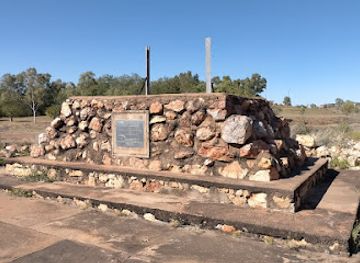
Cemetery
Old Halls Creek
Explore Old Halls Creek, a historical cemetery in Western Australia that reflects the rich heritage of the region amidst stunning natural landscapes.

Explore Wheatbelt on the map
Plan your trip on one map. See where the top cities, national parks and sights are, and book hotels and experiences in a few clicks.
Best hotels in Wheatbelt
Best restaurants in Wheatbelt
Dining in the Wheatbelt reflects country-town life, farming and the long distances between settlements. Cafés, bakeries, hotels, roadhouses and club dining rooms are important everyday options, while larger towns such as Northam, York and Merredin offer a broader choice of casual meals. Menus commonly draw on Australian staples, locally grown grain, seasonal produce, beef and lamb, with regional bakeries providing practical stops for pies, bread and sweet baking. In farming districts, farmers' markets and community events may showcase honey, preserves, fruit, vegetables and value-added products, although availability is seasonal rather than guaranteed. York and the Avon Valley have a stronger heritage-inn and café atmosphere, while Hyden's food services are oriented towards travellers visiting Wave Rock. Visitors should plan meals around opening patterns in small towns, especially at weekends and outside peak travel periods, and carry provisions when heading to isolated reserves.
-
Hotel
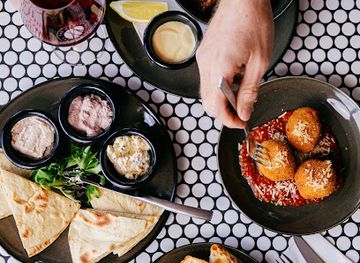
Hamley Bridge Hotel
Experience comfort and charm at Hamley Bridge Hotel - your perfect retreat in South Australia.
Best bars in Wheatbelt
Nightlife in the Wheatbelt is generally modest and community-centred rather than club-oriented. Country hotels, pubs, licensed cafés and club dining rooms provide the principal evening meeting places in towns such as York, Northam, Merredin and Narrogin, with occasional live music, community performances or seasonal events. Hyden and other tourism centres cater mainly to visitors seeking an early meal or a quiet drink after driving and sightseeing. Larger towns may have a few more contemporary bars, but opening arrangements vary and there is no continuous nightlife district across the region. Visitors should not expect late-night venues in smaller settlements, where evening activity often follows local sporting, cultural or agricultural calendars. Responsible drinking is particularly important when distances are long and taxis or public transport are limited; arrange accommodation and the return journey before going out.
-
Hotel
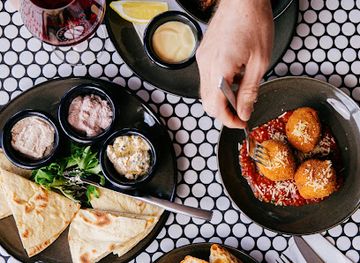
Hamley Bridge Hotel
Experience the perfect blend of comfort, local culture, and hospitality at the Hamley Bridge Hotel in South Australia.
-
Chinese
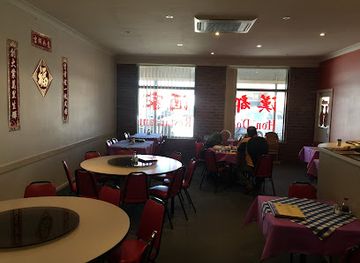
Hon Doo Restaurant
Explore the vibrant tastes of Hon Doo Restaurant in Walgett, where authentic Chinese cuisine meets fast food convenience.
Best nightclubs in Wheatbelt
Nightlife in the Wheatbelt is generally modest and community-centred rather than club-oriented. Country hotels, pubs, licensed cafés and club dining rooms provide the principal evening meeting places in towns such as York, Northam, Merredin and Narrogin, with occasional live music, community performances or seasonal events. Hyden and other tourism centres cater mainly to visitors seeking an early meal or a quiet drink after driving and sightseeing. Larger towns may have a few more contemporary bars, but opening arrangements vary and there is no continuous nightlife district across the region. Visitors should not expect late-night venues in smaller settlements, where evening activity often follows local sporting, cultural or agricultural calendars. Responsible drinking is particularly important when distances are long and taxis or public transport are limited; arrange accommodation and the return journey before going out.
-
Hotel
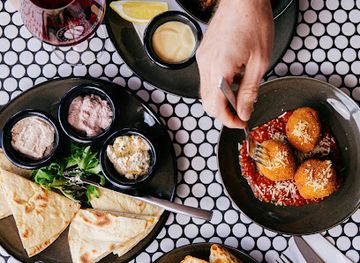
Hamley Bridge Hotel
Experience comfort and community at Hamley Bridge Hotel, a unique hotel and pub blending local flavors and warm hospitality.
Best shops in Wheatbelt
Shopping in the Wheatbelt is concentrated in country-town high streets, independent stores, bakeries, farm-related outlets, galleries and periodic community markets rather than large retail complexes. York is suited to browsing heritage streets, antiques, books, craft goods and locally produced food, while Northam and Merredin provide broader everyday shopping and supplies for road journeys. Small galleries and visitor centres may stock Aboriginal art, regional histories, handmade items, honey, preserves and other farm products, but ranges vary by town and season. Markets and agricultural shows can be good places to find local produce, plants and craftwork when they coincide with an itinerary. Around Hyden, souvenirs commonly reflect Wave Rock and the surrounding landscape. Buy Aboriginal art and cultural products from reputable sellers who can explain the work's provenance and artist attribution, and remember that wildflowers, rocks, fossils and historic objects should not be removed from their natural or heritage settings.
-
Club
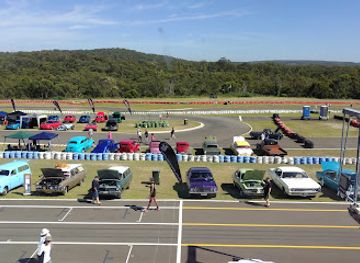
Newcastle Kart Racing Club Inc.
Discover the thrill of go-kart racing at Newcastle Kart Racing Club in Cameron Park, New South Wales. Perfect for families and adrenaline junkies!
-
Cemetery
Old Halls Creek
Discover the historical significance of Old Halls Creek, a cemetery that reflects the rich heritage of Western Australia amidst stunning natural landscapes.
-
Drone shop
Wheatbelt UAV
Discover the best in drone technology and take your aerial photography to new heights at Wheatbelt UAV in Dalby, Queensland.
Get your free copy of our complete guide to Wheatbelt, delivered straight to you.
Everything on this page, from attractions and restaurants to essentials and local phrases, in one PDF you can read offline, print or share.
Already have an account? Sign in
Your Wheatbelt guide is ready.
We'll send it to · Not you? Sign out

Getting your guide ready…
We are putting together a fresh copy of the Wheatbelt guide. This can take up to a minute.
This can take a few moments. If your browser asks, choose Allow so the download can start. You'll find the guide in your Downloads folder.
Nothing happened? Download it again
Sorry, the guide is taking longer than usual. Please try again in a minute, or get it by email instead.
Wheatbelt essentials
Currency and Payment
Safety
Emergency Situations
Do's and Don'ts
Local Tips
From Eve
Local phrases worth knowing
You don't need to get them perfect. A few words go a long way, and locals appreciate the effort.
Basics
| English | Local | Say it |
|---|---|---|
| Hello | G'day | [g'day] |
| Goodbye | See ya | [see ya] |
| Yes | Yep | [yehp] |
| No | Nah | [nah] |
| Please/You’re welcome | No worries | [no worries] |
| Thank you | Cheers | [cheers] |
| Excuse me/Sorry | Sorry mate | [sorry mate] |
| How are you? | How ya going? | [how ya going] |
| Fine. And you? | Good, you? | [good, you?] |
| Do you speak English? | Can ya speak English? | [can ya speak English] |
| I don't understand | I don’t get it | [I don’t get it] |
Eating & Drinking
| English | Local | Say it |
|---|---|---|
| I’d like to see the menu, please | Can I see the menu? | [can I see the menu] |
| I don't eat meat | I’m a vegetarian | [I'm a vegetarian] |
| Cheers! | Cheers! | [cheers] |
| I would like to pay, please | Can I get the bill? | [can I get the bill] |
Emergencies
| English | Local | Say it |
|---|---|---|
| Help! | Help! | [help] |
| Go away! | Bugger off! | [bugger off] |
| Call the Police! | Call the cops! | [call the cops] |
| Call a doctor! | Get a doc! | [get a doc] |
| I’m lost | I’m lost | [I'm lost] |
| I’m ill | I’m feeling crook | [I'm feeling crook] |
Shopping
| English | Local | Say it |
|---|---|---|
| I’d like to buy... | I want to buy... | [I want to buy] |
| I’m just looking | Just browsing | [just browsing] |
| How much is it? | How much? | [how much] |
| That’s too expensive | That’s a bit rich | [that’s a bit rich] |
| Can you lower the price? | Can ya do a better price? | [can ya do a better price] |
Time & Numbers
| English | Local | Say it |
|---|---|---|
| What time is it? | What’s the time? | [what's the time] |
| It’s one o’clock | It’s one o’clock | [it's one o'clock] |
| Half past (10) | Half past ten | [half past ten] |
| Morning | Morning | [morning] |
| Afternoon | Arvo | [arvo] |
| Evening | Evening | [evening] |
| Yesterday | Yesterday | [yesterday] |
| Today | Today | [today] |
| Tomorrow | Tomorrow | [tomorrow] |
| 1 | One | [one] |
| 2 | Two | [two] |
| 3 | Three | [three] |
| 4 | Four | [four] |
| 5 | Five | [five] |
| 6 | Six | [six] |
| 7 | Seven | [seven] |
| 8 | Eight | [eight] |
| 9 | Nine | [nine] |
| 10 | Ten | [ten] |
Transport & Directions
| English | Local | Say it |
|---|---|---|
| Where's a/the...? | Where's the...? | [where's the] |
| What's the address? | What’s the address? | [what's the address] |
| Can you show me (on the map)? | Can ya show me on the map? | [can ya show me on the map] |
| When's the next (bus)? | When's the next bus? | [when's the next bus] |
| A ticket (to ....) | A ticket to... | [a ticket to] |
History of Wheatbelt
Noongar Country and Ancient Landscapes
The Wheatbelt lies across several areas of Noongar Country, including lands associated with groups such as the Ballardong, Whadjuk, Wiilman and Njaki Njaki peoples. Noongar communities developed detailed knowledge of seasonal water sources, plants, animals and travel routes across a region that can appear dry and uniform to visitors. Granite outcrops, lakes, waterways and other natural features carry cultural significance, and Aboriginal connection to Country continues today. European accounts from the nineteenth century often misunderstood these relationships, making it important to view the region's history as much more than the later story of farming and settlement.
European Exploration and the Avon Valley
British exploration moved inland from the Swan River Colony during the 1820s, with expeditions following waterways and reporting on the agricultural potential of the Avon Valley. York, established in the 1830s, became the first inland European settlement in Western Australia and an important centre for pastoral expansion. Northam and Toodyay developed nearby as river, farming and transport settlements. Their surviving civic buildings, churches, hotels and residences reflect the growth of colonial administration and commerce, while also standing within a landscape shaped by the dispossession of Noongar people.
Pastoralism and the Wheat Frontier
During the nineteenth century, sheep grazing expanded through the Avon Valley and beyond, followed by large-scale cultivation of wheat and other crops. The Wheatbelt's agricultural frontier advanced unevenly as settlers adapted to rainfall patterns, soils and limited water supplies. Government incentives, land subdivision and technical changes encouraged farming, but drought, erosion and salinity later exposed the environmental limits of clearing native vegetation. Grain handling facilities, farm machinery collections and country town streets still reveal how profoundly agriculture shaped settlement and employment.
Railways, Grain and Inland Towns
Railways were central to the Wheatbelt's development from the late nineteenth century onwards. Lines extending east from Perth connected farming districts with mills, ports and, eventually, the goldfields. Stations and sidings helped establish or enlarge towns such as Northam, Merredin and Southern Cross, while grain elevators and bulk-handling facilities became defining structures of the agricultural landscape. Rail also carried passengers, mail and supplies across long distances. Although many former branch lines no longer operate for passengers, their routes and infrastructure remain important evidence of the region's economic transformation.
The Goldfields Water Supply Scheme
Completed in the early twentieth century, the Goldfields Water Supply Scheme carried water from the vicinity of Perth to Kalgoorlie through the Wheatbelt and across the interior. Designed under the direction of engineer C. Y. O'Connor, the scheme required reservoirs, pumping stations, pipes and a large workforce to overcome formidable distances and gradients. Its infrastructure supported the goldfields and influenced settlement in inland Western Australia. The pipeline corridor and associated engineering history are especially relevant around places such as Northam and Merredin, even where the original structures are no longer prominent.
War Service and Agricultural Change
After the First World War, soldier-settlement schemes brought returned servicemen onto farms across parts of the Wheatbelt. Many settlers faced difficult soils, unreliable rainfall, isolation and fluctuating commodity prices, and not all holdings survived. Later advances in mechanisation, fertilisers, crop science and conservation farming changed the scale and methods of production. Grain became increasingly central to Australia's export economy, while rural communities adapted to farm consolidation, changing rail services and the movement of services into larger regional towns.
Environmental Awareness and Regional Renewal
By the late twentieth century, salinity, loss of native vegetation and declining biodiversity had become major concerns in the Wheatbelt. Farmers, scientists, Aboriginal organisations, community groups and government agencies developed revegetation, catchment-management and habitat-restoration programmes. At the same time, heritage tourism, wildflower travel, nature-based recreation and farm diversification created additional reasons to visit. Contemporary Wheatbelt identity therefore combines a continuing agricultural economy with growing attention to ecological repair, cultural interpretation and the protection of granite country and remaining bushland.
Wheatbelt in Photos
Browse through our photo collection highlighting the charm and character of the destination.
Neighbouring regions of Wheatbelt
The closest regions to Wheatbelt, if you have time for more than one.
-

-

-

-

-


Swipe for more regions
Explore more

Explore more of Australia
Discover the diverse landscapes, vibrant cities, and unique wildlife of Australia, a captivating destination offering endless adventures and unforgettable experiences.
Explore Australia