

Pilbara, Australia Travel Guide
Discover the ancient landscapes and rich cultural heritage of Pilbara, Australia's red heart, where rugged beauty and adventure await.
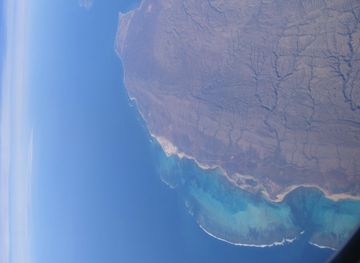
The Pilbara region in Western Australia is a truly unique and rugged destination that captures the essence of the Outback. Known for its vast red landscapes, ancient rock formations, and rich indigenous culture, the Pilbara is a place where adventure and history intertwine. This expansive area is home to some of the world's oldest natural landscapes, with rocks that date back billions of years, offering a glimpse into the Earth's early history. One of the highlights of the Pilbara is Karijini National Park, a stunning natural wonderland filled with deep gorges, cool rock pools, and cascading waterfalls. Hiking through the park reveals breathtaking views and opportunities to swim in pristine, secluded spots. Another must-see is the Burrup Peninsula and its extensive collection of ancient Aboriginal rock art, which is among the oldest in the world. The coastal town of Karratha serves as a gateway to the Pilbara, providing access to the Dampier Archipelago, a group of 42 islands offering fantastic fishing, snorkeling, and wildlife viewing. The Pilbara's diverse landscapes also include the stunning white beaches of the Exmouth Gulf and the rugged beauty of the Hamersley Range. Whether you're an adventurer looking to explore remote trails or a history buff eager to learn about Aboriginal culture, the Pilbara offers an unforgettable experience.

Know before you go
Hi, I'm Eve. Here are a few practical things to know before exploring Pilbara.
- Visit Karijini National Park early in the morning to avoid the midday heat and enjoy the serene beauty of the park.
- Carry plenty of water and sun protection, as the Pilbara's climate can be extreme, especially during the summer months.
- Check with local authorities about road conditions, as some areas may require a 4WD vehicle.
- Respect the local Aboriginal culture and seek permission before exploring sites with rock art.
- Consider a guided tour to fully appreciate the natural and cultural significance of the region.
Destinations in Pilbara
Resorts, valleys and scenic spots worth a trip of their own.

Explore Pilbara: Things to Do, Places to Eat, Hotels & More
Handpicked recommendations for top attractions, local dining, accommodations, and more

Top Attractions & Sightseeing in Pilbara
Top-rated picks
Best Attractions

Five Rivers Lookout
Experience breathtaking views of five converging rivers at Five Rivers Lookout, a must-see destination in Wyndham, Western Australia.

Danggu Gorge National Park
Explore the breathtaking landscapes and diverse wildlife of Danggu Gorge National Park, a natural haven in Western Australia perfect for adventure seekers and nature lovers.

Bandilngan (Windjana Gorge) National Park
Explore Windjana Gorge National Park—A natural wonder in Western Australia with breathtaking landscapes, rich wildlife, and ancient geological marvels.

Home Valley Station
Discover the stunning landscapes and rich culture of Home Valley Station, a perfect outback escape in Western Australia.

Best landmarks in Pilbara
Top-rated picks
Best Landmarks

El Questro Station
Explore El Questro Station: Your gateway to adventure in the breathtaking Kimberley region of Australia's outback.
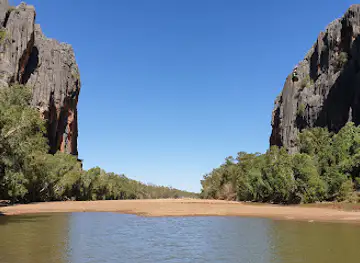
Bandilngan (Windjana Gorge) National Park
Experience the stunning landscapes and rich biodiversity of Bandilngan (Windjana Gorge) National Park in Western Australia, a must-visit for nature lovers.

Dalmanyi (Bell Gorge)
Explore the stunning Dalmanyi (Bell Gorge) in Western Australia, where breathtaking waterfalls meet tranquil pools amidst rich cultural heritage.
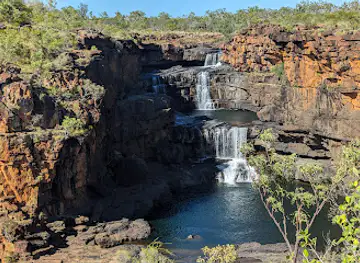
Mitchell Falls Camping Ground
Discover the natural wonders of Mitchell Falls Camping Ground, a premier camping destination in Western Australia's breathtaking outback.


Best bars in Pilbara
Top-rated picks
Best Bars

Five Rivers Lookout
Experience stunning panoramas at Five Rivers Lookout, a premier observation deck in Wyndham, Western Australia, where rivers meet nature's beauty.
El Questro Station
Experience the breathtaking beauty and adventure of El Questro Station in the heart of the Australian Outback, your gateway to the Kimberley region.
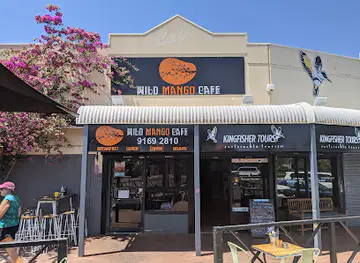
Wild Mango Cafe
Experience the vibrant flavors of Kununurra at Wild Mango Cafe, where local ingredients meet culinary creativity in a cozy setting.

Bandilngan (Windjana Gorge) National Park
Explore Bandilngan (Windjana Gorge) National Park: A rugged paradise of stunning gorges, diverse wildlife, and rich Aboriginal culture in Western Australia.


Best shops in Pilbara
Top-rated picks
Best Shops

Five Rivers Lookout
Experience the stunning vistas at Five Rivers Lookout, a premier observation deck in Western Australia showcasing nature's breathtaking beauty.
El Questro Station
Experience the breathtaking beauty and adventure of El Questro Station in the heart of the Australian outback, where luxury meets nature.

Everything Australian
Explore Everything Australian in Moorabbin – your one-stop shop for authentic Australian clothing and outdoor gear, perfect for every adventurer.

Pilliga Pottery
Experience the unique artistry and rustic charm of Pilliga Pottery in Coonabarabran, a must-visit destination for pottery enthusiasts and nature lovers.

Explore Pilbara on the Map
A handpicked selection of must-see spots in Pilbara, mapped for you.
Pilbara Essentials
-
Pilbara is located in the northern part of Western Australia. The nearest major airport is Karratha Airport (KTA), which has regular flights from Perth, the capital city of Western Australia. Alternatively, you can fly into Port Hedland International Airport (PHE), which also serves domestic and limited international flights. From these airports, you can rent a car or take a bus to explore the region. The Great Northern Highway and North West Coastal Highway are the main roads connecting Pilbara to other parts of Western Australia.
-
Within Pilbara, renting a car is the most convenient option for exploring the vast and remote areas. Car rental services are available at Karratha and Port Hedland airports. For those preferring public transport, bus services operated by Greyhound Australia and Integrity Coach Lines connect major towns like Karratha, Port Hedland, and Newman. Taxis are available in larger towns but can be expensive. Keep in mind that distances between attractions can be significant, so plan your travel accordingly.
-
The official currency in Australia is the Australian Dollar (AUD). Credit and debit cards are widely accepted in hotels, restaurants, and shops across Pilbara. ATMs are available in major towns, but it’s advisable to carry some cash, especially when traveling to remote areas where card facilities may be limited. Contactless payments are also commonly used. Ensure you have sufficient funds before embarking on long journeys, as banking facilities can be sparse in remote areas.
-
Pilbara is generally a safe destination for tourists. However, like any travel destination, it is important to take standard precautions. Avoid walking alone at night in unfamiliar areas and keep an eye on your belongings in crowded places. There are no specific high-crime areas targeting tourists, but it’s always best to stay vigilant and aware of your surroundings. Be cautious when exploring remote areas and ensure you have adequate supplies and a means of communication.
-
In case of emergency, dial 000 for police, fire, or medical assistance. Major towns like Karratha, Port Hedland, and Newman have hospitals and medical facilities. It is recommended to have travel insurance that covers medical emergencies. For minor health issues, pharmacies are available in these towns. If you are traveling to remote areas, inform someone of your plans and expected return time. Carry an emergency kit, including extra water, food, and a first-aid kit.
-
Fashion: Do wear comfortable and sun-protective clothing, including hats and sunglasses. Avoid wearing revealing clothing in public areas. Religion: Do respect local customs and traditions. Public Transport: Do be respectful to fellow passengers and drivers. Don’t eat or drink on public transport. Greetings: Do greet people with a friendly 'hello' or 'g'day'. A handshake is common in formal settings. Eating & Drinking: Do try local delicacies and be respectful of local dining customs. Don’t refuse hospitality, as it is considered impolite.
-
To experience Pilbara like a local, visit the local markets in towns such as Karratha and Port Hedland to buy fresh produce and traditional goods. Engage with locals, as they are often friendly and willing to share stories about the region's history and culture. Don't miss exploring the stunning Karijini National Park, known for its gorges and waterfalls. For a unique experience, take a tour of a working mine to understand the region's mining heritage. Always carry plenty of water and sun protection when exploring the outdoors.
When is the best time to visit Pilbara?
Useful Local Phrases for Pilbara
You don't need to speak the language perfectly. Even learning a few simple words can make conversations warmer—and locals usually appreciate the effort.
— Eve

Here are the phrases I use most often in Pilbara. Try a few—you'll be surprised how far they go! 😊
❤️
-
- HelloG'day
[guh-day] - GoodbyeSee ya
[see yah] - YesYeah
[yeh] - NoNah
[nah] - Please/You're welcomeNo worries
[no wurries] - Thank youThanks mate
[thanks mate] - Excuse me/SorrySorry mate
[sorry mate] - How are you?How ya going?
[how ya goin] - Fine. And you?Good. And you?
[good. an you] - Do you speak English?You speak English?
[you speak English] - I don't understandI don't get it
[I don't get it]
- HelloG'day
-
- I'd like to see the menu, pleaseCan I see the menu?
[can I see the menu] - I don't eat meatI’m vegetarian
[I'm vegetarian] - Cheers!Cheers!
[cheers] - I would like to pay, pleaseCan I get the bill?
[can I get the bill]
- I'd like to see the menu, pleaseCan I see the menu?
-
- Help!Help!
[help] - Go away!Get lost!
[get lost] - Call the Police!Call the cops!
[call the cops] - Call a doctor!Get a doctor!
[get a doctor] - I'm lostI’m lost
[I'm lost] - I'm illI'm sick
[I'm sick]
- Help!Help!
-
- I'd like to buy...I want to buy...
[I want to buy] - I'm just lookingJust browsing
[just browsing] - How much is it?How much?
[how much] - That's too expensiveThat's pricey
[that's pricey] - Can you lower the price?Can you drop the price?
[can you drop the price]
- I'd like to buy...I want to buy...
-
- What time is it?What’s the time?
[what's the time] - It's one o'clockIt's one
[it's one] - Half past (10)Half past ten
[half past ten] - MorningMorning
[morning] - AfternoonArvo
[arvo] - EveningEvening
[evening] - YesterdayYesterday
[yesterday] - TodayToday
[today] - TomorrowTomorrow
[tomorrow] - 1One
[one] - 2Two
[two] - 3Three
[three] - 4Four
[four] - 5Five
[five] - 6Six
[six] - 7Seven
[seven] - 8Eight
[eight] - 9Nine
[nine] - 10Ten
[ten]
- What time is it?What’s the time?
-
- Where's a/the...?Where’s the...?
[where's the] - What's the address?What’s the address?
[what's the address] - Can you show me (on the map)?Can you show me on the map?
[can you show me on the map] - When's the next (bus)?When’s the next bus?
[when's the next bus] - A ticket (to ....)A ticket to...
[a ticket to]
- Where's a/the...?Where’s the...?
History of Pilbara
-
The Pilbara region is home to one of the oldest continuous cultures in the world. The Indigenous Australians, particularly the Ngarluma, Yindjibarndi, Banjima, and Martu peoples, have lived in the region for over 40,000 years. The area is rich with petroglyphs, rock art, and sacred sites, including the well-known Murujuga (Burrup Peninsula), which holds one of the largest collections of rock engravings in the world.
-
In the 1860s, European explorers such as Francis Thomas Gregory began to chart the Pilbara region. The discovery of pastoral land led to the establishment of sheep and cattle stations. The town of Roebourne, established in 1866, became a central hub for settlers and the burgeoning pearling industry.
-
The late 19th century saw a gold rush in the Pilbara, particularly around the towns of Marble Bar and Nullagine. The discovery of gold in 1883 brought a wave of prospectors and miners to the region, significantly boosting its population and economic activity. Marble Bar became famous for its extremely high temperatures and was dubbed the hottest town in Australia.
-
The 1960s marked the beginning of the iron ore boom in the Pilbara. Vast deposits of high-quality iron ore were discovered, leading to the rapid development of mining towns like Tom Price and Newman. Major companies such as Rio Tinto and BHP Billiton established large-scale mining operations, transforming the Pilbara into one of the world's leading iron ore producers.
-
Today, the Pilbara is known not only for its mineral wealth but also for its cultural and environmental significance. Efforts to preserve Indigenous heritage sites and promote sustainable tourism have gained momentum. The region's national parks, including Karijini and Millstream-Chichester, attract visitors from around the globe, eager to experience its rugged landscapes and ancient cultural sites.
Neighbouring Regions of Pilbara
The closest regions to Pilbara, if you have time for more than one.


Your all‑in‑one travel companion app
Explore expert travel guides, compare and book tours, experiences, hotels, and more—all from the palm of your hand. Download now for seamless trip planning wherever your wanderlust takes you.


Explore More of Australia

Looking beyond Pilbara? Discover Australia for broader travel guides, local hot-spots, and regional highlights.
Explore AustraliaPilbara in Photos
Browse through our photo collection highlighting the charm and character of the destination.




Pilbara: Australia's Rugged Red Heart
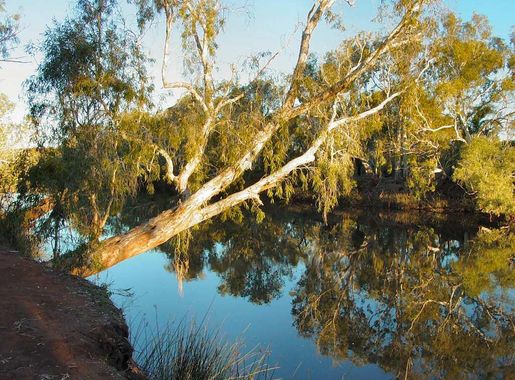
The Pilbara region in Western Australia is a truly unique and rugged destination that captures the essence of the Outback. Known for its vast red landscapes, ancient rock formations, and rich indigenous culture, the Pilbara is a place where adventure and history intertwine. This expansive area is home to some of the world's oldest natural landscapes, with rocks that date back billions of years, offering a glimpse into the Earth's early history. One of the highlights of the Pilbara is Karijini National Park, a stunning natural wonderland filled with deep gorges, cool rock pools, and cascading waterfalls. Hiking through the park reveals breathtaking views and opportunities to swim in pristine, secluded spots. Another must-see is the Burrup Peninsula and its extensive collection of ancient Aboriginal rock art, which is among the oldest in the world. The coastal town of Karratha serves as a gateway to the Pilbara, providing access to the Dampier Archipelago, a group of 42 islands offering fantastic fishing, snorkeling, and wildlife viewing. The Pilbara's diverse landscapes also include the stunning white beaches of the Exmouth Gulf and the rugged beauty of the Hamersley Range. Whether you're an adventurer looking to explore remote trails or a history buff eager to learn about Aboriginal culture, the Pilbara offers an unforgettable experience.