
Northern Western Australia, Australia Travel Guide
Experience the rugged landscapes, pristine beaches, and rich cultural heritage of Northern Western Australia. A paradise for nature lovers and adventure seekers.
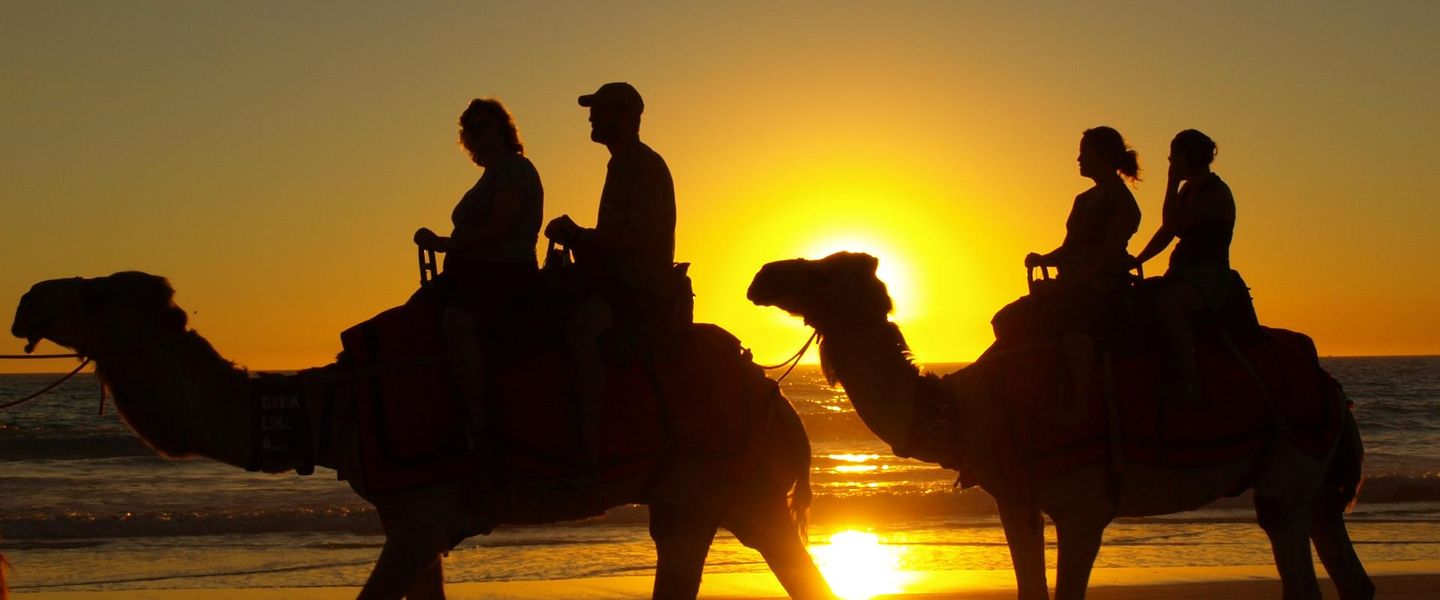
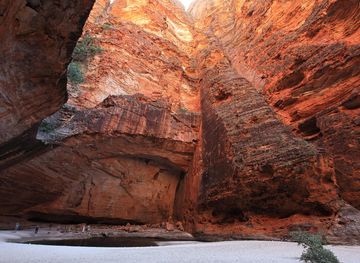
Northern Western Australia is a land of breathtaking contrasts, where the red sands of the outback meet the azure waters of the Indian Ocean. This region is a paradise for nature lovers and adventure seekers alike. From the rugged cliffs of the Kimberley to the pristine beaches of Broome, there is something for everyone in this diverse landscape. Explore the ancient gorges and waterfalls of Karijini National Park, where the rich red rock formations create a stunning backdrop for hiking, swimming, and photography. The park is also home to a variety of wildlife, including kangaroos, wallabies, and an array of bird species. Don't miss the chance to take a refreshing dip in the crystal-clear pools at the base of the waterfalls. Broome, located on the coast, offers a unique blend of natural beauty and cultural history. Visit Cable Beach to witness one of the most beautiful sunsets in the world, or take a camel ride along the shore. The town itself is steeped in history, with its pearl-diving heritage and vibrant arts scene. Be sure to visit the local markets to pick up some unique souvenirs and taste fresh local produce. For those seeking adventure, the Kimberley region is a must-visit. This remote area is known for its dramatic landscapes, including the iconic Bungle Bungles, Horizontal Falls, and Mitchell Falls. Whether you choose to explore by 4WD, boat, or helicopter, the Kimberley promises an unforgettable experience. The region's isolation also means you can enjoy the serenity of nature without the crowds. Whether you're drawn by the lure of the outback, the call of the ocean, or the intrigue of history, Northern Western Australia offers a travel experience like no other.

Know before you go
Hi, I'm Eve. Here are a few practical things to know before exploring Northern Western Australia.
- Visit during the dry season (May-October) for the best weather and accessibility to remote areas.
- Bring plenty of water and sunscreen, as the sun can be intense, especially in the outback.
- Rent a 4WD vehicle if you plan on exploring the more remote regions, as many roads are unsealed.
- Book tours and accommodations in advance, especially during peak travel periods.
- Respect the local Indigenous cultures and seek permission before visiting sacred sites.
Destinations in Northern Western Australia
Resorts, valleys and scenic spots worth a trip of their own.


Explore Northern Western Australia: Things to Do, Places to Eat, Hotels & More
Handpicked recommendations for top attractions, local dining, accommodations, and more

Top Attractions & Sightseeing in Northern Western Australia
Top-rated picks
Best Attractions

Danggu Gorge National Park
Experience the breathtaking landscapes and diverse wildlife at Danggu Gorge National Park in Western Australia, a perfect escape for nature lovers and adventure seekers.

Bandilngan (Windjana Gorge) National Park
Discover Windjana Gorge: Kimberley's ancient reef, Aboriginal history, and abundant wildlife create an unforgettable outback adventure.

Dimalurru (Tunnel Creek) National Park
Explore Dimalurru National Park, a stunning national park in Western Australia renowned for its limestone tunnels, rich wildlife, and cultural heritage.

Ellenbrae Station
Experience the rugged beauty and tranquility of Ellenbrae Station, a premier camping destination on the Gibb River Road in Western Australia.

Best landmarks in Northern Western Australia
Top-rated picks
Best Landmarks

Danggu Gorge National Park
Explore the stunning landscapes and rich biodiversity of Danggu Gorge National Park in Western Australia, a must-visit destination for nature lovers and adventurers.

Bandilngan (Windjana Gorge) National Park
Experience the breathtaking landscapes and rich wildlife of Windjana Gorge National Park, a gem in Western Australia's King Leopold Ranges.

Dimalurru (Tunnel Creek) National Park
Discover the natural beauty and rich cultural heritage of Dimalurru (Tunnel Creek) National Park in Western Australia.
Ellenbrae Station
Embrace the rugged beauty and adventure at Ellenbrae Station, a premier camping ground on the Gibb River Road in Western Australia.

Best restaurants in Northern Western Australia
Top-rated picks
Best Restaurants

PumpHouse Kununurra
Discover exquisite dining at PumpHouse Kununurra with stunning lake views and locally inspired cuisine in Western Australia.
Halls Creek Motel
Discover comfort and delightful dining at Halls Creek Motel – your gateway to exploring Western Australia's stunning Kimberley region.

Best bars in Northern Western Australia
Top-rated picks
Best Bars

The Lion Hotel
Discover The Lion Hotel, North Adelaide's premier bistro and bar offering delicious Australian cuisine and vibrant live music in a welcoming atmosphere.

The Balcony Bar & Oyster Co.
Experience the best of Byron Bay at The Balcony Bar & Oyster Co., a delightful oyster bar and cocktail haven with stunning coastal views.

Rag & Famish Hotel
Discover the vibrant atmosphere and exquisite cuisine of Rag & Famish Hotel, a must-visit pub and dining destination in North Sydney.

Great Northern Hotel
Experience the charm of a traditional Australian pub at the Great Northern Hotel, where great food and drinks meet vibrant local culture.

Best shops in Northern Western Australia
Top-rated picks
Best Shops

Yeperenye Shopping Centre
Explore the vibrant Yeperenye Shopping Centre in Alice Springs for an unforgettable shopping and dining experience in the heart of the Northern Territory.

Alice Plaza
Explore Alice Plaza: A vibrant shopping destination in Alice Springs, blending modern retail with local culture and community spirit.

Target Alice Springs
Discover a diverse shopping experience at Target Alice Springs, featuring clothing, homewares, and unique souvenirs in the heart of the Northern Territory.

Croc Cafe & Bakery
Discover the delightful flavors of Croc Cafe & Bakery in Wyndham, where fresh pastries and artisanal bread await every visitor.

Explore Northern Western Australia on the Map
A handpicked selection of must-see spots in Northern Western Australia, mapped for you.
Northern Western Australia Essentials
-
Northern Western Australia is accessible via several major airports, including Broome International Airport and Karratha Airport. Both airports have regular flights connecting to major Australian cities such as Perth, Sydney, and Melbourne. Once you arrive, car rentals, taxis, and shuttle services are available to take you to your destination.
-
The vast distances in Northern Western Australia make renting a car the most convenient option for exploring the region. Major car rental companies operate in the area, and 4WD vehicles are recommended for off-road adventures. Public transport is limited, but local bus services are available in towns like Broome and Karratha. Taxis and rideshare services can also be found in populated areas.
-
The official currency is the Australian Dollar (AUD). Credit and debit cards are widely accepted, but it is advisable to carry some cash, especially when traveling to remote areas. ATMs are available in larger towns, but may be scarce in more isolated locations. Ensure you have sufficient funds before venturing into the outback.
-
Northern Western Australia is generally safe for tourists, but it is important to take standard precautions. Avoid walking alone at night in unfamiliar areas and keep an eye on your belongings in crowded places. Be aware of your surroundings, especially in more remote areas. While crime rates targeting tourists are low, always stay vigilant.
-
In case of emergency, dial 000 for immediate assistance. This will connect you to police, fire, and medical services. Medical facilities are available in larger towns like Broome and Karratha. It is highly recommended to have travel insurance that covers medical emergencies. For minor health issues, pharmacies are available in most towns.
-
Fashion: Do wear lightweight, breathable clothing due to the hot climate. Avoid overly revealing attire in public spaces. Religion: Do respect local customs and traditions, especially when visiting Aboriginal lands. Public Transport: Do be courteous and follow posted rules. Don't eat or drink on public transport. Greetings: Do greet people with a friendly hello or a handshake. Eating & Drinking: Do try local cuisine and seafood. Don't refuse hospitality, as it is considered impolite.
-
To experience Northern Western Australia like a local, visit the local markets and enjoy fresh seafood and produce. Engage with the local community and learn about Aboriginal culture and history. Don't miss natural attractions such as the Bungle Bungles in Purnululu National Park and the stunning beaches of Broome. For a unique experience, take a camel ride on Cable Beach during sunset.
When is the best time to visit Northern Western Australia?
Useful Local Phrases for Northern Western Australia
You don't need to speak the language perfectly. Even learning a few simple words can make conversations warmer—and locals usually appreciate the effort.
— Eve

Here are the phrases I use most often in Northern Western Australia. Try a few—you'll be surprised how far they go! 😊
❤️
-
- HelloG'day
[guh-day] - GoodbyeSee ya
[see-yah] - YesYeah
[yeh] - NoNah
[nah] - Please/You're welcomeNo worries
[noh wuh-riz] - Thank youThanks mate
[thanks mate] - Excuse me/SorrySorry
[sorry] - How are you?How ya going?
[how yah go-ing] - Fine. And you?Good, you?
[good, you?] - Do you speak English?Do ya speak English?
[do yah speak English] - I don't understandI don't get it
[I don't get it]
- HelloG'day
-
- I'd like to see the menu, pleaseCan I have the menu, please?
[can I hav the men-yoo, please?] - I don't eat meatI’m a vegetarian
[I’m a vege-tarian] - Cheers!Cheers!
[cheers] - I would like to pay, pleaseCan I get the bill, please?
[can I get the bil, please?]
- I'd like to see the menu, pleaseCan I have the menu, please?
-
- Help!Help!
[help] - Go away!Buzz off!
[buzz off] - Call the Police!Call the cops!
[call the cops] - Call a doctor!Get a doctor!
[get a doctor] - I'm lostI'm lost
[I'm lost] - I'm illI'm not feeling well
[I'm not feel-ing well]
- Help!Help!
-
- I'd like to buy...I want to buy...
[I want to buy...] - I'm just lookingJust browsing
[just brow-zing] - How much is it?How much?
[how much?] - That's too expensiveThat's a bit pricey
[that's a bit pry-see] - Can you lower the price?Can you make it cheaper?
[can you make it chee-per?]
- I'd like to buy...I want to buy...
-
- What time is it?What time?
[what time?] - It's one o'clockIt's one
[it's one] - Half past (10)Half past ten
[half past ten] - MorningMorning
[morning] - AfternoonArvo
[arvo] - EveningEvening
[evening] - YesterdayYesterday
[yes-ter-day] - TodayToday
[to-day] - TomorrowTomorrow
[to-morrow] - 1One
[one] - 2Two
[two] - 3Three
[three] - 4Four
[four] - 5Five
[five] - 6Six
[six] - 7Seven
[seven] - 8Eight
[eight] - 9Nine
[nine] - 10Ten
[ten]
- What time is it?What time?
-
- Where's a/the...?Where's the...?
[where's the...?] - What's the address?What's the address?
[what's the address?] - Can you show me (on the map)?Can you show me on the map?
[can you show me on the map?] - When's the next (bus)?When's the next bus?
[when's the next bus?] - A ticket (to ....)A ticket to...?
[a ticket to...?]
- Where's a/the...?Where's the...?
History of Northern Western Australia
-
The Kimberley region is home to some of the oldest and most significant rock art in the world. The Gwion Gwion (formerly known as Bradshaw) paintings are estimated to be over 17,000 years old and depict elegant human figures adorned with intricate clothing and ornaments. This rock art offers a glimpse into the lives and beliefs of the Indigenous peoples who have inhabited this region for millennia.
-
The first recorded European contact with Northern Western Australia was made by Dutch explorers in the early 17th century. In 1616, Dirk Hartog landed on what is now known as Dirk Hartog Island. His crew left an inscribed pewter plate, marking the first known European artifact found on Australian soil. This event marked the beginning of European exploration in the region.
-
In the late 19th and early 20th centuries, the pearling industry thrived in Northern Western Australia, particularly in Broome. At its peak, Broome was the world's largest pearling center, attracting a diverse population of Japanese, Malay, and Indigenous divers. The town's multicultural heritage is still evident today, with festivals and museums celebrating its rich pearling history.
-
During World War II, Broome was the site of one of the deadliest air raids on Australian soil. On March 3, 1942, Japanese aircraft attacked the town, destroying 24 Allied aircraft and killing at least 88 people. This tragic event had a lasting impact on the community and is commemorated annually with memorial services.
-
The Canning Stock Route, established in 1910, is one of the longest and most remote stock routes in the world. Stretching over 1,850 kilometers from Halls Creek to Wiluna, it was created to move cattle through the arid interior. Today, it is a challenging and iconic adventure for four-wheel-drive enthusiasts, offering a journey through rugged landscapes and historical wells.
-
The Mabo Decision of 1992 was a landmark High Court ruling that recognized Indigenous land rights in Australia. This decision had significant implications for Northern Western Australia, where many Indigenous communities have since successfully claimed native title over their traditional lands. This legal recognition has allowed for the preservation and celebration of Indigenous culture and heritage in the region.
-
The discovery of vast mineral resources in Northern Western Australia, including iron ore, natural gas, and gold, has driven significant economic development. Towns like Port Hedland and Karratha have expanded rapidly due to the mining boom, transforming the region into a vital economic hub for Australia. Despite environmental and social challenges, mining remains a cornerstone of the region's prosperity.
Neighbouring Regions of Northern Western Australia
The closest regions to Northern Western Australia, if you have time for more than one.


Your all‑in‑one travel companion app
Explore expert travel guides, compare and book tours, experiences, hotels, and more—all from the palm of your hand. Download now for seamless trip planning wherever your wanderlust takes you.


Explore More of Australia

Looking beyond Northern Western Australia? Discover Australia for broader travel guides, local hot-spots, and regional highlights.
Explore AustraliaNorthern Western Australia in Photos
Browse through our photo collection highlighting the charm and character of the destination.

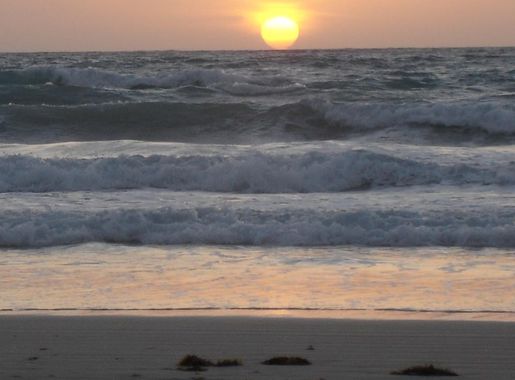
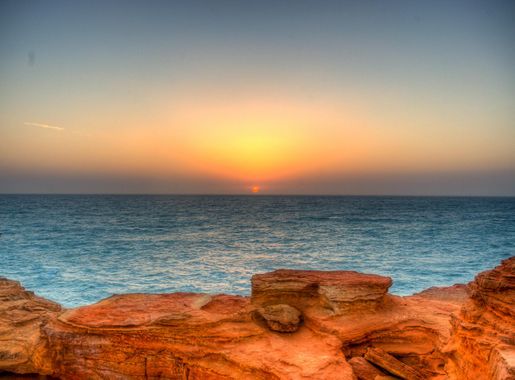


The Untamed Beauty of Northern Western Australia
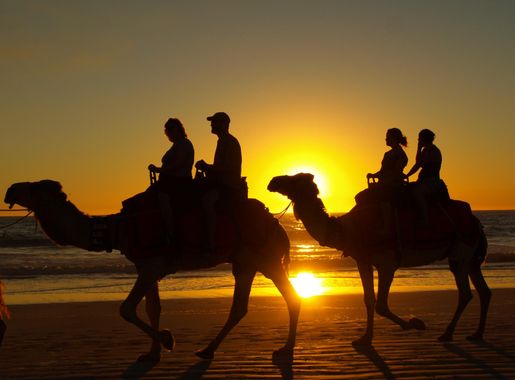
Northern Western Australia is a land of breathtaking contrasts, where the red sands of the outback meet the azure waters of the Indian Ocean. This region is a paradise for nature lovers and adventure seekers alike. From the rugged cliffs of the Kimberley to the pristine beaches of Broome, there is something for everyone in this diverse landscape. Explore the ancient gorges and waterfalls of Karijini National Park, where the rich red rock formations create a stunning backdrop for hiking, swimming, and photography. The park is also home to a variety of wildlife, including kangaroos, wallabies, and an array of bird species. Don't miss the chance to take a refreshing dip in the crystal-clear pools at the base of the waterfalls. Broome, located on the coast, offers a unique blend of natural beauty and cultural history. Visit Cable Beach to witness one of the most beautiful sunsets in the world, or take a camel ride along the shore. The town itself is steeped in history, with its pearl-diving heritage and vibrant arts scene. Be sure to visit the local markets to pick up some unique souvenirs and taste fresh local produce. For those seeking adventure, the Kimberley region is a must-visit. This remote area is known for its dramatic landscapes, including the iconic Bungle Bungles, Horizontal Falls, and Mitchell Falls. Whether you choose to explore by 4WD, boat, or helicopter, the Kimberley promises an unforgettable experience. The region's isolation also means you can enjoy the serenity of nature without the crowds. Whether you're drawn by the lure of the outback, the call of the ocean, or the intrigue of history, Northern Western Australia offers a travel experience like no other.