

Southern Western Australia, Australia Travel Guide
Discover Southern Western Australia's pristine beaches, ancient forests, and world-class wineries. Experience the diverse landscapes and rich Aboriginal culture in this serene getaway.
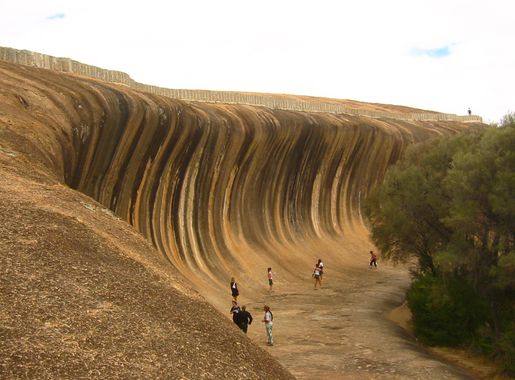
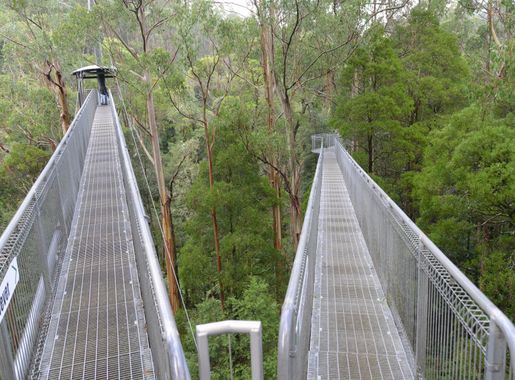
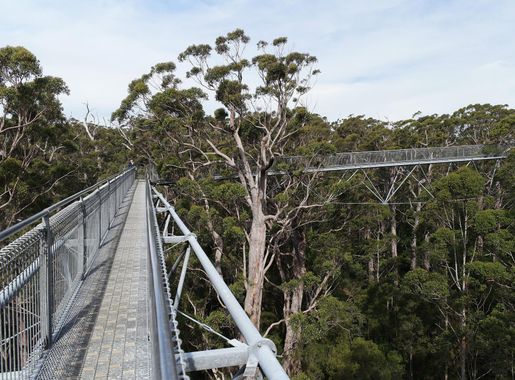
Southern Western Australia offers a breathtaking mix of rugged coastline, ancient forests, and charming small towns. This destination is perfect for nature lovers and those seeking a peaceful retreat away from bustling city life. The region boasts pristine beaches with turquoise waters, ideal for swimming, snorkeling, and surfing. Don't miss out on the mesmerizing rock formations at Wave Rock and the stunning views from the Cape Leeuwin Lighthouse. Venture inland to explore the majestic Valley of the Giants, where you can walk among towering trees on the Tree Top Walk. The region is also home to numerous national parks, such as Stirling Range National Park and Fitzgerald River National Park, which offer excellent hiking trails and opportunities to see unique wildlife. For wine enthusiasts, the Margaret River wine region is a must-visit. Renowned for its world-class wineries, gourmet food, and vibrant arts scene, this area promises a delightful experience for all your senses. Visit local vineyards for wine tastings and enjoy fresh, locally-sourced meals at charming cafes and restaurants. Southern Western Australia is also rich in Aboriginal culture and history. Take the time to learn about the indigenous Noongar people and their connection to the land through guided tours and cultural experiences. With its diverse landscapes, rich heritage, and warm hospitality, Southern Western Australia is a destination that will leave you with unforgettable memories.

Know before you go
Hi, I'm Eve. Here are a few practical things to know before exploring Southern Western Australia.
- Best time to visit is during spring (September to November) or autumn (March to May) for mild weather and fewer crowds.
- Renting a car is highly recommended to explore the vast and remote areas of the region comfortably.
- Pack warm clothing, even in summer, as temperatures can drop significantly at night, especially in inland areas.
- Don't miss the local farmers' markets for fresh produce and artisanal goods.
- Book accommodation in advance during peak seasons to ensure availability, especially in popular areas like Margaret River.
Explore Southern Western Australia: Things to Do, Places to Eat, Hotels & More
Handpicked recommendations for top attractions, local dining, accommodations, and more

Top Attractions & Sightseeing in Southern Western Australia


Best restaurants in Southern Western Australia
Top-rated picks
Best Restaurants

Asado
Experience authentic Argentinian flavors at Asado in Melbourne's Southbank - where every meal is a celebration of culinary tradition.

The Malaya
Experience the vibrant flavors of South East Asia at The Malaya – Sydney's premier destination for authentic Asian cuisine.

ALMA Restaurant
Experience the essence of South America at ALMA Restaurant in Geelong – where vibrant flavors meet inviting ambiance.

Border Village Roadhouse
Discover comfort and local flavors at Border Village Roadhouse on your journey across the breathtaking Nullarbor Plain.

Best bars in Southern Western Australia
Top-rated picks
Best Bars

Imperial Hotel
Discover the Imperial Hotel, a vibrant pub in Melbourne offering delicious food, refreshing drinks, and an exciting sports bar atmosphere.

House of Brews
Discover Surfers Paradise's premier bar and grill, House of Brews, where craft beer meets live music in a vibrant atmosphere.

The Elephant & Wheelbarrow
Experience the vibrant culinary scene of Melbourne at The Elephant & Wheelbarrow, where hearty meals and lively ambiance await.

Howler
Experience the vibrant nightlife of Brunswick at Howler, where innovative cocktails meet electrifying live music for an unforgettable evening.

Best nightclubs in Southern Western Australia
Top-rated picks
Best Nightclubs

Retro's Fortitude Valley
Discover the energetic nightlife at Retro's Fortitude Valley, a premier disco club in Brisbane offering cocktails, dancing, and a vibrant atmosphere.

Mi Casa Nightclub Brisbane
Dive into the electrifying nightlife at Mi Casa Nightclub Brisbane, where unforgettable memories and vibrant beats await you.

Mooseheads Canberra
Discover Mooseheads Canberra – an iconic pub and nightclub offering a lively atmosphere, great drinks, and unforgettable entertainment in the heart of Australia’s capital.

The Beat Megaclub
The Beat Megaclub: Brisbane's premier gay night club, offering unforgettable nights filled with dancing, music, and vibrant energy.

Best shops in Southern Western Australia
Top-rated picks
Best Shops

Chadstone - The Fashion Capital
Discover the ultimate shopping experience at Chadstone - The Fashion Capital, where luxury meets variety in Melbourne's premier retail destination.

Tweed City Shopping Centre
Explore Tweed City Shopping Centre, a vibrant shopping hub in Tweed Heads offering diverse shops, dining, and entertainment for all ages.

Myer Adelaide
Discover a shopping paradise at Myer Adelaide, where fashion, homewares, and gifts come together in an unforgettable retail experience.

Savers
Explore Savers in Noarlunga Centre for unique second-hand treasures and sustainable shopping experiences at unbeatable prices.

Explore Southern Western Australia on the Map
A handpicked selection of must-see spots in Southern Western Australia, mapped for you.
Southern Western Australia Essentials
-
Southern Western Australia can be accessed via Perth Airport (PER), which is the main international and domestic gateway. From Perth, you can either rent a car or take a domestic flight to regional airports such as Albany (ALH) or Esperance (EPR). Alternatively, coach services and rail connections are available from Perth to various towns in Southern Western Australia.
-
Once in Southern Western Australia, renting a car is highly recommended for flexibility and convenience, especially if you plan to explore the vast and scenic landscapes. Public transport options include local buses in larger towns and intercity coach services. Bicycles are also a popular mode of transport for short distances and scenic routes.
-
The official currency is the Australian Dollar (AUD). Credit and debit cards are widely accepted in most businesses. ATMs are available in towns and cities, but it is advisable to carry some cash, particularly if you plan to visit remote areas. Contactless payment methods such as Apple Pay and Google Wallet are also commonly used.
-
Southern Western Australia is generally safe for tourists. However, it is recommended to take standard precautions such as avoiding poorly lit areas at night and keeping an eye on personal belongings. There are no specific high-crime areas targeting tourists, but it is always best to stay vigilant and aware of your surroundings.
-
In case of an emergency, dial 000 for police, fire, or medical assistance. Hospitals and medical facilities are available in major towns such as Albany and Bunbury. It is advisable to have travel insurance that covers medical emergencies. Pharmacies are also available for minor health issues and over-the-counter medications.
-
Fashion: Do dress comfortably and appropriately for the weather. Sun protection is essential. Avoid overly revealing clothing in public spaces. Religion: Do respect local customs and traditions, particularly in Aboriginal communities. Public Transport: Do respect fellow passengers and local etiquette. Don’t eat or drink on public transport. Greetings: Do greet people with a friendly 'hello' or 'g'day'. Handshakes are common. Eating & Drinking: Do try local produce and seafood. Don’t leave tips as it is not customary in Australia.
-
To experience Southern Western Australia like a local, visit the farmers' markets for fresh produce and handmade goods. Engage with locals; they are friendly and often happy to share tips and stories. Explore the natural beauty of national parks, and don’t miss the coastal walks and scenic drives. For a unique experience, try whale watching along the coast during migration season.
When is the best time to visit Southern Western Australia?
Useful Local Phrases for Southern Western Australia
You don't need to speak the language perfectly. Even learning a few simple words can make conversations warmer—and locals usually appreciate the effort.
— Eve

Here are the phrases I use most often in Southern Western Australia. Try a few—you'll be surprised how far they go! 😊
❤️
-
- HelloG'day
[guh-day] - GoodbyeSee ya
[see yah] - YesYeah
[yeh] - NoNah
[nah] - Please/You're welcomeNo worries
[no wuh-rees] - Thank youCheers
[cheers] - Excuse me/SorrySorry mate
[saw-ree mate] - How are you?How ya going?
[how yah going] - Fine. And you?Good. And you?
[good. and you] - Do you speak English?Do ya speak English?
[doo yah speak English] - I don't understandI don’t get it
[I don't get it]
- HelloG'day
-
- I'd like to see the menu, pleaseCan I see the menu, please?
[can I see the menu, please] - I don't eat meatI’m a vegetarian
[I'm a vege-tair-ee-an] - Cheers!Cheers!
[cheers] - I would like to pay, pleaseCan I get the bill, please?
[can I get the bill, please]
- I'd like to see the menu, pleaseCan I see the menu, please?
-
- Help!Help!
[help] - Go away!Go away!
[go away] - Call the Police!Call the coppers!
[call the cop-ers] - Call a doctor!Call a doc!
[call a doc] - I'm lostI’m lost
[I'm lost] - I'm illI’m sick
[I'm sick]
- Help!Help!
-
- I'd like to buy...I wanna buy...
[I wanna buy] - I'm just lookingJust browsing, thanks
[just browsing, thanks] - How much is it?How much is it?
[how much is it] - That's too expensiveThat's a bit pricey
[that's a bit pry-see] - Can you lower the price?Can ya drop the price?
[can yah drop the price]
- I'd like to buy...I wanna buy...
-
- What time is it?What’s the time?
[what's the time] - It's one o'clockIt’s one o’clock
[it's one o'clock] - Half past (10)Half past ten
[half past ten] - MorningMorning
[morning] - AfternoonArvo
[arvo] - EveningEvening
[evening] - YesterdayYesterday
[yesterday] - TodayToday
[today] - TomorrowTomorrow
[tomorrow] - 1One
[one] - 2Two
[two] - 3Three
[three] - 4Four
[four] - 5Five
[five] - 6Six
[six] - 7Seven
[seven] - 8Eight
[eight] - 9Nine
[nine] - 10Ten
[ten]
- What time is it?What’s the time?
-
- Where's a/the...?Where's the...?
[where's the] - What's the address?What’s the address?
[what's the address] - Can you show me (on the map)?Can you show me on the map?
[can you show me on the map] - When's the next (bus)?When’s the next bus?
[when's the next bus] - A ticket (to ....)A ticket to...
[a ticket to]
- Where's a/the...?Where's the...?
History of Southern Western Australia
-
The Noongar people have lived in the southern Western Australia region for over 45,000 years. Their rich culture, traditions, and deep connection with the land are evident in the numerous rock art sites, traditional stories, and place names that still exist today. The Noongar language and practices continue to be an integral part of the region's identity.
-
In 1627, Dutch navigator François Thijssen became one of the first Europeans to sight the coast of southern Western Australia. However, it was not until 1791 that English explorer George Vancouver charted the southern coastline, naming King George Sound and other landmarks. His expeditions paved the way for subsequent European settlements.
-
The first European settlement in southern Western Australia was established at King George Sound (now Albany) in 1826 by Major Edmund Lockyer. This marked the beginning of British colonization in the region, with Albany becoming a crucial outpost and later a significant port for the colony.
-
In 1829, the Swan River Colony was founded by Captain James Stirling, which included the establishment of the city of Perth. Though primarily centered in the northern part of Western Australia, the colony's expansion influenced the development of southern regions, particularly with agricultural and pastoral activities.
-
Albany became a hub for the whaling and sealing industry in the 19th century. The Whaling Station at Frenchman Bay was operational from 1952 until 1978, and today it serves as a museum, offering insights into the region's maritime history and the impact of these industries on the local economy and environment.
-
The discovery of gold in the late 19th century led to significant economic growth in Western Australia, including the southern regions. Towns such as Coolgardie and Kalgoorlie experienced rapid development, attracting prospectors from around the world and contributing to the state's prosperity.
-
During World War II, southern Western Australia played a strategic role due to its coastal location. Albany served as a departure point for the first Anzacs heading to the battlefields of Gallipoli. The town also hosted a significant military presence, with installations and defenses set up to protect against potential threats.
-
Post-war development saw southern Western Australia evolve into a vibrant region with diverse industries, including agriculture, mining, and tourism. The establishment of national parks, conservation areas, and heritage sites has helped preserve the natural beauty and historical significance of the area, attracting visitors from all over the globe.
Neighbouring Regions of Southern Western Australia
The closest regions to Southern Western Australia, if you have time for more than one.


Your all‑in‑one travel companion app
Explore expert travel guides, compare and book tours, experiences, hotels, and more—all from the palm of your hand. Download now for seamless trip planning wherever your wanderlust takes you.


Explore More of Australia

Looking beyond Southern Western Australia? Discover Australia for broader travel guides, local hot-spots, and regional highlights.
Explore AustraliaSouthern Western Australia in Photos
Browse through our photo collection highlighting the charm and character of the destination.





The Untamed Beauty of Southern Western Australia
Southern Western Australia offers a breathtaking mix of rugged coastline, ancient forests, and charming small towns. This destination is perfect for nature lovers and those seeking a peaceful retreat away from bustling city life. The region boasts pristine beaches with turquoise waters, ideal for swimming, snorkeling, and surfing. Don't miss out on the mesmerizing rock formations at Wave Rock and the stunning views from the Cape Leeuwin Lighthouse. Venture inland to explore the majestic Valley of the Giants, where you can walk among towering trees on the Tree Top Walk. The region is also home to numerous national parks, such as Stirling Range National Park and Fitzgerald River National Park, which offer excellent hiking trails and opportunities to see unique wildlife. For wine enthusiasts, the Margaret River wine region is a must-visit. Renowned for its world-class wineries, gourmet food, and vibrant arts scene, this area promises a delightful experience for all your senses. Visit local vineyards for wine tastings and enjoy fresh, locally-sourced meals at charming cafes and restaurants. Southern Western Australia is also rich in Aboriginal culture and history. Take the time to learn about the indigenous Noongar people and their connection to the land through guided tours and cultural experiences. With its diverse landscapes, rich heritage, and warm hospitality, Southern Western Australia is a destination that will leave you with unforgettable memories.