

Free South West Travel Guide & Mobile App
Explore South West with free travel guides. Discover regional history, expert tips, proposed trips, and audio guides on web or mobile app.


Explore South West Australia for Margaret River wines, surf beaches, karri forests, limestone caves, coastal towns and memorable regional produce.
Read more about South West
When is the best time to visit South West?
Best: December–January · 24–26°C| Month | High (°C) | Rainfall (mm) |
|---|---|---|
| January (best) | 26 | 14 |
| February | 27 | 13 |
| March (best) | 24 | 15 |
| April | 22 | 35 |
| May | 19 | 60 |
| June | 16 | 80 |
| July | 16 | 90 |
| August | 17 | 80 |
| September | 19 | 60 |
| October | 21 | 50 |
| November | 24 | 30 |
| December (best) | 25 | 20 |
Getting to and around South West
How to get there
Transportation
Best attractions in South West
South West Australia offers a broad mixture of coast, forest, food and heritage rather than one concentrated attraction district. The limestone caves and coastal scenery of Leeuwin-Naturaliste National Park provide some of the region’s best-known natural experiences, while the Cape to Cape Track links beaches, headlands and heathland between Cape Naturaliste and Cape Leeuwin. Around Margaret River and the Blackwood Valley, cellar doors, farm producers, galleries and small settlements create a strong rural touring culture. Bunbury and Busselton add estuaries, beaches, marine activities and the long Busselton Jetty, which extends into Geographe Bay. Inland, Wellington National Park offers forest, reservoirs and walking routes near Collie, while the karri country around Pemberton and Manjimup supports hikes, scenic drives and visits to forest landmarks. Caving, surfing, kayaking, mountain biking, fishing and wildlife observation are all possible, but conditions and access vary by season. Historic timber towns, former industrial sites and local museums add context to the region’s agricultural and working landscapes. The best itineraries combine several types of experience and allow time for the long drives between the coast, wine country and southern forests.
-
Zoo
Sydney Zoo
Explore Sydney Zoo: a wildlife park featuring diverse animals, an aquarium, and engaging experiences for families and nature lovers.
-
National reserve
Cataract Gorge Reserve
Discover the breathtaking beauty of Cataract Gorge Reserve in Launceston, Tasmania, where nature meets adventure in a stunning national reserve.
-
Zoo
Taronga Western Plains Zoo
Discover the beauty of wildlife at Taronga Western Plains Zoo, Dubbo - an unforgettable adventure for families and animal lovers alike.
-
National park
Blue Mountains National Park
Explore the breathtaking beauty and adventures of Blue Mountains National Park, a UNESCO World Heritage site in New South Wales, Australia, perfect for nature lovers.


Best landmarks in South West
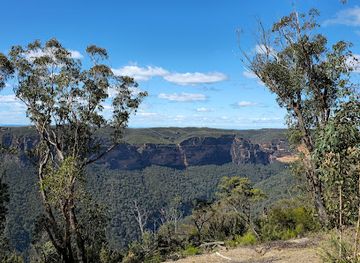
The Busselton Jetty is one of the South West’s most recognisable structures, projecting deep into Geographe Bay and reflecting Busselton’s history as a coastal settlement and port. Cape Leeuwin Lighthouse, near Augusta, marks the meeting of the Indian and Southern oceans and remains a powerful symbol of the region’s maritime geography. In the Margaret River district, the limestone formations and cave systems of Leeuwin-Naturaliste National Park are geological landmarks as well as visitor sites. The forest country has its own emblematic places: Gloucester Tree and Bicentennial Tree are tall karri trees historically associated with fire lookout platforms, although access arrangements and climbing permissions can change. The Donnelly River, Blackwood River and Warren River give shape to the inland landscape, while Wellington Dam near Collie represents both the region’s water infrastructure and its changing industrial identity. Cape Naturaliste, the granite headlands around Augusta and the cliffs along the Cape to Cape coast complete a landmark landscape in which natural features are at least as important as built monuments.
-
Tourist attraction
Three Sisters walk
Experience the breathtaking beauty of the Three Sisters Walk in the Blue Mountains, where nature and culture come together in a stunning landscape.
-
Scenic spot
Twelve Apostles
Discover the stunning Twelve Apostles along the Great Ocean Road, where nature's artistry meets breathtaking coastal views in Victoria, Australia.
-
Observation deck
Melbourne Skydeck
Experience Melbourne's breathtaking skyline at the Melbourne Skydeck, Australia's highest observation deck, offering stunning panoramic views and interactive exhibits.
-
Scenic spot
Mount Coot-Tha Summit Lookout
Discover the stunning views and natural beauty at Mount Coot-Tha Summit Lookout, Brisbane's premier scenic spot for tourists and nature lovers.


Explore South West on the map
Plan your trip on one map. See where the top cities, national parks and sights are, and book hotels and experiences in a few clicks.
Best hotels in South West
Best restaurants in South West
Dining in South West Australia is closely linked to its farms, forests, coastline and vineyards. Margaret River is known for cellar-door restaurants and contemporary cooking built around local beef, lamb, seafood, vegetables, cheese and olive oil, while the surrounding wine country supports everything from relaxed cafés to more formal regional dining. Busselton and Bunbury offer cafés, bakeries, pubs and seafood-focused restaurants, with Geographe Bay contributing fish and shellfish to the local food culture. The Blackwood Valley and Southern Forests are associated with fruit, apples, stone fruit, marron, trout, honey and other seasonal produce, although availability varies by season. Farmers’ markets, farm shops and roadside stalls are useful places to find regional products, including wine, chocolate, preserves and cheese. Rural inns and country pubs remain important in smaller towns, providing straightforward meals and a social setting. Visitors should check opening days and book ahead in busy wine districts, especially at weekends and during school holidays.
-
Seafood
The Roe Australia Restaurant
Discover The Roe Australia Restaurant: A fusion of fresh seafood and Asian flavors in Glen Waverley.
-
Middle Eastern
NOUR
Experience exquisite Middle Eastern cuisine at NOUR in Surry Hills, where traditional flavors meet modern elegance.
-
Modern Australian
Infinity at Sydney Tower
Experience fine dining with breathtaking views at Infinity at Sydney Tower – where modern Australian cuisine meets spectacular skyline vistas.
-
Steak
The Meat & Wine Co Barangaroo
Experience the finest Australian steak and an exquisite wine selection at The Meat & Wine Co Barangaroo—your ultimate dining destination in Sydney.


Best bars in South West
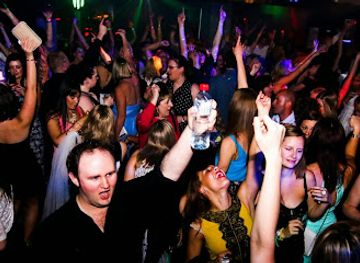
Evening life in South West Australia is strongest in Bunbury, Busselton and Margaret River, but it remains more relaxed and dispersed than the nightlife of Perth. Traditional pubs, hotel bars and breweries provide much of the region’s social life, while Margaret River and Busselton also have wine bars, cocktail venues, restaurants and occasional live music. Bunbury offers the broadest urban choice, including venues attached to the waterfront and central commercial areas, though specific businesses and opening arrangements change. In smaller forest and valley towns, evenings are more likely to centre on a country pub, a restaurant, community event or accommodation venue than on nightclubs. Some wineries host music or dining events, but these are often seasonal or ticketed and should be checked in advance. Responsible planning matters because venues can be far apart and taxis or rideshare services may be limited outside the main towns.
-
Sports bar
The Sporting Globe x 4 Pines
Experience the vibrant atmosphere of The Sporting Globe x 4 Pines, where sports, food, and craft beer come together in the heart of Sydney.
-
Pub
The Clock
Discover The Clock, a lively Surry Hills pub offering great drinks, delicious food, and vibrant social events in the heart of Sydney.
-
Pub
The Bridgewater Inn
Experience the vibrant atmosphere and culinary delights at The Bridgewater Inn, South Australia's perfect pub for relaxation and celebration.
-
Cocktail bar
Stitch Bar
Discover Stitch Bar in Sydney, where American cuisine meets vibrant nightlife with creative cocktails and a lively atmosphere.


Best nightclubs in South West
Evening life in South West Australia is strongest in Bunbury, Busselton and Margaret River, but it remains more relaxed and dispersed than the nightlife of Perth. Traditional pubs, hotel bars and breweries provide much of the region’s social life, while Margaret River and Busselton also have wine bars, cocktail venues, restaurants and occasional live music. Bunbury offers the broadest urban choice, including venues attached to the waterfront and central commercial areas, though specific businesses and opening arrangements change. In smaller forest and valley towns, evenings are more likely to centre on a country pub, a restaurant, community event or accommodation venue than on nightclubs. Some wineries host music or dining events, but these are often seasonal or ticketed and should be checked in advance. Responsible planning matters because venues can be far apart and taxis or rideshare services may be limited outside the main towns.
-
Night club
Cocktails Nightclub
Experience the ultimate nightlife at Cocktails Nightclub in Surfers Paradise, where vibrant music and expertly crafted cocktails create unforgettable moments.
-
Disco club
Club Retro
Experience the ultimate nightlife at Club Retro, Melbourne's premier disco club offering great food, drinks, and unforgettable dance vibes.
-
Night club
Mi Casa Nightclub Brisbane
Unleash your inner party animal at Mi Casa Nightclub, Brisbane's vibrant hub for unforgettable nights filled with music, dancing, and fun.
-
Disco club
Lost Kingdom Nightclub
Dive into the vibrant nightlife at Lost Kingdom Nightclub, a premier disco club and cocktail bar in Surfers Paradise, perfect for unforgettable nights out.



Best shops in South West
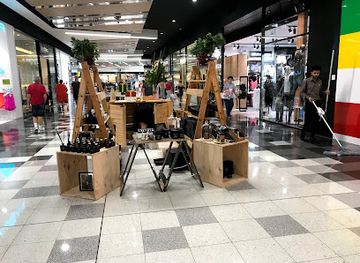
Shopping in South West Australia is centred on the high streets and small commercial precincts of Bunbury, Busselton, Margaret River, Augusta, Manjimup, Pemberton and the Blackwood Valley towns. Margaret River is particularly associated with cellar-door purchases, local wine, chocolate, cheese, olive oil, ceramics, art and surf-related goods, while Busselton combines regional produce with independent shops and galleries. Bunbury provides the widest conventional retail choice, including larger supermarkets and shopping centres, but the region’s more distinctive purchases are usually found in farm shops, weekend markets, craftspeople’s studios and specialist food stores. Southern Forests towns are useful for seasonal fruit, preserves, honey, timber products and other farm goods, subject to availability. Books, Aboriginal art and locally made crafts can be meaningful purchases when obtained through reputable galleries or established cultural organisations. Market days and individual shop hours vary, so check locally rather than assuming that a rural town’s businesses will open every day.
-
Shopping mall
Westfield Mt Gravatt
Explore Westfield Mt Gravatt: Queensland's ultimate shopping destination, offering a variety of stores, dining options, and entertainment for a delightful experience.
-
Shopping mall
Rouse Hill Town Centre
Experience shopping, dining, and entertainment at Rouse Hill Town Centre, a must-visit destination in New South Wales.
-
Shopping mall
Narellan Town Centre
Discover a shopping haven at Narellan Town Centre, featuring diverse brands, dining options, and family-friendly entertainment in New South Wales.
-
Shopping mall
Westfield Kotara
Experience the ultimate shopping destination at Westfield Kotara, where fashion meets fun in the heart of New South Wales.



Get your free copy of our complete guide to South West, delivered straight to you.
Everything on this page, from attractions and restaurants to essentials and local phrases, in one PDF you can read offline, print or share.
Already have an account? Sign in
Your South West guide is ready.
We'll send it to · Not you? Sign out

Getting your guide ready…
We are putting together a fresh copy of the South West guide. This can take up to a minute.
This can take a few moments. If your browser asks, choose Allow so the download can start. You'll find the guide in your Downloads folder.
Nothing happened? Download it again
Sorry, the guide is taking longer than usual. Please try again in a minute, or get it by email instead.
South West essentials
Currency and Payment
Safety
Emergency Situations
Do's and Don'ts
Local Tips
From Eve
Local phrases worth knowing
You don't need to get them perfect. A few words go a long way, and locals appreciate the effort.
Basics
| English | Local | Say it |
|---|---|---|
| Hello | G'day | [gih-day] |
| Goodbye | See ya | [see yah] |
| Yes | Yep | [yehp] |
| No | Nah | [nah] |
| Please/You're welcome | No worries | [noh wurries] |
| Thank you | Cheers | [cheers] |
| Excuse me/Sorry | Sorry mate | [saw-ree mayt] |
| How are you? | How's it going? | [how's it goin?] |
| Fine. And you? | Good, you? | [good, you?] |
| Do you speak English? | Do ya speak English? | [do yah speak ing-glish?] |
| I don't understand | I don't get it | [I don't get it] |
Eating & Drinking
| English | Local | Say it |
|---|---|---|
| I'd like to see the menu, please | Can I see the menu, please? | [can I see the menu, please?] |
| I don't eat meat | I'm a vegetarian | [I'm a vegeta-rian] |
| Cheers! | Cheers! | [cheers] |
| I would like to pay, please | Can I get the bill, please? | [can I get the bill, please?] |
Emergencies
| English | Local | Say it |
|---|---|---|
| Help! | Help! | [help] |
| Go away! | Get lost! | [get lost] |
| Call the Police! | Call the cops! | [call the cops] |
| Call a doctor! | Get a doctor! | [get a doctor] |
| I'm lost | I'm lost | [I'm lost] |
| I'm ill | I'm not feeling well | [I'm not feeling well] |
Shopping
| English | Local | Say it |
|---|---|---|
| I'd like to buy... | I want to buy... | [I want to buy...] |
| I'm just looking | Just browsing, thanks | [just browsing, thanks] |
| How much is it? | How much? | [how much?] |
| That's too expensive | That's a bit steep | [that's a bit steep] |
| Can you lower the price? | Can you do a better price? | [can you do a better price?] |
Time & Numbers
| English | Local | Say it |
|---|---|---|
| What time is it? | What time is it? | [what time is it?] |
| It's one o'clock | It's one o'clock | [it's one o'clock] |
| Half past (10) | Half past ten | [half past ten] |
| Morning | Morning | [morning] |
| Afternoon | Arvo | [arvo] |
| Evening | Evening | [evening] |
| Yesterday | Yesterday | [yesterday] |
| Today | Today | [today] |
| Tomorrow | Tomorrow | [tomorrow] |
| 1 | One | [one] |
| 2 | Two | [two] |
| 3 | Three | [three] |
| 4 | Four | [four] |
| 5 | Five | [five] |
| 6 | Six | [six] |
| 7 | Seven | [seven] |
| 8 | Eight | [eight] |
| 9 | Nine | [nine] |
| 10 | Ten | [ten] |
Transport & Directions
| English | Local | Say it |
|---|---|---|
| Where's a/the...? | Where's the...? | [where's the...?] |
| What's the address? | What's the address? | [what's the address?] |
| Can you show me (on the map)? | Can you show me on the map? | [can you show me on the map?] |
| When's the next (bus)? | When's the next bus? | [when's the next bus?] |
| A ticket (to ....) | A ticket to ... | [a ticket to ...] |
History of South West
Noongar Country and Ancient Landscapes
South West Australia lies within the lands of the Noongar people, whose cultural, spiritual and economic connections to the south-western corner of the continent extend across many thousands of years. Rivers, wetlands, coastlines, forests and seasonal food sources are understood through living traditions and systems of knowledge commonly discussed through the six seasons of the Noongar calendar. Archaeological sites and continuing cultural practices provide evidence of deep occupation, but they do not represent a closed or purely historical culture. Visitors encounter a living Aboriginal presence across the region and should follow any restrictions around significant places, artefacts and cultural sites.
European Exploration and Coastal Settlement
European exploration intensified in the early nineteenth century as British navigators charted the south-western coast and river systems. The establishment of the Swan River Colony in 1829 brought expanding settlement, pastoral activity and maritime movement into the region. Bunbury developed as a port and town, while Busselton grew around the Vasse district and Augusta became an important coastal settlement. These developments displaced Noongar communities and altered access to Country, with frontier conflict, disease and government policies causing lasting damage. The region’s colonial history therefore includes both town-building and the profound consequences of colonisation.
Timber, Ports and the Forest Economy
From the nineteenth century into the twentieth, the tall jarrah and karri forests became central to the South West economy. Timber mills, tramways and small settlements expanded around areas such as Manjimup, Pemberton, Nannup and Donnelly River, while ports and railways connected forest products with markets beyond the region. Timber provided employment and helped shape local architecture, transport routes and town identities, but extensive harvesting also transformed ecosystems. Conservation campaigns and changing forestry practices eventually increased protection for old-growth forests, although debates about timber use, plantation forestry and environmental stewardship continue.
Agriculture and the Rise of the Vineyards
Pastoralism, dairying, orchards and mixed farming became important across the South West as transport links improved. The Margaret River wine industry began in the 1960s after agricultural and scientific investigations identified the area’s potential for high-quality grape growing. Plantings expanded during the following decades, with Cabernet Sauvignon becoming particularly associated with the region. Wineries, restaurants and farm enterprises then helped shift parts of the economy towards food and wine tourism. This agricultural transformation complemented rather than replaced older industries, leaving the region with a mixed rural economy.
Ports, Railways and Industrial Change
Railways and coastal shipping connected South West towns to Perth and to one another, encouraging the movement of timber, agricultural products and minerals. Bunbury became an increasingly important industrial port, while coal mining around Collie supported power generation and manufacturing. Industrial activity brought jobs and infrastructure but also created environmental pressures, including altered waterways and mine landscapes. As traditional industries changed, towns such as Collie began investing in recreation, cycling, arts and heritage to broaden their economic base. The region today retains visible traces of its industrial past alongside agriculture, conservation and tourism.
Conservation and the Contemporary South West
The South West is recognised internationally for its high level of endemic plant life and for landscapes that survived major climatic changes elsewhere. National parks and reserves, including Leeuwin-Naturaliste, Wellington, Warren and Gloucester, protect forests, wetlands, caves and coastal habitats. Conservation gained greater public importance during the twentieth century as communities challenged unrestricted clearing and logging. Today the region balances tourism, farming, mining, forestry, residential growth and biodiversity protection. Aboriginal land management, ecological restoration and climate resilience are increasingly important parts of discussions about its future.
South West in Photos
Browse through our photo collection highlighting the charm and character of the destination.
Neighbouring regions of South West
The closest regions to South West, if you have time for more than one.
-

-

-

-

-


Swipe for more regions
Explore more

Explore more of Australia
Discover the diverse landscapes, vibrant cities, and unique wildlife of Australia, a captivating destination offering endless adventures and unforgettable experiences.
Explore Australia