

Free Great Southern Travel Guide & Mobile App
Explore Great Southern with free travel guides. Discover regional history, expert tips, proposed trips, and audio guides on web or mobile app.


Explore Great Southern’s Albany coast, ancient forests, granite ranges, wineries, wildlife and Noongar cultural landscapes across southwest Australia.
Read more about Great Southern
When is the best time to visit Great Southern?
Best: January–March · 23–26°C| Month | High (°C) | Rainfall (mm) |
|---|---|---|
| January (best) | 25 | 15 |
| February (best) | 26 | 17 |
| March (best) | 23 | 20 |
| April | 21 | 25 |
| May | 18 | 30 |
| June | 15 | 35 |
| July | 14 | 40 |
| August | 15 | 35 |
| September | 18 | 30 |
| October | 20 | 25 |
| November | 21 | 20 |
| December | 23 | 17 |
Getting to and around Great Southern
How to get there
Transportation
Best attractions in Great Southern
Great Southern’s attractions range from Albany’s harbour, museums and military interpretation to large, open national parks where the main activity is walking, wildlife observation and appreciating geology. Around Albany, Torndirrup National Park combines Southern Ocean scenery with formations such as The Gap and Natural Bridge, while nearby coastal reserves provide beaches, lookouts and birdlife. Denmark and Walpole offer access to karri and tingle forests, including elevated walks and trails in the Walpole-Nornalup area. Inland, the Porongurup and Stirling Range landscapes support bushwalking, wildflower viewing and panoramic drives, with conditions varying sharply by season. The eastern districts bring a more remote coastal experience through Fitzgerald River National Park and the beaches around Bremer Bay and Hopetoun. Cellar doors, farm-based producers, galleries and local museums add human-scale attractions to the natural landscape. Great Southern is not a theme-park destination; its appeal lies in combining protected environments, working agricultural country, Aboriginal cultural interpretation, maritime history and journeys between widely separated places. Park access, road conditions and facility availability can change, especially after fires, storms or heavy rain, so visitors should check current information before setting out.
-
Restaurant
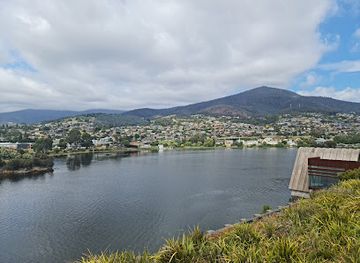
MONA
Explore MONA, Tasmania's unique blend of contemporary art and fine dining, set against the breathtaking backdrop of the Derwent River.
-
Hindu temple
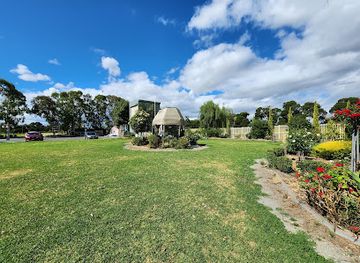
Shri Shiva Vishnu Temple
Experience tranquility and cultural richness at the Shri Shiva Vishnu Temple, the Southern Hemisphere's largest Hindu temple in Carrum Downs.
-
Restaurant
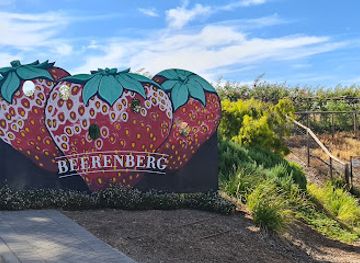
Beerenberg Farm
Discover Beerenberg Farm: A charming destination in Hahndorf for fresh produce, culinary classes, and delightful café experiences.
-
Restaurant
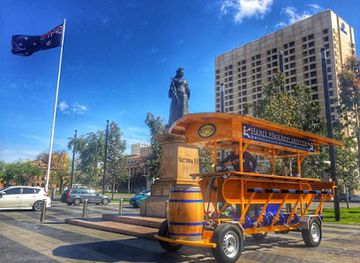
The HandleBar Adelaide
Experience Adelaide like never before on a pedal-powered pub crawl! Enjoy drinks, explore the city, and make lasting memories with friends.
Best landmarks in Great Southern
Albany’s strongest landmarks are tied to its harbour and exposed southern coast. The National Anzac Centre overlooks King George Sound, the departure point of the first convoy of Australian and New Zealand troops in 1914, while the Albany Heritage Park connects military memorials, lookouts and remnants of earlier coastal defence. In Torndirrup National Park, The Gap and Natural Bridge are powerful geological landmarks shaped by the Southern Ocean, with viewing structures designed to keep visitors away from unstable edges. Inland, the granite domes and huge boulders of the Porongurup Range contrast with the long ridges of the Stirling Range, whose highest point is Bluff Knoll. Farther west, the giant red tingle trees of the Walpole-Nornalup area express the ancient character of the southern forests. The coastline near Fitzgerald River National Park adds another landmark landscape of cliffs, headlands, heath and sheltered bays. These places carry ecological, geological or historical importance as well as visual appeal, and responsible access matters because vegetation, rock edges and wildlife can be vulnerable.
-
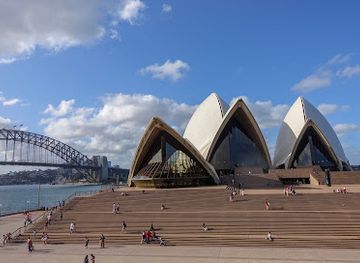
Performing arts theater
Sydney Opera House
Discover the Sydney Opera House, a UNESCO World Heritage site and a premier performing arts venue offering stunning architecture and unforgettable cultural experiences.
-
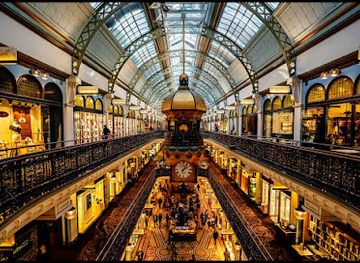
Shopping mall
Queen Victoria Building
Discover the Queen Victoria Building, a historic shopping destination blending Victorian architecture with modern luxury in the heart of Sydney.
-
 Park
ParkHyde Park
Discover the beauty and history of Hyde Park, Sydney's beloved urban park, featuring stunning gardens, monuments, and a lively atmosphere.
-
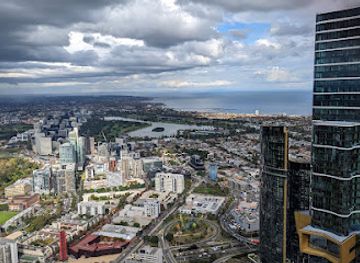
Observation deck
Melbourne Skydeck
Discover breathtaking views of Melbourne from the city's premier observation deck, offering stunning panoramic vistas and unforgettable experiences.
Explore Great Southern on the map
Plan your trip on one map. See where the top cities, national parks and sights are, and book hotels and experiences in a few clicks.
Best hotels in Great Southern
Best restaurants in Great Southern
Dining in Great Southern is closely tied to its coast, farms and cool-climate growing conditions. Albany provides the broadest choice of cafés, pubs, bakeries and restaurants, with seafood and contemporary Australian cooking prominent around the harbour and town centre. Denmark, Mount Barker and the Porongurup area are known for cellar doors, farm produce and small-scale food businesses, although many operate at limited or seasonal hours. Local menus may feature fish and shellfish, beef, lamb, vegetables, fruit, artisan bread, cheese and wine from the wider Great Southern wine region. In smaller towns, country pubs and cafés are often the most dependable options, while farm shops and weekend markets provide opportunities to buy regional produce for a picnic. Food traditions overlap with those of Western Australia and the wider country, so it is more accurate to speak of a strong produce-led identity than a single defining regional dish. Book ahead for sought-after rural dining, particularly during holiday periods, and check whether a cellar door or food business requires prior arrangements.
-
Seafood
The Roe Australia Restaurant
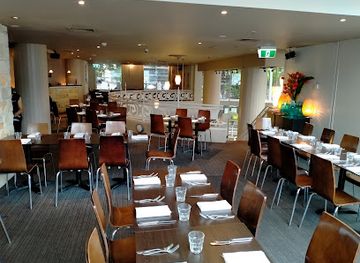
Discover the exquisite fusion of seafood and Asian flavors at The Roe Australia Restaurant in Glen Waverley.
-
French
The Little Snail Restaurant
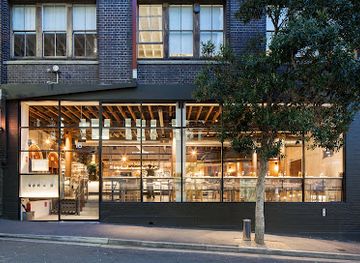
Experience authentic French cuisine at The Little Snail Restaurant in Pyrmont, where every dish is a celebration of flavor and tradition.
-
Australian
NOMAD Sydney
Experience the best of Australian cuisine at NOMAD Sydney—where seasonal ingredients meet exceptional wines in a vibrant setting.
-
Fine Dining
Vue de monde
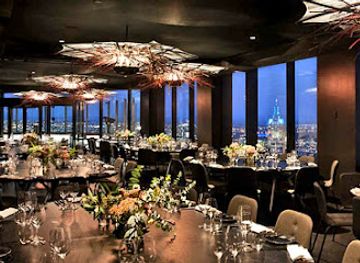
Discover Vue de Monde: An exquisite fine dining experience in Melbourne offering breathtaking views and innovative Australian cuisine.
Best bars in Great Southern
Evening life in Great Southern is concentrated in Albany and, on a smaller scale, Denmark, Mount Barker and other regional centres. Albany offers pubs, restaurants, hotel bars and occasional live music, while Denmark’s evening scene is shaped more by dining, wine tasting and relaxed local venues than by large clubs. Breweries, wineries and cellar doors are important parts of the region’s drinks culture, but opening times and licensing arrangements vary. In rural towns, evenings generally centre on country pubs, community events or meals rather than a late-night entertainment circuit. Visitors should not expect a continuous nightlife district between settlements: distances are long, taxis and rideshare availability can be limited, and driving after drinking is unsafe and illegal. Check current local listings for performances and seasonal events instead of assuming that a venue operates every night.
-
Bar
Arbory Bar & Eatery
Experience the vibrant ambiance and stunning riverside views at Arbory Bar & Eatery, Melbourne's premier destination for food and drinks.
-
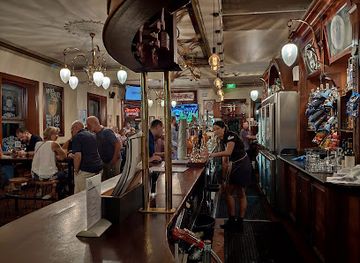
Bar
The HandleBar Adelaide
Experience the vibrant fusion of food, drinks, and adventure at The HandleBar Adelaide, your go-to spot for unforgettable moments.
-
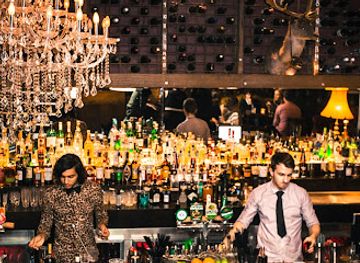
Cocktail bar
State of Grace
Discover the vibrant cocktail culture at State of Grace, Melbourne's premier cocktail bar and restaurant, where creativity meets culinary excellence.
-
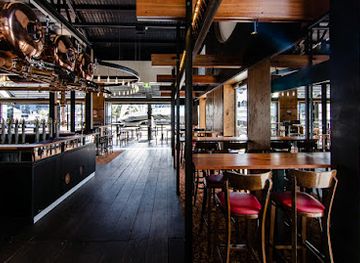
Pub
The General Assembly
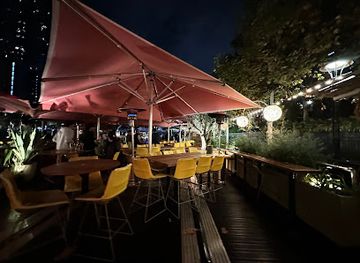
Experience the vibrant atmosphere of The General Assembly, South Wharf – a lively pub with delicious food, live music, and waterfront views.
Best nightclubs in Great Southern
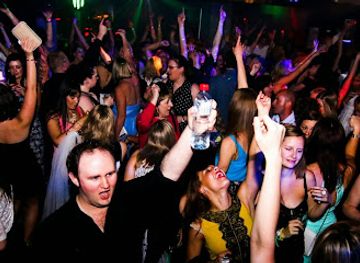
Evening life in Great Southern is concentrated in Albany and, on a smaller scale, Denmark, Mount Barker and other regional centres. Albany offers pubs, restaurants, hotel bars and occasional live music, while Denmark’s evening scene is shaped more by dining, wine tasting and relaxed local venues than by large clubs. Breweries, wineries and cellar doors are important parts of the region’s drinks culture, but opening times and licensing arrangements vary. In rural towns, evenings generally centre on country pubs, community events or meals rather than a late-night entertainment circuit. Visitors should not expect a continuous nightlife district between settlements: distances are long, taxis and rideshare availability can be limited, and driving after drinking is unsafe and illegal. Check current local listings for performances and seasonal events instead of assuming that a venue operates every night.
-
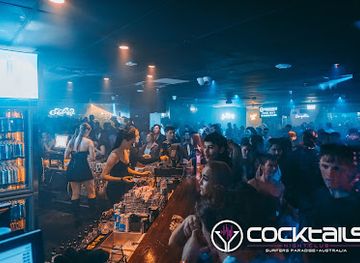
Night club
Cocktails Nightclub
Discover the ultimate nightlife experience at Cocktails Nightclub, where exquisite cocktails and electrifying music create unforgettable memories.
-
Disco club
Club Retro
Dance the night away at Club Retro, Melbourne's premier disco club offering great music, delicious burgers, and a vibrant nightlife experience.
-
Night club
Club 77
Experience the electrifying nightlife of Sydney at Club 77, a vibrant night club offering an unforgettable music and dance experience.
-
Disco club
Lost Kingdom Nightclub
Discover the vibrant nightlife of Surfers Paradise at Lost Kingdom Nightclub - a premier destination for dancing, cocktails, and unforgettable experiences.


Best shops in Great Southern
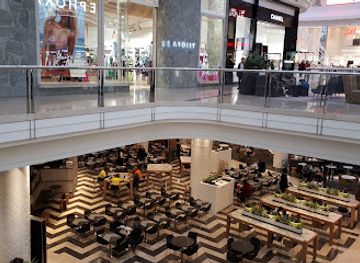
Shopping in Great Southern is based on regional produce, independent businesses and practical town centres rather than large-scale retail. Albany has the widest selection of supermarkets, services, galleries, bookshops and locally oriented gift shops, with maritime and natural-history themes common in visitor products. Denmark and Mount Barker provide smaller clusters of cafés, galleries, cellar doors and food retailers, while towns such as Walpole, Bremer Bay and Hopetoun serve local communities and travellers with more limited ranges. Look for wine, preserves, honey, chocolate, bread, cheese, artwork, ceramics, locally made textiles and other farm or studio products, checking provenance where regional production matters. Farmers’ markets and community markets occur at varying times, so verify dates locally. Wool and agricultural products reflect the hinterland, while coastal towns offer souvenirs connected with beaches and marine life. Rural trading hours can be short, especially outside peak periods, and remote destinations may have few alternatives if a shop is closed.
-
Shopping mall
Chadstone - The Fashion Capital
Experience the ultimate shopping destination at Chadstone, where luxury meets lifestyle in Australia's Fashion Capital.
-
Tourist attraction
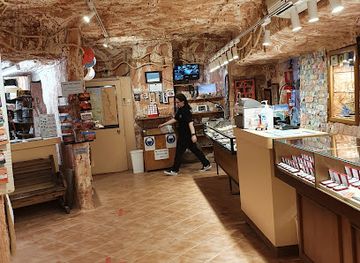
Old Timers Mine
Explore Old Timers Mine in Coober Pedy, a unique underground experience showcasing opal mining history and exquisite local craftsmanship.
-
Shopping mall
Yeperenye Shopping Centre
Explore Yeperenye Shopping Centre in Alice Springs for a delightful shopping experience with diverse stores and delicious dining options.
-
Department store
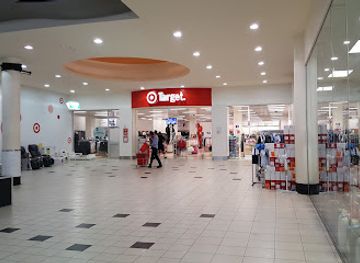
Target Alice Springs
Explore the vibrant Target Alice Springs for clothing, homewares, toys, and appliances, all in one convenient location.
Get your free copy of our complete guide to Great Southern, delivered straight to you.
Everything on this page, from attractions and restaurants to essentials and local phrases, in one PDF you can read offline, print or share.
Already have an account? Sign in
Your Great Southern guide is ready.
We'll send it to · Not you? Sign out

Getting your guide ready…
We are putting together a fresh copy of the Great Southern guide. This can take up to a minute.
This can take a few moments. If your browser asks, choose Allow so the download can start. You'll find the guide in your Downloads folder.
Nothing happened? Download it again
Sorry, the guide is taking longer than usual. Please try again in a minute, or get it by email instead.
Great Southern essentials
Currency and Payment
Safety
Emergency Situations
Do's and Don'ts
Local Tips
From Eve
Local phrases worth knowing
You don't need to get them perfect. A few words go a long way, and locals appreciate the effort.
Basics
| English | Local | Say it |
|---|---|---|
| Hello | G'day | [guh-day] |
| Goodbye | See ya | [see yah] |
| Yes | Yep | [yep] |
| No | Nah | [nah] |
| Please/You're welcome | No worries | [noh wurries] |
| Thank you | Cheers | [cheers] |
| Excuse me/Sorry | Sorry mate | [sorry mate] |
| How are you? | How's it going? | [how's it goin'] |
| Fine. And you? | Good, and you? | [good, an' you?] |
| Do you speak English? | Do ya speak English? | [do yah speak English?] |
| I don't understand | I don't get it | [I don't get it] |
Eating & Drinking
| English | Local | Say it |
|---|---|---|
| I'd like to see the menu, please | Can I see the menu, please? | [can I see thuh menu, please?] |
| I don't eat meat | I'm a vegetarian | [I'm a vego] |
| Cheers! | Cheers! | [cheers!] |
| I would like to pay, please | Can I get the bill, please? | [can I get thuh bill, please?] |
Emergencies
| English | Local | Say it |
|---|---|---|
| Help! | Help! | [help!] |
| Go away! | Get lost! | [get lost!] |
| Call the Police! | Call the cops! | [call the cops!] |
| Call a doctor! | Get a doctor! | [get a doctor!] |
| I'm lost | I'm a bit lost | [I'm a bit lost] |
| I'm ill | I'm not feeling well | [I'm not feelin' well] |
Shopping
| English | Local | Say it |
|---|---|---|
| I'd like to buy... | I'd like to get... | [I'd like to get...] |
| I'm just looking | Just browsing, thanks | [just browsing, thanks] |
| How much is it? | How much is this? | [how much is this?] |
| That's too expensive | That's a bit steep | [that's a bit steep] |
| Can you lower the price? | Can you knock a bit off? | [can you knock a bit off?] |
Time & Numbers
| English | Local | Say it |
|---|---|---|
| What time is it? | What time is it? | [what time is it?] |
| It's one o'clock | It's one o'clock | [it's one o'clock] |
| Half past (10) | Half past ten | [half past ten] |
| Morning | Morning | [morning] |
| Afternoon | Arvo | [arvo] |
| Evening | Evening | [evening] |
| Yesterday | Yesterday | [yesterday] |
| Today | Today | [today] |
| Tomorrow | Tomorrow | [tomorrow] |
| 1 | One | [one] |
| 2 | Two | [two] |
| 3 | Three | [three] |
| 4 | Four | [four] |
| 5 | Five | [five] |
| 6 | Six | [six] |
| 7 | Seven | [seven] |
| 8 | Eight | [eight] |
| 9 | Nine | [nine] |
| 10 | Ten | [ten] |
Transport & Directions
| English | Local | Say it |
|---|---|---|
| Where's a/the...? | Where's the...? | [where's the...?] |
| What's the address? | What's the address? | [what's the address?] |
| Can you show me (on the map)? | Can ya show me on the map? | [can ya show me on thuh map?] |
| When's the next (bus)? | When's the next bus? | [when's thuh next bus?] |
| A ticket (to ....) | A ticket to ... | [a ticket to ...] |
History of Great Southern
Noongar Country and Ancient Landscapes
The Great Southern is part of the south-western cultural region of Noongar Country, with enduring connections among communities including Menang, Goreng and Koreng peoples. Cultural knowledge, song, story, customary practices and responsibility for Country continue today. Archaeological evidence demonstrates Aboriginal occupation of the south-west over many thousands of years, while places such as waterways, granite formations, coastlines and seasonal food-gathering areas retain cultural significance. Visitors should understand that some sites are private, restricted or culturally sensitive, and that Aboriginal interpretation is the appropriate way to learn about many aspects of the region’s history.
European Exploration and the King George Sound Settlement
European maritime exploration reached the southern coast in the early nineteenth century, and King George Sound became an important anchorage because of its sheltered waters. A British military outpost was established at Frederickstown, later Albany, in 1826 to reinforce British claims on the west coast. The settlement developed as a port and supply point before the Swan River Colony expanded. Albany’s position between the Indian and Southern oceans made it strategically and commercially significant, while its establishment profoundly affected Menang people and their Country.
Albany, Whaling and Maritime Trade
During the nineteenth and early twentieth centuries, Albany grew through shipping, agriculture and maritime services. Whaling was an important local industry for many decades, supported by the town’s access to southern waters, although it has now ended. Historic port infrastructure, old commercial buildings and collections at the Museum of the Great Southern help explain the town’s changing relationship with the sea. Grain export, livestock, timber and coastal shipping also shaped settlements across the wider Great Southern, linking rural producers with Albany and other ports.
Timber, Agriculture and the Expansion of the South Coast
The region’s forests supported timber industries, particularly around Denmark and Walpole, while clearing and agricultural settlement transformed large areas of the inland plains. Karri and tingle timber were harvested for construction and railway development, and governments later established forest reserves and management systems as the ecological costs of intensive logging became clearer. Wheat, wool, livestock and other farming enterprises created the inland service towns that remain part of Great Southern’s social and economic geography. Contemporary forestry, conservation and agriculture continue to coexist, sometimes with competing priorities.
The First Anzac Convoy, 1914
On 1 November 1914, the first convoy carrying Australian and New Zealand troops to the First World War departed from King George Sound near Albany. The convoy paused in the sound before continuing towards the Middle East, and the event became a major part of Albany’s civic memory and Australia’s Anzac story. The National Anzac Centre and surrounding lookouts interpret the convoy, the lives of service personnel and the wider wartime role of the harbour. The history is also connected with the grief, disruption and lasting consequences experienced by families and communities.
Conservation and the Recognition of Biodiversity
From the later twentieth century, growing scientific and public recognition of the south coast’s exceptional biodiversity strengthened national-park creation and conservation programmes. Fitzgerald River National Park, the Stirling Range, Porongurup and Walpole-Nornalup areas protect habitats containing many plant species found nowhere else. Conservation has also involved fire management, threatened-species recovery, weed control and the protection of waterways and coastal ecosystems. These landscapes are not simply scenic backdrops: they are living environments shaped by ancient geology, Noongar knowledge, farming, forestry and continuing environmental management.
Great Southern in Photos
Browse through our photo collection highlighting the charm and character of the destination.
Neighbouring regions of Great Southern
The closest regions to Great Southern, if you have time for more than one.
-

-

-

-

-


Swipe for more regions
Explore more

Explore more of Australia
Discover the diverse landscapes, vibrant cities, and unique wildlife of Australia, a captivating destination offering endless adventures and unforgettable experiences.
Explore Australia