

Kaprun Travel Guide - Free Web & App
Your ultimate guide to Kaprun. Discover top landmarks, proposed trips, and local tips. Free on the web or via the Evendo companion app.


Kaprun, Austria combines Kitzsteinhorn glacier views, high mountain reservoirs, alpine hiking, skiing, wellness and access to the Hohe Tauern region.
Glacier, Valley and High-Mountain Scenery
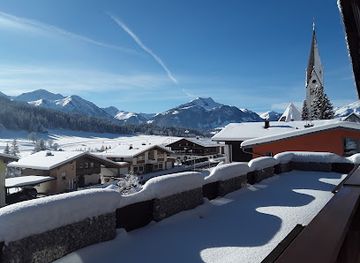
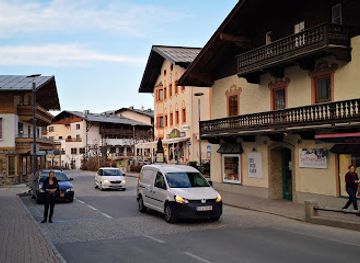
Kaprun lies in the Salzburg region of Austria at the southern end of the Pinzgau valley, beneath the Kitzsteinhorn. The village is best known for its accessible glacier landscape, where cable cars rise from the valley towards viewing platforms, ski terrain and high alpine paths above the Salzach Valley. The Kitzsteinhorn reaches 3,203 metres and forms the dramatic upper backdrop to a destination shaped by ice, rock and water. Below it, the Maiskogel provides a gentler mountain setting with walking routes, family attractions and broad views across the surrounding Alps.Read more about Kaprun
Water, Industry and Alpine Heritage
Exploring Kaprun
When is the best time to visit Kaprun?
Best: June–August · 21–23°C| Month | High (°C) | Rainfall (mm) |
|---|---|---|
| January | 1 | 100 |
| February | 2 | 90 |
| March | 7 | 80 |
| April | 11 | 90 |
| May | 17 | 110 |
| June (best) | 21 | 120 |
| July (best) | 23 | 130 |
| August (best) | 23 | 130 |
| September | 19 | 120 |
| October | 14 | 110 |
| November | 8 | 100 |
| December | 4 | 100 |
Getting to and around Kaprun
How to get there
Transportation
Best attractions in Kaprun
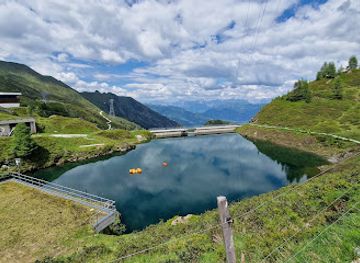
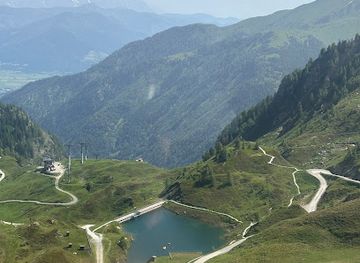
The Kitzsteinhorn is Kaprun's defining attraction, with cable-car access to high alpine viewpoints, the Gipfelwelt 3000 viewing area and the National Park Gallery, an interpretive tunnel offering insight into the surrounding mountains. The Maiskogel provides a lower and more accessible mountain setting for walking, family outings and panoramic views over the Salzach Valley. Above the valley, the Wasserfallboden and Mooserboden reservoirs combine alpine scenery with the monumental dams and transport systems of the Kaprun hydroelectric scheme. Kaprun Castle adds a medieval cultural dimension close to the village, while the wider Hohe Tauern region opens routes towards protected valleys, glaciers and high peaks. The nearby town of Zell am See, outside Kaprun itself, contributes a lakeside setting, historic centre and broader visitor services, making the two destinations easy to combine without confusing their distinct landscapes.
-
Tourist attraction
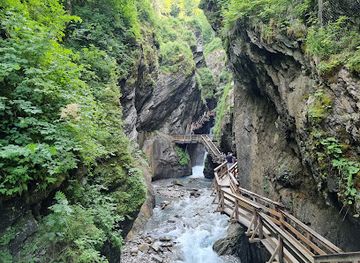
Sigmund Thun Gorge
Discover the majestic Sigmund Thun Gorge in Kaprun, Austria, where nature's beauty and adventure await every traveler.
-
Tourist attraction
Gipfelwelt 3000
Discover Gipfelwelt 3000: A stunning alpine attraction in Kaprun, Austria, featuring breathtaking views, hiking trails, and skiing adventures.
-
Tourist attraction
Kitzsteinhorn
Experience the breathtaking beauty and year-round adventures at Kitzsteinhorn, Austria's premier ski resort and hiking area in the Alps.
-
Roller coaster
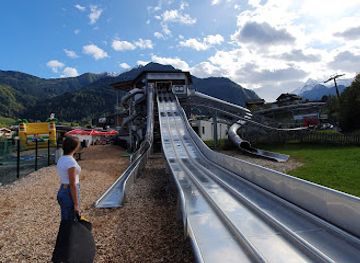
Alpine Coaster Kaprun
Discover the Alpine Coaster Kaprun: A thrilling ride through breathtaking alpine landscapes, perfect for families and adventure seekers.
Best landmarks in Kaprun
The Kitzsteinhorn is Kaprun's principal natural landmark, rising above the valley as a glacier mountain whose high altitude, snowfields and cable-car stations define the local skyline. The Mooserboden and Wasserfallboden reservoirs are equally distinctive human-made landmarks: their vast retaining walls, mountain setting and associated hydroelectric structures demonstrate the scale of twentieth-century alpine engineering. Kaprun Castle, near the village, provides the area's clearest historic architectural landmark and connects present-day tourism with medieval local history. The Maiskogel is a lower mountain landmark with wide views across Kaprun and the Salzach Valley, while the surrounding Hohe Tauern peaks and valleys give the destination its broader geographical context. These features are experienced at different elevations and should not be treated as one continuous walking area.
-
Tourist attraction
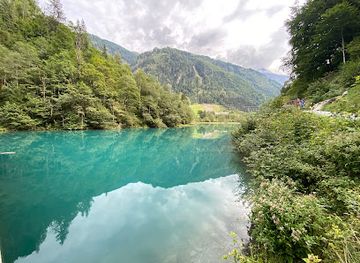
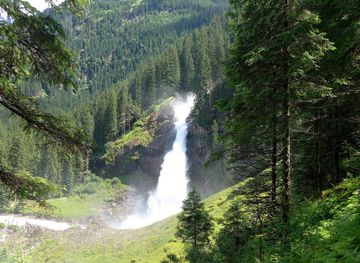
Sigmund Thun Klamm
Explore the breathtaking Sigmund Thun Klamm, a natural gorge in Kaprun, Austria, featuring stunning waterfalls and picturesque landscapes.
-
Tourist attraction
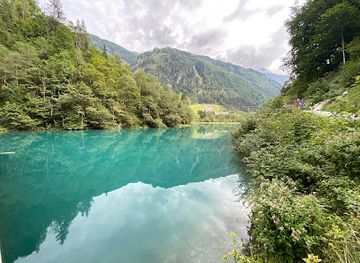
Sigmund Thun Gorge
Experience the breathtaking beauty of Sigmund Thun Gorge, a natural wonder in Kaprun, Austria, featuring stunning views, waterfalls, and enchanting walking paths.
-
Observation deck
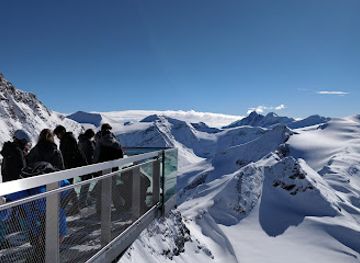
Gipfelwelt 3000
Experience the breathtaking views and thrilling adventures at Gipfelwelt 3000 in the heart of the Austrian Alps, a perfect destination for nature lovers and outdoor enthusiasts.
-
Ski resort
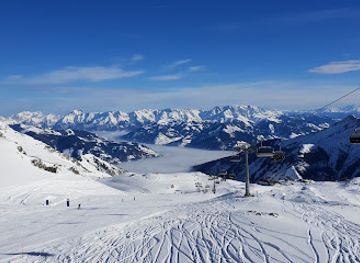
Kitzsteinhorn
Experience the thrill of skiing and breathtaking views at Kitzsteinhorn, Austria's premier ski resort and year-round outdoor adventure destination.
Explore Kaprun on the map
Plan your trip on one map. See where the top attractions, landmarks, restaurants and hotels are, and book hotels and experiences in a few clicks.
Best hotels in Kaprun
Best restaurants in Kaprun
Kaprun's food culture reflects Salzburg and wider Austrian alpine traditions, with menus commonly centred on dishes such as Kasnocken, dumplings, soups, schnitzel and hearty seasonal specialities, alongside cakes and pastries served in cafés. Mountain restaurants and huts provide practical meals and refreshments during lift-based excursions and walks, while village hotels, traditional inns and independent restaurants form the main dining base in Kaprun. Regional products may include Pinzgau cheeses, farmhouse produce and Austrian wines or beers, although the exact choice varies between establishments. Visitors staying in the higher mountain areas should not expect the same range of dining as in the village. Zell am See, just outside Kaprun, offers a wider selection of restaurants, cafés and food shops for travellers using it as a transport or accommodation base.
-
Restaurant
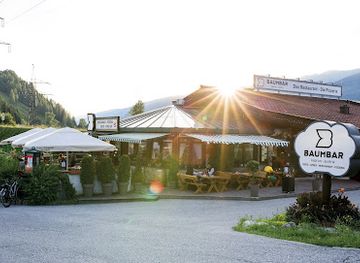
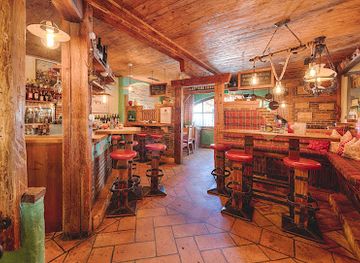
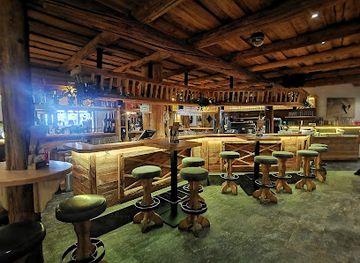
Baumbar
Discover the perfect blend of Austrian cuisine and nightlife at Baumbar in Kaprun - where delicious food meets vibrant energy.
-
Restaurant
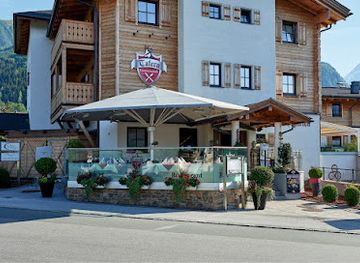
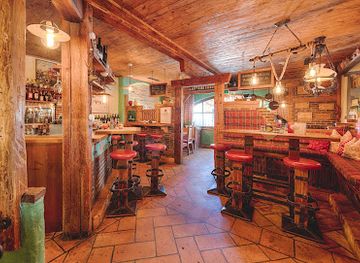
Hilberger's Beisl
Discover authentic Austrian cuisine at Hilberger's Beisl in Kaprun—where tradition meets hospitality amidst stunning alpine scenery.
-
Restaurant
Gastwirtschaft Tafern
Discover the flavors of Austria and the Mediterranean at Gastwirtschaft Tafern in scenic Kaprun.
-
Restaurant
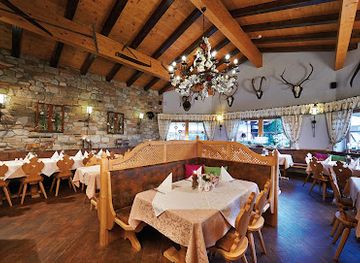
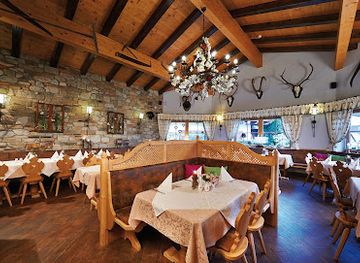
Dorfkrug Kaprun Appartements und Restaurant
Discover authentic Austrian flavors at Dorfkrug Kaprun - where tradition meets taste in a stunning alpine setting.
Best bars in Kaprun
Kaprun's evening scene is primarily that of an alpine village rather than a dedicated nightlife resort. Hotel lounges, traditional inns, après-ski venues and village bars provide places for a drink after walking or skiing, with the atmosphere becoming more active during the winter season and around busy holiday periods. Entertainment is generally concentrated in Kaprun and nearby Zell am See rather than in the high mountain areas, where facilities close with the day's transport and sporting activity. Zell am See, outside Kaprun, has a broader choice of bars and seasonal evening venues, while Kaprun is better suited to relaxed social evenings, regional drinks and hospitality linked to hotels and restaurants. Venue availability and hours vary by season, so late-night options should not be assumed in every part of the valley.
-
Bar
Baumbar
Experience the vibrant nightlife and delightful cuisine at Baumbar in Kaprun, the ultimate spot for food and fun in the heart of the Alps.
-
Restaurant
Hilberger's Beisl
Experience the charm of traditional Austrian cuisine at Hilberger's Beisl, where flavor meets hospitality in the heart of Kaprun.
-
Bar
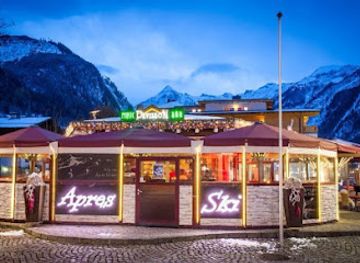
Pavillon Après-Ski Bar
Discover the vibrant atmosphere of Pavillon Après-Ski Bar in Kaprun, where relaxation meets lively entertainment after an exhilarating day on the slopes.
-
Restaurant
Dorfkrug Kaprun Appartements und Restaurant
Experience the best of European cuisine in the heart of the Austrian Alps at Dorfkrug Kaprun, where every meal is a celebration of local flavors.
Best nightclubs in Kaprun
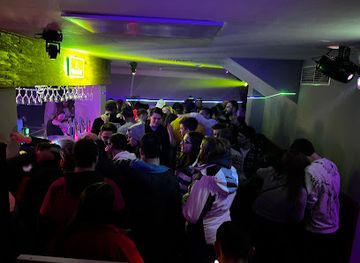
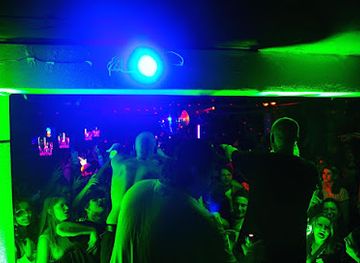
Kaprun's evening scene is primarily that of an alpine village rather than a dedicated nightlife resort. Hotel lounges, traditional inns, après-ski venues and village bars provide places for a drink after walking or skiing, with the atmosphere becoming more active during the winter season and around busy holiday periods. Entertainment is generally concentrated in Kaprun and nearby Zell am See rather than in the high mountain areas, where facilities close with the day's transport and sporting activity. Zell am See, outside Kaprun, has a broader choice of bars and seasonal evening venues, while Kaprun is better suited to relaxed social evenings, regional drinks and hospitality linked to hotels and restaurants. Venue availability and hours vary by season, so late-night options should not be assumed in every part of the valley.
-
Disco club
Barracuda Club Kaprun
Discover the lively spirit of Kaprun's nightlife at Barracuda Club, where music, dancing, and unforgettable experiences await in the heart of the Austrian Alps.
-
Disco club
Discothek Insomnia Kaprun
Discover the electrifying nightlife at Discothek Insomnia Kaprun, where great music and vibrant energy create unforgettable party experiences.
-
Night club
Nightclub Nachtfalter
Discover the electric nightlife of Nachtfalter Nightclub, where music and fun collide in the heart of Kaprun.
Best shops in Kaprun
Shopping in Kaprun is focused on practical alpine equipment, sports clothing, groceries, souvenirs and regional products rather than extensive retail streets. Village shops and specialist outdoor businesses serve visitors preparing for skiing, hiking and cycling, while hotels and local food outlets may offer a limited selection of Austrian products. Traditional items associated with Salzburg and the Alps can include woollen goods, woodcraft, edible farm products and locally made gifts, but stock differs between businesses. Zell am See, outside Kaprun, provides a larger concentration of shops, supermarkets, outdoor retailers and independent businesses, making it useful for equipment or provisions. Visitors heading to the reservoirs or glacier should purchase essential supplies in the settled valley, as high-altitude facilities are primarily oriented towards transport, recreation and refreshments rather than general shopping.
-
Sporting goods store
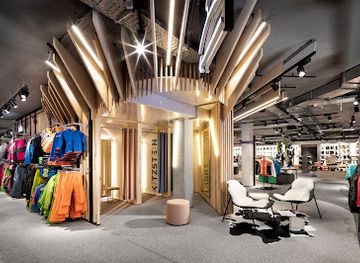
Bründl Sports Flagshipstore
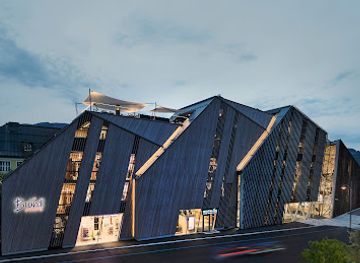
Discover top-quality sporting goods and expert advice at Bründl Sports Flagshipstore in Kaprun, the ultimate destination for outdoor enthusiasts.
-
Supermarket
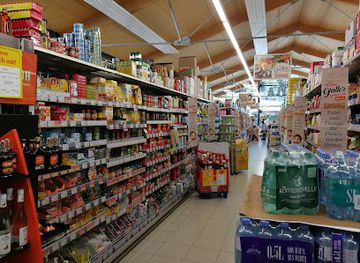
BILLA AG
Explore fresh local produce and international flavors at BILLA AG in Kaprun, the ultimate supermarket experience for tourists.
-
Supermarket
Adeg Supermarkt
Experience the flavors of Austria at Adeg Supermarkt in Kaprun, where fresh produce and local delicacies await every traveler.
-
Sporting goods store
Bründl Sports Maiskogelbahn Talstation
Discover the ultimate sports gear and rental services at Bründl Sports Maiskogelbahn Talstation, your adventure hub in Kaprun, Austria.
Get your free copy of our complete guide to Kaprun, delivered straight to you.
Everything on this page, from attractions and restaurants to essentials and local phrases, in one PDF you can read offline, print or share.
Already have an account? Sign in
Your Kaprun guide is ready.
We'll send it to · Not you? Sign out

Getting your guide ready…
We are putting together a fresh copy of the Kaprun guide. This can take up to a minute.
This can take a few moments. If your browser asks, choose Allow so the download can start. You'll find the guide in your Downloads folder.
Nothing happened? Download it again
Sorry, the guide is taking longer than usual. Please try again in a minute, or get it by email instead.
Kaprun essentials
Currency and Payment
Safety
Emergency Situations
Do's and Don'ts
Local Tips
From Eve
Local phrases worth knowing
You don't need to get them perfect. A few words go a long way, and locals appreciate the effort.
Basics
| English | Local | Say it |
|---|---|---|
| Hello | Servus | [Zer-voos] |
| Goodbye | Auf Wiedersehen | [Owf Vee-der-sehn] |
| Yes | Ja | [Yah] |
| No | Nein | [Nine] |
| Please/You're welcome | Bitte | [Bit-teh] |
| Thank you | Danke | [Dahn-keh] |
| Excuse me/Sorry | Entschuldigung | [Ent-shool-dee-gung] |
| How are you? | Wie geht es dir? | [Vee gate es deer?] |
| Fine. And you? | Gut. Und dir? | [Goot. Oond deer?] |
| Do you speak English? | Sprechen Sie Englisch? | [Shpreck-en Zee Eng-lish?] |
| I don't understand | Ich verstehe nicht | [Eekh fair-shtay-eh nikht] |
Eating & Drinking
| English | Local | Say it |
|---|---|---|
| I'd like to see the menu, please | Ich hätte gerne die Speisekarte, bitte | [Eekh het-teh gehr-neh dee Shpize-kar-teh, bit-teh] |
| I don't eat meat | Ich esse kein Fleisch | [Eekh ess-eh kine Fly-sh] |
| Cheers! | Prost! | [Prohst] |
| I would like to pay, please | Ich möchte bitte zahlen | [Eekh merch-teh bit-teh tsah-len] |
Emergencies
| English | Local | Say it |
|---|---|---|
| Help! | Hilfe! | [Hil-feh] |
| Go away! | Geh weg! | [Gay vehg] |
| Call the Police! | Rufen Sie die Polizei! | [Roo-fen Zee dee Po-lee-tsay] |
| Call a doctor! | Rufen Sie einen Arzt! | [Roo-fen Zee ine-en Ahr-tst] |
| I'm lost | Ich habe mich verlaufen | [Eekh hah-buh meesh fair-lou-fen] |
| I'm ill | Ich bin krank | [Eekh been krank] |
Shopping
| English | Local | Say it |
|---|---|---|
| I'd like to buy... | Ich möchte... kaufen | [Eekh merch-teh... kow-fen] |
| I'm just looking | Ich schaue nur | [Eekh sh-ow-eh noor] |
| How much is it? | Wie viel kostet das? | [Vee feel kostet dahs?] |
| That's too expensive | Das ist zu teuer | [Dahs ist tsoo toy-er] |
| Can you lower the price? | Können Sie den Preis senken? | [Kern-en Zee den Prize zank-en?] |
Time & Numbers
| English | Local | Say it |
|---|---|---|
| What time is it? | Wie spät ist es? | [Vee shpayt ist es] |
| It's one o'clock | Es ist ein Uhr | [Es ist ine oor] |
| Half past (10) | Halb elf | [Halb elf] |
| Morning | Morgen | [Morg-en] |
| Afternoon | Nachmittag | [Nah-mit-tahg] |
| Evening | Abend | [Ah-bent] |
| Yesterday | Gestern | [Ges-tern] |
| Today | Heute | [Hoy-teh] |
| Tomorrow | Morgen | [Morg-en] |
| 1 | Eins | [Ines] |
| 2 | Zwei | [Tsvy] |
| 3 | Drei | [Dry] |
| 4 | Vier | [Feer] |
| 5 | Fünf | [Foonf] |
| 6 | Sechs | [Zeks] |
| 7 | Sieben | [Zee-ben] |
| 8 | Acht | [Ahh-t] |
| 9 | Neun | [Noy-n] |
| 10 | Zehn | [Tsen] |
Transport & Directions
| English | Local | Say it |
|---|---|---|
| Where's a/the...? | Wo ist ein/der...? | [Voh ist ine/dehr] |
| What's the address? | Was ist die Adresse? | [Vahs ist dee Ah-dress-eh] |
| Can you show me (on the map)? | Kannst du mir das zeigen (auf der Karte)? | [Kah-nst doo meer dahs tsee-gen (ouf dehr kahr-teh)] |
| When's the next (bus)? | Wann kommt der nächste (Bus)? | [Vahn komt dehr necks-teh (boos)] |
| A ticket (to ....) | Eine Fahrkarte (nach ....) | [Ine-eh Fahr-kahr-teh (nahkh)] |
History of Kaprun
A Valley Shaped by Ice and Water
Kaprun's physical setting was formed by the glacial processes that carved the upper Salzach valleys and left steep mountain sides, hanging valleys and broad deposits across the lower landscape. The Kitzsteinhorn preserves a high alpine environment where snow and ice remain central to the appearance and economy of the area. The valley's streams and waterfalls later became important not only to farming but also to modern hydroelectric development, linking Kaprun's natural geography with its industrial history.
Early Settlement and Rural Kaprun
Human settlement in the Kaprun valley developed within the wider Pinzgau cultural landscape, where farming, forestry and seasonal movement through the Alps shaped local life. The village grew around agricultural holdings and routes connecting communities across the Salzach region. Kaprun Castle, whose medieval origins are reflected in its surviving fabric, is the most prominent reminder of the area’s earlier local authority and rural defensive architecture. For centuries, the valley remained primarily a working landscape rather than a destination built for mass tourism.
The Rise of Mountain Tourism
Tourism expanded as improved roads, rail access through the Pinzgau and growing interest in alpine recreation made the southern Salzburg mountains more reachable. Kaprun developed from a farming settlement into a base for mountaineering, skiing and summer walking. The nearby Kitzsteinhorn became especially important because its high elevation offered a long season for snow sports, while the Maiskogel provided a more accessible mountain for families and lower-level excursions. Hotels, lifts and associated services gradually reshaped the village economy.
Hydroelectric Construction and Memory
The Kaprun hydroelectric scheme became one of Austria's major post-war infrastructure projects. Construction of the high mountain reservoirs at Wasserfallboden and Mooserboden involved demanding engineering in difficult terrain and was associated with the rebuilding of Austria's economy after the Second World War. The scheme remains significant both as working energy infrastructure and as a visitor attraction. Its history also carries a human cost: serious accidents occurred during construction, and the site is remembered through local commemorative features as well as its monumental dams and access structures.
Conservation and Modern Alpine Tourism
In recent decades, Kaprun's tourism has increasingly been presented alongside the wider conservation landscape of the Hohe Tauern National Park region. Glacier retreat, changing snow conditions and pressure on alpine habitats have made environmental management more visible within the visitor experience. Cable-car access, marked paths and guided interpretation allow visitors to reach high terrain while focusing use on established routes. Kaprun now combines skiing, hiking, hydroelectric interpretation, wellness and nature-based travel, while remaining connected to the broader settlements and landscapes of Pinzgau.
Kaprun in Photos
Browse through our photo collection highlighting the charm and character of the destination.
Cities in Kaprun
The towns and cities of Kaprun, and the easiest places to base yourself.

Swipe for more cities
Neighbouring destination travel guides
The closest destinations to Kaprun, if you have time for more than one.
-

-

-

-

-


Swipe for more destinations
Explore more
Explore more of Pinzgau
Discover the breathtaking beauty and outdoor adventures of Pinzgau, Austria, a year-round destination offering skiing, hiking, and rich cultural experiences.
Explore Pinzgau
Explore more of Austria
Discover Austria's blend of alpine landscapes, rich cultural heritage, and culinary delights, from Vienna's historic charm to Tyrol's dramatic beauty.
Explore Austria