

Lech Travel Guide - Free Web & App
Your ultimate guide to Lech. Discover top landmarks, proposed trips, and local tips. Free on the web or via the Evendo companion app.


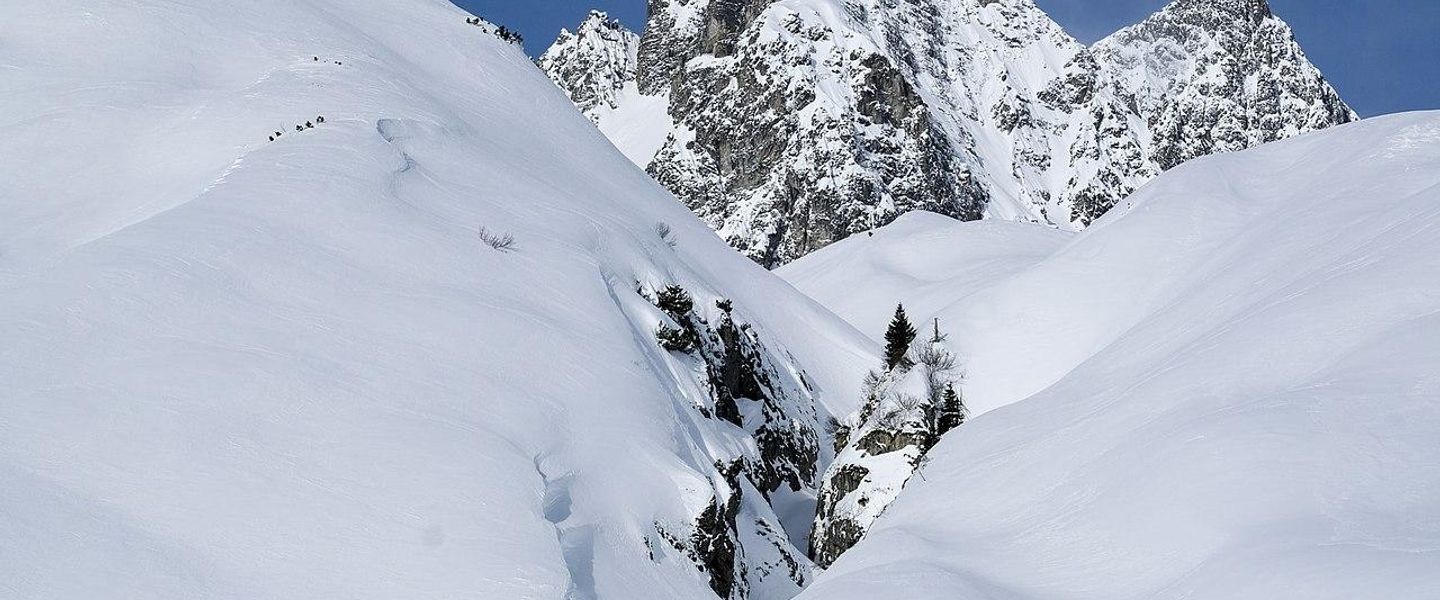


Lech, Austria combines Arlberg skiing, alpine hiking, mountain villages, fine dining and year-round outdoor adventures in a historic Tyrolean setting.
Mountain Landscape and Village Character
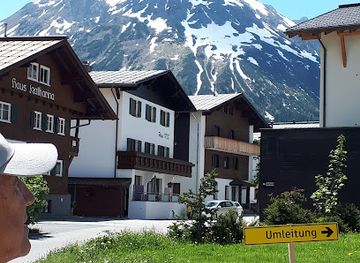
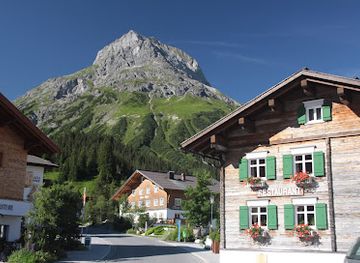
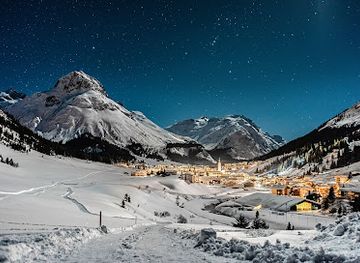
Lech lies in the Austrian Alps at the headwaters of the Lech River, within the Arlberg region of Vorarlberg. The destination includes the main village of Lech am Arlberg and the smaller settlements of Oberlech, Zürs, Zug and Stubenbach, spread across a high mountain landscape of forested slopes, broad pastures and stark limestone peaks. Traditional wooden farmhouses and carefully planned chalet-style buildings give the settlements a coherent alpine character, while the high road linking Lech and Zürs opens access to one of Austria’s most extensive ski areas.Read more about Lech
Winter and Summer in the Arlberg
Heritage, Cuisine and the Wider Region
When is the best time to visit Lech?
Best: June–August · 19–21°C| Month | High (°C) | Rainfall (mm) |
|---|---|---|
| January | 1 | 47 |
| February | 2 | 44 |
| March | 5 | 42 |
| April | 8 | 47 |
| May | 15 | 78 |
| June (best) | 19 | 108 |
| July (best) | 21 | 133 |
| August (best) | 20 | 118 |
| September | 17 | 95 |
| October | 12 | 69 |
| November | 6 | 57 |
| December | 4 | 53 |
Getting to and around Lech
How to get there
Transportation
Best attractions in Lech
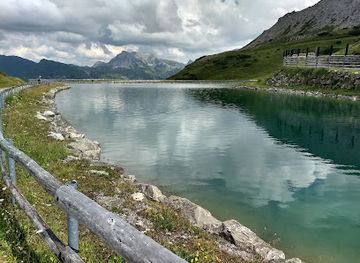
Lech’s principal attractions are its mountain landscapes and the linked settlements that give the Arlberg its distinctive character. The village of Lech am Arlberg provides access to the river, parish church, walking routes and surrounding ski lifts, while Oberlech occupies a high, largely pedestrian-oriented terrace above the main valley. Zürs is a compact winter sports settlement on the Flexen Pass, and Zug offers a quieter rural setting further along the valley. In summer, the Lech River, alpine meadows and high trails provide opportunities for walking and landscape observation, with routes extending towards the Formarinsee and the wider Lechweg region. The Rüfikopf and nearby peaks offer elevated views when lifts and conditions allow, while the Skyspace Lech installation adds a contemporary artistic dimension to the mountain environment. Attractions are widely distributed, so visitors should match each outing to seasonal transport, weather and their own ability.
-
Mountain cable car
Rüfikopf Seilbahn 2 Bergstation
Discover the Rüfikopf Seilbahn 2 Bergstation in Lech, Austria – a gateway to stunning Alpine vistas and unforgettable hiking adventures.
-
Sculpture
Skyspace Lech
Discover Skyspace Lech, a breathtaking sculpture that unites art and nature in the heart of Austria's stunning alpine landscape.
-
Hiking area
Wasserfall Zug
Explore the breathtaking beauty of Wasserfall Zug in Lech, a stunning hiking area with picturesque waterfalls and scenic alpine trails.
-
Tourist attraction
Museum Huber-Hus
Discover the rich cultural heritage of Lech at the Huber-Hus Museum, where history and tradition come alive in the heart of the Alps.
Best landmarks in Lech
The Lech River is the destination’s defining natural landmark, running through the valley and linking the village landscape with the wider river region. Above it, the Rüfikopf and surrounding Arlberg peaks express the steep, high-altitude character of the area, while the Flexen Pass connects Lech and Zürs across a celebrated mountain crossing. Lech’s parish church and historic farm buildings provide visible reminders of the settlement’s Walser-influenced rural heritage, contrasting with the modern lift infrastructure that made the resort internationally known. The Skyspace Lech, an art installation designed by James Turrell near the Tannegg area, frames the changing alpine sky through a carefully constructed structure. Formarinsee, associated with the source region of the Lech River, lies beyond the immediate village area and is best treated as a wider regional excursion rather than a central Lech landmark.
-
Restaurant
Balmalp Lech am Arlberg
Experience culinary excellence at Balmalp Lech am Arlberg, where alpine beauty meets gourmet dining in the heart of the Austrian Alps.
-
Mountain cable car
Rüfikopf Seilbahn Talstation
Experience breathtaking views and thrilling adventures at the Rüfikopf Seilbahn, your gateway to the stunning Tyrolean Alps.
-
Restaurant
Hus Nr. 8
Discover the exquisite flavors of traditional Austrian cuisine at Hus Nr. 8, a culinary gem located in the charming alpine village of Lech.
-
Restaurant
Kriegeralpe
Discover the exquisite flavors of Austria at Kriegeralpe, nestled in the breathtaking Alps of Lech, where culinary tradition meets stunning alpine views.
Explore Lech on the map
Plan your trip on one map. See where the top attractions, landmarks, restaurants and hotels are, and book hotels and experiences in a few clicks.
Best hotels in Lech
Best restaurants in Lech
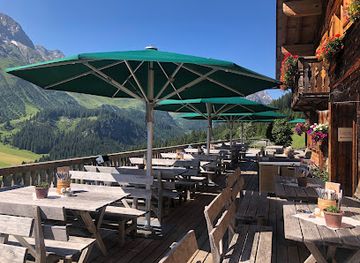
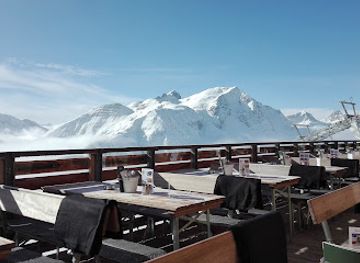
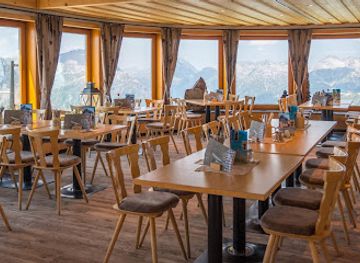
Dining in Lech reflects both Vorarlberg’s alpine food culture and the destination’s established resort tradition. Menus commonly draw on regional dairy products, bread, potatoes, seasonal vegetables and mountain produce, alongside Austrian specialities such as Kässpätzle, soups, dumplings and pastries. Mountain huts and piste restaurants provide practical daytime meals in winter and, where operating, during the hiking season; village restaurants, hotel dining rooms and cafés offer a broader choice in Lech, Oberlech and Zürs. Local cheese and other products from the surrounding alpine economy are particularly characteristic, while restaurants also serve international cuisine for an international ski audience. Options are much more concentrated in the main settlements than on remote trails, and visitors staying in smaller places such as Zug should check local arrangements in advance. Restaurant opening patterns can be seasonal, especially outside winter and summer peaks.
-
Restaurant
Rud-Alpe Gastronomie
Discover the perfect blend of exquisite cuisine and stunning Alpine views at Rud-Alpe Gastronomie in Lech.
-
Restaurant
Balmalp Lech am Arlberg
Discover Balmalp in Lech am Arlberg – where exquisite cuisine meets breathtaking mountain views.
-
Restaurant
Panoramarestaurant Rüfikopf
Experience breathtaking views and exquisite Austrian cuisine at Panoramarestaurant Rüfikopf in Lech's stunning alpine landscape.
-
Pizza Takeout
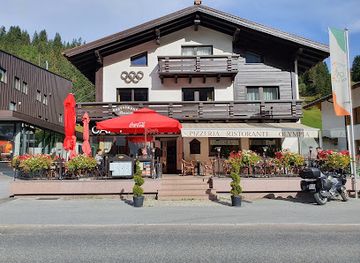
Pizzeria Ristorante Olympia
Discover authentic Italian flavors at Pizzeria Ristorante Olympia in Lech – where delicious wood-fired pizzas meet warm alpine hospitality.
Best bars in Lech
Lech’s evening scene is centred on hotel bars, established village establishments, après-ski venues and traditional hospitality rather than a dense nightclub district. Winter brings the liveliest atmosphere, particularly around Lech and Zürs after the lifts close, with drinks, informal socialising and occasional music forming part of the resort routine. Oberlech is quieter and more focused on accommodation-based evenings, while Zug has a distinctly rural character. In summer, evenings tend to revolve around restaurants, terraces and small local events rather than late-night entertainment. Venue schedules and seasonal opening patterns vary, so nightlife should not be assumed in every settlement. Those seeking larger urban entertainment would need to travel beyond the destination to regional centres, making Lech better suited to alpine evenings than city-style clubbing.
-
Restaurant
Rud-Alpe Gastronomie
Experience the alpine charm and exquisite cuisine at Rud-Alpe Gastronomie, where tradition meets culinary innovation amidst stunning mountain views.
-
Restaurant
Balmalp Lech am Arlberg
Experience exquisite alpine dining at Balmalp Lech am Arlberg, where stunning views meet exceptional cuisine in the heart of the Austrian Alps.
-
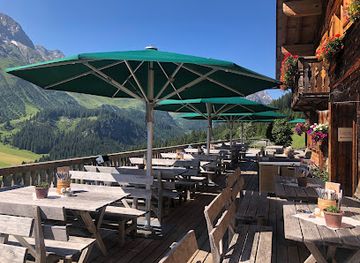
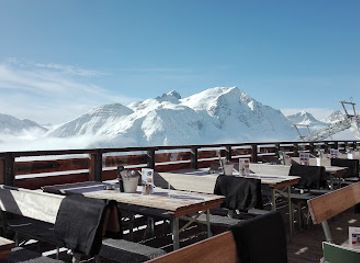
Bar
Skihütte Schneggarei
Discover Ski Hut Schneggarei in Lech - the perfect blend of Alpine charm and exquisite culinary delights amid stunning mountain views.
-
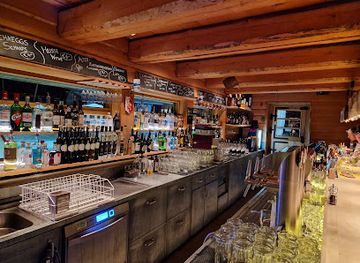
 Bar
BarRote Wand Gourmet Hotel
Discover the exquisite fusion of gourmet dining and serene wellness at Rote Wand Gourmet Hotel in the heart of the Austrian Alps.
Best nightclubs in Lech
Lech’s evening scene is centred on hotel bars, established village establishments, après-ski venues and traditional hospitality rather than a dense nightclub district. Winter brings the liveliest atmosphere, particularly around Lech and Zürs after the lifts close, with drinks, informal socialising and occasional music forming part of the resort routine. Oberlech is quieter and more focused on accommodation-based evenings, while Zug has a distinctly rural character. In summer, evenings tend to revolve around restaurants, terraces and small local events rather than late-night entertainment. Venue schedules and seasonal opening patterns vary, so nightlife should not be assumed in every settlement. Those seeking larger urban entertainment would need to travel beyond the destination to regional centres, making Lech better suited to alpine evenings than city-style clubbing.
-
Disco club
K.Club BAR GmbH
Experience the vibrant nightlife of Lech at K.Club BAR GmbH, where unforgettable cocktails and energetic dance floors await.
-
Bar
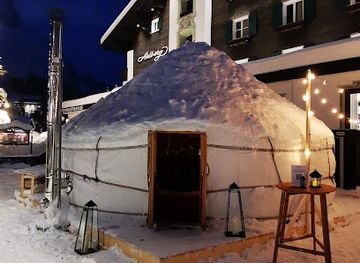
THE YURT at Hotel ARLBERG
Discover a unique alpine bar experience at The Yurt in Lech, where cozy charm meets modern style and a curated drink selection.
-
Bar
The Cottage
Experience the cozy charm of The Cottage, a delightful bar in Lech, Austria, perfect for unwinding after outdoor adventures.
-
Night club
Trachtenkapelle Lech
Experience the thrilling nightlife of Trachtenkapelle Lech, where traditional vibes meet modern beats in a lively alpine atmosphere.

Best shops in Lech
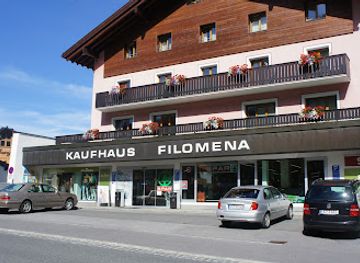
Shopping in Lech is concentrated in the main village, Oberlech and Zürs, with a retail profile shaped by alpine tourism rather than large-scale commercial districts. Visitors can find specialist outdoor and ski equipment, clothing, sports services, local food products, souvenirs, jewellery and selected crafts in the resort settlements. Regional cheeses and other Vorarlberg products provide meaningful edible gifts, while traditional alpine design influences some textiles, woodwork and decorative goods. Small shops and hotel-based retail are more common than permanent markets, and the range is narrower in villages such as Zug. Visitors travelling into Lech from Langen am Arlberg or other gateway towns may find broader everyday shopping facilities outside the destination, but local resort shops are generally the most convenient source of equipment and regionally themed purchases during a stay.
-
Supermarket
SPAR
Discover the flavors of Austria at SPAR Supermarket in Lech, your go-to spot for fresh produce, local specialties, and unique souvenirs.
-
Hotel
Post Lech Arlberg
Experience luxury and comfort at Post Lech Arlberg, a premier boutique hotel in the stunning Austrian Alps, offering relaxing spa services and gourmet dining.
-
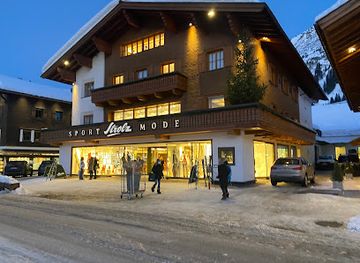
Sportswear store
Strolz Sport & Modehaus Lech
Explore the majestic landscapes of Lech with top-notch outdoor gear from Strolz Sport & Modehaus, your ultimate sportswear destination.
-
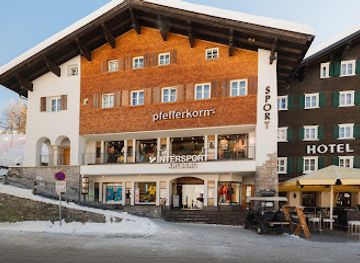
Sporting goods store
INTERSPORT Arlberg
Your ultimate destination for sporting goods, ski rentals, and outdoor adventures in the heart of Lech, Austria.
Get your free copy of our complete guide to Lech, delivered straight to you.
Everything on this page, from attractions and restaurants to essentials and local phrases, in one PDF you can read offline, print or share.
Already have an account? Sign in
Your Lech guide is ready.
We'll send it to · Not you? Sign out

Getting your guide ready…
We are putting together a fresh copy of the Lech guide. This can take up to a minute.
This can take a few moments. If your browser asks, choose Allow so the download can start. You'll find the guide in your Downloads folder.
Nothing happened? Download it again
Sorry, the guide is taking longer than usual. Please try again in a minute, or get it by email instead.
Lech essentials
Currency and Payment
Safety
Emergency Situations
Do's and Don'ts
Local Tips
From Eve
Local phrases worth knowing
You don't need to get them perfect. A few words go a long way, and locals appreciate the effort.
Basics
| English | Local | Say it |
|---|---|---|
| Hello | Grüß Gott | [grooss got] |
| Goodbye | Auf Wiedersehen | [owf vee-der-zay-en] |
| Yes | Ja | [yah] |
| No | Nein | [nine] |
| Please/You're welcome | Bitte | [bit-teh] |
| Thank you | Danke | [dahn-keh] |
| Excuse me/Sorry | Entschuldigung | [ent-shool-dee-goong] |
| How are you? | Wie geht es Ihnen? | [vee gayt es ee-nen] |
| Fine. And you? | Gut. Und Ihnen? | [goot oond ee-nen] |
| Do you speak English? | Sprechen Sie Englisch? | [shpre-khen zee eng-leesh] |
| I don't understand | Ich verstehe nicht | [ikh fer-shtay-eh nikht] |
Eating & Drinking
| English | Local | Say it |
|---|---|---|
| I'd like to see the menu, please | Ich hätte gerne die Speisekarte, bitte | [ikh het-eh gehr-neh dee spai-zeh-kahr-teh, bit-teh] |
| I don't eat meat | Ich esse kein Fleisch | [ikh ess-eh kine fly-sh] |
| Cheers! | Prost! | [prohst] |
| I would like to pay, please | Ich würde gerne zahlen, bitte | [ikh vur-deh gehr-neh tsah-len, bit-teh] |
Emergencies
| English | Local | Say it |
|---|---|---|
| Help! | Hilfe! | [hil-feh] |
| Go away! | Gehen Sie weg! | [geh-en zee vehg] |
| Call the Police! | Rufen Sie die Polizei! | [roo-fen zee dee po-lee-tsay] |
| Call a doctor! | Rufen Sie einen Arzt! | [roo-fen zee i-nen artsht] |
| I'm lost | Ich habe mich verlaufen | [ikh hah-beh meekh fer-lou-fen] |
| I'm ill | Mir ist schlecht | [meer ist shlekht] |
Shopping
| English | Local | Say it |
|---|---|---|
| I'd like to buy... | Ich möchte kaufen... | [ikh mehrk-teh kow-fen] |
| I'm just looking | Ich schaue nur | [ikh shou-eh noor] |
| How much is it? | Wie viel kostet das? | [vee feel kohs-tet das] |
| That's too expensive | Das ist zu teuer | [das ist tsoo toy-er] |
| Can you lower the price? | Können Sie den Preis senken? | [kuh-nen zee den pri-say zeng-ken] |
Time & Numbers
| English | Local | Say it |
|---|---|---|
| What time is it? | Wie spät ist es? | [vee shpet ist es] |
| It's one o'clock | Es ist ein Uhr | [es ist iyn oor] |
| Half past (10) | Halb elf | [halb elf] |
| Morning | Morgen | [mor-gen] |
| Afternoon | Nachmittag | [nahk-mit-tahk] |
| Evening | Abend | [ah-bent] |
| Yesterday | Gestern | [gehs-tern] |
| Today | Heute | [hoi-teh] |
| Tomorrow | Morgen | [mor-gen] |
| 1 | eins | [iyns] |
| 2 | zwei | [tsvai] |
| 3 | drei | [dry] |
| 4 | vier | [feer] |
| 5 | fünf | [fuhnf] |
| 6 | sechs | [zeks] |
| 7 | sieben | [zee-ben] |
| 8 | acht | [akt] |
| 9 | neun | [noyn] |
| 10 | zehn | [tsayn] |
Transport & Directions
| English | Local | Say it |
|---|---|---|
| Where's a/the...? | Wo ist ein/der...? | [vo ist iyn/dehr] |
| What's the address? | Was ist die Adresse? | [vas ist dee ah-dreh-say] |
| Can you show me (on the map)? | Können Sie mir zeigen (auf der Karte)? | [kuh-nen zee meer tsay-gen (ouf dehr kahr-teh)] |
| When's the next (bus)? | Wann kommt der nächste (Bus)? | [vahn komt dehr naykhs-teh (boos)] |
| A ticket (to ....) | Eine Fahrkarte (nach ...) | [iyn-eh fahr-kahr-teh (nahkh)] |
History of Lech
A High Alpine Valley Takes Shape
The landscape around Lech was formed by the geological processes that shaped the northern Alps, including uplift, erosion and glacial action. Valleys, rounded uplands and steep mountain walls provided the physical setting for later settlement, while the Lech River became a defining geographical feature. The high altitude and demanding terrain limited the extent of cultivation, encouraging communities to use meadows for grazing and haymaking rather than large-scale arable farming.
Walser Settlement and Alpine Farming
Lech’s historic identity is closely connected with Walser settlers, German-speaking alpine communities who established villages in difficult mountain environments during the medieval period. Their settlement pattern is reflected in dispersed farms, small hamlets and traditions of seasonal livestock farming. Zürs, Zug and the surrounding slopes developed within this same rural world, where hay meadows, cattle grazing and careful use of woodland shaped both the economy and the appearance of the valley.
The Arlberg Pass and Early Tourism
For centuries, the Arlberg was an important route across the Alps, although travel was constrained by snow, steep terrain and seasonal conditions. Improved roads and wider regional connections gradually reduced Lech’s isolation. Tourism began to grow in the late nineteenth and early twentieth centuries, first through summer visitors attracted by mountain scenery and later through winter sports. The arrival of organised skiing altered the local economy while many traditional buildings and farming practices remained part of the village landscape.
From Ski Pioneering to a Four-Season Resort
Lech became one of Austria’s best-known ski destinations during the twentieth century as lift infrastructure, hotels and access roads developed around the existing settlements. Connections with Zürs and the wider Arlberg transformed the area from a collection of mountain villages into an integrated winter sports region. Summer tourism also expanded through hiking and mountain recreation. Contemporary Lech continues to balance resort development with landscape management, protected alpine environments and the preservation of its Walser-influenced local character.
Lech in Photos
Browse through our photo collection highlighting the charm and character of the destination.
Neighbouring destination travel guides
The closest destinations to Lech, if you have time for more than one.
-

-

-

-

-


Swipe for more destinations
Explore more
Explore more of Arlberg
Discover Arlberg: A premier destination for skiing, snowboarding, and year-round alpine adventures amidst Austria's stunning landscapes and rich cultural heritage.
Explore Arlberg
Explore more of Austria
Discover Austria's blend of alpine landscapes, rich cultural heritage, and culinary delights, from Vienna's historic charm to Tyrol's dramatic beauty.
Explore Austria