Ötztaler Home and Open-Air Museum: A Journey into Ötztal's Past
Step back in time at the Ötztaler Home and Open-Air Museum and discover the rich cultural heritage of the Ötztal Valley.
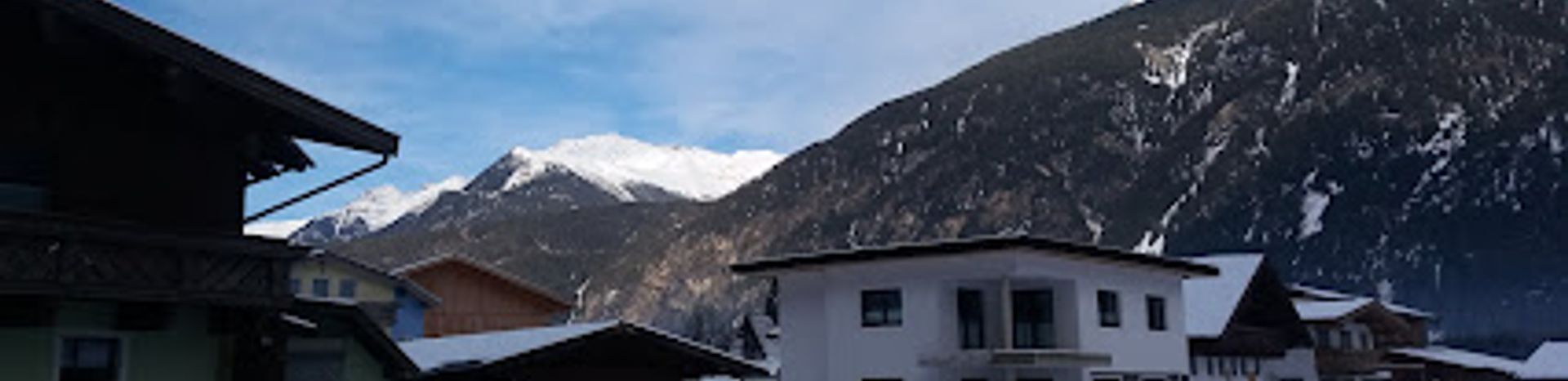
The Ötztaler Home and Open-Air Museum in Oberried offers a captivating glimpse into the lives of Ötztal Valley's mountain farmers and artisans, showcasing traditional buildings, tools, and everyday objects. Visitors can explore the region's cultural heritage through meticulously preserved structures and demonstrations of rural crafts.
A brief summary to Ötztaler home and open-air museum
- Längenfeld im Ötztal, Lehn 24, Oberried, 6444, AT
- +436649102321
- Visit website
Local tips
- Visit during weekdays to avoid the weekend crowds for a more intimate experience.
- Check the museum's schedule for special events or workshops to enhance your visit.
- Wear comfortable shoes, as you'll be walking through various outdoor exhibits.
- Consider taking a guided tour for deeper insights into the exhibits and local history.

Getting There
-
Public Transport
From Ötztal Bahnhof, take a bus towards Längenfeld. Check local bus schedules for the most up-to-date times. Once in Längenfeld, you can take a local taxi to the museum or walk for approximately 30 minutes. Taxi fares may vary.
-
Car
If driving, head towards Längenfeld. From the A12 motorway, take Exit 120 towards Längenfeld. Follow signs to Längenfeld, then to Lehn. Continue on Lehn 24, where the museum is located. Parking is available near the museum. Parking at the parking area Oberried is free of charge.
Discover more about Ötztaler home and open-air museum
Iconic landmarks you can’t miss

Camping Ötztal Längenfeld
1.9 km
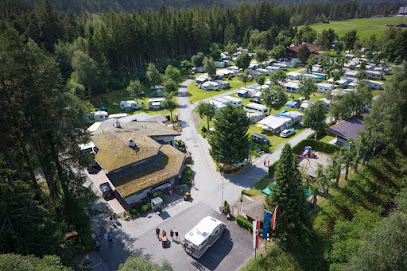
Experience the best of the Austrian Alps at Camping Ötztal Längenfeld: Comfort, convenience, and stunning natural beauty.
Winkelbergsee
2.2 km
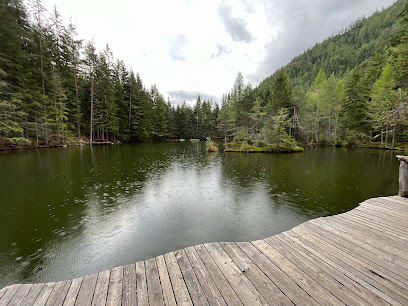
Discover Winkelbergsee: a stunning Austrian lake with crystal-clear waters, geological trails, and family-friendly fun in the heart of the Ötztal Valley.
Ötztal Tourismus - Information Längenfeld
2.4 km
Your adventure in the Ötztal Valley begins here! Get local tips, maps & info at the Längenfeld Tourist Information Center.
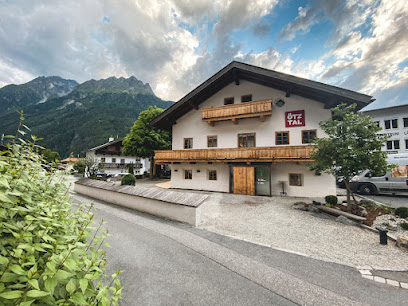
Hotel Tauferberg
4.6 km
Experience Tyrolean hospitality at Hotel Tauferberg in Niederthai, surrounded by stunning alpine scenery and offering year-round outdoor adventures.

Klettersteig Stuibenfall
4.8 km
Experience the thrill of climbing alongside Tyrol's largest waterfall on the Klettersteig Stuibenfall via ferrata in Umhausen, Austria.
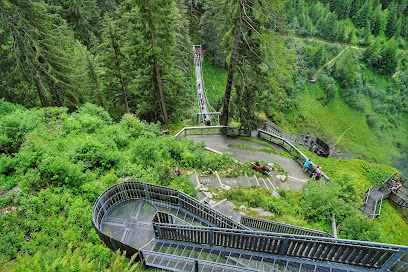
Explorer Hotel Ötztal
6.1 km
Modern, eco-conscious hotel in the heart of the Ötztal Alps, perfect for outdoor adventures and exploring Tyrolean culture.
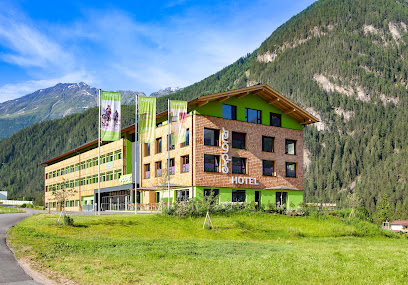
Erlanger Hütte
10.0 km
Experience Tyrolean hospitality at this high-alpine hut near Wettersee lake, a perfect base for exploring the Ötztal Alps.
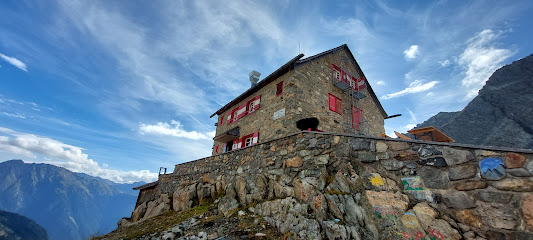
Marias Alm
12.1 km
Experience Tyrolean charm at Marias Alm: panoramic views, traditional cuisine, and warm hospitality high above Sölden in the Ötztal Valley.
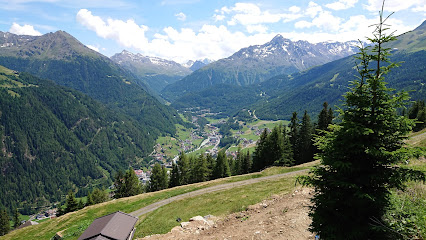
Giggijochbahn Bergstation
12.4 km
Ascend to panoramic views and alpine adventures at the Giggijochbahn Bergstation in Sölden, your gateway to the Ötztal Alps.
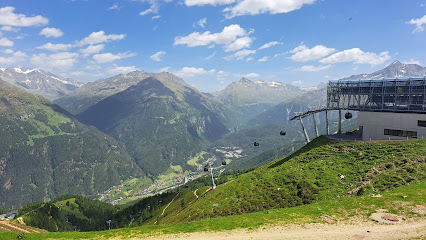
Wellerbrücke
12.5 km
Experience the power of Alpine waters at Wellerbrücke, a historic bridge offering stunning views of the Ötztaler Ache and its thrilling rapids.
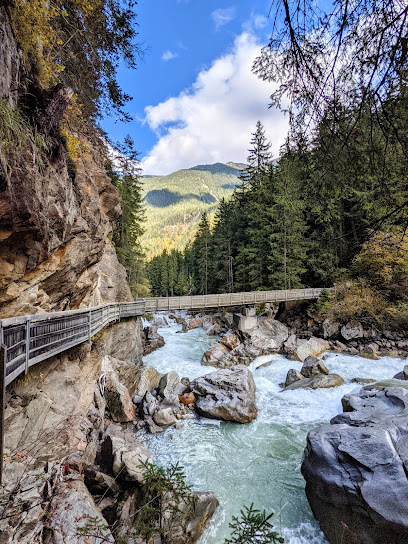
Restaurant on Piburger lake
12.9 km
Lakeside dining at Piburger See: Fresh cuisine, stunning views, and Tyrolean charm in the heart of the Ötztal Alps.
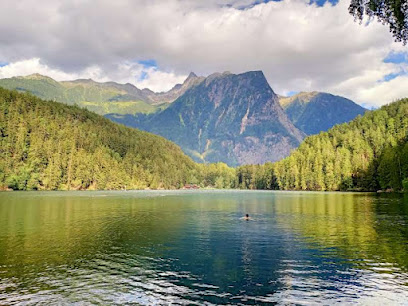
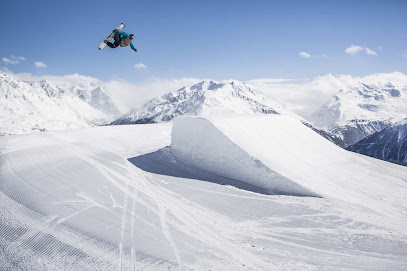
Area 47 Snowpark Sölden
13.0 km
Europe's top freestyle destination in the Austrian Alps, with features for all skill levels and stunning mountain views.
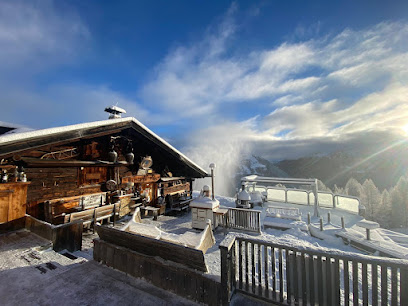
Almwirtschaft Gampe Thaya
13.2 km
Experience Tyrolean tradition at Almwirtschaft Gampe Thaya: regional cuisine, stunning views, and alpine hospitality high in the Ötztal Alps.
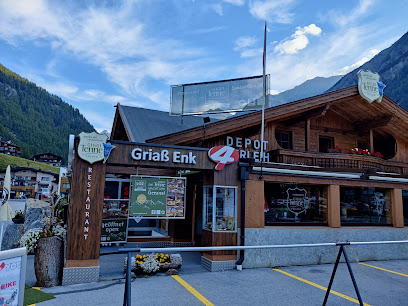
GIGGI Tenne
13.3 km
Experience authentic Tyrolean cuisine and warm hospitality at GIGGI Tenne in Sölden, a cozy restaurant near the Giggijochbahn, perfect for skiers, hikers, and food enthusiasts.
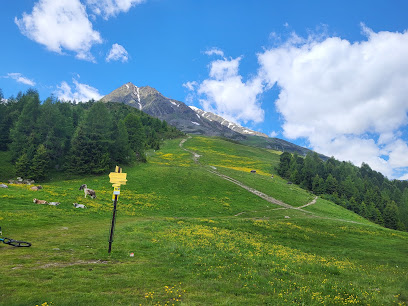
Bikepark Bike Republik Sölden
13.3 km
Experience the ultimate mountain biking adventure in the Austrian Alps, with trails for all skill levels and a vibrant community atmosphere.
Unmissable attractions to see

Adlerblick
1.7 km
Experience the breathtaking beauty of Adlerblick in Dorf, a scenic tourist attraction offering stunning views and tranquil nature.
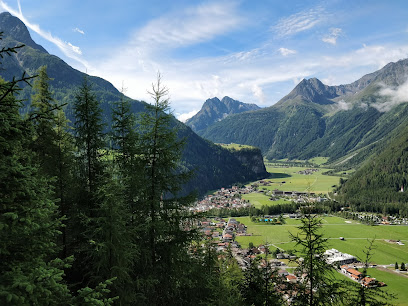
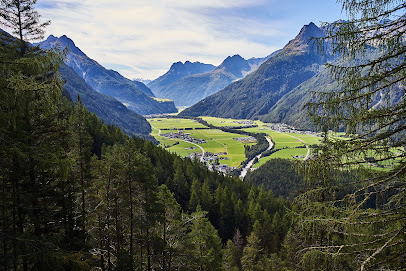
Otztal
2.0 km
Explore Ötztal Ravine: A breathtaking natural wonder in the Austrian Alps, perfect for adventure and tranquility.
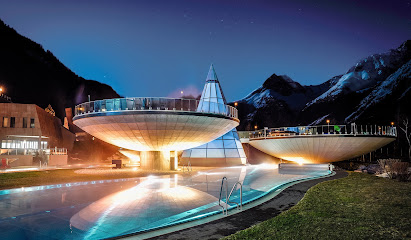
Aqua Dome
2.2 km
Experience futuristic relaxation amidst the Alps at Aqua Dome, a premier thermal spa in Austria's Ötztal Valley.
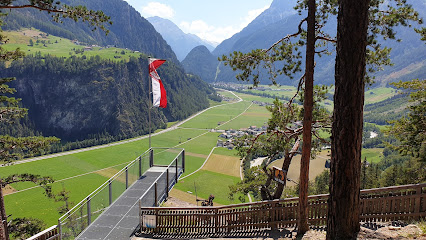
Teufelskanzel
2.2 km
Experience the stunning views and exhilarating hikes at Teufelskanzel in the Ötztal region, a must-visit destination for nature lovers and adventurers.
Naturpark Haus Längenfeld
2.8 km
Explore the natural wonders and cultural heritage of the Ötztal Valley at Naturpark Haus Längenfeld, a must-visit natural history museum for all travelers.
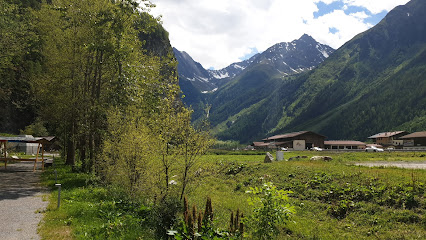
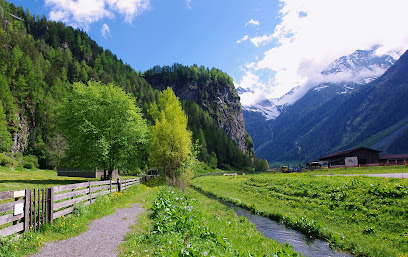
Naturpark Ötztal
2.8 km
Experience the breathtaking beauty and diverse wildlife of Naturpark Ötztal, a paradise for hikers and nature lovers in Austria.
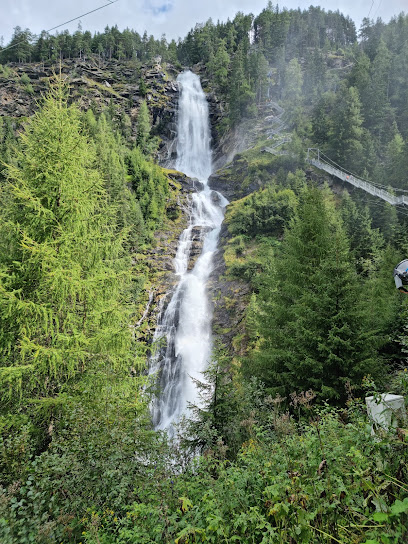
Stuibenfall
4.7 km
Discover the stunning Stuibenfall Waterfall in the Ötztal Valley, Austria – a breathtaking natural attraction perfect for hiking and exploring the great outdoors.
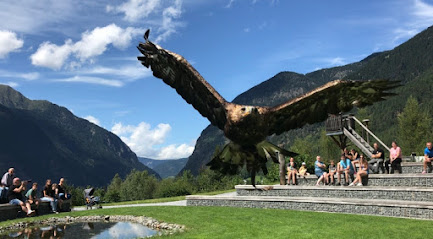
Greifvogelpark Umhausen
5.3 km
Discover the breathtaking world of birds of prey at Greifvogelpark Umhausen, a unique wildlife park in Austria's Ötztal Valley.
Ötzi-Dorf - archäologischer Freilichtpark
5.3 km
Discover the prehistoric lifestyle at Ötzi-Dorf, an open-air archaeological museum in the stunning Ötztal Valley.
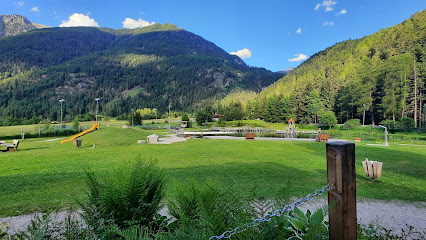
Ötztaler Sagenweg
5.6 km
Explore the Ötztaler Sagenweg, a scenic trail rich in local legends and stunning alpine vistas, perfect for adventurers and culture enthusiasts alike.
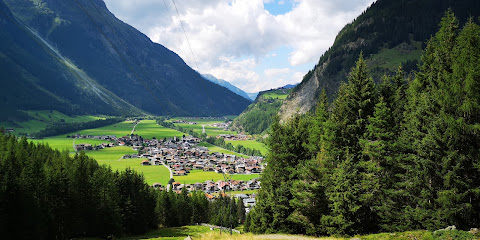
Atterbach Wasserfall
10.5 km
Explore the stunning Atterbach Wasserfall, a scenic hiking area in Austria, perfect for nature lovers and photography enthusiasts.
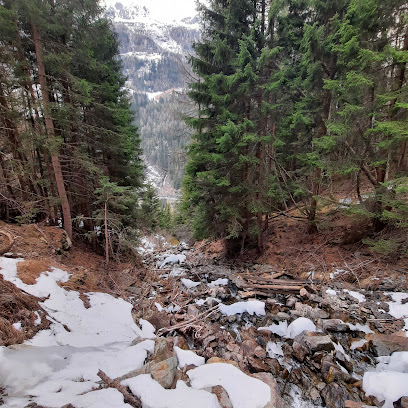
Habicher See
11.7 km
Explore the breathtaking landscapes and tranquil waters of Habicher See, the perfect hiking destination in Austria's Ötztal Valley.
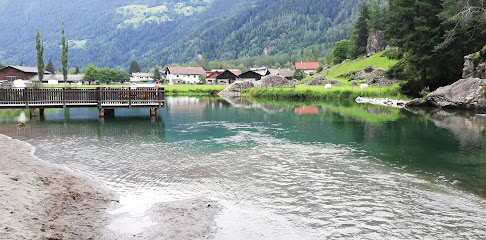
Rotkogel Bergstation
12.1 km
Discover the breathtaking beauty of Rotkogel Bergstation in the Ötztal Alps, offering stunning views and thrilling outdoor activities.
Hochsölden
12.3 km
Explore Hochsölden, the scenic alpine village in Austria, offering thrilling skiing, breathtaking hikes, and delightful culinary experiences.
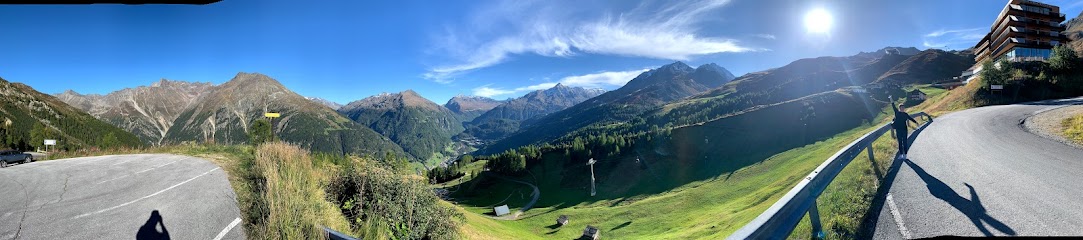
WIDIVERSUM HOCHOETZ
13.2 km
Discover the breathtaking views and thrilling adventures at WIDIVERSUM HOCHOETZ, your gateway to the majestic Ötztal Alps.
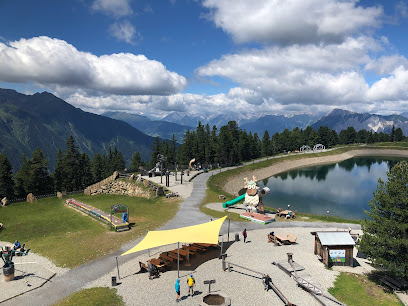
Essential places to dine

Die Sünderalm
2.0 km
Experience authentic Austrian flavors at Die Sünderalm in Unterlängenfeld—where tradition meets taste in a cozy setting.
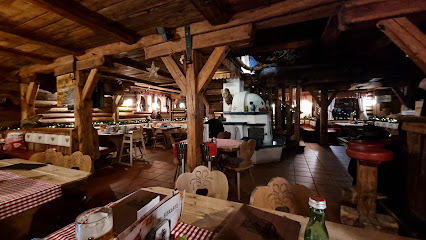
Jausenstation Wiesle
3.4 km
Discover authentic Tyrolean flavors at Jausenstation Wiesle in Ötztal Valley – where local ingredients meet breathtaking mountain views.
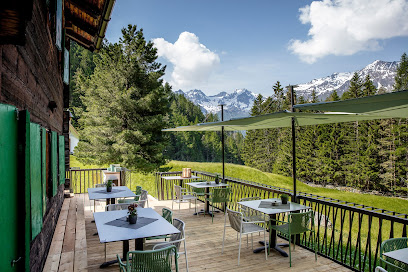
Waldcafé Stuböbele
5.0 km
Discover culinary delights amidst breathtaking nature at Waldcafé Stuböbele in Umhausen.
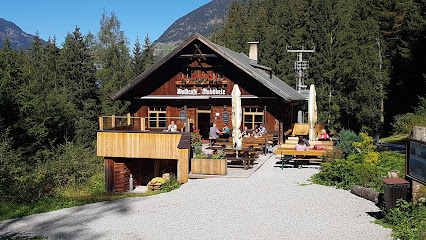
Kneipp-Häusl
5.3 km
Experience authentic Tyrolean cuisine in a cozy atmosphere at Kneipp-Häusl, located in beautiful Umhausen amidst stunning alpine views.
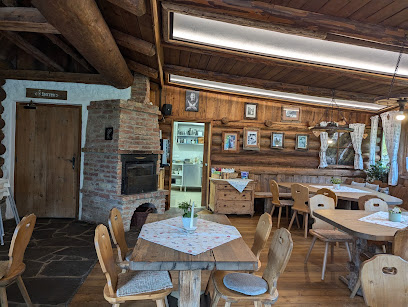
Måhlzeit Restaurant
5.8 km
Experience authentic Tyrolean cuisine at Måhlzeit Restaurant in Huben, where local flavors meet warm hospitality amidst stunning Alpine scenery.
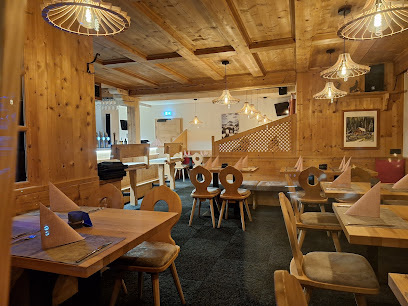
Gasthof Krone Umhausen e.U.
6.3 km
Experience authentic Austrian cuisine at Gasthof Krone Umhausen - where tradition meets flavor in an idyllic setting.
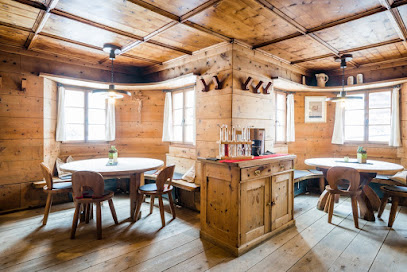
Ötztalerei Café - Burgerbar - Eiswerkstatt
6.3 km
Experience gourmet burgers, artisan ice cream, and delightful pastries at Ötztalerei Café in Umhausen – A culinary treasure in the heart of Ötztal valley.
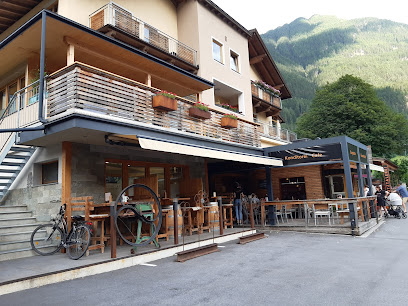
Gasthof Andreas Hofer
6.3 km
Experience authentic Austrian cuisine at Gasthof Andreas Hofer in Umhausen – where tradition meets flavor in a stunning alpine setting.
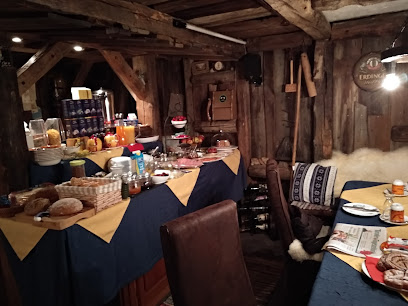
Alpengasthof am Feuerstein
7.2 km
Experience authentic Austrian cuisine amidst breathtaking mountain views at Alpengasthof am Feuerstein - your perfect alpine getaway.
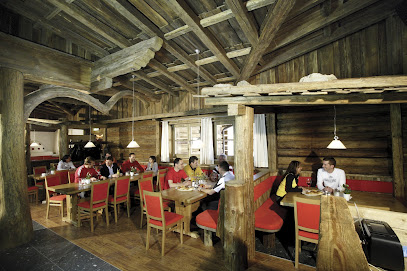
Wirtshaus am Giggijoch
12.1 km
Experience authentic Austrian cuisine with stunning alpine views at Wirtshaus am Giggijoch in Sölden.
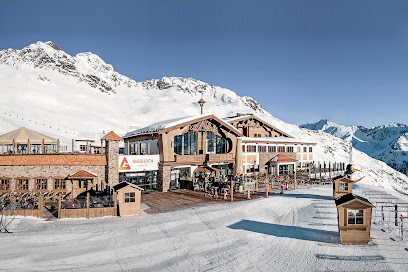
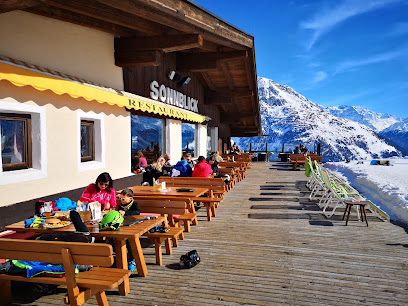
Sonnblick
12.4 km
Experience authentic Austrian cuisine amid breathtaking alpine views at Sonnblick in the Ötztal region.
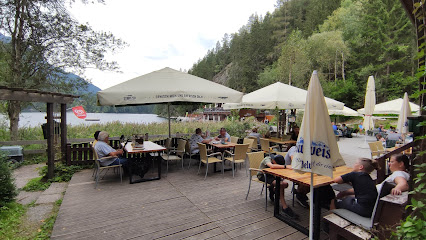
Gasthaus Seehäusl
12.8 km
Experience authentic Austrian cuisine amidst breathtaking natural landscapes at Gasthaus Seehäusl near Piburger See.
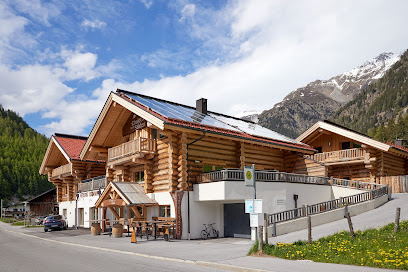
Restaurant Ad Vinum
12.9 km
Experience the pinnacle of fine dining at Restaurant Ad Vinum in Sölden – where creativity meets culinary excellence in an unforgettable setting.
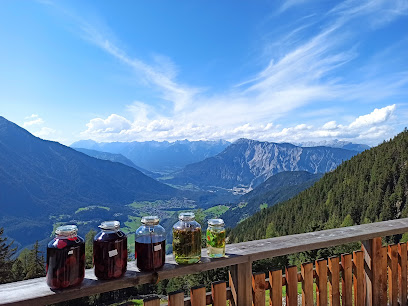
Acherberg Alm
13.0 km
Experience authentic Tyrolean cuisine at Acherberg Alm, where every meal is paired with breathtaking mountain views in Ötztal.
Rotkogelhütte
13.2 km
Experience authentic Austrian dining at Rotkogelhütte in the heart of Ötztal Alps with breathtaking views and delicious local dishes.
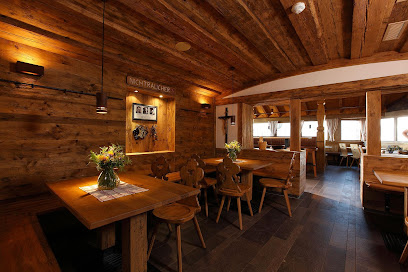
Markets, malls and hidden boutiques

Hofkäserei im Gsteide
0.8 km
Explore Hofkäserei im Gsteide, a charming cheese shop in the Ötztal, where local flavors and artisanal craftsmanship come together for an unforgettable tasting experience.
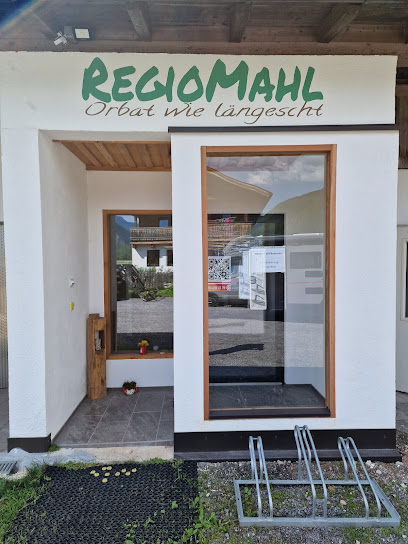
Ötztal Bäck
1.9 km
Experience the delightful flavors of traditional Austrian pastries and breads at Ötztal Bäck in Unterlängenfeld.
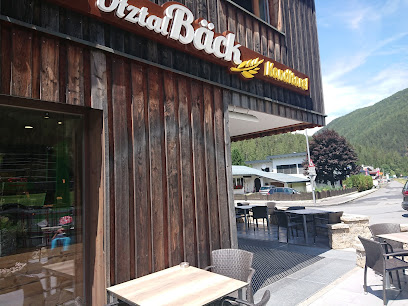
Klettershop Alpintreff
2.2 km
Explore the Austrian Alps with confidence and style from Klettershop Alpintreff, your trusted source for outdoor gear and adventure planning.
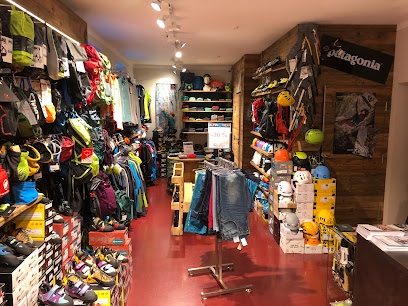
SPAR Supermarkt Längenfeld
2.5 km
Discover local flavors and fresh produce at SPAR Supermarkt Längenfeld, your go-to supermarket for quality groceries in Oberlängenfeld.

Riml Sports Langenfeld
2.5 km
Explore the Ötztal Alps with Riml Sports Langenfeld for all your skiing and biking needs, ensuring an unforgettable alpine adventure.
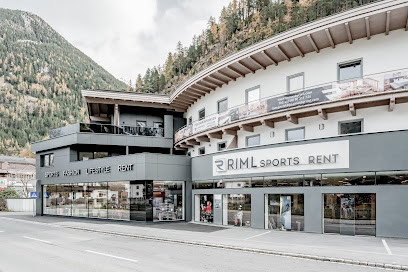
Natur Camping Kuprian Ötztal
5.8 km
Explore the breathtaking Ötztal Valley at Natur Camping Kuprian, where nature meets comfort in a serene camping experience.
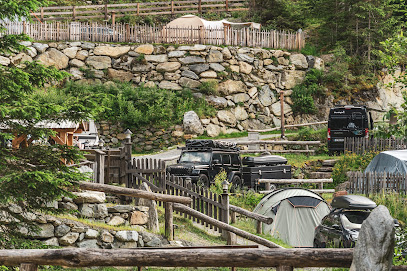
MYALPS Ötztal
6.1 km
Experience the serene beauty of MYALPS Ötztal – your perfect holiday apartment rental in the heart of the stunning Ötztal Valley.
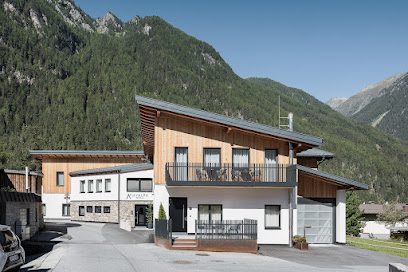
Ötztaler Schafwollzentrum - Regensburger GmbH
6.6 km
Explore the enchanting world of wool crafting at Ötztaler Schafwollzentrum, a unique destination in Tyrol showcasing exquisite textile artistry.
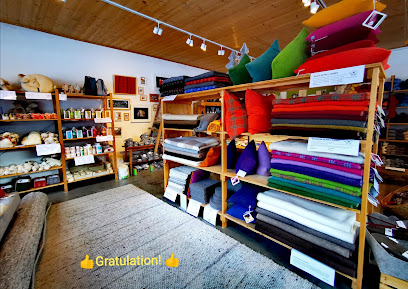
Seifenmanufaktur Neururer GmbH
7.3 km
Explore the enchanting world of handmade soaps and natural cosmetics at Seifenmanufaktur Neururer GmbH in Umhausen, Tirol.
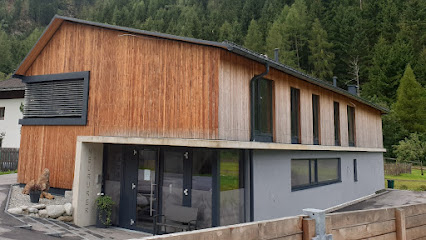
Sport B. Riml GmbH - Filiale CHECK IN
13.3 km
Discover outstanding ski rentals and sporting goods at Sport B. Riml GmbH in Sölden, the perfect place for adventure lovers in the Ötztal Alps.
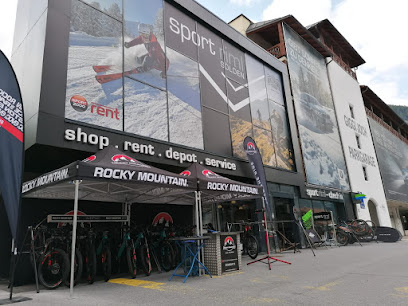
Sport4You Sölden (Shop Giggijoch)
13.3 km
Discover the ultimate sporting goods store in Sölden for ski rentals and sportswear, ensuring your adventure in the Ötztal Alps is unforgettable.
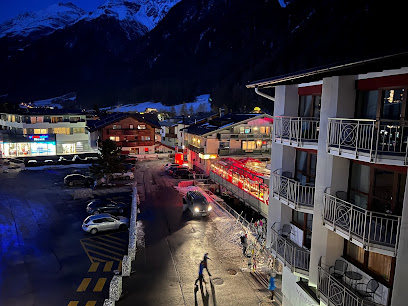
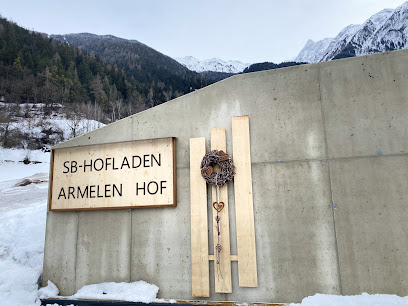
Armelen Hof Hofladen
13.4 km
Explore Armelen Hof Hofladen in Oetz for authentic local produce and a taste of Tyrolean culture amidst stunning alpine scenery.
SPAR
13.5 km
Discover the best of Tyrolean grocery shopping at SPAR in Oetz: fresh produce, local specialties, and a friendly atmosphere await you.
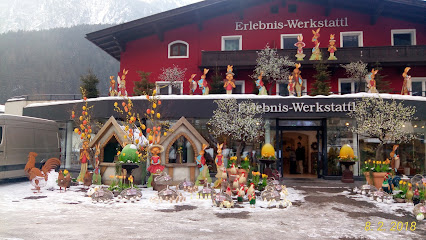
SunUp Sports Sölden Zentrum
13.5 km
Experience the thrill of skiing with expert rental services at SunUp Sports Sölden Zentrum, your gateway to the Alps.
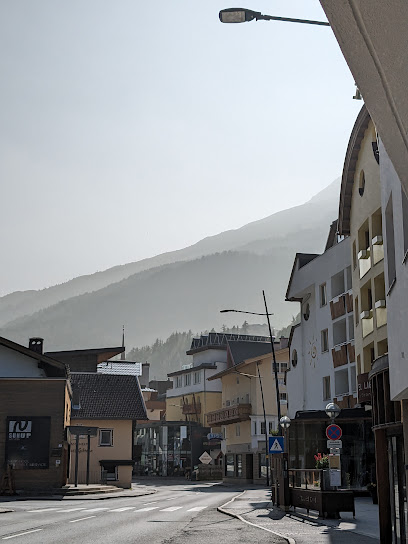
Bogner Store Sölden
13.5 km
Discover the Bogner Store in Sölden for premium sportswear and stylish outdoor gear, perfect for your alpine adventures in the Austrian Alps.
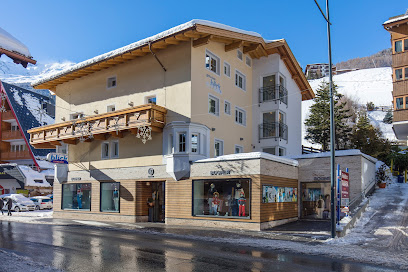
Essential bars & hidden hideouts

Naturhotel Waldklause
2.0 km
Discover the perfect blend of luxury and nature at Naturhotel Waldklause, an eco-friendly retreat in the stunning Ötztal Valley.
Gasthaus Wurzbergalm
3.0 km
Discover the charm of Gasthaus Wurzbergalm, a mountain pub offering local cuisine, stunning views, and a welcoming atmosphere in the Ötztal Valley.
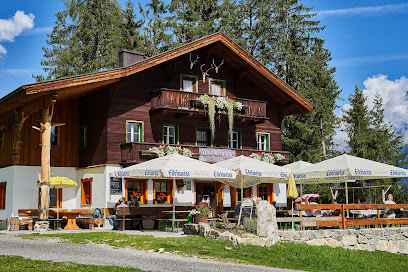
Alpengasthof Köfels
4.5 km
Discover comfort and tranquility at Alpengasthof Köfels, your gateway to the stunning Ötztal Valley in Austria, perfect for nature lovers and adventure seekers.
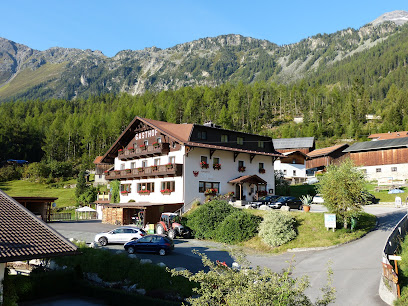
PEPPAS PUB
5.4 km
Discover the vibrant culinary scene at Peppas Pub in Huben, where mouthwatering pizzas and a lively bar atmosphere await every visitor.
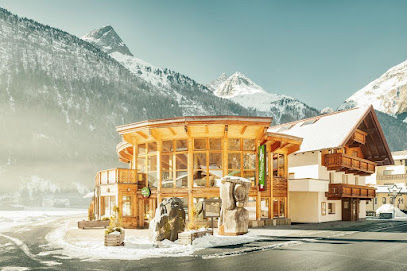
Nisslalm
6.1 km
Experience authentic Tyrolean cuisine at Nisslalm, a cozy restaurant in Gries im Sulztal, offering delightful dishes and stunning mountain views.
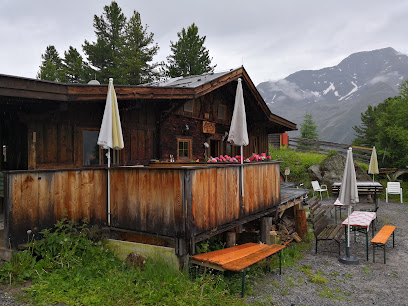
Botanik Bar & Bistro
6.2 km
Experience the perfect blend of modern ambiance and local charm at Botanik Bar & Bistro in the scenic Ötztal valley.
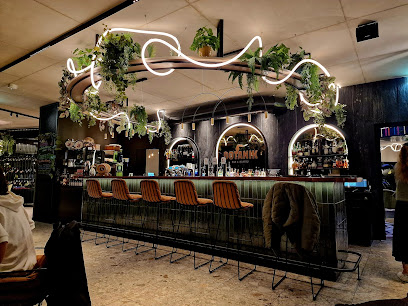
Eugen's Obstlerhutte
12.6 km
Experience the flavors of Austria in a breathtaking alpine setting at Eugen's Obstlerhutte, a must-visit culinary haven in Sölden.
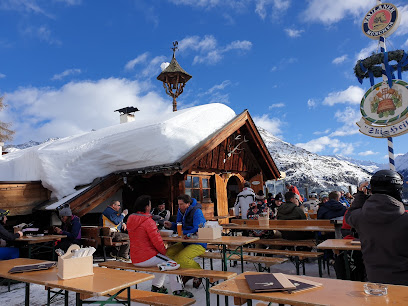
Kuckuck
13.4 km
Experience the warmth of Austrian hospitality at Kuckuck, a charming bar in Sölden, perfect for unwinding after a day of adventure.
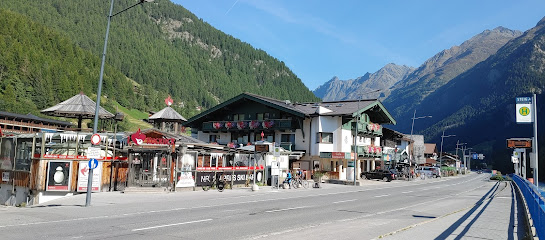
Almrausch
13.4 km
Discover Almrausch, the ultimate après-ski bar in Sölden, Austria, where vibrant atmosphere meets delicious drinks and unforgettable memories.
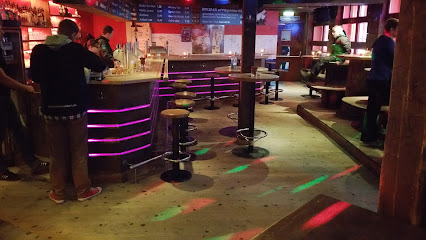
Schirmbar Sölden
13.4 km
Experience the vibrant après-ski culture at Schirmbar Sölden, where stunning views, great drinks, and lively music create unforgettable memories.
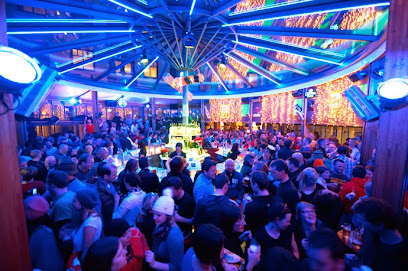
Weinfassl
13.5 km
Discover Weinfassl in Sölden, where a cozy atmosphere meets an extensive selection of drinks, perfect for unwinding after your alpine adventures.
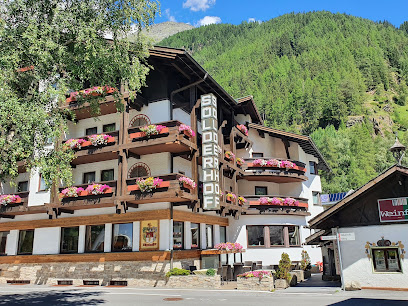
Grizzly Bar
13.6 km
Discover the cozy charm of Grizzly Bar in Soelden, where great drinks and a warm atmosphere await you after your alpine adventures.
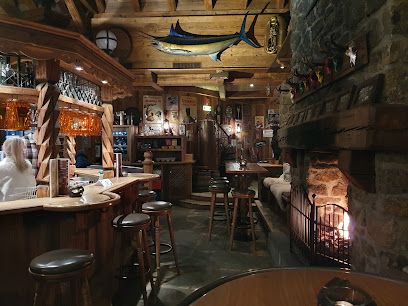
Marco's
13.7 km
Experience the heart of Sölden at Marco's, a cozy bar & grill offering vibrant flavors and a welcoming atmosphere in the Ötztal Alps.
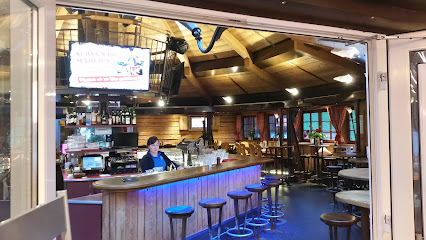
Restaurant zum Kassl
13.7 km
Experience the charm of Austrian cuisine at Restaurant zum Kassl in Oetz, where delicious flavors meet a warm, welcoming atmosphere.
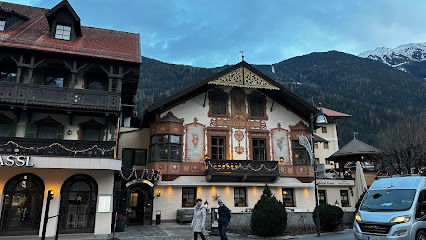
Posthotel Kassl
13.7 km
Experience luxury and tranquility at Posthotel Kassl, a wellness retreat nestled in the scenic Oetz Valley, surrounded by the majestic Tyrolean Alps.
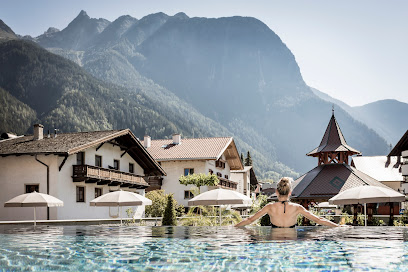
Nightclubs & after hour spots

Andy Hasenhütte
13.4 km
Discover the energetic nightlife at Andy Hasenhütte, a top night club in Sölden, Austria, where music and fun collide in the heart of the Alps.
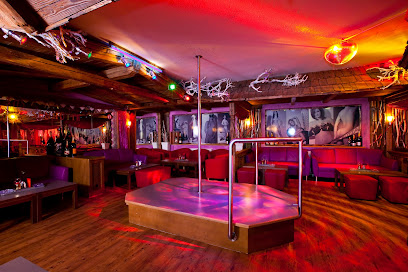
Gebrüder Scheiring OHG - Disco-Pub Hinterher
13.4 km
Discover the lively nightlife at Gebrüder Scheiring OHG - Disco-Pub Hinterher, where the fun never stops in the heart of Sölden.
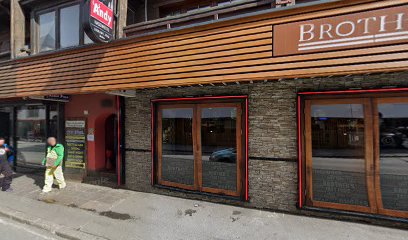
Katapult Sölden
13.5 km
Discover the best nightlife in Sölden at Katapult, the ultimate disco club for thrilling parties and unforgettable memories in the heart of the Alps.
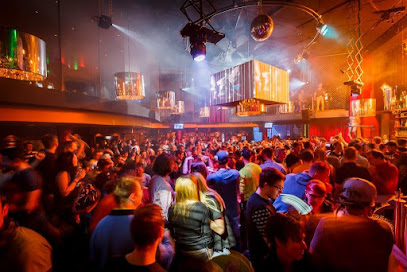
Red Table - Nightclub
13.8 km
Experience the electrifying nightlife at Red Table Nightclub in Sölden, Austria, where music and dance come alive in a stylish atmosphere.

Rodelhütte
14.5 km
Discover the vibrant nightlife of Rodelhütte in Sölden, an energetic night club offering dancing, drinks, and unforgettable entertainment for tourists.
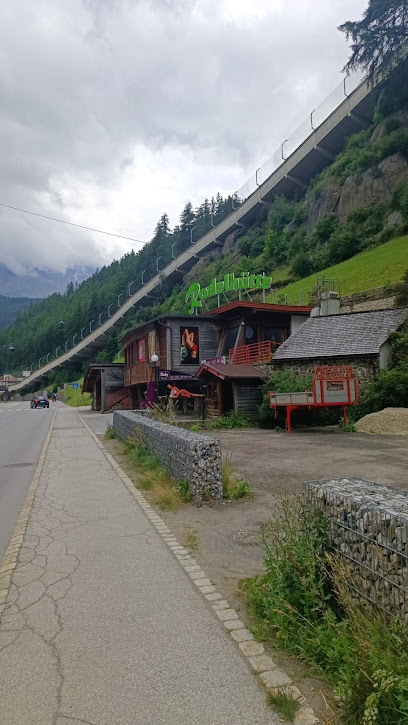
Bunnyhouse
21.8 km
Experience the electrifying nightlife at Bunnyhouse, Imst's top night club, where unforgettable dance and vibrant energy await every visitor.
Saubuam Bar
23.2 km
Experience the vibrant nightlife at Saubuam Bar in Rietz, where music, dancing, and great company come together for an unforgettable evening.
Rumpl-Disco-Bar
27.5 km
Discover the ultimate nightlife experience at Rumpl-Disco-Bar in Neustift im Stubaital, where vibrant music and a lively atmosphere await.
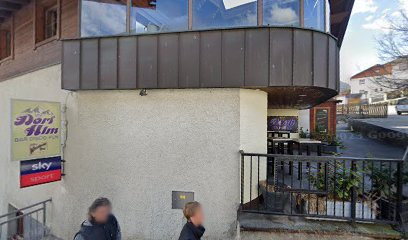
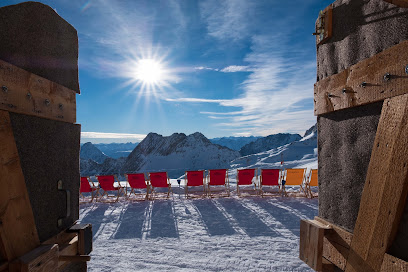
Iglu-Dorf - Zugspitze
36.6 km
Discover the enchanting Iglu-Dorf in Zugspitze, an extraordinary ice hotel and bar offering breathtaking views and unique alpine experiences.
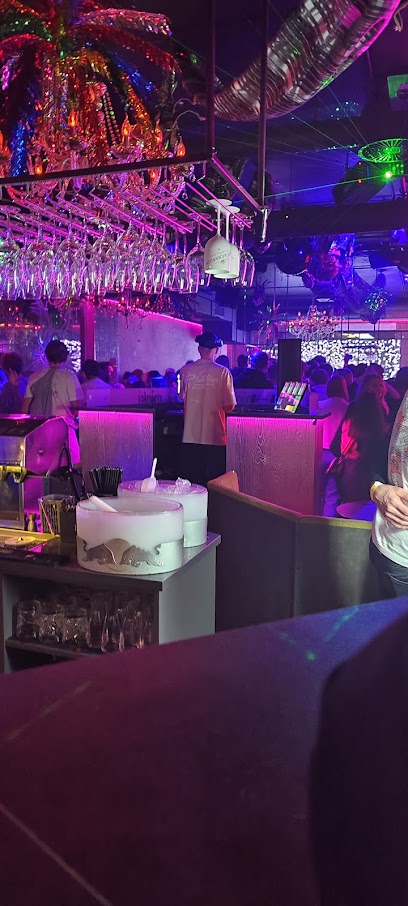
Minki innsbruck
39.1 km
Experience the vibrant nightlife of Innsbruck at Minki, where music, dance, and unforgettable moments await you.
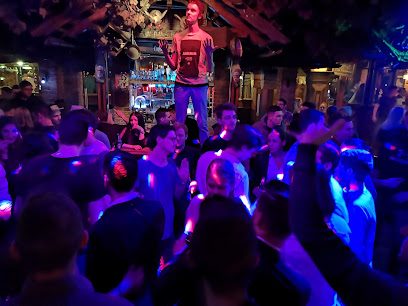
Mausefalle
39.2 km
Experience the vibrant nightlife of Innsbruck at Mausefalle, a premier night club where music and energy collide for an unforgettable evening.
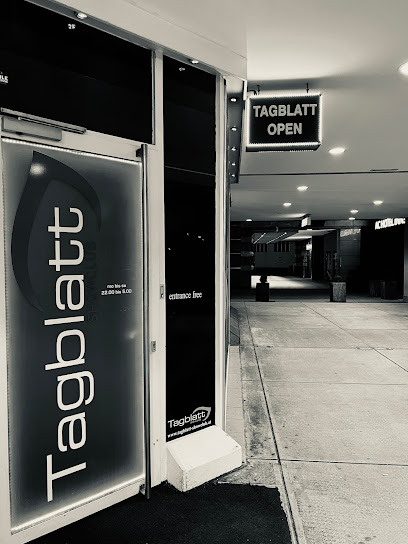
Tagblatt Tabledance
39.4 km
Discover the electrifying nightlife of Innsbruck at Tagblatt Tabledance, where entertainment meets excitement in a lively atmosphere.
Bacchus Innsbruck
39.4 km
Discover the energetic nightlife of Innsbruck at Bacchus, the ultimate disco club and bar experience in the heart of the city.
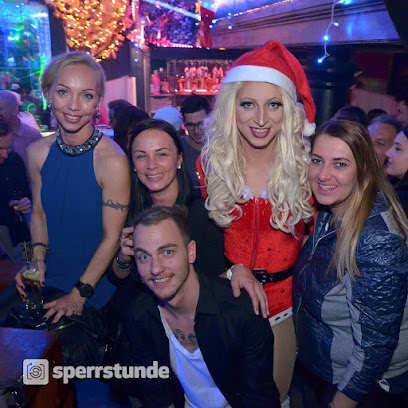
Maxim
39.5 km
Experience the vibrant nightlife of Innsbruck at Maxim, a lively night club known for its electrifying ambiance and affordable prices.
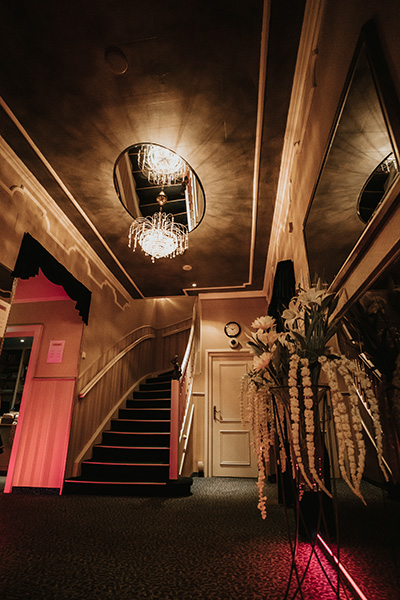
Blue Chip
39.6 km
Discover the vibrant nightlife at Blue Chip, Innsbruck's premier night club, where music, energy, and unforgettable experiences await.