
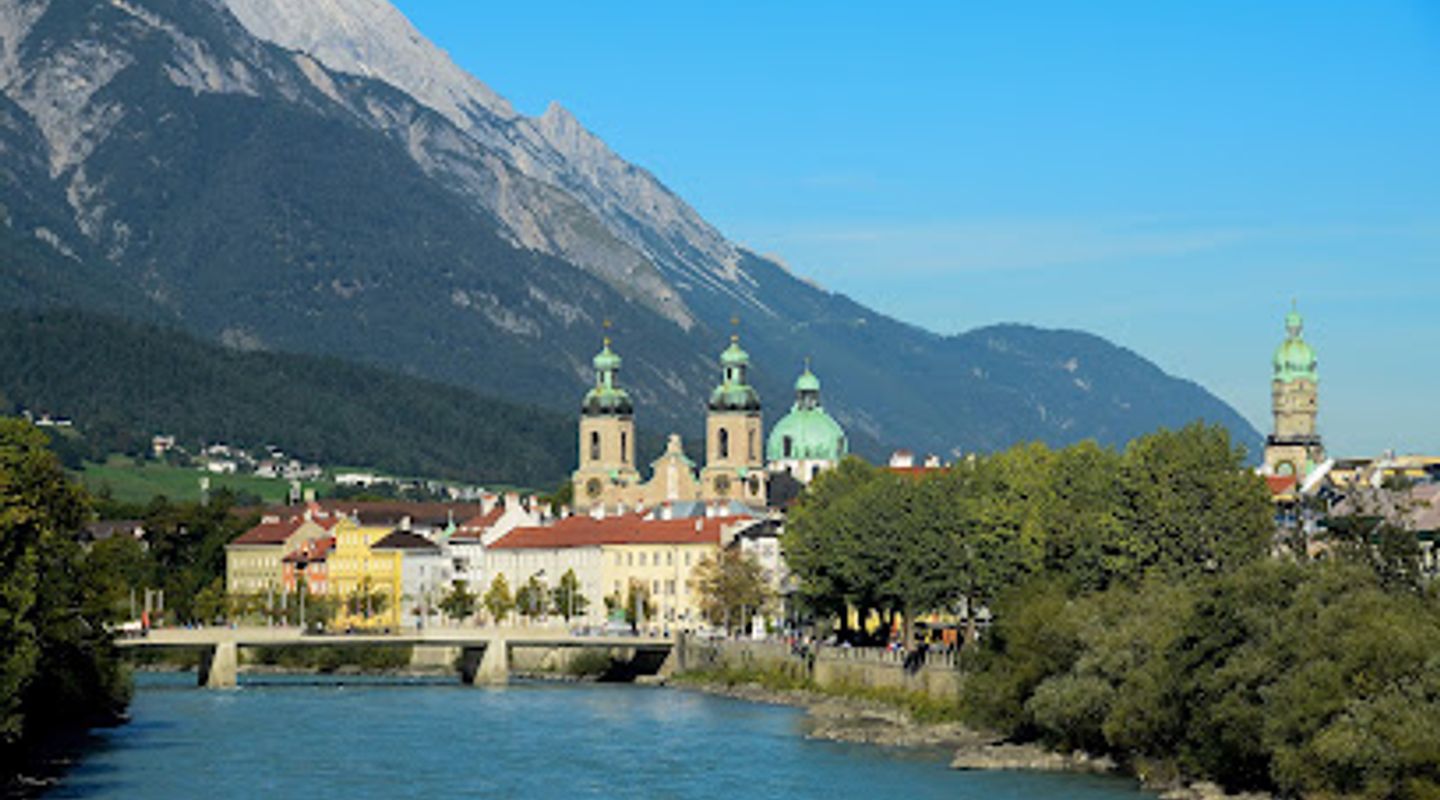
Dom St. Jakob, Tyrol Travel Guide
Discover Dom St. Jakob, Innsbruck's iconic Baroque cathedral: a masterpiece of art, history, and faith in the heart of the Alps, home to stunning frescoes and the revered Maria Hilf painting.
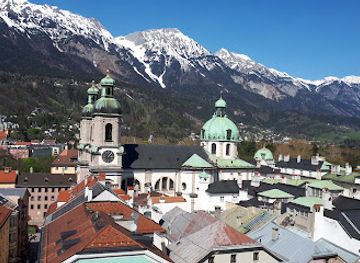
Dom St. Jakob, also known as Innsbruck Cathedral, is a stunning example of Baroque architecture located in the heart of Innsbruck's Old Town. Built between 1717 and 1724, it replaced a 12th-century Romanesque church and stands as a testament to the city's rich history and artistic heritage. The cathedral is renowned for its impressive dome, twin towers, and lavish interior, featuring frescoes by Cosmas Damian Asam, stucco work by Egid Quirin Asam, and the revered painting "Maria Hilf" (Mary of Succor) by Lucas Cranach the Elder. A visit to Dom St. Jakob offers a glimpse into Innsbruck's spiritual and cultural heart, making it a must-see attraction for any traveler exploring the region. Its location near other landmarks like the Golden Roof and Hofburg Palace makes it an easy and worthwhile addition to any Innsbruck itinerary, offering a serene escape amidst the bustling city center.
A brief summary to Dom St. Jakob
- Dompl. 6, Innsbruck, Innenstadt, 6020, AT
- Click to display
- Click to display

Know before you go
Hi, I'm Eve. Here are a few practical things to know before exploring Dom St. Jakob.
- Visit during a weekday morning to avoid the largest crowds and experience a more peaceful atmosphere.
- Attend a Sunday mass to witness the cathedral in full spiritual vibrancy (Sundays at 10:00 am and 11:30 am).
- Take time to admire the "Maria Hilf" painting by Lucas Cranach the Elder, a masterpiece of Alpine art.
- Listen for the Innsbruck peace bells, which ring out daily at 12:12 pm from the cathedral's northern tower.
- Explore the surrounding Old Town, with its charming cafes, shops, and other historical landmarks like the Golden Roof.
Do you manage this location?
Take control to get all the benefits, like improved information, better appearance, and stronger visibility across AI-powered discovery. Learn more about listing your business on Evendo
Activate your presenceOther nearby places you may find interesting
The closest places of the same kind, if this one is not quite what you had in mind.

Explore Dom St. Jakob on the Map
A handpicked selection of must-see spots near Dom St. Jakob, mapped for you.
Getting There
-
Walking
Dom St. Jakob is centrally located in Innsbruck's Old Town and is easily accessible on foot from most central locations. From the Golden Roof, walk south along Hofgasse, then turn left onto Domplatz. The cathedral will be directly ahead. From Maria-Theresien-Straße, walk east towards the Old Town, crossing the Inn River via the Innbrücke (Inn Bridge), then continue straight to Domplatz. No costs are associated with walking.
-
Public Transport
If arriving by public transport, the closest stops are Anichstraße/Rathaus Galerien, served by several tram and bus lines. From the stop, walk east towards the Old Town, following Anichstraße, then turn right onto Domplatz. The cathedral will be on your left. A single ticket for Innsbruck's public transport costs approximately €2.50.
-
Taxi/Ride-Share
Taxis and ride-sharing services are readily available in Innsbruck. A short ride from the main train station (Hauptbahnhof) or other locations in the city center to Dom St. Jakob will typically cost between €8 and €12, depending on traffic and distance.
-
Driving
If driving, be aware that Dom St. Jakob is located in a pedestrian zone with limited parking. The closest parking garages are Altstadtgarage (Innrain 4) and Congress Garage Innsbruck (Rennweg 3). Hourly parking rates at these garages range from €3.00 to €3.20, with daily maximums around €19.00. Consider parking at a garage further from the city center and walking or taking public transport for the final leg of the journey.
Discover more about Dom St. Jakob













Your all‑in‑one travel companion app
Explore expert travel guides, compare and book tours, experiences, hotels, and more—all from the palm of your hand. Download now for seamless trip planning wherever your wanderlust takes you.


Explore More of Tyrol
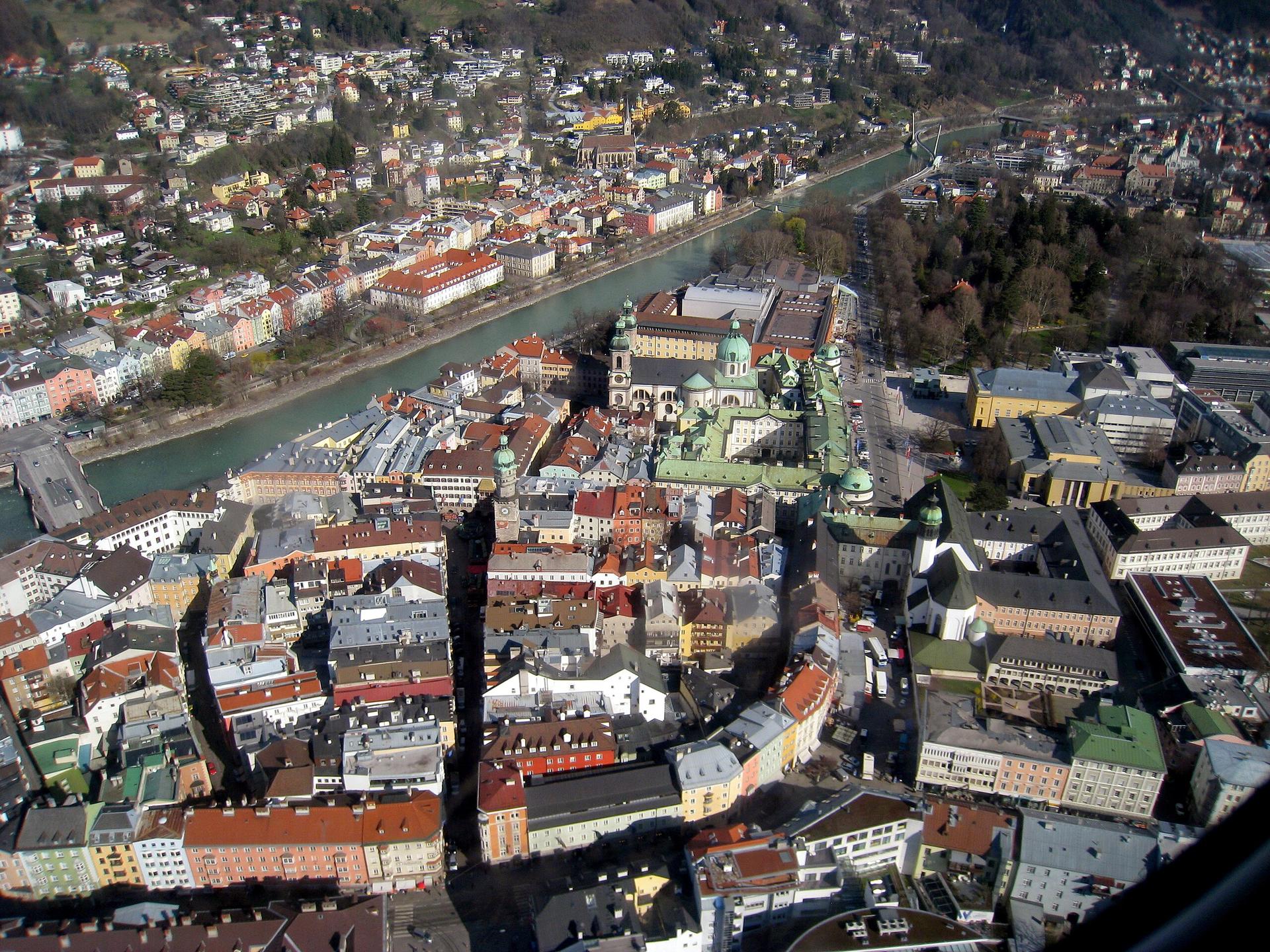
Looking beyond Dom St. Jakob? Discover Tyrol for broader travel guides, local hot-spots, and regional highlights.
Explore Tyrol