

Tyrol, Austria Travel Guide
Discover Tyrol: Austria's alpine gem offering year-round adventure, stunning landscapes, and rich cultural experiences in the heart of the Alps.
Tyrol, nestled in the heart of the Austrian Alps, is a haven for nature lovers and adventure seekers alike. The region is renowned for its stunning mountain landscapes, offering visitors an array of outdoor activities year-round. In winter, Tyrol transforms into a snowy paradise, perfect for skiing, snowboarding, and snowshoeing. The ski resorts, such as Kitzbühel and St. Anton am Arlberg, are world-class, providing slopes for all skill levels and charming alpine villages to explore. During the summer months, the region's lush green valleys and majestic peaks become a playground for hikers, climbers, and mountain bikers. The scenic trails range from easy walks suitable for families to challenging routes for experienced adventurers. The crystal-clear lakes and rivers also offer opportunities for swimming, fishing, and kayaking. Tyrol's natural beauty is complemented by its rich cultural heritage. The capital, Innsbruck, is a blend of modern urban life and historic charm, featuring landmarks like the Golden Roof and the Imperial Palace. Tyrolean culture is deeply rooted in traditions, and visitors can experience this through local festivals, music, and cuisine. The region is famous for its hearty dishes, such as Tiroler Gröstl and Kaiserschmarrn, which are best enjoyed in cozy mountain huts or traditional restaurants. Whether you're seeking adrenaline-pumping activities or a peaceful retreat in nature, Tyrol offers a unique and unforgettable travel experience.

Know before you go
Hi, I'm Eve. Here are a few practical things to know before exploring Tyrol.
- Visit during the shoulder seasons (spring and autumn) to avoid crowds and enjoy milder weather.
- Consider purchasing the Tirol Card for discounts on attractions, public transport, and mountain lifts.
- Try local dishes at a traditional 'Gasthaus' for an authentic Tyrolean culinary experience.
- Pack layers and waterproof clothing, as mountain weather can change rapidly.
- Explore Innsbruck's old town on foot to fully appreciate its historic charm and architecture.
Top City Travel Guides in Tyrol
The cities of Tyrol, and the easiest places to base yourself.


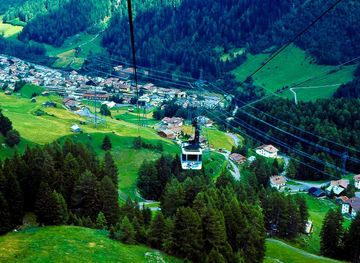
Destinations in Tyrol
Resorts, valleys and scenic spots worth a trip of their own.


Explore Tyrol: Things to Do, Places to Eat, Hotels & More
Handpicked recommendations for top attractions, local dining, accommodations, and more

Top Attractions & Sightseeing in Tyrol
Top-rated picks
Best Attractions

Linderhof Palace
Explore the opulent Linderhof Palace, a stunning testament to King Ludwig II's vision, set against the enchanting backdrop of the Bavarian Alps.

Neues Schloss Herrenchiemsee
Experience the grandeur of Neues Schloss Herrenchiemsee, a magnificent castle inspired by Versailles, set on the idyllic Herreninsel island.

Zugspitze
Discover Zugspitze, Germany's highest peak, where stunning views and thrilling outdoor activities await in the heart of the Bavarian Alps.

Chiemsee-shipping Ludwig Feßler KG
Explore the stunning Chiemsee lake with Chiemsee-shipping Ludwig Feßler KG, your gateway to Bavaria's breathtaking islands and rich history.

Best landmarks in Tyrol
Top-rated picks
Best Landmarks

Highline179
Experience a thrilling walk through history on Highline179, the spectacular suspension bridge connecting Ehrenberg Castle and Fort Claudia in Reutte, Austria.
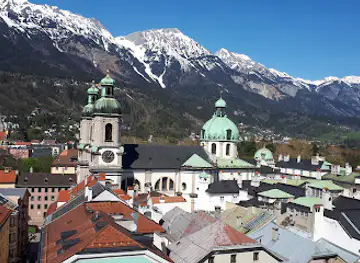
Golden Roof
Innsbruck's dazzling Golden Roof: A shimmering symbol of imperial power and architectural grandeur in the heart of the Old Town.

Kufstein Fortress
Explore Kufstein Fortress: A historic Tyrolean landmark with stunning views, a fascinating museum, and the world's largest open-air organ.
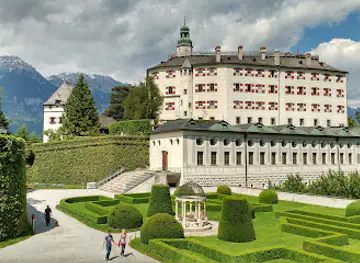
Schloss Ambras Innsbruck
Explore a Renaissance castle in Innsbruck, home to unique art collections, armories, and the world's oldest museum, Schloss Ambras.

Best restaurants in Tyrol
Top-rated picks
Best Restaurants

Berggasthaus Grander Schupf
Discover culinary excellence at Berggasthaus Grander Schupf with stunning alpine views and authentic Tyrolean cuisine.

Restaurant Südtiroler Stube
Experience the best of Tyrolean hospitality with authentic Austrian dishes at Restaurant Südtiroler Stube in Seefeld.

die Wilderin
Experience modern Austrian cuisine with local flavors at die Wilderin in Innsbruck - where tradition meets innovation.

Augustiner Keller - Goldener Engl
Discover authentic Austrian flavors at Augustiner Keller - Goldener Engl in Hall in Tirol, where tradition meets hospitality.

Best bars in Tyrol
Top-rated picks
Best Bars

Liquid Diary
Discover Liquid Diary, a vibrant bar in Innsbruck known for its lively atmosphere, extensive drink selection, and unforgettable nightlife experiences.

Tribaun
Discover Tribaun, a lively gastropub in Innsbruck, where delicious pizza meets vibrant live music for an unforgettable dining experience.

M+M Bar - die Cocktailbar in Innsbruck
Experience the vibrant nightlife and exquisite cocktail selection at M+M Bar in Innsbruck, where unforgettable memories are made.

Stollen 1930 - weltweit grösste Gin Bar
Experience Stollen 1930, the world's largest gin bar in Kufstein, offering an extensive selection, a unique atmosphere, and a touch of gin history.


Best shops in Tyrol
Top-rated picks
Best Shops

DEZ Innsbruck
Explore DEZ Innsbruck: A premier shopping mall featuring diverse shops, eateries, and a vibrant atmosphere for an unforgettable shopping experience.

Outlet Center Brenner
Discover unbeatable deals and diverse brands at Outlet Center Brenner, a shopping haven in the heart of the Italian Alps.

Sillpark
Explore Sillpark, Innsbruck's vibrant shopping mall offering diverse shops, dining options, and entertainment for an unforgettable experience.

Kaufhaus Tyrol
Explore Kaufhaus Tyrol, Innsbruck's premier shopping destination featuring top brands, local boutiques, and delightful dining options in a vibrant atmosphere.

Explore Tyrol on the Map
A handpicked selection of must-see spots in Tyrol, mapped for you.
Tyrol Essentials
-
Tyrol is well-connected by various means of transportation. The nearest major international airport is Innsbruck Airport (INN), which offers flights from several European cities. Alternatively, Munich Airport (MUC) in Germany and Zurich Airport (ZRH) in Switzerland are larger hubs that provide more international flight options and are within a reasonable travel distance. From Innsbruck, you can take a train, bus, or rent a car to reach your destination within Tyrol. The Austrian Federal Railways (ÖBB) operates trains that connect Innsbruck to various towns and cities in Tyrol.
-
Once in Tyrol, you have multiple transportation options. The region is known for its efficient public transportation system, including trains, buses, and trams. ÖBB trains connect major towns and cities, while regional buses cover more remote areas. Innsbruck also has a reliable tram network. For more flexibility, consider renting a car, especially if you plan to explore the mountainous areas. Cycling is another popular option, with many dedicated bike paths available.
-
The official currency in Austria is the Euro (EUR). Credit and debit cards are widely accepted in hotels, restaurants, and larger shops. However, it is advisable to carry some cash, especially when visiting smaller towns or rural areas where card payments might not be accepted. ATMs are readily available throughout Tyrol, and you can withdraw Euros using most international cards.
-
Tyrol is generally a very safe destination for tourists. Crime rates are low, and violent crime is rare. However, like any tourist destination, it is essential to take standard precautions. Keep an eye on your belongings, particularly in crowded areas, and avoid leaving valuables in plain sight. There are no specific high-crime areas targeting tourists, but it's always wise to stay vigilant and aware of your surroundings.
-
In case of emergency, dial 112 for immediate assistance. This number connects you to police, fire, and medical services. Innsbruck has several hospitals with emergency departments, including the University Hospital Innsbruck. Pharmacies are widely available for minor health issues, and many offer 24-hour services. It is recommended to have travel insurance that covers medical emergencies.
-
Fashion: Do dress comfortably and appropriately for the weather. Outdoor activities may require specialized gear, so come prepared. Avoid overly casual clothing when dining in upscale restaurants. Religion: Do respect local customs and traditions. When visiting churches, dress modestly and remain quiet. Public Transport: Do validate your ticket before boarding and be courteous to fellow passengers. Don’t eat or drink on public transport. Greetings: Do greet people with a friendly 'Grüß Gott' or 'Hallo.' A firm handshake is customary. Eating & Drinking: Do try local delicacies like Tyrolean Gröstl and Kaiserschmarrn. Don't forget to tip (around 5-10% is customary) in restaurants.
-
To experience Tyrol like a local, consider visiting during traditional festivals such as the Almabtrieb (cattle drive) in autumn or the Krampuslauf (Krampus run) in early December. Engage with locals by participating in outdoor activities like hiking, skiing, or mountain biking. Visit local farmers' markets in towns like Innsbruck or Hall in Tirol to sample fresh produce and regional specialties. Don't miss out on a visit to a traditional mountain hut (Almhütte) for an authentic Tyrolean meal with stunning alpine views.
When is the best time to visit Tyrol?
Useful Local Phrases for Tyrol
You don't need to speak the language perfectly. Even learning a few simple words can make conversations warmer—and locals usually appreciate the effort.
— Eve

Here are the phrases I use most often in Tyrol. Try a few—you'll be surprised how far they go! 😊
❤️
-
- HelloGrüß Gott
[Grooß Got] - GoodbyeAuf Wiedersehen
[Owf Veederzehn] - YesJa
[Ya] - NoNein
[Nine] - Please/You're welcomeBitte
[Bitta] - Thank youDanke
[Danka] - Excuse me/SorryEntschuldigung
[Entshooldigung] - How are you?Wie geht's?
[Vee gates?] - Fine. And you?Gut. Und dir?
[Gooot. Oond deer?] - Do you speak English?Sprechen Sie Englisch?
[Shprekken Zee Englisch?] - I don't understandIch verstehe nicht
[Ish fershteh nikt]
- HelloGrüß Gott
-
- I'd like to see the menu, pleaseIch hätte gerne die Speisekarte, bitte
[Ish hettə gɛrnə dee Shpai-zə-kartə, bitta] - I don't eat meatIch esse kein Fleisch
[Ish esə kain Flai-sh] - Cheers!Prost!
[Prohst!] - I would like to pay, pleaseIch möchte bezahlen, bitte
[Ish möchtə bə-tsah-lən, bitta]
- I'd like to see the menu, pleaseIch hätte gerne die Speisekarte, bitte
-
- Help!Hilfe!
[Hilfə!] - Go away!Geh weg!
[Gey vek!] - Call the Police!Rufen Sie die Polizei!
[Roofen Zee dee Politsai!] - Call a doctor!Rufen Sie einen Arzt!
[Roofen Zee ainən Arts!] - I'm lostIch habe mich verlaufen
[Ish habe mɪh fər-laʊfən] - I'm illIch bin krank
[Ish bin krank]
- Help!Hilfe!
-
- I'd like to buy...Ich möchte kaufen...
[Ish möchtə kau-fən...] - I'm just lookingIch schaue nur
[Ish shauə noor] - How much is it?Wie viel kostet es?
[Vee feel kostət es?] - That's too expensiveDas ist zu teuer
[Das ist tsu toyer] - Can you lower the price?Könnten Sie den Preis senken?
[Könntən Zee den Preis zengkən?]
- I'd like to buy...Ich möchte kaufen...
-
- What time is it?Wie spät ist es?
[Vee shpaet ist es?] - It's one o'clockEs ist ein Uhr
[Es ist ain Oor] - Half past (10)Halb (10)
[Halb (10)] - MorningMorgen
[Morgen] - AfternoonNachmittag
[Nahchmitag] - EveningAbend
[Aabend] - YesterdayGestern
[Gɛstərn] - TodayHeute
[Hoytə] - TomorrowMorgen
[Morgen] - 1Eins
[Ayns] - 2Zwei
[Tsvaɪ] - 3Drei
[Draɪ] - 4Vier
[Fiər] - 5Fünf
[Fynf] - 6Sechs
[Zɛks] - 7Sieben
[Zi:bən] - 8Acht
[Axt] - 9Neun
[Noyn] - 10Zehn
[Tseyn]
- What time is it?Wie spät ist es?
-
- Where's a/the...?Wo ist ein/der...?
[Vo ist ain/der...?] - What's the address?Wie ist die Adresse?
[Vee ist dee Adresə?] - Can you show me (on the map)?Könnten Sie mir (auf der Karte) zeigen?
[Könntən Zee mir (auf der Kartə) tsaygən?] - When's the next (bus)?Wann kommt der nächste (Bus)?
[Van komt der neɪxte (Bus)?] - A ticket (to ....)Ein Ticket (nach ....)
[Ain Ticket (nahx ....)]
- Where's a/the...?Wo ist ein/der...?
History of Tyrol
-
Tyrol's history can be traced back to prehistoric times, with evidence of human settlements dating back to the Stone Age. The region was later inhabited by the Raeti, an ancient Alpine people, before being incorporated into the Roman Empire around 15 BC. Roman influence is still visible in the remnants of roads and settlements scattered throughout the region.
-
During the Middle Ages, Tyrol emerged as a significant power in the Alps under the rule of the Counts of Tyrol. The region's strategic location made it a vital crossroads for trade and military routes. The construction of imposing castles, such as Schloss Tirol, symbolized the power and influence of the counts, and the castle itself gave the region its name.
-
In 1363, Tyrol became part of the Habsburg Empire, setting the stage for centuries of Austrian rule. The most notable event during this period was the Tyrolean Rebellion of 1809, led by the folk hero Andreas Hofer. Hofer's resistance against Napoleonic forces and Bavarian occupation became a symbol of Tyrolean patriotism and is commemorated to this day.
-
Tyrol, like much of Europe, was deeply affected by the World Wars. During World War I, the region was a frontline between Austria-Hungary and Italy, leading to significant hardship and loss. After World War II, Tyrol was divided, with South Tyrol becoming part of Italy. This division has influenced the cultural and political landscape of the region ever since.
-
Today, Tyrol is renowned for its rich cultural heritage, blending Germanic and Italian influences. Traditional festivals, such as the Almabtrieb (cattle drive) and the Krampuslauf (Krampus run), showcase the region's customs and folklore. Additionally, Tyrol is famed for its music, particularly the Tyrolean Yodel, and its culinary specialties, including dishes like Tiroler Gröstl and Kaiserschmarrn.
Neighbouring Regions of Tyrol
The closest regions to Tyrol, if you have time for more than one.


Your all‑in‑one travel companion app
Explore expert travel guides, compare and book tours, experiences, hotels, and more—all from the palm of your hand. Download now for seamless trip planning wherever your wanderlust takes you.


Explore More of Austria
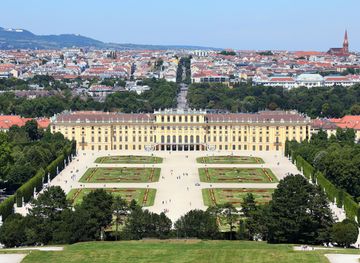
Looking beyond Tyrol? Discover Austria for broader travel guides, local hot-spots, and regional highlights.
Explore AustriaTyrol in Photos
Browse through our photo collection highlighting the charm and character of the destination.

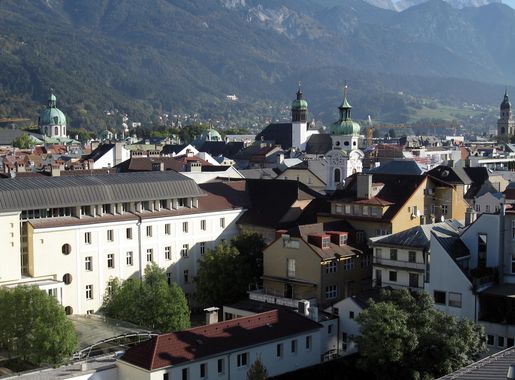


Tyrol: The Alpine Heart of Austria
Tyrol, nestled in the heart of the Austrian Alps, is a haven for nature lovers and adventure seekers alike. The region is renowned for its stunning mountain landscapes, offering visitors an array of outdoor activities year-round. In winter, Tyrol transforms into a snowy paradise, perfect for skiing, snowboarding, and snowshoeing. The ski resorts, such as Kitzbühel and St. Anton am Arlberg, are world-class, providing slopes for all skill levels and charming alpine villages to explore. During the summer months, the region's lush green valleys and majestic peaks become a playground for hikers, climbers, and mountain bikers. The scenic trails range from easy walks suitable for families to challenging routes for experienced adventurers. The crystal-clear lakes and rivers also offer opportunities for swimming, fishing, and kayaking. Tyrol's natural beauty is complemented by its rich cultural heritage. The capital, Innsbruck, is a blend of modern urban life and historic charm, featuring landmarks like the Golden Roof and the Imperial Palace. Tyrolean culture is deeply rooted in traditions, and visitors can experience this through local festivals, music, and cuisine. The region is famous for its hearty dishes, such as Tiroler Gröstl and Kaiserschmarrn, which are best enjoyed in cozy mountain huts or traditional restaurants. Whether you're seeking adrenaline-pumping activities or a peaceful retreat in nature, Tyrol offers a unique and unforgettable travel experience.