
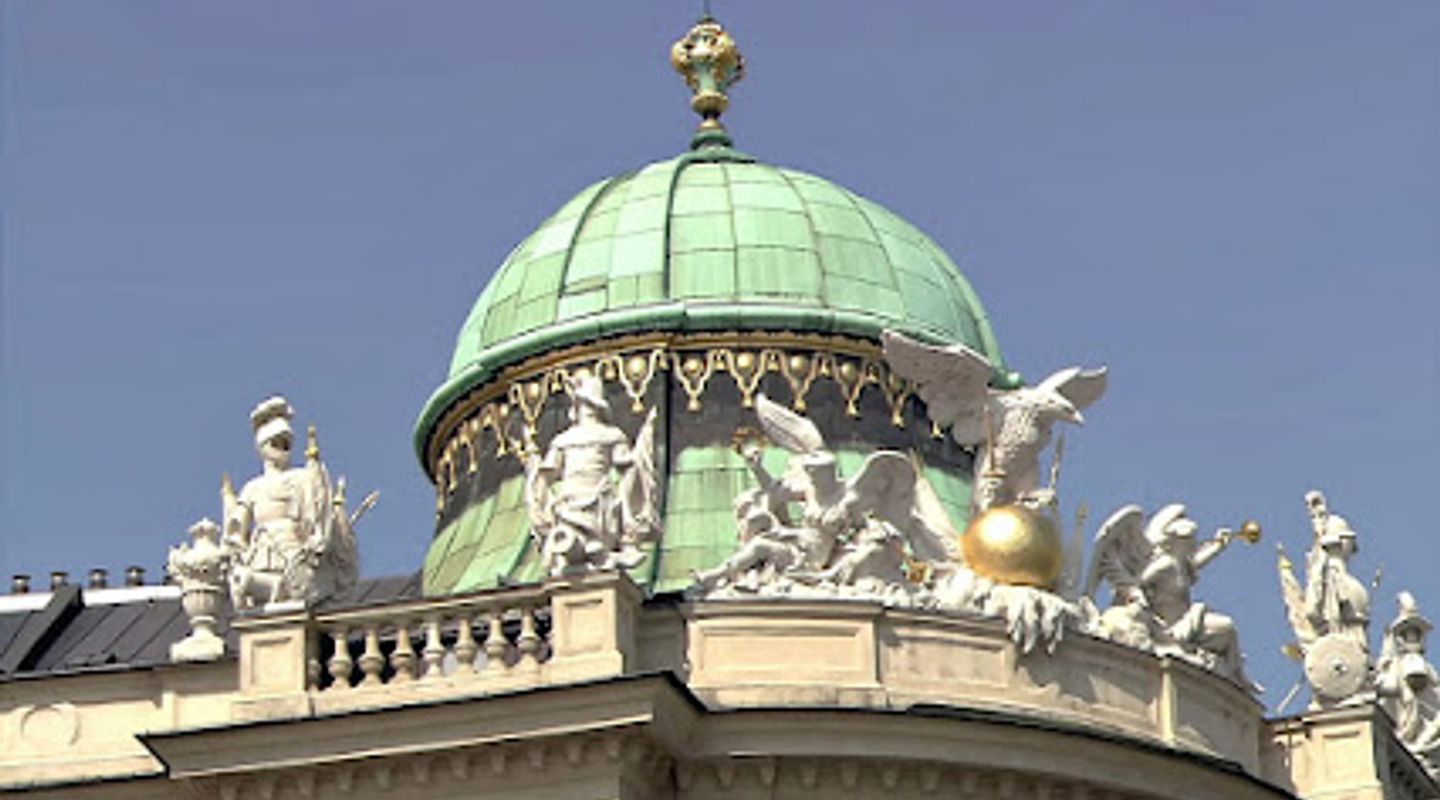
Imperial Crypt, Vienna Travel Guide
Explore the Imperial Crypt in Vienna, the final resting place of Habsburg emperors and empresses, and discover centuries of Austrian history.
Descend beneath Vienna's Capuchin Church to explore the Imperial Crypt, the final resting place of Habsburg emperors and empresses since 1633. See ornate sarcophagi and discover centuries of Austrian history within its somber walls.
A brief summary to Imperial Crypt
- Tegetthoffstraße 2, Vienna, Innere Stadt, 1010, AT
- Click to display
- Click to display
- Monday 10 am-6 pm
- Tuesday 10 am-6 pm
- Wednesday 10 am-6 pm
- Thursday 10 am-6 pm
- Friday 10 am-6 pm
- Saturday 10 am-6 pm
- Sunday 10 am-6 pm

Know before you go
Hi, I'm Eve. Here are a few practical things to know before exploring Imperial Crypt.
- Consider visiting during the week to avoid larger crowds.
- Allow at least 1.5 hours to fully appreciate the crypt's history and art.
- A Vienna Pass grants you free entry to the Imperial Crypt.
Do you manage this location?
Take control to get all the benefits, like improved information, better appearance, and stronger visibility across AI-powered discovery. Learn more about listing your business on Evendo
Activate your presenceOther nearby places you may find interesting
The closest places of the same kind, if this one is not quite what you had in mind.

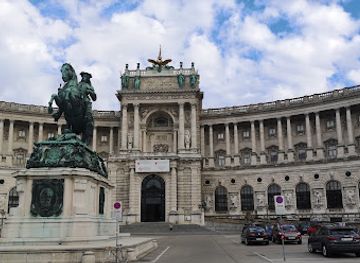
Explore Imperial Crypt on the Map
A handpicked selection of must-see spots near Imperial Crypt, mapped for you.
Unlock the Best of Imperial Crypt
Buy tickets
-
No tickets available
Book tours with entry


Getting There
-
Public Transport
The Imperial Crypt is easily accessible via Vienna's efficient public transport system. From Stephansplatz station (U1 and U3 lines), walk south along Kärntner Straße, then turn left onto Tegetthoffstraße. The crypt entrance will be on your left, a short distance from the main street. Alternatively, take bus line 2A to the Plankengasse stop, which is a very short walk to Tegetthoffstraße. A single ride on Vienna's public transport costs approximately €2.40.
-
Walking
Located in the heart of Vienna's Innere Stadt, the Imperial Crypt is within easy walking distance of many major attractions. From St. Stephen's Cathedral, walk south on Kärntner Straße for about 5 minutes, then turn left onto Tegetthoffstraße. The entrance to the crypt will be on your left. From the Hofburg Palace, exit towards Burggarten and walk towards Tegetthoffstraße. The walk is generally flat and takes you through pedestrian-friendly areas.
-
Taxi/Ride-Share
Taxis and ride-sharing services are readily available throughout Vienna. A short ride from a central location like the Vienna State Opera to the Imperial Crypt will typically cost between €8 and €12, depending on traffic and the specific service used. Be sure to confirm the fare or estimated cost before beginning your journey.
-
Parking
Parking in the immediate vicinity of the Imperial Crypt is limited and can be expensive. The closest parking garage is Tiefgarage Kärntnerring. Expect to pay around €6-8 per hour, or approximately €30 for a full day. Given the central location and excellent public transport options, driving directly to the crypt is not recommended. Consider parking further outside the city center and taking public transport for a more cost-effective and convenient approach.
Discover more about Imperial Crypt













Your all‑in‑one travel companion app
Explore expert travel guides, compare and book tours, experiences, hotels, and more—all from the palm of your hand. Download now for seamless trip planning wherever your wanderlust takes you.


Explore More of Vienna
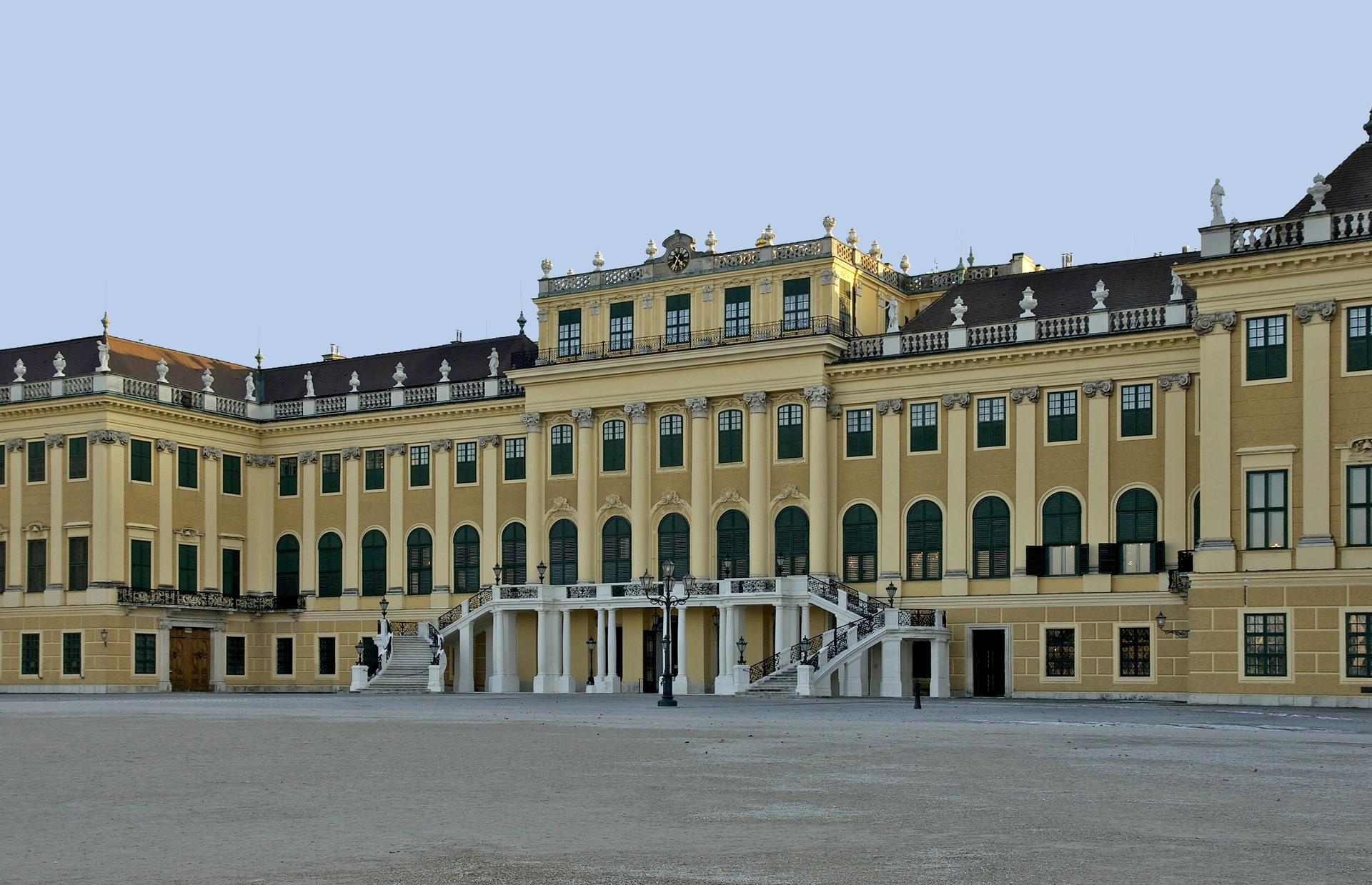
Looking beyond Imperial Crypt? Discover Vienna for broader travel guides, local hot-spots, and regional highlights.
Explore Vienna
Experience Vienna's history come to life through 5D cinema, virtual reality, and captivating storytelling in the heart of the city.
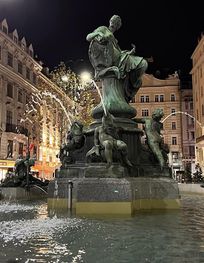
Admire Vienna's Baroque beauty at the Donnerbrunnen, a historic fountain in Neuer Markt featuring allegorical figures and a captivating past.
