

Marienkapelle, Zell Am See Travel Guide
Zell am See's fire-forged Marienkapelle, rebuilt 1774 beside St. Hippolyt, links medieval monastic whispers to Pinzgau's alpine spiritual legacy.
Tucked beside the grand Stadtpfarrkirche St. Hippolyt in central Zell am See, the Marienkapelle stands as a poignant survivor of 18th-century flames. Rebuilt in 1774 on the site of the town's oldest church, this modest chapel dedicated to Our Lady in the Woods whispers tales of medieval monastic roots and alpine endurance. Its simple facade and protected heritage status offer quiet reflection amid the lakeside bustle, drawing those seeking spiritual history in the Pinzgau heartland.
A brief summary to Marienkapelle
- Zell am See, 5700, AT
- Free
-
 Outdoor
- Mobile reception: 5 out of 5

Know before you go
Hi, I'm Eve. Here are a few practical things to know before exploring Marienkapelle.
- Pair your visit with the adjacent Stadtpfarrkirche St. Hippolyt to grasp the full ecclesiastical evolution from Romanesque crypts to Baroque revival.
- Seek out the chapel's heritage plaque noting its 1774 rebuild after the 1770 fire, contextualizing Zell am See's resilient town history.
- Visit in quieter morning hours for undisturbed reflection, as the central spot sees pedestrian traffic from lakefront promenades.
Do you manage this location?
Take control to get all the benefits, like improved information, better appearance, and stronger visibility across AI-powered discovery. Learn more about listing your business on Evendo
Activate your presenceOther nearby places you may find interesting
The closest places of the same kind, if this one is not quite what you had in mind.


Explore Marienkapelle on the Map
A handpicked selection of must-see spots near Marienkapelle, mapped for you.
Getting There
-
Walking
From Zell am See center, 5-10 minute stroll along pedestrian paths to the church precinct; free, direct, year-round.
-
Cycling
Short 5-minute bike ride via lakefront trails; free if renting locally, flat terrain, ideal for summer explorers.
-
Bus
Local bus from central stops, 5 minutes travel, €2-3 fare, frequent services connecting to parish area.
For the on-the-go comforts that matter to you
-
 Information Boards
Discover more about Marienkapelle
Historical Foundations
The Marienkapelle occupies a site layered with centuries of spiritual significance in Zell am See. Originally part of the iro-schottischen Klösterleins am See, possibly dating to early monastic settlements, the location housed the church "Unserer Lieben Frau im Walde," considered the settlement's oldest. Destroyed in the devastating town fire of 1770, it was swiftly rebuilt in 1774 as the present Marienkapelle, preserving the dedication to Mary and linking back to medieval worship traditions amid the Pinzgau's rugged terrain.Architectural Character
As a protected monument under Austrian heritage designation (ObjektID 61310), the chapel embodies modest Baroque restraint with its compact form and unadorned exterior. Positioned adjacent to the imposing Romanesque-Gothic Stadtpfarrkirche St. Hippolyt, it contrasts the basilica's grandeur, offering intimate scale. The structure reflects post-fire reconstruction priorities: functional piety over ornamentation, with stone elements enduring Salzburg's alpine climate. Its proximity to war memorials and the parish church integrates it into Zell am See's ecclesiastical cluster.Spiritual and Cultural Role
Dedicated to the Virgin Mary, the Marienkapelle serves as a locus for quiet devotion, evoking the forested wilderness evoked in its original name. In a town named after an 8th-century monastic cell, it anchors narratives of Bavarian noble foundations and rare patrons like St. Hippolyt. Though small, its persistence through fire symbolizes resilience, inviting contemplation of Zell am See's evolution from lakeside hermitage to alpine resort. Locals and pilgrims alike recognize it as a touchstone of continuous faith.Setting in Zell am See
Nestled in the town center near the Kriegerdenkmal and St. Hippolyt church, the chapel benefits from Zell am See's compact layout. Surrounded by Pinzgau's dramatic peaks and Lake Zell, it provides a serene counterpoint to the area's ski slopes and summer trails. The location's accessibility enhances its role as a spontaneous stop for travelers exploring Salzburg's historic core, blending seamlessly with nearby landmarks like the esplanade and parish towers.Visitor Experience
Approaching the Marienkapelle, expect an atmosphere of understated reverence: weathered stone walls framing a simple interior space for prayer. The vibe shifts with seasons—snow-dusted in winter, vibrant against spring blooms—yet maintains timeless calm. Visitors gain insight into local history without crowds, appreciating how this chapel threads through Zell am See's story from monastic origins to modern tourism. Its heritage status ensures preservation, rewarding those who pause amid the lakeside energy.












Your all‑in‑one travel companion app
Explore expert travel guides, compare and book tours, experiences, hotels, and more—all from the palm of your hand. Download now for seamless trip planning wherever your wanderlust takes you.


Explore More of Zell Am See
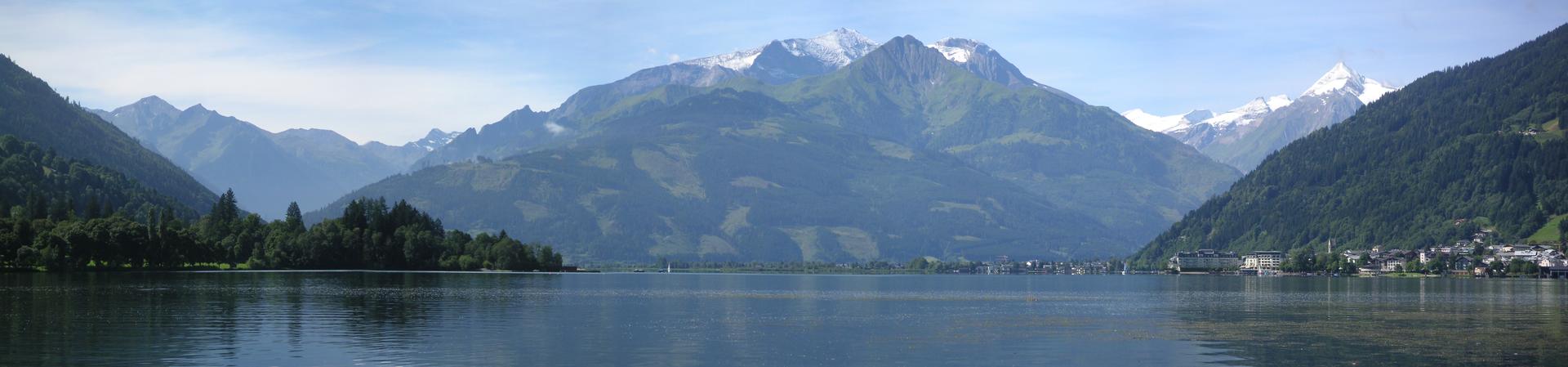
Looking beyond Marienkapelle? Discover Zell Am See for broader travel guides, local hot-spots, and regional highlights.
Explore Zell Am See
Seegasse landmark where Zell am See's lake views meet Tyrolean brasserie bites and Alpine hotel charm in the shadow of snow peaks.
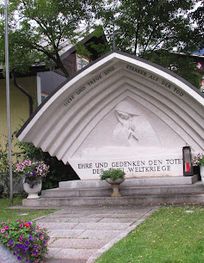
Zell am See's Kriegerdenkmal memorializes World War fallen with granite resolve and inscription 'Love and Loyalty stronger than Death' against alpine peaks.
