

Free Quba Travel Guide & Mobile App
Plan your Quba trip with Evendo. Get free guides to top attractions, restaurants, hotels, and bars. Web access or download the mobile app.


Quba, Azerbaijan, combines Caucasus foothills, Jewish heritage, khanate history, apple orchards and gateways to Khinalig, Afurja Waterfall and mountain villages.
A Mountain-Edged Town
Quba lies in northern Azerbaijan, on the lower slopes of the Greater Caucasus beside the Qudyalchay River. Its setting is defined by green foothills, apple orchards and a broad cultural frontier where Azerbaijani, Lezgin and Mountain Jewish traditions have developed alongside one another. The town is a practical base for exploring the northern region, including the highland settlement of Khinalig and the waterfalls, gorges and forests beyond the urban centre.Read more about Quba
Khanate Heritage and Old Streets
A Meeting Place of Communities
When is the best time to visit Quba?
Best: June, August–September · 26–29°C| Month | High (°C) | Rainfall (mm) |
|---|---|---|
| January | 3 | 28 |
| February | 5 | 26 |
| March | 11 | 31 |
| April | 16 | 30 |
| May | 21 | 35 |
| June (best) | 26 | 26 |
| July | 29 | 14 |
| August (best) | 29 | 11 |
| September (best) | 26 | 18 |
| October | 18 | 39 |
| November | 11 | 45 |
| December | 7 | 43 |
Getting to and around Quba
How to get there
Transportation
Best attractions in Quba
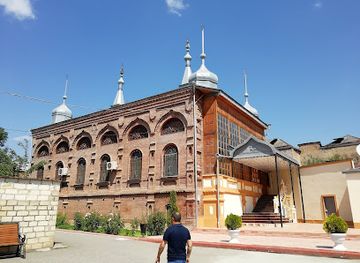
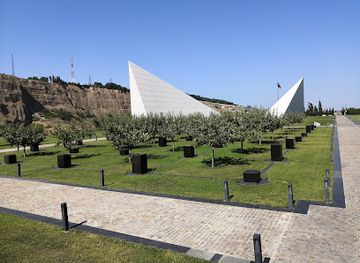
Quba's attractions are spread between a compact town centre, the Qudyalchay river valley and nearby communities. The Quba History-Ethnography Museum introduces local archaeology, crafts and social history, while the red-brick Sakina Khanum Mosque provides one of the town's most distinctive architectural encounters. The Juma Mosque and surrounding streets offer a glimpse of Quba's religious and civic heritage. Across the river, Krasnaya Sloboda, or Red Town, is significant for its Mountain Jewish history, synagogues and settlement character. The Quba Genocide Memorial Complex presents a solemn account of violence in the region in 1918. Beyond the town, organised day trips can reach Afurja Waterfall, forested valleys and mountain villages, while the highland settlement of Khinalig provides a much more demanding excursion into the Greater Caucasus. These surrounding landscapes are regional outings rather than urban attractions, but they explain Quba's importance as a northern base.
-
Ski resort
Shahdag Mountain Resort
Experience Azerbaijan's premier mountain resort: Skiing, adventure, and relaxation amidst the stunning Caucasus scenery year-round.
51 min drive · 31 km from city centre
-
Hiking area
Laza Waterfalls - Laza şəlalə
Discover the majestic Laza Waterfalls in Azerbaijan: a haven of natural beauty, cultural richness, and thrilling outdoor adventures in the Caucasus Mountains.
54 min drive · 34 km from city centre
-
Tourist attraction
Afurdzhi Falls
Discover the majestic Afurdzhi Falls in Quba, Azerbaijan: a stunning natural wonder offering breathtaking views, serene hikes, and unforgettable experiences.
42 min drive · 22 km from city centre
-
Entertainment agency
Shahdag Coaster
Experience high-speed thrills on the Shahdag Coaster, Azerbaijan's premier alpine coaster, offering year-round adventure in a stunning mountain setting.
52 min drive · 32 km from city centre


Best landmarks in Quba
Quba's landmarks reflect its role as the former centre of a khanate and its enduring multicultural identity. The Sakina Khanum Mosque, recognisable for its red-brick construction and carefully composed façade, is one of the town's most prominent religious buildings. The Juma Mosque represents another important element of Quba's Islamic architectural heritage, while the Quba History-Ethnography Museum preserves the wider story of the district through objects and local documentation. Across the Qudyalchay River, the synagogues and settlement streets of Krasnaya Sloboda embody the long history of Mountain Jewish life in the region. The Quba Genocide Memorial Complex is a modern commemorative landmark dedicated to victims of the violence of 1918. Together these sites connect Quba's khanate past, religious traditions, community history and twentieth-century remembrance.
-
 Hotel
HotelQuba Palace Hotel
Experience luxury and tranquility at Quba Palace Hotel, nestled in the heart of Azerbaijan's stunning Quba region, surrounded by mountains and forests.
10 min drive · 3.3 km from city centre
-
Park
Nizami Park
Discover Quba's cultural heart at Nizami Park: a blend of history, nature, and Azerbaijani heritage in a serene setting.
8 min walk · 0.7 km from city centre
-
Historical place museum
Guba Genocide Memorial Complex
A solemn memorial in Guba, Azerbaijan, commemorating the victims of the 1918 genocide and promoting peace through education and remembrance.
5 min drive · 1.6 km from city centre
-
National forest
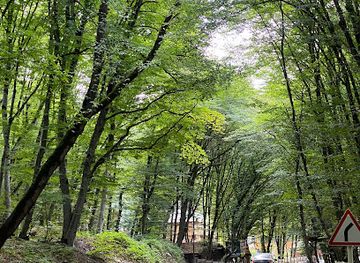
Gachrash Forest (recreational area)
Escape to Gachrash Forest in Quba: Hike scenic trails, discover diverse wildlife, and immerse yourself in Azerbaijan's natural beauty.
16 min drive · 5.5 km from city centre
Explore Quba on the map
Plan your Quba trip on one map. See where the top attractions, landmarks, restaurants, bars and hotels are, find what's near where you're staying, and book hotels and experiences in a few clicks.
Best hotels in Quba
Best restaurants in Quba
Quba's food culture reflects the agriculture of the foothills and the broader culinary traditions of Azerbaijan. Local tables commonly feature rice dishes, grilled meats, soups, fresh herbs, yoghurt-based accompaniments and flatbreads, while seasonal fruit is especially important in an area known for apple growing. Simple cafés and family-run eateries tend to provide filling regional cooking rather than elaborate menus, with tea forming a familiar part of hospitality. Markets and roadside sellers are useful for fruit, nuts, honey and other products from surrounding villages. Travellers may also encounter dishes associated with northern Azerbaijani home cooking, including qutab, a thin filled flatbread, and regional variations of dolma and plov. Dining opportunities are more concentrated around the town centre than in remote mountain settlements, where meals are often arranged through guesthouses or family homes.
-
Restaurant
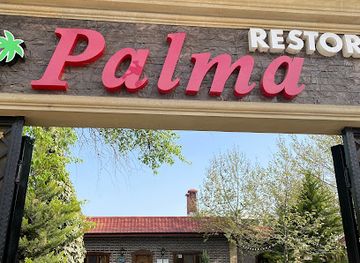
Palma Restoran Quba
Experience authentic Azerbaijani cuisine in a welcoming atmosphere at Palma Restoran Quba.
6 min drive · 2.1 km from city centre
-
Restaurant
Lucky Restaurant
Experience authentic Azerbaijani cuisine at Lucky Restaurant in Quba - where tradition meets taste.
12 min walk · 0.9 km from city centre
-
Restaurant
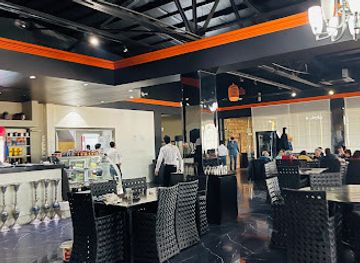
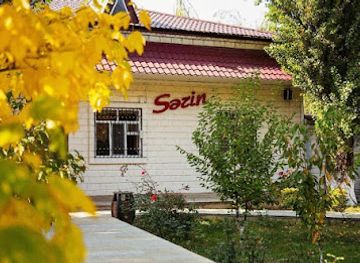
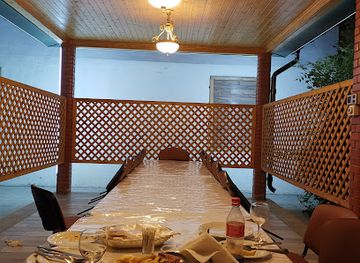
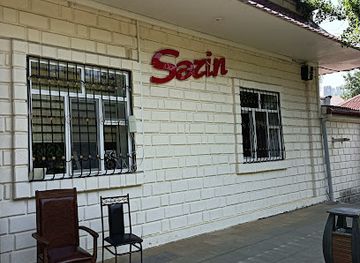
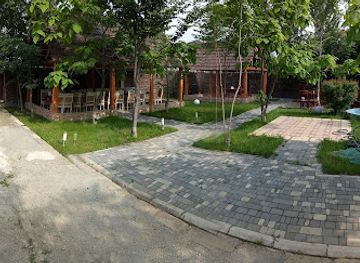
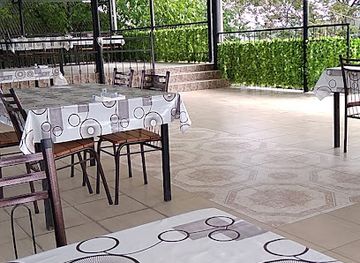
Serin Restoran Quba
Discover authentic Azerbaijani cuisine at Serin Restoran in Quba – where tradition meets taste in every dish.
16 min walk · 1.3 km from city centre
-
Restaurant
Quba Çinar restoranı
Experience authentic Azerbaijani cuisine at Çinar Restaurant in Quba – where tradition meets taste in a picturesque setting.
5 min walk · 0.4 km from city centre
Best bars in Quba
Quba has a restrained evening scene shaped more by tea houses, cafés, hotel restaurants and family gatherings than by nightclubs. After sunset, central streets may remain active, but the town is not known for a large, late-night entertainment quarter. Tea, conversation and unhurried meals are more characteristic social experiences than a bar-focused nightlife, and alcohol availability varies between establishments. Visitors staying in guesthouses may find that evenings centre on home cooking, local conversation or arrangements for the following day's mountain journey. For a more urban selection of bars, live music and late-opening venues, Baku is the country's principal destination; Quba's appeal after dark lies instead in its quieter pace and the atmosphere of a small regional town.
-
Restaurant
Lucky Restaurant
Discover the vibrant flavors of Azerbaijan and beyond at Lucky Restaurant in Quba, where every bite tells a story.
12 min walk · 0.9 km from city centre
-
Restaurant
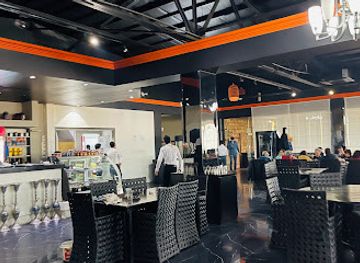
Serin Restoran Quba
Experience the heart of Azerbaijani cuisine at Serin Restoran Quba, where tradition meets taste in a beautiful setting.
16 min walk · 1.3 km from city centre
-
Restaurant
Praqa
Experience the rich flavors of Azerbaijani cuisine at Praqa, a top restaurant in Quba, where culinary tradition meets modern dining.
6 min drive · 2.0 km from city centre
-
Restaurant
Yüksel Kafe
Experience authentic Azerbaijani cuisine at Yüksel Kafe in Quba, where local flavors and hospitality come together in a memorable dining experience.
15 min walk · 1.2 km from city centre
Best nightclubs in Quba
Quba has a restrained evening scene shaped more by tea houses, cafés, hotel restaurants and family gatherings than by nightclubs. After sunset, central streets may remain active, but the town is not known for a large, late-night entertainment quarter. Tea, conversation and unhurried meals are more characteristic social experiences than a bar-focused nightlife, and alcohol availability varies between establishments. Visitors staying in guesthouses may find that evenings centre on home cooking, local conversation or arrangements for the following day's mountain journey. For a more urban selection of bars, live music and late-opening venues, Baku is the country's principal destination; Quba's appeal after dark lies instead in its quieter pace and the atmosphere of a small regional town.
-
Resort hotel
Barpa SPA Center
Discover relaxation and entertainment at Barpa SPA Center in Quba, Azerbaijan, offering spa treatments, bowling, and karaoke for a memorable getaway.
10 min drive · 3.4 km from city centre
-
Lounge
gold perde tul salonu
Experience luxury and relaxation at Gold Perde Tul Salonu, a premier lounge in Quba, Azerbaijan, perfect for unwinding after a day of exploration.
8 min drive · 2.8 km from city centre
-
Pub
Can Sənə Pub
Discover Can Sənə Pub in Quba, where vibrant nightlife, local culture, and a diverse drink menu create unforgettable experiences.
9 min walk · 0.8 km from city centre
-
Bar
Poseidon 999 Pub Lounge
Discover the lively ambiance and exquisite drinks at Poseidon 999 Pub Lounge in Quba, the perfect spot for a memorable night out.
16 min walk · 1.2 km from city centre

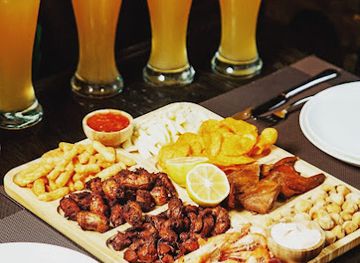
Best shops in Quba
Shopping in Quba is centred on everyday markets, small food shops and local produce rather than large-scale retail. Apples are closely associated with the district, and seasonal fruit, dried produce, honey, nuts and other goods from surrounding villages are common local purchases. Visitors may also find Azerbaijani tea, preserves, sweets and handmade items suitable for carrying home. Quba has a long association with carpet weaving, and regional carpets or woven textiles can be encountered through local sellers and workshops, although provenance and quality should be considered carefully. The town's market areas provide a more useful sense of local life than souvenir-only outlets, with household goods and agricultural products sold alongside food. Retail becomes increasingly limited on the road towards mountain villages, so practical supplies are best obtained in Quba itself.
-
Supermarket
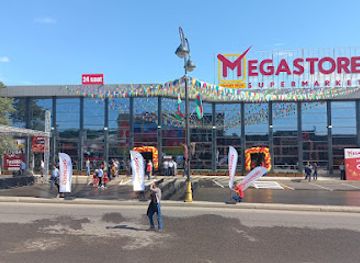
Megastore | Quba
Experience the vibrant shopping scene at Megastore in Quba, where quality meets variety in a welcoming atmosphere.
18 min walk · 1.4 km from city centre
-
Supermarket
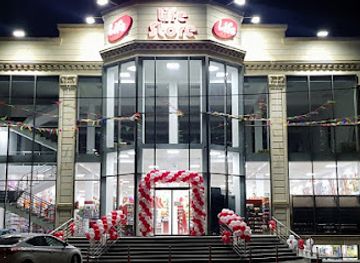
LIFE STORE
Discover the vibrant LIFE STORE in Quba, a supermarket offering fresh local produce and unique Azerbaijani delicacies for an unforgettable culinary experience.
9 min drive · 2.9 km from city centre
-
Grocery store
Petek honey and preserves
Explore Petek Honey and Preserves in Quba for a taste of authentic Azerbaijani honey and homemade delights, perfect for gifts and culinary exploration.
18 min walk · 1.5 km from city centre
-
Shopping mall
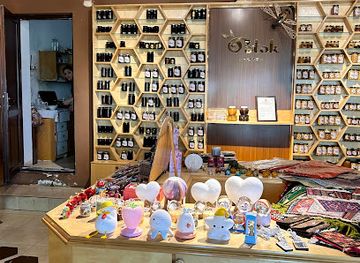
The Perfume Shop
Explore The Perfume Shop in Quba for unique fragrances that capture the essence of Azerbaijan, a fragrant journey awaits every visitor.
5 min drive · 1.5 km from city centre
Get your free copy of our complete guide to Quba, delivered straight to you.
Everything on this page, from attractions and restaurants to essentials and local phrases, in one PDF you can read offline, print or share.
Already have an account? Sign in
Your Quba guide is ready.
We'll send it to · Not you? Sign out

Getting your guide ready…
We are putting together a fresh copy of the Quba guide. This can take up to a minute.
This can take a few moments. If your browser asks, choose Allow so the download can start. You'll find the guide in your Downloads folder.
Nothing happened? Download it again
Sorry, the guide is taking longer than usual. Please try again in a minute, or get it by email instead.
Quba essentials
Currency and Payment
Safety
Emergency Situations
Do's and Don'ts
Local Tips
From Eve
Local phrases worth knowing
You don't need to get them perfect. A few words go a long way, and locals appreciate the effort.
Basics
| English | Local | Say it |
|---|---|---|
| Hello | Salam | [sah-lahm] |
| Goodbye | Sag ol | [sahg awl] |
| Yes | Bəli | [buh-lee] |
| No | Xeyr | [khayr] |
| Please/You're welcome | Xahiş edirəm | [khah-heesh eh-dee-rehm] |
| Thank you | Çox sağ ol | [choh-sahg awl] |
| Excuse me/Sorry | Bağışlayın | [bah-ghush-lah-yuhn] |
| How are you? | Necəsən? | [neh-jeh-suhn] |
| Fine. And you? | Yaxşı. Sən? | [yahkh-shuh. sahn] |
| Do you speak English? | İngilis dili biliyirsən? | [een-gee-lees dee-lee bee-lee-yuhr-suhn] |
| I don't understand | Anlamıram | [ahn-lah-muh-rahm] |
Eating & Drinking
| English | Local | Say it |
|---|---|---|
| I'd like to see the menu, please | Xahiş edirəm menuyu görə bilərmiyəm? | [khah-heesh eh-dee-rehm meh-noo-yoo goh-reh bee-lehr-mee-yuhm] |
| I don't eat meat | Mən ət yemirəm | [muhn aht yeh-mee-rehm] |
| Cheers! | Sağ ol | [sahg awl] |
| I would like to pay, please | Xahiş edirəm ödəmək istəyirəm | [khah-heesh eh-dee-rehm oh-deh-mehk ees-teyeer-ehm] |
Emergencies
| English | Local | Say it |
|---|---|---|
| Help! | Kömək! | [kuh-muhk] |
| Go away! | Uzul! | [oo-zool] |
| Call the Police! | Polisi çağırın! | [poh-lee-see chah-uh-ruhn] |
| Call a doctor! | Həkim çağırın! | [heh-keem chah-uh-ruhn] |
| I'm lost | Yolunu itmişəm | [yohl-oo-noo eet-mee-shuhm] |
| I'm ill | Mən xəstəyəm | [muhn khuh-stuh-yuhm] |
Shopping
| English | Local | Say it |
|---|---|---|
| I'd like to buy... | Mən almag istəyirəm... | [muhn ahl-mahg ees-teyeer-ehm] |
| I'm just looking | Sadəcə baxıram | [sah-deh-jeh bahk-suh-rahm] |
| How much is it? | Nə qədərdir? | [neh guh-dehr-deer] |
| That's too expensive | Bu çox bahadır | [boo choh bah-hah-duhr] |
| Can you lower the price? | Qiyməti aşağı salar mısınız? | [kee-yuh-meh-tee ah-shah-uh sah-lahr muh-suhn-uhz] |
Time & Numbers
| English | Local | Say it |
|---|---|---|
| What time is it? | Saət necədir? | [sah-ayt neh-jeh-deer] |
| It's one o'clock | Bir ətdir | [beer aht-deer] |
| Half past (10) | Onun yarısı | [oh-noon yah-ruh-suh] |
| Morning | Səhər | [suh-hehr] |
| Afternoon | Günortası | [goon-awr-tuh-suh] |
| Evening | Axşam | [ahkh-shahm] |
| Yesterday | Dünən | [duh-nehn] |
| Today | Bu gün | [boo goon] |
| Tomorrow | Sabah | [sah-bah] |
| 1 | Bir | [beer] |
| 2 | İki | [ee-kee] |
| 3 | Üç | [ooch] |
| 4 | Dörd | [durrd] |
| 5 | Beş | [besh] |
| 6 | Altı | [ahl-tuh] |
| 7 | Yeddi | [yehd-dee] |
| 8 | Səkkiz | [suhk-keez] |
| 9 | Doqquz | [dohk-koos] |
| 10 | On | [ohn] |
Transport & Directions
| English | Local | Say it |
|---|---|---|
| Where's a/the...? | ... haradadır? | [... hah-rah-dah-deer] |
| What's the address? | Ünvan nədir? | [oon-vahn neh-deer] |
| Can you show me (on the map)? | (Xəritədə) mənə göstərə bilərsən? | [(khuh-ree-teh-deh) muh-nuh gohs-teh-reh bee-lehr-suhn] |
| When's the next (bus)? | Növbəti (avtobus) neçədədir? | [nuhv-beh-tee (ahv-toh-boos) neh-chuh-deh-deer] |
| A ticket (to ....) | Bir biletlə (....-ə) | [beer bee-leht-leh (....-uh)] |
History of Quba
Early Settlements and Regional Trade
The Quba area has long occupied a strategic position between the Caspian lowlands and routes leading into the Greater Caucasus. Archaeological evidence from northern Azerbaijan indicates settlement and agricultural activity from antiquity, while the wider region was influenced by successive Caucasian, Persian and Turkic political powers. Quba developed around access to water, cultivable land and mountain routes rather than as an isolated highland settlement. Its surrounding villages preserved varied linguistic and religious communities, including Muslim Azerbaijani and Lezgian populations and the Mountain Jewish community that became established on the opposite bank of the Qudyalchay River.
The Rise of the Quba Khanate
Quba became the centre of a powerful local polity in the eighteenth century after the weakening of Safavid and Afsharid control in the Caucasus. Fatali Khan, who ruled from 1758 until 1789, expanded the Quba Khanate and made the town an important political centre in north-eastern Azerbaijan. His influence extended across neighbouring territories through alliances, military campaigns and dynastic politics. The town's mosques, traditional urban fabric and regional prominence are linked to this era, when Quba served as both a seat of government and a base for controlling routes between the Caspian coast and the mountain districts.
Russian Imperial Rule
The political order of the region changed after the Russo-Persian wars. Under the Treaty of Gulistan in 1813, the Quba Khanate passed into the Russian Empire, and the town was incorporated into the administrative structures of imperial Transcaucasia. Russian rule brought new officials, military organisation and commercial connections, while local agricultural and craft economies continued. Quba remained a regional centre serving villages across the foothills. The period also shaped the town's later administrative identity, as imperial institutions and transport links tied northern Azerbaijan more closely to the expanding urban network around Baku and the Caspian coast.
Communities Across the Qudyalchay
The Mountain Jewish community of Krasnaya Sloboda, immediately across the Qudyalchay River from Quba, developed a distinctive settlement with synagogues, family compounds and a strong tradition of trade and crafts. Its residents are commonly known as Mountain Jews, reflecting a long-established Jewish culture of the eastern Caucasus rather than a recent urban migration. Quba's history therefore cannot be understood solely through its khanate and imperial past: the relationship between the town and Red Town also reflects centuries of religious plurality, local commerce and community life in northern Azerbaijan.
War, Violence and the Twentieth Century
The collapse of the Russian Empire brought political upheaval to Azerbaijan, followed by the establishment of Soviet rule in the early 1920s. Quba and its surrounding districts experienced the wider disruptions of revolution, conflict, collectivisation and changing administrative systems. The Quba Genocide Memorial Complex commemorates victims of mass violence in the region in 1918, when civilians were killed during the turmoil surrounding the collapse of imperial authority and competing forces in the South Caucasus. The memorial presents this episode within Azerbaijan's national historical narrative and remains an important site of remembrance.
Quba in Independent Azerbaijan
After Azerbaijan restored independence in 1991, Quba developed a stronger profile as a cultural and nature-tourism centre in the country's north. Improved roads made the town increasingly useful as a base for journeys towards mountain villages, while interest in Red Town, local history and the memorial landscape brought new visitors. Agriculture, especially apple growing, remains important to the area's identity. Today Quba combines the functions of a regional service town, a historic centre and a starting point for exploring the contrasting landscapes and communities of the north-eastern Caucasus.
Quba in Photos
Browse through our photo collection highlighting the charm and character of the destination.
Cities near Quba
The closest cities to Quba, if you have time for more than one stop.
-

-

-

-

-


Swipe for more cities
Explore more
Explore more of Azerbaijan
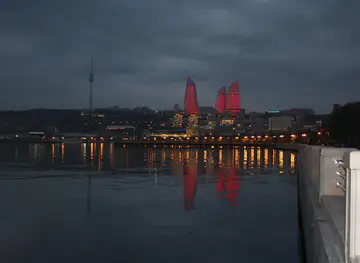
Discover Azerbaijan: A captivating blend of ancient heritage, stunning natural landscapes, and vibrant modernity at the crossroads of Europe and Asia.
Explore Azerbaijan