

Quba-Khachmaz Region Travel Guide - Free Web & App
Your ultimate guide to Quba-Khachmaz Region. Discover top landmarks, proposed trips, and local tips. Free on the web or via the Evendo companion app.


Quba-Khachmaz Region, Azerbaijan blends Caucasus villages, Caspian beaches, Quba orchards, Khinalig heritage and wildlife-rich national parks.
Between Mountains and Sea
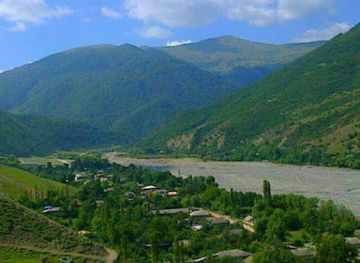
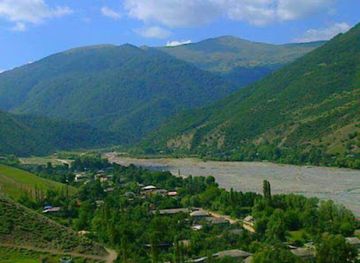
Quba-Khachmaz occupies Azerbaijan's north-eastern corner, stretching from the wooded and orchard-covered foothills of the Greater Caucasus to the Caspian shoreline. The region is centred on the districts of Quba, Qusar, Khachmaz, Shabran and Siyazan, although the landscapes and visitor experiences vary considerably between them. Quba is known for its apple orchards, traditional carpet-making and access to mountain villages, while Qusar provides a gateway towards Shahdag and the high Caucasus. Khachmaz and Nabran lead towards the coast, where sandy beaches, forest and seasonal resorts create a markedly different atmosphere.Read more about Quba-Khachmaz Region
Mountain Villages and Living Cultures
Coast, Forest and Protected Landscapes
When is the best time to visit Quba-Khachmaz Region?
Best: May, September–October · 21–27°C| Month | High (°C) | Rainfall (mm) |
|---|---|---|
| January | 7 | 30 |
| February | 8 | 25 |
| March | 12 | 25 |
| April | 18 | 20 |
| May (best) | 24 | 15 |
| June | 30 | 10 |
| July | 32 | 10 |
| August | 32 | 10 |
| September (best) | 27 | 15 |
| October (best) | 21 | 20 |
| November | 14 | 25 |
| December | 9 | 30 |
Getting to and around Quba-Khachmaz Region
How to get there
Transportation
Best attractions in Quba-Khachmaz Region
Quba's orchards, river valleys and historic centre provide an accessible introduction to the region, with the Red Settlement and the Quba Genocide Memorial Complex offering important cultural and historical perspectives. Beyond the town, Afurja Waterfall and Tenghi Canyon bring visitors into the foothills, while the road towards Khinalig crosses increasingly rugged mountain scenery before reaching one of Azerbaijan's most distinctive highland communities. Qusar is the principal gateway for Shahdag National Park and its alpine landscapes. In the north, Samur-Yalama National Park protects Caspian coastal forests and wetlands, while Nabran combines woodland with seasonal seaside recreation. The Shabran district contains the archaeological landscape of the ancient city of Shabran and the defensive remains of Chiraggala. Further south, the isolated Besh Barmag massif rises prominently beside the coastal highway, serving as both a geological landmark and a long-recognised feature of the journey between the Caspian lowlands and the Caucasus.
-
Tourist attraction
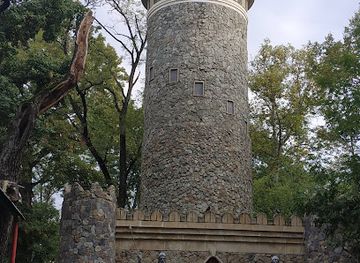
Nizami Park
Discover Quba's serene Nizami Park: A blend of nature, culture, and history honoring the Azerbaijani poet Nizami Ganjavi. A must-visit landmark!
-
Tourist attraction
Şahdağ Milli Parkı - Quba Xanagah marşrutu
Hike lush forests, discover waterfalls, and explore the historic Xanagah village in Azerbaijan's majestic Şahdağ National Park.
-
Tourist attraction
Quba
Explore Quba, Azerbaijan: a mountain city famed for carpets, orchards, and a unique blend of culture and scenic beauty.
-
 Tourist attraction
Elmemmedoba
Discover Elmemmedoba in Quba: A serene escape into nature, rich in culture and history, offering breathtaking landscapes.


Best landmarks in Quba-Khachmaz Region
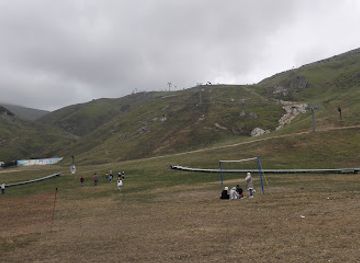
The region's landmarks range from high Caucasus settlements to coastal and archaeological features. Khinalig is the best-known cultural landmark, occupying a dramatic mountain setting and preserving a distinctive local language and architectural character. The Besh Barmag massif, whose sharply rising silhouette is visible from the coastal corridor, is one of the area's most recognisable natural features. Afurja Waterfall and Tenghi Canyon mark the transition from cultivated foothills to rugged mountain terrain. Around Shabran, the remains of the ancient city and the hilltop defensive complex of Chiraggala recall the strategic importance of routes beside the Caspian. Quba's Genocide Memorial Complex is a significant modern site of remembrance, while the Red Settlement represents the historical presence of Mountain Jews in northern Azerbaijan. The forests and wetlands of Samur-Yalama and the mountain habitats of Shahdag are landmarks of conservation as well as scenery.
-
Park
Nizami Park
Discover Nizami Park in Quba: A blend of nature, culture, and history honoring Azerbaijan's literary heritage and offering a peaceful escape.
-
Historical place museum
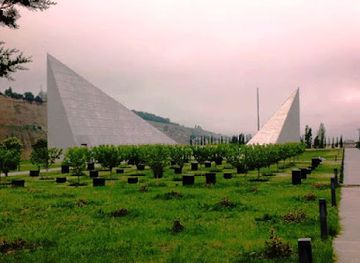
Guba Genocide Memorial Complex
A place of remembrance and education, the Guba Genocide Memorial Complex honors the victims of the 1918 genocide and promotes peace.
-
National forest
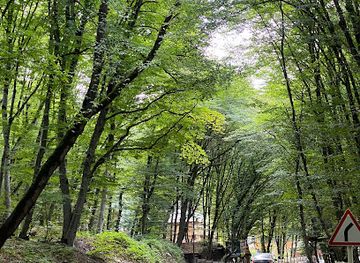
Gachrash Forest (recreational area)
Discover Gachrash Forest in Quba: Hike scenic trails, breathe in the fresh mountain air, and immerse yourself in Azerbaijan's natural beauty.
-
Mosque
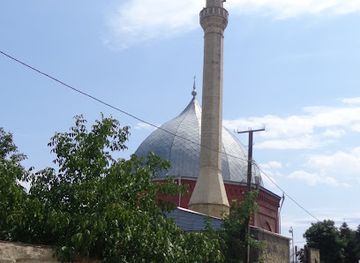
Juma Mosque
Discover the architectural marvel of Quba's Juma Mosque, a historic symbol of Islamic heritage and unique design in Azerbaijan.
Explore Quba-Khachmaz Region on the map
Plan your trip on one map. See where the top attractions, landmarks, restaurants and hotels are, and book hotels and experiences in a few clicks.
Best hotels in Quba-Khachmaz Region
Best restaurants in Quba-Khachmaz Region
Dining in Quba-Khachmaz is rooted in Azerbaijani home cooking and the produce of the region's orchards, farms, forests and Caspian coast. Quba and Qusar offer the broadest choice of restaurants, cafés and family-run eateries, while smaller villages are more likely to provide meals through guesthouses or informal local establishments. Expect bread, soups, rice dishes, kebabs, dolma, dairy products, fresh herbs, walnuts, honey and seasonal fruit, with Quba's orchard produce especially prominent in autumn. Mountain communities may serve hearty meat, dairy and grain-based foods suited to a cooler climate, while coastal settlements can provide Caspian fish when locally available. Markets and farm shops are useful for fruit, preserves and regional ingredients, but travellers should not expect a dense restaurant scene near remote waterfalls, national parks or highland roads.
-
Restaurant
Macara Village Resort
Experience serene lakeside living at Macara Village Resort - where traditional Azerbaijani flavors meet modern comfort in Quba.
-
Restaurant
Palma Restoran Quba
Experience authentic Azerbaijani cuisine at Palma Restoran Quba - where tradition meets taste in a cozy setting.
-
Restaurant
Lucky Restaurant
Savor authentic Azerbaijani cuisine at Lucky Restaurant in Quba - where every dish tells a story.
-
Restaurant
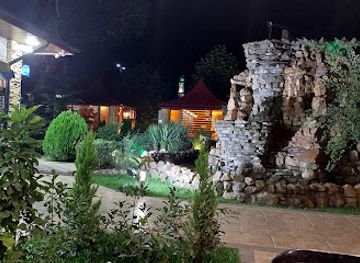
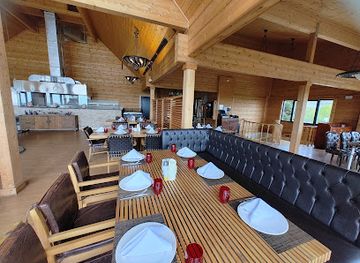
The Challette Steakhouse
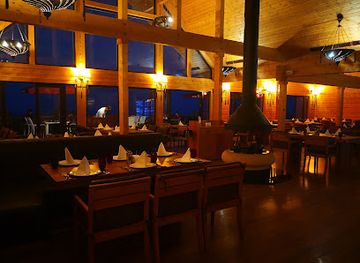
Experience culinary excellence at The Challette Steakhouse in Quba – where premium steaks meet warm hospitality amidst stunning landscapes.
Best bars in Quba-Khachmaz Region
Evening life in Quba-Khachmaz is generally quiet and social rather than club-oriented. Quba, Qusar and Khachmaz have cafés, tea houses, hotel restaurants and modest local venues where residents gather over tea, conversation and food. In Nabran and other Caspian resort areas, the atmosphere can become livelier during the summer season, with seasonal entertainment associated with accommodation complexes and beach recreation, although availability varies. Mountain villages and protected landscapes have little conventional nightlife; evenings are more likely to centre on guesthouse dining, tea and clear-sky views than on bars or late venues. Alcohol is available in some restaurants and hotels, but visitors should observe local sensitivities and dress and behave discreetly in smaller or more conservative communities.
-
Restaurant
Lucky Restaurant
Experience the rich flavors of Azerbaijan at Lucky Restaurant in Quba, where culinary tradition meets warm hospitality.
-
Restaurant
The Challette Steakhouse
Experience culinary excellence at The Challette Steakhouse in Quba, where delicious steaks and a warm ambiance await every visitor.
-
Restaurant
Praqa
Discover the culinary treasures of Quba at Praqa, where traditional flavors meet modern dining in an inviting atmosphere.
-
Restaurant
Mübarək Şadlıq Sarayı
Experience authentic Azerbaijani cuisine at Mübarək Şadlıq Sarayı, a vibrant restaurant in the heart of Quba, perfect for family gatherings and celebrations.

Best nightclubs in Quba-Khachmaz Region
Evening life in Quba-Khachmaz is generally quiet and social rather than club-oriented. Quba, Qusar and Khachmaz have cafés, tea houses, hotel restaurants and modest local venues where residents gather over tea, conversation and food. In Nabran and other Caspian resort areas, the atmosphere can become livelier during the summer season, with seasonal entertainment associated with accommodation complexes and beach recreation, although availability varies. Mountain villages and protected landscapes have little conventional nightlife; evenings are more likely to centre on guesthouse dining, tea and clear-sky views than on bars or late venues. Alcohol is available in some restaurants and hotels, but visitors should observe local sensitivities and dress and behave discreetly in smaller or more conservative communities.
-
Restaurant
The Challette Steakhouse
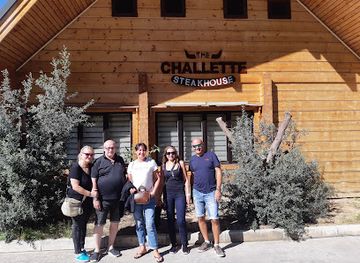
Experience the best of Quba's culinary scene at The Challette Steakhouse, where premium steaks meet exceptional service in a cozy atmosphere.
-
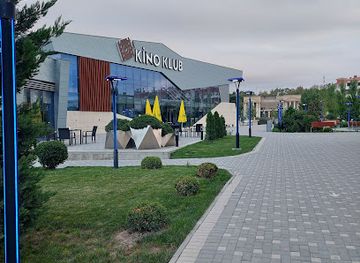
Movie theater
Kino Klub
Discover cinematic magic at Kino Klub in Quba, where captivating films and a cozy atmosphere await you.
-
Lounge
gold perde tul salonu
Discover the tranquil charm of Gold Perde Tul Salonu in Quba, a perfect blend of elegance and relaxation for travelers seeking an unforgettable lounge experience.
-
Pub
Can Sənə Pub
Discover the lively atmosphere of Can Sənə Pub in Quba, where local flavors meet vibrant nightlife for an unforgettable experience.
Best shops in Quba-Khachmaz Region
Shopping is concentrated in Quba, Qusar, Khachmaz and other larger settlements rather than at remote natural attractions. Quba is associated with carpet-making and offers opportunities to encounter locally produced textiles, although visitors should ask about provenance and production methods when purchasing. Orchard fruit, dried fruit, nuts, honey, preserves and other agricultural products reflect the region's fertile foothills and make practical local purchases. Village markets and small food shops can be useful for bread, seasonal produce and everyday supplies, while Nabran's resort area has seasonal holiday retail rather than a major permanent shopping district. Handicrafts and food products may also be available through guesthouses and community-based sellers near mountain villages. Larger gifts, specialist goods and outdoor equipment are more likely to be found in the principal towns than in national parks or highland settlements.
-
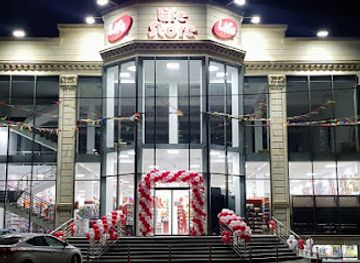
Supermarket
LIFE STORE
Experience local culture and flavors at LIFE STORE, Quba's premier supermarket for fresh produce and unique Azerbaijani products.
-
Store
قوبا
Explore Quba, a picturesque town in Azerbaijan, where tradition meets vibrant shopping and stunning natural landscapes await.
-
General store
Araz Market
Explore Araz Market in Quba, where local culture and authentic Azerbaijani products come together in a vibrant shopping experience.
-
Shopping mall
TrendBazar Online Shopping
Shop the best of Quba at TrendBazar, your one-stop online shopping destination for unique souvenirs and local treasures.
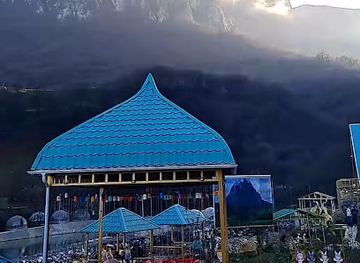
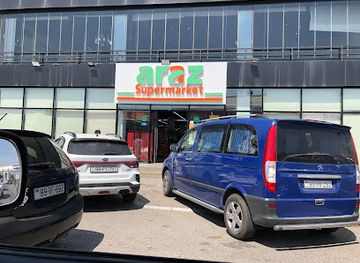
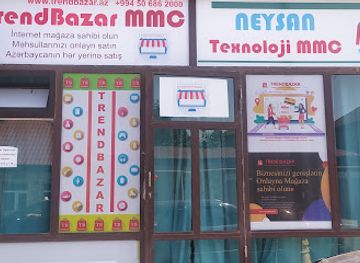
Get your free copy of our complete guide to Quba-Khachmaz Region, delivered straight to you.
Everything on this page, from attractions and restaurants to essentials and local phrases, in one PDF you can read offline, print or share.
Already have an account? Sign in
Your Quba-Khachmaz Region guide is ready.
We'll send it to · Not you? Sign out

Getting your guide ready…
We are putting together a fresh copy of the Quba-Khachmaz Region guide. This can take up to a minute.
This can take a few moments. If your browser asks, choose Allow so the download can start. You'll find the guide in your Downloads folder.
Nothing happened? Download it again
Sorry, the guide is taking longer than usual. Please try again in a minute, or get it by email instead.
Quba-Khachmaz Region essentials
Currency and Payment
Safety
Emergency Situations
Do's and Don'ts
Local Tips
From Eve
Local phrases worth knowing
You don't need to get them perfect. A few words go a long way, and locals appreciate the effort.
Basics
| English | Local | Say it |
|---|---|---|
| Hello | Salam | [sah-lahm] |
| Goodbye | Sag ol | [sahg awl] |
| Yes | Bəli | [beh-lee] |
| No | Xeyr | [khayr] |
| Please/You're welcome | Xahiş edirəm | [khah-heesh eh-dee-rem] |
| Thank you | Təşəkkür edirəm | [tuh-sheh-kur eh-dee-rem] |
| Excuse me/Sorry | Bağışlayın | [bah-guhsh-lah-yuhn] |
| How are you? | Nə var? | [nuh vahr] |
| Fine. And you? | Yaxşı. Sən? | [yahkh-shuh. sahn] |
| Do you speak English? | İngilis dilində danışa bilərsiniz? | [een-gee-lees dee-leen-duh dah-neesh-ah bee-luhr-see-neez] |
| I don't understand | Anlamıram | [ahn-lah-muh-rahm] |
Eating & Drinking
| English | Local | Say it |
|---|---|---|
| I'd like to see the menu, please | Zəhmət olmasa menyunu göstərin | [zuhm-het ol-mah-sa meh-nyu-noh gohs-teh-reen] |
| I don't eat meat | Mən ət yemirəm | [muhn aht yeh-mee-rehm] |
| Cheers! | Şərafa! | [shuh-rah-fah] |
| I would like to pay, please | Ödəmək istəyirəm, zəhmət olmasa | [uh-deh-mehk ees-tey-yee-ruhm, zuh-met ol-mah-sa] |
Emergencies
| English | Local | Say it |
|---|---|---|
| Help! | Kömək! | [kuh-muhk] |
| Go away! | Get! | [get] |
| Call the Police! | Polisi çağırın! | [poh-lee-see chah-gee-ruhn] |
| Call a doctor! | Həkim çağırın! | [heh-keem chah-gee-ruhn] |
| I'm lost | Yolunu itirərəm | [yoh-loo-noo ee-tee-reh-rehm] |
| I'm ill | Xəstəyəm | [khes-te-yem] |
Shopping
| English | Local | Say it |
|---|---|---|
| I'd like to buy... | Almaq istəyirəm... | [ahl-mahq ees-tey-yee-ruhm] |
| I'm just looking | Sadəcə baxıram | [sah-deh-jeh bah-kuh-rahm] |
| How much is it? | Neçəyədir? | [neh-cheh-yeh-deer] |
| That's too expensive | Çox bahadır | [choh bah-hah-duhr] |
| Can you lower the price? | Qiyməti azaldabilərsiniz? | [kee-meh-tee ah-zahl-dah-bee-luhr-see-neez] |
Time & Numbers
| English | Local | Say it |
|---|---|---|
| What time is it? | Saat neçədir? | [saht neh-cheh-deer] |
| It's one o'clock | Birdir | [beer-deer] |
| Half past (10) | Onun yarısı | [oh-noon yah-ruh-suh] |
| Morning | Səhər | [suh-hehr] |
| Afternoon | Günorta | [goon-or-tah] |
| Evening | Axşam | [ahkh-shahm] |
| Yesterday | Dünən | [doo-nehn] |
| Today | Bu gün | [boo goon] |
| Tomorrow | Sabah | [sah-bah] |
| 1 | Bir | [beer] |
| 2 | İki | [ee-kee] |
| 3 | Üç | [ooch] |
| 4 | Dörd | [durrd] |
| 5 | Beş | [besh] |
| 6 | Altı | [ahl-tuh] |
| 7 | Yeddi | [yehd-dee] |
| 8 | Səkkiz | [suh-keeze] |
| 9 | Doqquz | [dohk-kooz] |
| 10 | On | [ohn] |
Transport & Directions
| English | Local | Say it |
|---|---|---|
| Where's a/the...? | ...haradadır? | [hah-ruh-dah-duhr] |
| What's the address? | Ünvanı necədir? | [oon-vah-nuh neh-cheh-deer] |
| Can you show me (on the map)? | Mənə göstərə bilərsiniz? | [muh-ne guhs-teh-reh bee-luhr-see-neez] |
| When's the next (bus)? | Növbəti (avtobus) neçədən gedir? | [nuhb-beh-tee ahv-toh-boos neh-cheh-den geh-deer] |
| A ticket (to ....) | Bir biletlə (....ya) | [beer bee-let-leh (yah)] |
History of Quba-Khachmaz Region
Caucasus Landscapes and Early Settlement
The Quba-Khachmaz landscape combines the geological structure of the Greater Caucasus with the low Caspian plain and coastal zone. Mountain valleys, river terraces and forested slopes created varied environments for settlement, grazing and agriculture. Archaeological evidence from northern Azerbaijan indicates long human occupation, while the region's position between the Caucasus passes and the Caspian shore gave it importance as a corridor linking inland communities with the wider Caspian world. The historical record is particularly visible around ancient Shabran and in the long-established mountain settlements of Quba's uplands.
Shabran and Medieval Trade Routes
The ancient city of Shabran, in the modern Shabran district, developed as an important settlement and trading centre in northern Azerbaijan. Its position near routes connecting the Caspian coast with the Caucasus foothills brought commercial and political significance, although the surviving archaeological remains are more subdued than the city's former importance. Nearby Chiraggala, a fortress associated with the defensive systems of the Caucasus, reflects the strategic value of the coastal approaches and mountain corridors. These sites demonstrate how geography made the region both a meeting point and a contested frontier.
The Quba Khanate
From the eighteenth century, Quba became the centre of the Quba Khanate, one of the regional polities that emerged in the eastern Caucasus during a period of political fragmentation. Under Fatali Khan, the khanate expanded its influence across parts of northern Azerbaijan, and Quba developed as an important administrative and cultural centre. The period left an enduring imprint on local identity, urban history and the settlement pattern of the surrounding districts. The region's multi-ethnic character, including Mountain Jewish, Lezgin, Tat and other communities, formed within a wider history of movement, trade and political change.
Imperial and Soviet Transformations
Northern Azerbaijan was incorporated into the Russian Empire in the early nineteenth century, bringing new administrative structures and closer integration with imperial markets. Agriculture, fruit growing, livestock husbandry and carpet production remained central to local life, while roads and later Soviet infrastructure altered connections between the coast, foothills and mountain settlements. During the Soviet period, collective agriculture and state planning reshaped rural production, and resort development began in some Caspian and forested areas. Quba's orchards and carpet traditions nevertheless remained important markers of regional culture.
Memory, Conservation and Tourism
Modern Quba-Khachmaz contains several places concerned with historical memory, including the Quba Genocide Memorial Complex, which commemorates the victims of violence in the region during the upheavals of 1918. At the same time, protected landscapes have become increasingly important to the area's future. Shahdag National Park safeguards extensive mountain ecosystems, while Samur-Yalama National Park protects coastal forests and associated habitats. Improved roads to mountain communities, interest in Khinalig and the growth of Caspian recreation have encouraged tourism, although access remains seasonal and uneven across this geographically varied region.
Quba-Khachmaz Region in Photos
Browse through our photo collection highlighting the charm and character of the destination.
Cities in Quba-Khachmaz Region
The towns and cities of Quba-Khachmaz Region, and the easiest places to base yourself.
-

-

-

-

-

-


Swipe for more cities
Neighbouring destination travel guides
The closest destinations to Quba-Khachmaz Region, if you have time for more than one.
-

-

-

-

-
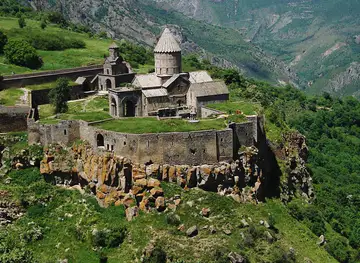


Swipe for more destinations
Explore more

Explore more of Guba-Khachmaz Region
Explore Guba-Khachmaz for Caucasus villages, Jewish heritage, forests, Caspian resorts, ancient fortifications and mountain landscapes in northern Azerbaijan.
Explore Guba-Khachmaz Region
Explore more of Azerbaijan
Discover Azerbaijan: A captivating blend of ancient heritage, stunning natural landscapes, and vibrant modernity at the crossroads of Europe and Asia.
Explore Azerbaijan