
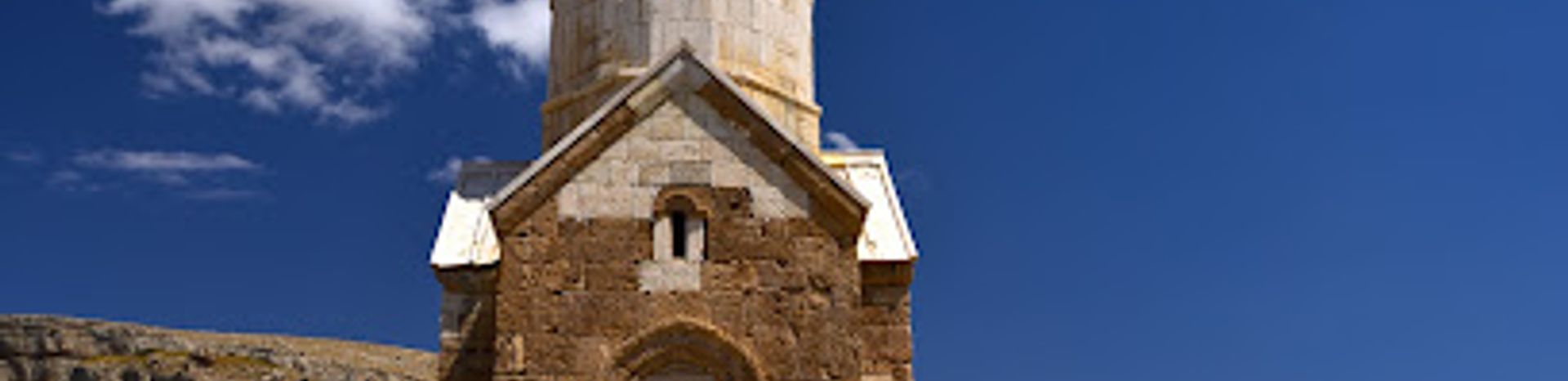
Chapel of Dzordzor: A Testament to Armenian History
A relocated Armenian chapel in West Azerbaijan, Iran, dating back to the 14th century and now a UNESCO World Heritage Site.
The Chapel of Dzordzor, also known as the Church of St. Mary, is an Armenian church in Iran's West Azerbaijan Province. Originally constructed between 1315 and 1342 AD, it served as a school for religious, cultural, and literary education. In 1987-1988, the entire church was moved to higher ground to avoid submersion by the construction of the Baron Dam.
A brief summary to کلیسای زُر زُر - Chapel of Dzordzo
- 5FQG+5FQ, Mazra`eh, West Azerbaijan Province, IR
- +984434200000
Local tips
- Wear comfortable shoes for walking around the rocky terrain surrounding the church.
- Bring water and snacks, as there are limited facilities in the immediate area.
- Consider visiting the nearby Monastery of Saint Thaddeus (Qara Kelisa), another UNESCO World Heritage Site, while in the region.

Getting There
-
Car
From Maku, take the road towards Qara Kelisa (Monastery of Saint Thaddeus). The Chapel of Dzordzor is located approximately 12 km northwest of Qara Kelisa, near the village of Baron. The road is generally accessible, but be prepared for some unpaved sections. There is no parking fee.
-
Taxi
Taxis can be hired from Maku to visit the Chapel of Dzordzor. Negotiate the fare in advance, as there are no fixed rates. A round trip should cost approximately 500,000-800,000 Iranian Rial, depending on your negotiation skills.
Discover more about کلیسای زُر زُر - Chapel of Dzordzo
Iconic landmarks you can’t miss

Mount Tendürek
55.5 km
Explore the breathtaking beauty of Mount Tendürek, an awe-inspiring volcano in eastern Turkey, offering adventure, stunning landscapes, and unique ecosystems.
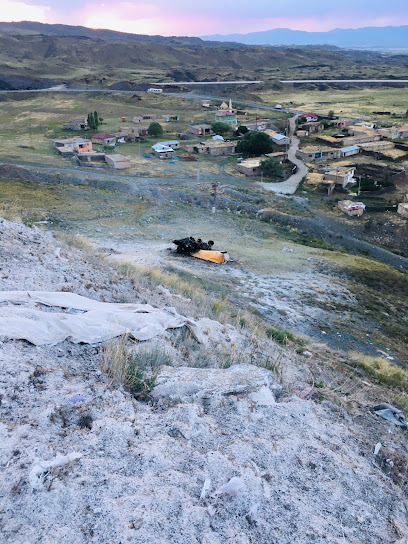
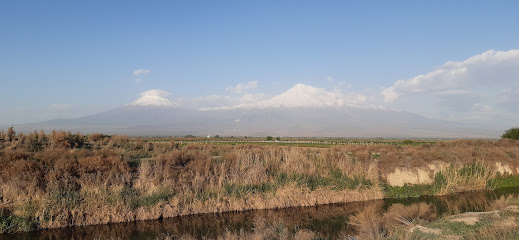
viewpoint Ararat
73.1 km
Experience the stunning vistas of Mount Ararat at Viewpoint Ararat, a peaceful scenic spot for nature lovers and photography enthusiasts in Yeghegnavan.
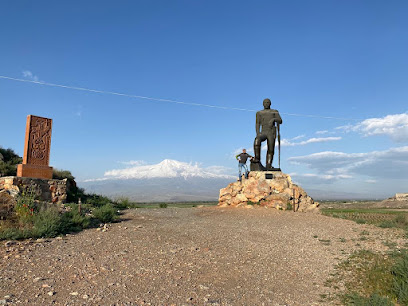
Gevork Chavush Statue
77.3 km
Honoring Armenian hero Gevork Chavush, this statue in Lusarat offers a poignant reflection on history and the stunning Ararat landscape.
Gevork Chavush
77.3 km
Explore the Gevork Chavush statue in Armenia: a historic symbol of resilience and a tribute to Armenian heritage in a stunning cultural setting.

Khor Virap State Sanctuary
78.1 km
Discover the spiritual heart of Armenia at Khor Virap State Sanctuary, where history and nature converge beneath the majestic Mount Ararat.
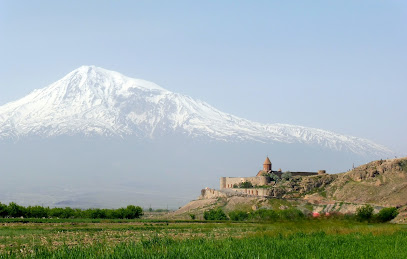
Nakhchivan State History Museum
80.7 km
Explore Nakhchivan's rich past at the State History Museum: artifacts, culture, and stories from ancient times to today.
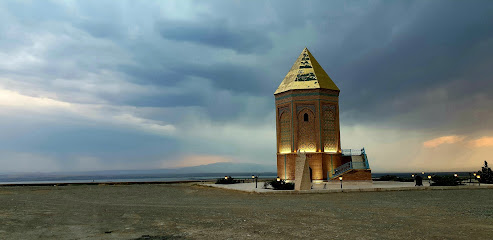
Hell Canyon
83.3 km
Experience the breathtaking beauty of Hell Canyon in Armenia, a haven for adventure seekers and nature lovers with thrilling activities and stunning vistas.
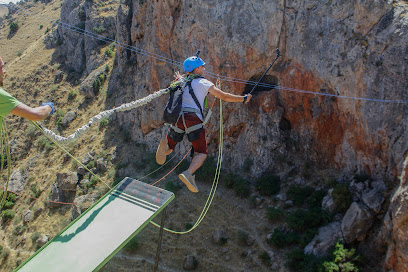
Arpa Protected Landscape
84.3 km
Experience the natural wonders of Arpa Protected Landscape, a pristine escape in Armenia that offers breathtaking views and a diverse array of wildlife.
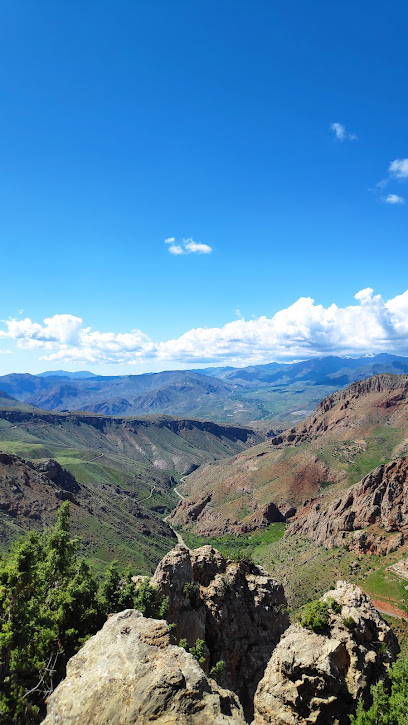
LiViTI
84.7 km
Discover the charm of Areni at LiViTI, where comfort meets the beauty of Armenia's landscapes and rich culture.
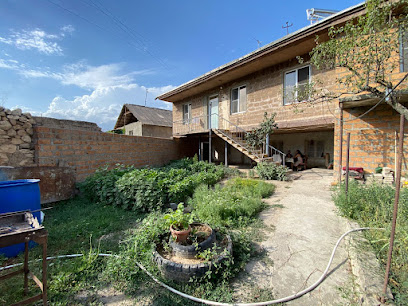
Areni Wine Art
84.7 km
Discover the heart of Armenian winemaking at Areni Wine Art, where tradition meets comfort in the picturesque village of Areni.
AreWine
84.7 km
Discover the rich heritage of Armenian winemaking at AreWine, a family-run winery in Areni known for its exceptional quality wines and warm hospitality.
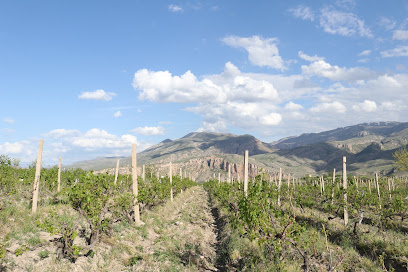
Areni House B&B
84.8 km
Discover the charm of Areni House B&B, your perfect home away from home in the heart of Armenia's wine country, offering comfort, culture, and breathtaking views.
Areni Wine Winery
84.9 km
Discover the ancient art of Armenian winemaking at Areni Wine Winery, where tradition and taste blend seamlessly in the historic village of Areni.
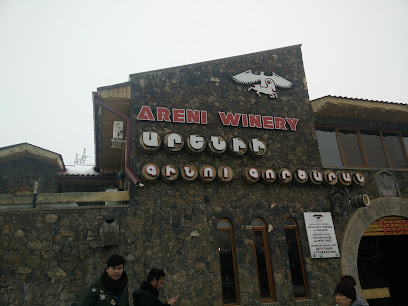
Areni cheese & wine Inn
85.2 km
Experience Armenian hospitality at its finest with homemade cheese, exquisite local wines, and cozy accommodations in the heart of Areni.
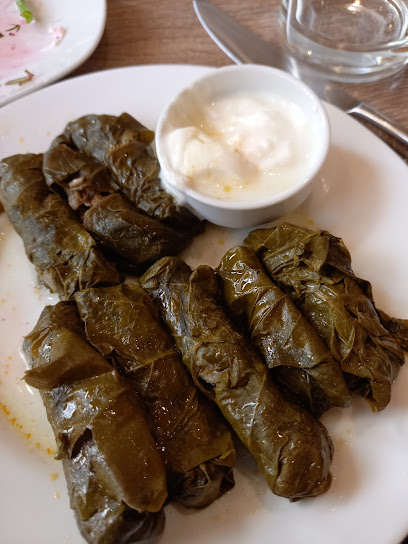
Wine House Mher
85.2 km
Experience authentic Armenian cuisine and exquisite local wines at Wine House Mher in the enchanting village of Areni.
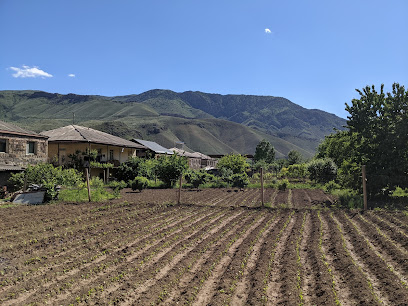
Unmissable attractions to see

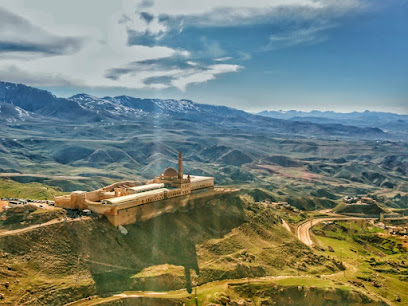
Ishak Pasha Palace
47.5 km
Experience the grandeur of Ishak Pasha Palace, a stunning historical landmark in Turkey that showcases exquisite Ottoman architecture and breathtaking landscapes.
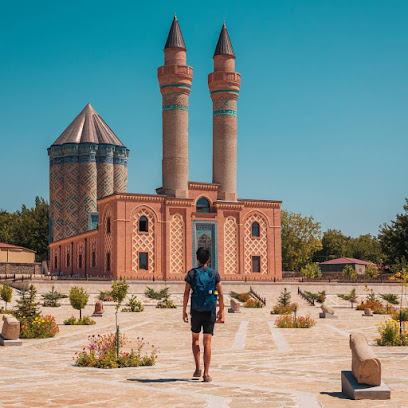
Mausoleum in Garabaghlar
67.2 km
Discover the medieval marvel of Garabaghlar Mausoleum, a stunning testament to Azerbaijan's Islamic architecture and intricate artistry.
Surenavan Aragil street
72.6 km
Experience authentic Armenian village life on Surenavan Aragil Street, a charming destination filled with culture, history, and local flavors.
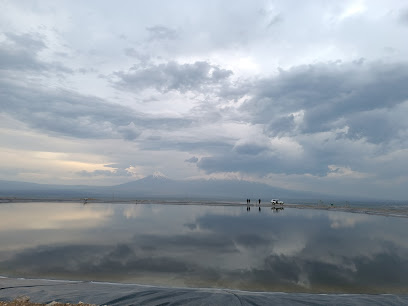
Vazgen Sargsyan
76.5 km
A peaceful memorial park in Ararat, Armenia, honoring the life and legacy of national hero Vazgen Sargsyan.
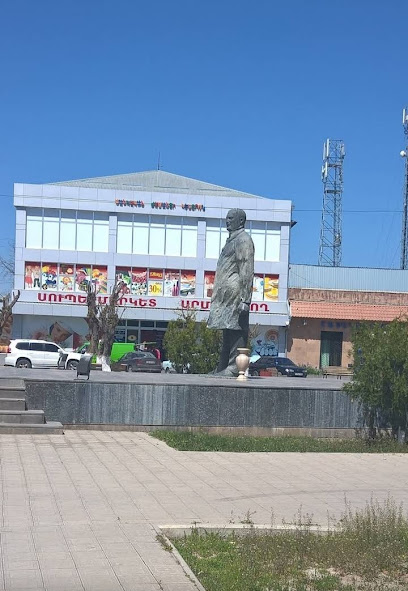
View Point
77.2 km
Experience breathtaking panoramic views of Armenia's stunning landscapes from the serene View Point in Lusarat.
Khor Virap Monastery
77.3 km
Visit Khor Virap Monastery for stunning views of Mount Ararat and a glimpse into Armenia's Christian history. A sacred pilgrimage site.
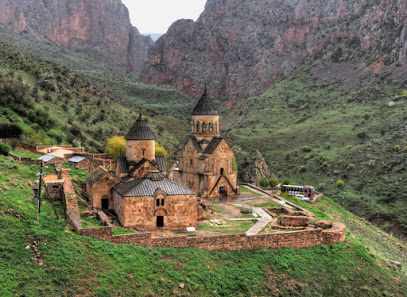
Флаг Армении
77.3 km
A vibrant symbol of Armenian identity in Yerevan, representing the nation's rich history, resilience, and aspirations for a peaceful future.
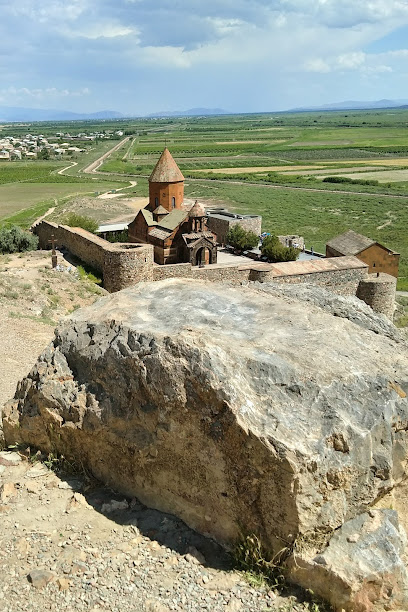
Фонтан
77.3 km
Experience the refreshing beauty of Yerevan's fountains, a blend of history, culture, and modern design in the heart of Armenia.
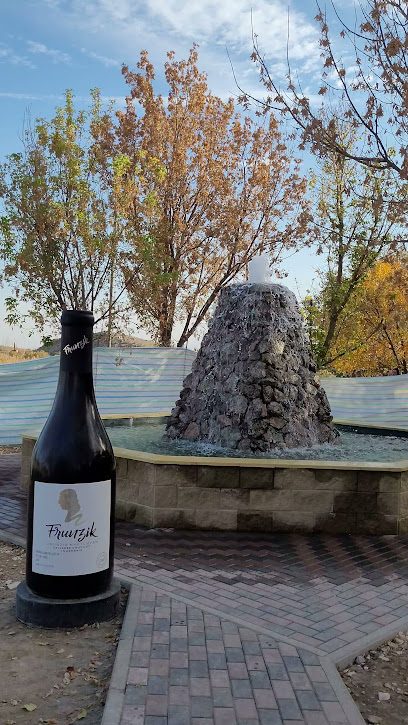
Ուռանոց Uranots
77.5 km
Experience authentic Armenian culture in Uranots, Surenavan. Discover local traditions, scenic landscapes, and warm hospitality in this hidden gem.
Pear garden
78.7 km
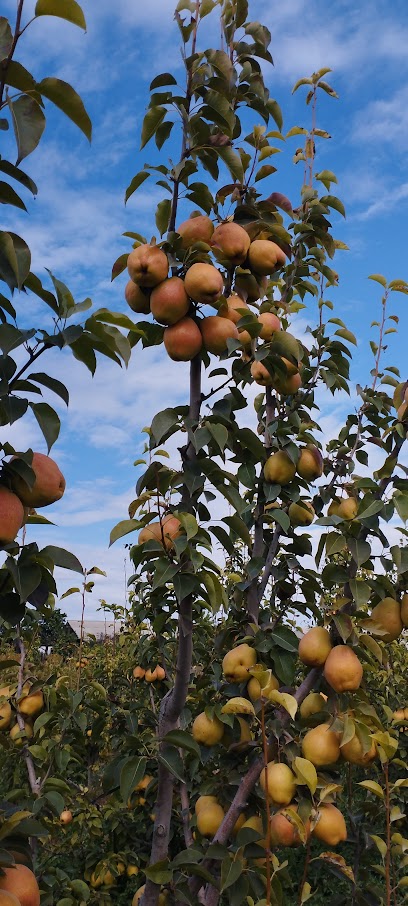
Discover the serene beauty of Armenia's Pear Garden in Pokr Vedi, a perfect escape for nature lovers and those seeking tranquility.
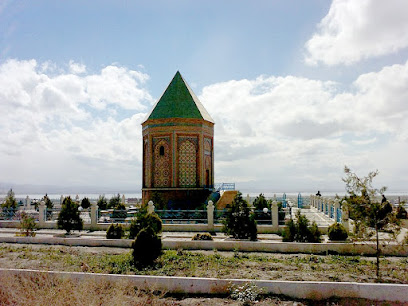
Momine Khatun Mausoleum
80.2 km
Discover the Momine Khatun Mausoleum in Nakhchivan, a 12th-century architectural masterpiece honoring a queen's legacy with intricate designs and historical depth.
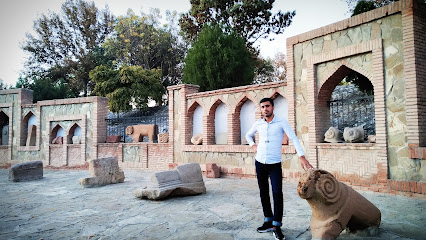
Yezidabad Castle
80.6 km
Explore Yezidabad Castle in Nakhchivan: A reconstructed fortress with a museum, walkable walls, and panoramic views of the city and beyond.
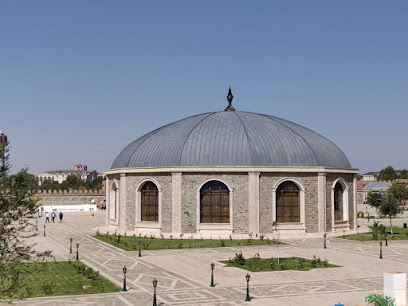
Noah's Mausoleum
80.7 km
Explore the legendary Noah's Mausoleum in Nakhchivan, a site of ancient history and religious significance, revered across cultures.
Saat Meydani Nakhchivan
81.1 km
Experience the vibrant heart of Nakhchivan at Saat Meydani, blending culture, cuisine, and entertainment around its iconic clock tower.
Tushpa Wine Cellar
82.0 km
Explore Tushpa Wine Cellar in Taperakan for an unforgettable wine tasting experience, showcasing the best of Armenian viticulture.
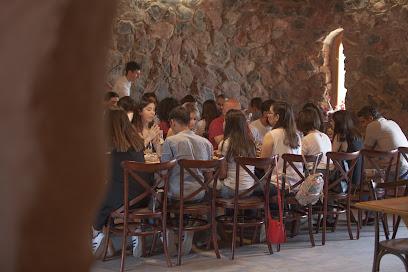
Essential places to dine

RESTAURANT COPQ
73.4 km
Experience authentic Armenian cuisine at Restaurant Copq - where tradition meets modernity in every delicious bite.
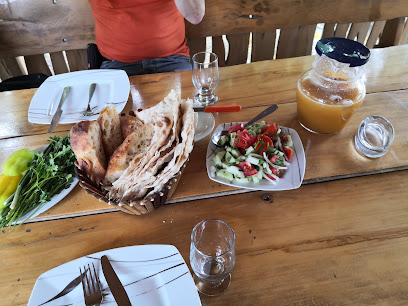
AraratFood Lunch
76.7 km
Discover the authentic flavors of Sweden at AraratFood Lunch, where traditional recipes meet local freshness in a cozy dining setting.
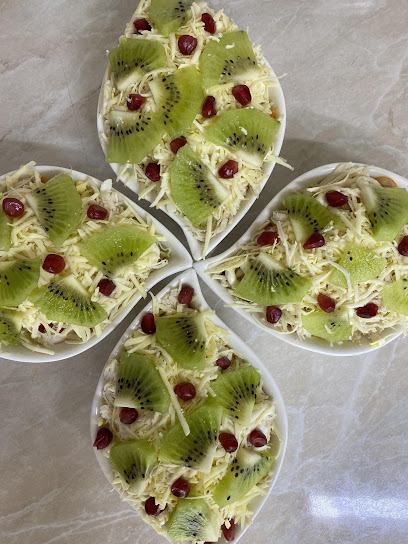
Nrane
79.4 km
Discover the rich flavors and cultural heritage at Nrane, Vedi's premier destination for authentic Armenian cuisine.
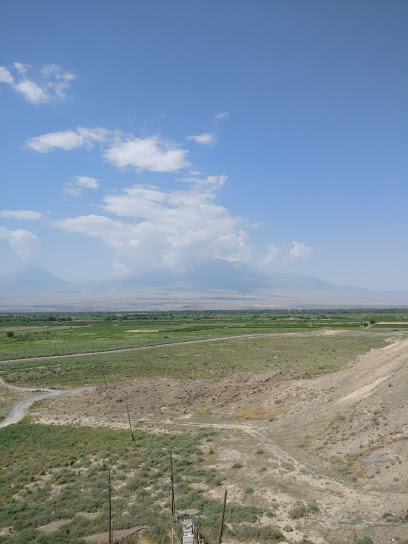
Naxış Nərgiz
79.6 km
Experience authentic Azerbaijani cuisine at Naxış Nərgiz, where traditional flavors meet modern dining in a welcoming atmosphere.
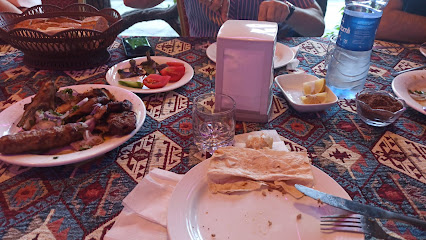
Nakhchivan Palace Hotel
79.7 km
Experience unparalleled luxury at Nakhchivan Palace Hotel – your gateway to comfort and culture in Azerbaijan.
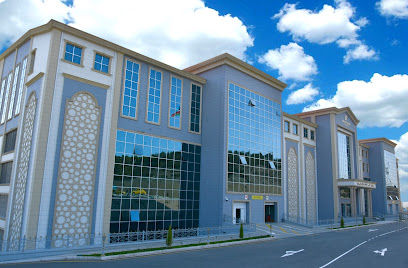
Ham Buyr Gastro Cafe
79.8 km
Experience the best of Armenian cuisine at Ham Buyr Gastro Cafe in Pokr Vedi – where tradition meets modernity in every bite.
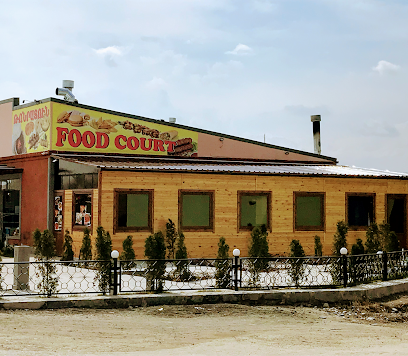
qaradeniz yemekleri
80.0 km
Experience authentic Nakhchivani cuisine at Qaradeniz Yemekleri – where every dish is a taste of tradition.
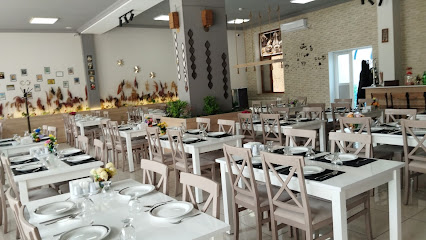
Pizza House
80.2 km
Discover delicious pizzas and fast food delights at Pizza House in Nakhchivan – perfect for quick meals or leisurely dining experiences.
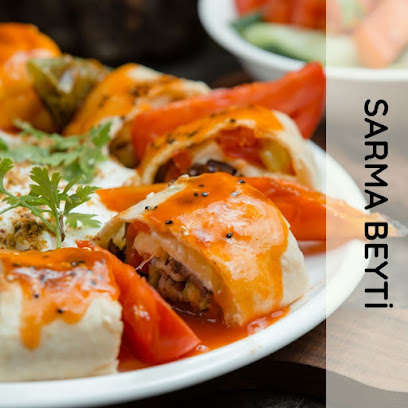
Milli Yemekler
80.2 km
Discover the authentic flavors of Azerbaijani cuisine at Milli Yemekler in Nakhchivan, where tradition meets taste.
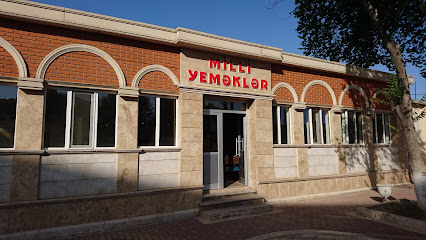
İbesta Restaurants Naxçıvan
80.3 km
Experience family-friendly dining at İbesta Restaurants in Nakhchivan with delicious local cuisine and warm hospitality.
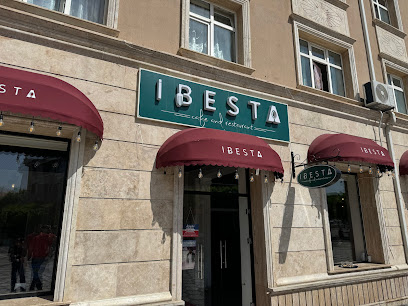
Milli Yeməklər
80.3 km
Discover the rich flavors of traditional Azerbaijani cuisine at Milli Yeməklər in Nakhchivan.
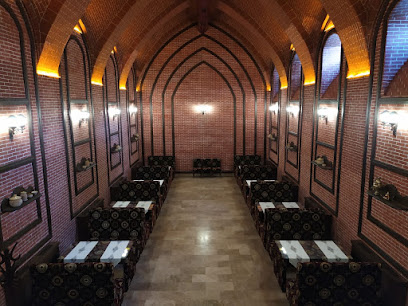
Kucha Patisserie
80.4 km
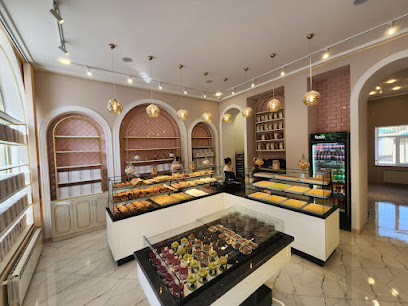
Discover Kucha Patisserie: A delightful café offering exquisite pastries and a cozy atmosphere in the heart of Nakhchivan.
Local restaurant
80.4 km
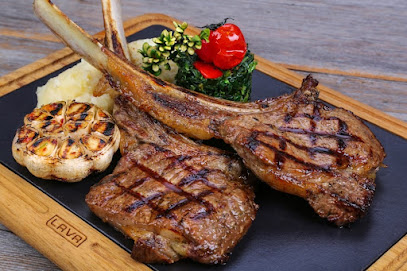
Discover Nakhchivan's culinary treasures at this inviting local restaurant offering traditional dishes and warm hospitality.
Möminə Xatın Kitab kafe
80.4 km
Discover the charm of Möminə Xatın Kitab Kafe: where literature meets leisure in the heart of Nakhchivan.
Hotel Tabriz
80.4 km
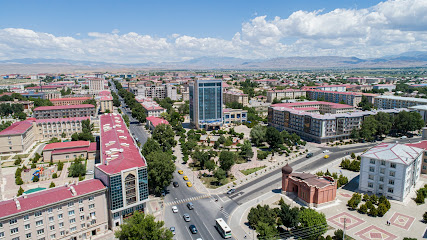
Discover unparalleled comfort at Hotel Tabriz in Nakhchivan—your gateway to a remarkable travel experience.
Markets, malls and hidden boutiques

Ani Market
68.7 km
Explore local flavors and vibrant culture at Ani Market, Yeraskh's premier supermarket for unique finds and fresh produce.
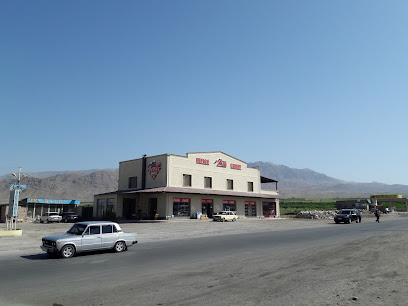
ArtPharm
75.9 km
Discover ArtPharm in Avhsar - your go-to pharmacy for health and wellness essentials while exploring Armenia.
Ararat Farmer Market
76.0 km
Explore the Ararat Farmer Market: A Culinary Oasis of Fresh Produce, Local Delicacies, and Artisanal Goods in the Heart of Ararat.
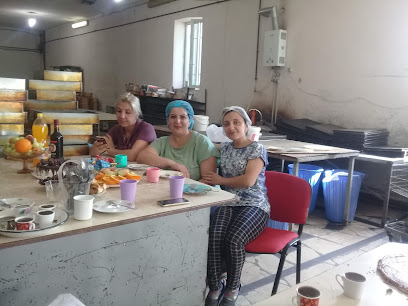
Ararat
76.1 km
Explore the flavors of Armenia at Ararat's charming grocery store, offering fresh local produce and traditional delights for every visitor.

Avshar Market
76.2 km
Experience the vibrant flavors of Armenia at Avshar Market, your go-to destination for fresh groceries and delightful baked goods.
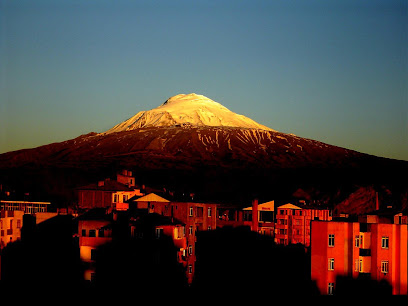
Վան & Արթ
76.3 km
Discover unique fashion at Վան & Արթ in Ararat, where modern trends meet local Armenian culture in a stylish clothing store.
Scent bar perfumes and Cosmetics
76.3 km
Explore a captivating selection of perfumes and cosmetics at Scent Bar in Artashat, where luxury meets local craftsmanship.
Alex
76.5 km
Experience the vibrant culture of Armenia at Alex Store in Ararat, where local crafts and unique souvenirs await to enrich your travel experience.
Arminashogh
76.6 km
Experience the vibrant culture of Armenia at Arminashogh Supermarket, where local flavors and international products blend seamlessly.
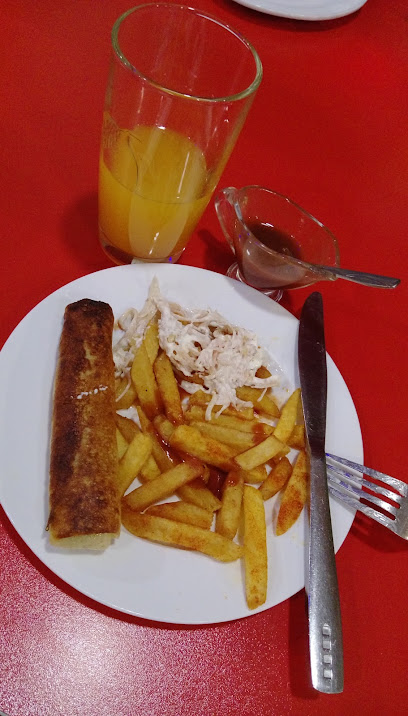
Souvenirs Market
77.3 km
Explore Lusarat's Souvenirs Market for unique local crafts, traditional artifacts, and a taste of Armenian culture.
Souvenirs
77.3 km
Explore the charm of Lusarat with unique souvenirs that capture the essence of Armenian culture and craftsmanship.
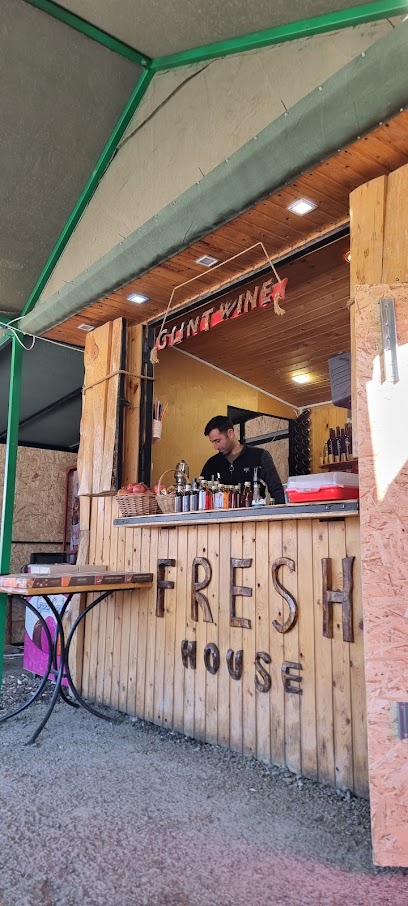
Fresh house
77.4 km
Discover the cozy charm of Fresh House in Lusarat, where exquisite coffee and delightful treats create the perfect ambiance for relaxation.
Arevmarket
78.7 km
Experience the essence of Armenian culture at Arevmarket, Vosketap's premier destination for unique crafts and local delicacies.
Anushik Market
78.9 km
Discover the vibrant Anushik Market in Vosketap, where local flavors and unique finds await every traveler.
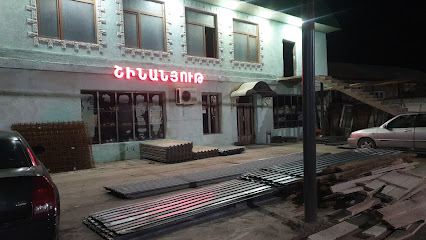
Կարո Շին
78.9 km
Explore Karo Shin in Ararat for a comprehensive selection of building materials and expert guidance for all your construction needs.
Essential bars & hidden hideouts

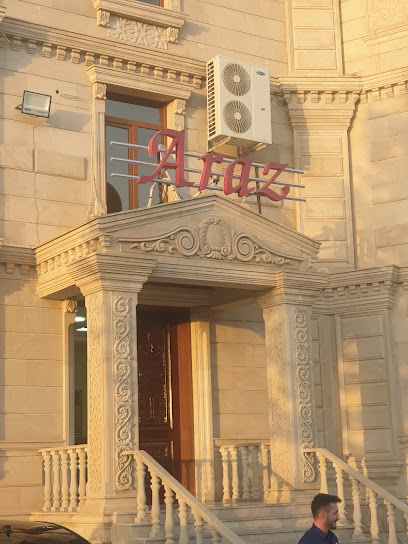
Araz bar pub
78.7 km
Experience the vibrant nightlife of Nakhchivan at Araz Bar Pub, where local flavors and a lively atmosphere await every visitor.
Araz Şadlıq Sarayı
78.7 km
Discover the authentic flavors of Azerbaijani cuisine at Araz Şadlıq Sarayı in Nakhchivan, where tradition meets elegance in dining.
Əli hesen
78.9 km
Discover the vibrant ambiance and local charm of Əli hesen, a must-visit bar in Karakhanbeyli for a relaxing night out.
Alkaş Eltac
79.8 km
Experience the vibrant nightlife of Nakhchivan at Alkaş Eltac, a cozy bar offering refreshing drinks and a welcoming atmosphere.
Tesla Lounge
80.0 km
Tesla Lounge in Nakhchivan offers an exquisite dining experience blending local flavors with global cuisine in a vibrant atmosphere.
Kəklikotu Restoran
80.3 km
Experience the authentic taste of Azerbaijani cuisine at Kəklikotu Restoran in Nakhchivan, where tradition meets flavor in a warm atmosphere.
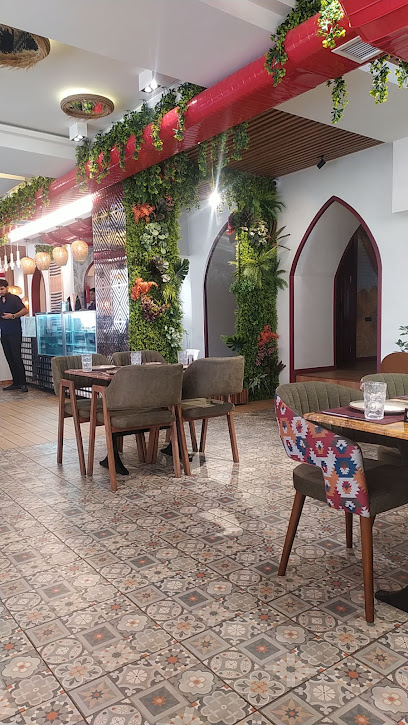
Onur cafe
80.3 km
Experience delightful family dining at Onur Cafe in Nakhchivan, where authentic flavors meet a warm, welcoming ambiance.
4 FƏSİL Restaurant
80.3 km
Experience authentic Azerbaijani cuisine at 4 FƏSİL Restaurant in Nakhchivan, where traditional flavors meet modern comfort.
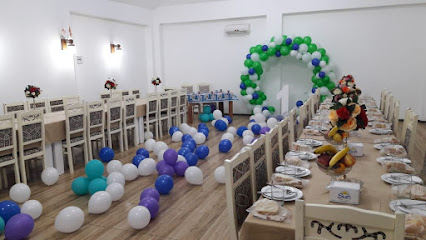
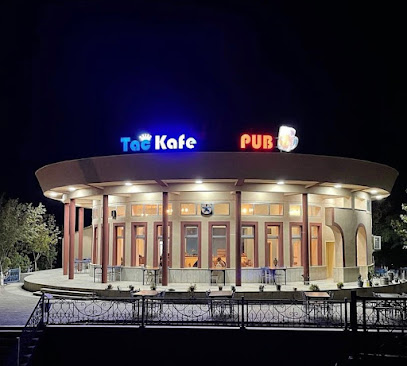
Tac pub Kafe
80.3 km
Experience the local charm of Nakhchivan at Tac Pub Kafe, a cozy bar perfect for unwinding and socializing with friends.
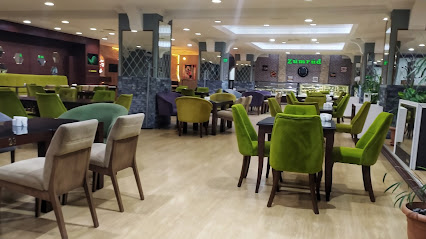
Zumrud Restoran
80.5 km
Savor the authentic taste of Azerbaijani cuisine at Zumrud Restoran in Nakhchivan, where tradition meets flavor.
BirBakal
80.5 km
Discover the authentic tastes of Azerbaijan at BirBakal, a culinary haven in Nakhchivan that delights every food lover.
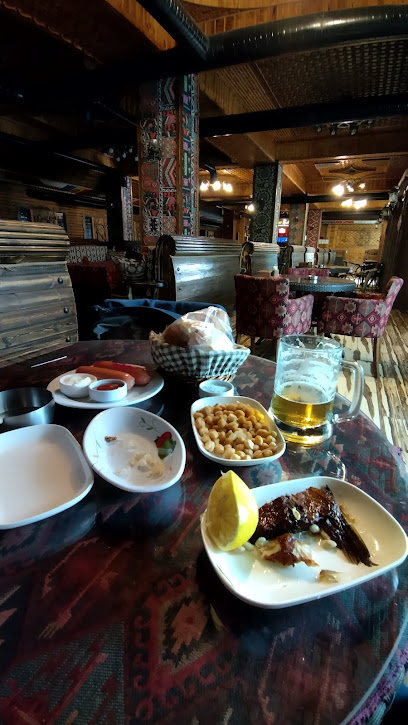
Karvan
80.6 km
Experience the vibrant nightlife of Nakhchivan at Karvan, the go-to bar for locals and tourists alike.
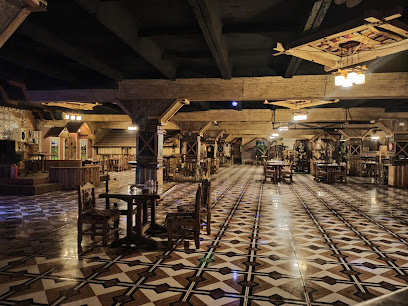
PEGAS RESTORAN
80.8 km
Discover the vibrant atmosphere and local flavors at PEGAS RESTORAN, a must-visit bar in the heart of Shikhmahmud.
ENGLIS PUB
81.1 km
Experience the perfect blend of local hospitality and cozy pub atmosphere at Nakhchivan's charming English Pub, a must-visit for tourists.
Kosebasi Naxcivan
81.1 km
Discover the rich flavors of Azerbaijani cuisine at Kosebasi Naxcivan, where every dish tells a story.
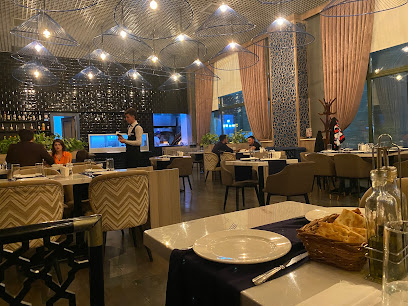
Nightclubs & after hour spots

Kippentent
76.7 km
Experience the electrifying nightlife at Kippentent, Lusarat's top night club, where music, dance, and unforgettable memories await.
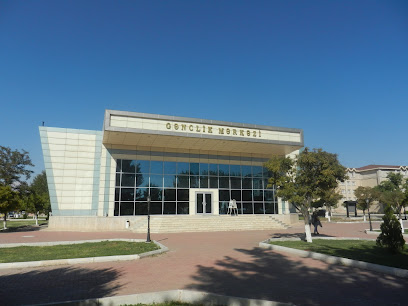
Genclik Merkezi
80.3 km
Discover the cinematic charm of Nakhchivan at Genclik Merkezi, a must-visit movie theater offering diverse films and a welcoming atmosphere.
SVstudio
80.9 km
Discover the perfect blend of relaxation and local charm at SVstudio in Nakhchivan, an inviting lounge for every traveler.
Gold Star show club
86.7 km
Experience the electrifying nightlife of Berkanush at Gold Star Show Club, where music, dance, and entertainment come together.
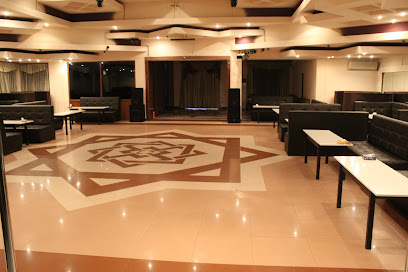
Սրճարան Ռայ
97.0 km
Experience the warmth of Armenian hospitality at Սրճարան Ռայ, Yeghegnadzor's cozy lounge perfect for relaxation and socializing.


