

Free Riffa Travel Guide & Mobile App
Plan your Riffa trip with Evendo. Get free guides to top attractions, restaurants, hotels, and bars. Web access or download the mobile app.


Riffa, Bahrain, combines historic Riffa Fort, royal heritage, local souqs and desert-edge landscapes with easy access to the island’s cultural attractions.
A Royal Town Inland
Riffa lies in central Bahrain, south of Manama and away from the island’s older maritime settlements. Divided broadly into East Riffa and West Riffa, it is one of the kingdom’s principal urban areas and has long been associated with Bahrain’s ruling Al Khalifa family. Its atmosphere is more residential and spacious than that of the capital, with busy commercial roads, established neighbourhoods and open stretches leading towards the southern desert.Read more about Riffa
Fort, Valley and Memory
Contemporary Riffa
When is the best time to visit Riffa?
Best: March, November–December · 24–28°C| Month | High (°C) | Rainfall (mm) |
|---|---|---|
| January | 22 | 0 |
| February | 22 | 0 |
| March (best) | 24 | 0 |
| April | 29 | 0 |
| May | 35 | 0 |
| June | 39 | 0 |
| July | 42 | 0 |
| August | 42 | 0 |
| September | 39 | 0 |
| October | 35 | 0 |
| November (best) | 28 | 0 |
| December (best) | 24 | 0 |
Getting to and around Riffa
How to get there
Transportation
Best attractions in Riffa
Riffa Fort is the city’s principal sightseeing attraction, rising above Al Hunainiya Valley with defensive towers, coral-stone construction and views across Bahrain’s inland landscape. The valley itself adds a natural dimension to a visit, particularly after rain, when the low depression offers a contrast to the island’s built-up roads and desert terrain. In East Riffa, the Bahrain National Stadium provides a glimpse of the country’s sporting culture and hosts major football fixtures and events. The Royal Golf Club, in the Riffa area, brings landscaped fairways and contemporary leisure facilities to the southern interior, while nearby Sakhir offers access to Bahrain International Circuit and other regional attractions outside the city proper. Riffa’s shopping centres, local cafés and residential districts are also part of the experience, revealing everyday Bahraini life beyond the capital’s museums and waterfront.
-
Car racing track
Bahrain International Circuit
Experience the thrill of motorsport at Bahrain International Circuit, the Middle East's premier racing destination in the heart of the Sakhir desert.
31 min drive · 11 km from city centre
-
Wildlife park
Al Areen Wildlife Park
Discover Arabian wildlife at Al Areen Wildlife Park, a conservation haven in Bahrain dedicated to preserving endangered species and promoting environmental awareness.
33 min drive · 13 km from city centre
-
Mosque
Al Fateh Grand Mosque
Discover Bahrain's iconic Al Fateh Grand Mosque: a mesmerizing blend of Islamic architecture, culture, and history in the heart of Manama.
31 min drive · 11 km from city centre
-
Fortress
Bahrain Fort
Explore Bahrain Fort: A UNESCO site revealing 4,500 years of history, from the Dilmun civilization to a Portuguese stronghold.
33 min drive · 13 km from city centre


Best landmarks in Riffa
Sheikh Salman bin Ahmed Al Fateh Fort, widely known as Riffa Fort, is Riffa’s defining landmark and one of Bahrain’s clearest surviving examples of a royal defensive residence. Its thick walls, corner towers and elevated position above Al Hunainiya Valley reveal the strategic importance of the inland town during the nineteenth century. The Al Hunainiya Valley itself is a geographical landmark, linking the fort to the natural contours of central Bahrain and providing a rare open setting close to a major urban area. The Bahrain National Stadium in East Riffa represents a later chapter in the city’s development, expressing the role of organised sport in modern national life. The Royal Golf Club is a contemporary landmark of a different kind, its landscaped course marking the growth of large-scale leisure facilities in Bahrain’s southern interior.
-
Bridge
King Fahd Causeway
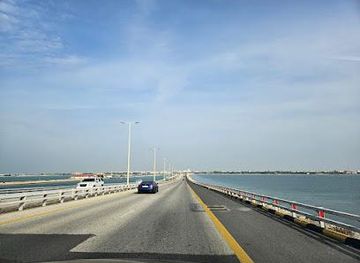
Experience the King Fahd Causeway: A marvel of engineering connecting Saudi Arabia and Bahrain with stunning views of the Arabian Gulf.
43 min drive · 23 km from city centre
-
Housing development
Riffa Views
Discover Riffa Views: Bahrain's premier residential community with lush landscapes, golf courses, and a tranquil suburban lifestyle.
8 min drive · 2.5 km from city centre
-
Castle
Sheikh Salman bin Ahmed Fort
Explore Sheikh Salman bin Ahmed Fort, a cultural gem in Riffa, Bahrain, offering rich historical insights and stunning architectural beauty.
11 min walk · 0.9 km from city centre
-
Park
Khalifa AlKubra Garden
Discover a tranquil escape in Riffa's Khalifa AlKubra Garden, a beautifully landscaped park offering relaxation, recreation, and Bahraini culture.
5 min drive · 1.7 km from city centre


Explore Riffa on the map
Plan your Riffa trip on one map. See where the top attractions, landmarks, restaurants, bars and hotels are, find what's near where you're staying, and book hotels and experiences in a few clicks.
Best hotels in Riffa
Best restaurants in Riffa
Riffa’s dining scene reflects Bahrain’s blend of Gulf, Persian, Indian and Arab influences, with traditional Bahraini food available alongside casual international restaurants and cafés. Look for machboos, rice cooked with spiced meat or fish, muhammar, a sweet rice dish often served with seafood, and hearty stews, grilled meats and fresh fish. Small tea shops and informal eateries provide karak tea, flatbreads and quick snacks, while shopping centres and commercial roads offer a broader choice of family restaurants. The city’s spread-out form means dining tends to be organised around neighbourhood centres and arterial roads rather than one concentrated restaurant quarter. Local food markets and everyday shops are useful places to see dates, spices, breads and Gulf pantry staples, although Riffa is better known for residential dining than for a specialist destination food market.
-
Grill
New Abul Grill
Discover mouthwatering grilled delights at New Abul Grill in Riffa – an affordable dining experience showcasing authentic Bahraini flavors.
6 min drive · 2.1 km from city centre
-
Restaurant
مطعم سما الديرة الرفاع الغربي
Experience authentic Bahraini flavors at Sama Al Deerah – where every dish tells a story of tradition and taste.
5 min drive · 1.7 km from city centre
-
Lebanese
Lebanese Restaurant
Experience authentic Lebanese cuisine in Riffa with delicious dishes and warm hospitality.
16 min walk · 1.3 km from city centre
-
Restaurant
Le Petit Restaurant
Experience authentic culinary delights at Le Petit Restaurant in Riffa, where every dish tells a story of flavor and tradition.
6 min drive · 1.9 km from city centre


Best bars in Riffa
Riffa has a comparatively restrained evening scene and is not Bahrain’s main destination for nightclubs or late-night bar culture. Evenings are more often spent in family restaurants, cafés, dessert shops and shopping centres, where residents gather over Arabic coffee, karak tea and conversation. Local commercial areas remain active after sunset, when the lower temperatures make outdoor movement more comfortable, while sporting events at the Bahrain National Stadium can add a livelier atmosphere on match days. Visitors seeking licensed bars, larger hotel lounges, live entertainment or club-based nightlife generally look towards Manama, Juffair and Adliya rather than Riffa. Cultural and family-oriented evening activities are therefore more representative of the city than an extensive club circuit, and alcohol should be consumed only in venues where it is legally permitted.
-
Irish pub
McGettigan's
Discover the lively spirit of McGettigan's, a premier Irish pub in Manama, serving authentic cuisine and drinks in a vibrant atmosphere.
31 min drive · 11 km from city centre
-
Hamburger
Gold Label Burgers
Discover the best gourmet burgers at Gold Label Burgers in West Riffa, Bahrain - a delightful dining experience awaits every burger lover.
17 min walk · 1.4 km from city centre
-
Hamburger
Plan B Restaurant
Savor the best burgers in Riffa at Plan B, where quality meets flavor in a vibrant atmosphere.
12 min walk · 0.9 km from city centre
-
Mediterranean
Bucho's Street Food
Discover the vibrant flavors of Mediterranean cuisine at Bucho's Street Food in West Riffa, Bahrain – a culinary gem for food lovers.
17 min walk · 1.4 km from city centre


Best nightclubs in Riffa
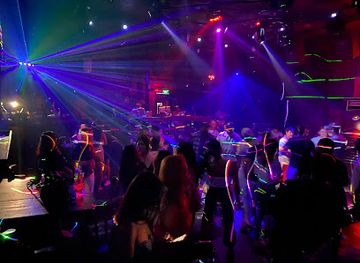
Riffa has a comparatively restrained evening scene and is not Bahrain’s main destination for nightclubs or late-night bar culture. Evenings are more often spent in family restaurants, cafés, dessert shops and shopping centres, where residents gather over Arabic coffee, karak tea and conversation. Local commercial areas remain active after sunset, when the lower temperatures make outdoor movement more comfortable, while sporting events at the Bahrain National Stadium can add a livelier atmosphere on match days. Visitors seeking licensed bars, larger hotel lounges, live entertainment or club-based nightlife generally look towards Manama, Juffair and Adliya rather than Riffa. Cultural and family-oriented evening activities are therefore more representative of the city than an extensive club circuit, and alcohol should be consumed only in venues where it is legally permitted.
-
Night club
Club Wrangler Bahrain
Dive into the vibrant nightlife of Manama at Club Wrangler Bahrain, where music, dance, and unforgettable moments await.
31 min drive · 11 km from city centre
-
Night club
The One
Discover The One, Bahrain's ultimate night club destination for unforgettable nights filled with music, dance, and vibrant energy.
32 min drive · 12 km from city centre
-
Night club
V Club Bahrain
Experience the vibrant nightlife of Manama at V Club Bahrain, where music and energy come alive in a chic setting.
31 min drive · 11 km from city centre
-
Lounge
Voya lounge
Discover the vibrant nightlife at Voya Lounge in Riffa, where elegance meets relaxation in a chic setting.
5 min drive · 1.5 km from city centre


Best shops in Riffa
Shopping in Riffa is centred on local commercial streets, neighbourhood shops and modern malls rather than a single historic bazaar district. Riffa Mall and Enma Mall provide air-conditioned retail, dining and family entertainment, while smaller shopping areas offer clothing, electronics, perfumes, household goods and everyday provisions. Traditional shopping is more informal: groceries and specialist stores stock dates, spices, Arabic sweets, breads and other Bahraini pantry goods, and gold and perfume retailers reflect long-established Gulf trading tastes. Visitors looking for crafts and more substantial heritage shopping may find a wider concentration of workshops and market stalls in Manama and Muharraq, but Riffa is useful for observing ordinary retail life away from the capital. Bargaining is most appropriate in small independent shops and market-style transactions, not in fixed-price malls.
-
Shopping mall
City Centre Bahrain
Discover the ultimate shopping experience at City Centre Bahrain, a vibrant hub for fashion, dining, and entertainment in the heart of Jidhafs.
32 min drive · 12 km from city centre
-
Shopping mall
The Avenues
Discover The Avenues, a shopping haven in Manama, offering a mix of luxury brands, delightful dining, and stunning waterfront views.
34 min drive · 14 km from city centre
-
Shopping mall
Seef Mall
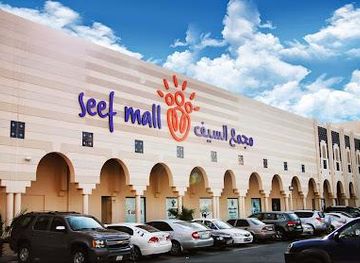
Experience the ultimate shopping, dining, and entertainment destination at Seef Mall in Manama, Bahrain.
32 min drive · 12 km from city centre
-
Hypermarket
LuLu Hypermarket - Riffa
Experience the ultimate shopping adventure at LuLu Hypermarket in Riffa, where variety meets quality in the heart of Bahrain.
5 min drive · 1.8 km from city centre


Get your free copy of our complete guide to Riffa, delivered straight to you.
Everything on this page, from attractions and restaurants to essentials and local phrases, in one PDF you can read offline, print or share.
Already have an account? Sign in
Your Riffa guide is ready.
We'll send it to · Not you? Sign out

Getting your guide ready…
We are putting together a fresh copy of the Riffa guide. This can take up to a minute.
This can take a few moments. If your browser asks, choose Allow so the download can start. You'll find the guide in your Downloads folder.
Nothing happened? Download it again
Sorry, the guide is taking longer than usual. Please try again in a minute, or get it by email instead.
Riffa essentials
Currency and Payment
Safety
Emergency Situations
Do's and Don'ts
Local Tips
From Eve
Local phrases worth knowing
You don't need to get them perfect. A few words go a long way, and locals appreciate the effort.
Basics
| English | Local | Say it |
|---|---|---|
| Hello | مرحبا | [marhaba] |
| Goodbye | وداعا | [wadaa'an] |
| Yes | نعم | [naam] |
| No | لا | [laa] |
| Please/You're welcome | من فضلك | [min fadlak] |
| Thank you | شكرا | [shukran] |
| Excuse me/Sorry | عذرا | [aathir] |
| How are you? | كيف حالك؟ | [kaifa halak?] |
| Fine. And you? | بخير. وأنت؟ | [bikheir. wa anta?] |
| Do you speak English? | هل تتكلم الإنجليزية؟ | [hal tatakallam al'iinjlezia?] |
| I don't understand | أنا لا أفهم | [ana la afham] |
Eating & Drinking
| English | Local | Say it |
|---|---|---|
| I'd like to see the menu, please | أريد رؤية القائمة، من فضلك | [urid ru'ya alqa'imah, min fadlak] |
| I don't eat meat | أنا لا آكل اللحم | [ana la aakol allahm] |
| Cheers! | في صحتك! | [fi sahtak!] |
| I would like to pay, please | أود أن أدفع، من فضلك | [awad an adfa', min fadlak] |
Emergencies
| English | Local | Say it |
|---|---|---|
| Help! | النجدة! | [alnajdah!] |
| Go away! | انصرف! | [ansarif!] |
| Call the Police! | اتصل بالشرطة! | [iatisil bialshurta!] |
| Call a doctor! | اتصل بالطبيب! | [iatisil bialtabib!] |
| I'm lost | لقد ضللت الطريق | [liqad dalalt altariq] |
| I'm ill | أنا مريض | [ana mareed] |
Shopping
| English | Local | Say it |
|---|---|---|
| I'd like to buy... | أريد شراء... | [urid shira...] |
| I'm just looking | أنا فقط أتفرج | [ana faqat atfarij] |
| How much is it? | كم سعره؟ | [kam sa'aruh?] |
| That's too expensive | هذا غالي جدا | [hatha ghaali jiddan] |
| Can you lower the price? | هل يمكنك خفض السعر؟ | [hal yumkinuk khafd alsu'ur?] |
Time & Numbers
| English | Local | Say it |
|---|---|---|
| What time is it? | كم الساعة؟ | [kam alsaa'ah?] |
| It's one o'clock | الساعة الواحدة | [alsaa'ah alwahidah] |
| Half past (10) | الساعة العاشرة والنصف | [alsaa'ah alaashirah walnisf] |
| Morning | الصباح | [alsabah] |
| Afternoon | الظهر | [aldhuhur] |
| Evening | المساء | [almasa'] |
| Yesterday | أمس | [ams] |
| Today | اليوم | [alyawm] |
| Tomorrow | غدا | [ghadan] |
| 1 | واحد | [wahid] |
| 2 | اثنان | [ithnan] |
| 3 | ثلاثة | [thalatha] |
| 4 | أربعة | [arba'a] |
| 5 | خمسة | [khamsa] |
| 6 | ستة | [sitta] |
| 7 | سبعة | [sab'a] |
| 8 | ثمانية | [thamania] |
| 9 | تسعة | [tisa'a] |
| 10 | عشرة | [ashara] |
Transport & Directions
| English | Local | Say it |
|---|---|---|
| Where's a/the...? | أين...؟ | [ayna...?] |
| What's the address? | ما هو العنوان؟ | [ma hu al'anaan?] |
| Can you show me (on the map)? | هل يمكنك أن تريني (على الخريطة)؟ | [hal yumkinuk an tureeni (ala alkhareeta)?] |
| When's the next (bus)? | متى الحافلة القادمة؟ | [mata alhafilah alqadimah?] |
| A ticket (to ....) | تذكرة (إلى ...) | [tazkirah (ila ...)] |
History of Riffa
A Settlement in Inland Bahrain
Riffa developed inland from the coastal towns that historically connected Bahrain to pearling, fishing and Gulf trade. Its position near the island’s central uplands and seasonal drainage channels gave it a different character from Muharraq and Manama, whose identities were shaped more directly by the sea. The Al Hunainiya Valley became an important feature of the local landscape, while wells, cultivated areas and routes across the interior supported settlement. Riffa’s later importance was strengthened by its defensible position and its proximity to the routes leading towards the southern part of the island. Although the surviving fort provides the clearest physical expression of its historic role, the city’s development also belongs to the wider transformation of Bahrain from a group of coastal and rural communities into a unified modern state.
The Construction of Riffa Fort
The city’s best-known monument is Sheikh Salman bin Ahmed Al Fateh Fort, usually called Riffa Fort. It was built in the early nineteenth century under Sheikh Salman bin Ahmed Al Fateh, a member of the Al Khalifa ruling family, and occupied a commanding position above the Al Hunainiya Valley. The fort’s coral-stone walls, towers and internal rooms reflect the defensive architecture of Bahrain before modern military infrastructure. It functioned not only as a stronghold but also as a residence associated with the ruling family. Its elevated setting made the valley and approaches visible from the building, illustrating why inland Riffa carried political and strategic importance at a time when control of routes and water sources mattered greatly.
Riffa and the Al Khalifa Residence
During the nineteenth century, Riffa became closely linked with the Al Khalifa family and served as an important royal residence. The town’s association with the ruling house helped distinguish it from Bahrain’s mercantile centres, particularly Manama and Muharraq, where commercial life and maritime connections were more prominent. The fort and the surrounding settlement preserve this chapter of political history, while the name Riffa remains strongly associated with Bahrain’s governing dynasty. The area’s importance was not based solely on ceremonial residence: its inland location offered a strategic alternative to the coastal towns and connected the ruling community with agricultural and pastoral parts of the island. Later urban growth built around, rather than erased, this royal and defensive legacy.
Oil, Roads and Urban Transformation
The discovery of oil in Bahrain in the early twentieth century altered the island’s economy and accelerated changes in settlement, employment and infrastructure. As roads, utilities and public institutions expanded, Riffa grew beyond its earlier fort-centred form. Improved connections with Manama, Isa Town, the southern villages and Sakhir encouraged residential development and made inland living increasingly integrated with the national economy. Traditional compounds and older local patterns continued alongside schools, government facilities, commercial streets and planned housing. The result was a broad urban area rather than a single preserved historic district. Riffa’s modern identity therefore reflects both continuity with the town associated with the Al Khalifa family and the rapid social and spatial change brought by Bahrain’s twentieth-century oil economy.
Modern East and West Riffa
Contemporary Riffa is commonly understood through its East Riffa and West Riffa districts, whose growth forms part of Bahrain’s wider suburban expansion. The city now contains substantial residential areas, shopping facilities, sporting venues and public services, while older landmarks remain reference points within the built-up landscape. The Bahrain National Stadium in East Riffa reflects the development of national sporting infrastructure, and the Royal Golf Club represents the newer leisure economy of the southern interior. Nearby Sakhir has also become associated with major events and motorsport, although it is distinct from Riffa itself. Modern Riffa thus combines a historic royal town, a large residential community and a gateway to Bahrain’s southern leisure and desert landscapes.
Riffa in Photos
Browse through our photo collection highlighting the charm and character of the destination.
Cities near Riffa
The closest cities to Riffa, if you have time for more than one stop.
-

-

-

-

-


Swipe for more cities
Explore more

Explore more of Bahrain
Discover Bahrain, where modernity meets history, from bustling markets to ancient ruins, and from luxurious shopping to serene beaches.
Explore Bahrain