

Free Manama Travel Guide & Mobile App
Plan your Manama trip with Evendo. Get free guides to top attractions, restaurants, hotels, and bars. Web access or download the mobile app.


Manama blends Bahrain’s pearling heritage, souqs, museums, modern skylines and Gulf culture, with historic forts and island adventures close by.
History Along the Waterfront
Manama is Bahrain’s compact, cosmopolitan capital, shaped by the island’s position at the crossroads of the Arabian Gulf. Its modern towers, broad commercial avenues and busy financial district stand close to the older quarters around Bab Al Bahrain, where narrow lanes lead into the Manama Souq and the Gold Souq. The city’s story reaches back to Dilmun, an ancient civilisation that flourished through Gulf trade, while later centuries brought Islamic scholarship, regional commerce and the rise of the Al Khalifa dynasty.Read more about Manama
Souqs, Museums and Contemporary Culture
An Island Capital with Easy Excursions
When is the best time to visit Manama?
Best: March, November–December · 24–28°C| Month | High (°C) | Rainfall (mm) |
|---|---|---|
| January | 22 | 7 |
| February | 22 | 12 |
| March (best) | 25 | 12 |
| April | 32 | 10 |
| May | 38 | 4 |
| June | 40 | 0 |
| July | 42 | 0 |
| August | 42 | 0 |
| September | 39 | 0 |
| October | 32 | 5 |
| November (best) | 28 | 12 |
| December (best) | 24 | 8 |
Getting to and around Manama
How to get there
Transportation
Best attractions in Manama
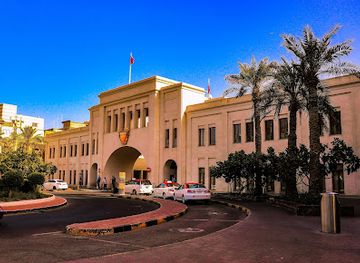
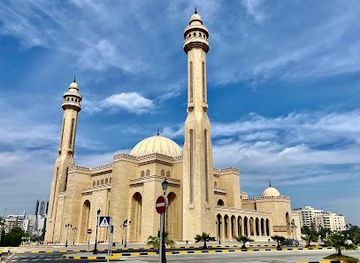
Manama’s principal sightseeing begins at Bab Al Bahrain, the historic gateway to the Manama Souq, where spice sellers, jewellers, textile merchants and cafés occupy a dense network of lanes. The Bahrain National Museum presents the archipelago’s archaeology, pearling culture, manuscripts and everyday traditions in a clear chronological setting. Nearby, the white-domed Al Fateh Grand Mosque is one of the capital’s most recognisable religious buildings and welcomes visitors at designated times with appropriate guidance. Beit Al Quran offers a more specialised cultural visit, displaying Qur'anic manuscripts and Islamic art. For modern city views, the Bahrain World Trade Center forms a distinctive part of the skyline, while the waterfront approaches provide a different perspective on the capital’s growth. Qal'at al-Bahrain, outside the central city near Seef, adds an important archaeological dimension through its fort and excavated settlement layers.
-
Tourist attraction
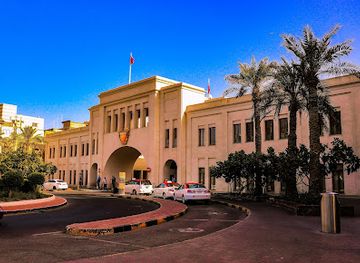
Bab Al Bahrain
Explore Bahrain's heritage at Bab Al Bahrain, the iconic gateway to Manama's vibrant souq and cultural heart.
18 min walk · 1.4 km from city centre
-
Tourist attraction
Marina Beach Garden Park
Escape to Manama's scenic Marina Beach Garden Park for tranquil waterfront strolls, family fun, and stunning Arabian Gulf views.
6 min drive · 1.9 km from city centre
-
Mosque
Al Fateh Grand Mosque
Discover Bahrain's iconic Al Fateh Grand Mosque: A stunning architectural marvel and center for Islamic culture open to all visitors.
5 min drive · 1.5 km from city centre
-
Fortress
Bahrain Fort
Explore 4,000 years of history at Bahrain Fort, a UNESCO World Heritage Site and ancient capital of the Dilmun civilization.
19 min drive · 6.4 km from city centre

Best landmarks in Manama
Bab Al Bahrain is Manama’s best-known historic gateway, built in the twentieth century near the former waterfront and marking the entrance to the traditional market district. The Manama Souq itself is a cultural landmark as well as a place of commerce, with layers of merchant activity, religious buildings and specialist shops. Al Fateh Grand Mosque in Juffair is distinguished by its large dome and expansive prayer space, while Beit Al Quran represents Bahrain’s commitment to preserving Islamic manuscripts and calligraphic culture. The Bahrain World Trade Center gives the capital a contemporary architectural emblem through its paired towers and sail-like profile. Although outside central Manama, Qal'at al-Bahrain is essential to the capital’s historical landscape: its fort and archaeological mound record successive settlements associated with Bahrain’s ancient trading role.
-
Shopping mall
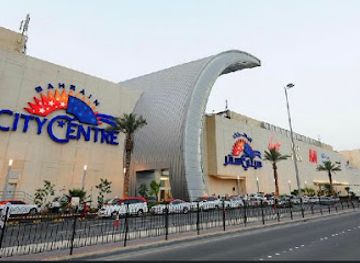
City Centre Bahrain
Experience world-class shopping, dining, and entertainment at Bahrain's premier retail destination, conveniently located in the heart of Manama.
10 min drive · 3.2 km from city centre
-
Historical landmark
Bab Al Bahrain
Explore Bahrain's heritage at Bab Al Bahrain, the iconic gateway to Manama's vibrant souq and cultural heart.
18 min walk · 1.4 km from city centre
-
Park
Marina Beach Garden Park
Escape to Manama's scenic Marina Beach Garden Park for waterfront views, family fun, and a refreshing coastal experience.
6 min drive · 1.9 km from city centre
-
 Mosque
Al Fateh Grand Mosque
Discover Bahrain's iconic Al Fateh Grand Mosque: A majestic symbol of Islamic architecture and cultural heritage in the heart of Manama.
5 min drive · 1.5 km from city centre

Explore Manama on the map
Plan your Manama trip on one map. See where the top attractions, landmarks, restaurants, bars and hotels are, find what's near where you're staying, and book hotels and experiences in a few clicks.
Neighbourhoods in Manama
-

-

-

-


Swipe for more neighbourhoods
Best hotels in Manama
Best restaurants in Manama
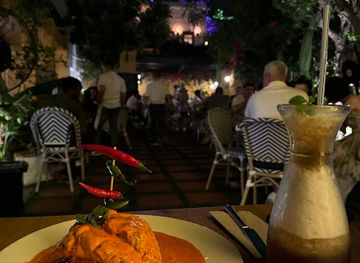
Manama’s food culture reflects Bahrain’s maritime setting and long trading connections. Traditional dishes include machboos, rice served with fish or meat and fragrant spices; muhammar, sweet rice often paired with fish; balaleet, sweetened vermicelli with egg; and harees, a slow-cooked wheat and meat dish. Seafood remains important, while samboosa, flatbreads, dates and cardamom-scented coffee appear across casual eateries and family kitchens. The Manama Souq and surrounding streets are useful for simple Bahraini meals, tea and sweets, while Adliya’s Block 338 has a broad selection of Gulf, Arab, Persian, Indian and international dining. Cafés range from traditional coffee houses to contemporary spaces, and hotel restaurants provide much of the city’s licensed fine dining and international cuisine.
-
Restaurant
Coco's
Discover Coco's in Manama: where exquisite flavors meet warm hospitality in a cozy setting.
16 min walk · 1.3 km from city centre
-
French
Café Lilou
Experience the charm of French cuisine at Café Lilou in Adliya - where delightful breakfasts meet exquisite dining.
17 min walk · 1.3 km from city centre
-
Steak
The Meat Co. Bahrain
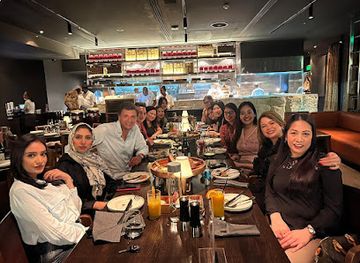
Experience exquisite dining at The Meat Co. Bahrain – where premium steaks meet exceptional service in a sophisticated atmosphere.
15 min walk · 1.2 km from city centre
-
American
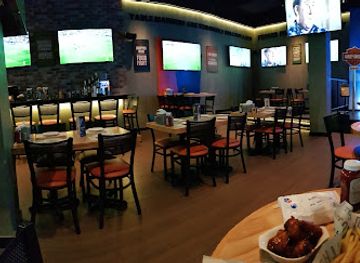
Buffalo Wings & Rings - Bahrain
Experience the ultimate American dining adventure at Buffalo Wings & Rings in Bahrain - where great food meets sports excitement!
18 min walk · 1.4 km from city centre
Best bars in Manama
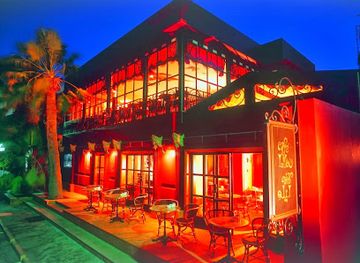
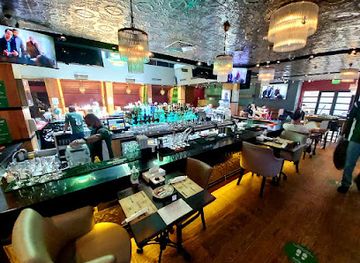
Manama’s evening life is concentrated in hotel venues, Adliya and Juffair rather than in a single historic nightlife quarter. Block 338 in Adliya is known for restaurants, cafés and late-evening socialising, while Juffair has a denser selection of hotel-based bars, lounges and entertainment venues. Licensed hotels may offer cocktails, live music, DJs and sports screening, although the atmosphere varies considerably between venues and weekdays. Elsewhere, evenings can centre on shisha cafés, dessert shops, waterfront drives and cultural programmes rather than nightclubs. Alcohol is legal only in licensed establishments, and public drinking is not permitted. Visitors should dress and behave discreetly, particularly when moving between nightlife areas and ordinary residential or commercial streets.
-
Lounge
LNT Lounge
Experience the vibrant nightlife and exquisite dining at LNT Lounge in Manama, Bahrain, where every moment is a celebration.
17 min walk · 1.4 km from city centre
-
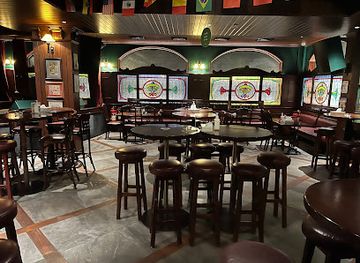
Irish pub
JJ's Irish Restaurant
Discover the essence of Ireland at JJ's Irish Restaurant in Manama, where hearty meals and lively ambiance await.
18 min walk · 1.4 km from city centre
-
Pub
Old Beams Restaurant
Discover the charm of Old Beams Restaurant in Adliya, Manama—where cozy pub vibes meet delicious local and international cuisine.
16 min walk · 1.3 km from city centre
-
Irish pub
McGettigan's
Discover Irish culture at McGettigan's in Manama, Bahrain – a lively pub offering delicious food, drinks, and unforgettable entertainment.
18 min walk · 1.5 km from city centre


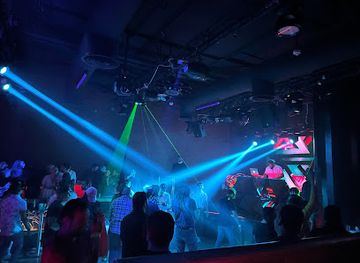
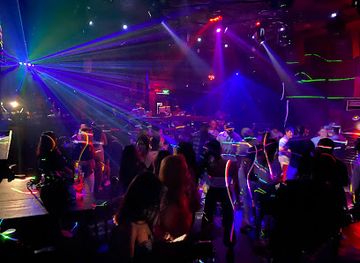
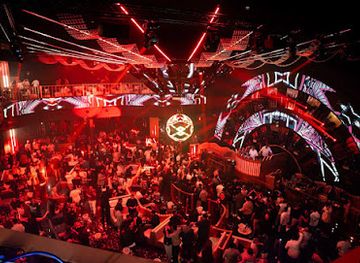
Best nightclubs in Manama
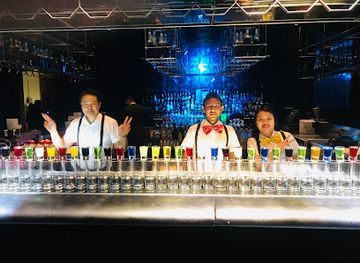
Manama’s evening life is concentrated in hotel venues, Adliya and Juffair rather than in a single historic nightlife quarter. Block 338 in Adliya is known for restaurants, cafés and late-evening socialising, while Juffair has a denser selection of hotel-based bars, lounges and entertainment venues. Licensed hotels may offer cocktails, live music, DJs and sports screening, although the atmosphere varies considerably between venues and weekdays. Elsewhere, evenings can centre on shisha cafés, dessert shops, waterfront drives and cultural programmes rather than nightclubs. Alcohol is legal only in licensed establishments, and public drinking is not permitted. Visitors should dress and behave discreetly, particularly when moving between nightlife areas and ordinary residential or commercial streets.
-
Night club
W Club Lounge
W Club Lounge in Seef offers an electrifying nightlife experience with great music, delicious drinks, and a vibrant atmosphere perfect for tourists and locals alike.
15 min drive · 4.9 km from city centre
-
Disco club
Klub 360
Discover the dynamic nightlife of Klub 360 in Al Juffair, Bahrain's top disco club featuring electrifying music and a stylish lounge atmosphere.
9 min drive · 2.9 km from city centre
-
Night club
Club Wrangler Bahrain
Experience the electrifying nightlife at Club Wrangler Bahrain in Al Juffair, where vibrant music meets an unforgettable party atmosphere.
7 min drive · 2.5 km from city centre
-
Night club
Stage Bahrain
Discover the electrifying nightlife at Stage Bahrain, where top DJs and a vibrant atmosphere await for an unforgettable night out.
13 min drive · 4.4 km from city centre
Best shops in Manama
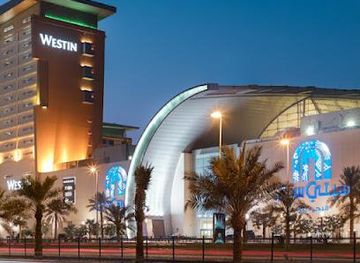
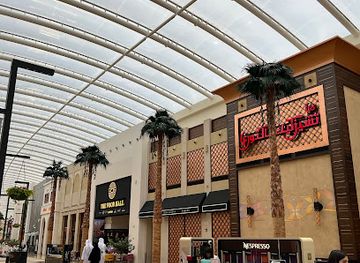
Shopping in Manama ranges from traditional commerce in the Manama Souq to air-conditioned malls built around international retail. Bab Al Bahrain leads into lanes selling gold, perfumes, spices, textiles, souvenirs and household goods, with the Gold Souq particularly associated with jewellery and precious-metal craftsmanship. Visitors can also find Bahraini dates, halwa, coffee, incense and small handicrafts, although provenance and quality vary between sellers. Modern shopping is concentrated in destinations such as City Centre Bahrain and Moda Mall, where fashion, dining and luxury retail sit in a distinctly contemporary setting. The contrast is useful: the souq reflects the capital’s trading history and negotiation culture, while the malls show Bahrain’s role as a regional retail and leisure centre.
-
Shopping mall
City Centre Bahrain
Discover the ultimate shopping experience at City Centre Bahrain, where luxury brands meet local flavors in a vibrant atmosphere.
10 min drive · 3.2 km from city centre
-
Shopping mall
The Avenues
Explore The Avenues in Manama, a premier shopping destination offering diverse retail, dining, and entertainment experiences for every traveler.
7 min drive · 2.5 km from city centre
-
Shopping mall
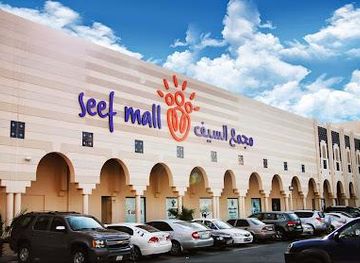
Seef Mall
Discover Seef Mall in Manama: A premier shopping destination with luxury brands, diverse dining, and exciting entertainment options.
14 min drive · 4.8 km from city centre
-
Shopping mall
Bahrain Mall
Experience the ultimate shopping and entertainment destination at Bahrain Mall, where fashion meets fun in the heart of Sanabis, Bahrain.
14 min drive · 4.6 km from city centre

Get your free copy of our complete guide to Manama, delivered straight to you.
Everything on this page, from attractions and restaurants to essentials and local phrases, in one PDF you can read offline, print or share.
Already have an account? Sign in
Your Manama guide is ready.
We'll send it to · Not you? Sign out

Getting your guide ready…
We are putting together a fresh copy of the Manama guide. This can take up to a minute.
This can take a few moments. If your browser asks, choose Allow so the download can start. You'll find the guide in your Downloads folder.
Nothing happened? Download it again
Sorry, the guide is taking longer than usual. Please try again in a minute, or get it by email instead.
Manama essentials
Currency and Payment
Safety
Emergency Situations
Do's and Don'ts
Local Tips
From Eve
Local phrases worth knowing
You don't need to get them perfect. A few words go a long way, and locals appreciate the effort.
Basics
| English | Local | Say it |
|---|---|---|
| Hello | مرحبا | [marhaban] |
| Goodbye | وداعا | [wada'an] |
| Yes | نعم | [na'am] |
| No | لا | [la] |
| Please/You're welcome | من فضلك | [min fadlik] |
| Thank you | شكرا | [shukran] |
| Excuse me/Sorry | عذرا | ['udhran] |
| How are you? | كيف حالك؟ | [kayfa halak?] |
| Fine. And you? | بخير. وأنت؟ | [bikhayr. wa'ant?] |
| Do you speak English? | هل تتحدث الإنجليزية؟ | [hal tatahadath al'injilizia?] |
| I don't understand | أنا لا أفهم | [ana la afham] |
Eating & Drinking
| English | Local | Say it |
|---|---|---|
| I'd like to see the menu, please | أريد رؤية القائمة، من فضلك | [urid ru'yat alqaimah, min fadlik] |
| I don't eat meat | أنا لا آكل اللحم | [ana la akl allahm] |
| Cheers! | صحتين! | [sahatin!] |
| I would like to pay, please | أريد أن أدفع، من فضلك | [urid an adfa', min fadlik] |
Emergencies
| English | Local | Say it |
|---|---|---|
| Help! | النجدة! | [alnajdah!] |
| Go away! | انصرف! | [ansarif!] |
| Call the Police! | اتصل بالشرطة! | [iatisil bialshurta!] |
| Call a doctor! | اتصل بطبيب! | [iatisil bitabib!] |
| I'm lost | أنا ضائع | [ana daye'] |
| I'm ill | أنا مريض | [ana mareed] |
Shopping
| English | Local | Say it |
|---|---|---|
| I'd like to buy... | أريد أن أشتري... | [urid an ashtari...] |
| I'm just looking | أنا فقط أتفرج | [ana faqat atafarraj] |
| How much is it? | كم سعره؟ | [kam si'ruh?] |
| That's too expensive | هذا غالي جدا | [hatha ghali jiddan] |
| Can you lower the price? | هل يمكنك خفض السعر؟ | [hal yumkinuk khafd alsir?] |
Time & Numbers
| English | Local | Say it |
|---|---|---|
| What time is it? | كم الساعة؟ | [kam alsaa'a?] |
| It's one o'clock | الساعة الواحدة | [alsaa'ah alwahidah] |
| Half past (10) | الساعة العاشرة والنصف | [alsaa'ah al'ashirah walnisf] |
| Morning | صباح | [sabah] |
| Afternoon | بعد الظهر | [ba'd alduhur] |
| Evening | مساء | [masa'] |
| Yesterday | أمس | [ams] |
| Today | اليوم | [alyawm] |
| Tomorrow | غدا | [ghadan] |
| 1 | واحد | [wahid] |
| 2 | اثنان | [ithnan] |
| 3 | ثلاثة | [thalatha] |
| 4 | أربعة | [arba'a] |
| 5 | خمسة | [khamsa] |
| 6 | ستة | [sitta] |
| 7 | سبعة | [sab'a] |
| 8 | ثمانية | [thamaniya] |
| 9 | تسعة | [tis'a] |
| 10 | عشرة | [asharah] |
Transport & Directions
| English | Local | Say it |
|---|---|---|
| Where's a/the...? | أين ال... | [ayn al...] |
| What's the address? | ما هو العنوان؟ | [ma huwa al'anaan?] |
| Can you show me (on the map)? | هل يمكنك أن تريني (على الخريطة)؟ | [hal yumkinuk 'an turiyani (ala alkhariata)?] |
| When's the next (bus)? | متى الحافلة التالية؟ | [mata alhafilat altaliat?] |
| A ticket (to ....) | تذكرة (إلى ....) | [tadhkirat (ila ....)] |
History of Manama
Dilmun and the Gulf Trade
The islands of Bahrain were the centre of Dilmun, a Bronze Age civilisation whose influence extended across the Gulf. Its prosperity was linked to maritime trade between Mesopotamia, the Arabian Peninsula and the Indus Valley, with Bahrain’s springs and strategic position supporting settlement. The ancient capital is generally associated with the area around Qal'at al-Bahrain, north-west of present-day Manama, rather than with the modern capital itself. Burial mounds, archaeological layers and imported objects reveal a society connected to wider commercial and cultural networks. This early maritime role remains central to Bahrain’s historical identity and helps explain why later settlements repeatedly developed around the same sheltered waters and trading routes.
Islamic Bahrain and Regional Rule
Islam reached Bahrain in the seventh century, bringing the islands into the political and religious world of the early Islamic caliphates. Over subsequent centuries, Bahrain was influenced by a succession of regional powers and local rulers, while its communities remained connected to Gulf commerce, date cultivation, fishing and pearling. Qal'at al-Bahrain and other archaeological sites preserve evidence of changing settlement and administration, while historic mosques and religious institutions reflect the enduring importance of Islam in public life. Manama emerged gradually as a commercial settlement rather than through a single foundation, benefiting from its position beside the island’s principal harbour and from the movement of merchants and goods through the Gulf.
Portuguese Fortification and Persian Influence
European competition for control of Gulf trade brought major changes in the sixteenth century. Portuguese forces captured Bahrain in 1521 and fortified strategic positions, including the site now known as Bahrain Fort. Their rule ended in 1602, when Safavid Persia took control of the islands. Persian influence continued to shape Bahrain’s political and commercial history, although authority shifted repeatedly between regional powers and local interests. These centuries were marked by competition over pearling grounds, ports and customs revenues. The surviving fortifications and archaeological remains around northern Bahrain provide physical evidence of a period when the islands were strategically important far beyond their modest size.
The Al Khalifa Era and Pearling Economy
The Al Khalifa family took control of Bahrain in 1783, beginning the dynasty that continues to rule the country. During the nineteenth and early twentieth centuries, Manama expanded as a centre for trade, administration and pearling. Pearls gathered from the surrounding waters connected merchants, divers, boat builders and finance networks across the Gulf, while Indian, Persian, Arab and African communities contributed to the capital’s commercial life. The old souqs, waterfront connections and merchant houses reflect this layered economy. The pearling industry declined sharply after the development of cultured pearls and the disruption of global trade, prompting Bahrain to seek new economic foundations.
Oil, Modernisation and Global Manama
Bahrain became the first Gulf state to discover oil, with commercial production beginning in 1932. Oil revenues accelerated the development of roads, schools, public services and modern administrative institutions, while Manama grew from a traditional port town into a national capital. The city later diversified into banking, finance, tourism, retail and regional services, and its skyline changed accordingly. The Bahrain World Trade Center and newer commercial districts symbolise this contemporary economy, while the National Museum, restored historic houses and the Manama Souq keep older layers visible. Modern Manama therefore combines an international business profile with memories of pearling, maritime trade and the diverse communities that shaped the capital.
Manama in Photos
Browse through our photo collection highlighting the charm and character of the destination.
Cities near Manama
The closest cities to Manama, if you have time for more than one stop.
-

-

-

-

-


Swipe for more cities
Explore more

Explore more of Bahrain
Discover Bahrain, where modernity meets history, from bustling markets to ancient ruins, and from luxurious shopping to serene beaches.
Explore Bahrain