

Curzon Hall, Dhaka Travel Guide
Free Guide: Discover Curzon Hall in Dhaka, a stunning blend of Mughal and European architecture, and a symbol of Bangladesh's rich history and cultural significance within the heart of Dhaka University.


A brief summary of Curzon Hall
Discover Curzon Hall in Dhaka, a stunning blend of Mughal and European architecture, and a symbol of Bangladesh's rich history and cultural significance within the heart of Dhaka University.
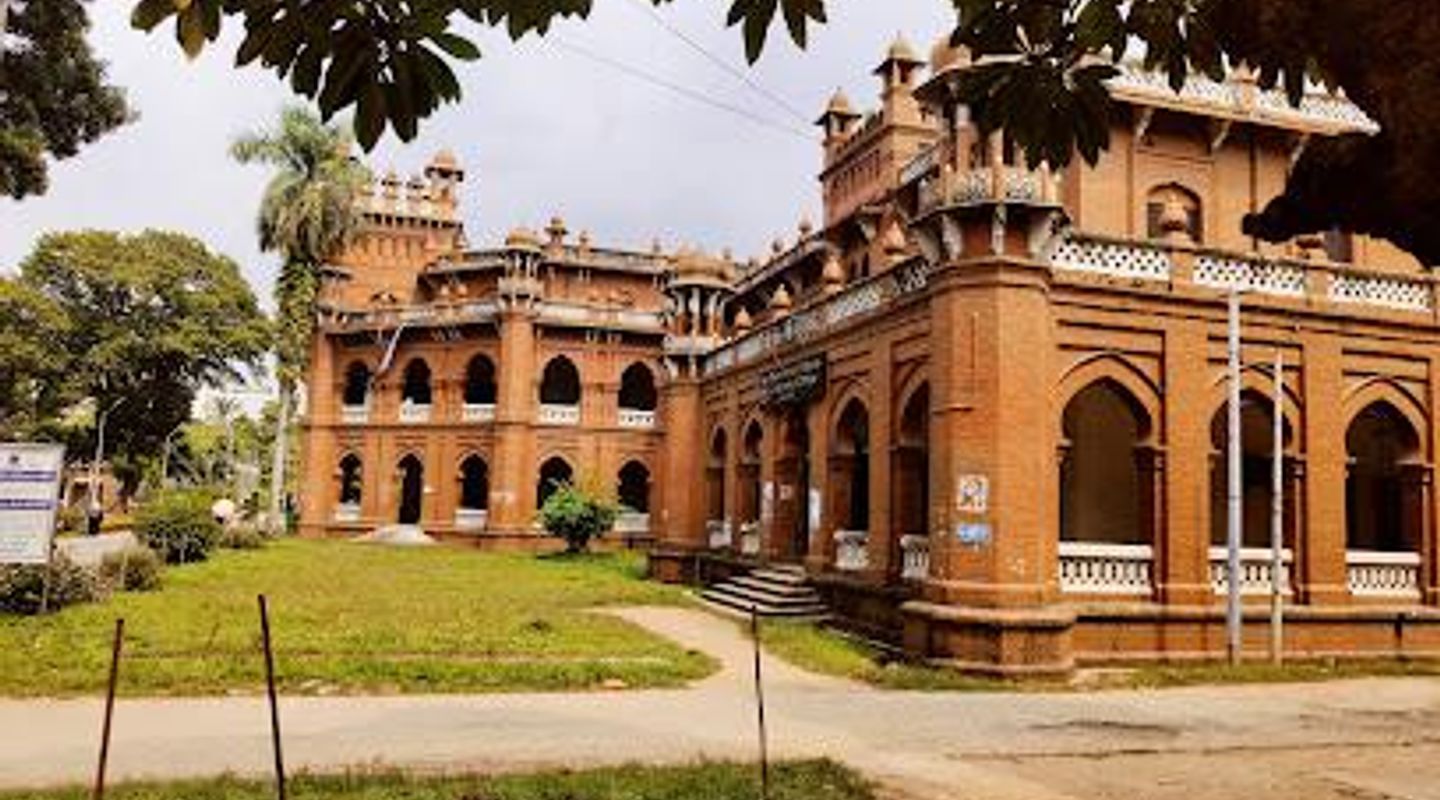
Curzon Hall, situated on the Dhaka University campus, is a striking example of colonial-era architecture that seamlessly blends European and Mughal styles. Built in the early 20th century, it has served various purposes, from a town hall to a crucial part of Dhaka University's science faculty. The building played a significant role in the Language Movement of 1952, solidifying its place in Bangladesh's history. Visitors are drawn to its picturesque gardens, intricate designs, and the serene atmosphere it exudes. Its red-brick facade, adorned with domes and arches, offers a unique visual experience, making it a must-see landmark in Dhaka. Explore the halls, witness classrooms in action, and appreciate the historical and cultural importance of this iconic structure. A visit to Curzon Hall provides a glimpse into the academic and cultural heart of Dhaka.
- Address
- Dhaka 1000
Getting there
Walking
Public Transport
Taxi/Ride-Share
Discover more about Curzon Hall
Overview
Curzon Hall, an architectural marvel located within the University of Dhaka, stands as a potent symbol of Bangladesh's rich history and cultural heritage. Constructed during the British Raj, the building's foundation stone was laid in 1904 by Lord Curzon, then Viceroy of India, lending the hall its name. Originally intended to serve as a town hall, its purpose shifted, and it became an integral part of Dhaka College in 1911. Later, in 1921, with the establishment of Dhaka University, Curzon Hall was repurposed to house the science faculty, a role it continues to fulfill today. The architecture of Curzon Hall is a captivating fusion of European and Mughal styles, reflecting the colonial era's attempt to blend Western grandeur with local aesthetics. The red-brick facade, adorned with intricate carvings, horseshoe arches, and majestic domes, creates a visually stunning structure that stands out amidst the urban landscape of Dhaka. The spacious verandas, designed to provide natural ventilation and light, add to the building's charm. The design is reminiscent of the Diwan-i-Khas at Fatehpur Sikri, showcasing the influence of Mughal architectural traditions. Beyond its architectural beauty, Curzon Hall holds immense historical significance. It played a pivotal role in the Language Movement of 1952, a defining moment in Bangladesh's struggle for linguistic and cultural identity. Students and activists gathered at Curzon Hall to protest the imposition of Urdu as the sole official language, marking it as a symbol of resistance and Bengali nationalism. The tragic events of February 21, 1952, when police opened fire on student demonstrators near the hall, further cemented its place in the nation's collective memory. Today, Curzon Hall continues to serve as a vital educational institution, housing the science and biology departments of Dhaka University. Visitors can explore the halls and witness classrooms in action, gaining insight into the academic life of local students. The surrounding gardens provide a tranquil environment for relaxation and reflection, offering a respite from the bustling city. Adjacent to Curzon Hall are other noteworthy attractions, such as the Shaheed Minar, a monument dedicated to the Language Movement martyrs, and the Dhaka High Court, further enriching the visitor experience. Visiting Curzon Hall offers a unique opportunity to connect with Bangladesh's past and present. The building stands as a testament to the country's resilience, unity, and linguistic pride. It is a place where history, culture, and education converge, providing a profound and enriching experience for all who visit. Whether you are an architecture enthusiast, a history buff, or simply a curious traveler, Curzon Hall is a must-see destination in Dhaka. To fully appreciate the significance of Curzon Hall, consider exploring the surrounding area. Ramna Park, adjacent to the university campus, offers recreational spaces and scenic spots for relaxation. The nearby Old High Court, the Mausoleum of Three Leaders, and the Dhaka Gate are also worth visiting, each offering a glimpse into the city's rich history and heritage. Engage with the local culture by trying traditional Bengali dishes at nearby eateries, supporting local businesses and immersing yourself in the flavors of Dhaka. Curzon Hall's enduring presence in Dhaka symbolizes the city's embrace of its history while continually progressing towards the future. It is a place where tradition and innovation coexist, creating a vibrant and dynamic cultural landscape. A visit to Curzon Hall is not just a sightseeing trip; it is an opportunity to engage with the soul of Bangladesh and to understand the forces that have shaped its identity. The hall has witnessed numerous historical events that have shaped Bangladesh's societal landscape. Engaging with this space allows visitors to appreciate how such landmarks have shaped local culture and continue to stand as a source of national pride. Curzon Hall is more than just a building; it is a living museum, a symbol of resistance, and a beacon of education. Its architectural splendor, historical significance, and serene surroundings make it a popular destination for tourists, researchers, and students alike. A visit to Curzon Hall is an unforgettable experience, offering a glimpse into the heart and soul of Bangladesh.
Evendo Review Centre
 Google
Guest reviews
Explore Curzon Hall on the map
A handpicked selection of must-see spots near Curzon Hall, mapped for you.
Get your free copy of our complete guide to Curzon Hall, delivered straight to you.
Everything on this page, from opening hours and how to get there to Eve’s tips and the best time to go, in one PDF you can read offline, print or share.
Already have an account? Sign in
Your Curzon Hall guide is ready.
We'll send it to · Not you? Sign out

Getting your guide ready…
We are putting together a fresh copy of the Curzon Hall guide. This can take up to a minute.
This can take a few moments. If your browser asks, choose Allow so the download can start. You'll find the guide in your Downloads folder.
Nothing happened? Download it again
Sorry, the guide is taking longer than usual. Please try again in a minute, or get it by email instead.
Unlock the best of Curzon Hall
Skip-the-line tickets, guided tours with entry, and walking tours of the area, booked in a few clicks.


Other nearby places you may find interesting
The closest places of the same kind, if this one is not quite what you had in mind.
-
-
-
-
-


Swipe for more places
More to explore near Curzon Hall

 Best experiences near Curzon Hall
 Best hotels near Curzon Hall
 Best landmarks near Curzon Hall
 Best attractions near Curzon Hall
 Best shops near Curzon Hall
 Best restaurants near Curzon Hall
 Best bars near Curzon Hall
Do you manage this location?
Take control to get all the benefits, like improved information, better appearance, and stronger visibility across AI-powered discovery.
Explore more

Explore more of Dhaka
Explore Dhaka: A vibrant city of history, culture, and culinary delights in the heart of Bangladesh.
Explore Dhaka
Explore more of Bangladesh
Discover Bangladesh: A land of rivers, rich culture, and breathtaking landscapes. Explore ancient sites, vibrant cities, and the unique flavors of this South Asian gem.
Explore Bangladesh
