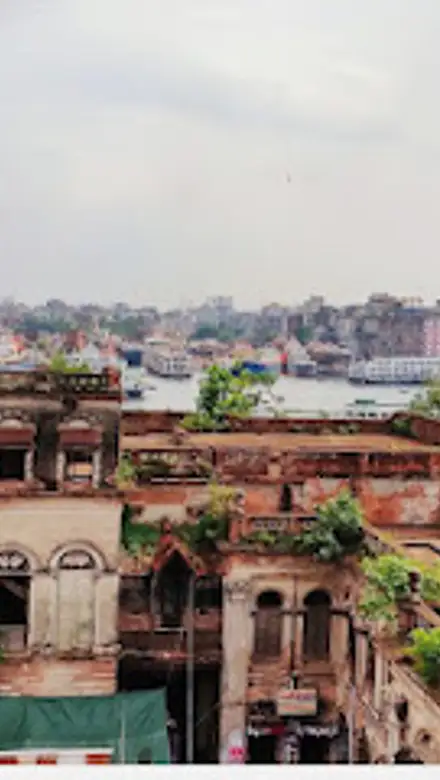
Ruplal House, Dhaka Travel Guide
Explore Ruplal House in Old Dhaka, a 19th-century mansion with neo-classical architecture, offering a glimpse into the city's rich merchant history and colonial past along the Buriganga River.
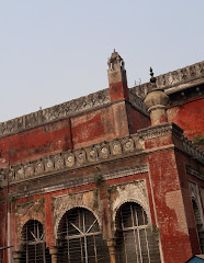
Ruplal House, a 19th-century mansion in Dhaka's Farashganj area, stands as a testament to the city's rich history and architectural heritage. Built initially by an Armenian businessman and later owned by the affluent Das brothers, the mansion once rivaled Ahsan Manzil in splendor. Its neo-classical design, featuring grand columns and intricate details, reflects the opulence of a bygone era. Today, though encroached upon by commercial activities and squatters, Ruplal House remains a significant landmark, offering a glimpse into the lives of the city's merchant class during the British colonial period. While restoration efforts are ongoing, the house continues to whisper tales of lavish balls, cultural events, and the vibrant riverfront life that once defined Dhaka. Exploring its grounds provides a unique perspective on the city's evolution and the challenges of preserving its historical treasures. Despite its current state, the house's historical and architectural significance makes it a compelling, if somewhat melancholic, destination for those interested in Dhaka's past.
A brief summary to Ruplal House
- PC37+F99, Ahsanullah Rd, Dhaka, Sadarghat, BD
- Click to display

Know before you go
Hi, I'm Eve. Here are a few practical things to know before exploring Ruplal House.
- Explore the surrounding Farashganj area for a deeper understanding of Old Dhaka's history and culture.
- Visit during the cooler months (November to February) for a more comfortable experience exploring the outdoor areas.
- Combine your visit with a trip to nearby Sadarghat River Port for a glimpse into Dhaka's bustling river life.
Do you manage this location?
Take control to get all the benefits, like improved information, better appearance, and stronger visibility across AI-powered discovery. Learn more about listing your business on Evendo
Activate your presenceOther nearby places you may find interesting
The closest places of the same kind, if this one is not quite what you had in mind.
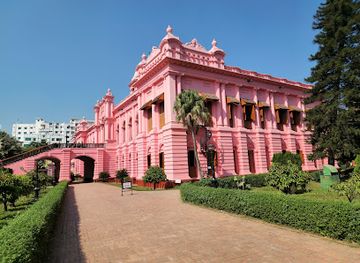
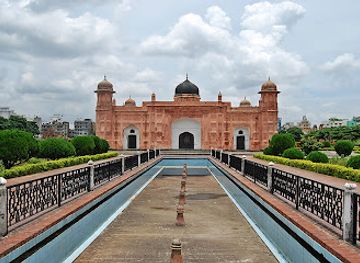
Explore Ruplal House on the Map
A handpicked selection of must-see spots near Ruplal House, mapped for you.
Getting There
-
Walking
From Sadarghat Ferry Terminal, Ruplal House is approximately a 15-20 minute walk. Head north along Ahsanullah Road, keeping the Buriganga River to your left. You'll pass several wholesale shops and markets. Ruplal House will be on your right, though it may be partially obscured by surrounding buildings and shops. Look for the large, two-story structure with prominent columns. Be prepared for crowded sidewalks and bustling street activity.
-
Rickshaw
A rickshaw ride from Sadarghat to Ruplal House is a convenient option, especially if you have luggage or prefer not to walk. Negotiate the fare beforehand; a typical ride should cost between 30-50 BDT, depending on traffic and your bargaining skills. Tell the rickshaw-puller you want to go to 'Ruplal House, Farashganj, near Ahsanullah Road'. The journey should take around 10-15 minutes, depending on traffic.
-
Taxi/Ride-Share
While taxis and ride-sharing services (like Uber or Pathao) are available in Dhaka, they may not be the most practical option for the final approach to Ruplal House due to narrow streets and traffic congestion in the Farashganj area. If you choose this option, ask the driver to drop you off as close as possible to Ahsanullah Road and then walk or take a rickshaw for the last few blocks. A taxi/ride-share from a more central location in Dhaka (e.g., Motijheel) to the vicinity of Ruplal House could cost between 150-300 BDT, but the final rickshaw leg could add another 30-50 BDT.
-
Public Transport
Several local buses operate along Ahsanullah Road, providing a budget-friendly option. Look for buses heading towards 'Sadarghat' or 'Farashganj'. Bus fares typically range from 10-20 BDT depending on the distance. Get off the bus near the intersection of Ahsanullah Road and then walk a short distance to Ruplal House. Be aware that buses can be crowded and chaotic, especially during peak hours.
Discover more about Ruplal House













Your all‑in‑one travel companion app
Explore expert travel guides, compare and book tours, experiences, hotels, and more—all from the palm of your hand. Download now for seamless trip planning wherever your wanderlust takes you.


Explore More of Dhaka
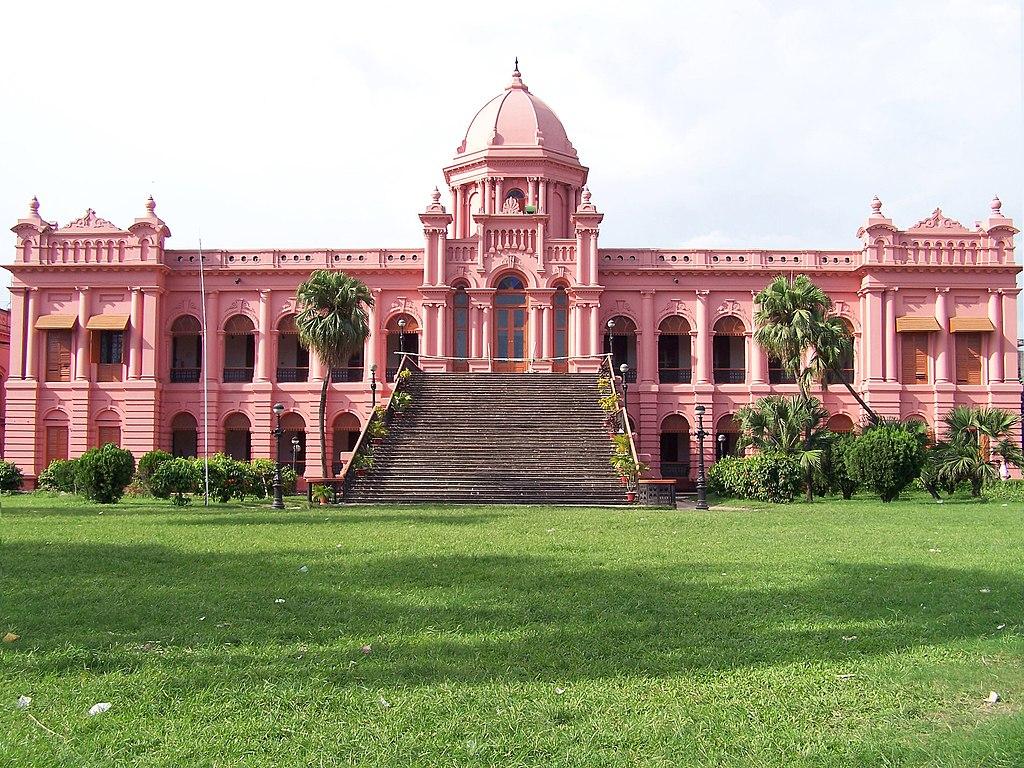
Looking beyond Ruplal House? Discover Dhaka for broader travel guides, local hot-spots, and regional highlights.
Explore Dhaka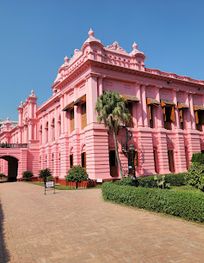
Step back in time at Dhaka's Pink Palace, a majestic museum showcasing the opulent lifestyle and rich history of the Nawabs of Bengal on the Buriganga River.
Explore Lalkuthi (Northbrook Hall): A fusion of Mughal & European architecture in Old Dhaka, steeped in colonial history and cultural significance.