The Great Musa Khan Mosque: A Mughal-Era Gem
Explore the Great Musa Khan Mosque, a Mughal-era treasure on Dhaka University's campus, steeped in history and architectural beauty.
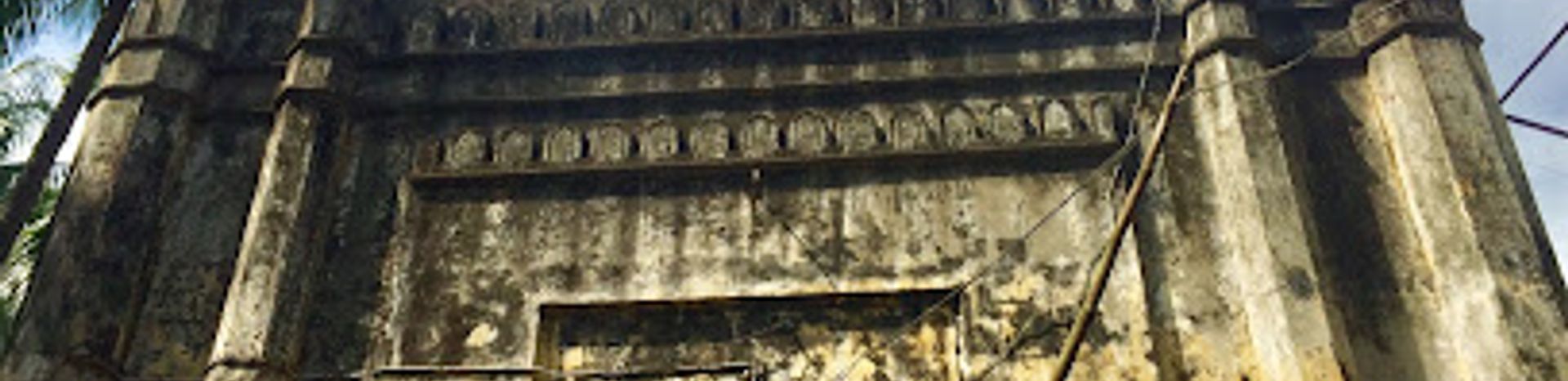
The Great Musa Khan Mosque, located on the University of Dhaka campus, is a historic Mughal-era mosque named after Musa Khan, son of the famed Isa Khan. Constructed in the 18th century, it showcases Mughal architectural style and stands as a testament to the region's rich history.
A brief summary to The Great Musa Khan Mosque
- Curzon Hall, Dhaka, Ramna, 1000, BD
Local tips
- The mosque is located on the Dhaka University campus, easily accessible by rickshaw or on foot from Curzon Hall.
- Remember to dress respectfully when visiting the mosque.
- Take your time to admire the Mughal architecture and intricate details of the mosque.

Getting There
-
Walking
From Curzon Hall, walk towards the Dr. Muhammad Shahidullah Hall. The Great Musa Khan Mosque is located behind Curzon Hall and in front of the Geology Department. The walk is approximately 5-10 minutes.
-
Public Transport
Take a bus heading towards Dhaka University. Get off at the bus stop near the university. Walk towards the main entrance of Dhaka University, and the Great Musa Khan Mosque will be a short walk from there. Follow the signs or ask locals for directions. Bus fares range from BDT 10-50.
-
Rickshaw
From Shahbagh, a central transportation hub, a rickshaw ride to the Great Musa Khan Mosque costs approximately 50-100 BDT. Negotiate the fare beforehand.
Discover more about The Great Musa Khan Mosque
Iconic landmarks you can’t miss

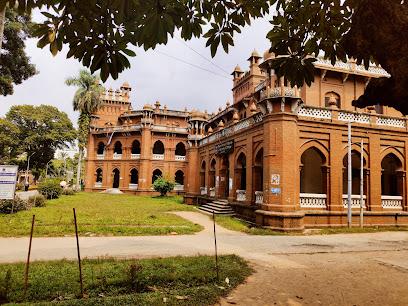
Curzon Hall
0.1 km
Discover Curzon Hall in Dhaka, a stunning blend of Mughal and European architecture, and a symbol of Bangladesh's rich history and cultural significance within the heart of Dhaka University.
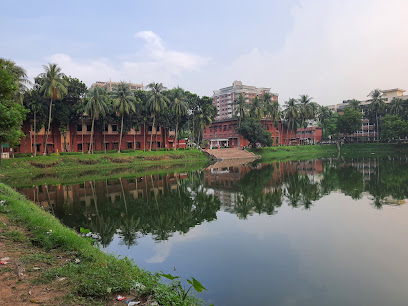
Shahidullah Hall Pond
0.2 km
Discover a serene escape in the heart of Dhaka at Shahidullah Hall Pond, a historic oasis offering tranquility and natural beauty within the vibrant Dhaka University campus.
Dhaka Gate
0.2 km
Discover Dhaka Gate, a historical landmark blending Mughal and European architecture, offering a glimpse into Dhaka's rich past and cultural heritage, now renovated for visitors to explore and appreciate.
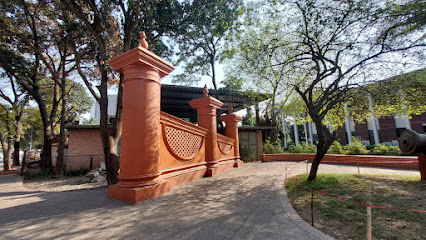
Bijoy Batayan
0.3 km
Discover Bijoy Batayan in Dhaka, a historical landmark symbolizing Bangladesh's victory and heritage, offering a poignant reminder of the nation's journey to independence and cultural identity.
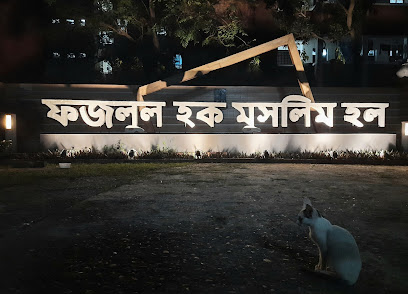
Old High Court Building
0.3 km
Discover Dhaka's colonial past at the Old High Court Building, a stunning example of European Renaissance architecture and historical significance.
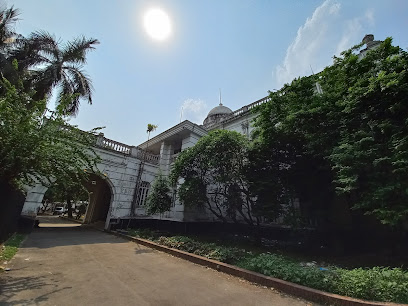
স্বাধীনতার দেয়াল
0.4 km
Experience Dhaka's vibrant street art at the স্বাধীনতার দেয়াল, a dynamic landmark reflecting Bangladesh's journey to freedom and ongoing social dialogue.
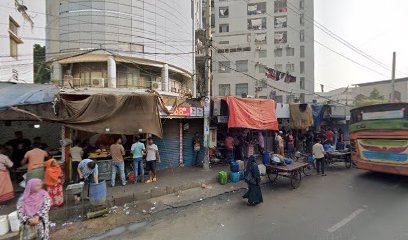
Hussaini Dalan
0.6 km
Explore the architectural beauty and cultural significance of Hussaini Dalan, a historical landmark in the heart of Old Dhaka, Bangladesh.

Jagannath Hall Killing Field
0.8 km
Reflect on Bangladesh's history at Jagannath Hall Killing Field, a memorial to the 1971 Liberation War within Dhaka University.
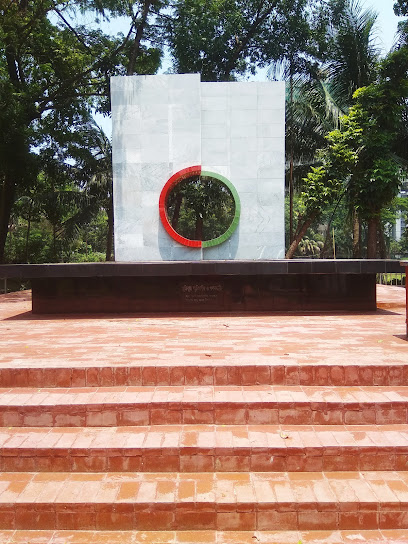
সাবেক ঢাকা রেলওয়ে স্টেশন। The former Dhaka Railway Station area
0.8 km
Explore the historic heart of Dhaka at the former Railway Station: a vibrant blend of colonial architecture, bustling markets, and cultural experiences, offering a unique glimpse into the city's past.
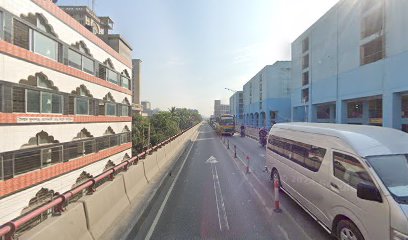
Ramna Park walkway
1.0 km
Discover Dhaka's green heart at Ramna Park, a historic oasis offering tranquility, cultural experiences, and a refreshing escape from the city's hustle, with vibrant Bengali New Year celebrations.
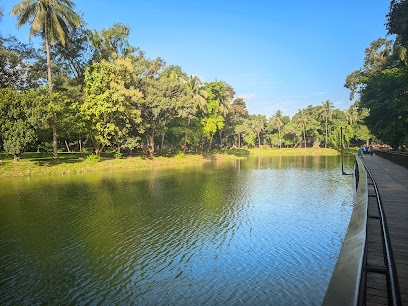
Shikkatuly Park
1.1 km
Escape the city bustle at Shikkatuly Park, a green oasis in Dhaka's historic Bangshal, offering tranquility and a touch of local culture.
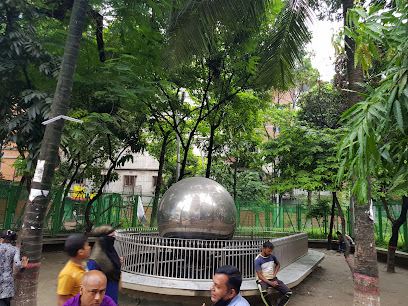
Baitul Mukarram National Mosque
1.3 km
Discover Baitul Mukarram National Mosque in Dhaka, a unique architectural marvel blending Mughal and modern styles, accommodating 40,000 worshippers in the heart of Bangladesh.
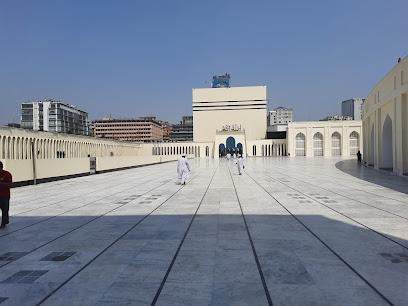
Ramna Park Water Tank
1.3 km
Discover Dhaka's green heart: Ramna Park, a historic urban oasis offering tranquility, diverse flora, and vibrant cultural celebrations in the center of the bustling capital.
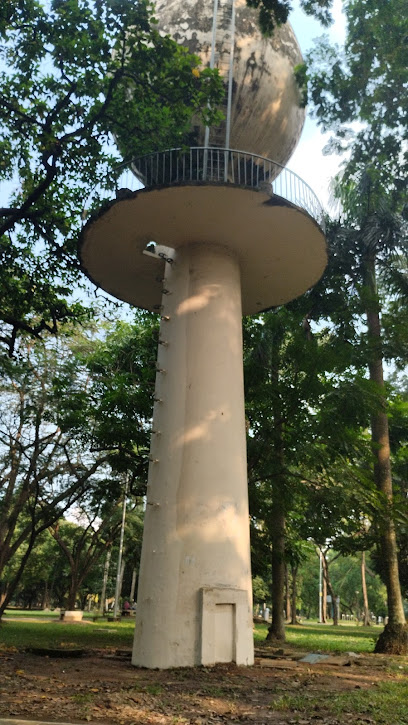
Gulistan Shaheed Matiur Park
1.4 km
Find serenity in Dhaka's bustling heart at Gulistan Shaheed Matiur Park, a green oasis honoring a martyr with recreation and history.
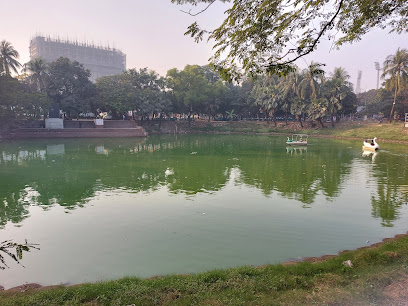
Bara Katra
1.5 km
Explore the grandeur of Bara Katra, a stunning Mughal-era monument in Dhaka, showcasing exquisite architecture and rich cultural history.

Unmissable attractions to see

Shahidullah Hall Zero Point
0.2 km
Experience the vibrant heart of Dhaka University at Shahidullah Hall Zero Point, a landmark of history, culture, and student life.
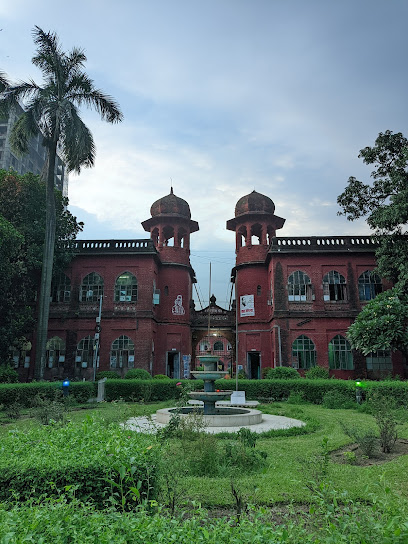
Nimtali Deuri
0.3 km
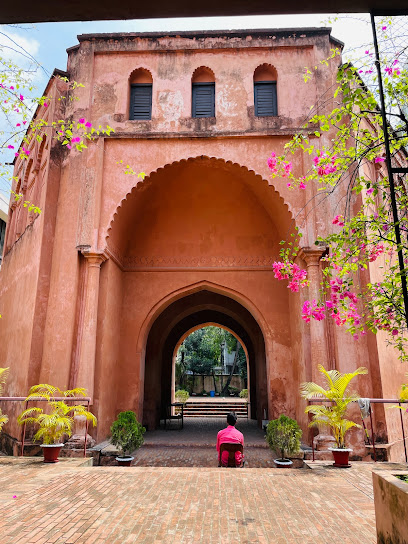
Explore Dhaka's Mughal heritage at Nimtali Deuri, the last standing gateway to a bygone era of deputy governors and grand palaces.
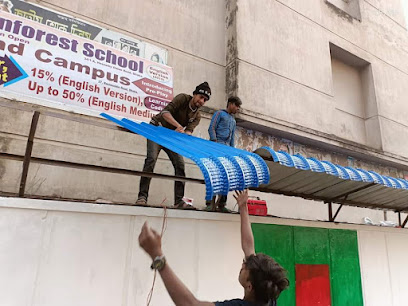
Freedom Wall (স্বাধীনতার দেয়াল)
0.4 km
Discover Dhaka's vibrant spirit at the Freedom Wall: a dynamic canvas showcasing Bangladesh's history, culture, and voices of its people.
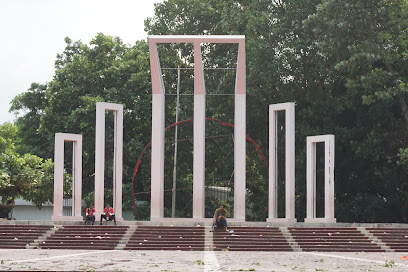
Central Shaheed Minar
0.4 km
A national monument in Dhaka, commemorating the martyrs of the Bengali Language Movement and symbolizing Bengali identity and cultural pride.
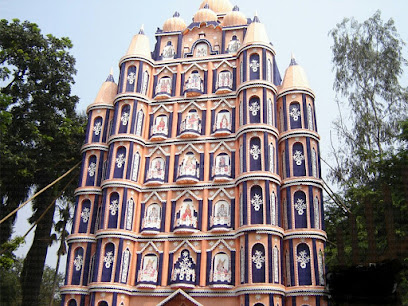
Ramna Kali Temple
0.5 km
Discover the Ramna Kali Temple in Dhaka, a symbol of resilience and spiritual heritage, offering a serene escape and a glimpse into Bengali Hindu culture.
Kadam Foara
0.6 km
Find serenity amidst Dhaka's hustle at Kadam Foara, a flower-inspired fountain offering a peaceful escape in the heart of the city.
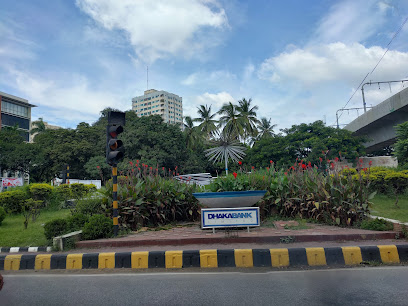
Sohrawardy Udyan
0.6 km
Explore Bangladesh's history and find serenity in the heart of Dhaka at Sohrawardy Udyan, a national memorial and urban oasis.
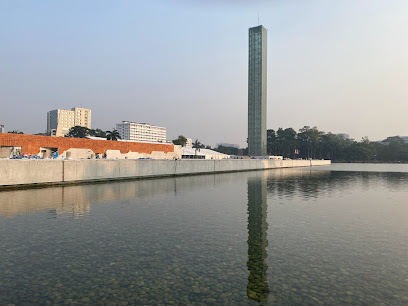
Swadhinata Stambha
0.8 km
A towering monument in Dhaka's Sohrawardi Udyan, commemorating Bangladesh's independence struggle with a museum and eternal flame.
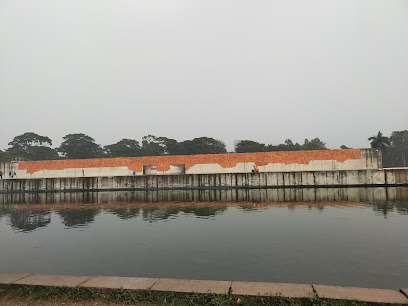
Museum of Independence
0.9 km
Explore Bangladesh's struggle for independence at this poignant Dhaka museum, featuring historical exhibits & the iconic Independence Monument.
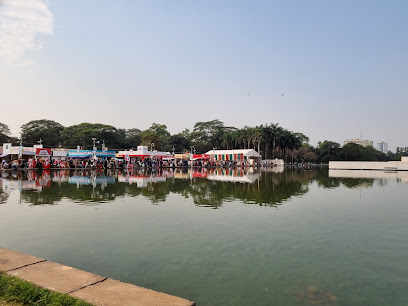
Dhaka City Museum
0.9 km
Discover Dhaka's vibrant past at the City Museum, showcasing historical relics and cultural heritage in the heart of the city.
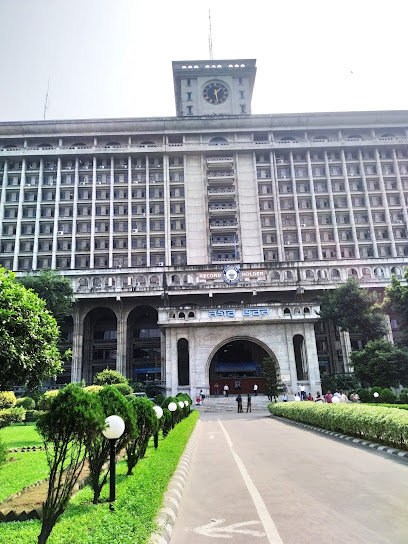
Ramna Botmul
1.0 km
Discover the historical charm and cultural significance of Ramna Botmul, a serene park in Dhaka and the heart of Bengali New Year celebrations.
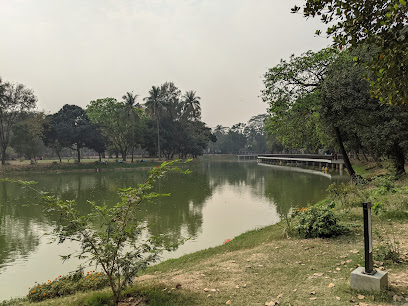
Gurudwara Nanak Shahi
1.1 km
Visit Gurudwara Nanak Shahi in Dhaka, a historical Sikh temple promoting unity and selfless service, open to all faiths on the Dhaka University campus.
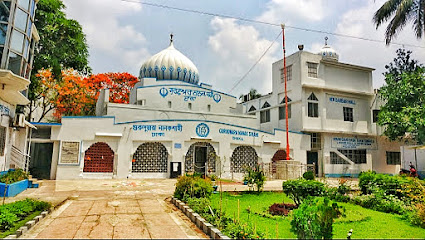
Kartalab Khan Masjid
1.1 km
Discover the Mughal splendor of Kartalab Khan Masjid in Old Dhaka, a historical mosque with unique architecture and serene ambiance.
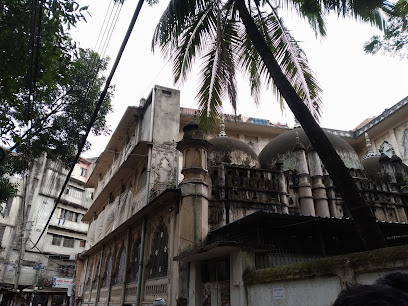
Ramna Lake
1.1 km
Escape the city in Dhaka's historic Ramna Park, a serene lake and green space with Mughal-era roots and vibrant cultural celebrations.
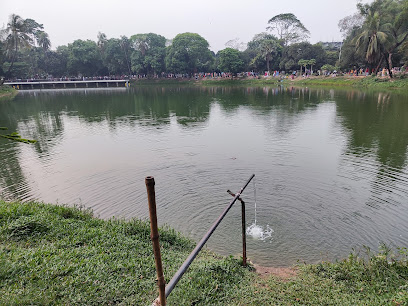
Dhakeshwari National Temple
1.1 km
Discover the spiritual heart of Dhaka at the Dhakeshwari National Temple, a symbol of faith, resilience, and cultural heritage for Bangladesh.

Essential places to dine

Almas Restaurant
0.6 km
Experience the rich flavors of Bangladesh at Almas Restaurant in Dhaka – where tradition meets innovation in every dish.
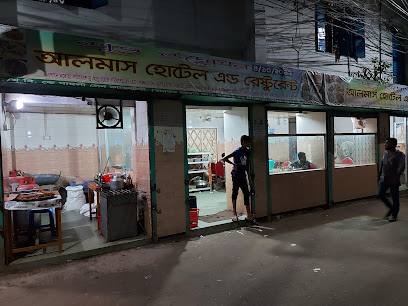
Bhaat Ghor ~ SegunBagicha
0.9 km
Experience the essence of Bengali and Middle Eastern cuisine at Bhaat Ghor in Dhaka – where every dish tells a story.
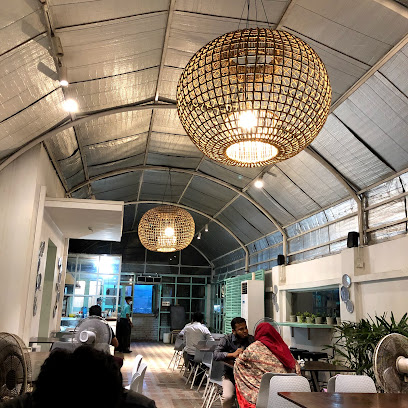
Kolkata Kacchi Ghor
0.9 km
Discover the authentic taste of Bangladesh at Kolkata Kacchi Ghor – home to exquisite biryani and vibrant culinary traditions.
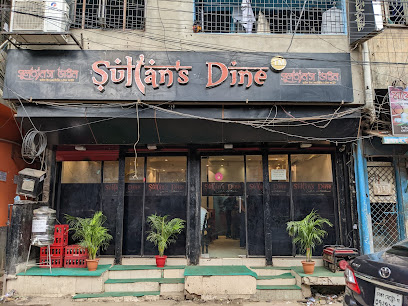
Bhoj
1.0 km
Explore authentic Bangladeshi and Indian cuisine at Bhoj - where tradition meets flavor in Dhaka.
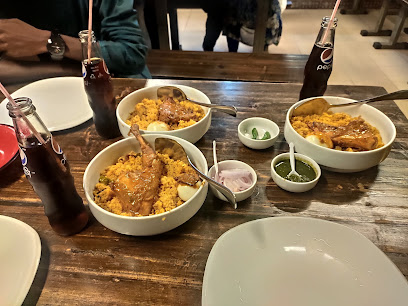
Chanda Hotel & Restaurant
1.1 km
Discover authentic Bangladeshi flavors at Chanda Hotel & Restaurant in Dhaka—where every meal tells a story.
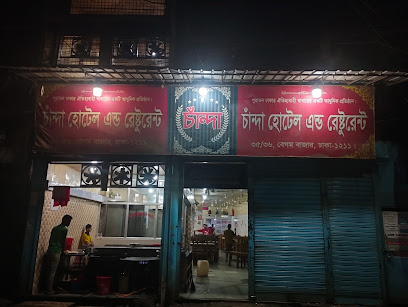
FEAST Restaurant
1.1 km
Experience the vibrant culinary scene at FEAST Restaurant in Dhaka, where traditional flavors meet contemporary dining.
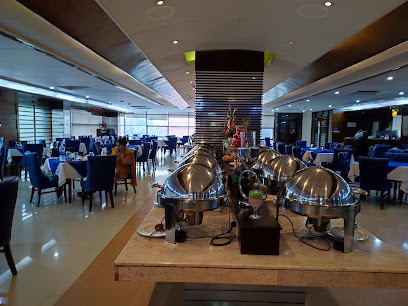
Radhuni Restaurant
1.2 km
Experience authentic Bengali flavors at Radhuni Restaurant in Dhaka – where tradition meets taste in every dish.
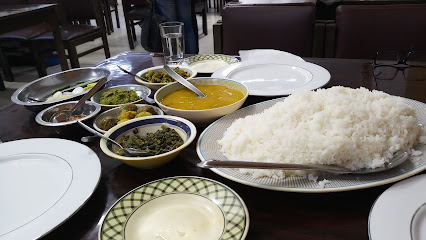
Bird's Eye Roof Top Restaurant and Convention Hall
1.2 km
Experience exquisite Chinese cuisine with stunning views at Bird's Eye Roof Top Restaurant in Dhaka - where every meal is a feast for the senses.
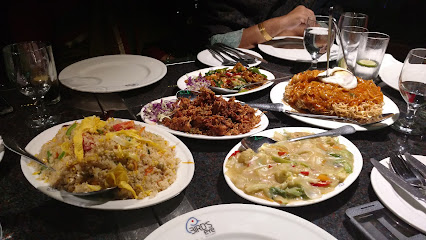
Hungry Kitchen
1.3 km
Discover the flavors of Bangladesh at Hungry Kitchen - the ultimate family-friendly dining experience in Dhaka.
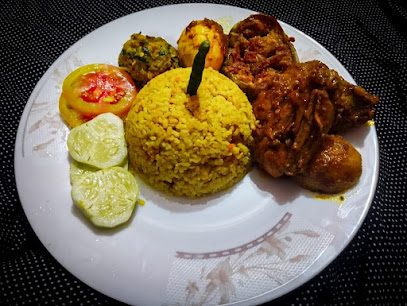
Weston Restaurant
1.3 km
Discover the rich flavors of China at Weston Restaurant in Dhaka - where every meal tells a story.
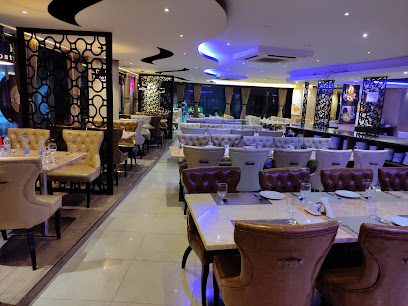
Super Supper
1.4 km
Experience an unforgettable culinary journey at Super Supper - Dhaka's premier buffet restaurant featuring diverse cuisines.
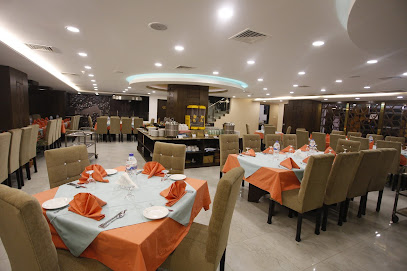
Noakhali Hotel And Restaurant
1.4 km
Savor the rich flavors of India at Noakhali Hotel And Restaurant in Dhaka – where every meal is a culinary journey.
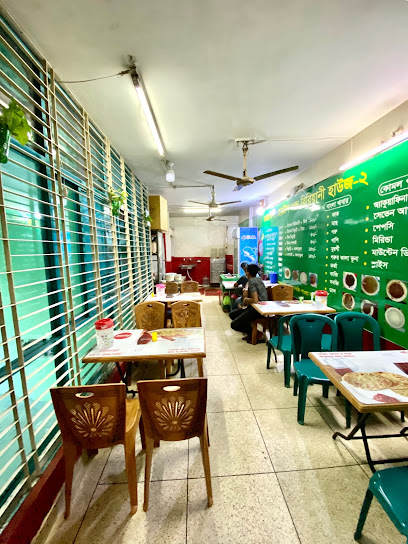
Hotel Star (Pvt) Ltd
1.4 km
Experience authentic Bangladeshi cuisine at Hotel Star (Pvt) Ltd in Dhaka - a culinary delight for every traveler.
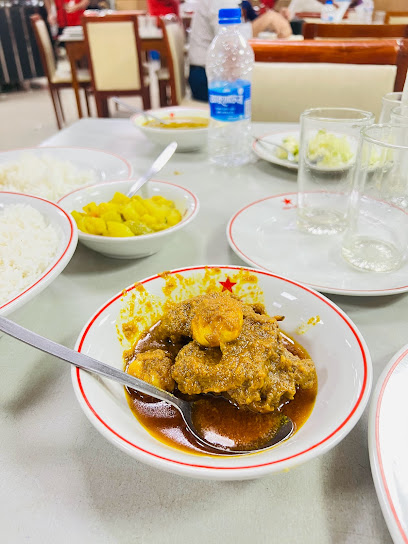
Restaurants Dhaka
1.6 km
Experience a world of flavors at Dhaka's premier buffet restaurant - where every meal is a celebration of taste.
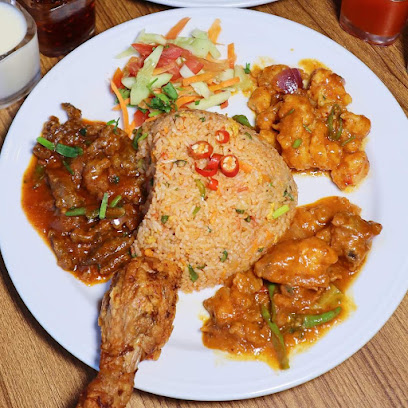
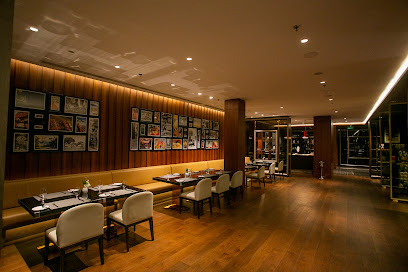
The Amber Room, InterContinental Dhaka
1.6 km
Discover fine dining at The Amber Room in Dhaka - where exquisite cuisine meets elegant ambiance for an unforgettable culinary journey.
Markets, malls and hidden boutiques

Bongo Bazar Shopping Complex
0.6 km
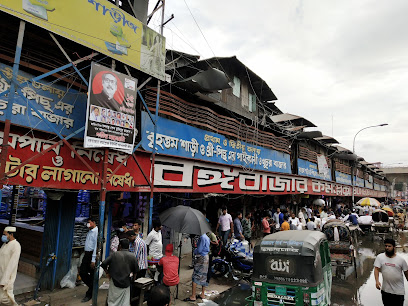
Explore Bongo Bazar Shopping Complex for an authentic Dhaka experience with vibrant markets, local handicrafts, and delicious street food.
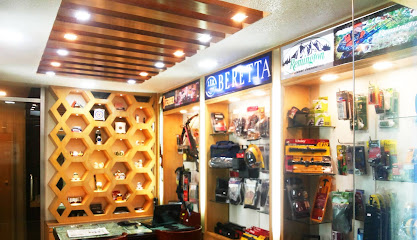
Adventurous Paradise
1.0 km
Explore Adventurous Paradise in Dhaka, your go-to hunting and fishing store with expert advice and a wide range of gear for outdoor lovers.
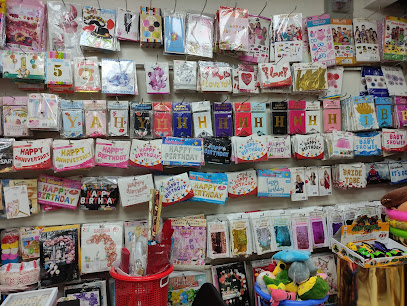
Trendy Gift Shop BD
1.2 km
Explore Trendy Gift Shop BD for unique party supplies and local crafts, celebrating Dhaka's vibrant culture and traditions.
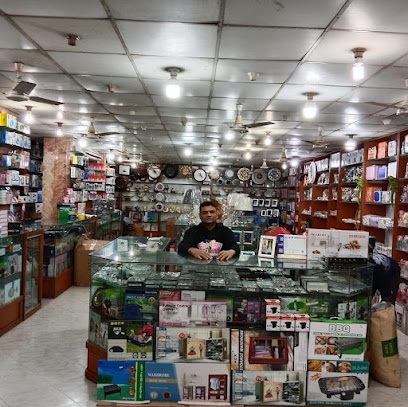
Keranigonj Super Shop
1.3 km
Explore Keranigonj Super Shop in Dhaka for unique gifts and local crafts, capturing the essence of Bangladeshi culture in every item.
Royal Bengal Sign
1.6 km
Explore the charm of Dhaka at the Royal Bengal Sign, where unique gifts and authentic souvenirs await every traveler.
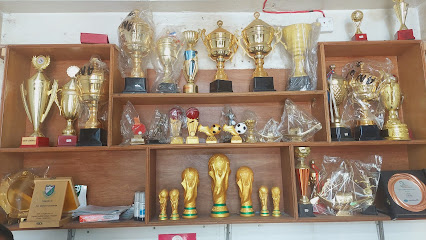
Express Fashion, Aziz Super Market, Dhaka
1.6 km
Explore the vibrant world of fashion at Express Fashion in Aziz Super Market, Dhaka - your ultimate shopping destination!
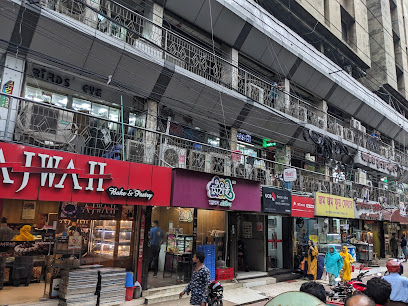
Desh Bangla Gift Corner
1.6 km
Discover the heart of Dhaka through unique gifts and traditional handicrafts at Desh Bangla Gift Corner, your go-to souvenir shop.
Team14 Gift Shop Dhaka
1.6 km
Explore Team14 Gift Shop Dhaka for unique handcrafted gifts and souvenirs that capture the essence of Bangladeshi culture and artistry.
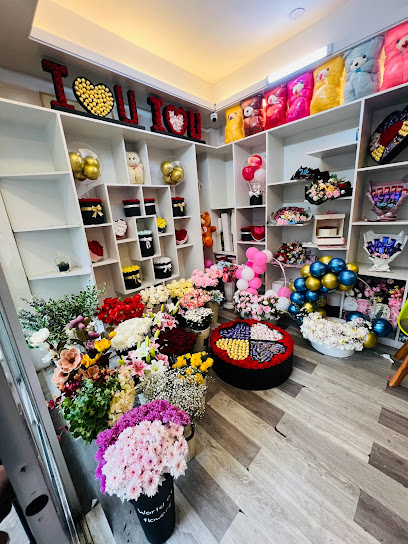
Gift City
1.8 km
Explore Gift City in Dhaka for unique souvenirs that embody the rich culture and craftsmanship of Bangladesh.
www.uniqueshopbd.com
1.8 km
Explore Unique Shop BD in Dhaka for authentic Bangladeshi crafts and trendy fashion, a true e-commerce experience in the heart of the city.
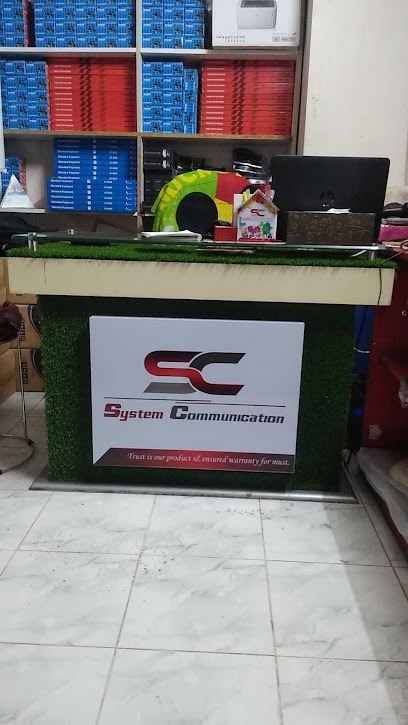
Gausia Market
1.8 km
Discover the vibrant Gausia Market in Dhaka, where authentic Bangladeshi fashion and unique textiles await every shopper.
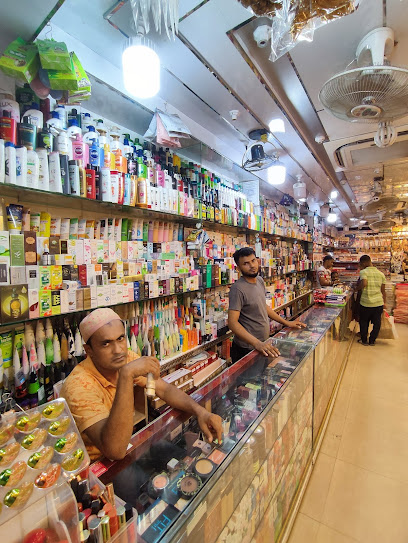
Krishnochura Fashion
1.9 km
Discover unique women's clothing that blends tradition and modernity at Krishnochura Fashion in Dhaka's Eastern Mollika Shopping Complex.
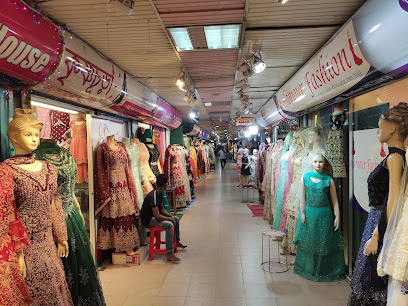
Unique Fashion House
1.9 km
Explore the vibrant Unique Fashion House in Lalbagh, Dhaka, where local craftsmanship meets contemporary style for an unforgettable shopping experience.
Dhanmondi Hawker's Market
1.9 km
Experience the lively spirit of Dhaka at Dhanmondi Hawker's Market, a vibrant shopping paradise filled with local flavors and unique finds.
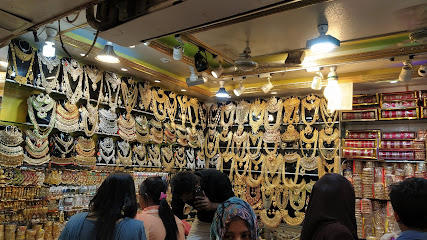
Dhaka New Market
1.9 km
Explore the vibrant Dhaka New Market, a cultural treasure trove of local crafts, street food, and shopping excitement in the heart of Bangladesh.
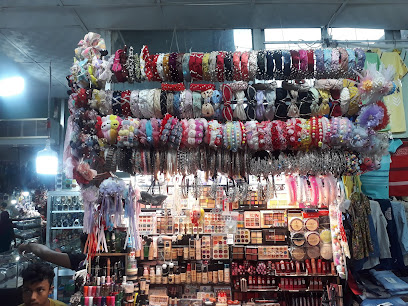
Essential bars & hidden hideouts

Md Riyad
0.8 km
Experience the lively atmosphere and local flavors at Md Riyad, a popular bar in the heart of Dhaka, perfect for unwinding after a day of exploration.
Dhaka Restaurant & Recreation Center
1.3 km
Discover the culinary delights of Dhaka at the vibrant Dhaka Restaurant & Recreation Center, where local flavors meet a lively atmosphere.
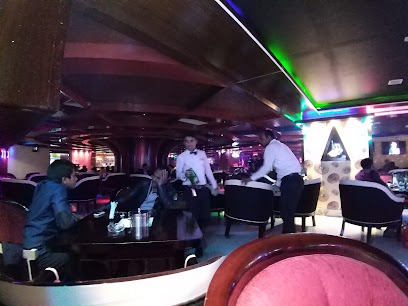
Gentleman’s Rest Bar
1.4 km
Discover the lively spirit of Dhaka at Gentleman’s Rest Bar, where live music and exquisite drinks create unforgettable nights.
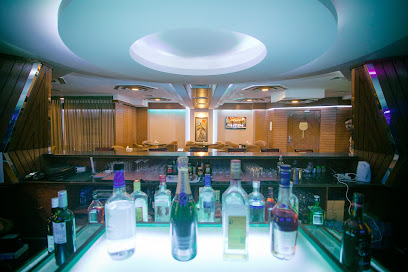
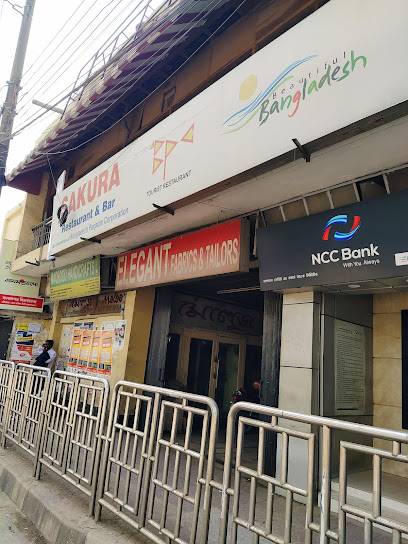
Sakura Restaurant & Bar
1.7 km
Discover the vibrant nightlife of Dhaka at Sakura Restaurant & Bar, where delicious food and drinks await in a lively atmosphere.
নাইটিংগেল বার
1.8 km
Explore the vibrant nightlife at Nightingale Bar in Dhaka, where great drinks and lively atmosphere await.
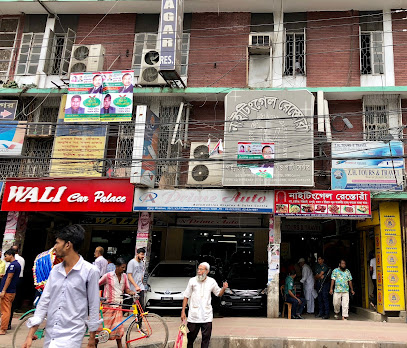
Hotel Grand Galaxy
2.1 km
Discover the lively charm of Hotel Grand Galaxy, Dhaka's top spot for chicken wings, wine, and a vibrant nightlife experience.
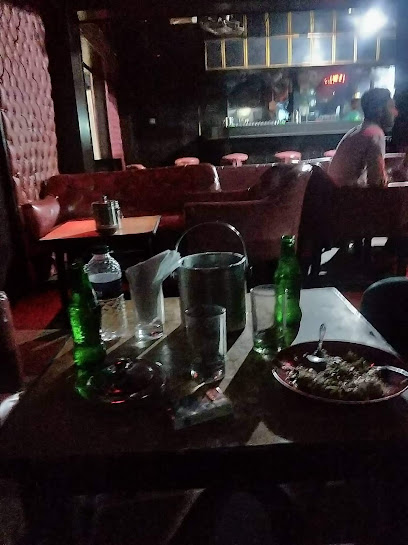
Chalet Restaurant & Bar
2.2 km
Discover the vibrant culinary experience at Chalet Restaurant & Bar in Dhaka, where local flavors meet international cuisine.
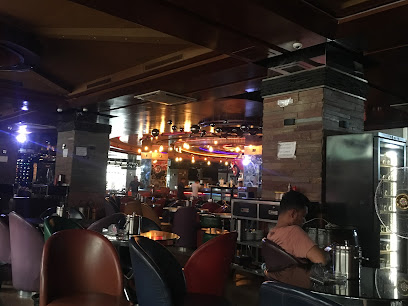
Golden Dragon Bar
2.3 km
Experience the vibrant nightlife at Golden Dragon Bar in Dhaka with signature cocktails, live music, and a lively atmosphere perfect for socializing.
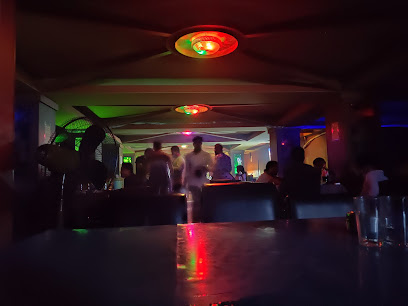
Salsha Ghor
2.4 km
Discover the vibrant nightlife of Dhaka at Salsha Ghor, a stylish bar offering a delightful array of drinks and a lively atmosphere.
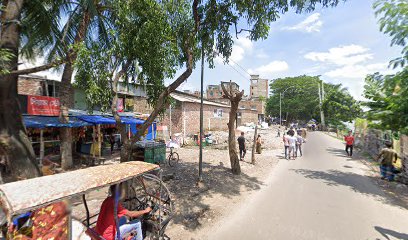
Dhanmondi Club Limited
2.5 km
Experience the vibrant nightlife of Dhaka at Dhanmondi Club Limited, where great drinks meet a lively atmosphere.
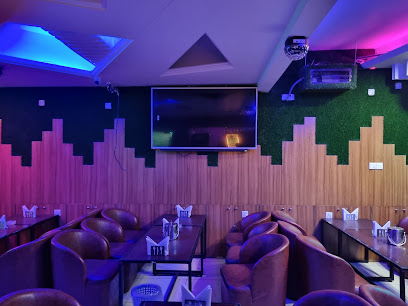
Piyashi Restaurant and Bar
2.6 km
Experience the vibrant culinary scene at Piyashi Restaurant and Bar in Dhaka, where delicious cuisine meets a lively bar atmosphere.
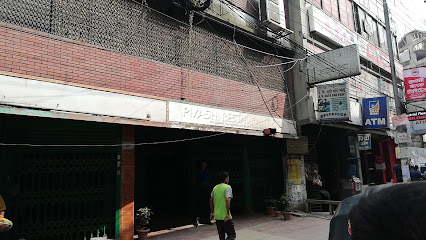
Bengal Bar
2.7 km
Experience the lively atmosphere and unique flavors at Bengal Bar, a must-visit destination in Dhaka for tourists and locals alike.
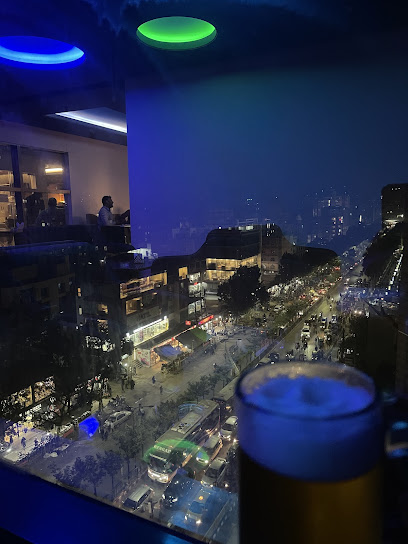
Sir
2.9 km
Experience the vibrant nightlife of Dhaka at Sir, a lively bar offering an extensive drink menu and a welcoming atmosphere.
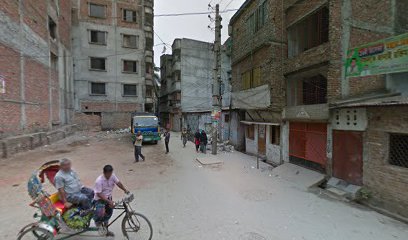
DPL Restaurant & Bar
3.2 km
Discover the vibrant flavors of Dhaka at DPL Restaurant & Bar – where local cuisine meets a lively atmosphere.
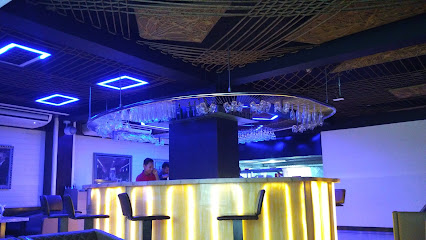
Adda KH
3.3 km
Dive into Dhaka's nightlife at Adda KH, where vibrant energy meets exquisite drinks in a stylish setting.
Nightclubs & after hour spots

Teachers Lounge । Faculty of Arts, University of Dhaka
1.2 km
Experience a tranquil escape at the Teachers Lounge in the University of Dhaka, where scholarly vibes meet relaxation in an inspiring setting.
FBS Boys Common Room and Ice Cream Parlour
1.3 km
Discover a delightful blend of relaxation and indulgence at FBS Boys Common Room and Ice Cream Parlour, a must-visit lounge in Dhaka University.
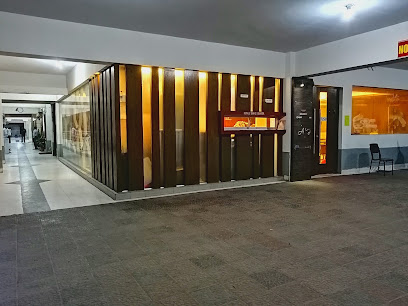
Noakhali Club Dhaka Ltd
1.8 km
Experience the vibrant nightlife at Noakhali Club Dhaka Ltd, where socializing meets stunning views in the heart of Dhaka.
Bangladesh Bank Club
2.3 km
Discover the heart of Dhaka's nightlife at Bangladesh Bank Club, where music, dance, and unforgettable memories await you.
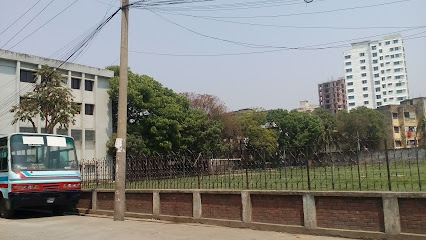
Eker Chad/ The Eker roof top
3.4 km
Discover the vibrant nightlife at Eker Roof Top in Dhaka, where stunning views and lively music create unforgettable memories.
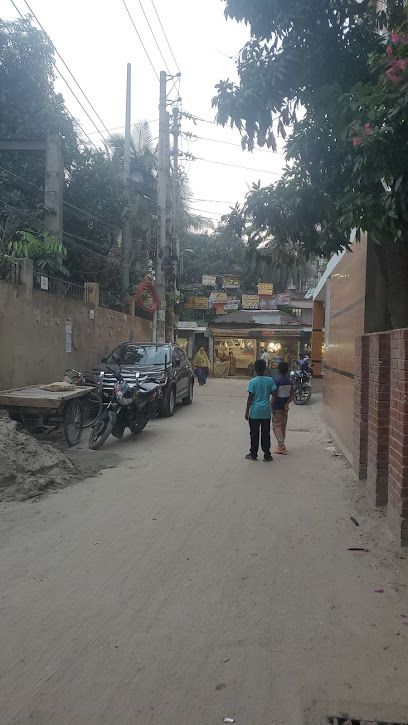
Griddle Cafe & Lounge
4.2 km
Discover the vibrant culinary scene at Griddle Cafe & Lounge in Dhaka, where delicious flavors meet a cozy atmosphere.
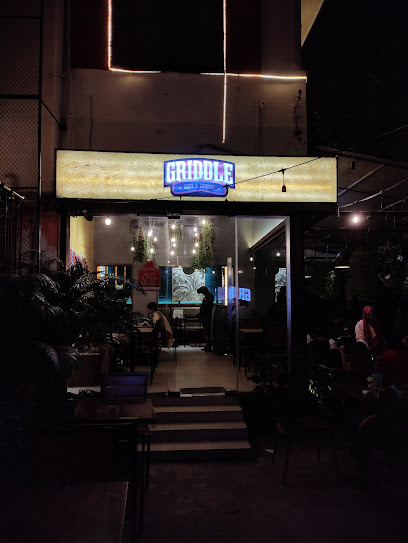
Fuwang Club
5.0 km
Experience the nightlife in Dhaka at Fuwang Club, where great drinks and vibrant atmosphere create unforgettable memories.
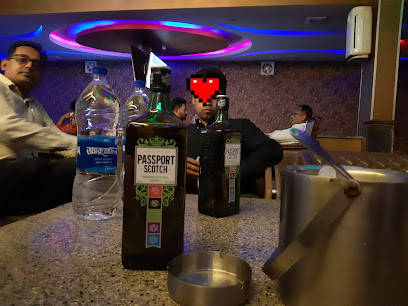
Adda Jone
5.8 km
Discover the energy and excitement of Dhaka's nightlife at Adda Jone, a premier night club where vibrant music and unforgettable experiences await.
Lake View Recreation Club, Gulshan-1
6.4 km
Experience the perfect blend of relaxation and socializing at Lake View Recreation Club in Gulshan-1, Dhaka, with stunning lake views and a welcoming atmosphere.
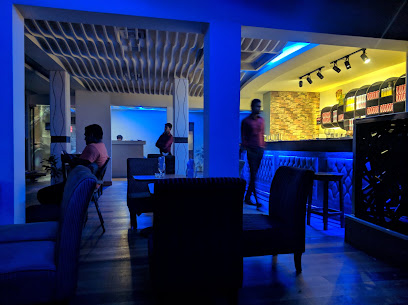
Hanif Khan
6.5 km
Experience the heart of Dhaka's nightlife at Hanif Khan, where music, dance, and culture come alive for an unforgettable evening.
উত্তর ইব্রাহিমপুর আশিদাগ
7.1 km
Discover the heart of Dhaka's nightlife at Uttar Ibrahimpur Ashidag, a vibrant night club offering music, dance, and local culture.
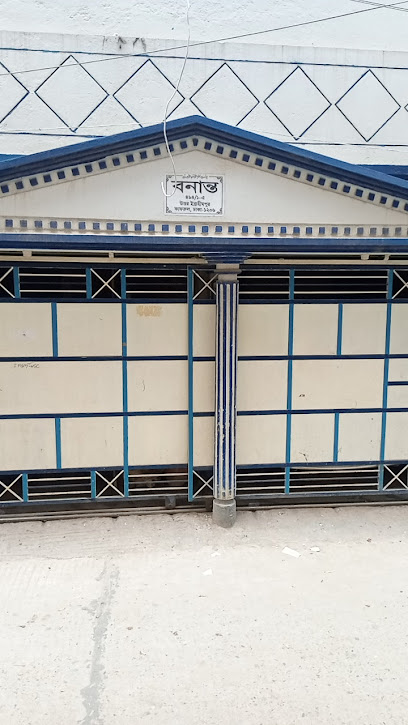
TRIBE Rooftop Lounge
7.1 km
Discover the perfect blend of ambiance and flavor at TRIBE Rooftop Lounge in Dhaka, offering stunning views and an exquisite menu.
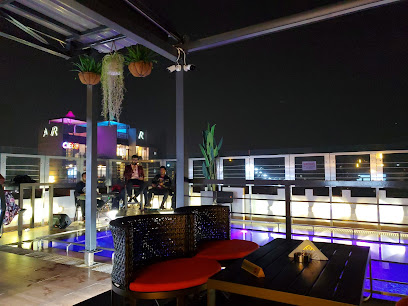
Bluemoon Recreation Club
7.1 km
Explore the vibrant atmosphere of Bluemoon Recreation Club in Dhaka, offering dining, socializing, and fitness for the perfect leisure experience.
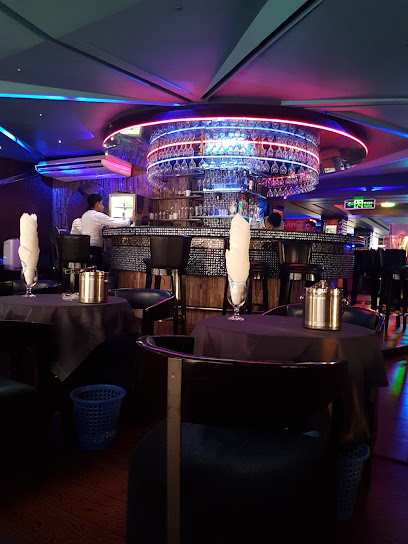
Jazz Reloaded Lounge
7.2 km
Jazz Reloaded Lounge: A vibrant Dhaka hotspot blending live jazz, exquisite dining, and a welcoming atmosphere for travelers.
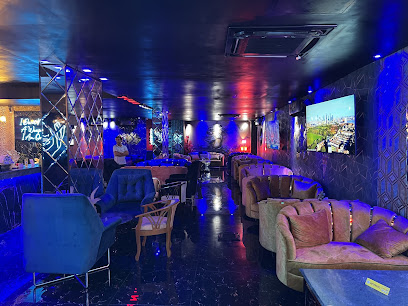
Signature lounge
7.2 km
Discover the electrifying nightlife at Signature Lounge in Dhaka, where vibrant music and exceptional service create unforgettable experiences.